

Kamianets’ tourist symbol turns into a dumping ground
In Kamianets-Podilskyi, the well-known tourist art object “Table of Concord” has turned into a makeshift rubbish dump. A symbol of the city’s multicultural history, located next to the medieval fortress, it is now buried under bottles, packaging and cigarette butts.
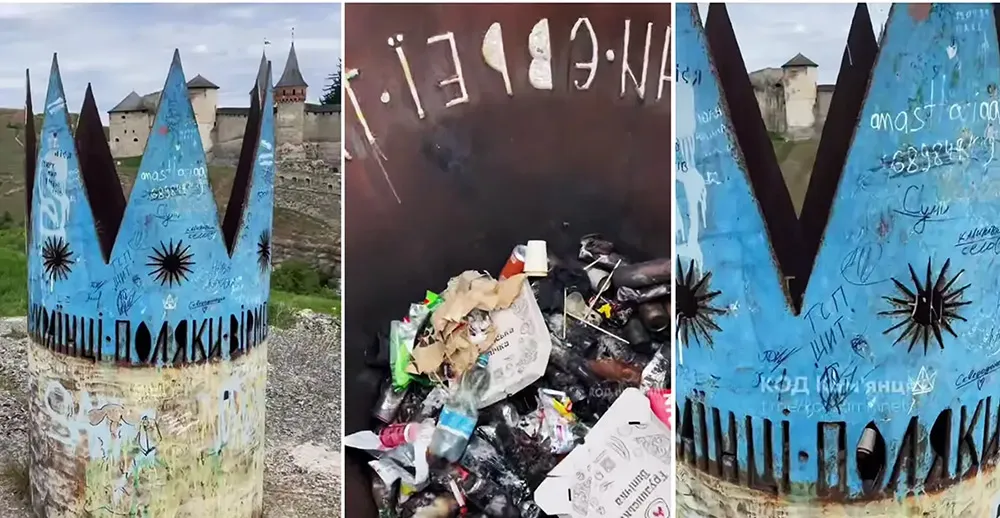
Photo: podillyanews.com
The installation, created as a sign of the unity of Kamianets’ seven cultures, was meant to become a calling card of the Old Town. Instead, its neglected appearance has caused a wave of outrage among locals and tourists. Videos in which the “Table of Concord” looks like a rubbish bin are circulating on social media.
Users are arguing: some blame tourists for a lack of manners, others blame the municipal services for indifference. Comments range from “There’s nowhere to throw rubbish, a bin is needed” to the reminder: “Taking a bottle with you isn’t hard.”
The problem is especially painful because the art object lies on the route to Kamianets Fortress, which hundreds of tourists visit every day. Locals call the situation a “tourist disgrace” and urge the authorities to put things in order immediately, so that the symbolic installation can again fulfil its role — telling of the multicultural heritage rather than displaying indifference.
Background:
The “Table of Concord” is a tourist art object in Kamianets-Podilskyi, installed in 2001 on Tatarvytsia hill after the first “Seven Cultures” festival. It is also called the “Monument to the Seven Cultures”. The project’s author is the Ukrainian architect and sculptor Anatolii Fedorovych Ihnashchenko.
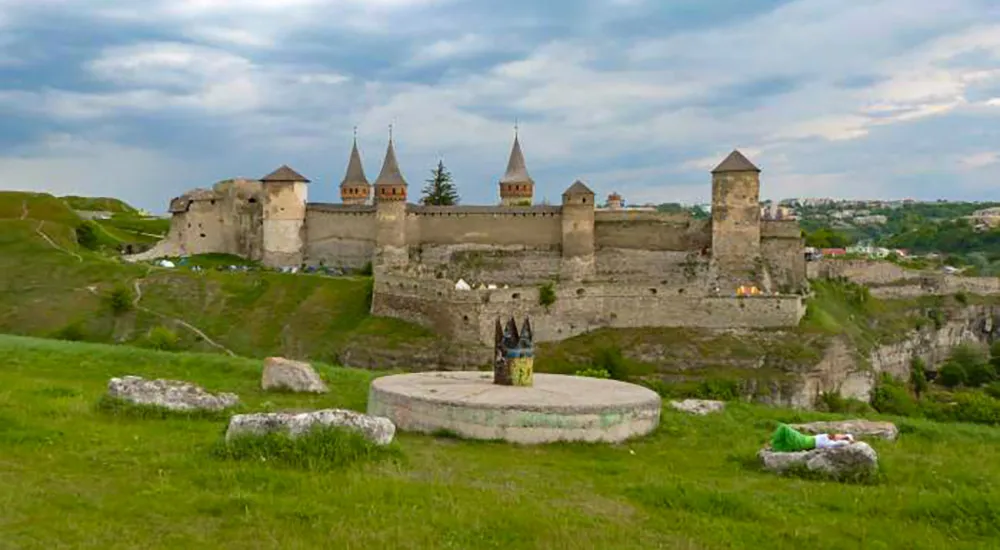
The composition takes the form of a concrete disc about eight metres in diameter. In the centre stands a metal pipe, a symbol of the city and its fortress. Around it are stones representing the peoples who contributed to the creation of Kamianets: Ukrainians, Poles, Lithuanians, Turks, Jews and Armenians. This is why the city is called the “city of seven cultures”.
The “Table of Concord” was conceived as a symbol of unity and peaceful coexistence of the different peoples who over the centuries have shaped the unique history of Kamianets-Podilskyi.


