

In Pidhora, on the hill…
In Pidhora, a hamlet of Terebovlia, you can see a very interesting monument – the Basilian Monastery of the Holy Transfiguration, also known as the “Terebovlia Monastery of the Holy Saviour”.
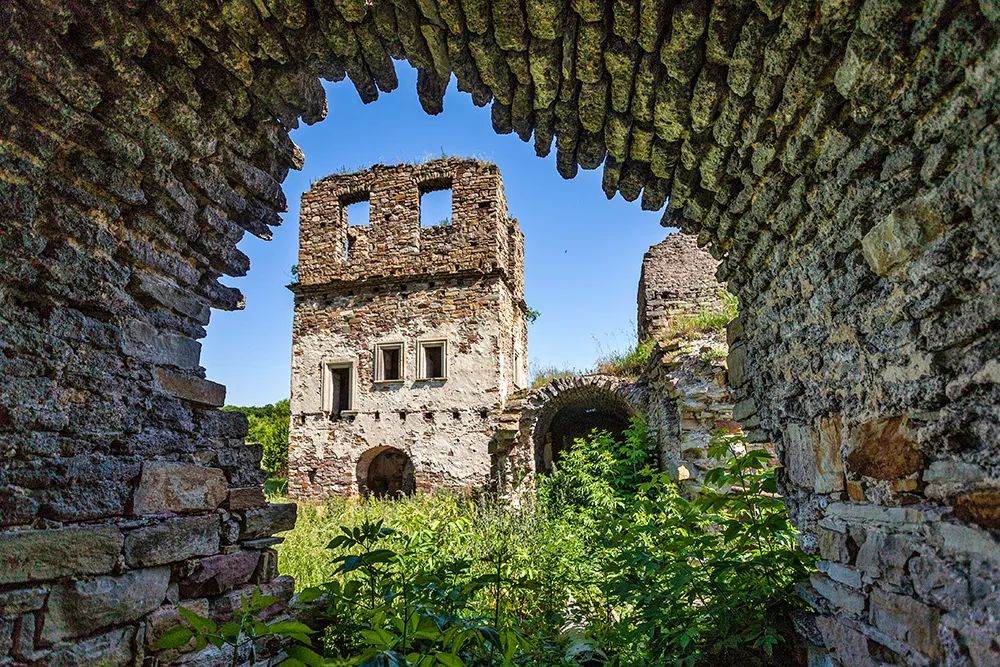
The time of its origin is uncertain. It is possible that it arose back in princely times and not without the involvement of Prince Vasylko Rostyslavych of Terebovlia. However, the first written mentions of this monastery date only from the mid-17th century. An important fact is that the records of the time describe the monastery as “ancient”, that is, it existed long before it was mentioned on paper.
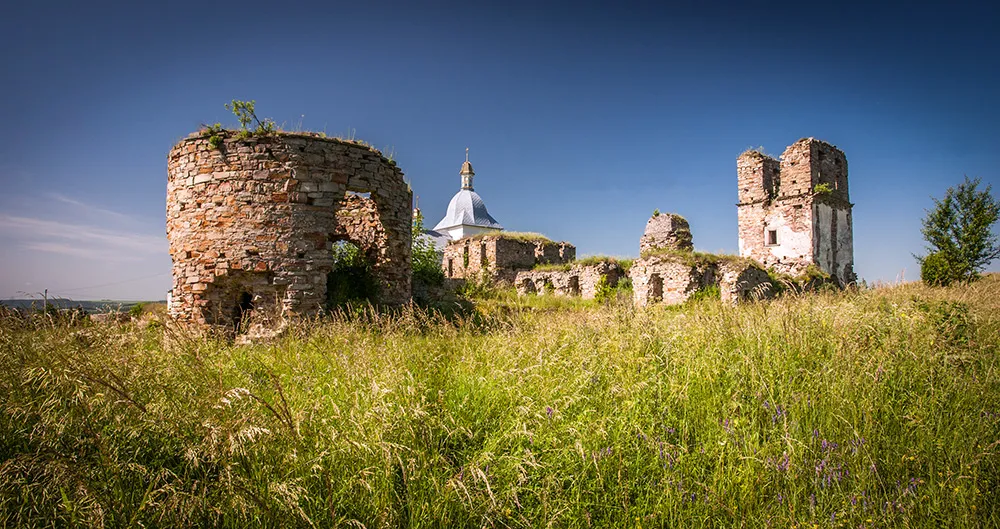
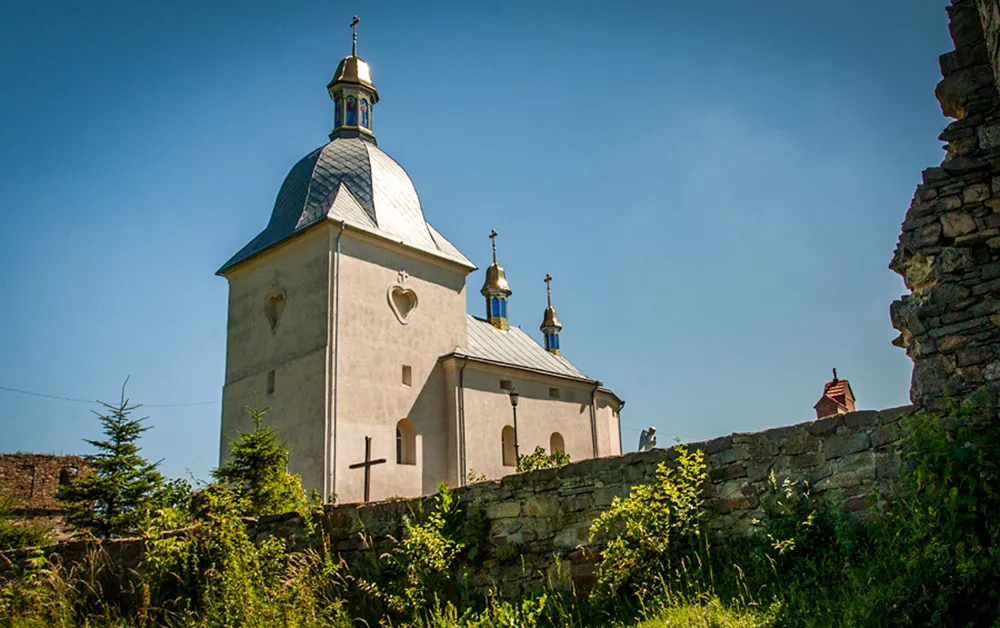
From the beginning it was probably wooden. The oldest of the masonry buildings is the Church of the Transfiguration, dating back to the 16th century. Like all sacral masonry buildings of that time in Podillia, the church has a pronounced defensive character. Here we see not only massive walls with loopholes cut into them; the windows, too, are set at a considerable height, so that an enemy could not simply climb in.
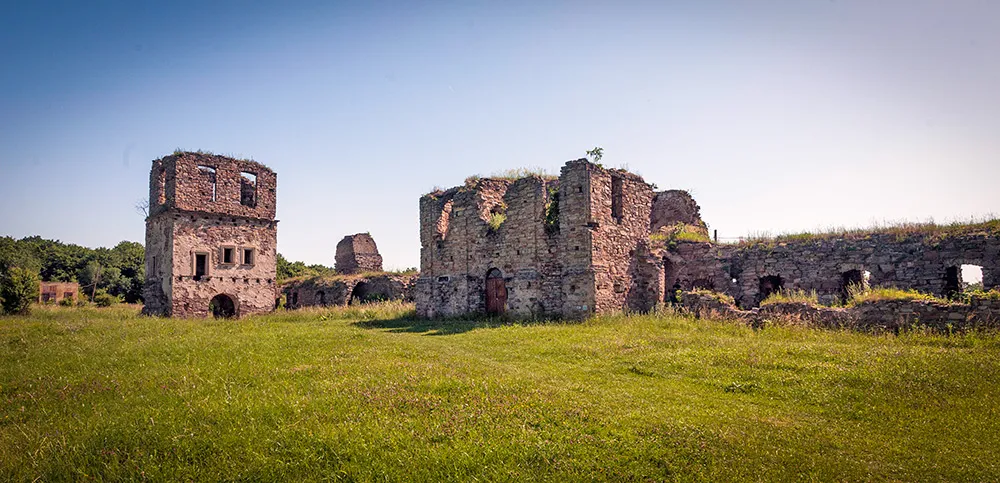
The monastery itself was practically no different from a fortress or castle, just like all the other Basilian monasteries of the time. Take Pidkamin or Sataniv, for example. It is surrounded by a powerful wall (the perimeter was quadrangular) with two-tiered round towers at the corners. Most of these fortifications have survived to this day.
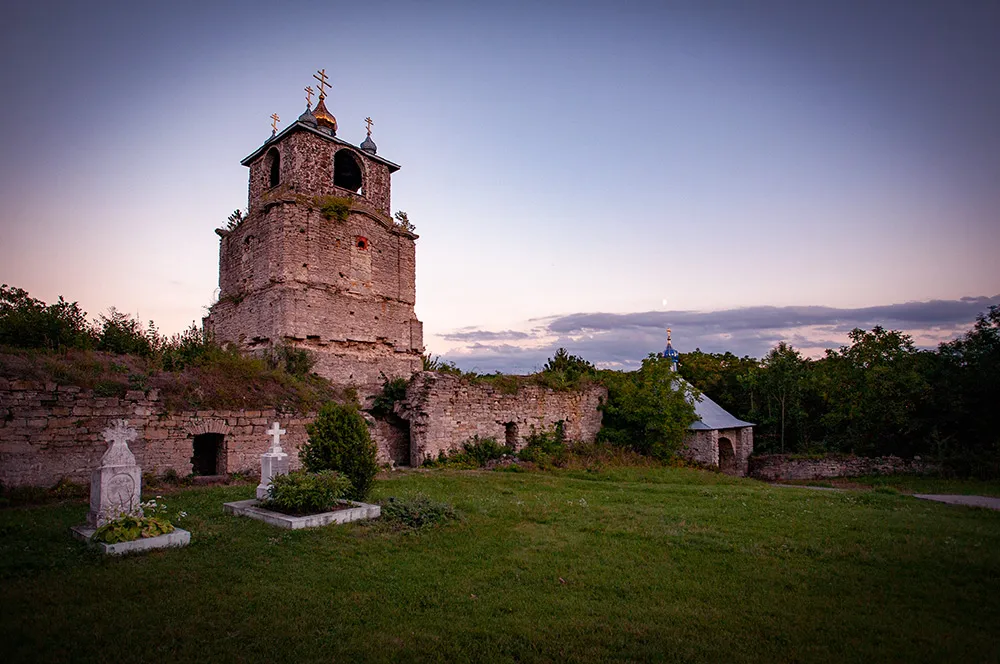
The monastery in Sataniv
Given the steep slopes of the hill on which the stronghold stands and the Seret and Hnizna rivers that wash the hill, not every adversary could crack this tough nut.
Most likely, however, these masonry fortifications are late: until the early 18th century the above-mentioned Church of the Transfiguration remained the only masonry building, and everything else was of wood. The stone ones were built only after the Ottomans left Podillia.
Speaking of the Ottomans: according to old records, in 1663 an icon of the Mother of God wept copious tears in the monastery’s Church of the Holy Transfiguration. The Terebovlia court book says the following about it:
“I, the undersigned, centurion Ivan Sulovskyi, encamped with my company in Terebovlia to ensure the coordination of the troops, by order of Mr Jan Samuel Świderski, commander of the forces of His Royal Majesty, attest to the report of the monk Mytrofan Popil of the Terebovlia monastery of the Holy Saviour that the image of the Most Pure Virgin wept on the Thursday before the Ukrainian Easter during the service, in the presence of both Orthodox and Catholics. We saw this divine manifestation; all this happened in truth. On Saturday we again went to the Divine Service and saw with our own eyes that this image of the Most Pure Virgin wept copiously, having changed, about which we bona fide et conscientia (in good faith and conscience – Latin) testify that it was so and not otherwise, which I sign with my own hand together with my company”.
The Mother of God is believed to have wept, foretelling the coming invasion of the Janissaries.
Later this miraculous icon was moved to Terebovlia Castle, where another miracle is associated with it.
In the autumn of 1675 the Janissaries of Pasha Ibrahim Shyshman besieged Terebovlia Castle. The small garrison, consisting of only 80 professional soldiers and another 200 townspeople and peasants, had held out for two weeks with its last strength, relying only on its own courage and God’s protection. On 6 October a MIRACLE occurred. That day the Ottomans tried to lay a gunpowder mine under the walls of the stronghold. But the powerful explosion not only caused no damage to the castle walls but also destroyed almost a thousand Janissaries. The miracle of deliverance is attributed to fervent prayers before the above-mentioned icon of the Mother of God. On 11 October, having learned of the approach of Jan Sobieski’s army, Shyshman Pasha lifted the siege and hurried to withdraw across the Dniester.
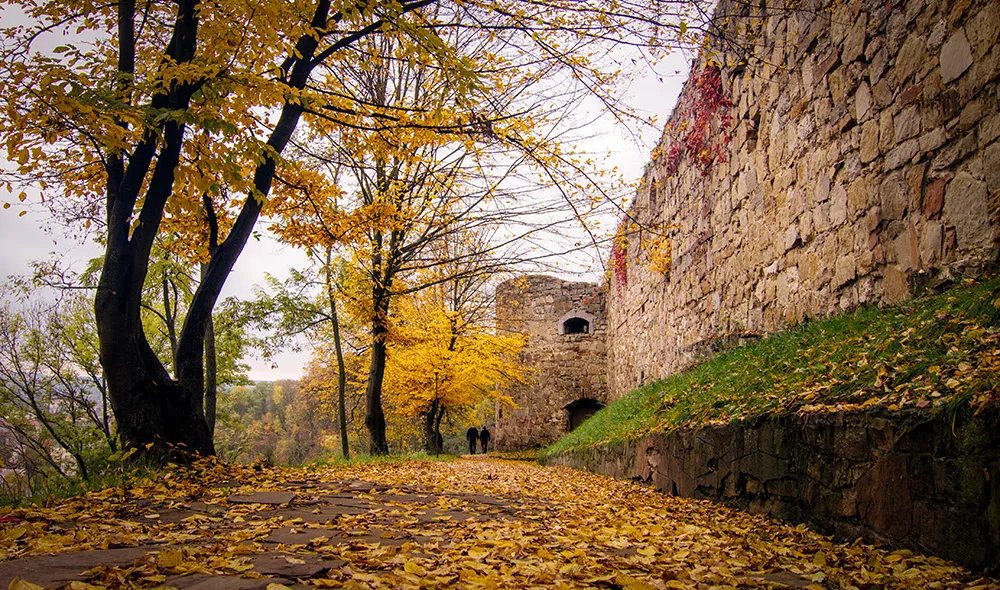
Terebovlia Castle
Soon, on the initiative of Bishop Yosyf Shumlianskyi, the miraculous icon was ceremonially transferred to St. George’s Cathedral in Lviv, where it also worked a miracle. It is believed that in 1704 it was this icon that saved Lviv during the Swedish siege of the city.
Today the Terebovlia Icon of the Mother of God is kept in St. George’s Cathedral in Lviv and is one of the oldest and best-known “weeping icons” in Ukraine.
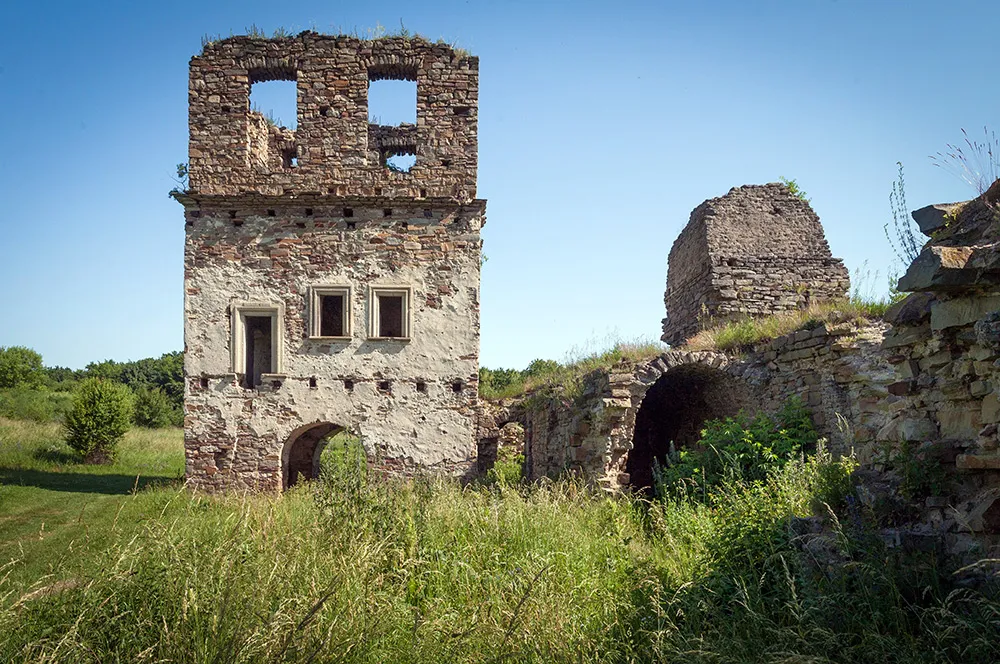
Returning to the monastery.
Most probably the monastery was built in masonry around 1716. This is attested, among other things, by an inscription on the carved white-stone frame of a window on the 2nd tier of the gate tower-belfry. In an ornate Slavonic ligature script it reads: “Founder hegumen Dionysii ҂аѱѕ҃і (that is, 1716 – note by UI)”. On another window the year is already given in Arabic numerals.
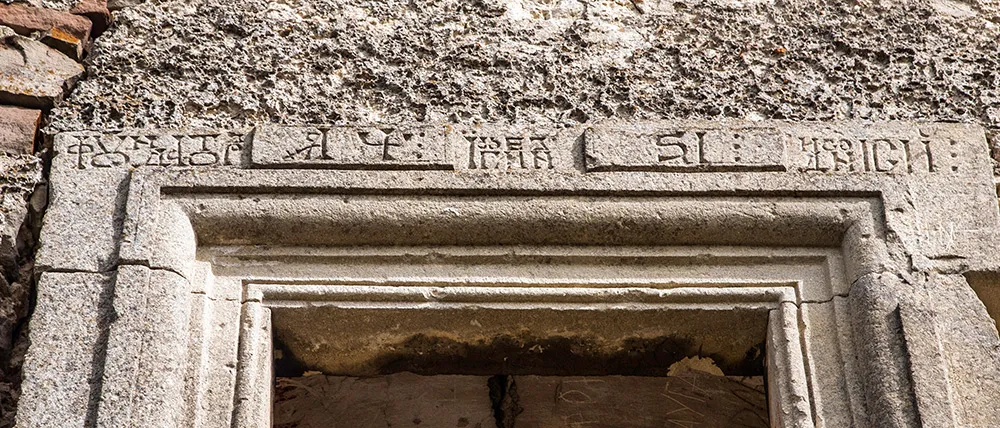
Hegumen Dionysii Oleksandrovych founded not only the tower mentioned but all the other masonry construction. This is mentioned in the will he drew up in 1718: “I, hieromonk, hegumen of the Terebovlia monastery newly built by me…”
The monastery was closed soon after this part of Podillia passed to Austria, when Emperor Joseph II launched his “secularisation reform”, under which a mass closure of monasteries began across the empire. The Pidhora monastery was closed on 1 January 1789.
The monastery buildings were sold at auction for a mere 704.5 guilders. The property was scattered. The iconostasis ended up in a church in the village of Mohylnytsia, the altar in the Holy Trinity Church (kostel) in the village of Dolyna. The great bell was taken to Zarvanytsia. Unexpectedly, a huge 12-candle candelabrum somehow ended up in the Terebovlia synagogue!
The monastery stood quite remote, so its buildings turned out to be of no use to anyone. Without care, everything began to crumble. By the early 20th century it had turned into ruins.
The local priest, Father Ivan Zalutskyi, decided to rectify the situation; he got the authorities to return the Church of the Transfiguration to the faithful. By then the church stood in ruins, and the bell tower above its façade had been dismantled completely. The priest managed to patch up the church somewhat and even to cover it with sheet metal.
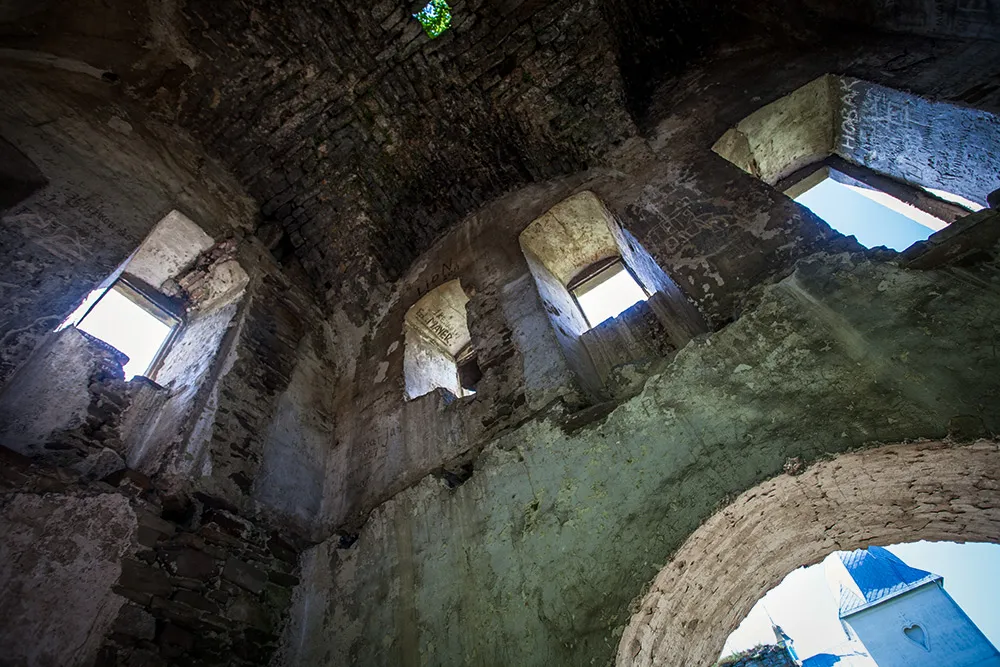
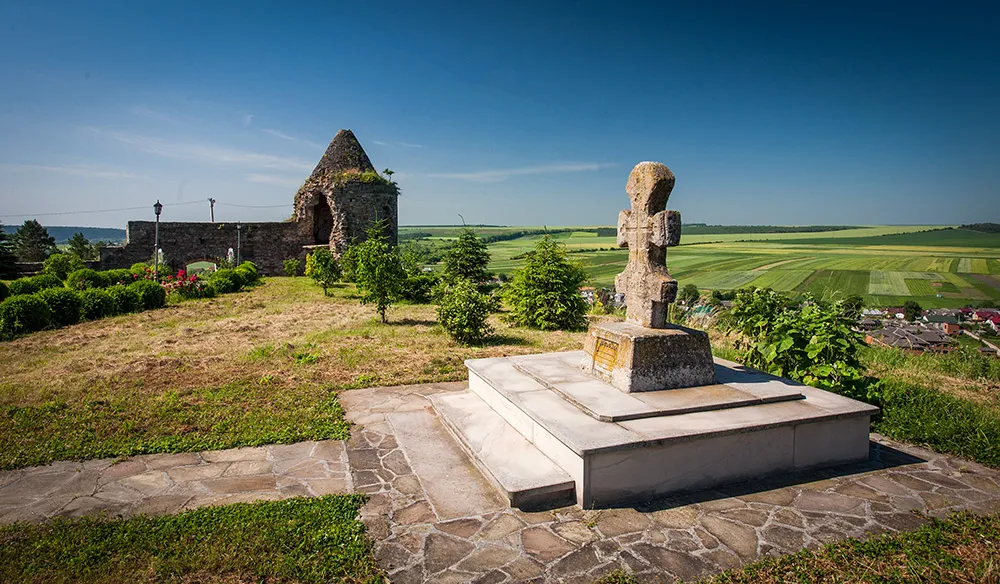
But then the First World War broke out. During the Russian occupation the invaders, for some reason, blew up the wall that faced the Seret valley. Considering that the miraculous icon was then all the way in Lviv, the explosion went well for them.
In the interwar period the Polish authorities tried to begin restoration, but war again got in the way.
Under the “second Soviets” Soviet soldiers joined in destroying the monument: the monastery ended up right on the territory of a military unit. The Soviet soldiers treated the heritage without the slightest reverence and turned it into a quarry, from which they took stone for construction or repair needs.
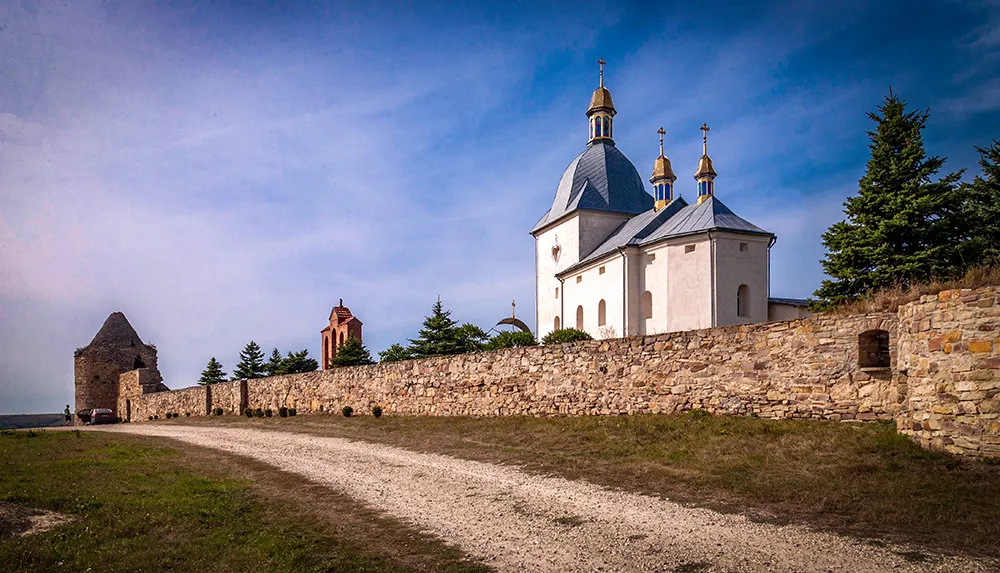
Only in the early 1990s did parishioners of the neighbouring villages of Pidhora and Zelenche join forces to restore the church and partially rebuild the defensive walls. The church was rebuilt in the second half of the nineties.
The monastery in Pidhora is not only interesting but also very photogenic. A visit to this monument will therefore not leave even the most demanding traveller indifferent.
Text and photos: Dmytro Poliukhovych


