

Cossack church restored in the village of Radkivka in the Chernihiv region (photos)

· 2 min read
Repairs of ancient churches carried out by parishioners usually have rather tragic consequences for historic monuments. “Shiny tin” and “Euro-renovations” have long become a byword. It is enough to recall the sad fate of the fortified St. Onuphrius Church in Husiatyn in the Ternopil region (16th century, a monument of national significance), turned into who knows what. The Ukrainian Greek Catholic Church faithful stuck on it four (four!) domes that never existed before, covered the walls with stucco, painted them with the best grades of caustic emulsion paint, and even added a portico in front of the entrance with “ancient Greek” columns and a little balustrade in the style of a Soviet park of culture and rest of the Stalin–Khrushchev era… Or the destroyed murals by Modest Sosenko and Yulian Butsmaniuk in Slavske… Or the latest scandalous story with the Ternopil Cathedral.
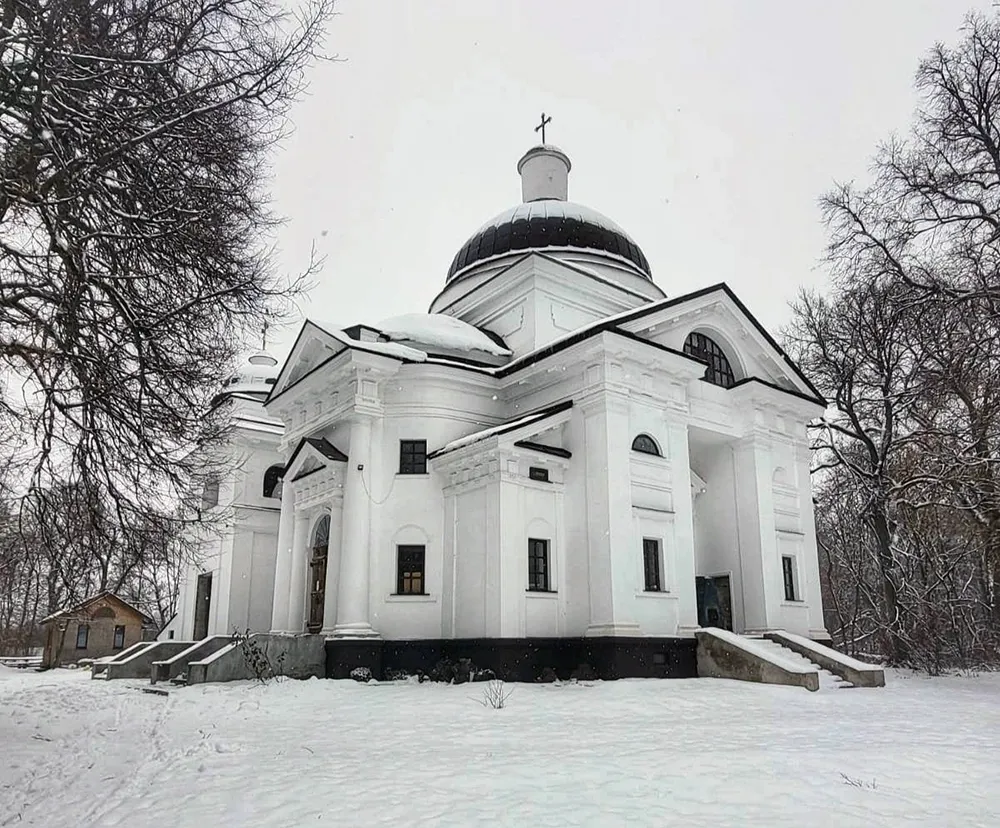
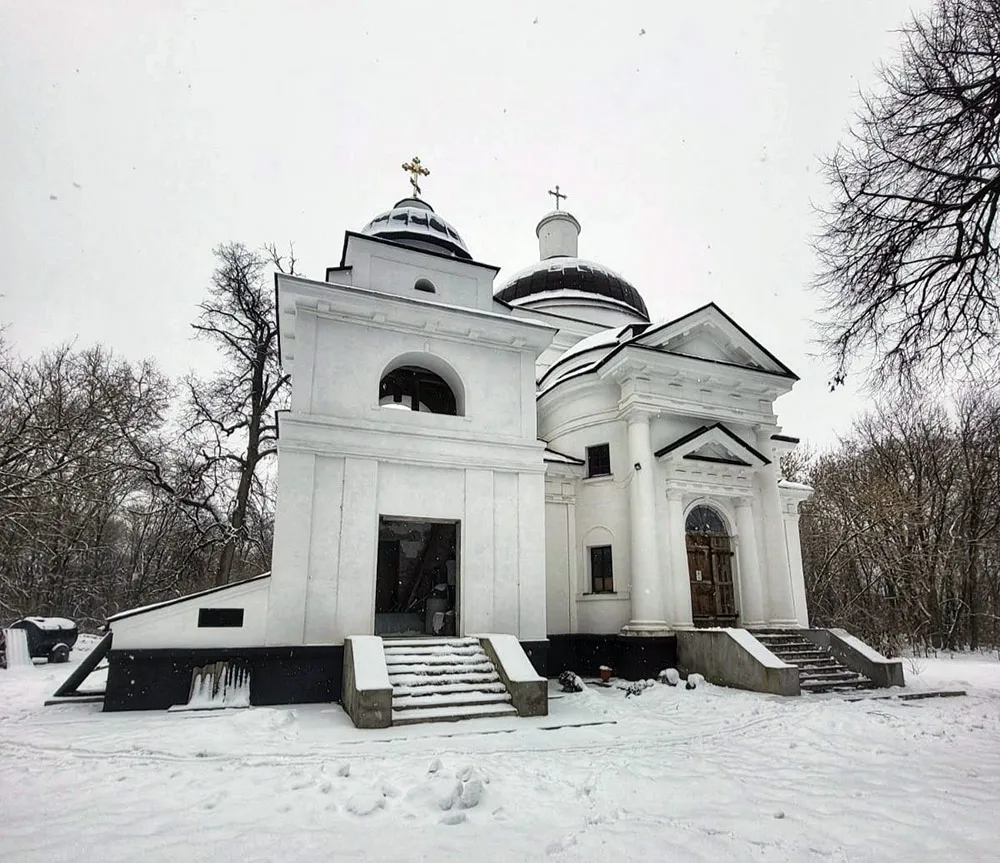
The restoration of the Ascension Church in the village of Radkivka in the Chernihiv region is an extremely rare, even unique case in which believers treated an ancient monument with all possible respect.
The Ascension Church is a wonderful example of Classicism. It was built by Fedir Rakovych, a bunchuk comrade before the destruction of the Sich. Just three years ago it stood in ruins. The church was restored through the efforts of Father Petro (Pavlo Repetukha) and the small men’s monastery he heads. The monastery was founded in 2010, and at that time it was the only men’s monastery of the UOC-KP in the Chernihiv region. This news is very gladdening, since the Ascension Church is a beautiful and extraordinary monument. It was effectively saved from complete destruction and oblivion. Look at what the church is like now and what it looked like three years ago.
Other “improvers” and “ragulizers” would do well to take an example from this of how ancient churches should be treated.
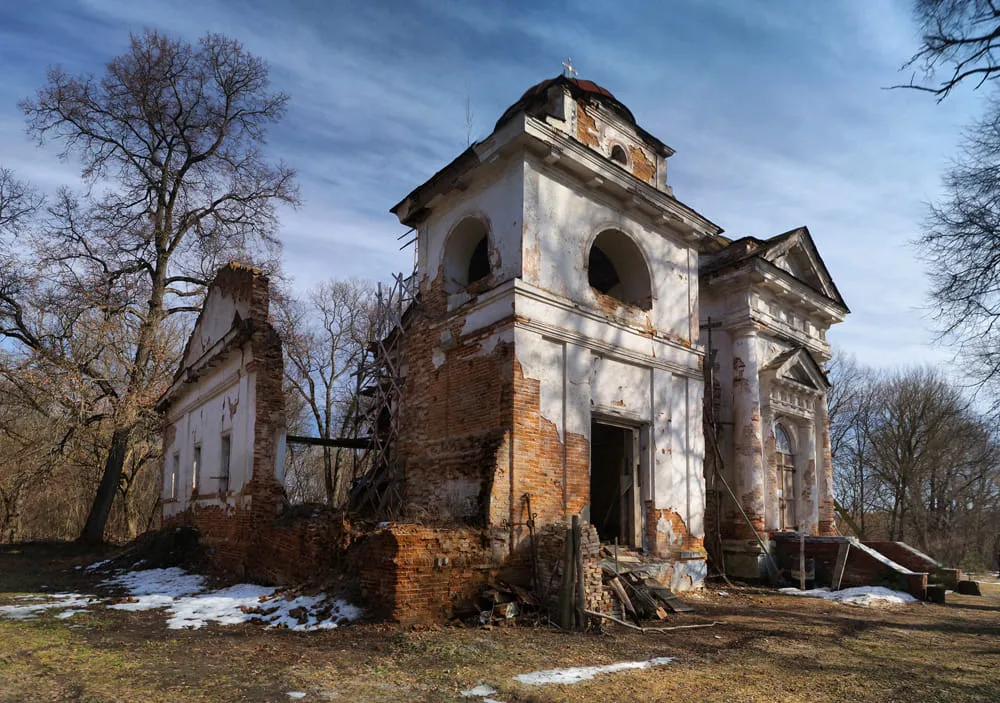
Read a detailed account of the church and the monastery in our article “Radkivka. The monastery”.


