

An exhibition devoted to the traditional art of Ukrainian Jews has opened in Dnipro

· 2 min read
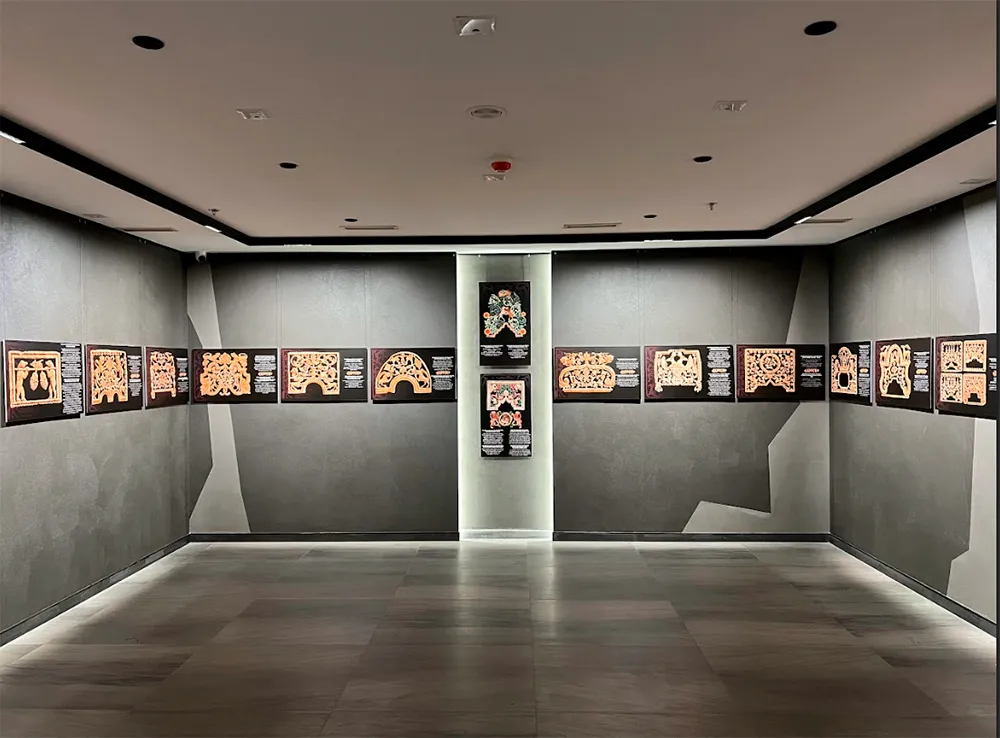
The author of the exhibition is Dmytro Poliukhovych, a member of the Ukraine Incognita team and a well-known Podillian local historian, traveller and photographer. It presents 25 panels with his works, which he calls “cut-outs”.
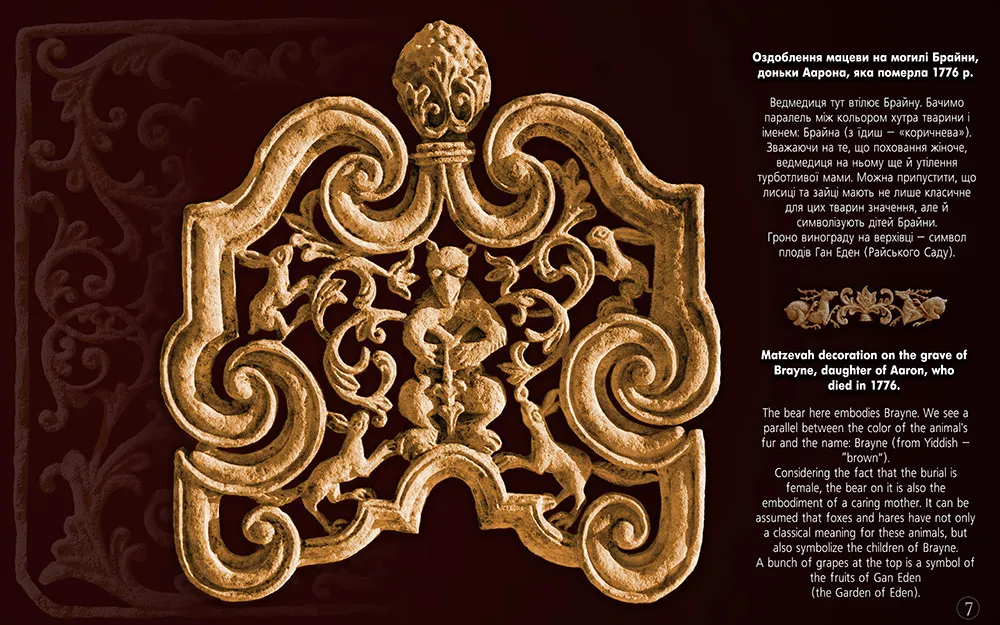
This is what one of the panels looks like
“I have always been fascinated by the carving on old Jewish gravestones, especially those dating from the late 17th to the early 19th century. This period saw the peak of the Jewish stone-carving art. Afterwards, unfortunately, came decline. Which is hardly surprising: it was linked to the rapid decay of Jewish shtetls and, accordingly, of their culture and art, which began after Russian rule spread across Right-Bank Ukraine as a whole, and Podillia in particular,” notes Mr Dmytro. “It is rather difficult to show in ordinary photographs the full beauty of the old masters’ work: patches of moss, lichen, weathering and so on get in the way. So I came up with my own know-how: remove everything superfluous, that is, cut away (cut out) the background completely. The result is a self-sufficient work of art.”
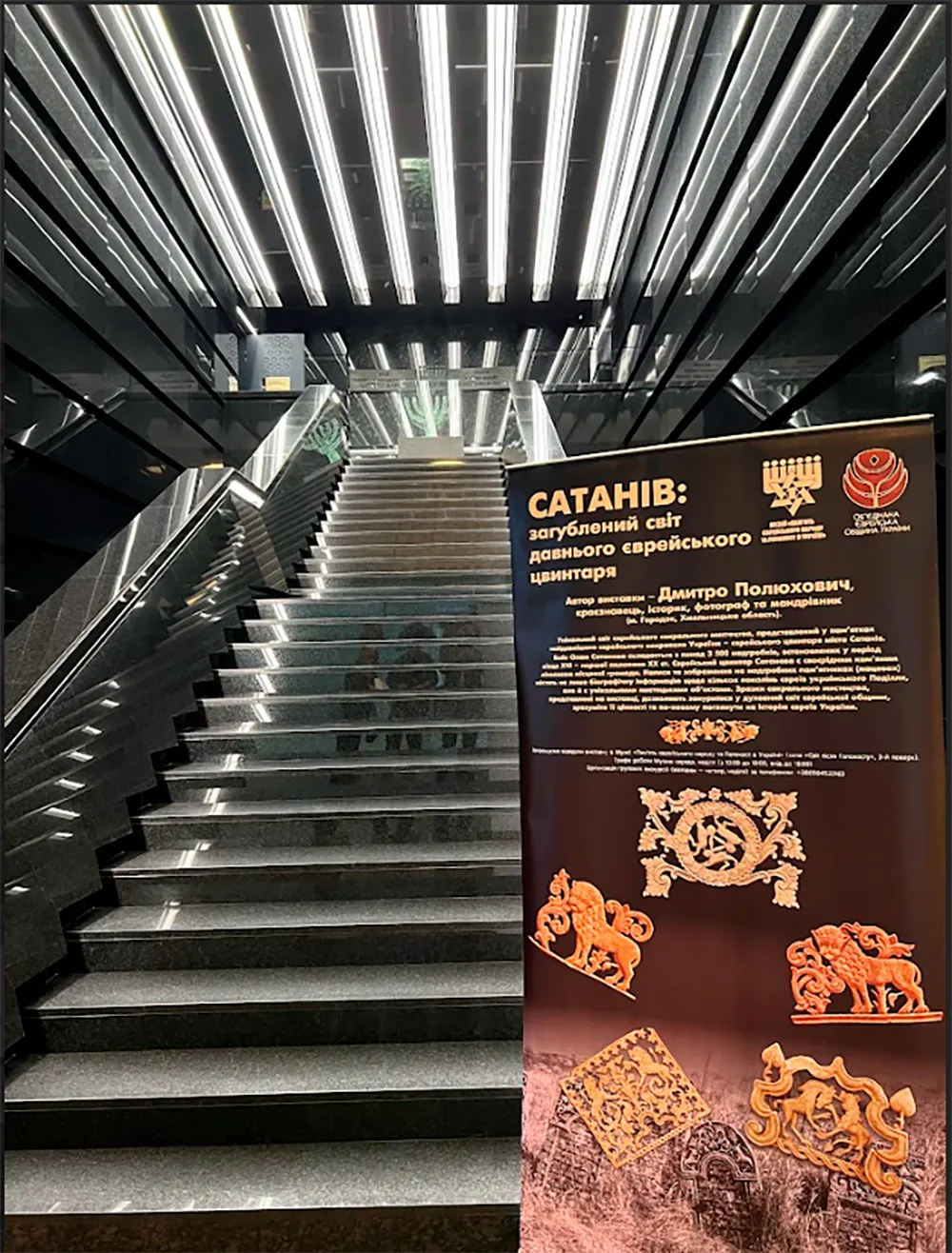
The result took weeks of painstaking work by the author. Selecting the subjects was not easy either. There are hundreds of interesting matzevot in Sataniv, but one cannot embrace the unembraceable, so one has to settle on the most valuable.
The exhibition, titled “Sataniv: the lost world of an ancient Jewish cemetery”, is open at the largest Jewish museum in Ukraine and one of the largest of its kind in Europe, “Memory of the Jewish People and the Holocaust in Ukraine” (Dnipro), with the support of the United Jewish Community of Ukraine. The exhibition is open every Wednesday and Sunday from 10:00 to 19:00. Group tours can also be arranged every Tuesday, Thursday and Sunday until early March. After that it will travel to Odesa, and then to Kyiv. Showing it outside Ukraine is not ruled out.
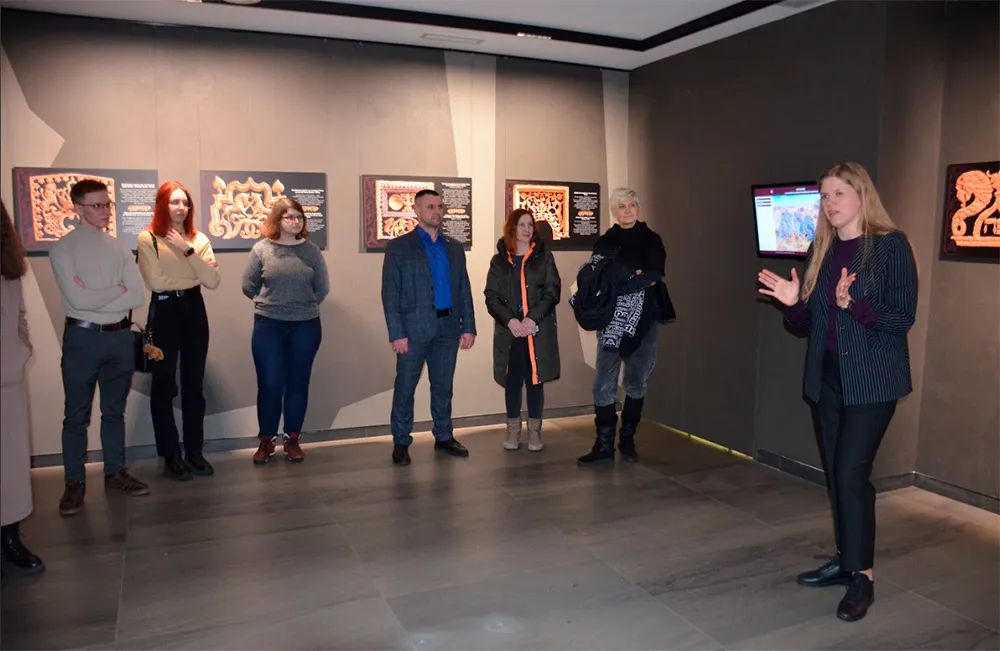
“We should not forget that the traditional art of Ukrainian Jews is an integral part of the shared culture and history of Ukraine,” sums up the exhibition’s author Dmytro Poliukhovych. “All the more so because throughout history there was active mutual cultural exchange. This bright and very interesting page must be studied and preserved. It is our cultural heritage too, and it needs to be known. In preparing the event I focused first of all on Ukrainians, so that they would learn more about the culture and traditional art of a people that has lived alongside us for over a thousand years.”
Read more: “Stone beasts will tell about Jewish culture: an exhibition in Dnipro”


