

A restored 15th-century chapel has been opened in Olesko Castle (photos)
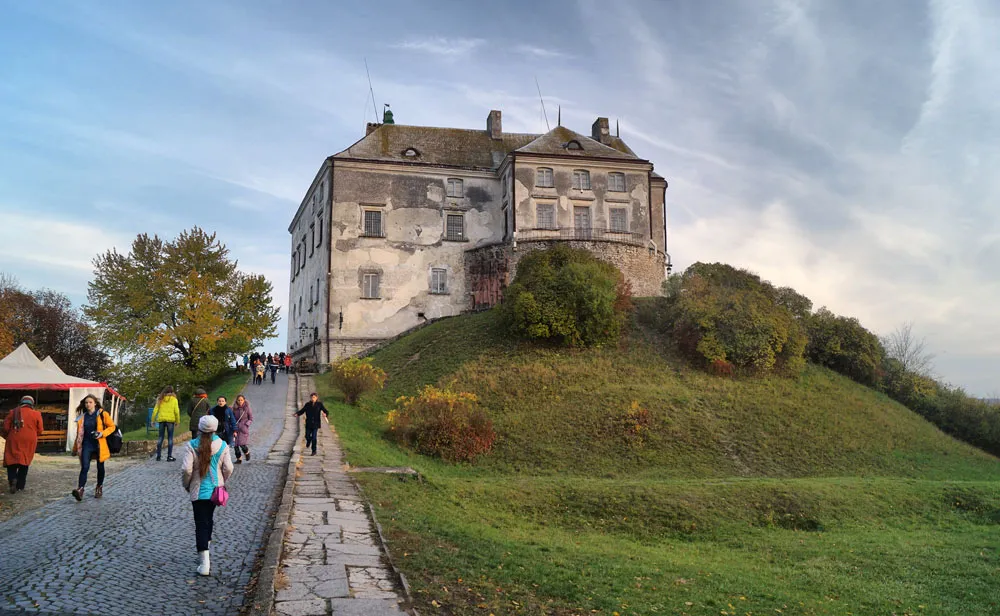
The Olesko Castle museum-reserve has opened the exhibition “Persona, Memorium, Sacrum in the Art of the 16th–19th Centuries”. The unique exhibition was presented in the restored Chapel of St. Anne, whose creation dates back to 1441.
This is reported by a correspondent of Ukrinform.
“Despite the challenges brought by the war, the Lviv National Gallery continues not only to develop but also to expand. In Olesko Castle we are opening the Chapel of St. Anne. It is a small exhibition space, but this hall is an important addition to the museum and tells many secrets of the commemoration of memory in the fine and decorative arts,” said Taras Vozniak, director of the Borys Voznytskyi Lviv National Art Gallery.
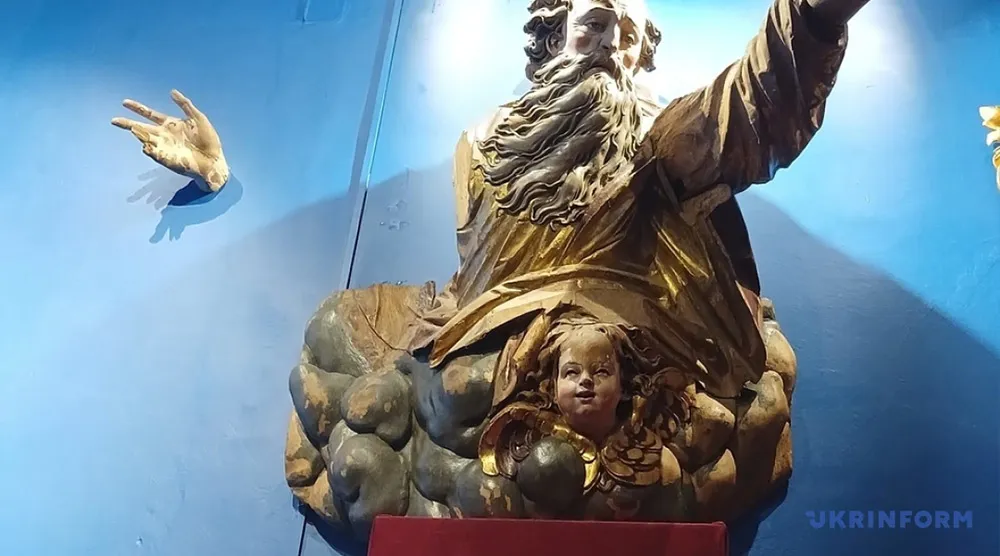
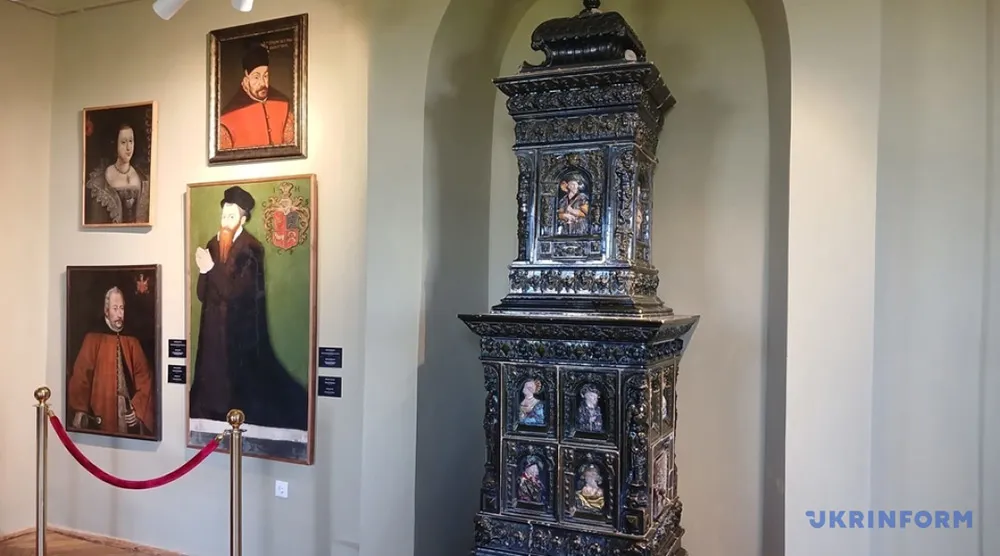
The chapel in Olesko Castle dates from 1441, when the stronghold was owned by Jan of Sienno, whose descendants were called the Oleskis. Over the centuries the church in the castle underwent significant alterations and restoration, fell into decline and was later enriched again. Eyewitnesses of those times noted that the altar was covered with gold leaf, the floor was of marble and stone, and the walls were decorated with frescoes.
After the castle was restored and the museum created, the chapel was closed to visitors. Now it has been renovated and the exhibition “Persona, Memorium, Sacrum in the Art of the 16th–19th Centuries” has been opened here.
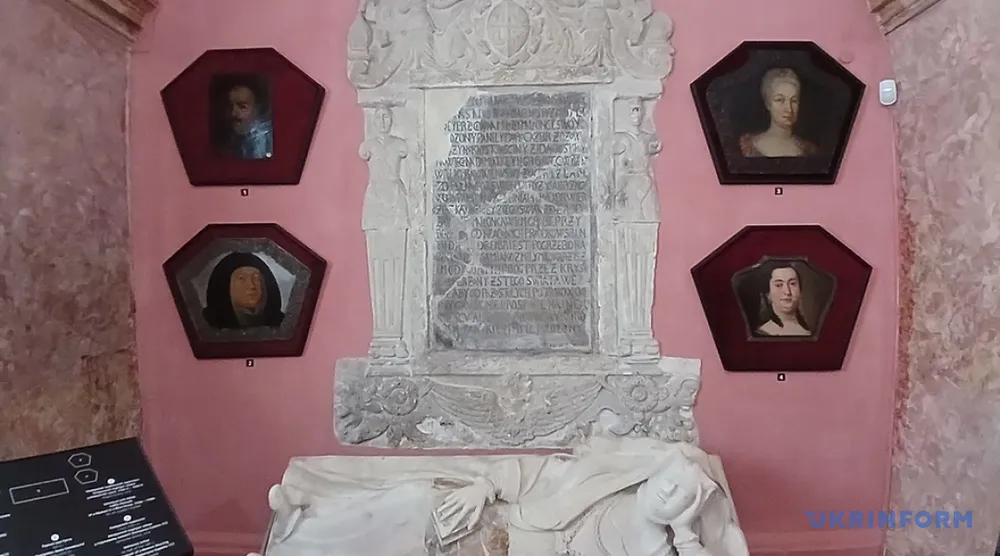
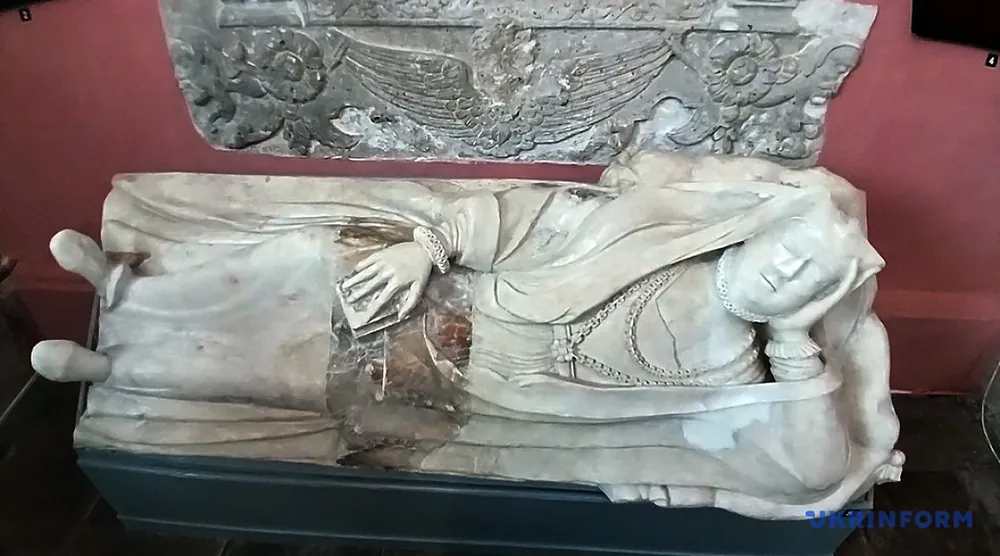
The chapel’s adornment is the 16th-century double tomb of Anna Sieniawska and her little son, executed in the Renaissance style by Hermann van Hutte. Next to it, on the walls, hang coffin portraits, which were an integral part of funeral rites in the times of the Polish–Lithuanian Commonwealth.
The “highlight” of the hall is a holy-water basin built into the wall, in the shape of a shell with a cartouche in the form of a bull’s head.
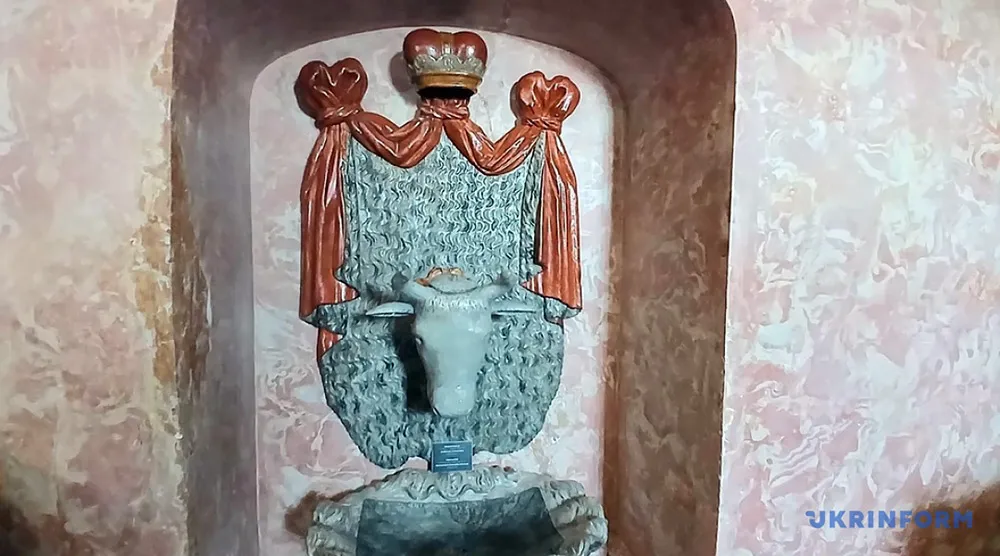
“This is a unique kind of church ‘apparatus’. Its function is that before the liturgy and the consecration of the wine and bread, which are transformed into the blood and body of Christ, for communion, the priest washes his hands. It is carved from wood and dates from the 18th century, and was brought from the church in Bilyi Kamin. In those times this village belonged to the princely Wiśniowiecki family, so the bull’s head is an element of the family heraldry. Our restorers worked for more than half a year to restore this exhibit, and now we are proud that everything succeeded,” said Borys Shenhera, head of the Olesko Castle Museum-Reserve department.
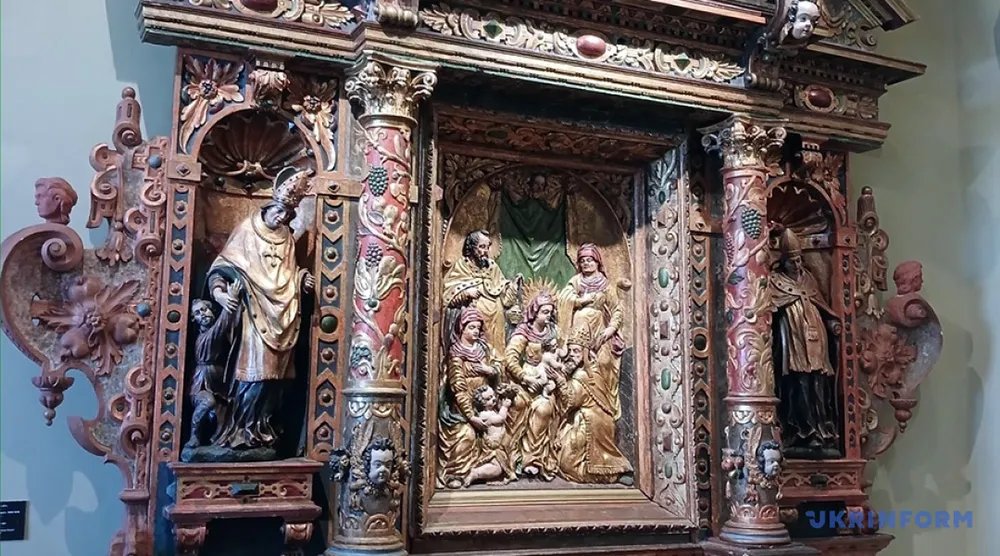
After the opening of the Chapel of St. Anne, journalists and those present were given a tour of the castle’s renovated exhibition halls.
Olesko Castle is a museum division of the Borys Voznytskyi Lviv National Art Gallery. For almost seven centuries it has stood on a high hill, a witness to many historical events. The castle is first mentioned in historical sources in 1327.
Read more about Olesko and its landmarks in the publications of “Ukraine Incognita”.


