

The palace of the Counts Orlovsky in Maliivtsi hosts a discussion of noble Ukraine
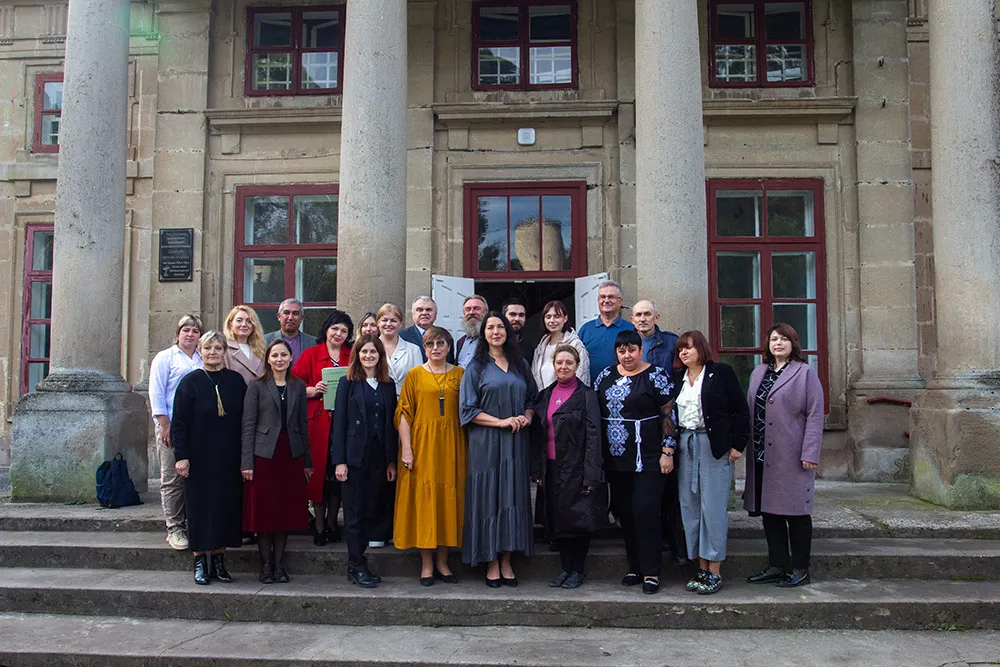
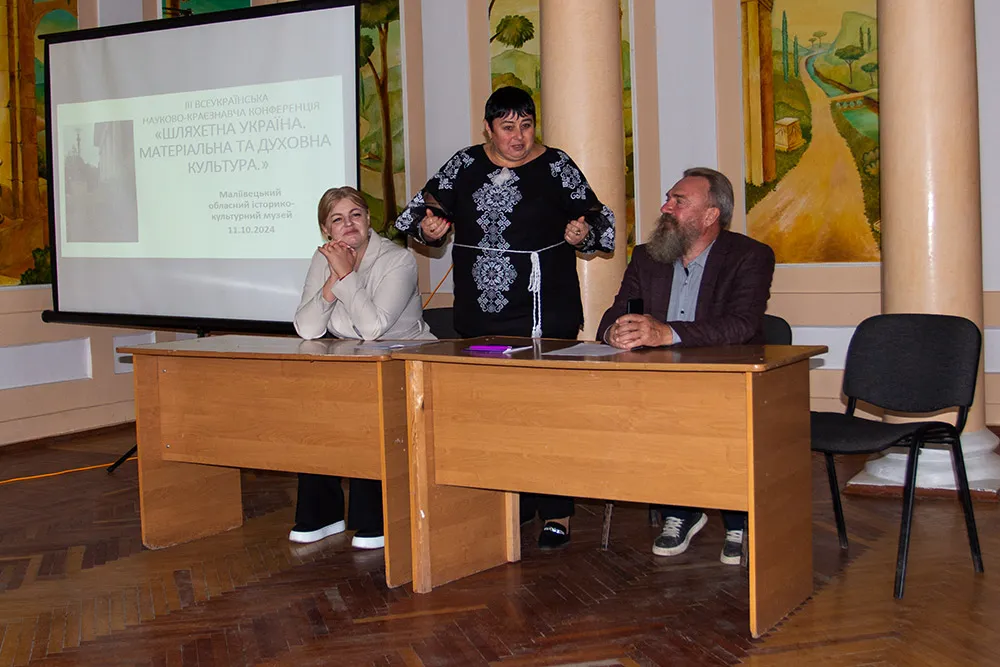
On 11 October the 3rd All-Ukrainian Scholarly Local-History Conference “Noble Ukraine. Material and Spiritual Culture” took place at the Maliivtsi Regional Historical and Cultural Museum. The topic of the conference is no accident, since the museum was created on the basis of the family seat of the comital Orlovsky family. The conference was attended by historians, researchers and museum specialists from Kamianets-Podilskyi, Khmelnytskyi, Zbarazh, Iziaslav, Medzhybizh, Lviv, Chernivtsi, Horodok, Uman, Bila Tserkva, Ostroh, Dunaivtsi and, of course, representatives of the Maliivtsi museum. There was even one participant from Hamburg (Germany).
Given that one of the projects the team of the NGO “Ukraine Incognita” is working on is saving the masterpiece of Ukrainian Art Nouveau, the Damilovsky water tower, it was very pleasing that the report “Ukrainian Art Nouveau in the Oleksandriia State Dendrological Park of the National Academy of Sciences of Ukraine: M. Damilovsky’s water tower” was delivered by Nataliia Boiko, Candidate of Biological Sciences, director of the Oleksandriia State Dendrological Park of the National Academy of Sciences of Ukraine.
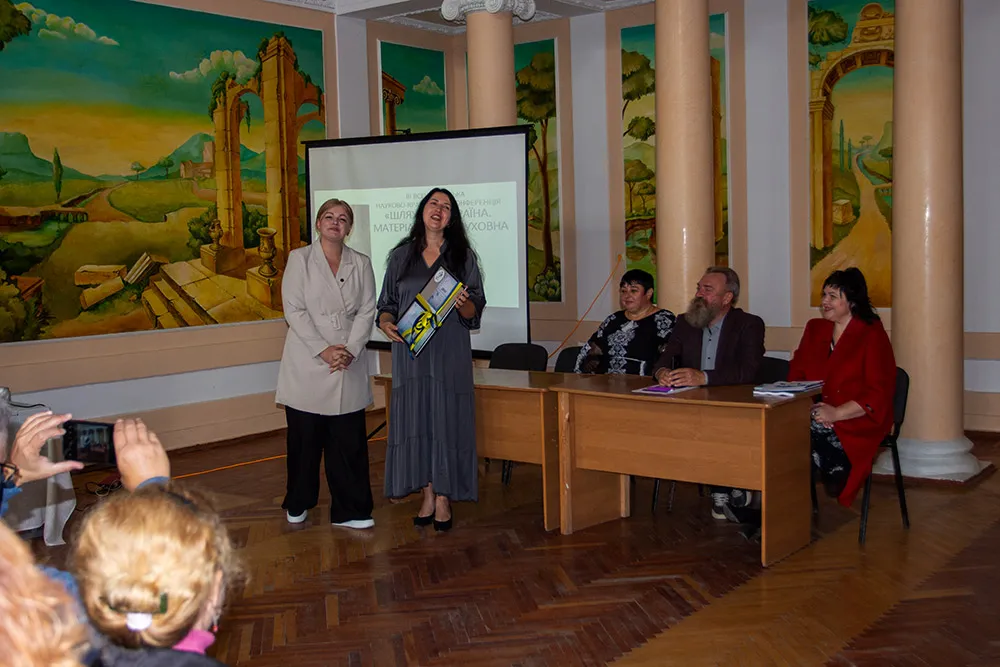
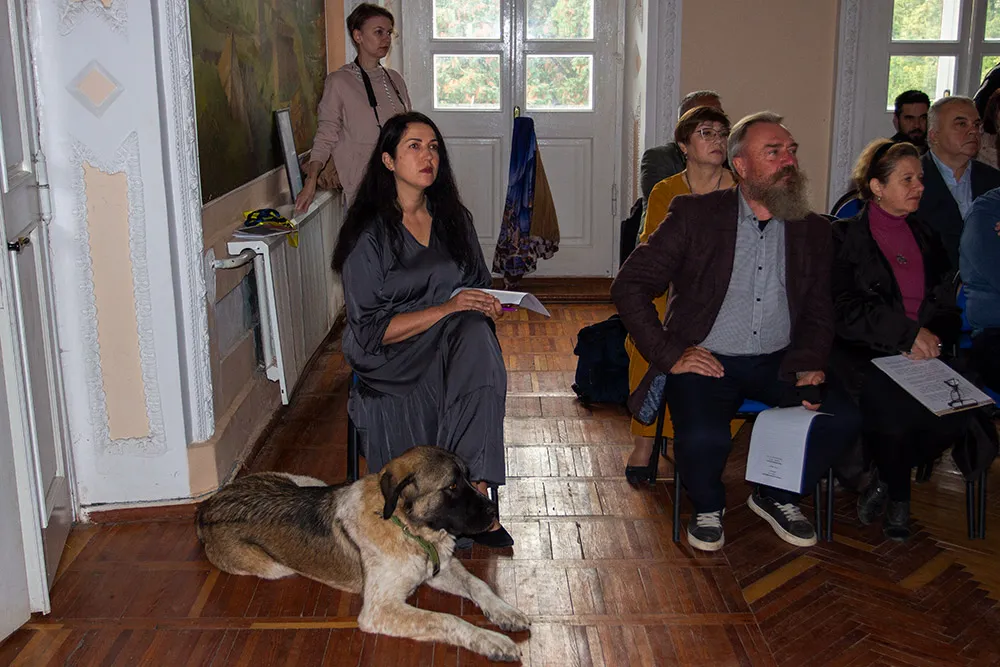
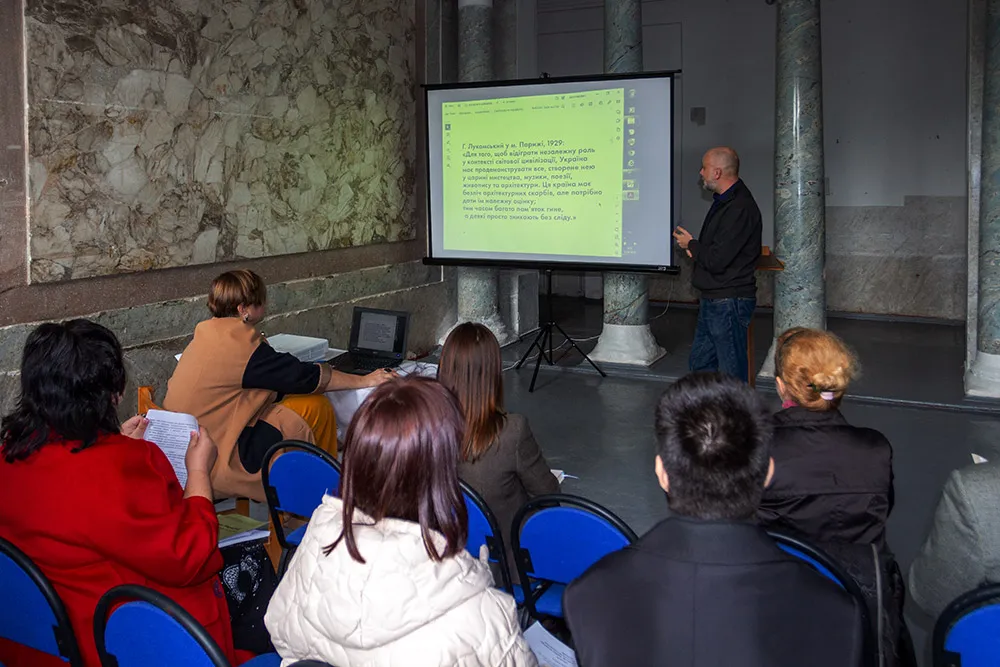
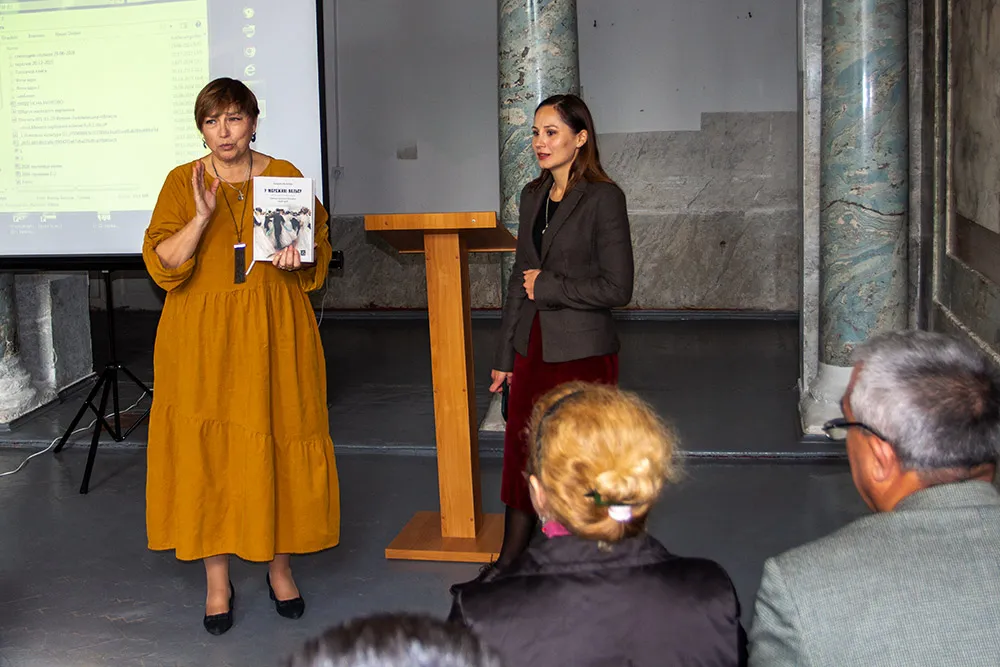
Dmytro Poliukhovych, a member of the team of the NGO “Ukraine Incognita”, also took part in the conference, with a report titled “The Podolian Tadei Hrabianka, king of the Illuminati of Avignon and the first victim of “conspiracy theorists”.
After the working part ended, the conference participants were given a tour of the grounds of the Orlovsky estate. It was led by the museum’s director Anastasiia Donets and deputy director for research Olena Radzivill. The main burden of the organizational and scholarly preparation of the conference fell on the shoulders of the latter.
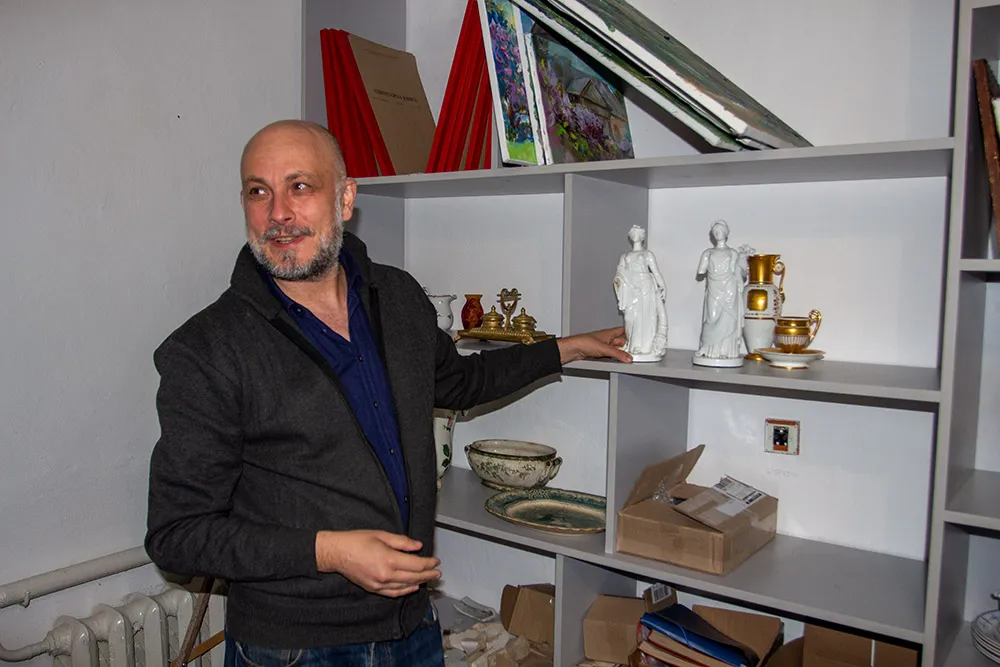
Historian, antiques dealer and art historian Dmytro Sikorskyi, who actively helps the museum on a volunteer basis, showed off his collection of exhibits for the future display. So far there are not very many artifacts, so they are exhibited in a small room of the service building. When there are enough of them, they will be moved to the palace. Among the exhibits are tableware and household items that once stood in the palace in Maliivtsi in the Orlovskys’ time, or identical ones, selected and bought on the basis of old photographs once taken in the palace. In addition, from the fragments of old porcelain found while clearing the palace cellars, Mr. Dmytro managed to determine which services and which manufacturers these shards once belonged to, and he then had the luck to buy identical ones from antiques dealers.
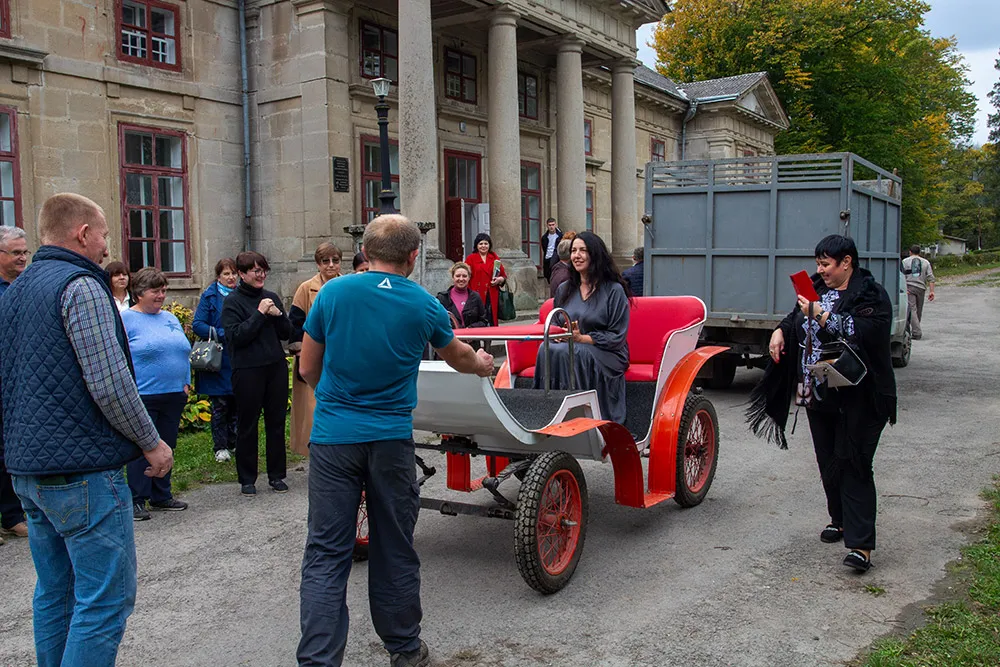
At this time another event took place, in which all the conference participants took part: some as loaders, some as spectators. A truck brought a “carriage” to Maliivtsi from Lviv. What is a palace without a carriage? The role of the latter was played by a very fine and proud britzka (or perhaps a phaeton), which will now take tourists around the sizeable comital estate in summer. This gift to the museum, for its third anniversary, was made by the charitable foundation “Patron Foundation OLOS”. The iron base of the vehicle (the frame and springs) is, by the way, antique and dates from the early 20th century. The museum has horses, but they are saddle horses. Anastasiia Donets promises that by summer there will be carriage horses too.
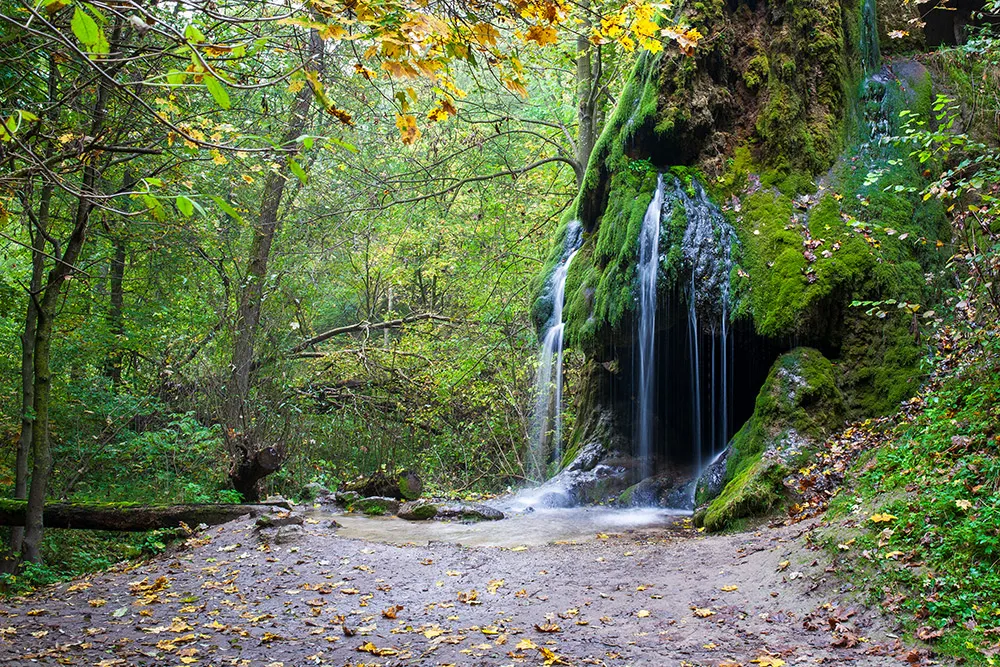
Waterfall in Maliivtsi
The biggest fans of the museum’s horses, we note, are wounded soldiers who undergo rehabilitation after treatment and often come to the Orlovsky palace on excursions.


