

Preparations begin in Pidhaitsi for the restoration of the Church of the Holy Trinity (1634)

· 2 min read
In Pidhaitsi, Ternopil Oblast, preparatory work has begun for the restoration of the Church of the Most Holy Trinity. The mayor, Ihor Merena, reported this on his Facebook page.
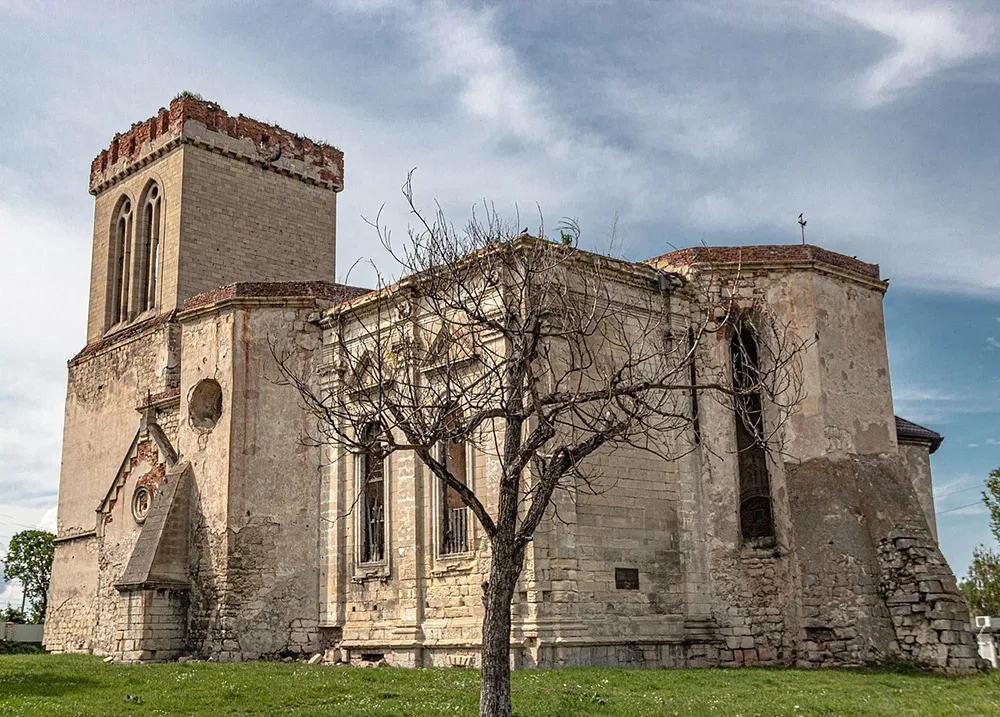
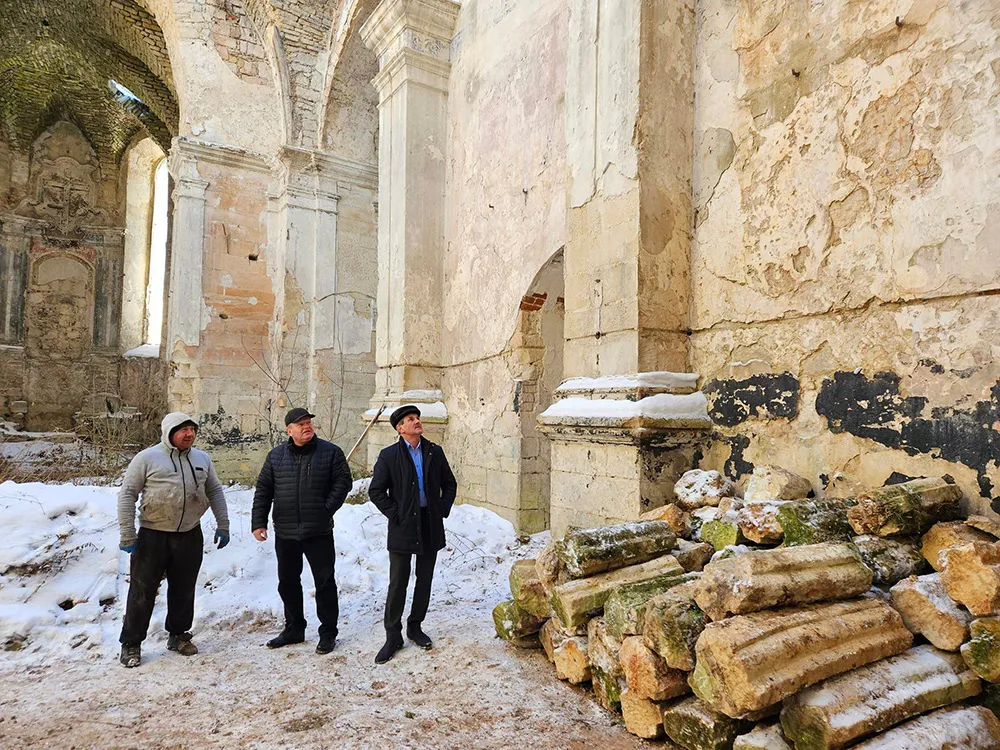
Church of the Holy Trinity. Photo: Wikipedia. All the following photos: Facebook page of Ihor Merena
“Over the many centuries of its existence the Roman Catholic church has lived through many turbulent events and suffered more than one destructive impact,” writes the mayor. “Once a majestic and monumental church, it now rises sadly as a ruin at the entrance to our town. Yes, the building is currently half-ruined, but we are making great efforts to save it.
So I am glad to report that the first preparatory work began here the other day.
The design documentation for the restoration of the church is now nearing completion. As part of preparing this documentation, clearing work on the church has already begun. The next stage will be roofing over the main part of the building.
I thank Member of Parliament of Ukraine Ivan Kalaur for his support in this matter. Together we will be able to accomplish what we have planned,” Mr Merena concludes.
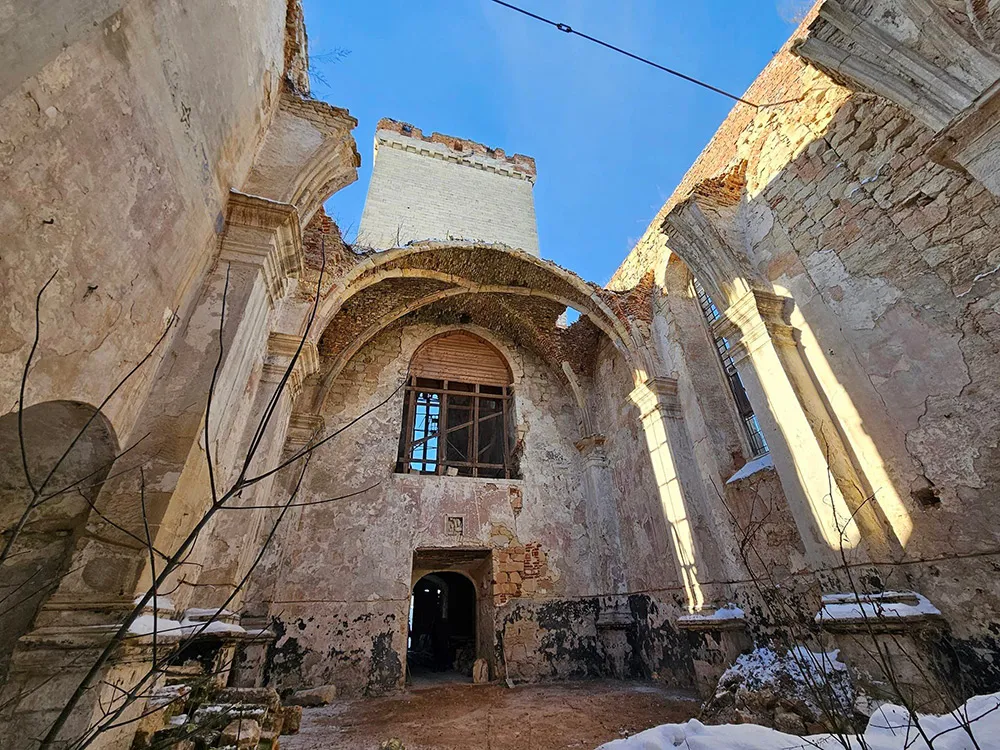
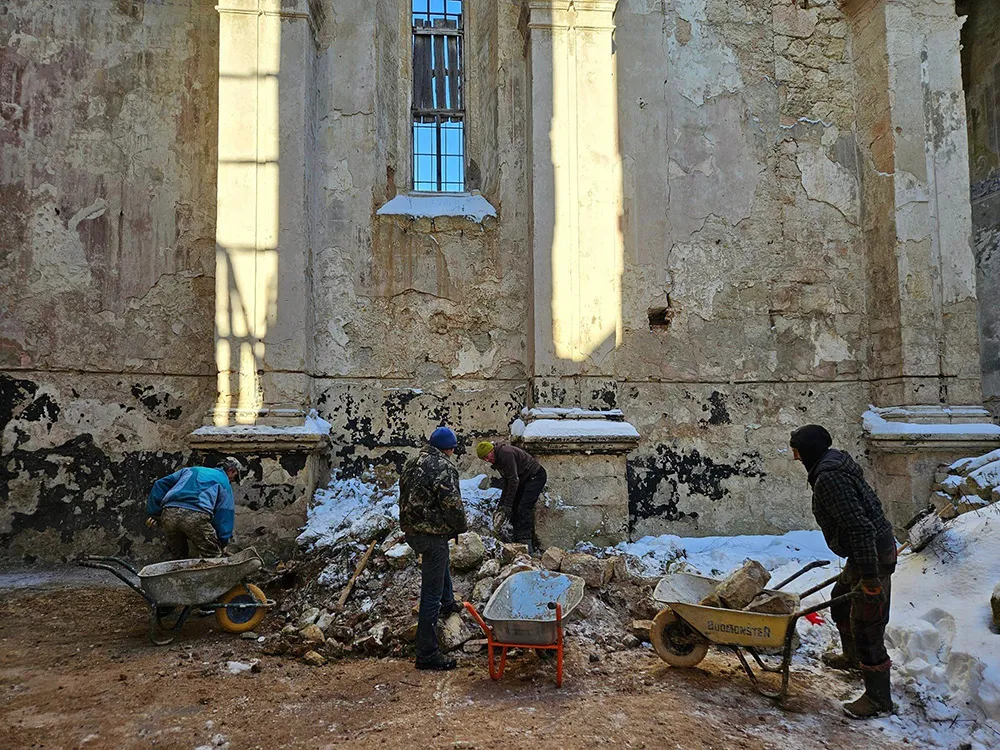
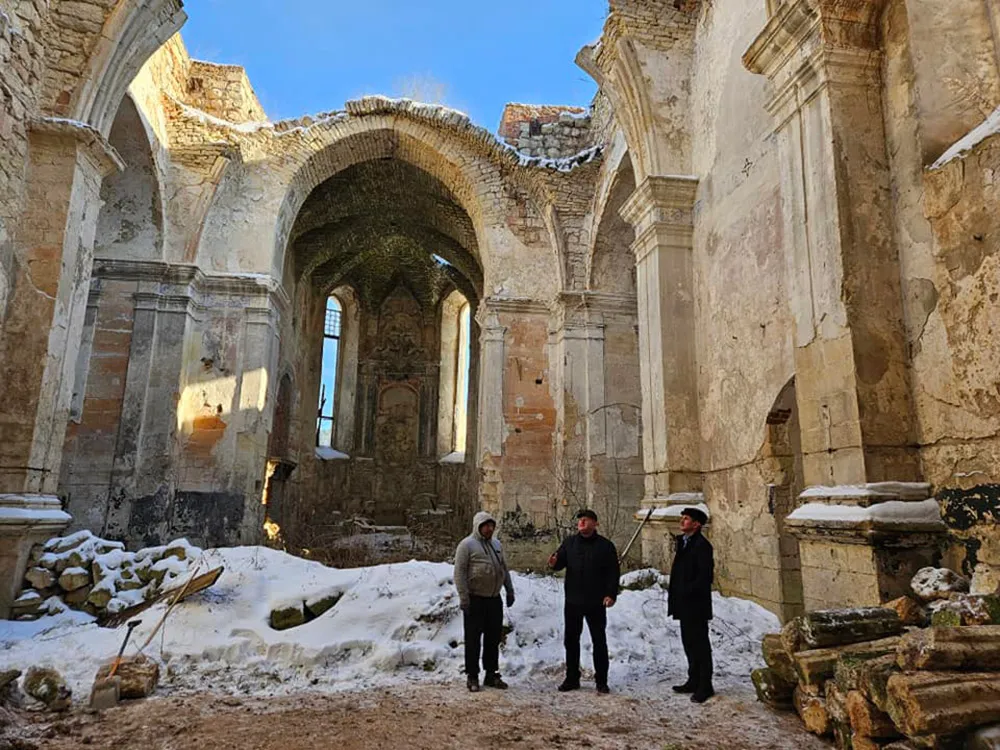
As reported by Wikipedia, the church was built in 1634 at the expense of the then owner of Pidhaitsi, Zofia Stadnicka of Zamiechów (by marriage Golska, Lanckorońska, Tyszkiewicz). Researchers claim that elements of the old church were used in building the new church in 1634 (evidence of this is a stone slab with epitaphs dated 1608 and 1612 above the stairs leading to the sacristy).
According to Stepan Kolodnytskyi, “the shrine is a significant example of the Gothic Revival in the architecture of Red Ruthenia and Podolia in the 17th century within the old Polish–Lithuanian Commonwealth.”
Built on the site of its predecessor, which burned down in 1463 after standing for almost 200 years, the church was rebuilt several times in the first half of the 17th century. Silver items for the church were made by the Lviv goldsmith Paweł Zasadzki around 1630. The parish church was closed in 1946 and turned into a warehouse.
In the 1980s, as a result of a fire, the vaults and the roof of the tower collapsed in the church.
As “Ukraine Incognita” reported earlier, Pidhaitsi is linked to a high-profile international scandal over the illegal and secret removal of relics of the local synagogue to Moscow.


