How to avoid personal data theft on social media?
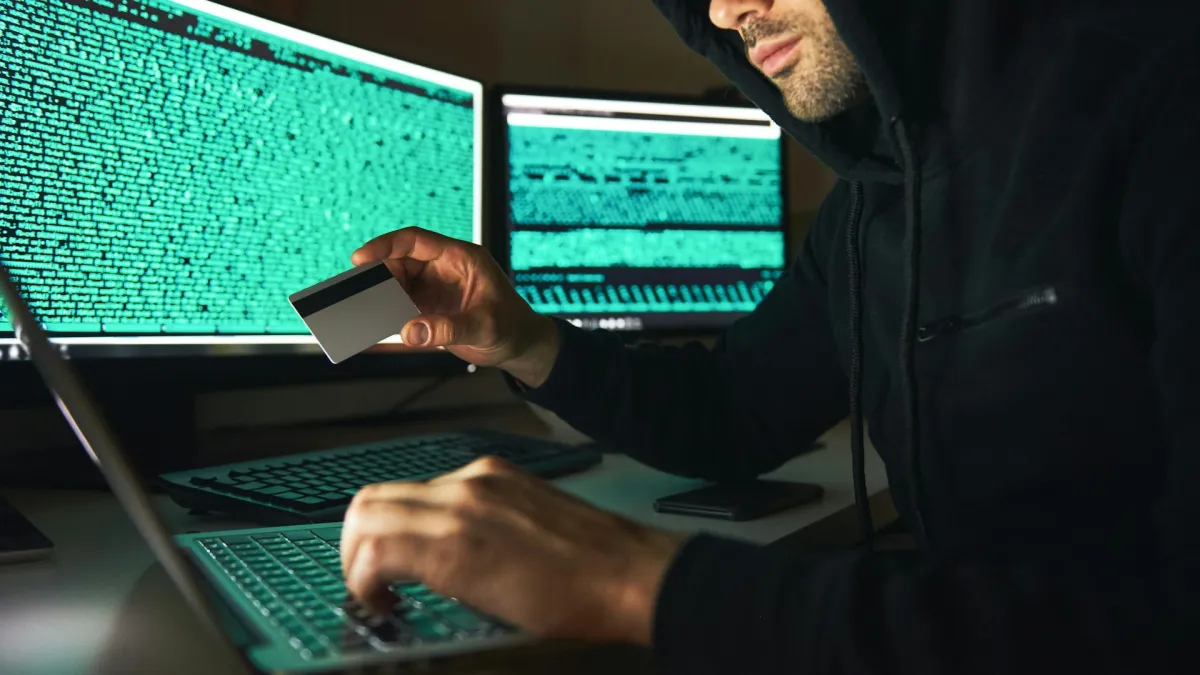
With 4.55 billion active social media users on the planet, Facebook, Twitter, TikTok and Instagram have become the most common places for stealing followers’ personal data. Hacking these platforms has become commonplace. On average, 1.4 billion accounts are stolen every month. On Facebook alone, 300,000 accounts are cyberattacked every day.
What is behind this pattern of fraud? As the author of several dozen articles on information security, I believe it is a combination of factors: consumers’ lack of knowledge about web protection, growing trust in well-known brands, and the need to use social media to earn an income. All of this, however, can cost victims countless hours and money to restore their personal data.
Being well versed in the real-world use of cyber-protection tools, I will explain how to avoid the unenviable fate of becoming a victim of online scammers and learn to interact safely with all kinds of online platforms. It is important to recognise shady schemes and know what to look out for.
What personal data must not be made public on the internet
Social networks are built on the exchange of information. According to research, we share more personal information on virtual platforms than in real conversations with living people. Even if we think we do not share that much personal information online, scammers will still find a way to our data. What is most valuable to scammers? It may be:
- surname, first name and patronymic;
- exact date of birth (day, month and year);
- detailed passport data;
- email address;
- the city where the user was born and where they live now;
- marital status;
- education (school, college, university);
- financial information (tax identification number, account and card numbers);
- favourite hobbies;
- place of work (profession and position);
- personal photos of the user, their family, colleagues and friends;
- passwords of all kinds (for email, bank cards, accounts, etc.).
Without even realising what is happening, a potential victim can give criminals on social networks everything they would like to get. Knowing only the date and place of birth, scammers can guess or work out the user’s identification number, as well as passwords for logging in to mobile banking apps.
Effective ways to prevent personal data theft on social media
I consider it necessary to apply expert knowledge to help ordinary users resist social engineering and personal data theft. Here is my step-by-step plan to protect your accounts on popular media platforms.
- Watch for the warning signs of a fake social media account. These include strange nicknames, an unusual style of communication and suspicious links.
- Narrow down your contact list. A good rule is to invite into your network only people we know personally, avoiding friends’ colleagues or random followers.
- Turn off automatic location tagging. Geotags should be deactivated for accounts on social platforms. It is also best not to mark your whereabouts in your posts.
- Use unique login credentials for every account. Passwords are the first, and often the only, line of defence against hackers. It is much easier to hack the accounts of a user who uses the same access codes everywhere. It is important that passwords contain no personal data, such as your own or close relatives’ dates of birth.
- Enable two-factor or multi-factor authentication. These are additional security measures against any kind of internet fraud, which require entering a special one-time code along with the user’s login details.
Before rushing off to delete all your accounts, it is worth considering a wiser approach to what you share and with whom. By following these simple tips, you can enjoy the benefits of social networks without becoming a target for criminals.
As statistics show, anyone can become a scammer’s target, for any reason. Both multibillion-dollar corporations and people with modest incomes are attacked. Make it a rule to use only official websites and to know where to turn when you discover internet fraud on media platforms. In Ukraine, for example, you can leave a report with officers of the Cyber Police Department.
Research conducted by Yaroslav Hordiichuk – information security expert and author at ProInternet