Which spices help control blood pressure

High blood pressure is a common problem that over time can lead to cardiovascular complications. Besides medication and reducing stressful situations, diet plays an important role in prevention. Properly chosen spices help to gently regulate the work of the blood vessels, improve circulation and reduce the risk of hypertension.
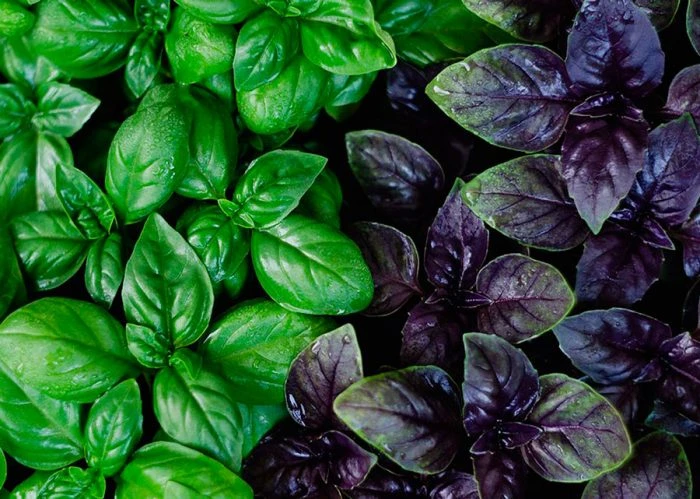
Basil: a natural helper for the heart
Among the most useful products is basil. It contains essential oils that lower vascular tone and improve blood circulation. Regularly adding the herb to dishes helps reduce the risk of high blood pressure.
Moreover, the benefits of basil extend not only to the cardiovascular system but also to digestion and immunity. The leaves can be added to salads, sauces and tea, which is a simple way to diversify your diet and support your health.
Garlic: a natural blood pressure regulator
Garlic contains allicin, a substance that helps to widen blood vessels. This reduces the load on the heart and helps to normalize blood pressure. One or two cloves a day in dishes or garlic supplements are enough to feel a positive effect.
Turmeric: an anti-inflammatory effect
The spice is rich in curcumin, which reduces inflammation and improves the condition of the vessel walls. Its regular consumption prevents a rise in blood pressure. Turmeric is added to soups and porridges, and “golden milk” is made from it.
Cinnamon: aroma and stable blood sugar
The spice is known for its ability to lower blood sugar levels and to help widen blood vessels. Thanks to this, blood pressure decreases naturally. Cinnamon is delicious added to coffee, tea or porridge at breakfast.
Cardamom: a tonic spice
Cardamom contains antioxidants and has a mild diuretic effect, which helps to lower blood pressure. Its flavour goes harmoniously with coffee, tea or baked goods.

Ginger: for circulation and tone
Ginger stimulates blood circulation, reduces blood clotting and prevents the formation of blood clots. It works well as a preventive remedy for those prone to high blood pressure. Ginger tea is a popular winter drink that combines flavour and benefit.
Chili pepper: a circulation booster
The capsaicin in hot pepper helps to widen blood vessels, lowers cholesterol levels and improves the work of the cardiovascular system. However, it should be consumed with caution, especially by people with stomach problems.
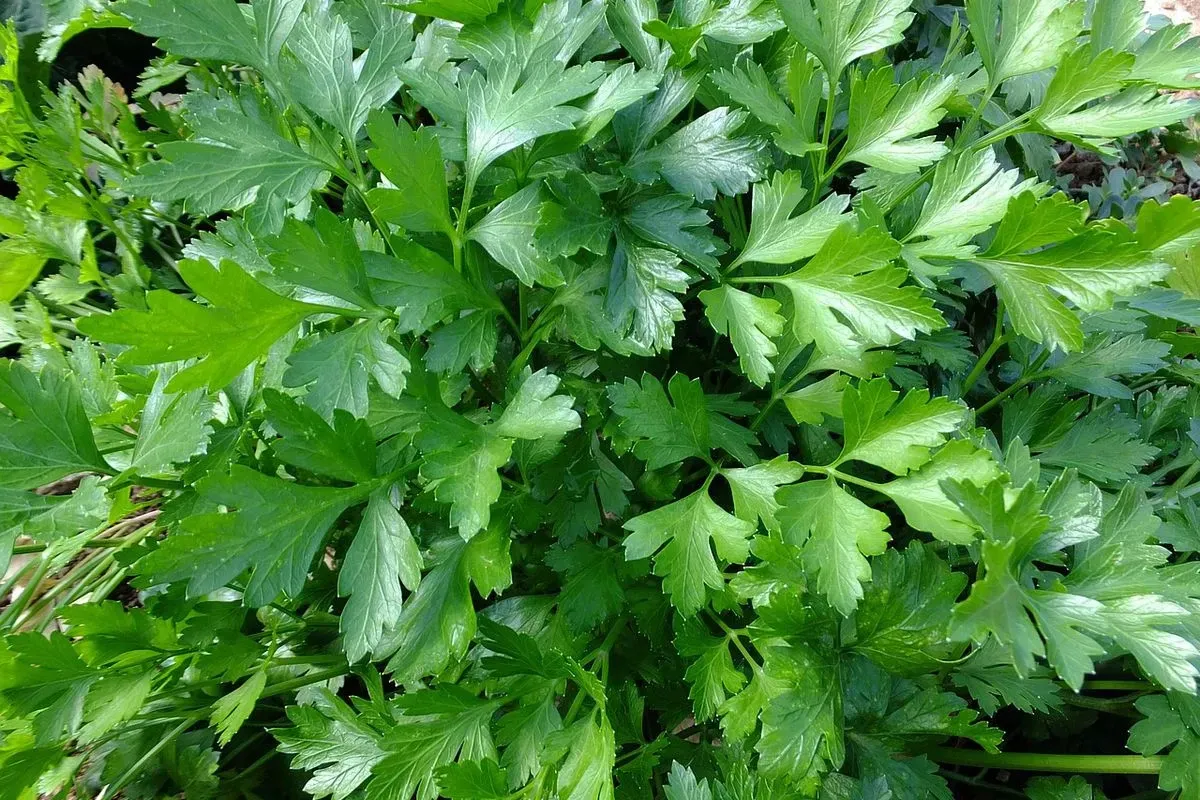
Parsley: a herb with a mild effect
Parsley is known for its diuretic properties, thanks to which the amount of fluid in the body decreases and blood pressure drops. By adding it to salads or soups, you get natural support for the heart without harming the taste of the dish.
In conclusion
All these spices can be added to your daily diet for the health of the cardiovascular system. But it is worth remembering that herbs do not replace medical treatment; rather, they help to reduce the risk of hypertension and make your diet not only healthy but also tasty.