Malta. Valletta

· 13 min read
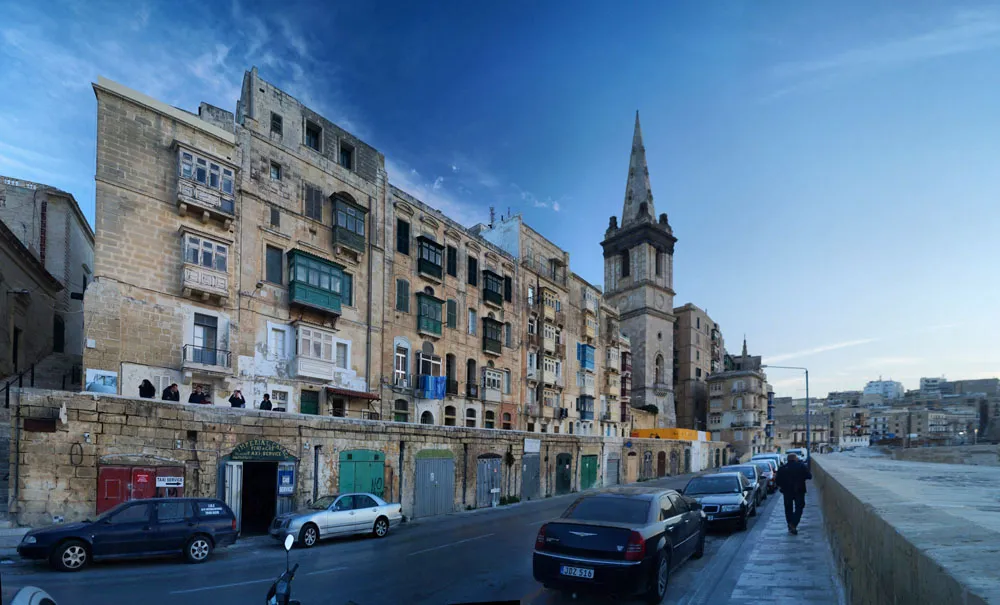
The view of Valletta from the sea is an unforgettable sight. Powerful defensive walls, dense residential buildings, and above the walls a huge dome and a bell-tower spire – the main high-rise landmark of the city. That must be the main cathedral of the Order of Malta – St. John’s – I thought then, and it must be visited. But later it turned out to be a different church – the Anglican pro-cathedral of St. Paul – a church that has the status of a cathedral but is not the main one in the city. It is in fact subordinate to the Anglican Diocese of Gibraltar.
Once the pious Queen Dowager Adelaide visited Malta. Her doctor had prescribed the Maltese climate to treat her chronic London ailments, but it turned out that the queen had nowhere to pray – there was not a single Anglican church in Valletta. The queen ordered a large cathedral to be built and herself laid the foundation stone in 1839, and while the church was being built she set up a prayer room for herself in the Grand Master’s Palace. Incidentally, this is the same Adelaide after whom the city in Australia was named.
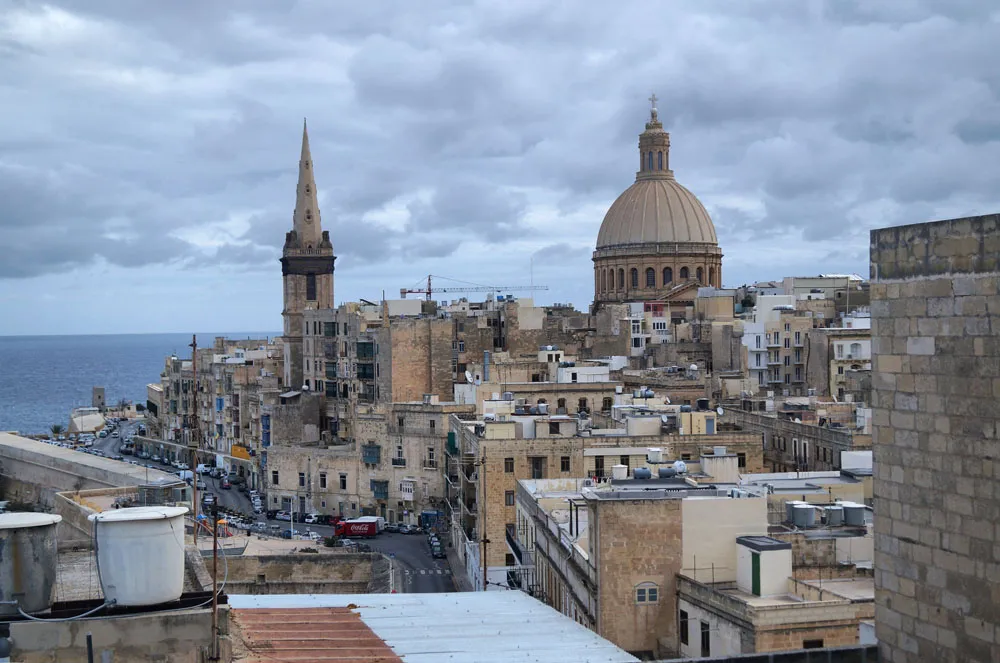
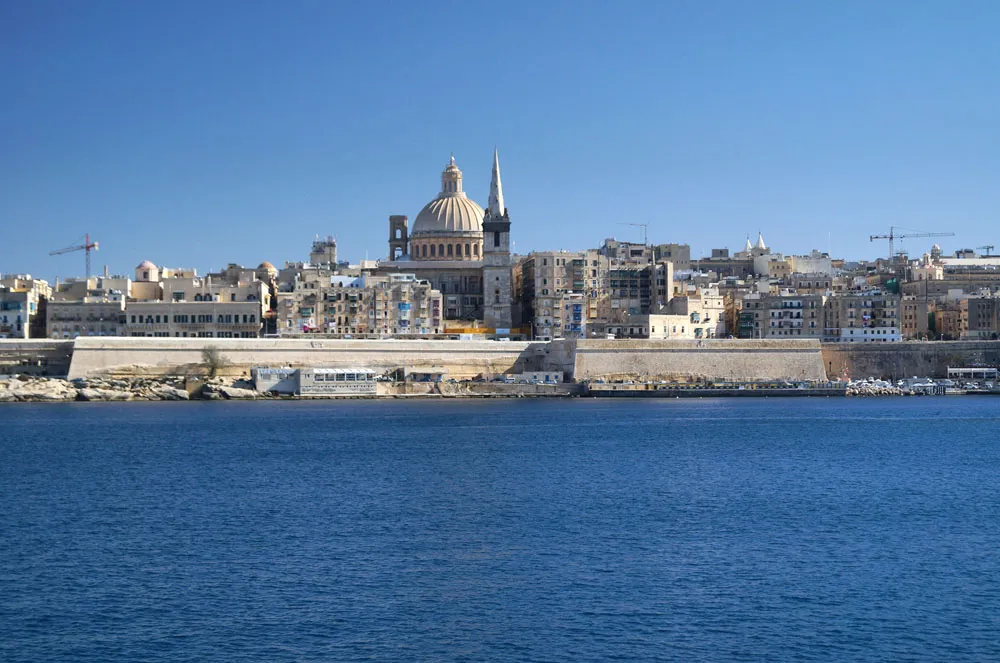
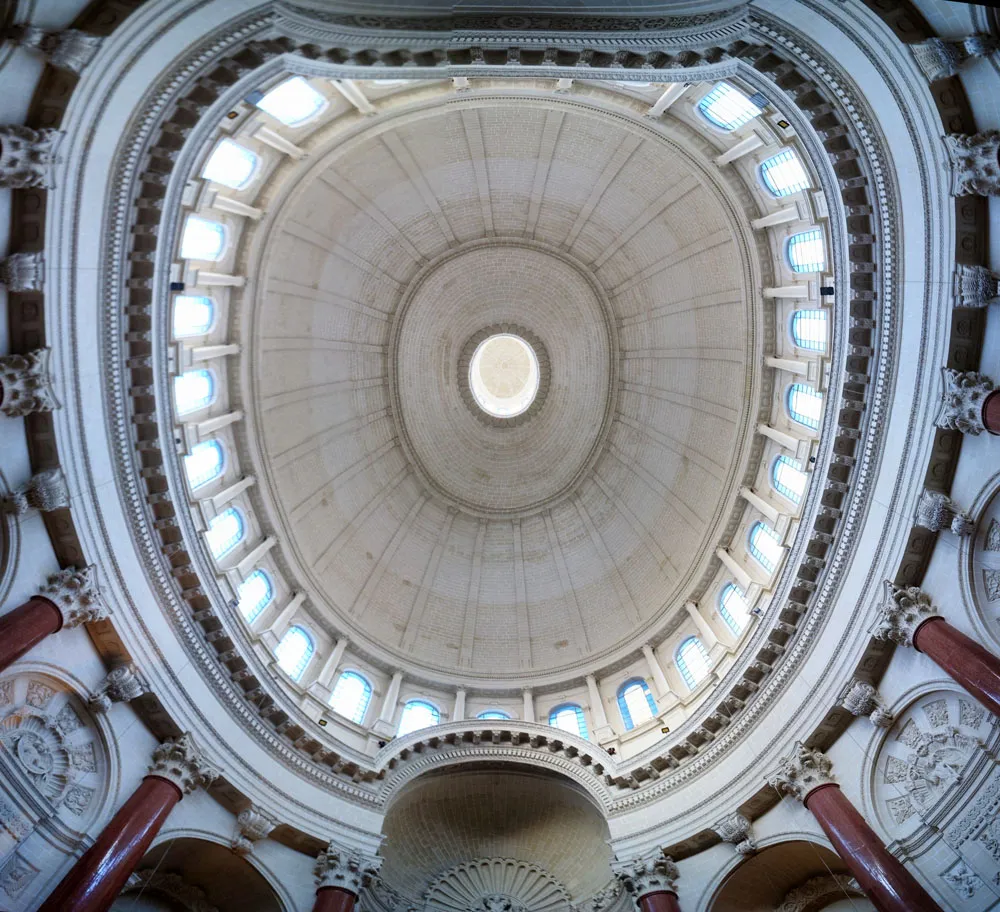
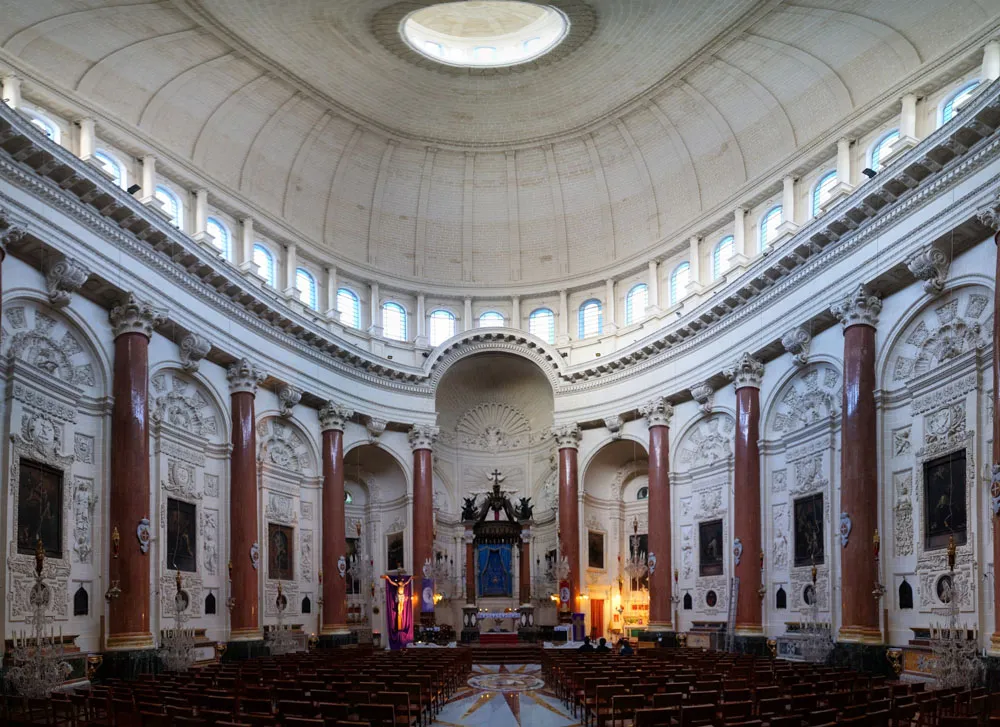
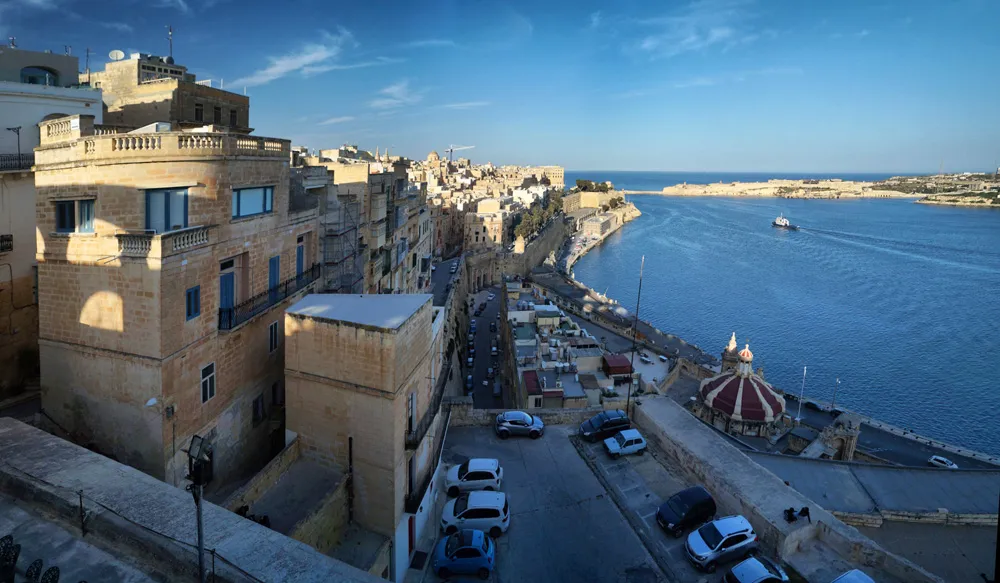
The cathedral was built by the British architect William Scamp. Construction took 5 years, and it was consecrated as early as 1844. The cathedral’s 61-metre bell tower became the tallest building in Valletta, but the huge dome I had seen from Sliema, which was supposed to be next to the bell tower, I did not see at St. Paul’s – it had no dome at all, only a gable roof. It turned out that next to the cathedral stands another church – the Basilica of Our Lady of Mount Carmel – and the dome belongs to it: huge, and not round at all, as it looks from afar, but oval. The basilica was founded as early as 1570. In 1852 it was rebuilt, and after damage in the Second World War the church had to be rebuilt almost entirely. Construction lasted 23 years, until 1981.
But these are not the main churches in Valletta – the main one here is the Cathedral of St. John the Baptist, built by the knights after the victory over the Turks between 1573 and 1578. The architect of the church was Girolamo Cassar, a military engineer who took part in the battle with the Ottomans, built field fortifications, repaired the walls of forts, and then helped Fracesco Laparelli build the new capital of Malta.
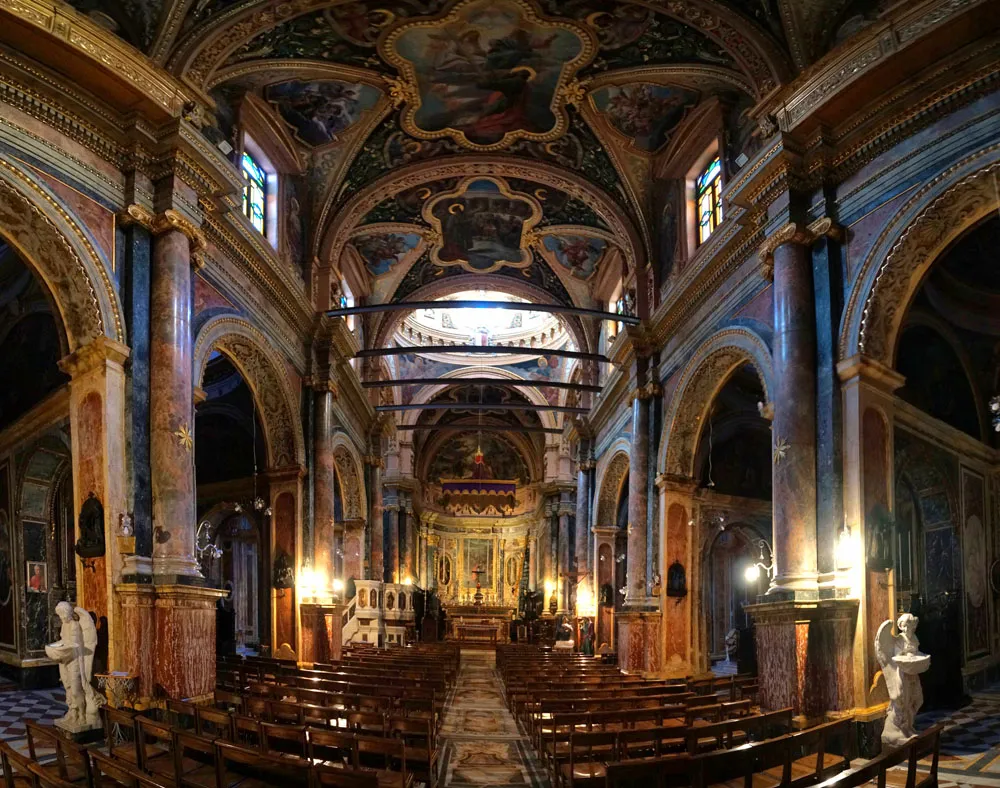
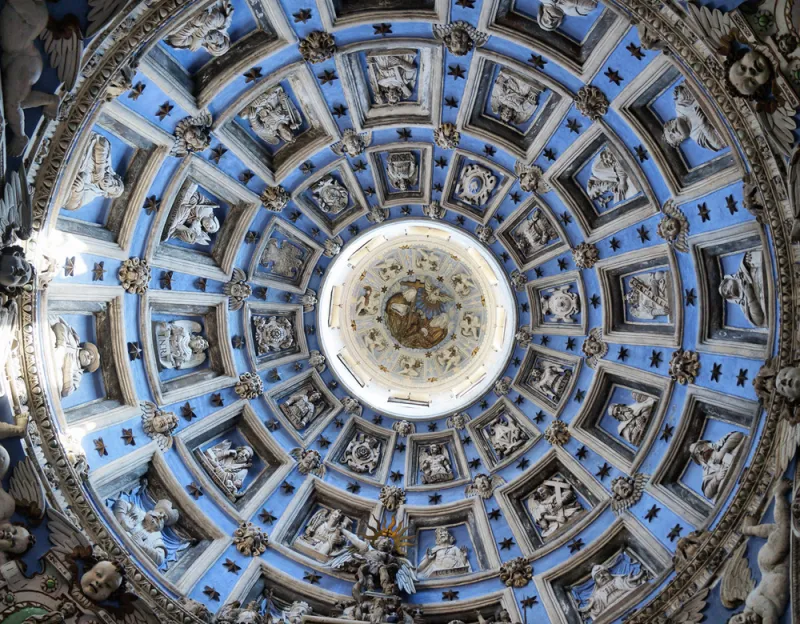
Before visiting I had not seen photographs of the cathedral’s interiors and could not even imagine what they might look like. After St. Peter’s Basilica in Rome and many other standards of sacred luxury, I did not think I could be surprised by rich decoration. And I was wrong. The wealth of the main church of the Maltese knights simply breaks every pattern. Gold, gold everywhere, woven into lace-like ornaments, framing the paintings and window frames, as if struck by the hooves of the antelope from the Indian fairy tale, covering the walls and columns. This is the gold that flowed to the Hospitallers after their victory over the Ottomans.
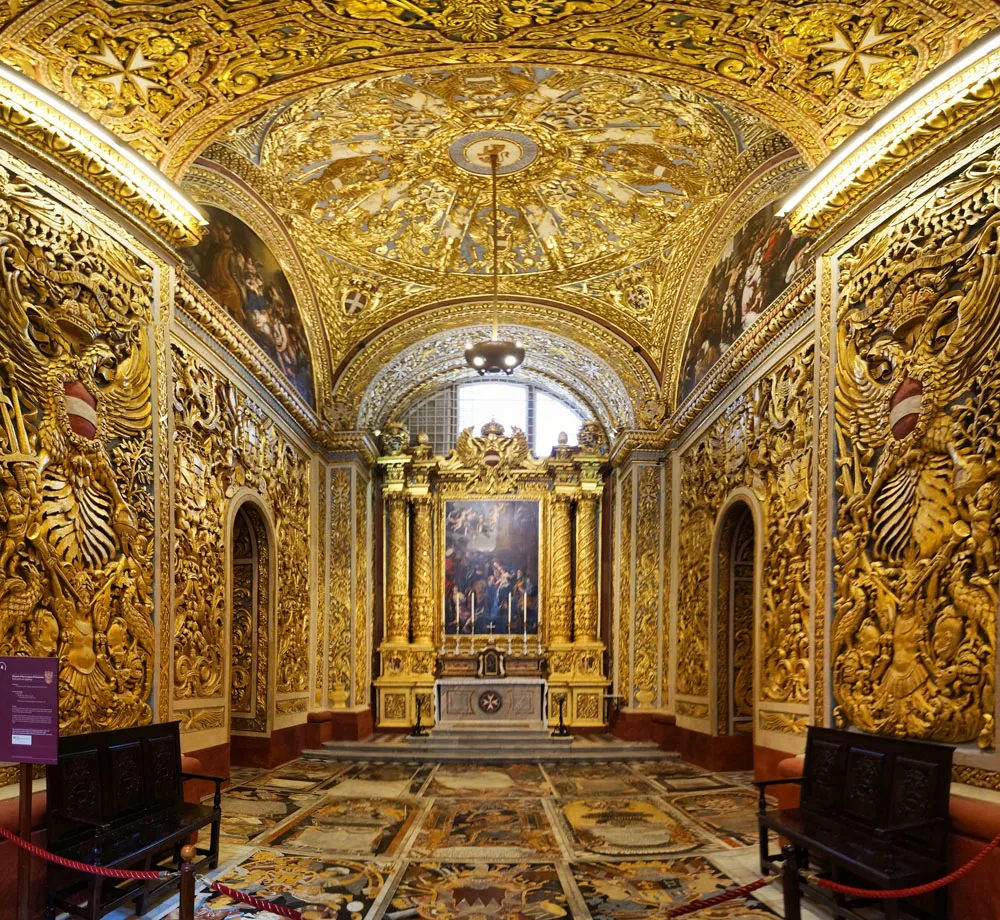
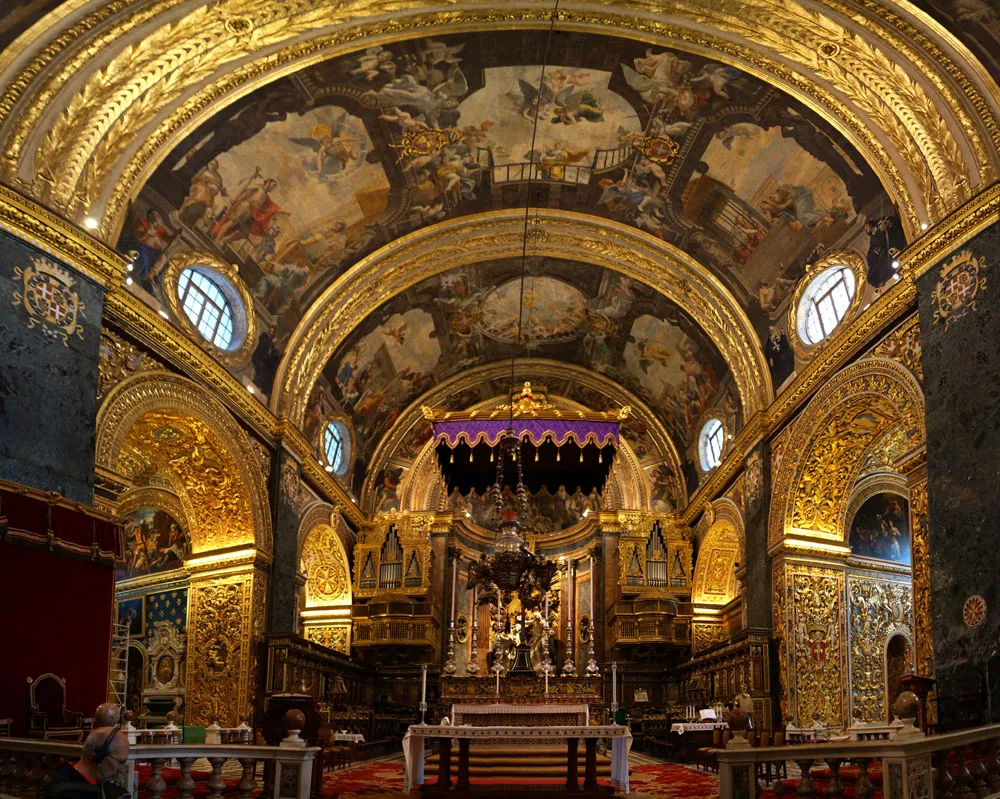
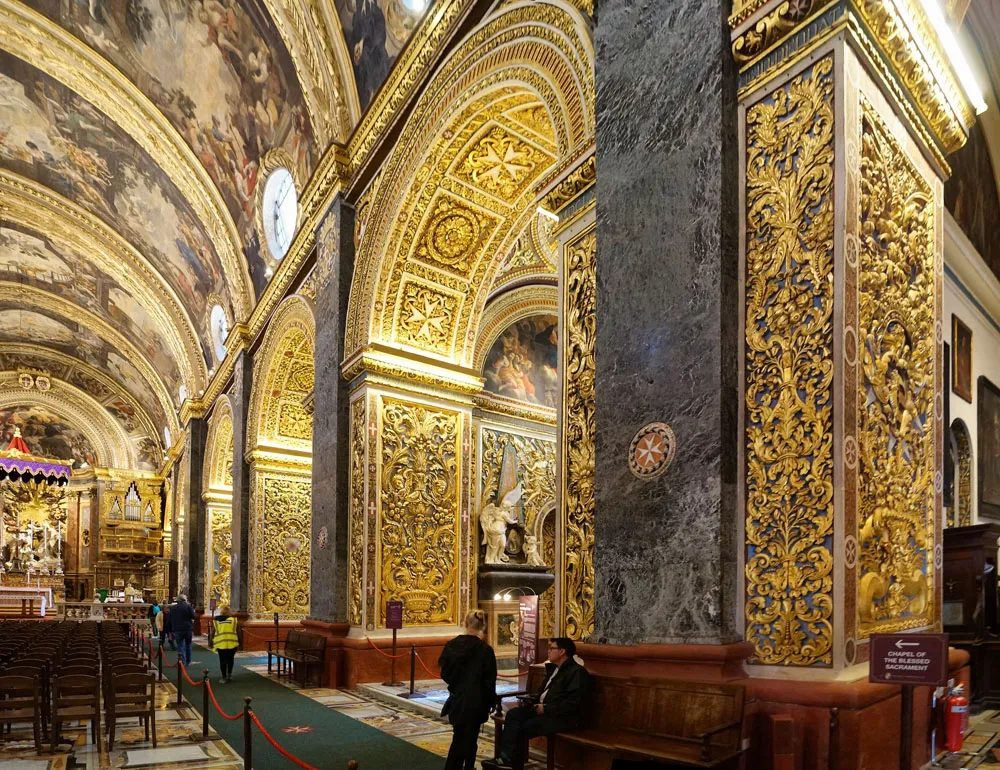
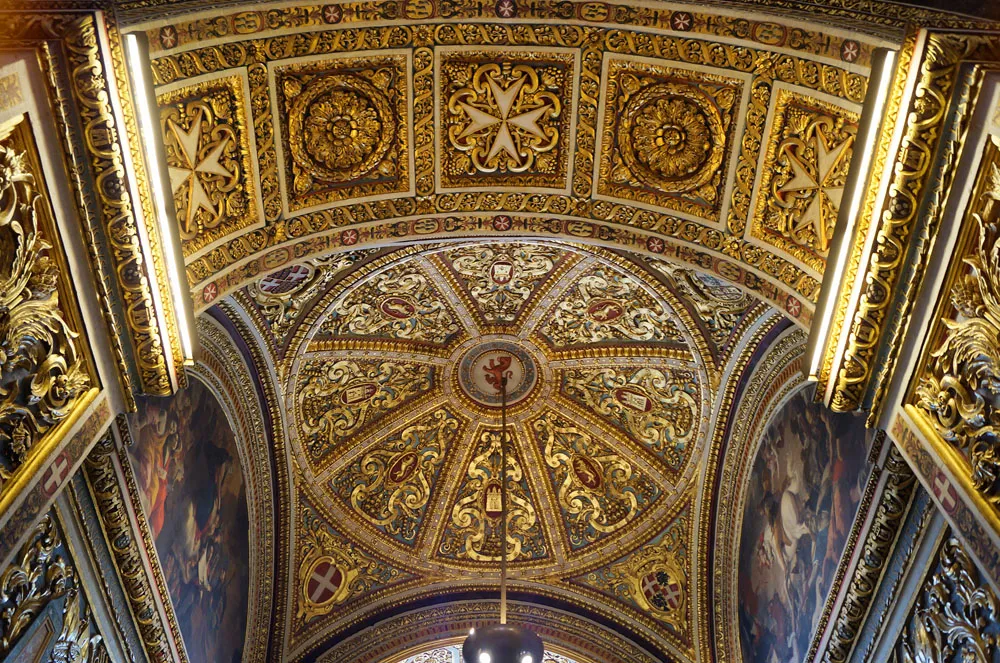
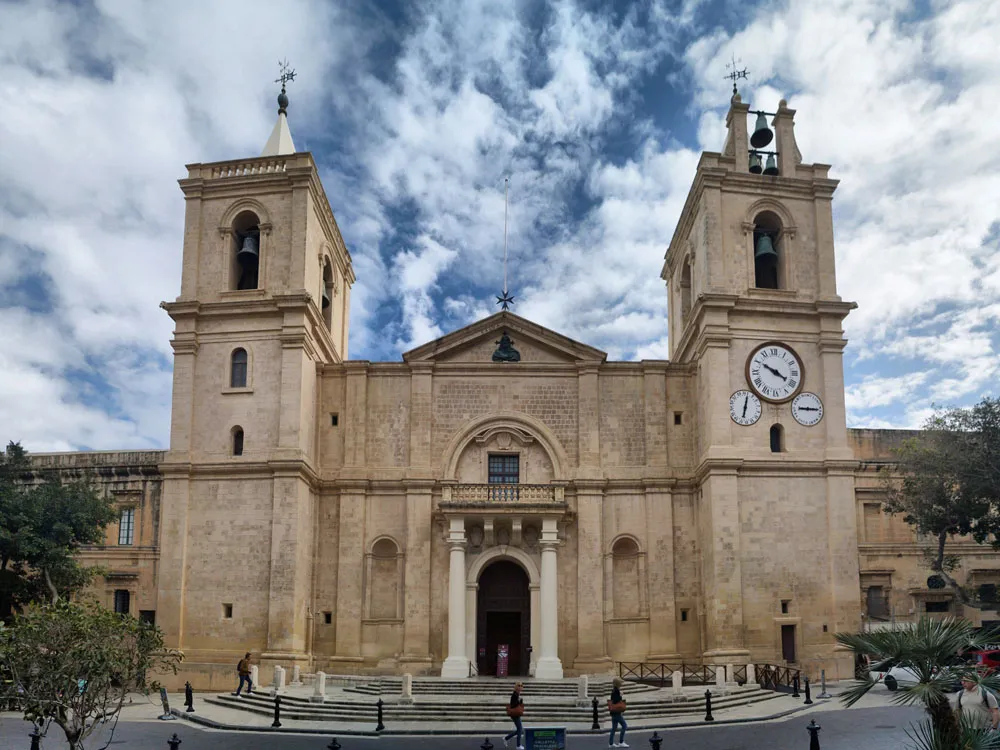
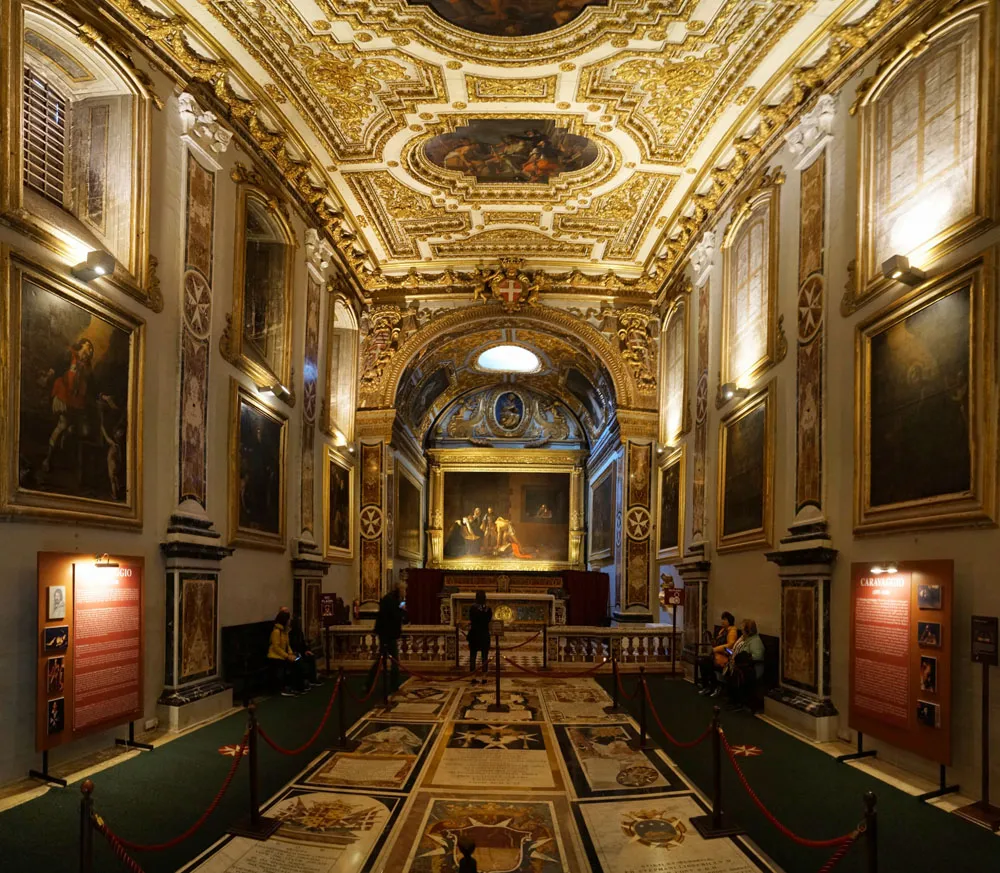
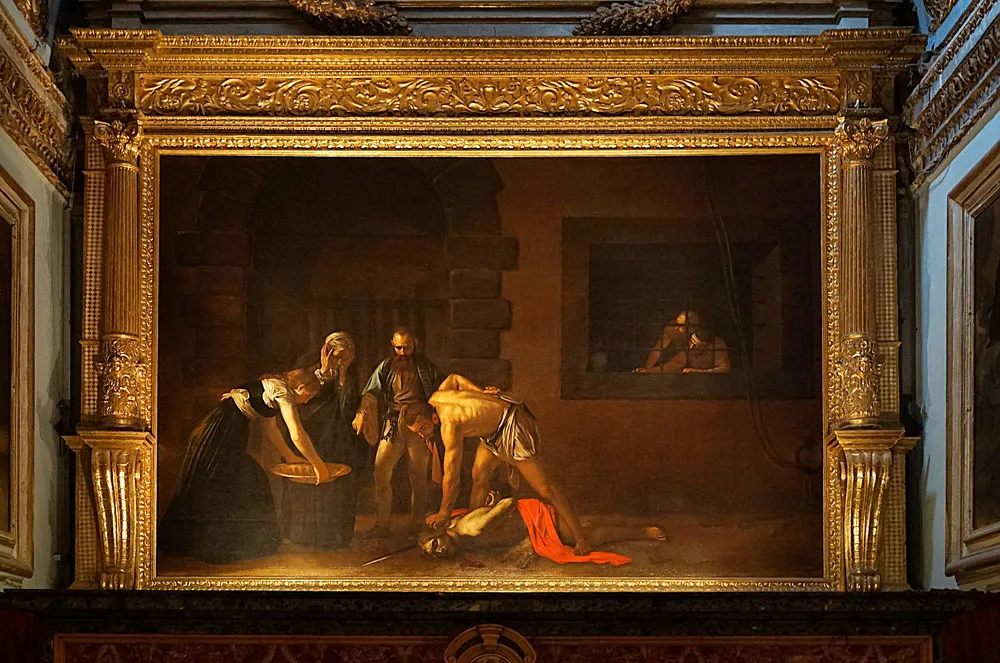
The Cathedral of St. John the Baptist. The last photo shows Caravaggio’s painting “The Beheading of Saint John the Baptist”.
From outside St. John’s Cathedral is not showy at all – a plain facade with a gable roof and two low bell towers. I did not even feel like going in until I saw a crowd-queue of Chinese tourists to the left of the entrance. They were standing at the ticket office. Wow, this must be something interesting, I thought then. And when I saw the sign San Gwann, I understood that this is it, the main church of Malta. 10 euros for entry, rucksack to the cloakroom, photography allowed.
Entering St. John’s Cathedral is one of those rare moments when you clutch your head with the words – good heavens, what is going on. And how it affected believers in the distant 16th century is hard to imagine. Although in the 16th century it did not stand out for such impressive decoration – 65 metres long, 40 metres wide, 20 metres high and no gold – the knights were supposed to live modestly, on alms. In the 1660s Grand Master Raphael Cotoner, after visiting Rome, ordered the church’s decoration to be redone. “I want such beauty for myself too,” said the grand master. That was when the church became golden.
Like a madman I wandered aimlessly around the cathedral, from corner to corner, photographing every pattern. This is probably the most impressive of the rich sacred interiors of the world, but I was struck even more by a painting… Imagine a semi-dark chapel that breathes cosiness and calm, in which some people are standing, and when you come closer you realise that those people are painted. They are busy with something, praying probably – what else can one do in a church? But no, they are not praying at all: there a naked man lies on the floor, another stands over him in shorts (short trousers), next to them a bearded man points at a large bowl in a girl’s hands, a grey-haired woman has clutched her head, and there is reason to clutch it – when you look more closely, you notice that the head of the man on the floor is somehow unnaturally turned, with a pool of blood beneath it, and the man in shorts holds a knife. And your skin goosebumps from the realism of what you see – as if everything is happening right here, right now, all the figures life-size, and the blood seems to flow across the floor and is about to flow right under your feet, and the head is already cut off… It is no accident that the author is considered the founder of realism – this is Caravaggio and his “The Beheading of Saint John the Baptist”. Michelangelo Merisi da Caravaggio painted this masterpiece, which in the opinion of many critics is among the ten most outstanding works of art of all times and peoples, on commission from Grand Master Alof de Wignacourt. The head of the Order gave shelter to the great artist, who was distinguished by a stormy and unrestrained character, but later himself expelled him from Malta; even the paintings did not help.
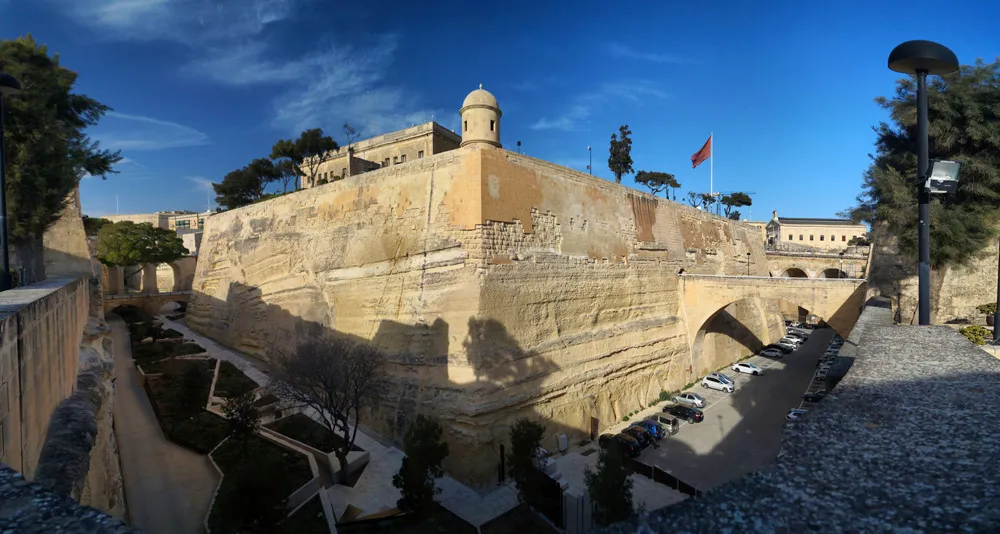
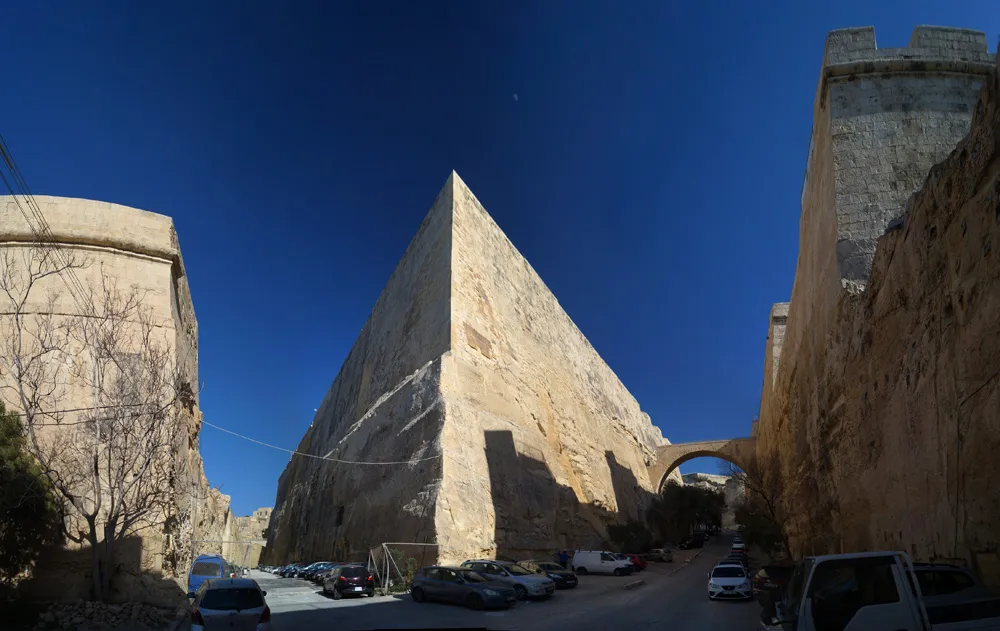
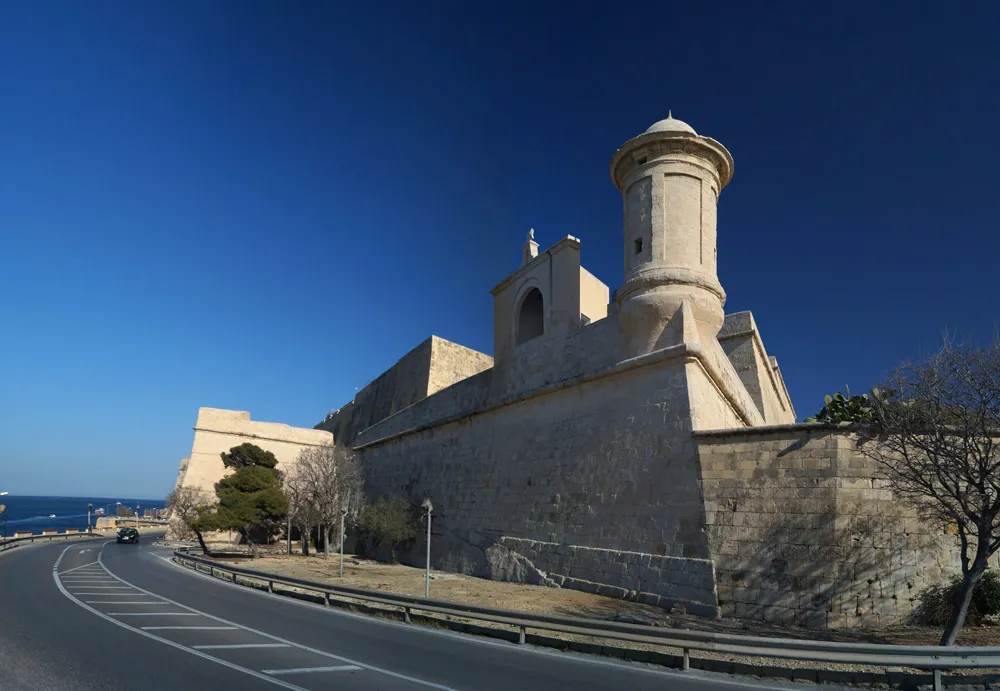
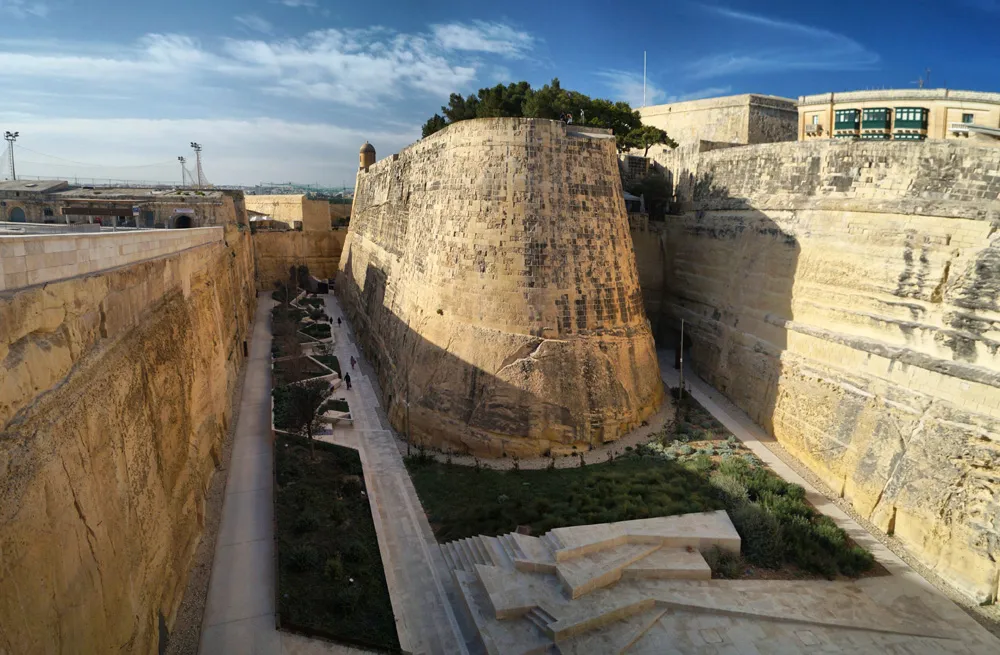
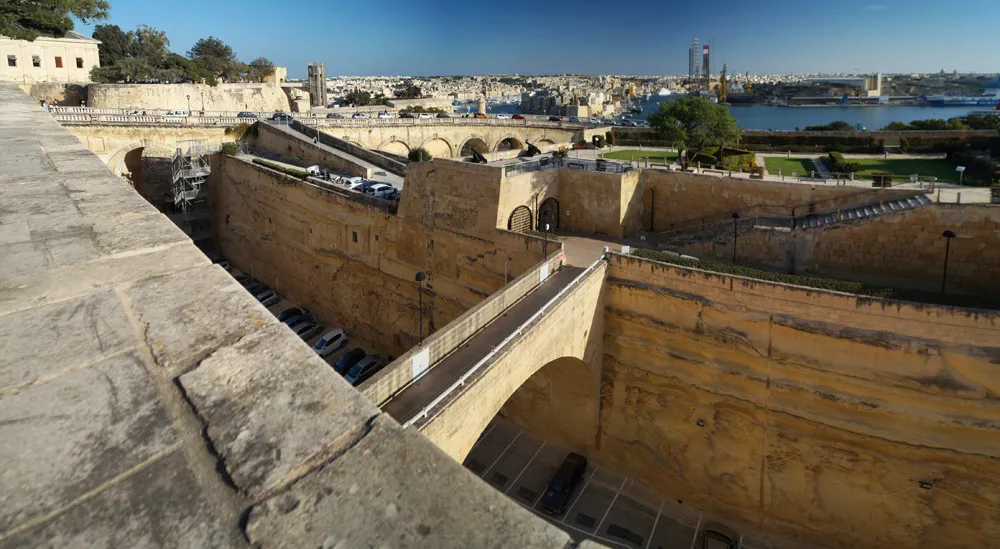
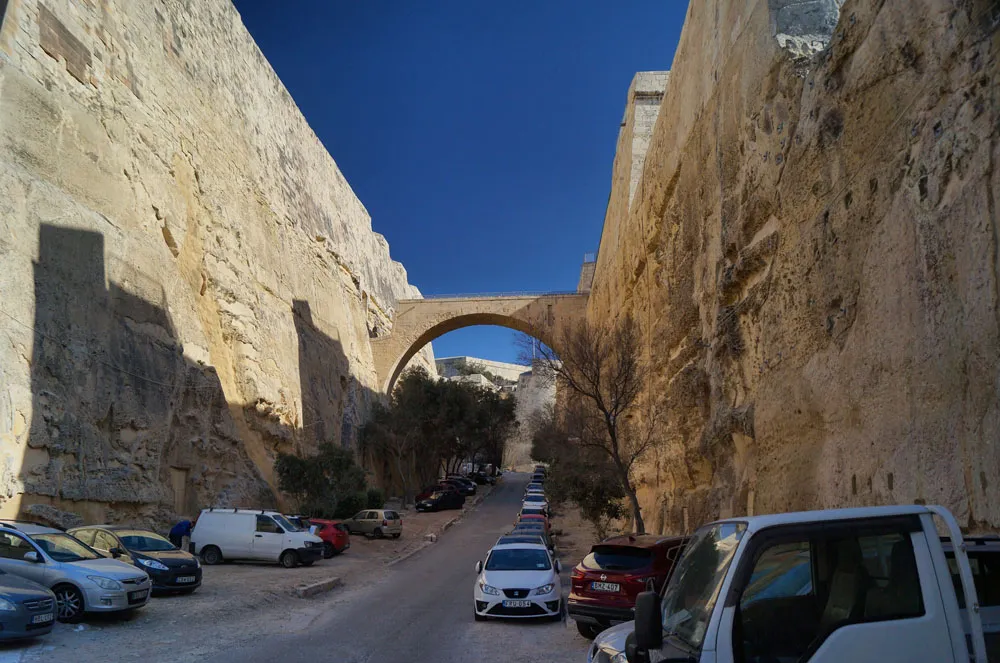
The gigantic fortifications of Valletta.
The artist, who realised extremely complex compositions but left behind not a single sketch or drawing, was born into the family of the architect Fermo Merisi and spent his childhood in the town of Caravaggio, not far from Milan. Later, in Milan, he began to be called Michelangelo Merisi from Caravaggio, and later still just Caravaggio. At the age of twenty (in 1591) the artist, while playing cards, quarrelled with an opponent, killed him and fled to Rome. Caravaggio’s contemporary and acquaintance Cardinal Borromeo wrote that he was a boorish man, in rags, with coarse manners, who lived among vagabonds and painted them too.
Caravaggio’s early work was based on the works of great artists he saw in Milan and Rome: Leonardo, Giorgione, Titian, Bellini. In the age of Mannerism the artist created stern realism in which light and shadow became the main background. Each subsequent work by Caravaggio was more and more masterly; he fell into favour with Cardinal del Monte and moved to his villa. Well, live on, chopping cash, as they say nowadays, but no – he constantly drinks, picks fights, ends up in prison, where he meets Giordano Bruno, fights duels… Caravaggio’s paintings on biblical themes became a real sensation, where again light and shadow give his realism a photographic effect. The unreal canvas “Judith Beheading Holofernes” made the artist a real star, and then came dozens of paintings bought by cardinals and the richest collectors of Rome. But the masterly work was accompanied by drinking bouts, adventures in brothels, stupid brawls… In 1606 Caravaggio quarrels with an opponent in a ball game, kills him and has to flee from Rome to Naples. It was there that the Maltese knights came across him, invited him to paint “The Beheading of Saint John the Baptist”, and later admitted him to the Order. But in Malta too the artist killed someone, ended up in prison, escaped from there, moved to Sicily and then to Naples. The brilliant realist Caravaggio died at the age of 38, as modern studies of his skeleton showed, of a staphylococcal infection. His significance for world art is hard to overestimate – dozens of his followers are called Caravaggisti, among them Rubens, Velázquez, Rembrandt…
St. John’s Cathedral has nine large, luxurious chapels – one dedicated to Our Lady of Philermos and eight dedicated to the main langues of the Order. Each chapel is a separate work of art, again with heaps of gold, bas-reliefs, sculptures and images. The floor of the cathedral’s nave is entirely paved with polished marble tombstones from the burials of famous knights of the Order, although perhaps these are the burials themselves.
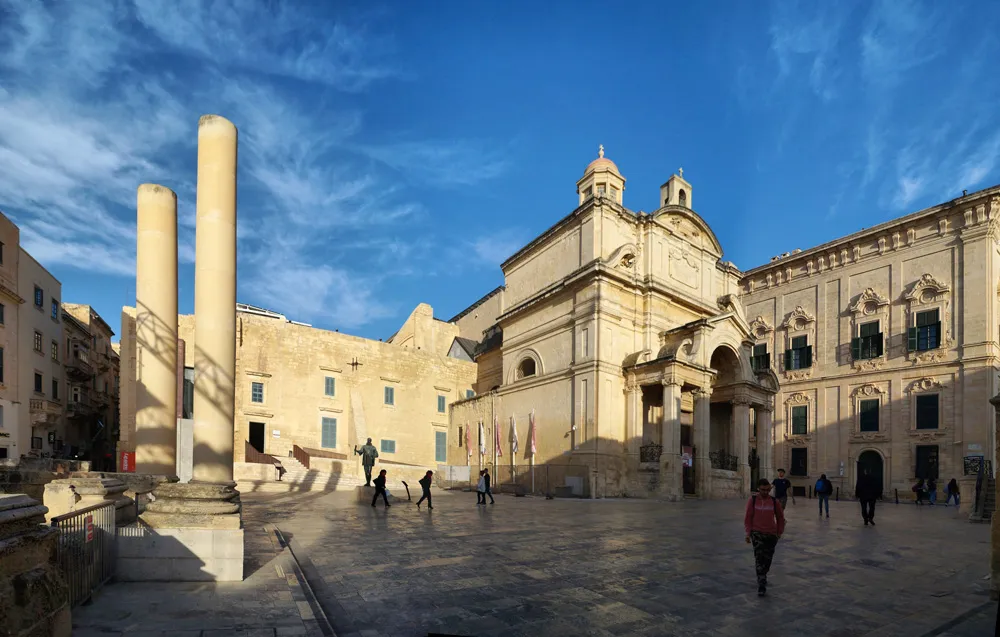
Besides St. John’s Cathedral, Girolamo Cassar built many luxurious buildings, including the Grand Master’s Palace, which occupies an entire block and is now the office of the President of Malta. Mannerism, very cool for the end of the 16th century, is now perceived quite simply, since its only decoration is balconies and door portals. But inside it is a centre of luxury and beauty – I saw this in photos; I did not get into the palace myself and did not even understand whether visitors are admitted.
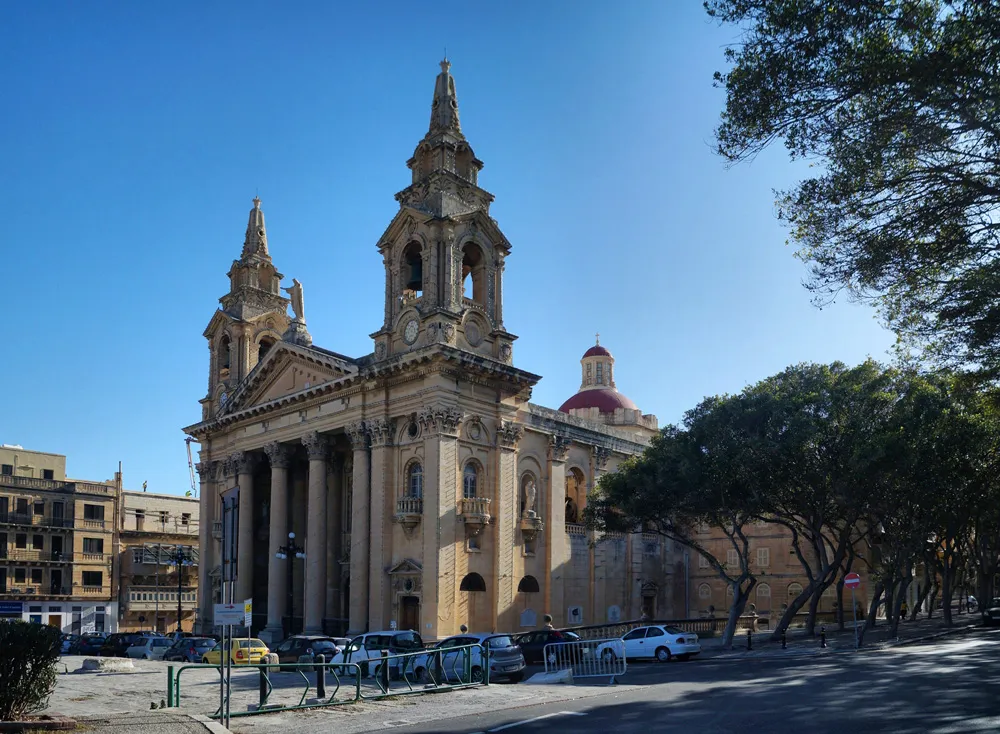
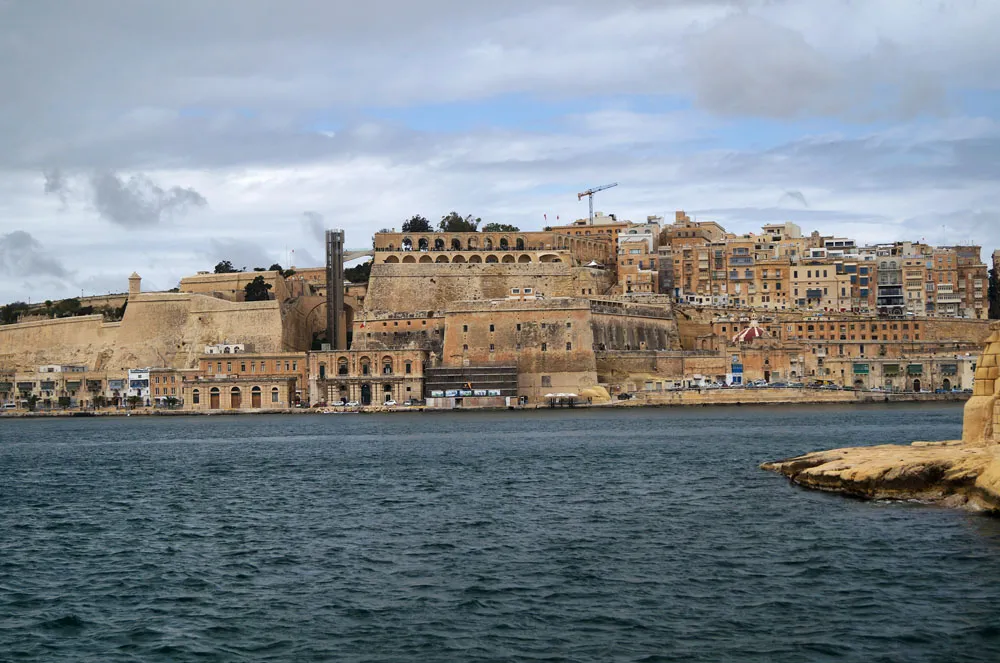
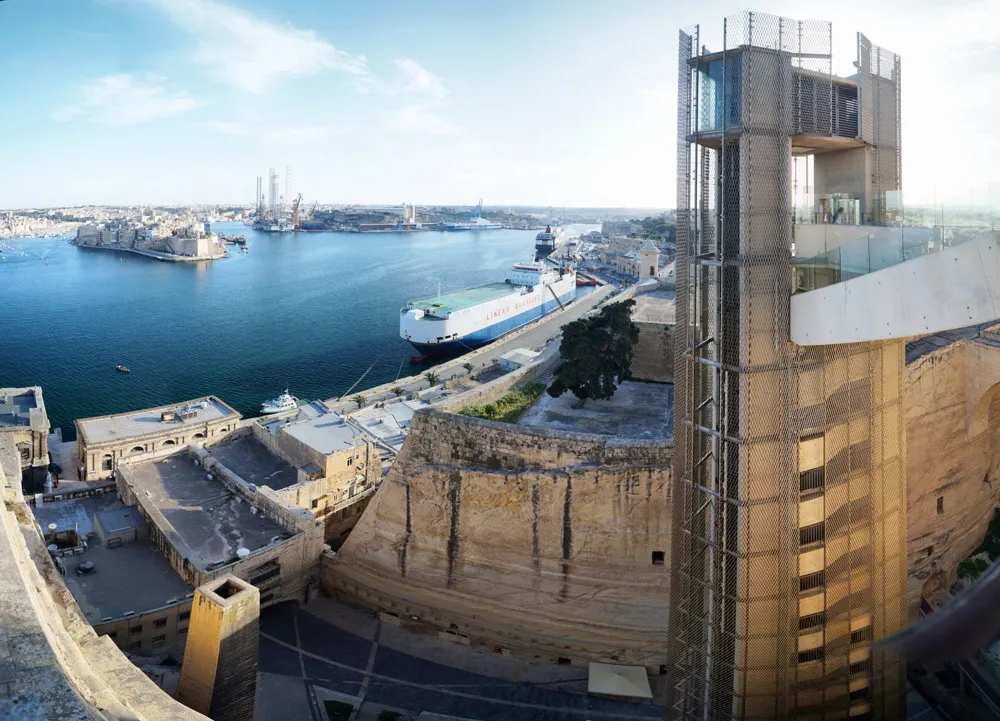
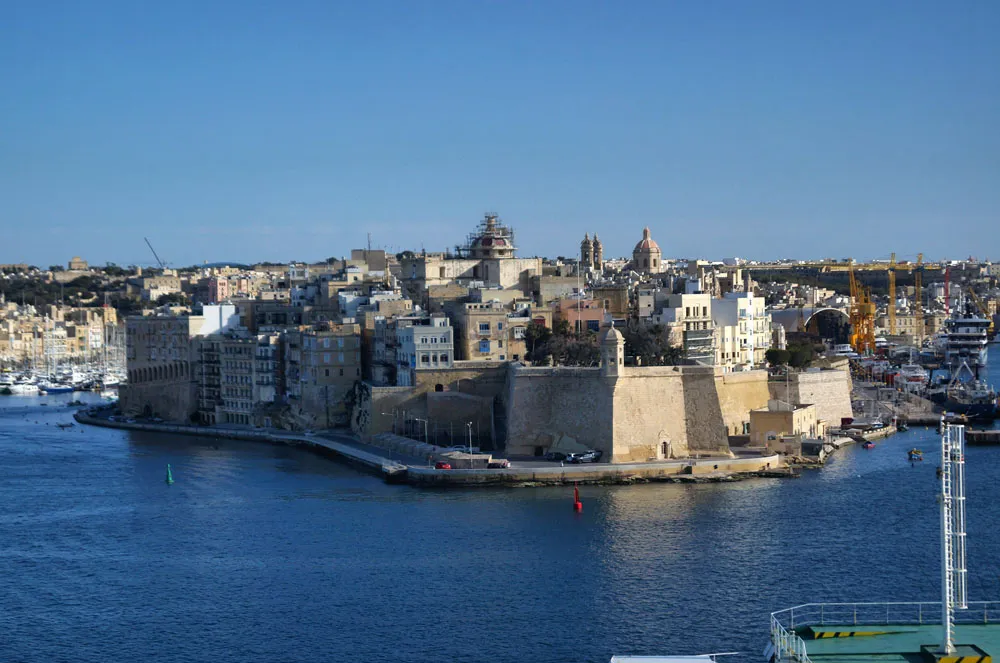
What impresses most in Valletta is its fortifications. The length of the outer ring alone, which stretches along the coast and in the south-west leaps across the Sciberras peninsula with its tooth-like bastions, is about seven kilometres. But there are far more walls than one ring. In the north-east is the complex, in shape, Fort St. Elmo; to the south is the main city, laid out by Francesco Loparelli on the orders of Grand Master La Valette immediately after the battle with the Ottomans, built at the end of the 16th century and rebuilt by the British in the 19th. Needless to say, it is completely surrounded by thick and very tall fortress walls with towers and artillery batteries, and in the west it is jagged with gigantic bastions, beneath which are now squares and parks. Further on stretches another line of walls and bastions, designed by the military engineer Pietro Paolo Floriani in the first quarter of the 17th century. For a long time this empty part of the fortress was called the Floriana Lines, and then simply Floriana, and it was part of Valletta, but in 1724 it began to be built up with residential buildings. A large number of granaries were also built here – large walled pits where the strategic grain reserve was kept. Today it is a separate town called Floriana, and the territory of the granaries – Il-Fosos (granaries, in Maltese) – is now the largest city square of Malta. Here stand the arched Porta Bombes gate, the Christ the King monument, the Independence Memorial and monument of Malta, gardens spread out, and over everything towers the majestic Church of St. Publius, built in the 18th century, battered by bombs during the Second World War and restored in the post-war period. The streets of Floriana – straight, relatively wide and solemn – are very reminiscent of colonial English development, and they were probably built as late as the 19th century – this is my personal guess, as I have not read about it.
The walls of Floriana are the most complex and most powerful fortifications of Malta. Multi-level bastions, ravelins, deep moats… In June 1798 the French occupied Malta and chose Floriana as their main base. On 1 August their fleet was routed by a British squadron, and the three-thousand-strong French army in Malta found itself cut off from the main forces. The British supported the Maltese uprising and on 2 September 1798 began a blockade of the French garrison that lasted two years – the French capitulated on 4 September 1800. It should be noted that the French were able to hold out so long solely thanks to the strength of Floriana’s fortifications. The Maltese even built new batteries specifically to bombard the city, but it was not the bombardment that led to the capitulation but hunger.
Valletta’s bastions now serve various functions: some house utility rooms and warehouses, others banking institutions, and there are also museums and restaurants, and on the Bastion of Saints Peter and Paul terraces were built as early as the 17th century, on which gardens were planted – the Upper Barrakka Gardens, as they are now called. On one of the terraces of this bastion, opposite the towns of Birgu and Senglea, a gun battery for salutes is installed.
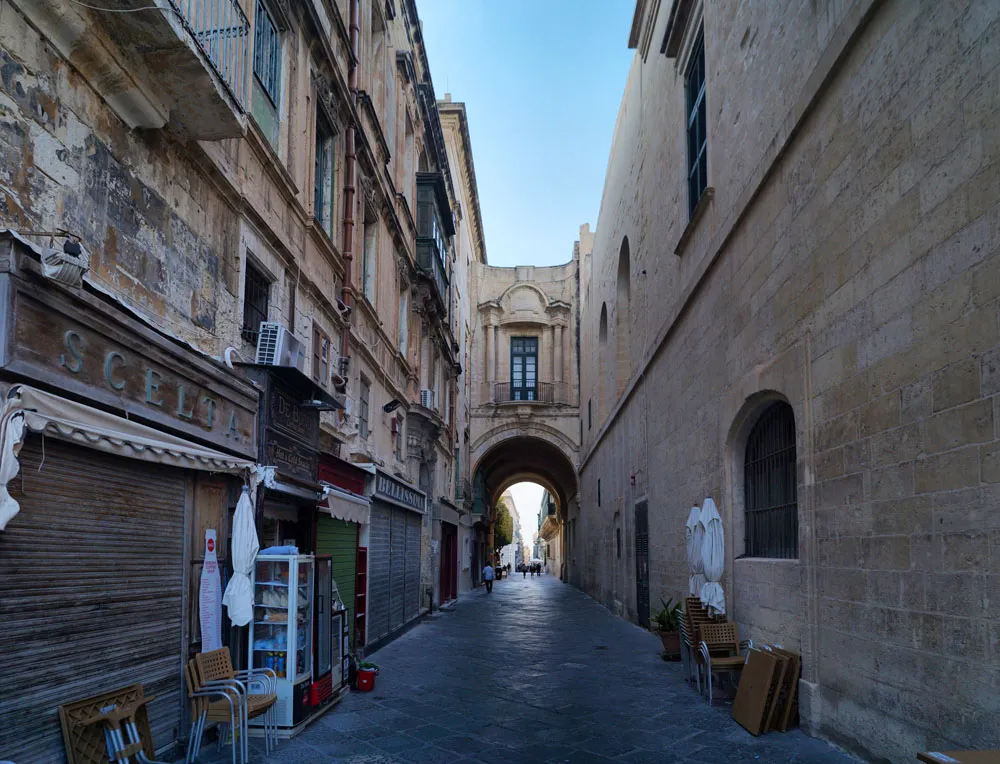
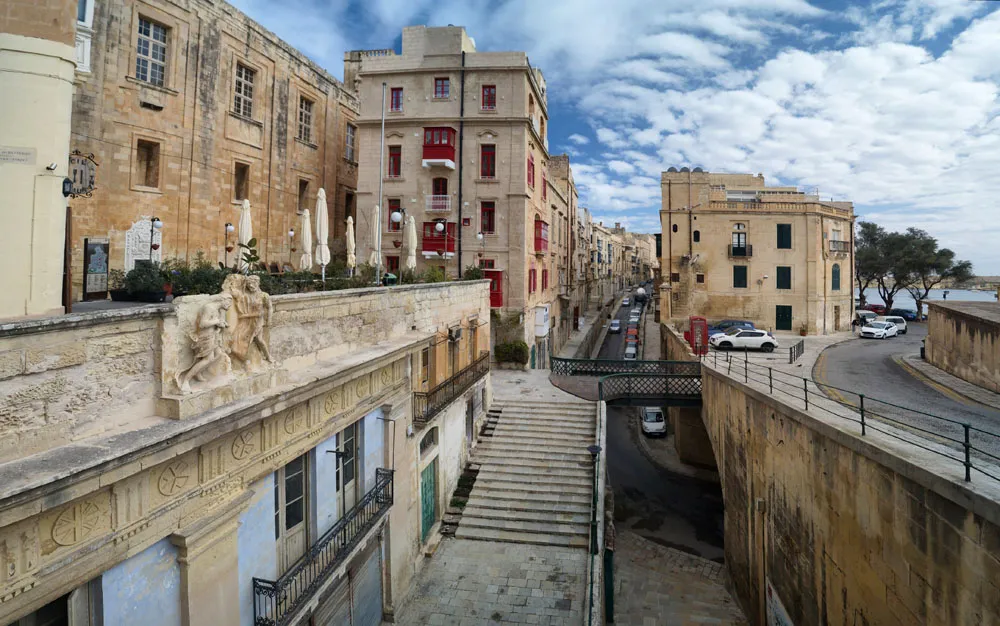
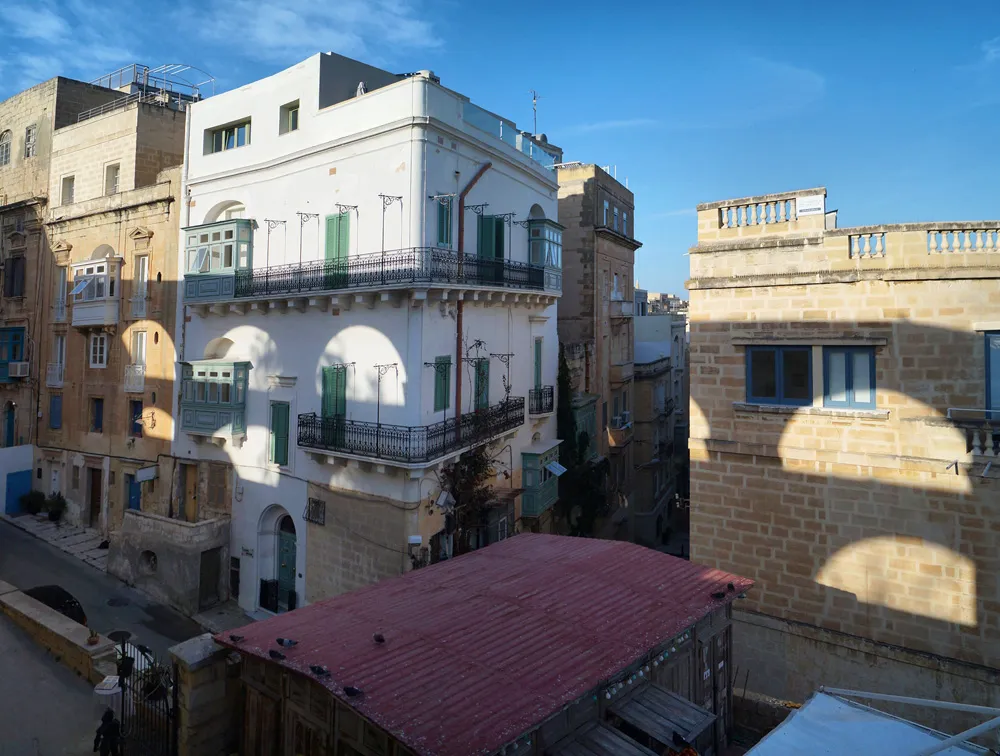
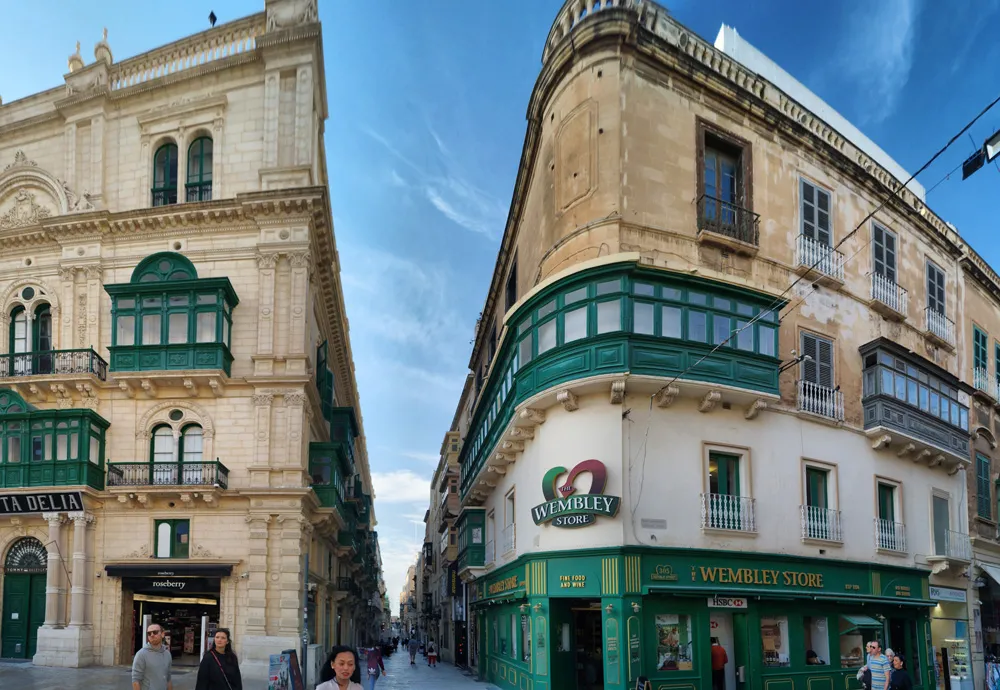
Walking along Valletta’s coastal streets you begin to think they were created exclusively for slow, dreamy strolling. Higher up begins dense, continuous development, with tall, chaotically piled-up stone houses, with heaps of sculptures and bas-reliefs on the buildings, with narrow steep stairs and an almost total absence of cars – it is not easy to drive cars on stairs and on such steep little streets; besides, there is a ban under which only local residents have the right to drive into Valletta by car.
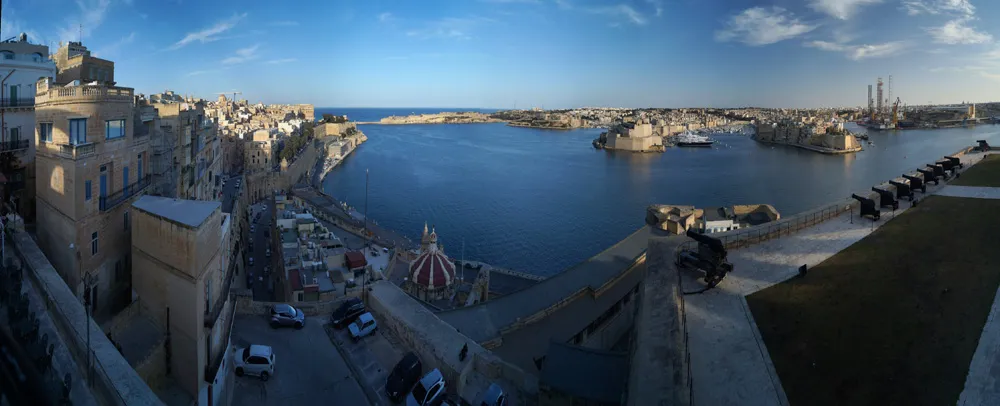
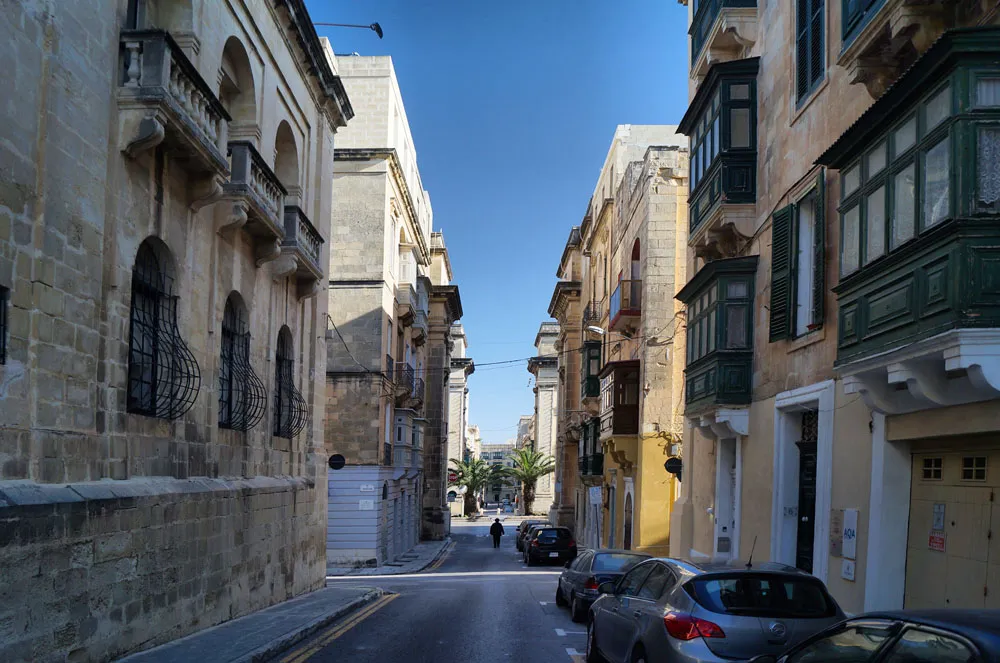
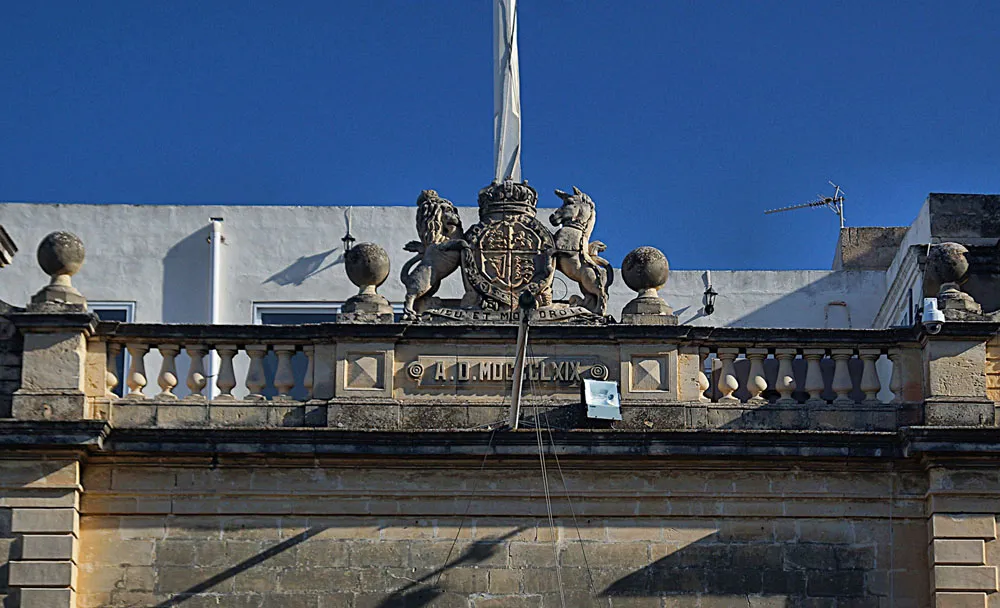
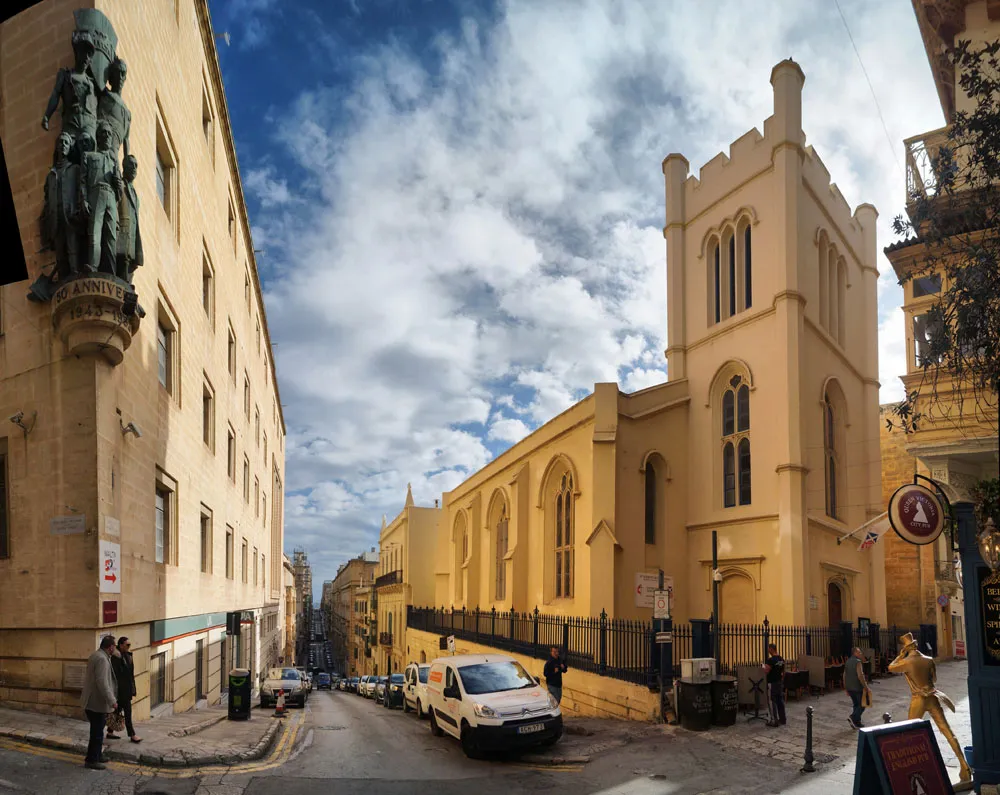
The central districts of Valletta are streets with a huge population density (one of the highest in the world). They crush, but even despite the cramped conditions they are very interesting, and you can wander through them for days. No brick – only stone, and balconies, balconies… There are quite a few palaces – after all the knights were not poor people – and the museums are plentiful, the largest of which are the Archaeological, the War and the Museum of Art. But the whole of Valletta is a museum – the entire historic centre of the city is inscribed on the UNESCO World Heritage List. Closer to Floriana, in front of the bastions, on the inner side, are the squares where the main mass of tourists hangs out, especially on Castille Square and near the opera house. On 2 March 2020 it was full of people here, and exactly two weeks later the Maltese government closed all bars, restaurants, gyms, clubs and cinemas. The population was forbidden to gather in squares and generally to go out into the streets. A fine for violations was set, first at 1,000 euros and then increased to 3,000.
I walked the streets of Valletta for two days and left the third for the Three Cities. Although I do not know how to name it correctly, since in English it sounds like ThreeCities – the Poles would call it Trójmiasto, they even have one – Gdańsk, Gdynia and Sopot – and Malta has its own Three Cities – Birgu, Senglea and Bormla. I managed to visit only two – I did not have time to see Bormla, and Senglea I saw only partially. Malta turned out for me to be the tastiest bitten-off sandwich.
Text and photos by Roman Malenkov. From the text for the book “10 countries after quarantine”
Many more photos in our gallery.