Vasylivka on the Dniester. Open-air museum cemetery

· 2 min read
Vasylivka stands on the bank of the Dniester, south of the town of Novodnistrovsk, 5 kilometres from the border with Moldova. This is not Bukovina: it is the territory of Northern Bessarabia, which was once part of the Bessarabia Governorate of the Russian Empire and was never part of Austria-Hungary. True, in the interwar period Vasylivka was within Romania, when it was called Vasiliuţi. One of the old buildings in the village (it certainly houses a veterinary point, a post office branch and the village council) was probably built by the Romanians.
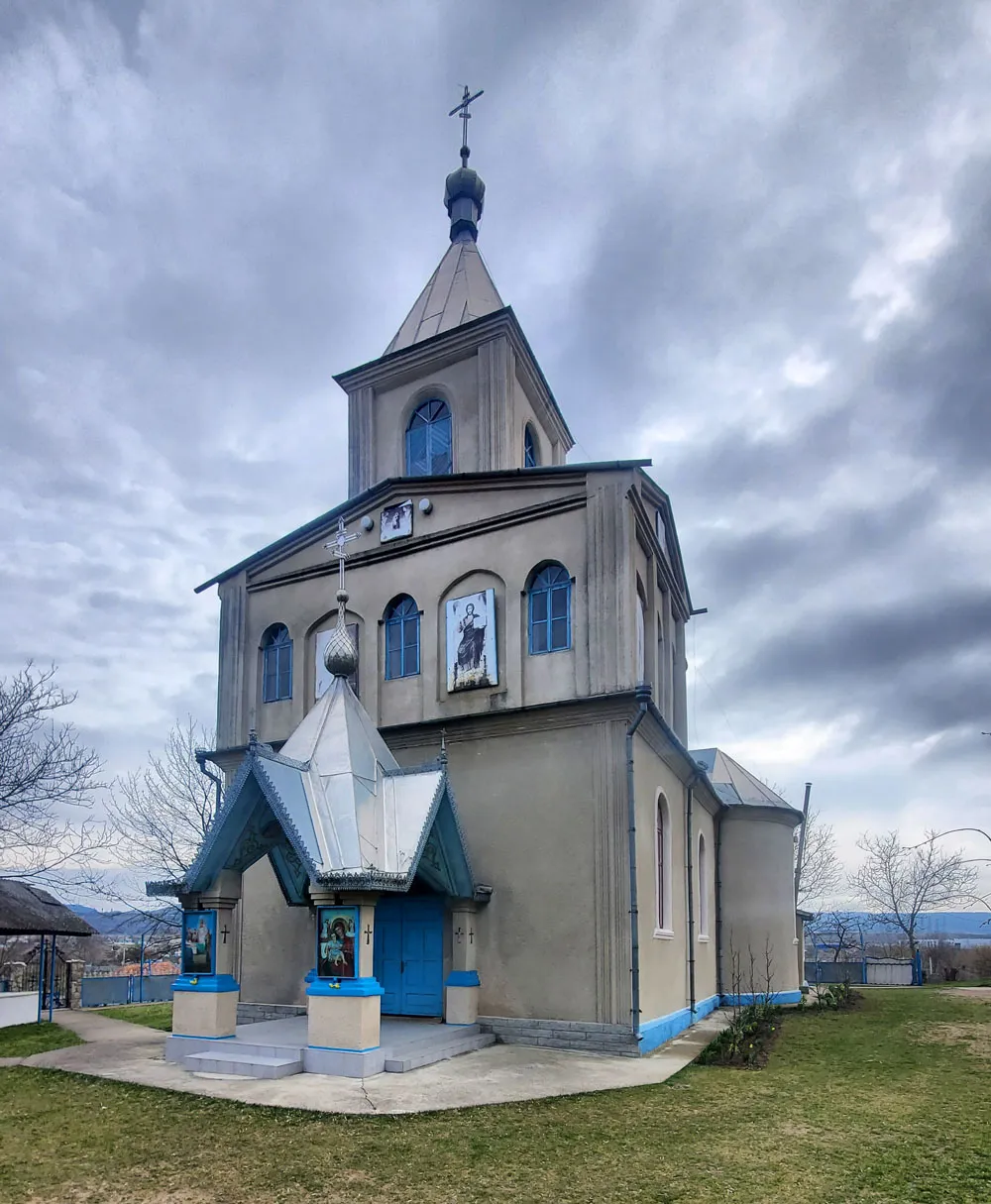
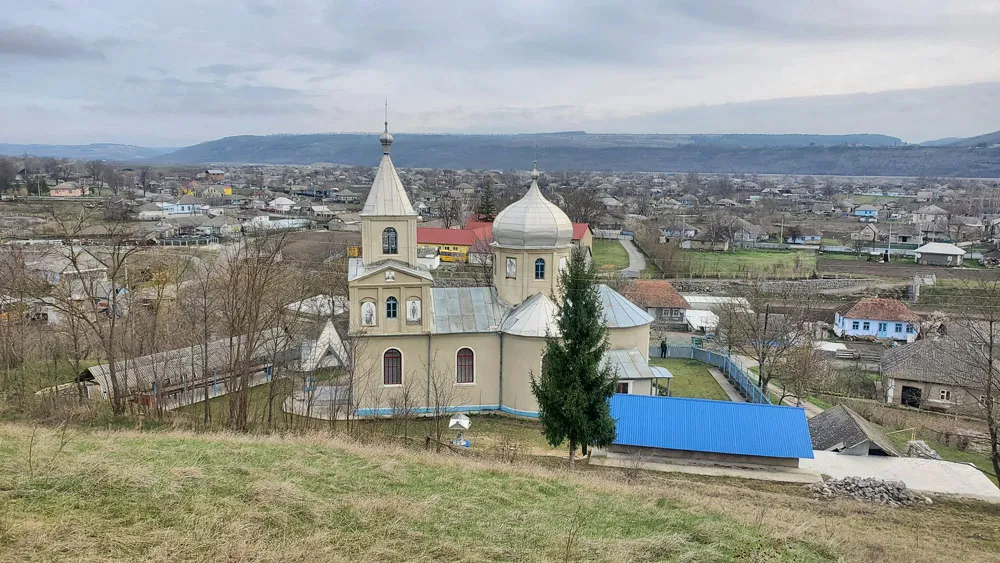
In general Vasylivka is a very old village. Scholars suppose that it arose somewhere in the 12th century, although the first written mention of the village dates from 1447, when the Moldavian ruler Stephen II gave Vasylivka to the boyar Shendryk. The village’s long history is described in detail on Wikipedia. But of such a long history very few material traces remain; even the church, which seemed to us a 19th-century “diocesan-type” building, turned out to have been built in 1991. It was erected on the site of the previous church, which the Russian occupiers destroyed in 1983. It is hard to understand what guided them in destroying churches in the 1980s. The decisions of the builders are also puzzling: already in the period of Ukraine’s independence they put Russian domes on the church, an onion dome and a tent-shaped one.
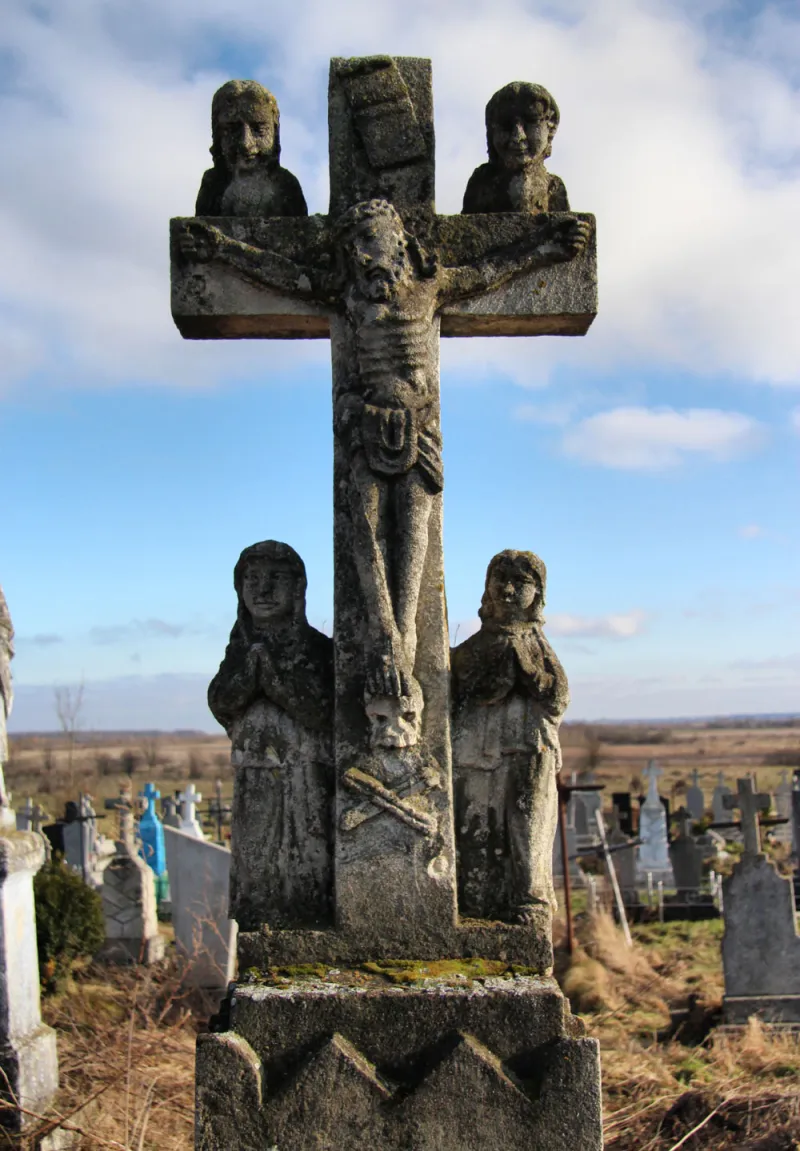
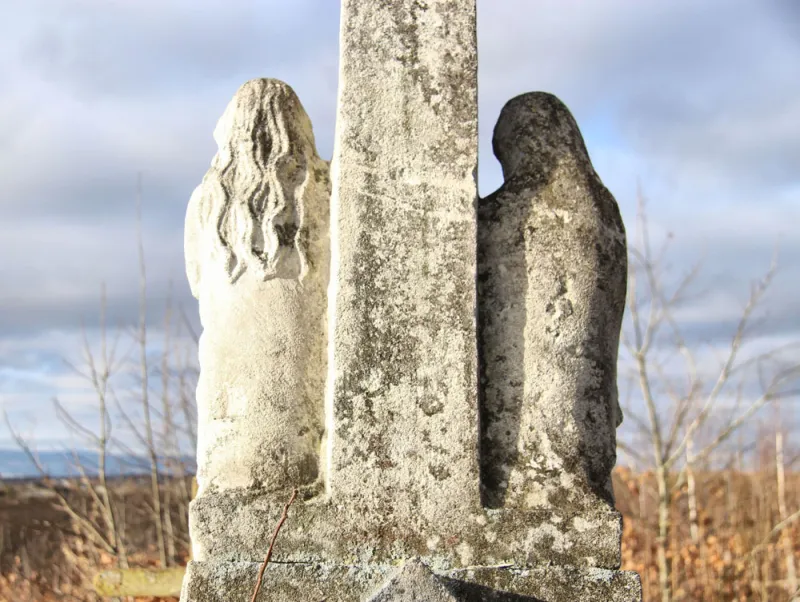
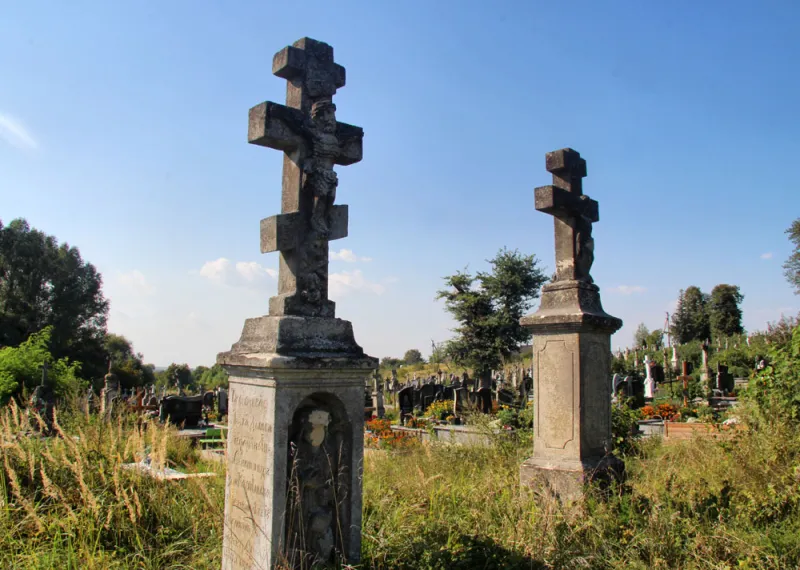
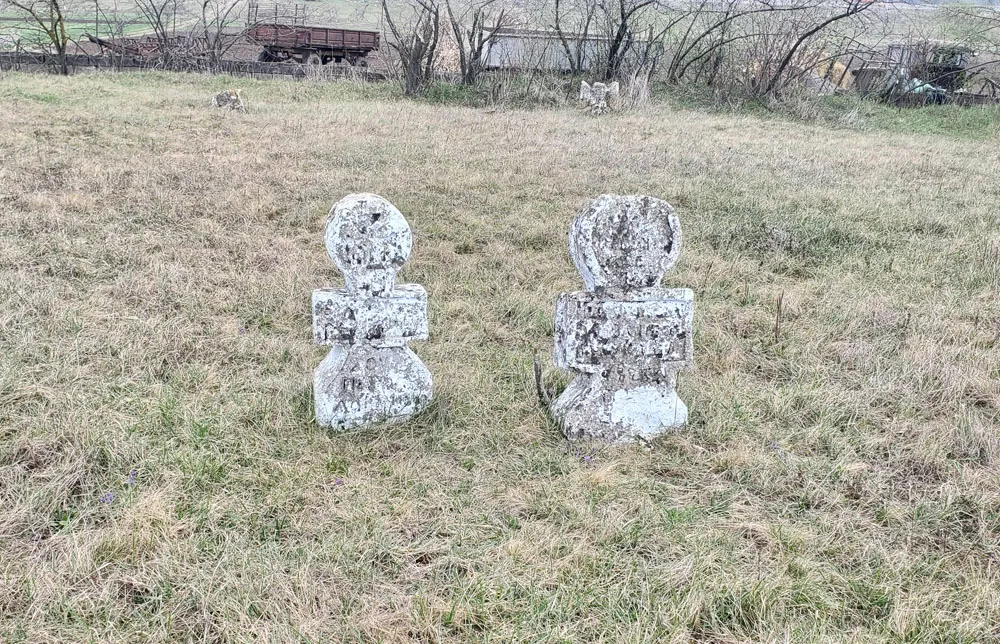
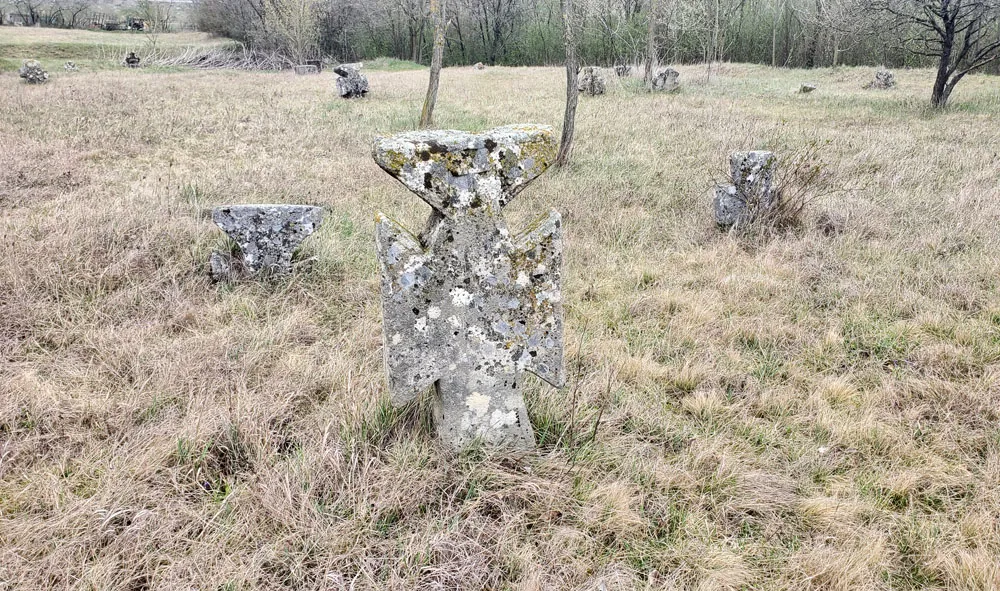
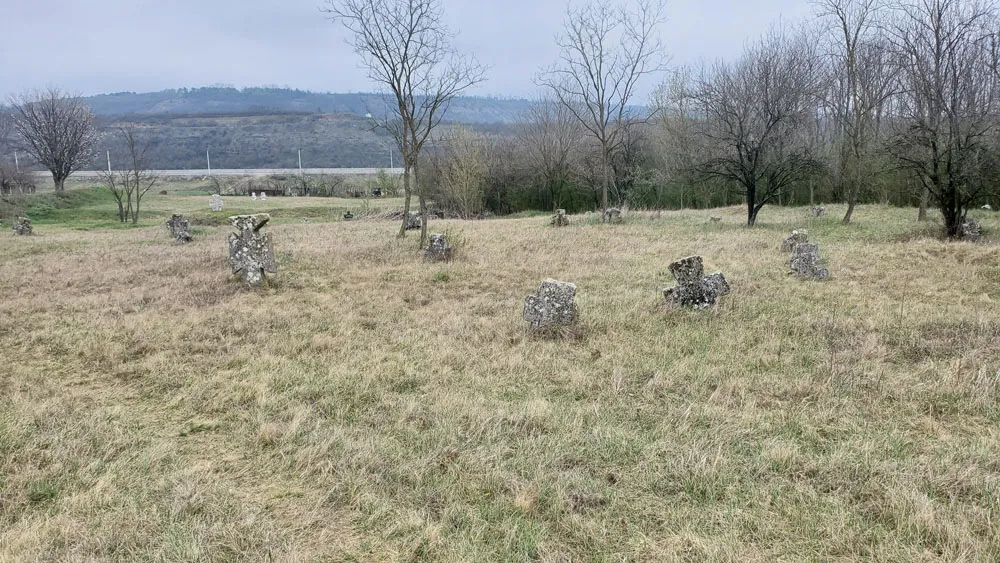
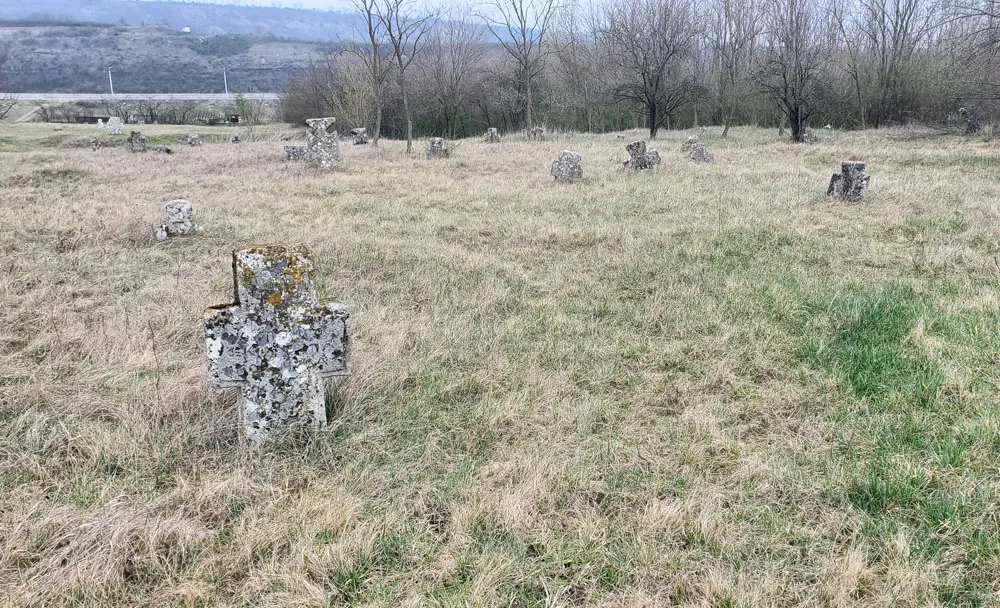
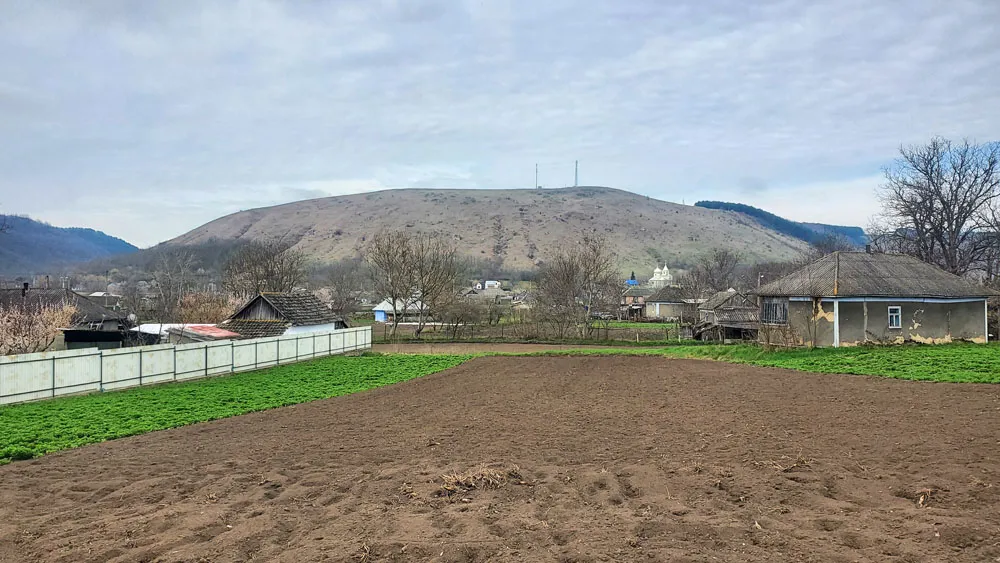
Vasylivka, occupying part of the Dniester floodplain and the terrace above it, abuts high and very picturesque hills. The village’s main landmark is the old cemetery, located not far from the Dniester. It is in effect an open-air museum, in which wonderful exhibits are gathered: examples of old Ukrainian lapidary culture, stone crosses of various forms.
The cemetery is clean, without scrub. This is thanks to the family living nearby.
Text and photos by Roman Malenkov
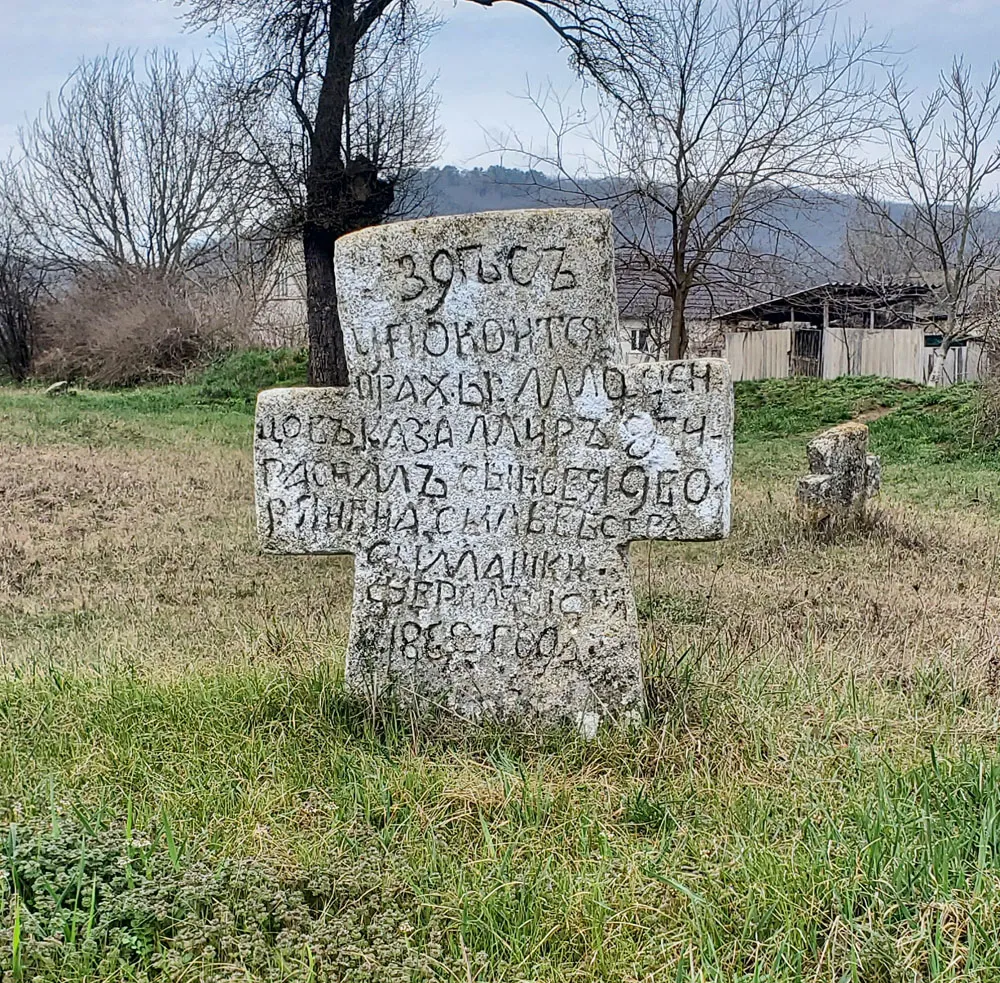
Many more photos of Vasylivka, see in our gallery