

Dnipro. Not just an industrial centre

· 7 min read
In 1640, a wooden St. Nicholas Church was built on the right bank of the Dnipro, about ten kilometres from the Kodak Fortress. It gave rise to the town of Novyi Kodak. This town, later renamed Novi Kodaky, became the ancestor of modern Dnipro.
In the 18th century, Novyi Kodak was the centre of the Kodak palanka of the Pidpilna Sich. In 1754 it had 4,000 inhabitants and held three annual fairs. After the destruction of the Sich and the Zaporozhian way of life, Novyi Kodak was turned into the administrative centre of the Saksahan county of the Novorossiya Governorate. In 1783 the county was renamed Novokodak, and in 1780, by order of Catherine II, construction of a new governorate city, Katerynoslav, began between Staryi and Novyi Kodak.
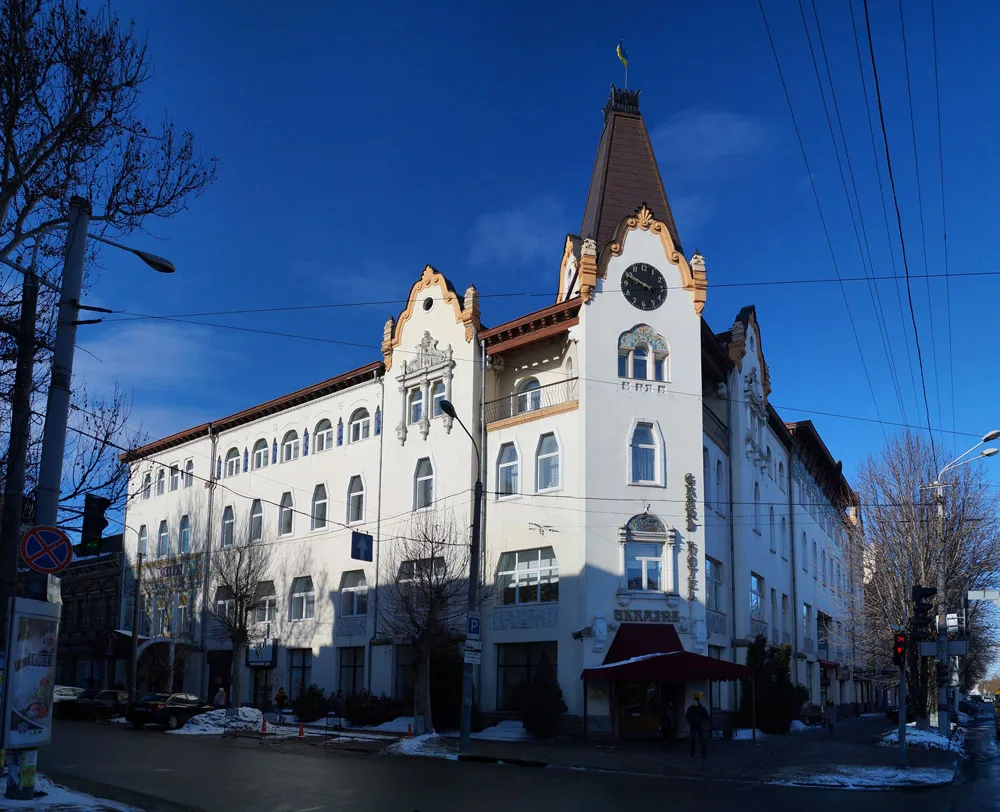
Khrennikov House
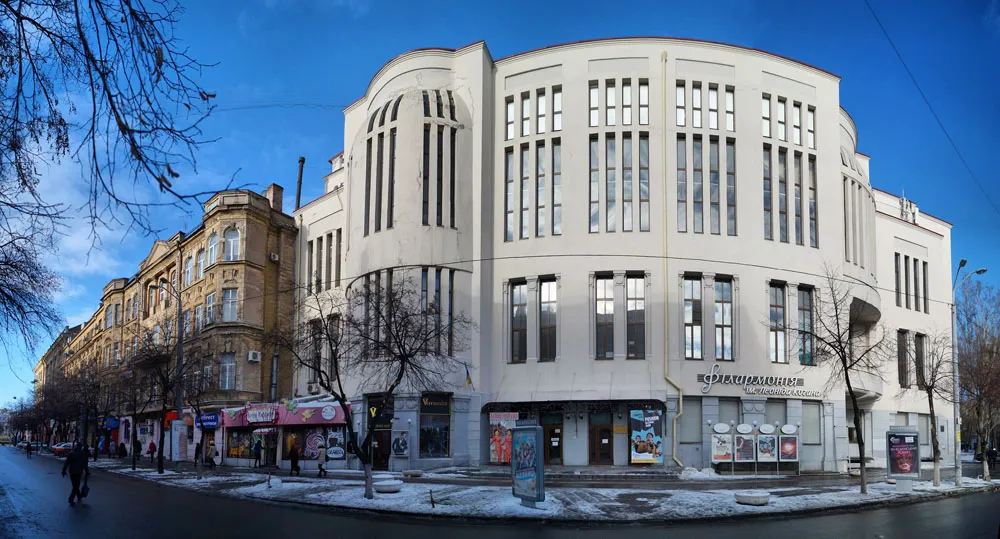
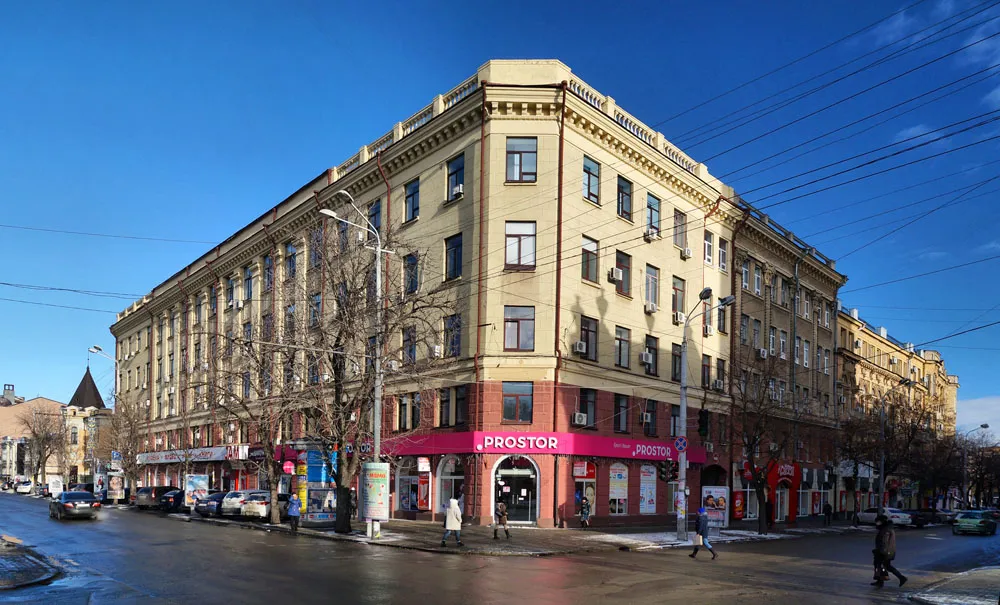
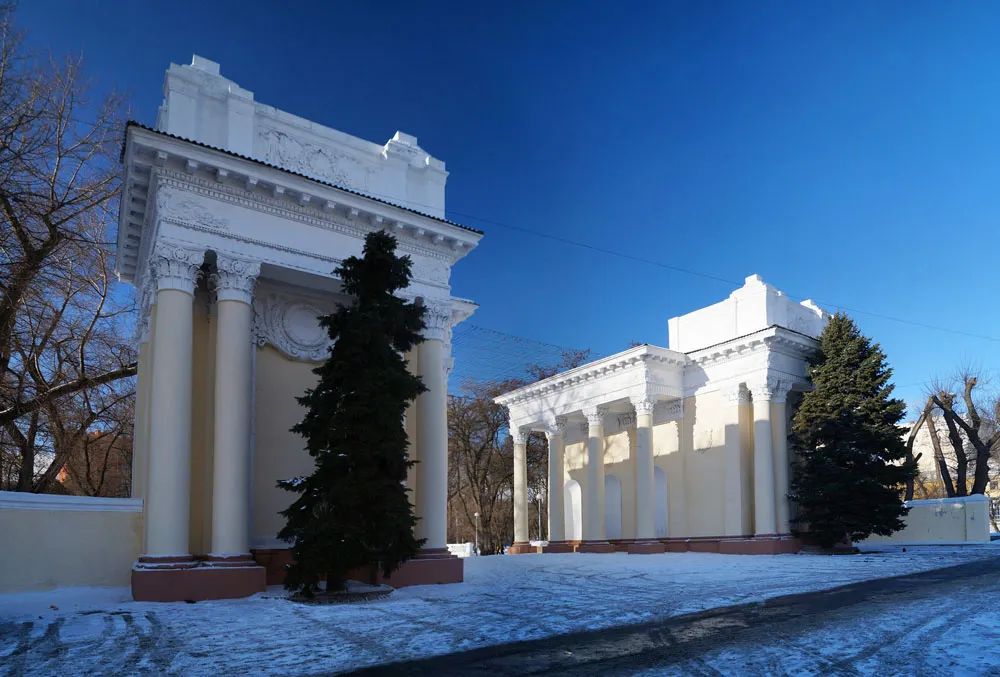
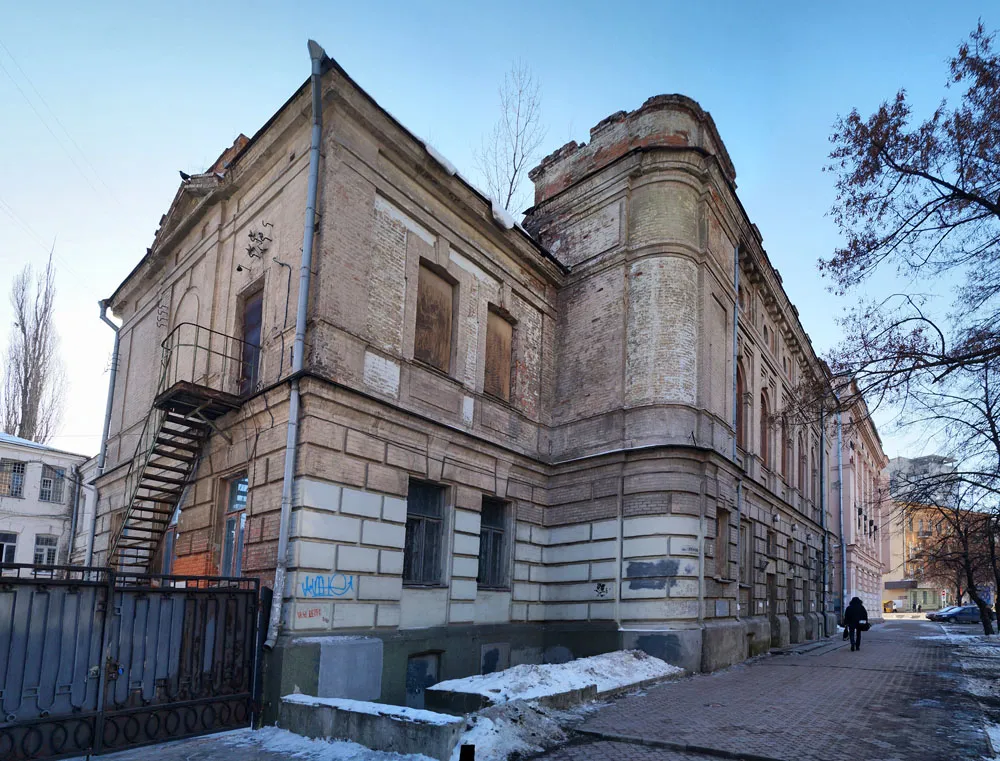
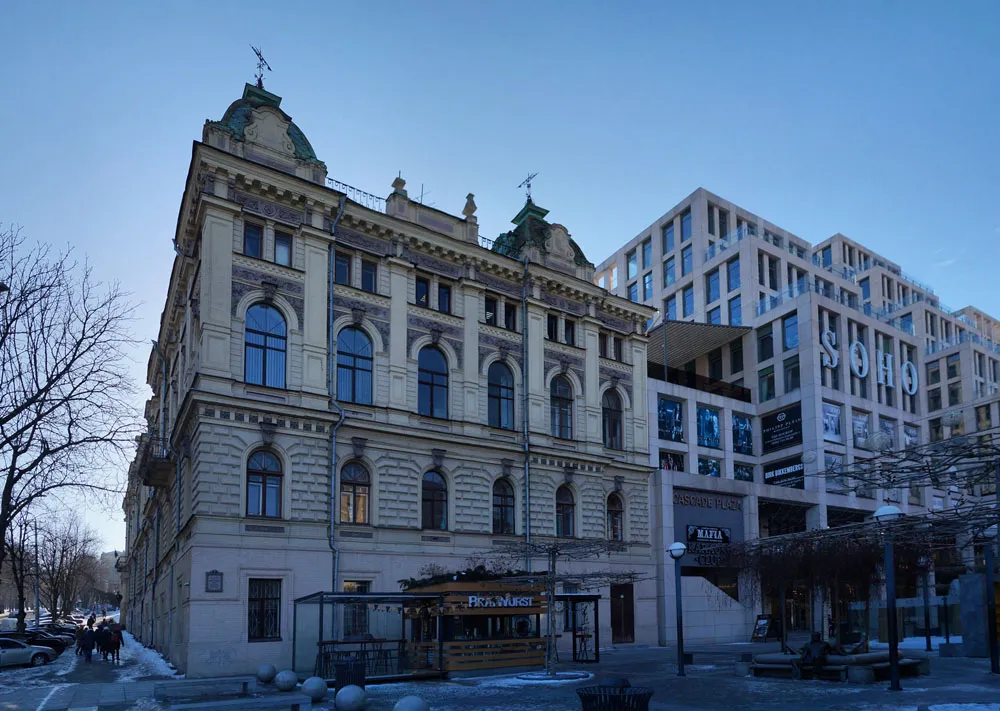
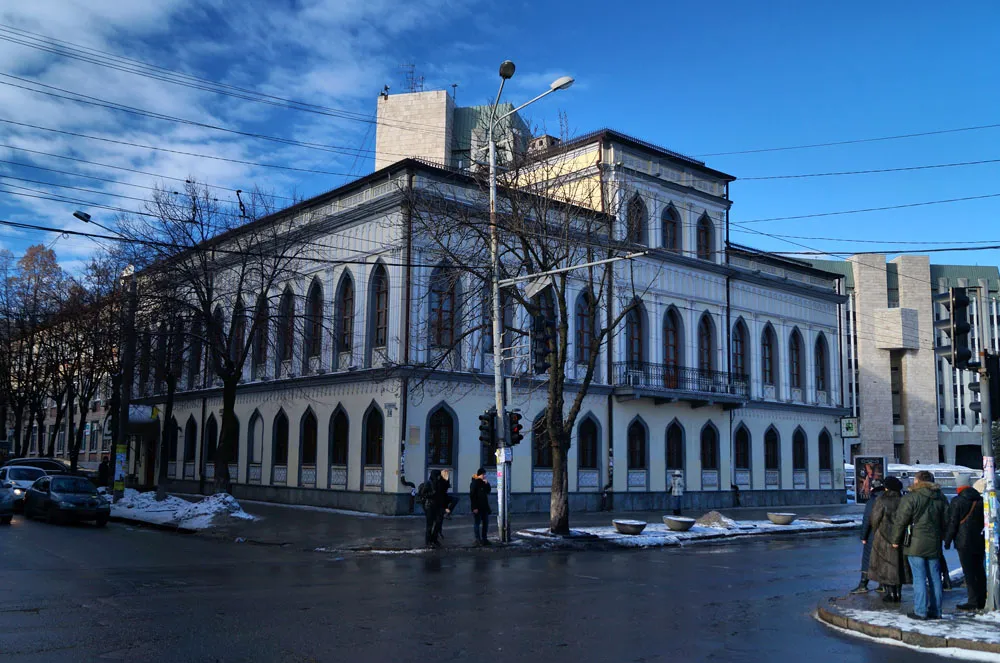
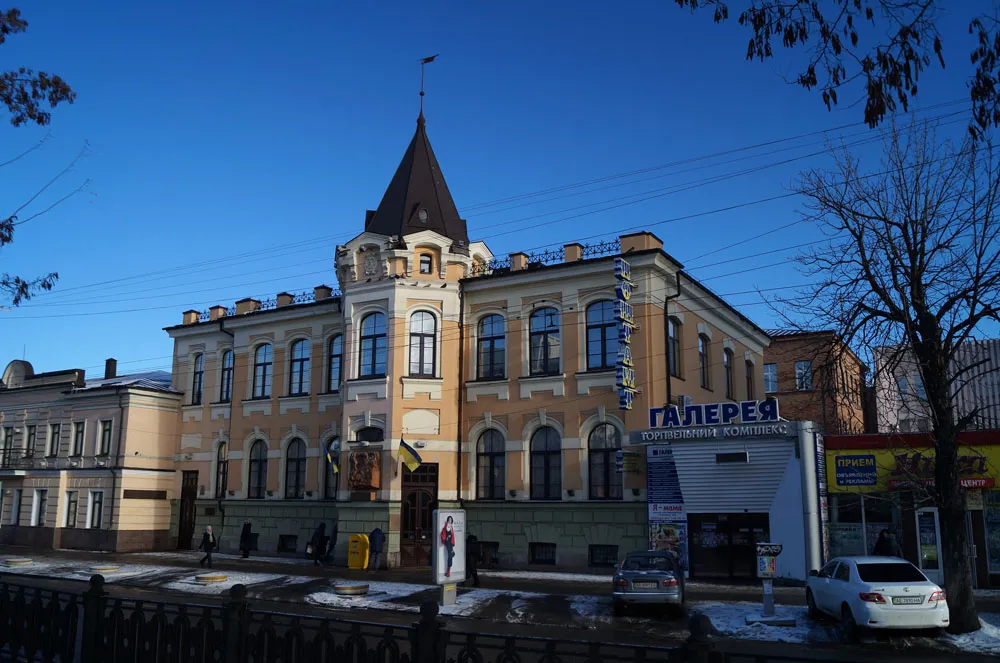
The administration of Katerynoslav was at first housed in Novyi Kodak, and in 1795 Novyi Kodak ceased to exist as a separate settlement: it was annexed to Katerynoslav, while the administration was moved to the area of the Polovytsia suburb, which became the new centre of the city.
In fact, construction of Katerynoslav was first begun in 1776 in the delta of the Samara River, on the left bank of the Dnipro, not far from the village of Samarchyk. But the marshy site proved unsuitable for building a large governorate city, which Catherine II wanted to make the new capital. So construction was moved to the right bank, and the first version of Katerynoslav was renamed Novomoskovsk.
Catherine II wanted a huge capital city, with a cathedral in the centre that would be taller than St. Peter’s Basilica in the Vatican… After the empress died, all the plans were forgotten, as Paul had little interest in them. The new emperor even ordered Katerynoslav to be renamed Novorossiysk, although the city bore that name for only 4 years (1798–1802), and right after the death of Paul I it regained its former name.
In the 19th century Katerynoslav developed sluggishly: in 1850 it had only 13,000 inhabitants. Change began after a bridge across the Dnipro opened in the city in 1884, connecting the two banks, while a railway line connected Kryvbas with the Donbas. Large factories, including metallurgical plants, began to be built in Katerynoslav, and new suburbs began to grow beside them: Soldatska (Chechelivka), Fabrychna, Briansk and others. In 1887 the city’s population was already 48,000, and in 1910 it was 196,000 (and that was without the left bank, which became part of the city in 1925).
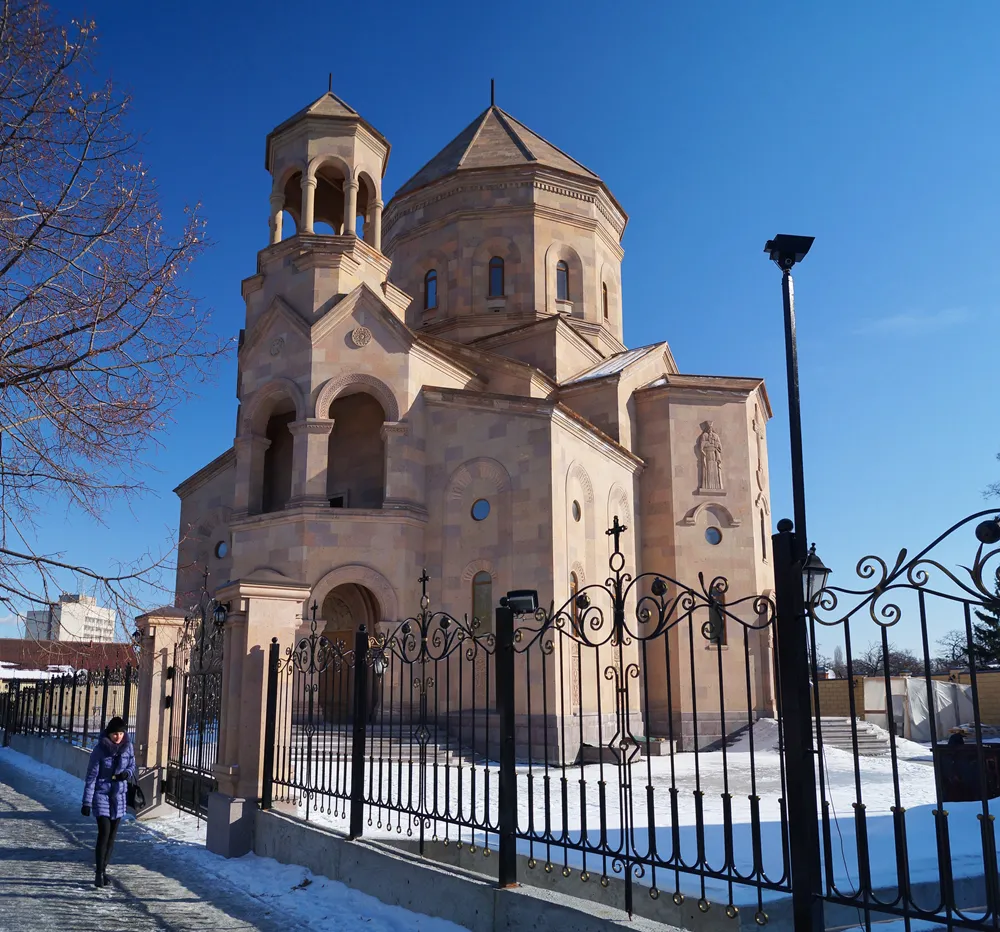
Armenian Cathedral of St. Gregory the Illuminator
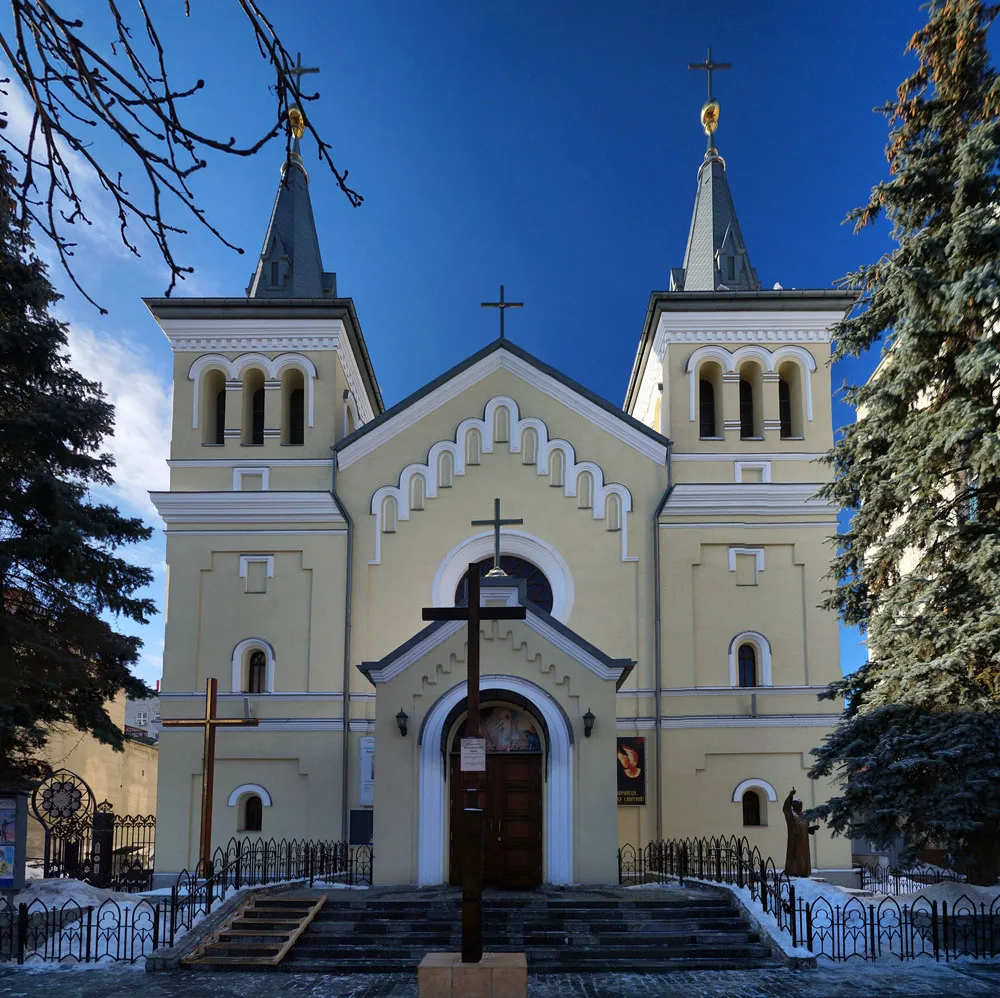
St. Joseph’s Church
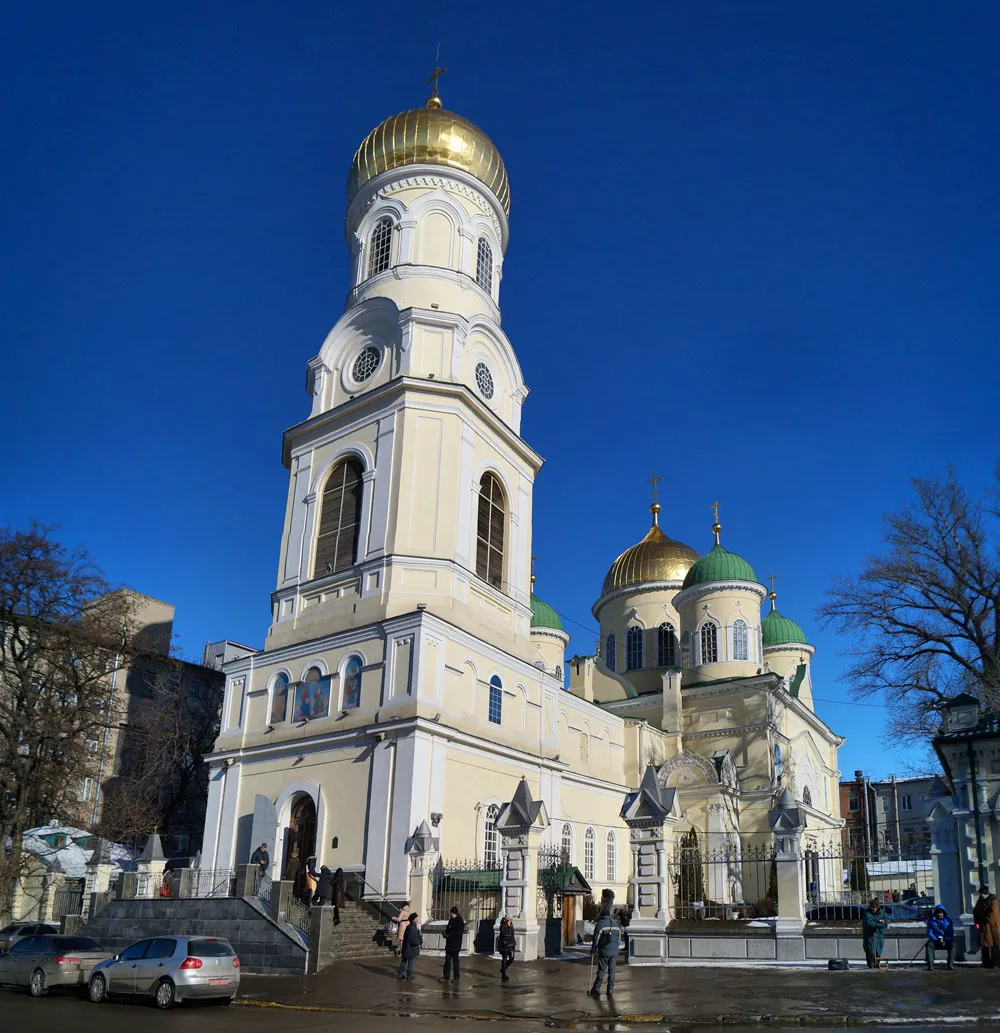
Trinity Cathedral
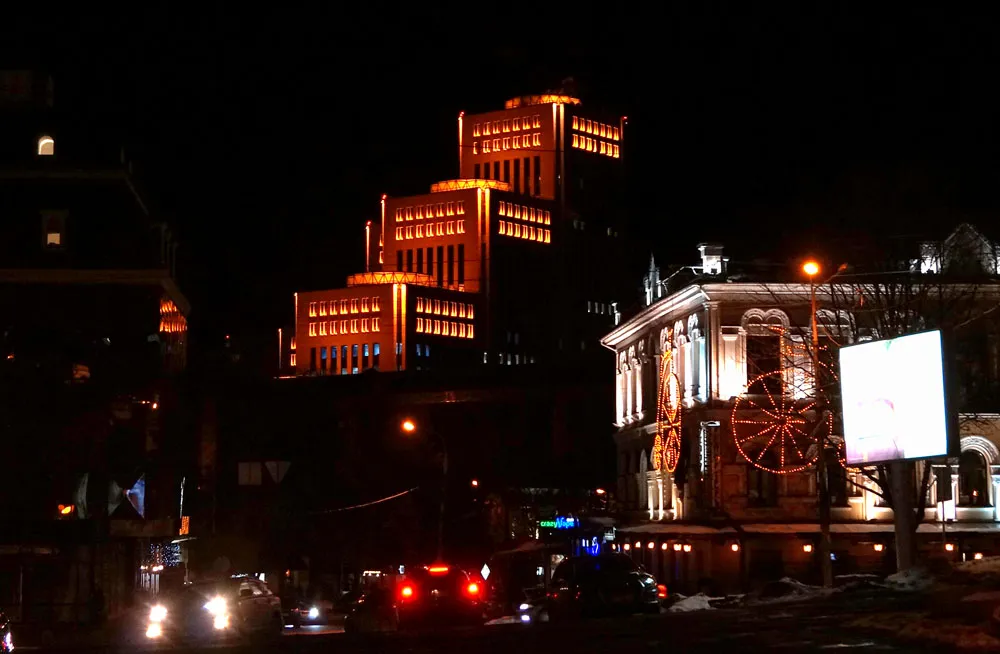
Jewish cultural centre “Menorah”
In 1897 the Belgians launched an electric tram in the city. Katerynoslav gradually turned into one of the most powerful industrial centres of the whole empire.
From 1902 the outstanding Ukrainian historian Dmytro Yavornytskyi lived and worked in Katerynoslav as the museum’s director. It was here that he wrote his legendary “History of the Zaporozhian Cossacks”, and turned the museum into one of the finest cultural and scientific institutions of southern Ukraine. Today it is the Yavornytskyi Historical Museum, which I recommend to everyone.
In 1926 Katerynoslav was renamed Dnipropetrovsk (after the Soviet executioner Hryhorii Petrovskyi). The present name, Dnipro, has been in use since 2016.
In the Soviet period Dnipro became an industrial city of a million inhabitants. Hundreds of enterprises were built here, including huge secret facilities of the military complex and the space industry. Pivdenmash, with its rockets, was famous all over the world. And then it gave Ukraine a president.
On the whole, Dnipro is a rather interesting city as a tourist centre. There is plenty of old architecture here, and plenty of interesting new sights too.
I first came to Dnipro from Kryvyi Rih, arrived at the bus station and immediately saw an interesting building: the Armenian Cathedral of St. Gregory the Illuminator, still unfinished at the time. It is a magnificent church built in the style of old Armenian churches. They write that it is the largest in Eastern Europe. It was consecrated in 2018, and the Catholicos himself came for the occasion.
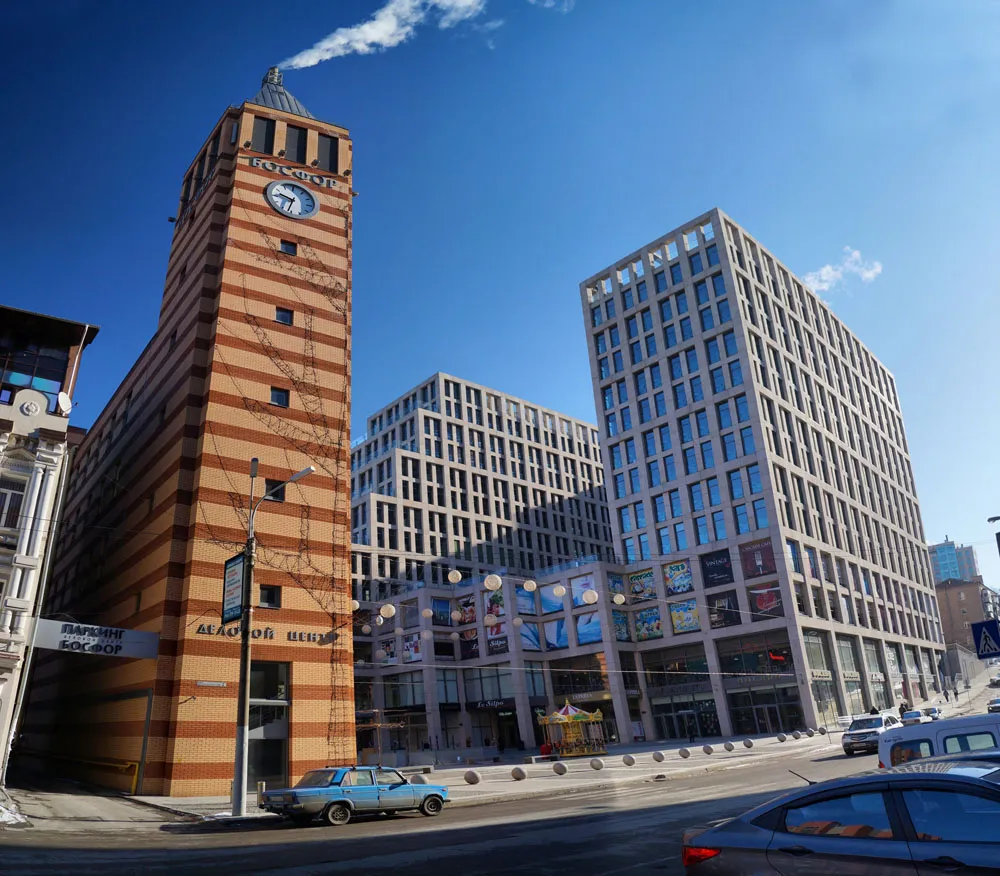
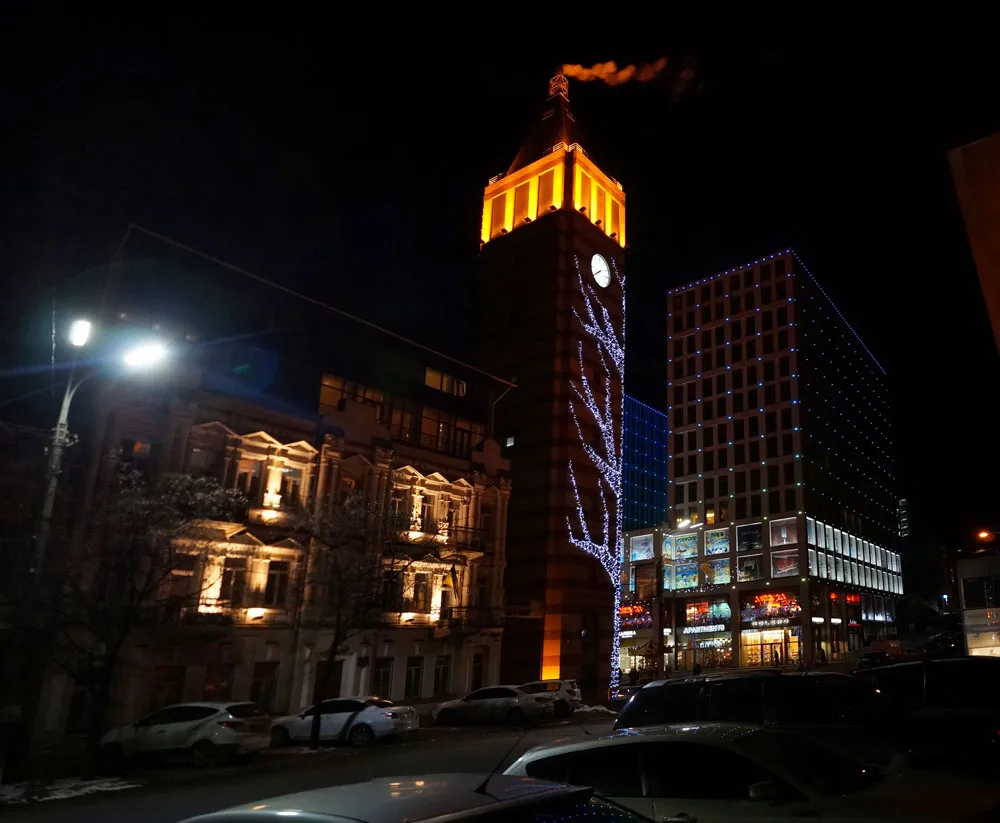
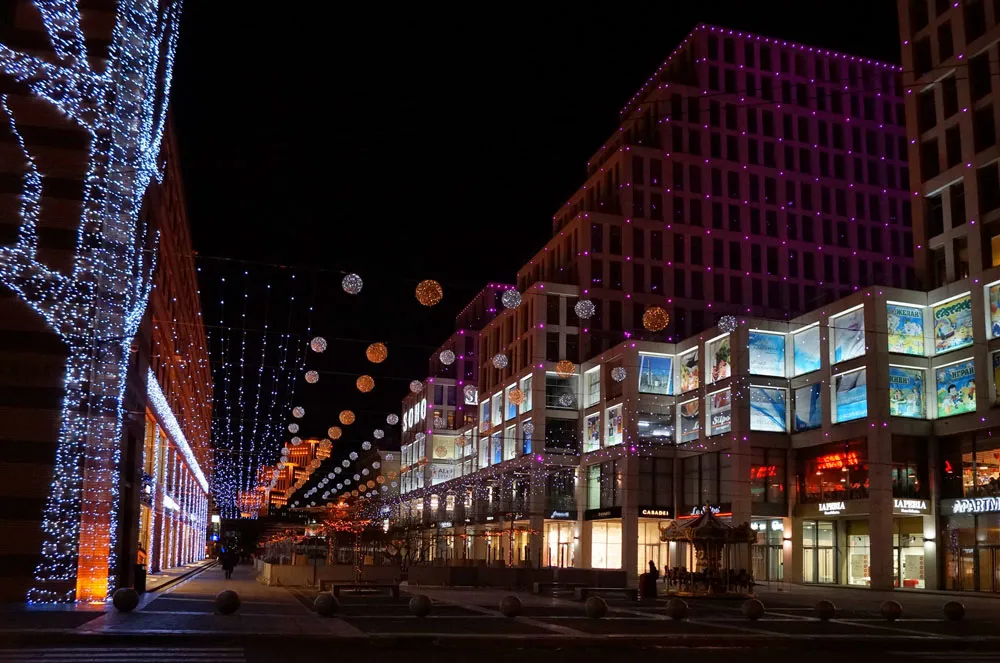
A bit of modernity
It is five kilometres from the Armenian church to the city centre, but I did not take a taxi or any other transport. I went on foot, because that is the only way to understand a city. The first site on my way was the Lazar Hloba Park. There was a Cossack osaul of that name who in the 18th century planted three gardens on the lands now occupied by the modern city. This is one of those gardens, now a park. Hloba was supposedly buried here, but I did not look for his grave, because I did not yet know about it then.
Near the park, on Yavornytskyi Avenue, stands St. Joseph’s Church, a pleasant Neo-Gothic building erected in 1877 for the city’s Roman Catholic community. In Soviet times the church housed all sorts of things: a library and a gym, a lottery office and an information centre. In 1997 the city authorities illegally sold the church to a private company, which resold it, and then it was resold repeatedly and there were even attempts to rebuild it… After numerous protests, in 2009 the church was handed over to the city’s Roman Catholics.
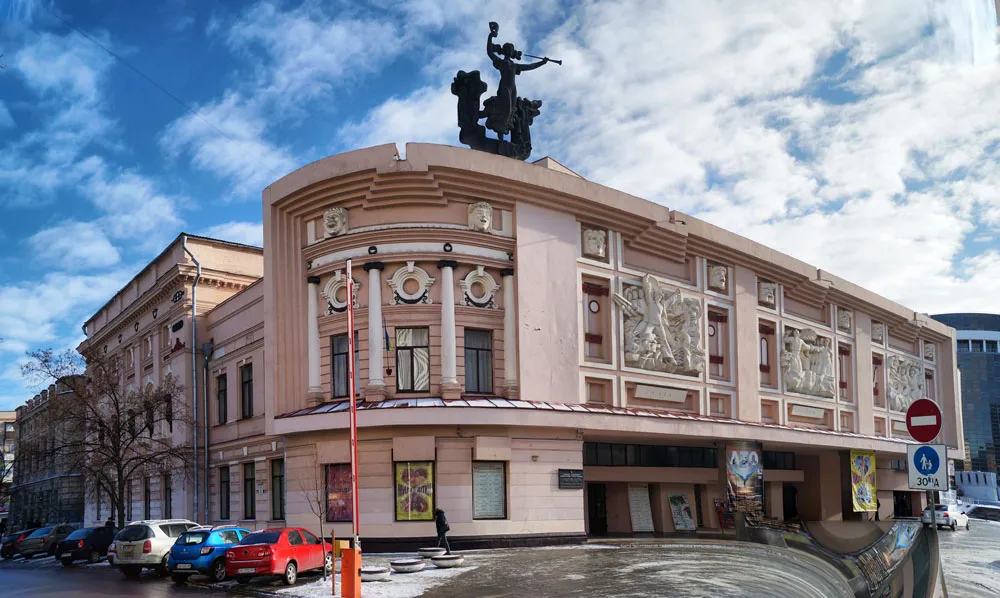
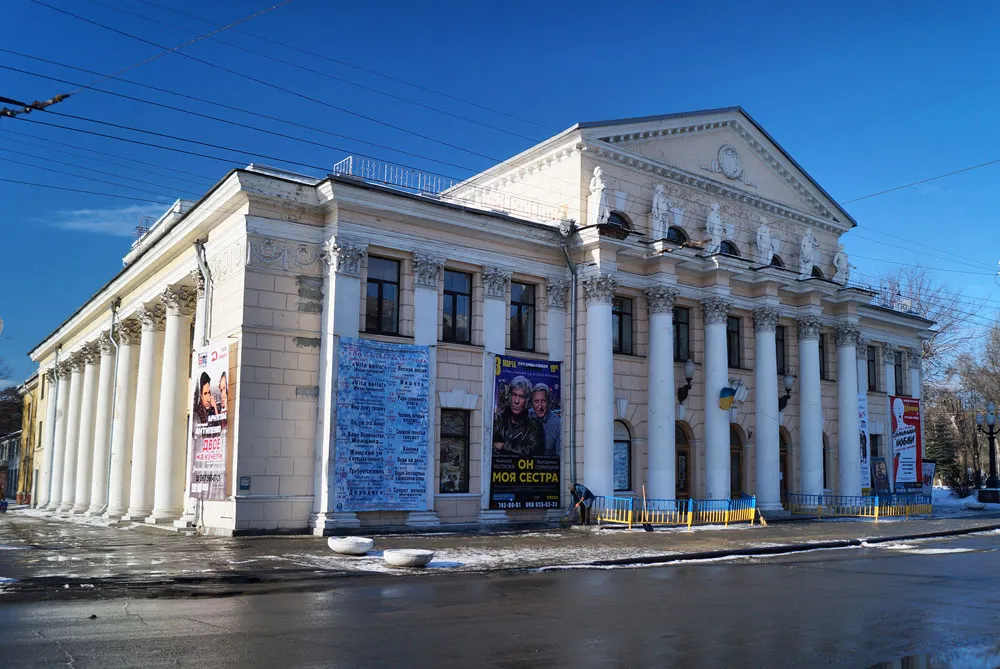
Directly opposite the church is the Opera and Ballet Theatre, a dreadful Soviet building that has nothing in common with the pompous opera houses of Lviv, Odesa or Kyiv.
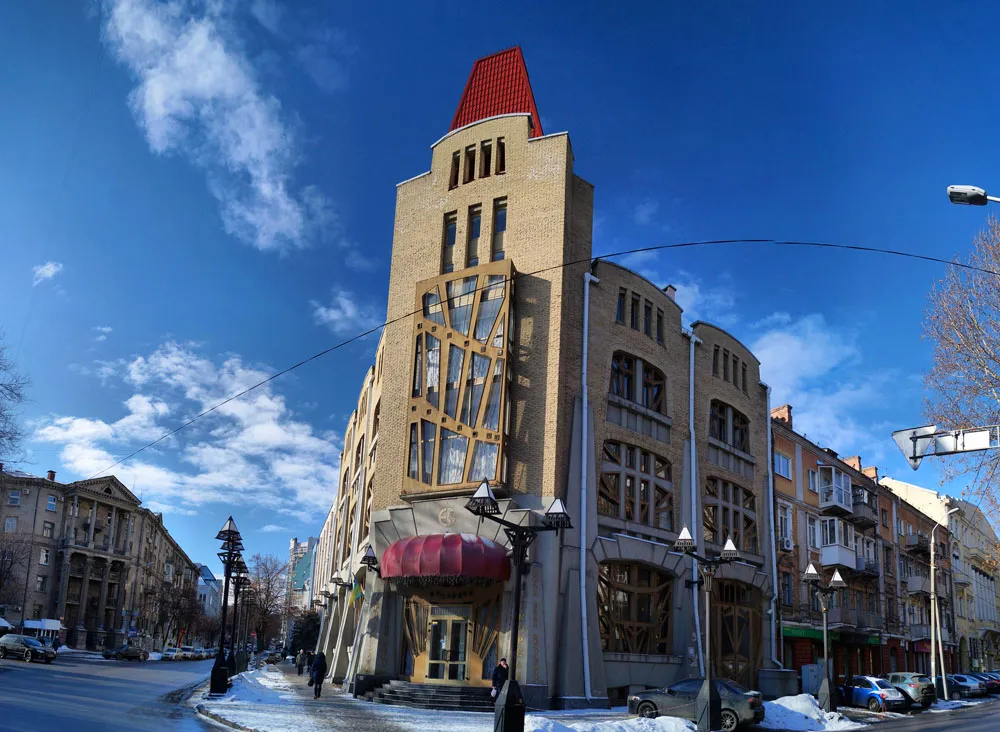
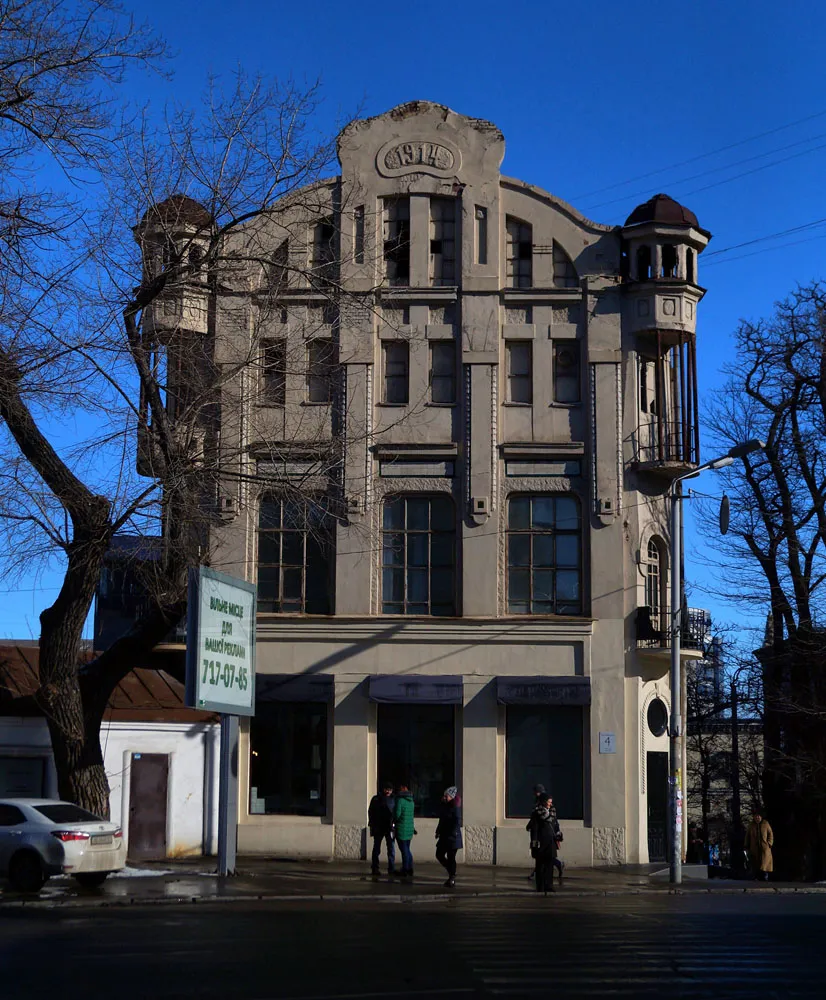
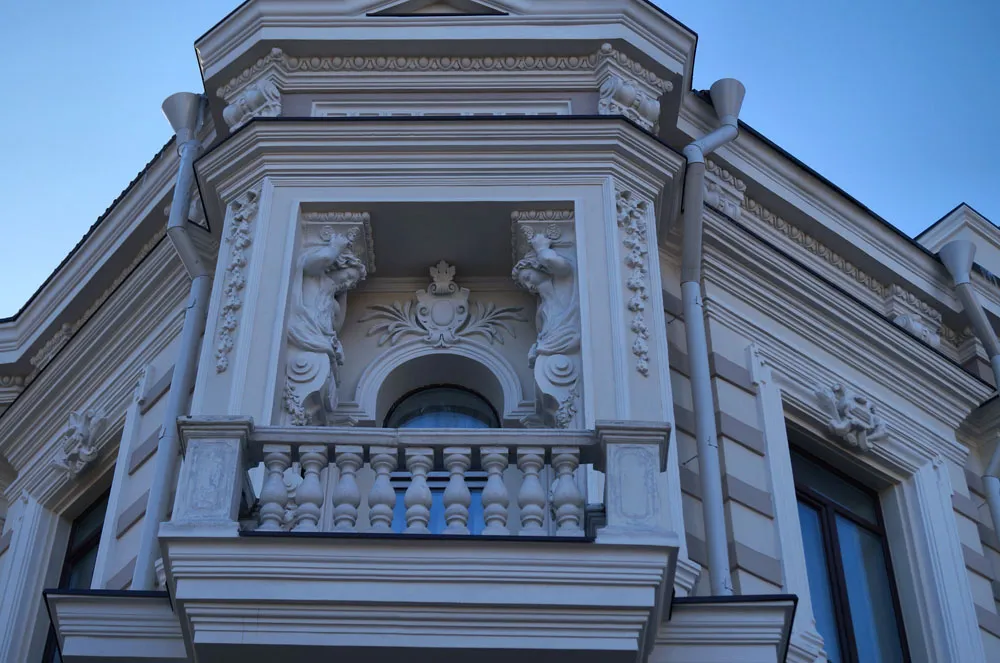
We continue along Yavornytskyi Avenue towards the centre. The next interesting site, one of the symbols of Dnipro, is the former house of the industrialist and patron of the arts Volodymyr Khrennikov, built in the Ukrainian Art Nouveau style. Today it houses the Grand Hotel Ukraina.
At the beginning of the 20th century a market row stood on the site. Khrennikov decided to build an apartment building here, for which he also bought a piece of the neighbouring plot, and demolished the market row. The initiator of building in the Ukrainian Art Nouveau style was Dmytro Yavornytskyi, a friend of the entrepreneur, and the design, they write, was drawn up by Khrennikov himself; the building even had a theatre hall.
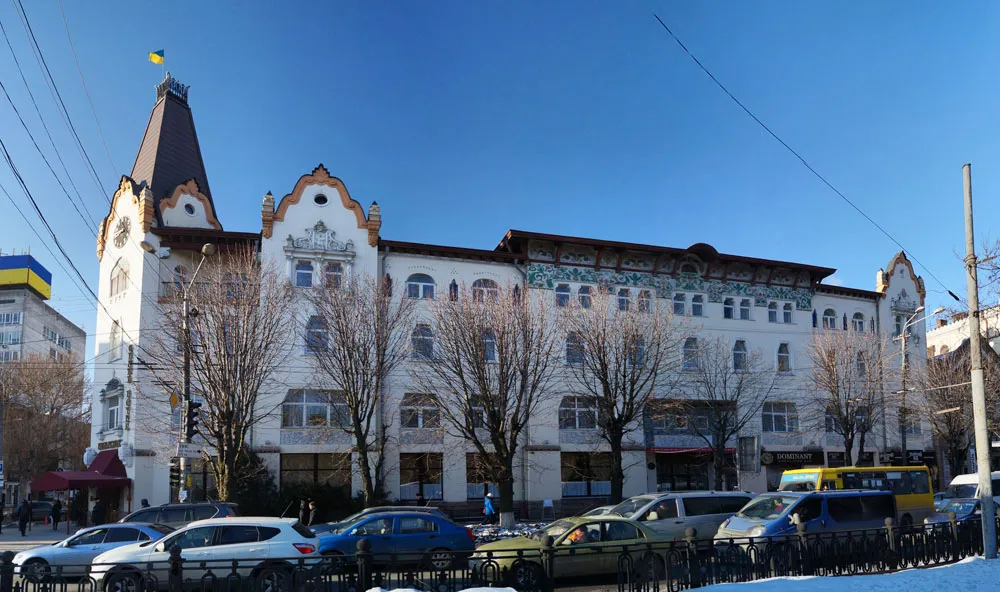
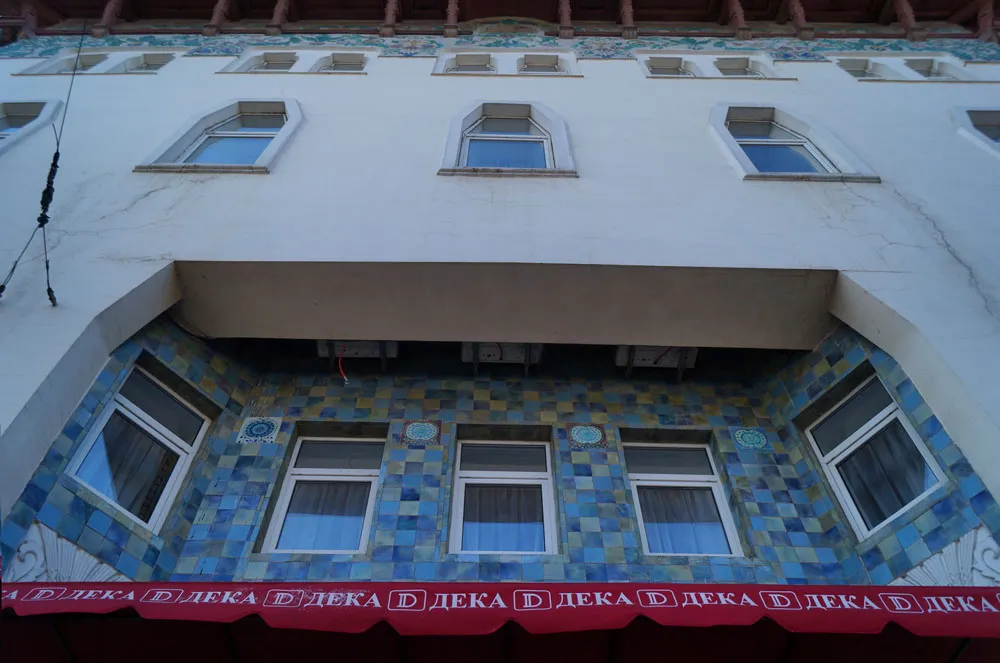
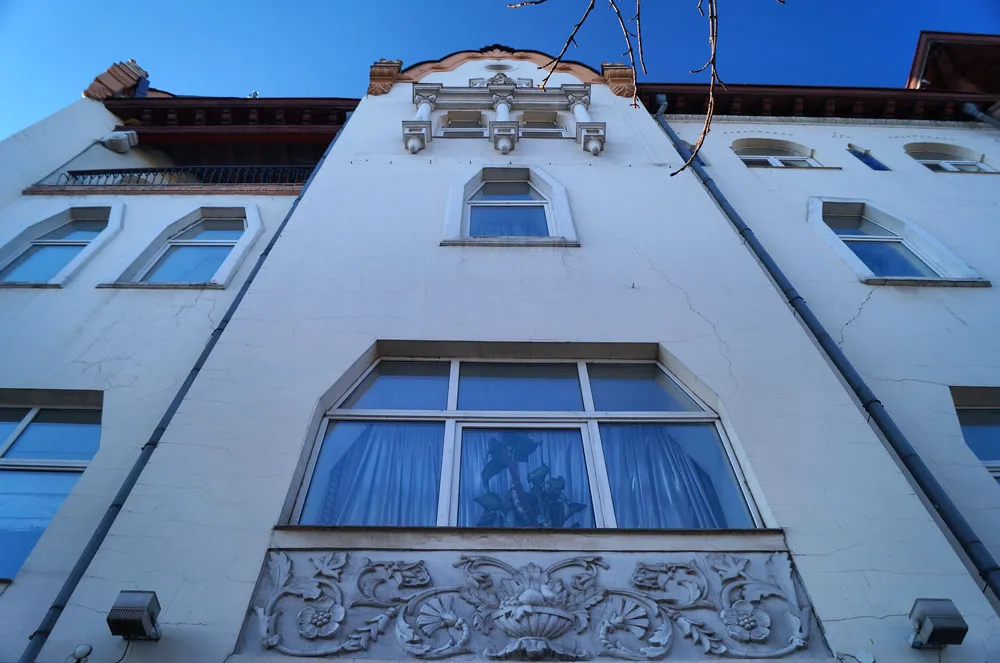
Khrennikov House
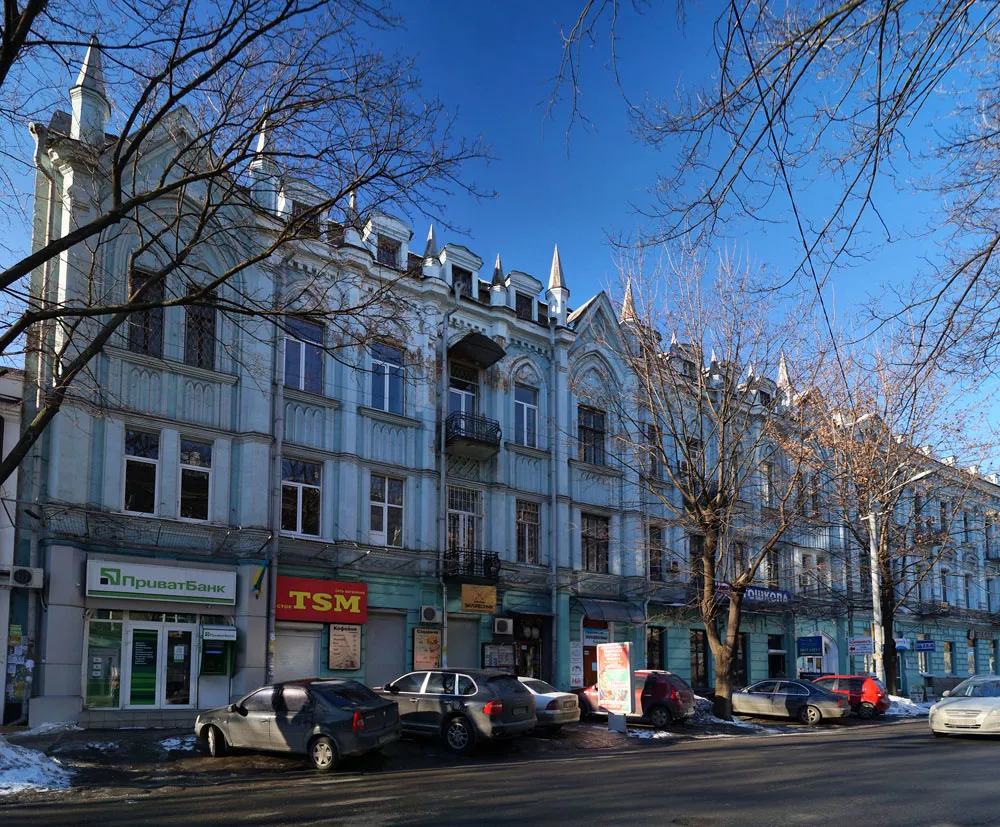
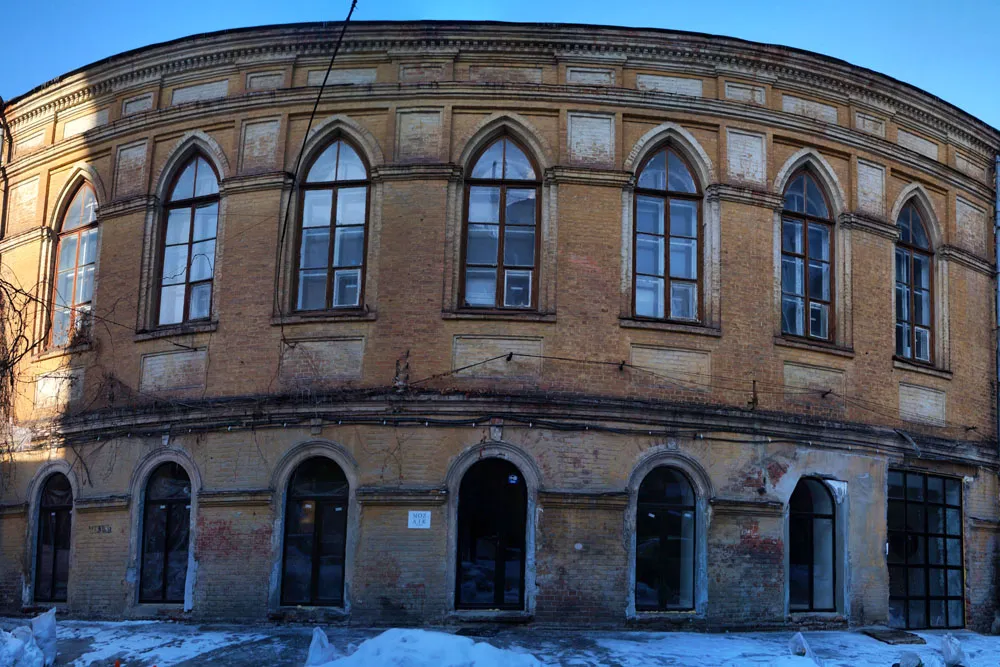
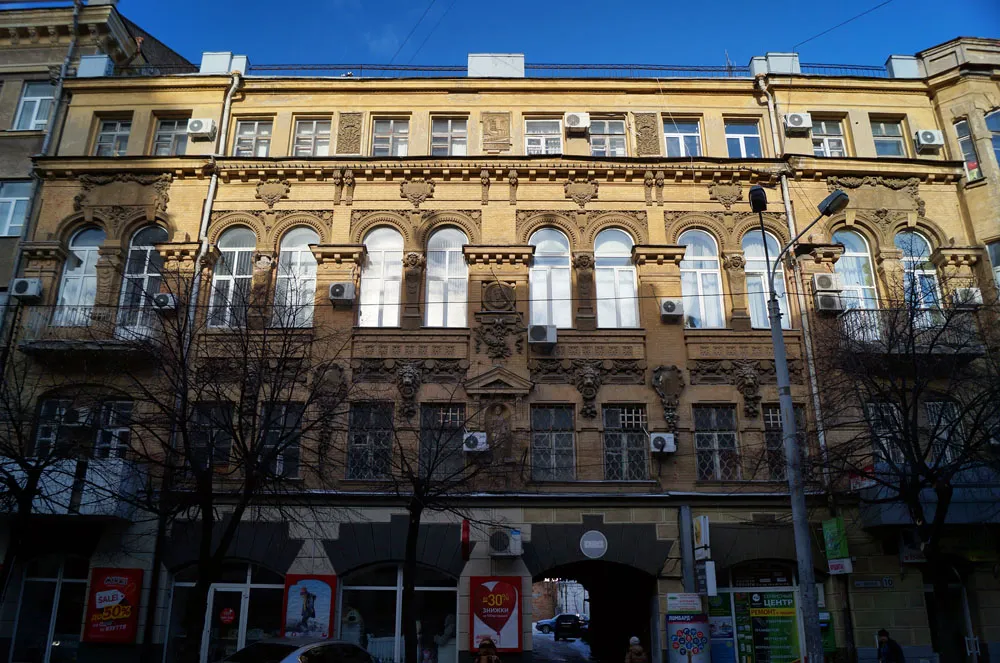
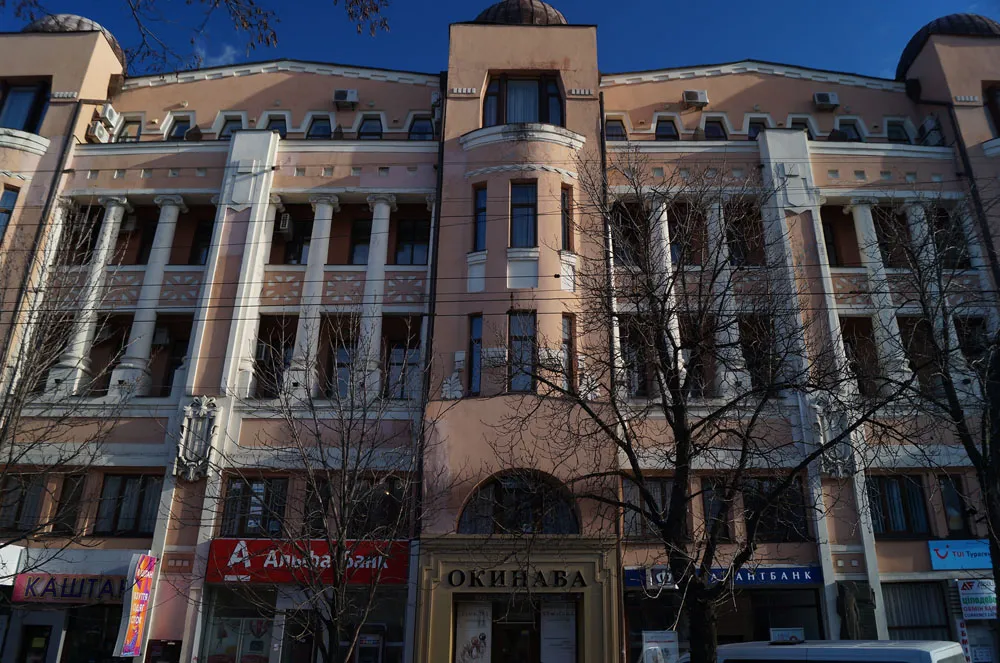
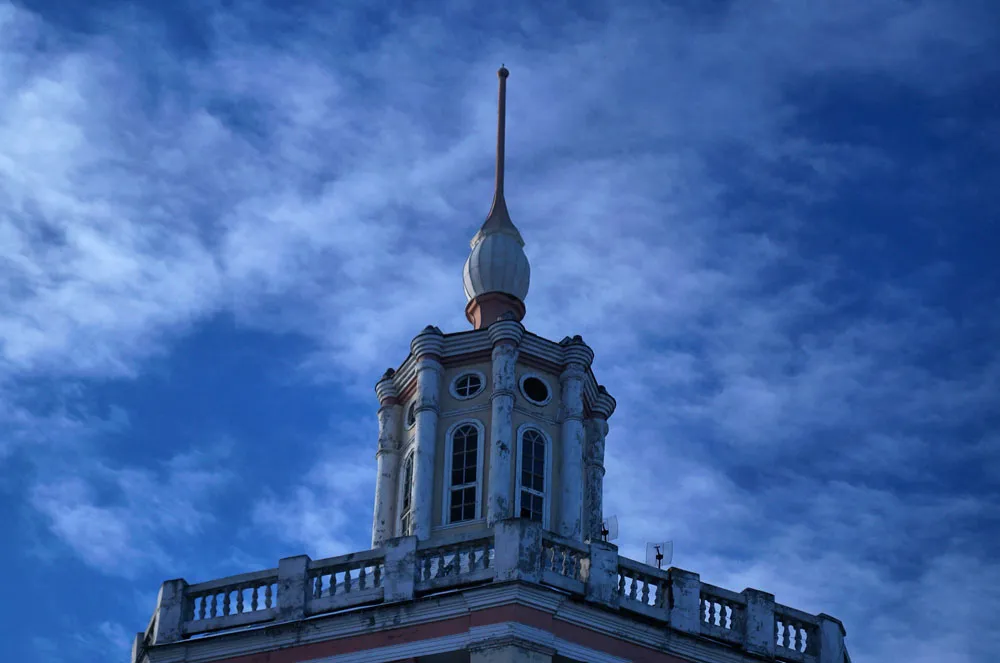
Not far from this pearl of Ukrainian Art Nouveau stands a church that looks as if it had been brought from somewhere like Pskov: the Trinity Cathedral. Construction of the church began in 1842, with Ludwik Charlemagne-Baudet and Pietro Visconti, well-known artists of the day, as its architects. They chose a strange style. In 1862 a bell tower was built next to the church, and at the time it was the tallest building in the city.
On the other side of Yavornytskyi Avenue, the tall stepped building of the “Menorah” Jewish centre is immediately noticeable. They say it is very interesting and that tours are held there, but I have not been. The centre was added onto the reconstructed “Golden Rose” synagogue, built in 1852. In general, Dnipro has always had a fairly large Jewish community. It still does.
Near Yavornytskyi Avenue, opposite the “Menorah”, stands an absolutely new and attractive block of high-rise buildings. I would call them skyscrapers, although they fall short of real skyscrapers, but they look very solid, especially in the evening with the lighting.
The main church of Dnipro is the Transfiguration Cathedral, built on Cathedral Square. Catherine II commissioned from the architect Claude Geroy, the author of the first development plan of Katerynoslav, a design for a huge cathedral, the largest in the empire. Even its foundation was built. But it was not to be. After Catherine II’s death the development plan by Geroy was replaced by a more practical plan by the architect Ivan Starov, and the cathedral design was reworked: the church began to be built much smaller, in the Empire style, and was completed in 1835.
In the Soviet period the cathedral was closed, and was returned to believers only in 1992. Here, as in most Orthodox churches of Dnipro, it belongs to the Moscow Patriarchate.
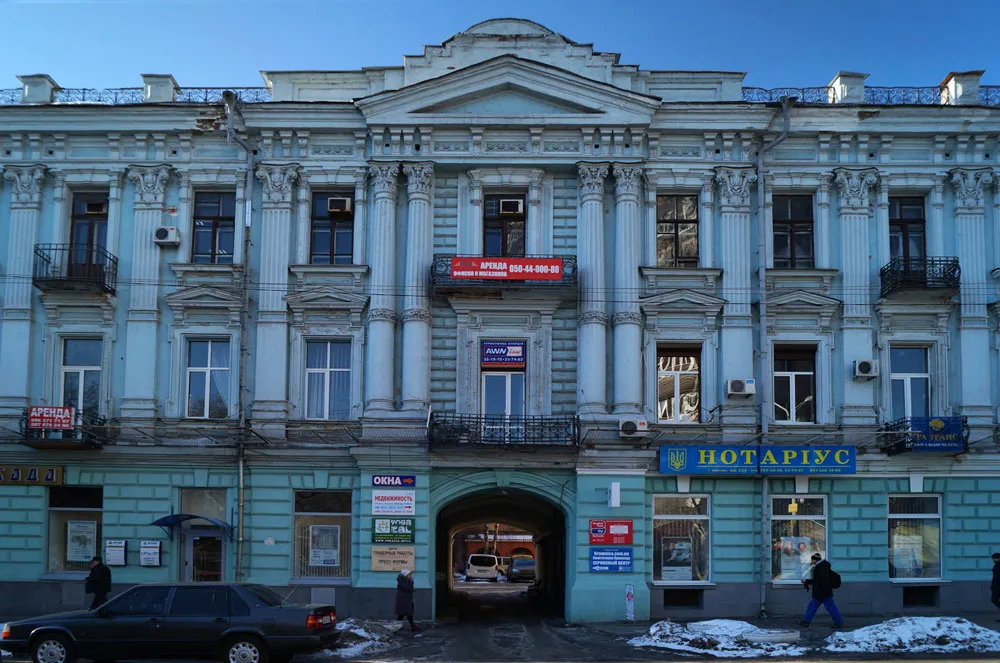
As a former governorate centre, Dnipro has a great many old administrative buildings, and plenty of residential architecture too. Some buildings are quite interesting, but I will not list them, as the city is very large. It is a city of a million, although lately its population falls a little short of a million. I would also advise paying attention to the Dnipro Embankment, with its modern development, and to Monastyrskyi Island, where a fairly large artificial waterfall has been built.
Dnipro has a metro: one line of six stations. I did not ride it.
Text and photos by Roman Malenkov.


