Huty. The König estate

· 4 min read
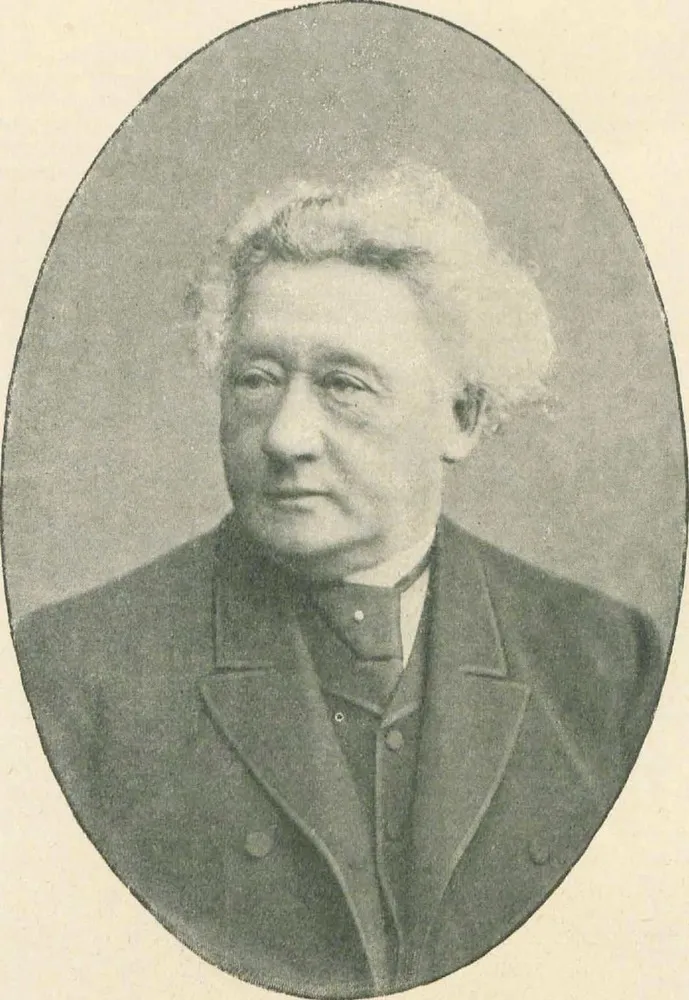
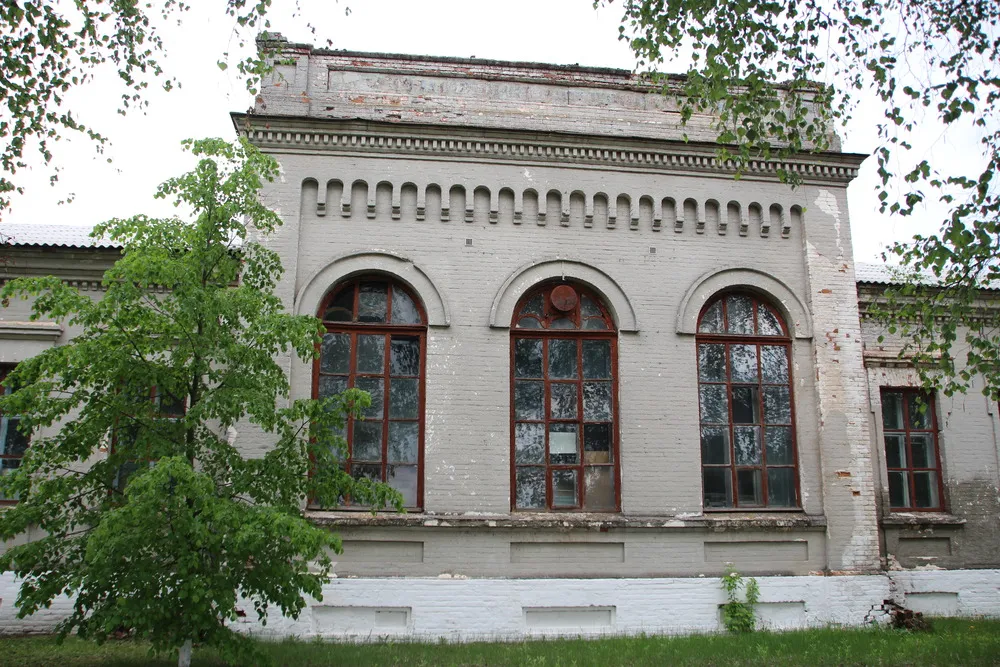
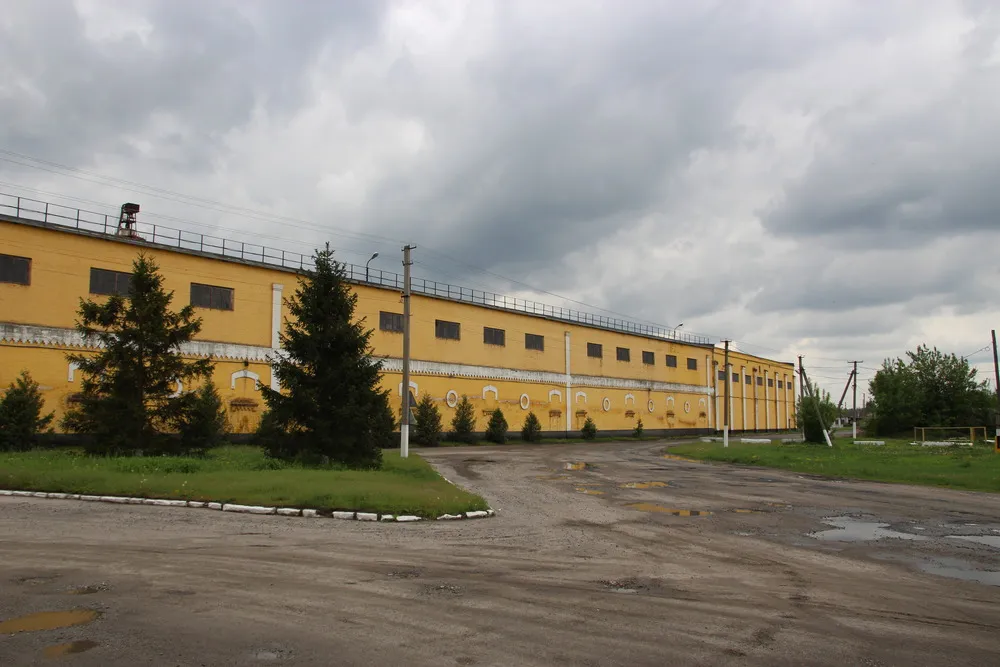
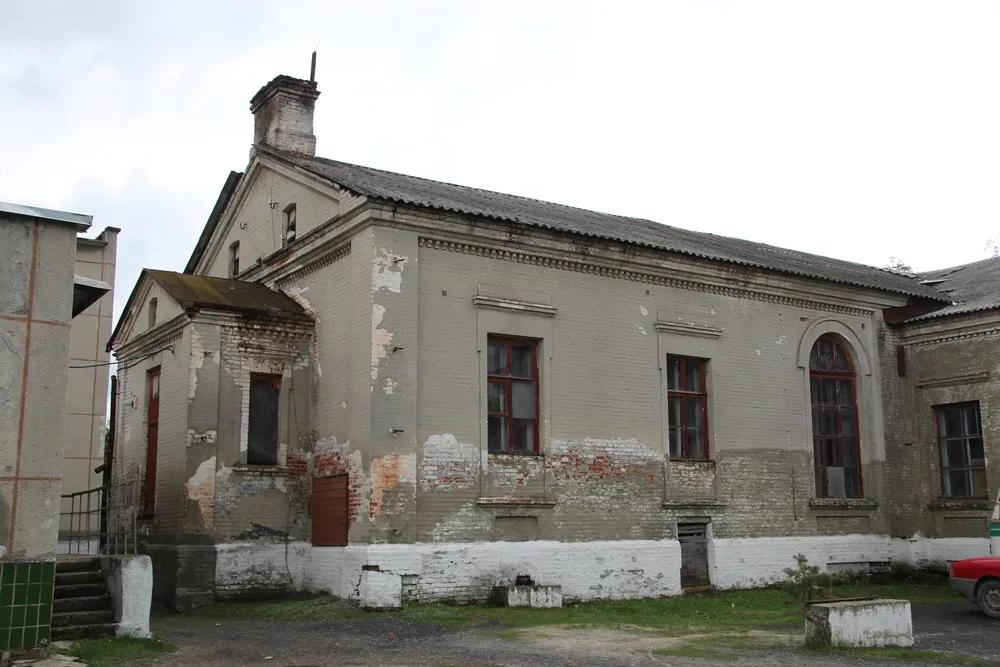
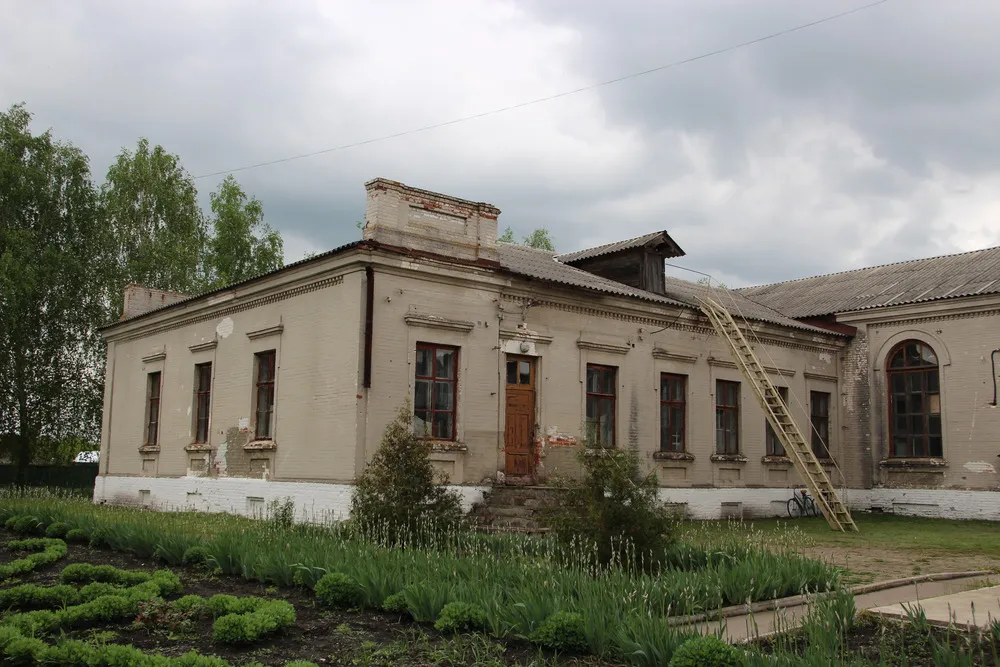
The settlement of Huty in Bohodukhiv district is known first of all because more than 100 years ago it housed one of the main estates in Sloboda Ukraine of the then most successful entrepreneur and patron of the arts Leopold König, thanks to whom Kharkiv Governorate became one of the centres of sugar production in the Russian Empire. Besides this, König owned in Sloboda Ukraine a parquet factory, distilleries, a brick factory and a factory producing wrapping paper. Much of that estate has survived in Huty to our time, above all the sugar factory, which still operates today, though with interruptions.
Huty was founded in the mid-17th century. In 1688 the Russian tsar gave it to Colonel I. Perekhrestov, and in 1704 the settlement became state property. In 1767 (or 1765) Huty was granted, for conscientious service, to Count Major General Georgii Petrovich Pidhorychani, whose descendants owned the settlement for a long time (more about the family in the article about Kadnytsia).
König did not come to Huty at once. Most sources write that the sugar factory in Huty was founded by him in 1869, but this is not so. The year of founding is right, but the factory was built by the partnership of Vorozheikin, Rubinstein and Velychenko and remained in their possession until 1880, when a fire practically destroyed the factory. A year later it was fully rebuilt, and it was quite powerful (100 tonnes of beets per day, 400 workers). And it was then that König, who had, so to speak, “other businesses” nearby, bought it, together with more than 4,000 desiatins of Huty land, into his ownership. The factory, like the estate itself, was considered one of the most successful and exemplary in the south of the empire. The most modern European machinery was used there, along with first-class seed. His interests also included pig farming, horse breeding and forestry; the list could go on. The products of König’s enterprises were always associated exclusively with quality. Not for nothing were countless gold medals won at numerous exhibitions: for refined sugar, for excellent forestry management, for flour milling, for raising three-year-old horses, for breeding rare dog breeds, for selection of beet seed, for butter, for potatoes, for spirit, for pigs. Around the production König built infrastructure – schools, medical facilities, shops, libraries, churches.
Moreover, the manor and estate in Huty were described in detail in books, quite thick ones, with many illustrations and photographs. This first happened in 1887, and the book was presented at the agricultural exhibition in Kharkiv, then another edition appeared in 1897 in Kyiv. After the death of Leopold König, his five sons, who in 1905 organised a general partnership under the name “L. E. König – Heirs”, continued their father’s work, and in 1913–1915 they published several more books about the Huty estate, whose titles speak for themselves: “The Huty Estate of L. E. König and Heirs. 30 Years of Sugar Beet Farming. An Attempt at Surveying the Natural-Historical and Technical-Economic Conditions of South Russian Farming”, “Technical Enterprises of the Huty Estate of the Firm L. E. König and Heirs”, “Forestry on the Kharkiv Estates of L. E. König – Heirs”. These books describe all the enterprises located on the estate and the plots of land on which farming and forestry were carried out.
Leopold König achieved all this solely thanks to his persistence, industriousness and business talent, for he had neither a large inheritance nor high-ranking patrons. His grandfather was a miller who lived near Frankfurt, and his father, having moved to St. Petersburg in 1812, worked for 7 years as a baker’s assistant, after which he married the daughter of a bakery owner. Leopold was one of their 15 children.
Then came 1917. The Bolsheviks took everything. All the Königs managed to emigrate. After that came nationalisation, the collective farm, the state farm. The sugar factory worked the whole time, changing names and subordination, being reformed and reconstructed. At present, if I am not mistaken, it belongs to the Kharkiv confectionery company Biscuit-Chocolate.
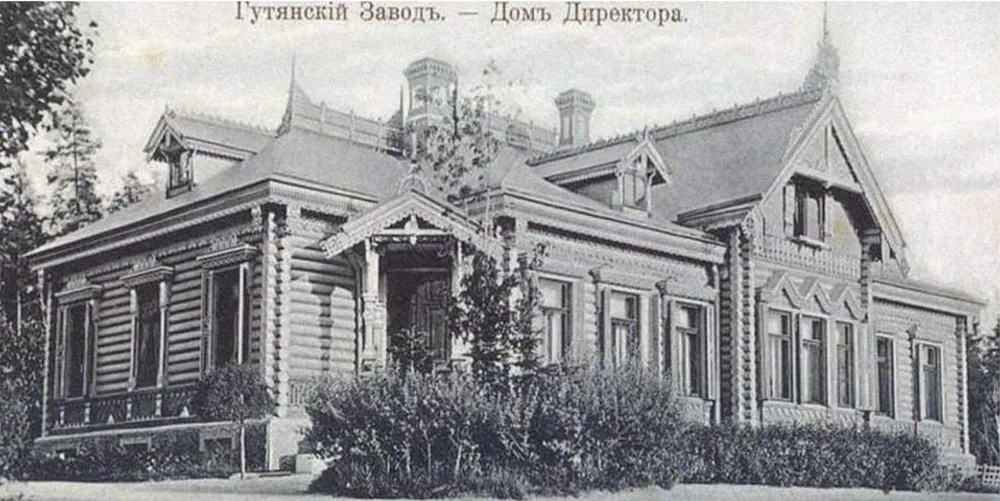
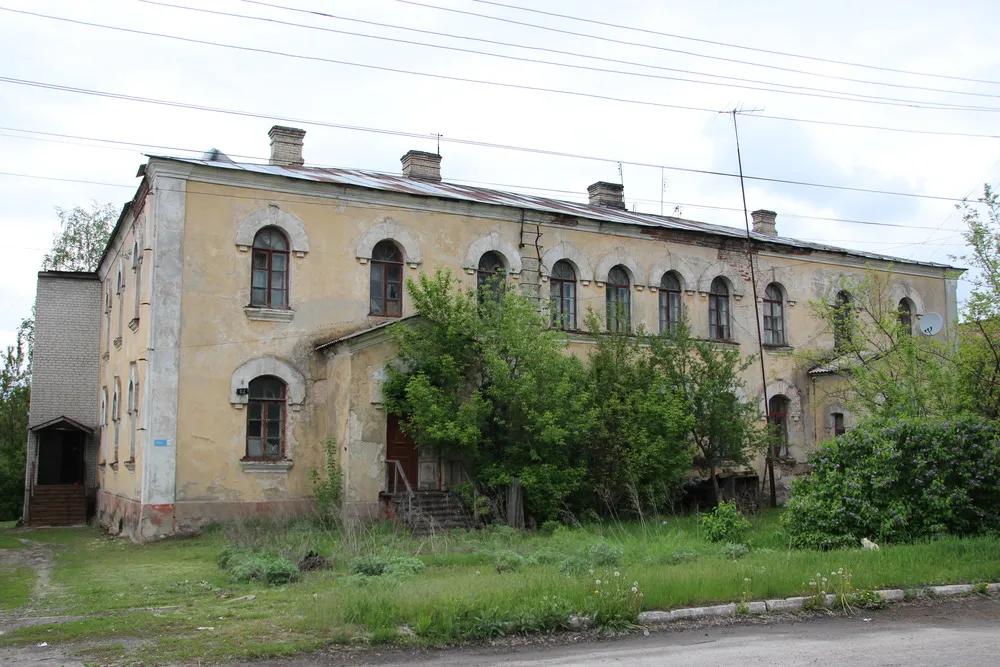
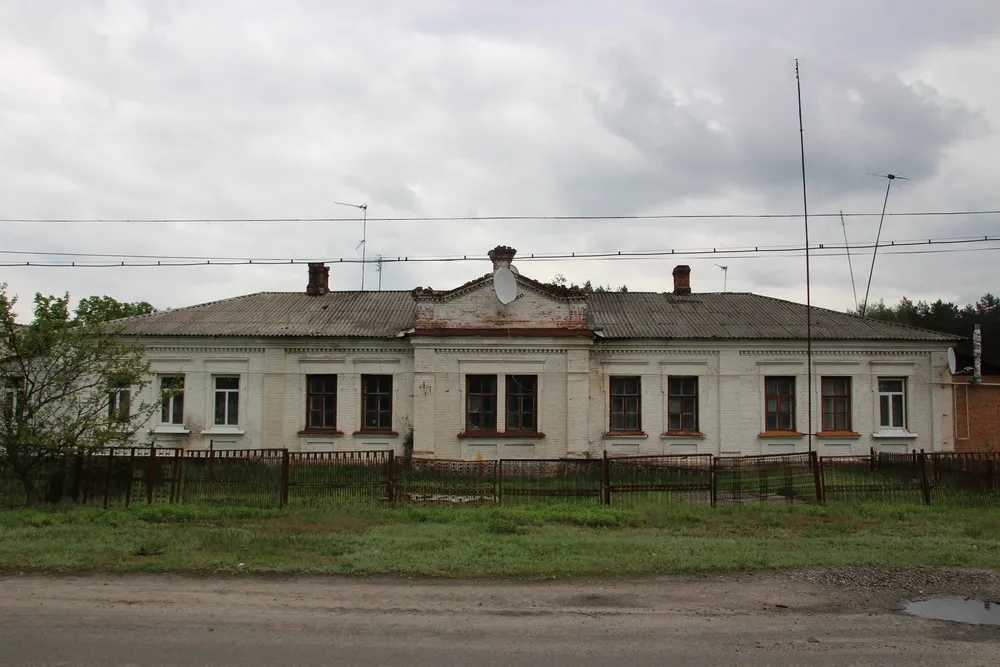
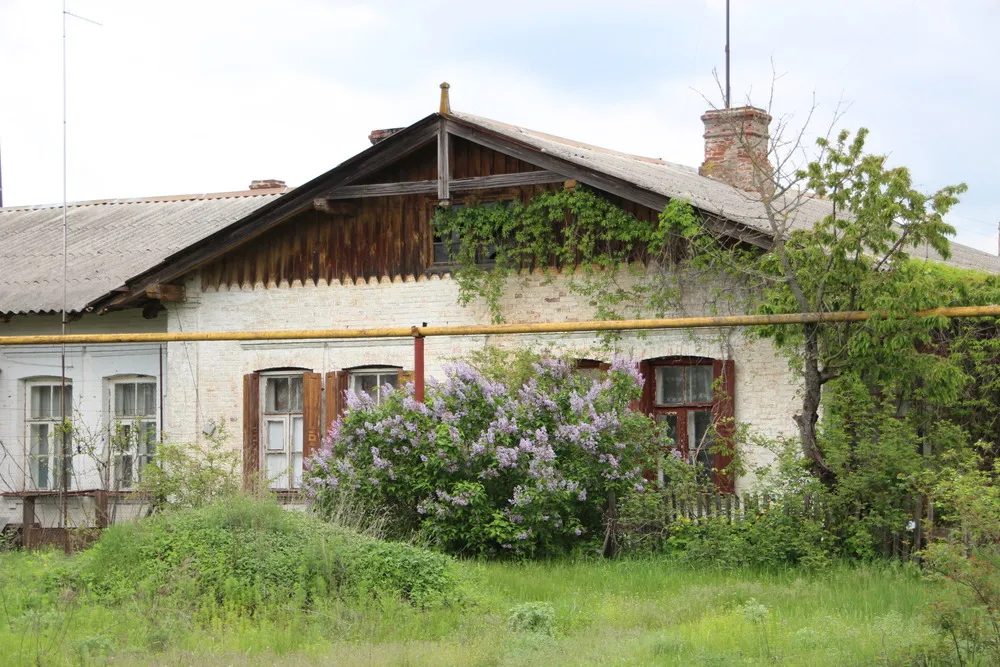
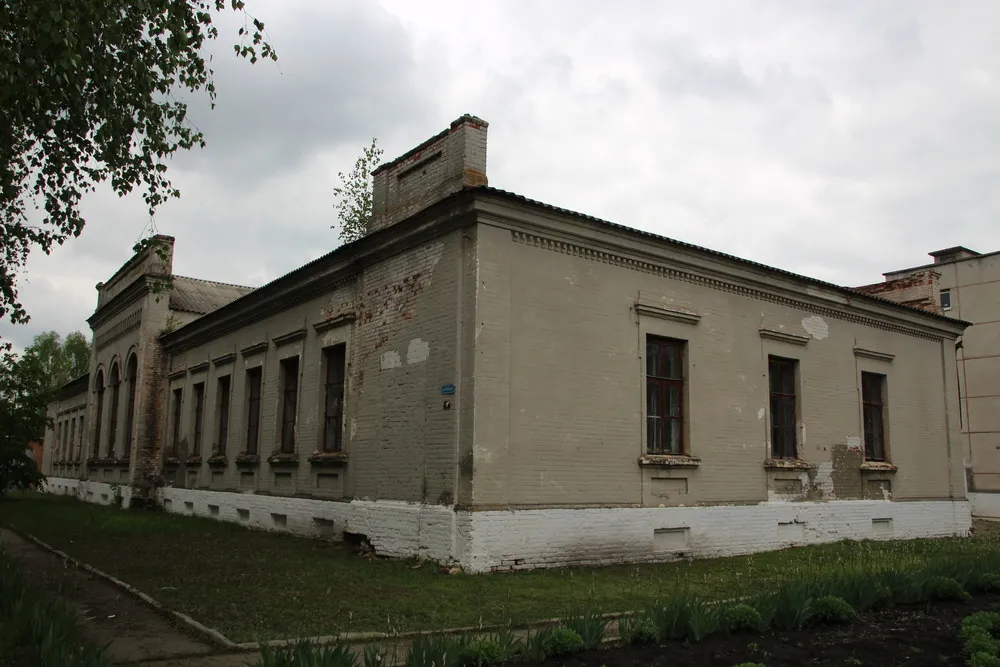
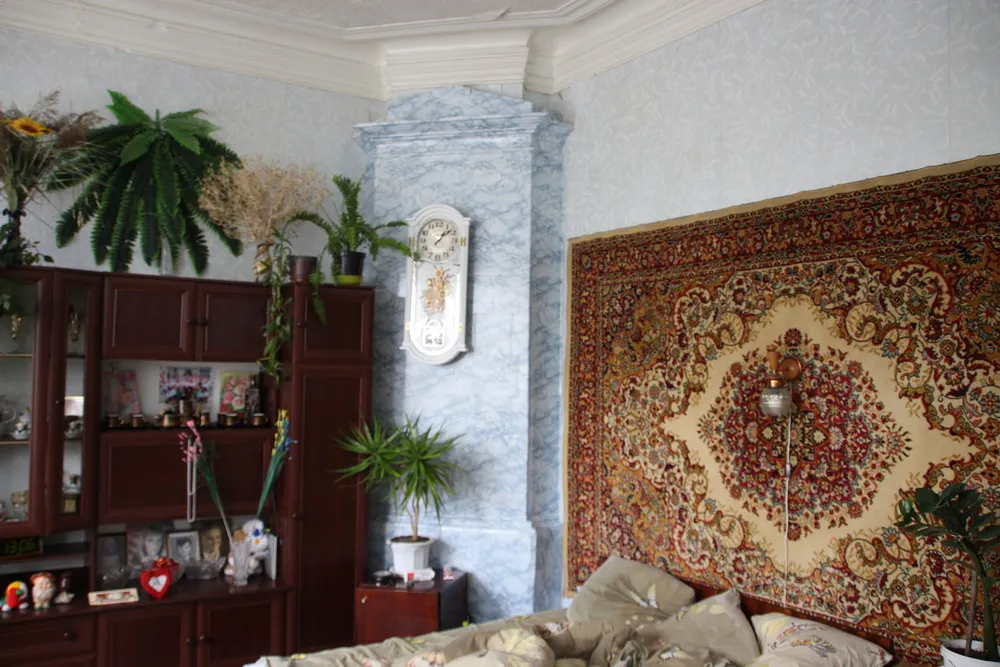
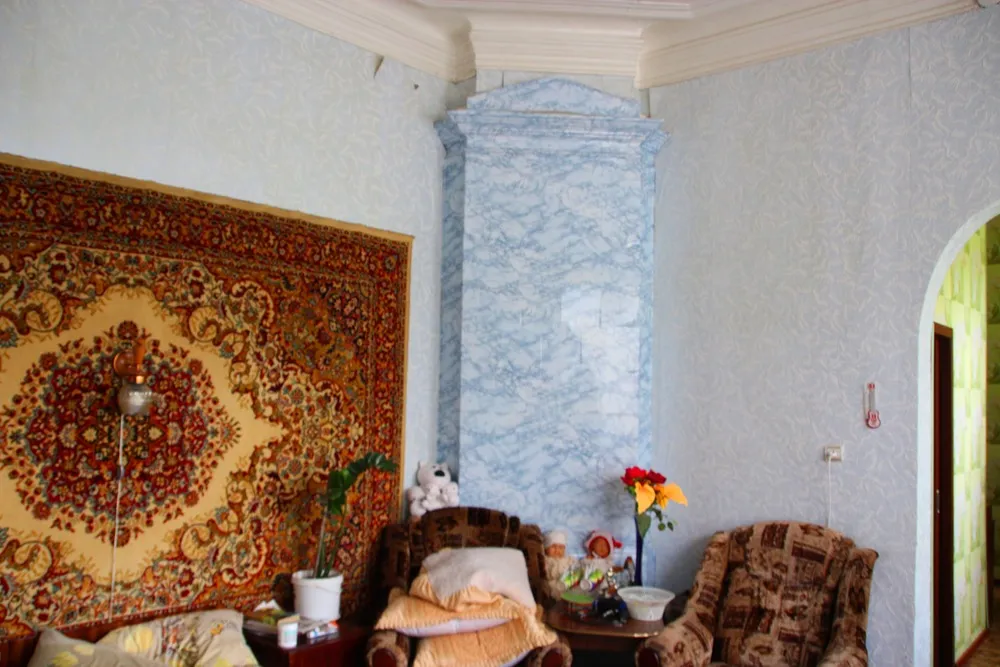
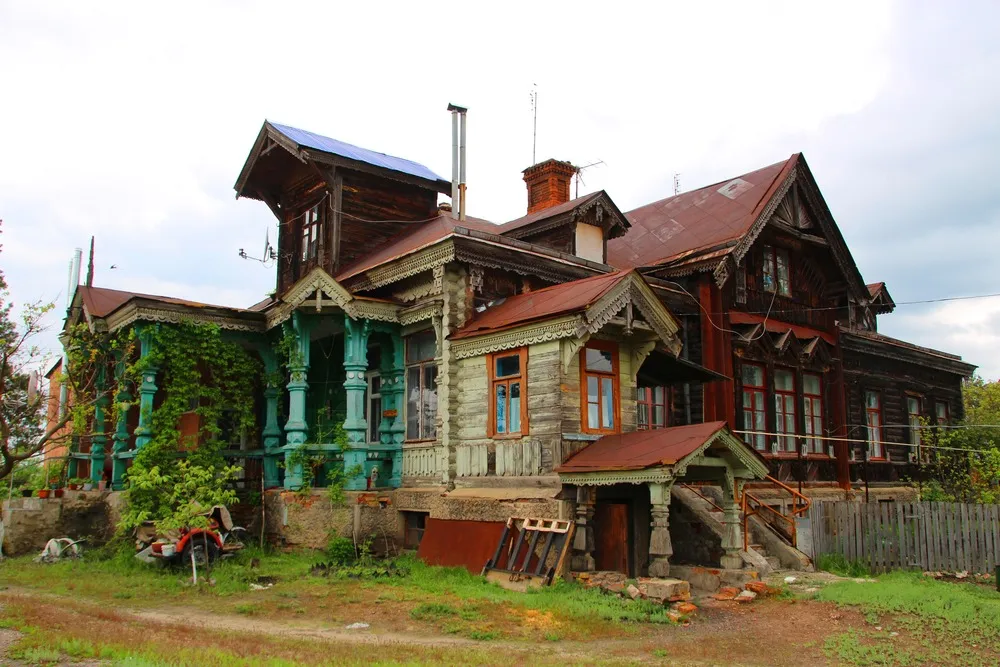
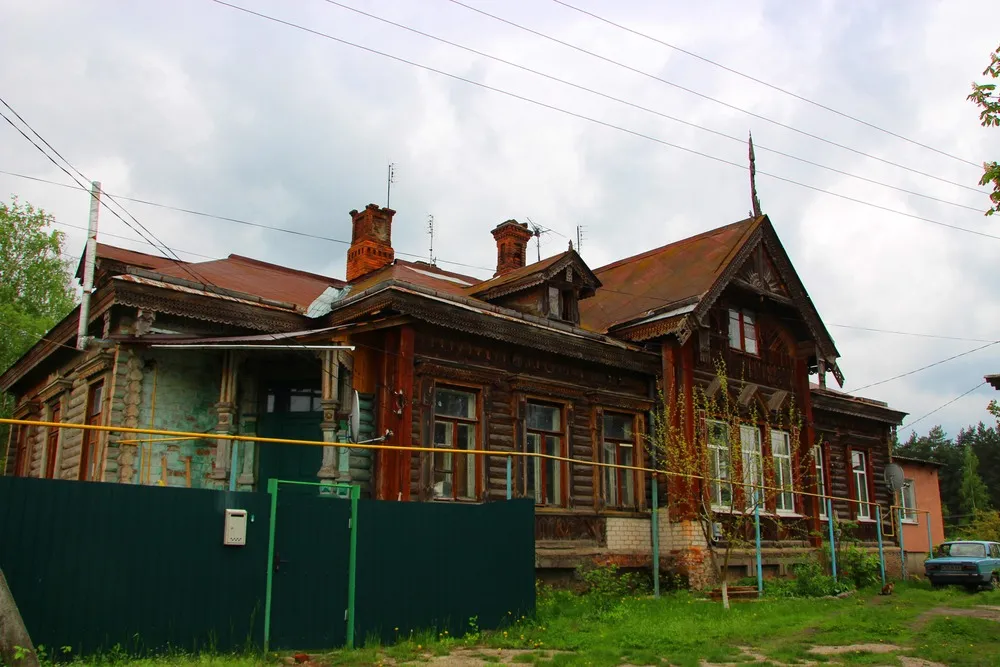
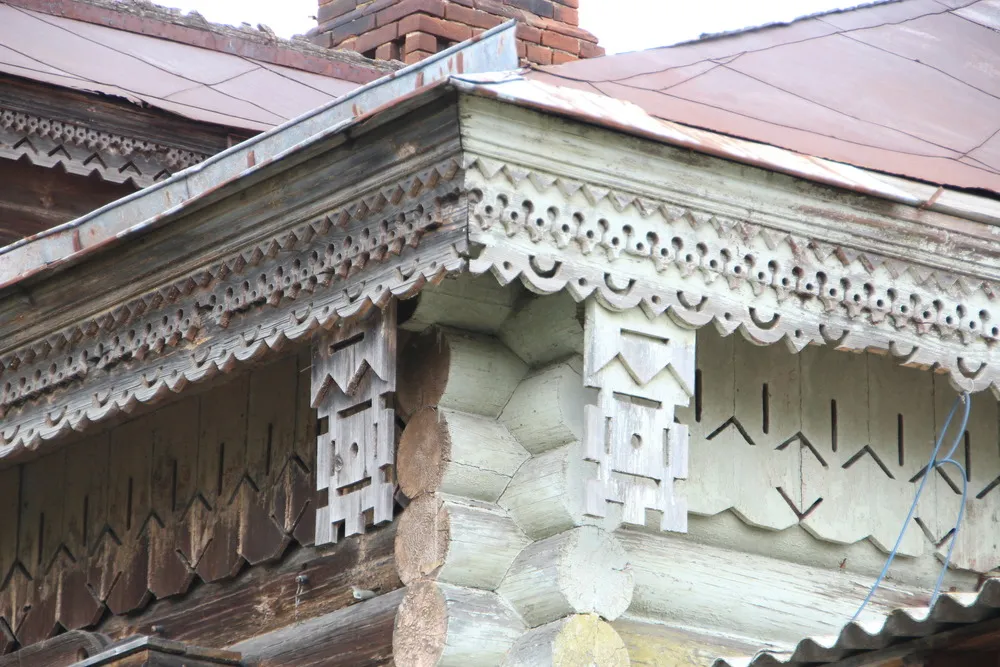
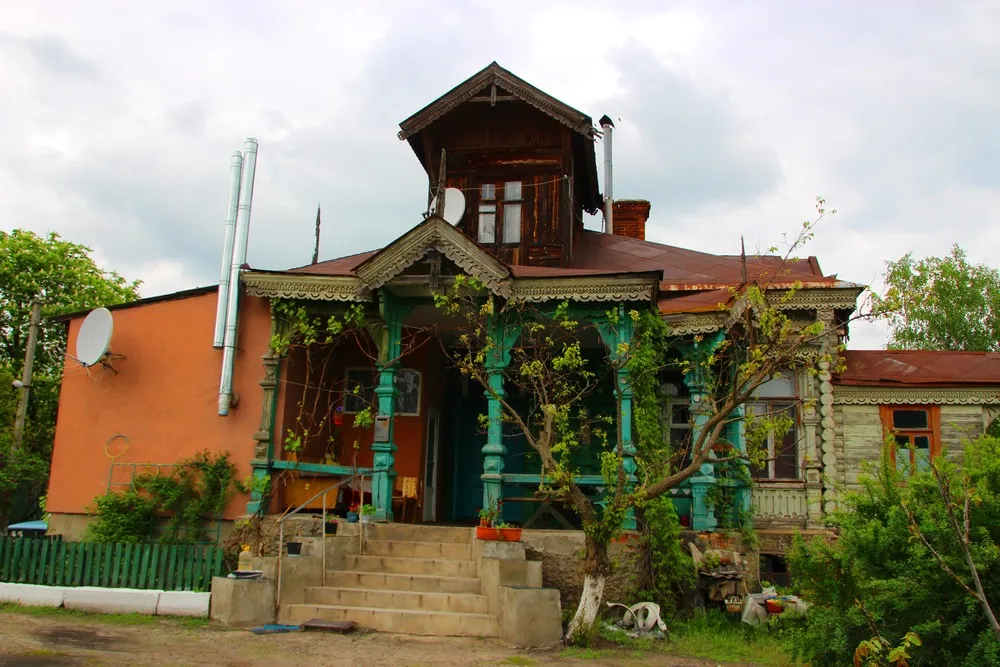
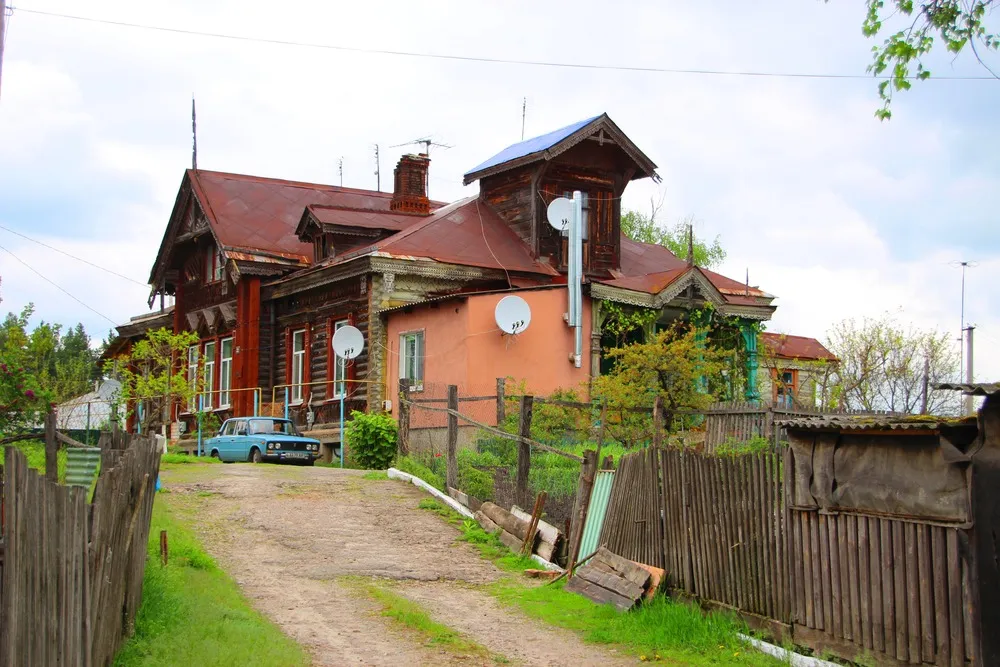
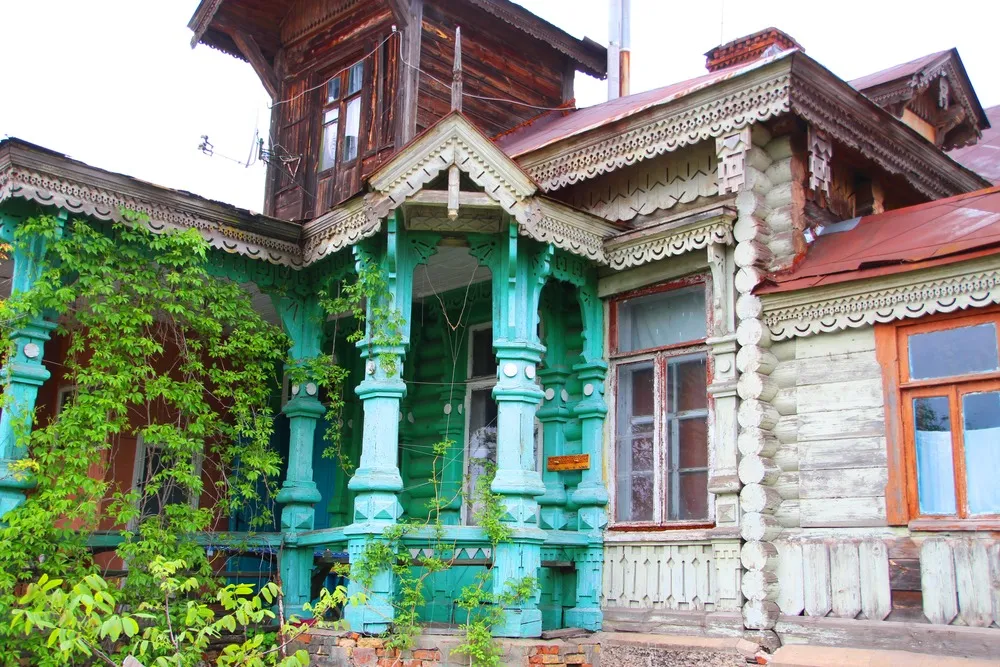
Besides the sugar factory, fine buildings of that time have survived in Huty from the estate. Especially notable is the carved wooden house. Even now, despite all the extensions, fences, windows and satellite dishes installed by its residents, it looks quite pompous. And if you look at a pre-revolutionary photograph, it is simply “ah”. It belonged to the director of König’s sugar factory. Fireplaces of that era have even survived in the rooms.
Text by Ihor Dorozhok, photos by Maksym Nazarenko.