Pokotylivka. The hillfort

· 3 min read
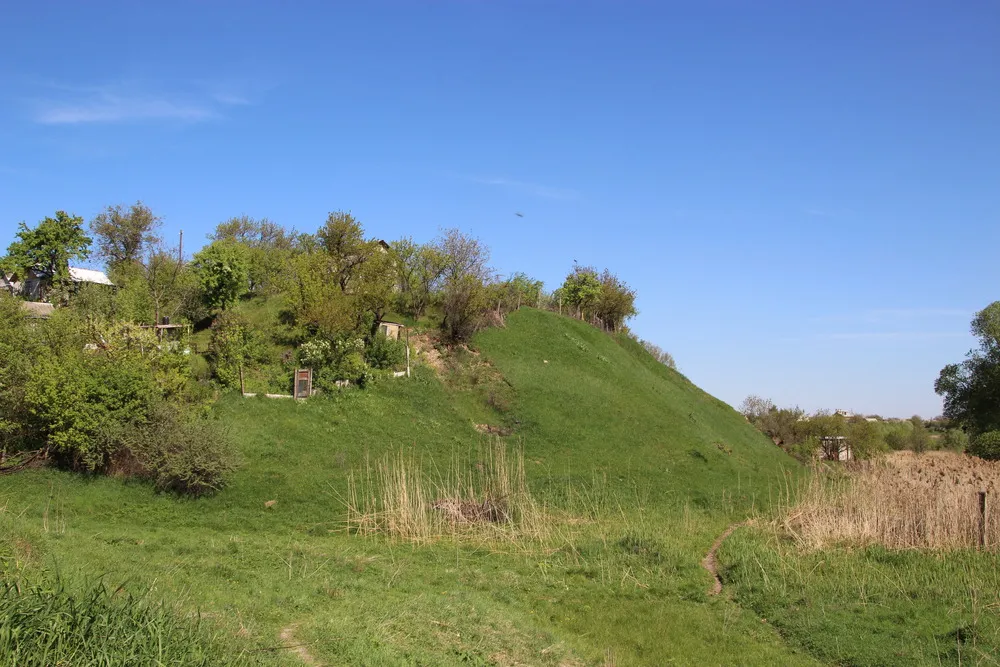
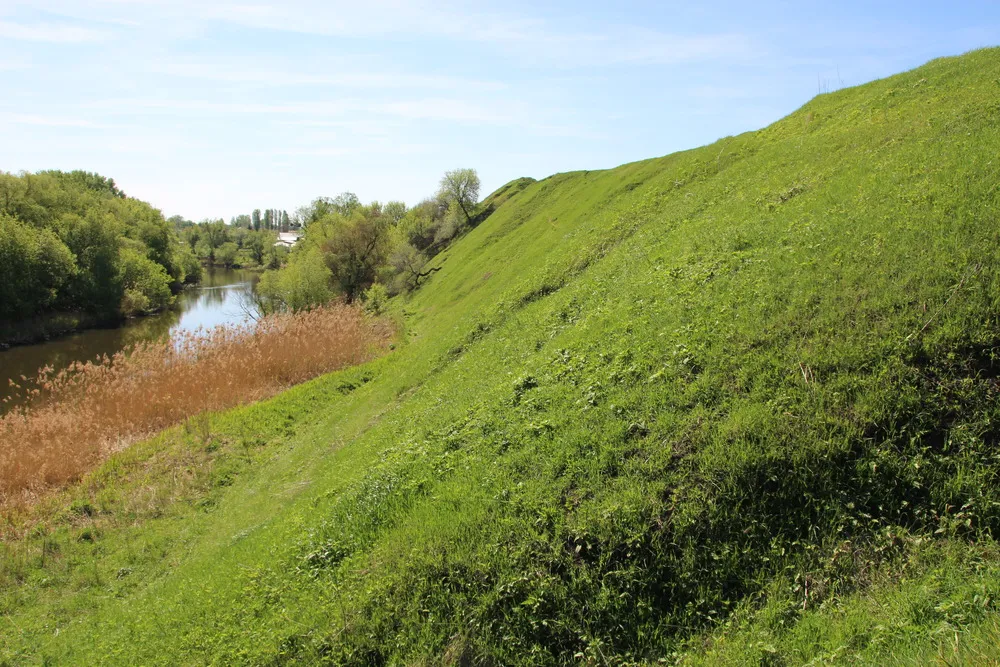
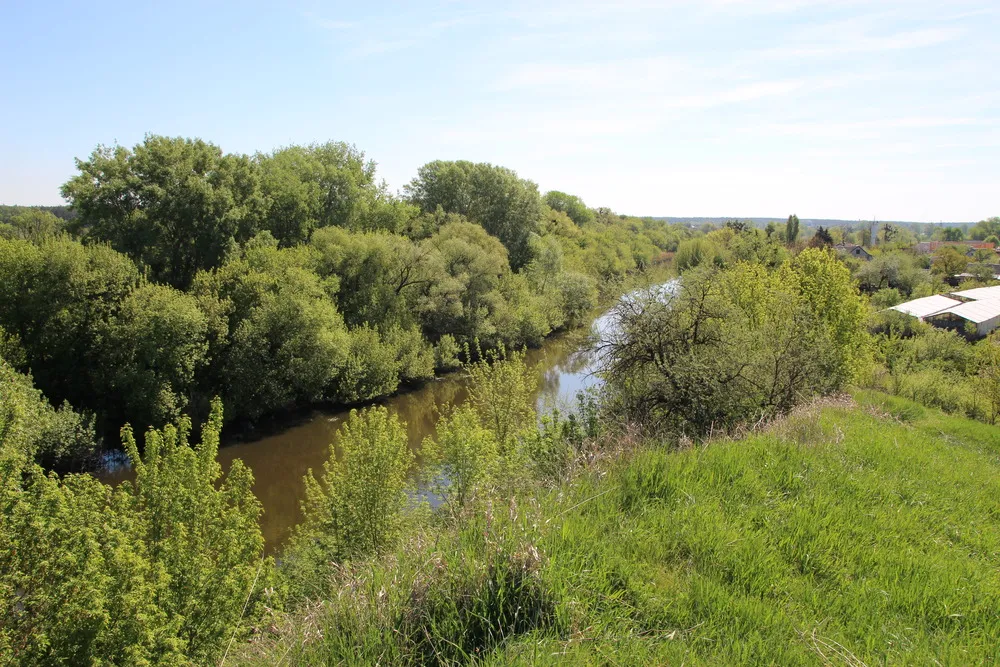
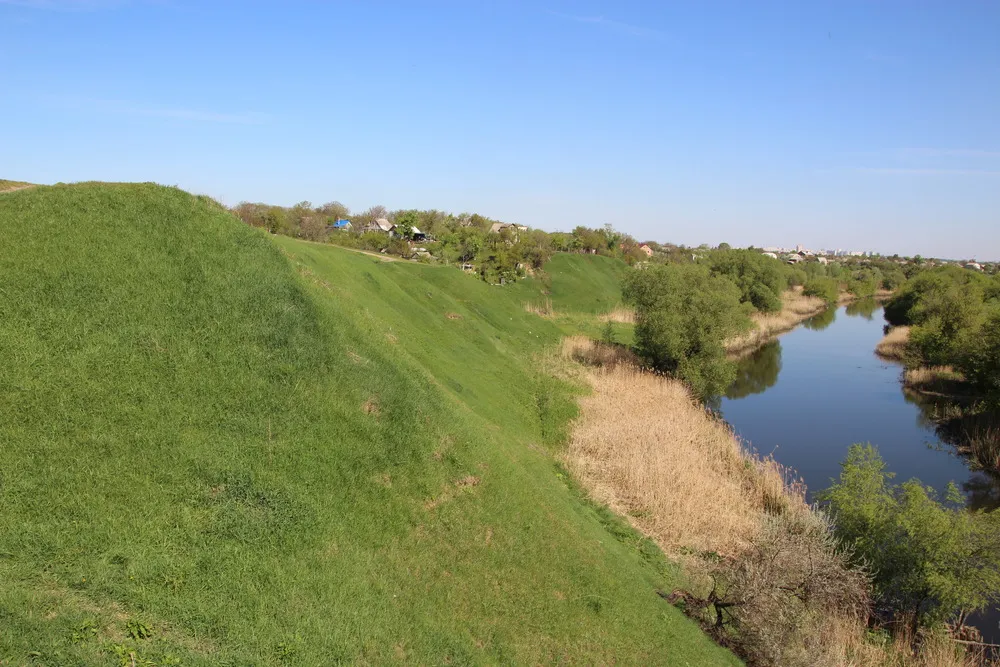
On the southern outskirts of Kharkiv, near the settlement of Pokotylivka, to which the village of Kacharivka was annexed in 1959, on a high 20-metre promontory of the Udy River, stands one of the best-known hillforts of Slobozhanshchyna – the Donets hillfort, a monument of national significance. I mentioned Kacharivka above because the hillfort is territorially closer to that former village.
Do not let the name confuse you: it has nothing to do with the city of Donetsk. According to the overwhelming majority of historians and archaeologists, including N. M. Karamzin and V. V. Passek, the hillfort is the chronicle Old Rus town of Donets, which existed in the 8th–13th centuries, is mentioned in the Hypatian Chronicle and is associated with the name of Prince Ihor Sviatoslavych of Novhorod-Siverskyi. It was here that he fled from Cuman captivity in 1185. This event is also described in “The Tale of Ihor’s Campaign.” The Donets hillfort continues to be mentioned in the 16th century, in the registers of watch posts established by Ivan the Terrible for defence against nomads.
In 1968 Kacharivka was included in the list of historical towns and settlements of Ukraine. And with good reason. This territory has been inhabited since prehistoric times, and the Donets hillfort, one of the most outstanding archaeological monuments of the country, is proof of that. The hillfort is multi-layered. The first excavations began as early as 1902. The materials found in the lower layers (pottery fragments, flint knives, arrowheads, fragments of polished stone axes) date back as far as the Bronze Age; more artefacts belong to the Iron Age and the Scythian era, from the end of the 6th to the 4th century BC. It was then, under the Scythians, that the first fortifications were built. The bulk of the artefacts, however, belong to the early Slavic Romny culture of the Siverians and to Old Rus culture, from the time when the settlement became part of Kyivan Rus and turned into an important military and defensive point. Thus, in the 8th century a Slavic settlement of the Romny culture appeared. It existed until the early 10th century, when it was destroyed by an invasion of the nomadic Pechenegs. In the second half of the 10th century life in the settlement revived, and the Old Rus town of Donets arose.
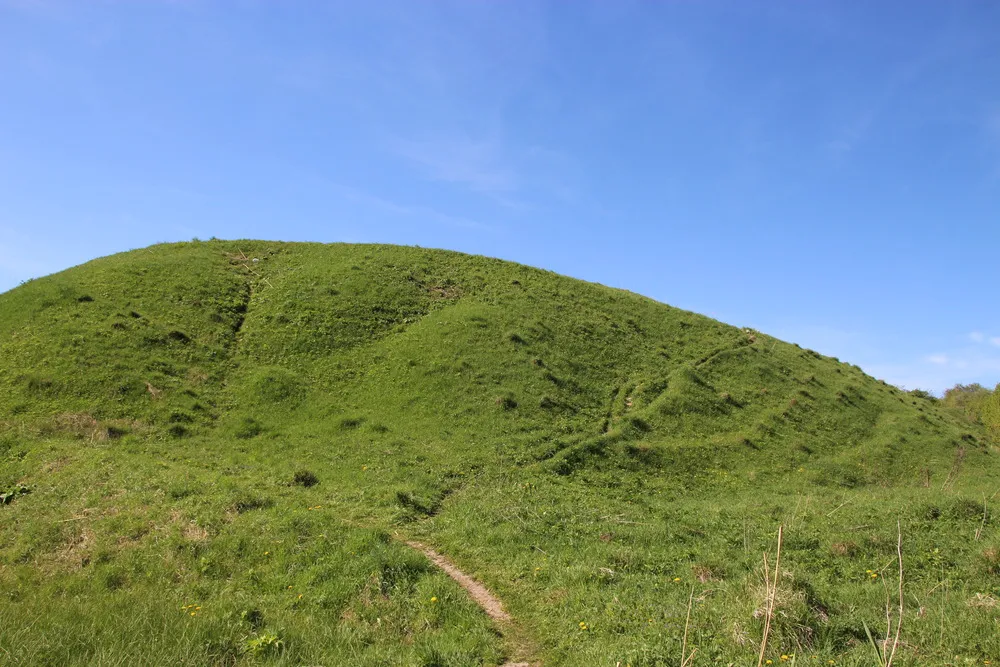
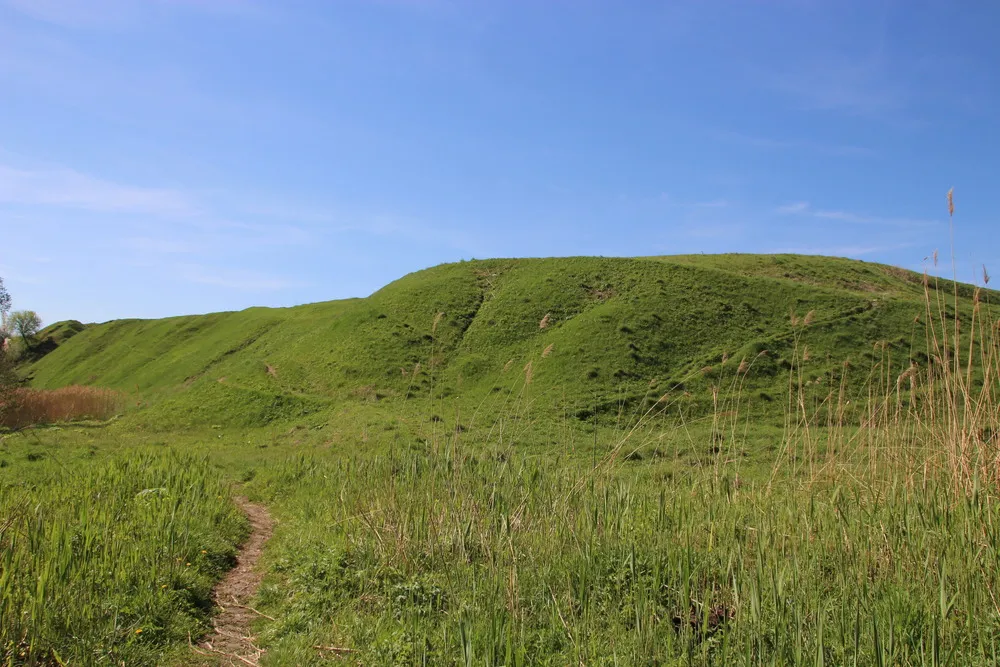
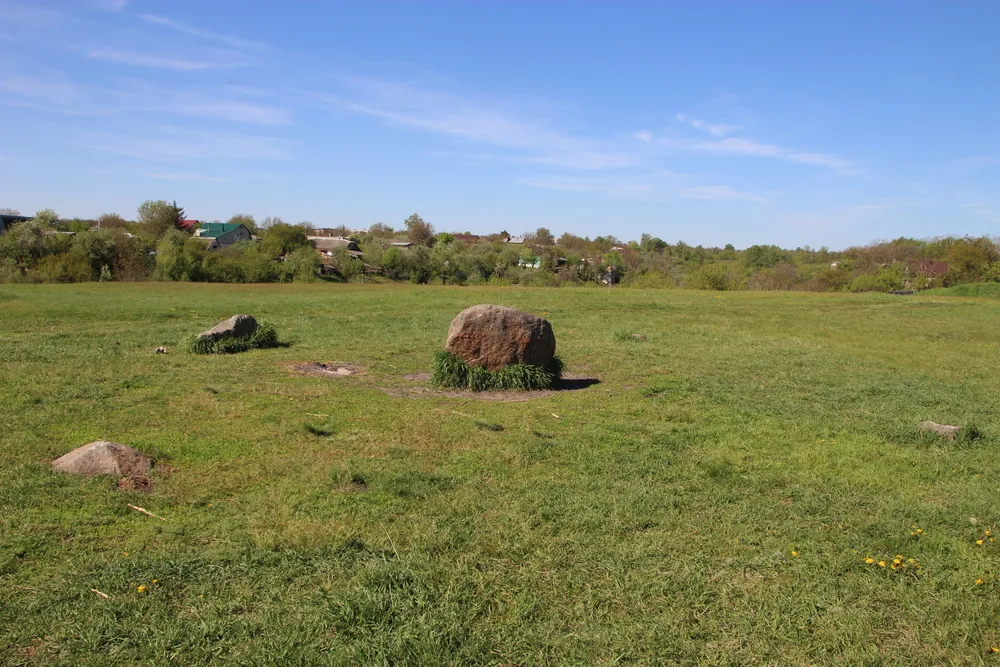
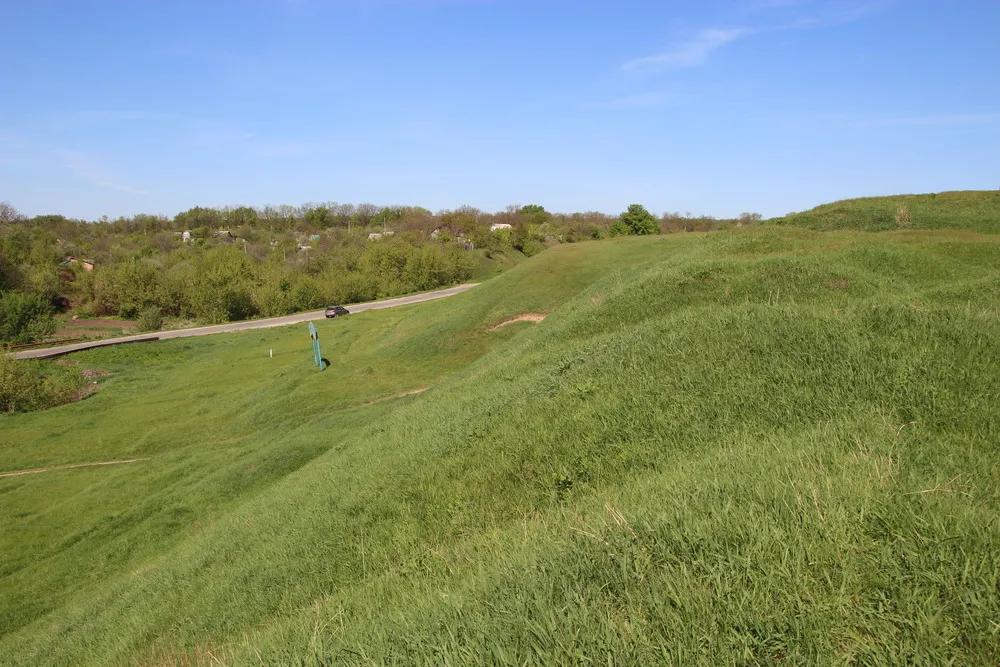
In the semi-dugouts of that time, fragments of Romny pottery, millstones, whetstones, flints for fire-steels, clay spindle whorls, an iron hoe, fishing hooks, jewellery and coins, various weapons, remains of horse harness, keys, locks and other household items have been found, and – for the first time – a Romny kiln for firing pottery was discovered. On the territory of the hillfort the boundaries of the citadel and the outer town are clearly defined; one can see the remains of individual buildings and defensive structures, as well as ramparts with ditches. Along the edge of the promontory the hillfort was protected by an oak fence of horizontal logs fastened between paired posts. And although Donets was burned by the Mongol-Tatars in 1239, some archaeological finds, as well as later mentions of the hillfort, such as the watch registers of Ivan the Terrible’s time mentioned above and the “Book of the Great Map”, indicate that the settlement continued to function until the early 14th century. Moreover, some modern archaeologists believe that the Donets hillfort gradually grew into the Kharkiv settlement and gave rise to modern Kharkiv. The hillfort finally declined in the 16th century.
Strangely enough, part of the outer town was given over to construction as far back as the mid-1950s. And until recently there was a rubbish dump next to the monument. We hope this disgrace has already been put right by the local authorities. Nevertheless, today the monument is an important tourist site for visitors and history enthusiasts not only of Kharkiv but of all Ukraine.
Text by Ihor Dorozhko, photos by Maksym Nazarenko.