Borova

· 2 min read
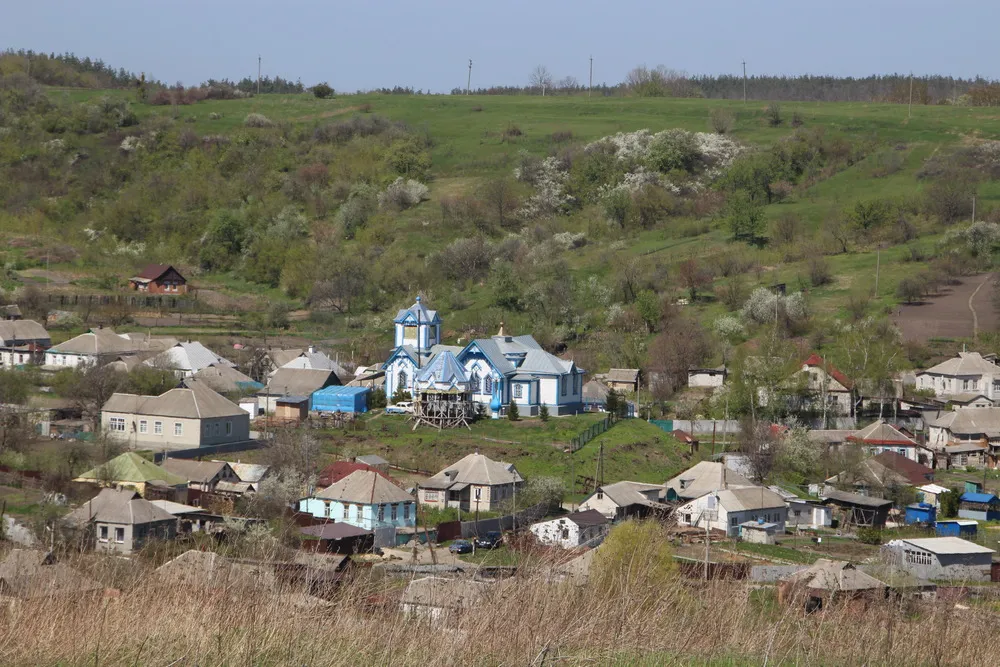
Officially the founding date of the village of Borove in the Zmiiv district is considered to be 1660. However, the 1857 historical and statistical description of the Kharkiv diocese cites a document in which the boyar’s son Onysym Bielozierov submitted a petition for the allocation of arable and hayfield land next to the estates of the “landowners, nine men, Ihnat Diukov and company” “between the Studenok well and Borovoi”. So the village in fact already existed and was being settled before 1660. And if we also recall that the description of the Muravsky Trail by Muscovite clerks in 1625 refers to the Borovoi well on the Uda River, then it was even earlier. Perhaps it was this well that gave the future village its name.
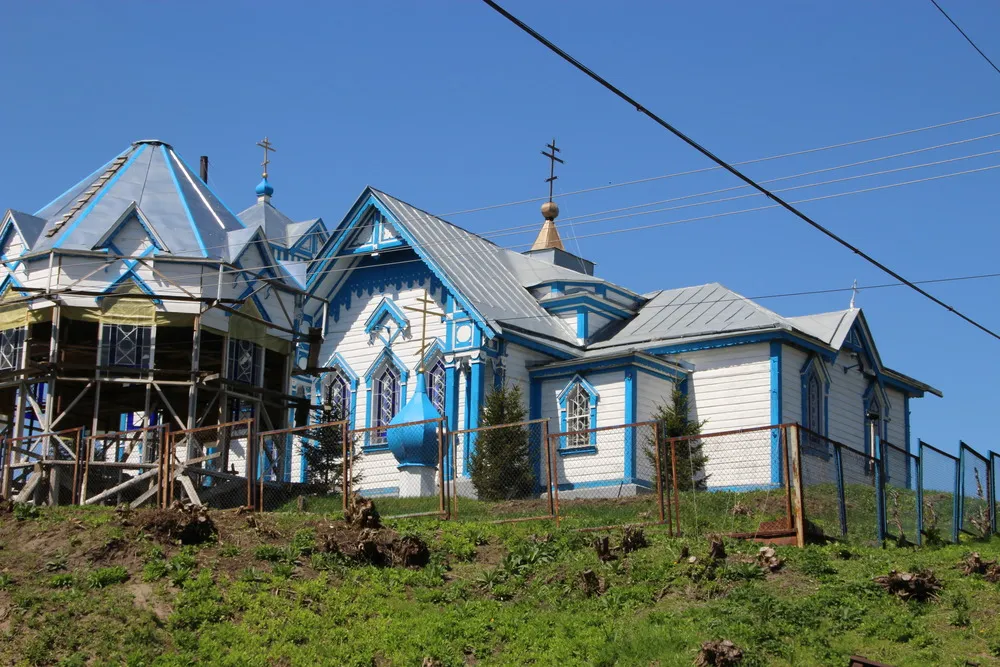
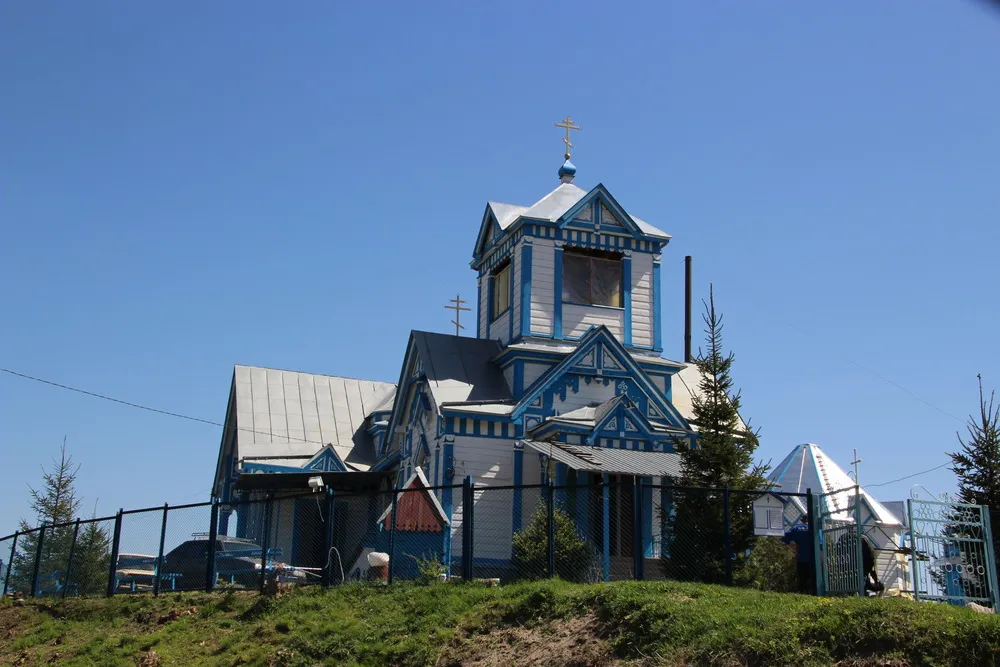
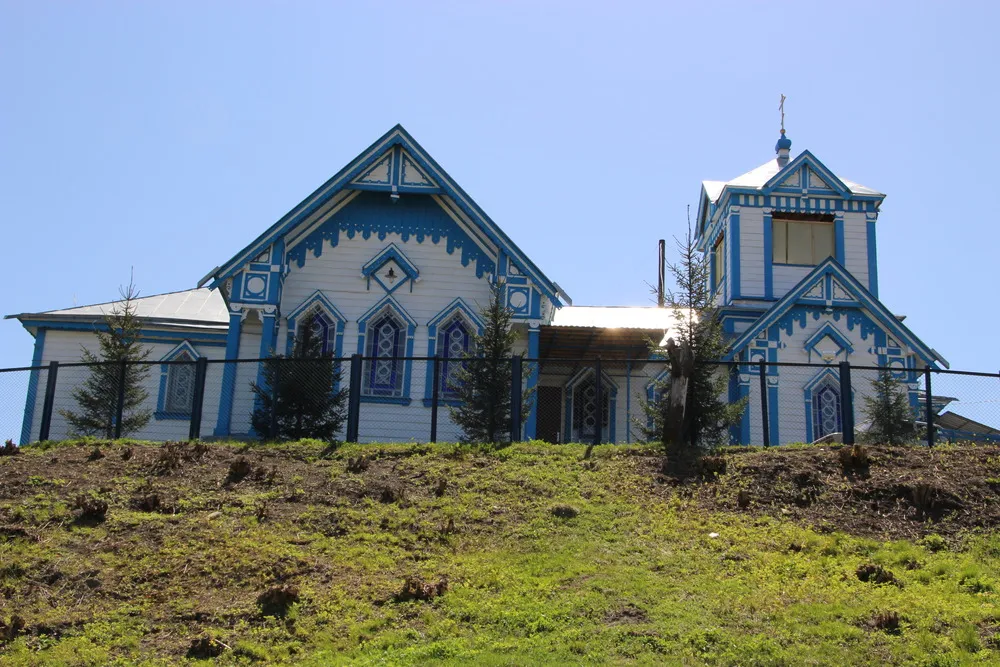
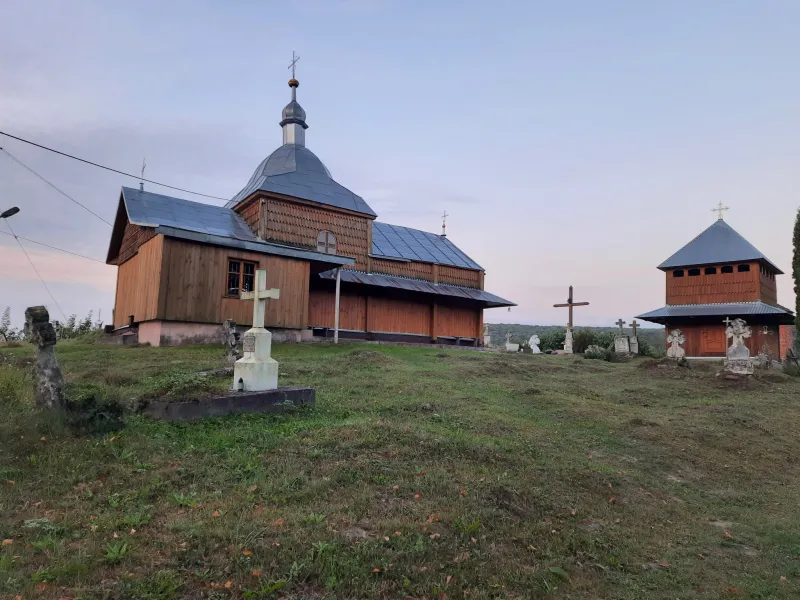
The village has what is probably one of the oldest wooden churches in the Kharkiv region, the Church of the Nativity of Christ. This is already the third church in the village.
The first was built together with the founding of the village: in 1660 Borove is already mentioned as a village, so there was a church. The same historical and statistical description of the Kharkiv diocese states that in a church Gospel of 1668 the church is also named in honour of the Nativity of Christ. The second church building is mentioned in 1750, when the church was given an antimension consecrated by Saint Ioasaph. As for the date of construction of the third church, I have no definite answer.
The diocese writes that it was 1782 (the same is given by S. Taranushenko and F. Gumilevsky), another source says 1789, and yet another says the year of construction was 1762 and that it was moved from the Horokhovatka hermitage and repaired in 1848.
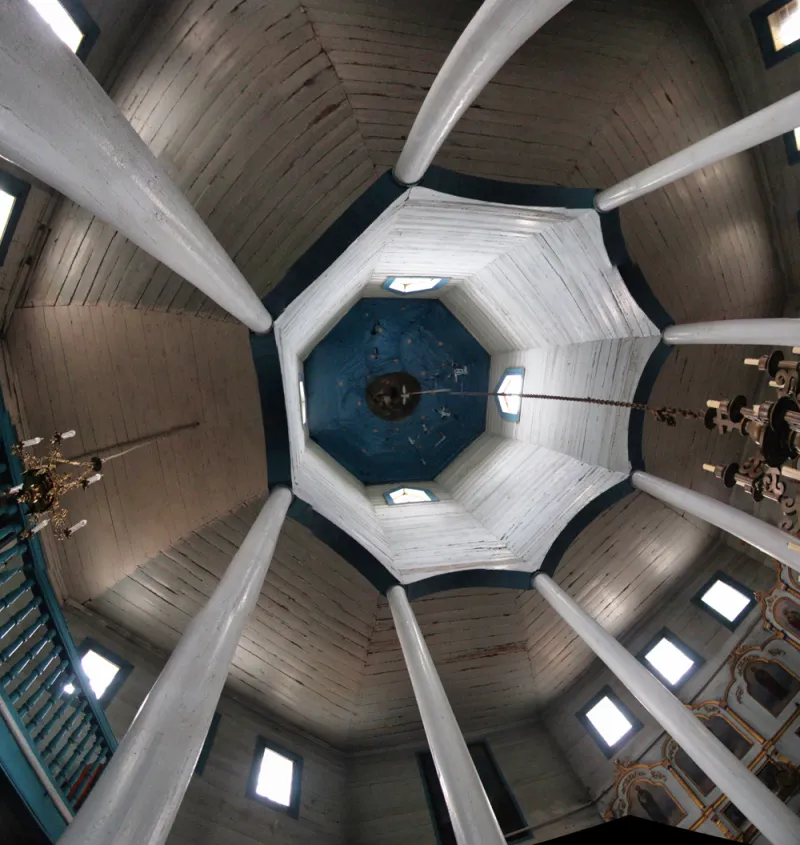
The sources agree that the church was already built at its new location through the efforts of parishioners. The church was consecrated by Archpriest Iosaf Pohorlevsky. The shrine was built of oak; it is single-domed, with three log sections, and its composition is horizontal, that is, its height is less than its length and width. The babynets (narthex) is not original and was rebuilt. In the 2000s the church was reconstructed and the roof was replaced.
In general the church makes a rather pleasant impression and is a fine example of the wooden church architecture of Sloboda Ukraine.
Text by Ihor Dorozhok, photos by Maksym Nazarenko.