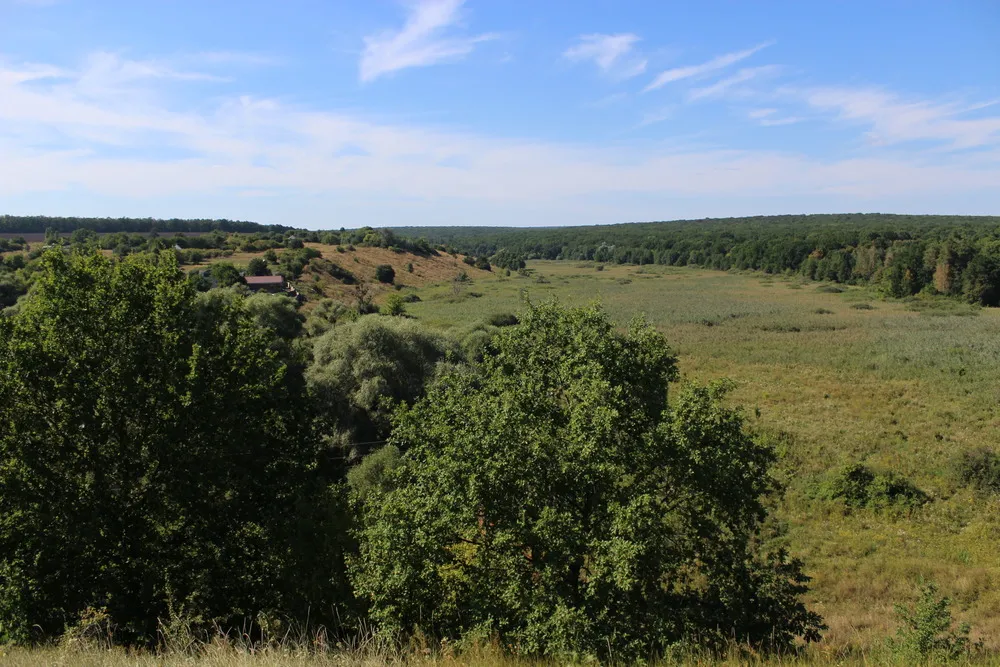
Sukha Homilsha. The hillfort

· 3 min read
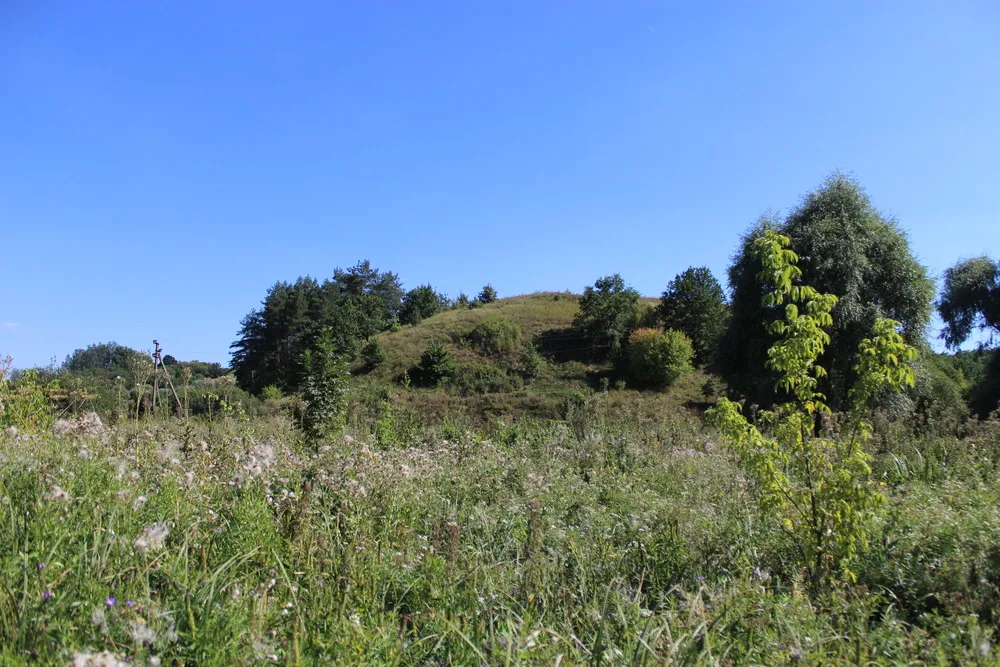
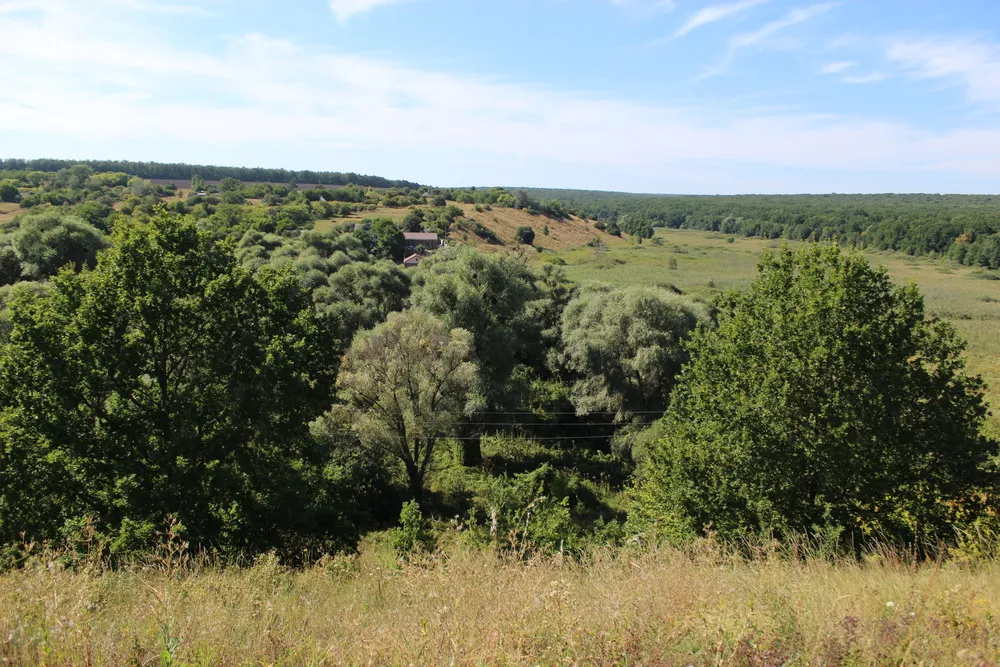
The hillfort and ancient settlement “Sukha Homilsha”, located next to the village of the same name in Zmiiv district of Kharkiv region, can be called unique. In different eras, from the 5th century BC to the middle of the 10th century AD, people settled here, so they bear layers of different cultures. Research and excavations have revealed that the hillfort shows signs of a settlement of the bearers of the Scythian forest-steppe, Penkivka and Saltiv archaeological cultures. Just imagine: for a millennium and a half different peoples and ethnic groups succeeded one another on this spot, yet all the same they lived in one settlement.
To understand how different these cultures are, a few words about each.
The Scythian forest-steppe culture in this case is not quite about the Scythians – its representatives here are the Melanchlaeni. They led a settled way of life and lived somewhat north of the Scythians, mostly on the territory of today’s Voronezh region, but their southern wing also covered the Kharkiv region. Herodotus wrote about them. They lived here in the 1st millennium BC. They were friendly with the Scythians, and the kings of the Melanchlaeni even took part in the council of the kings of Greater Scythia. But when it was necessary to support them in the struggle against the army of Darius I, they refused to stand together with them. It is assumed that it was because of this conflict that they had to move north. Scholars formerly counted the Melanchlaeni among the ancestors of the Slavs, but further research has shown their close kinship with the Iranian peoples. Moreover, in modern traditions the Melanchlaeni are regarded as Cimmerians.
In their place came the Antes, one of the groups of early historical Slavdom, with the so-called Penkivka culture, whose period of existence is dated to the 5th–7th centuries AD. It was in these times that the tribal unions of the Slavs were formed.
The Saltiv culture is dated to approximately AD 700–1000; it arose among the peoples of the Khazar Khaganate during their transition from a nomadic to a settled way of life. It has two branches – Alanic and Bulgar. While the Bulgar branch is characteristic of more southern regions and is more connected with nomads, the Alanic is marked by settled life. It was the Alanic tribes who moved to this place after the Antes and settled here. They even built castles. However, the Saltiv culture perished under the blows of the Pechenegs at the beginning of the 10th century.
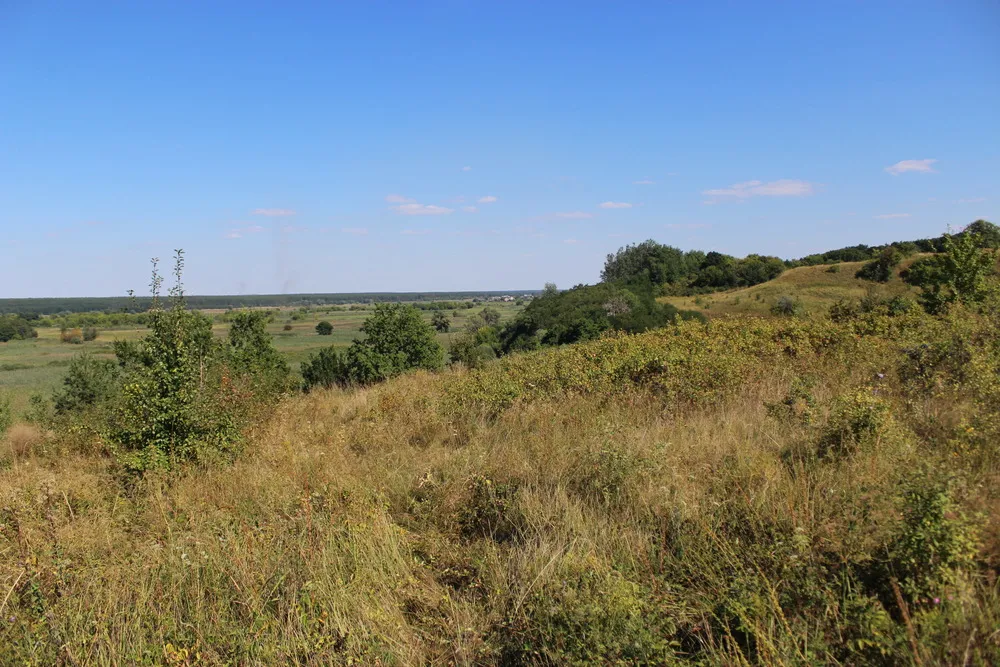
The hillfort is first mentioned in descriptions as early as the beginning of the 18th century. The total area of the hillfort is 2 ha (length 310 m, maximum width 90 m). The total area of the settlement is 30 ha (length 600 m, maximum width 500 m). The settlement is rich in ceramic material of the Penkivka and Saltiv cultures. In addition, tools, household items, weapons, horse harness, jewellery and elements of clothing have been found. A fortress with remains of stone walls, remains of dwellings and a burial ground without mounds have survived.
Despite its status as a national archaeological monument with a protection number assigned, neither the hillfort nor the settlement receives due attention: the surface of the hillfort is overgrown with shrubs, while the territory of the settlement is generally used for crops and is constantly ploughed.
Text by Ihor Dorozhko, photos by Maksym Nazarenko.