

Searching along the Zbruch for ancient inhabitants of the Paleotethys Ocean (photo report of the finds)
The low Tovtry/Medobory hills are the former barrier reef of the vanished Sarmatian Sea and the Paratethys Ocean, which rolled their waves here 14–10.5 million years ago. They are, let us recall, of biogenic origin: that is, formed not by tectonic processes but by living organisms that accumulated limestone in their bodies. These are, above all, bryozoans, serpulid worms and calcareous algae, lithothamnia. But beneath them lie older outcrops, which are also more interesting for their wealth of fossils.
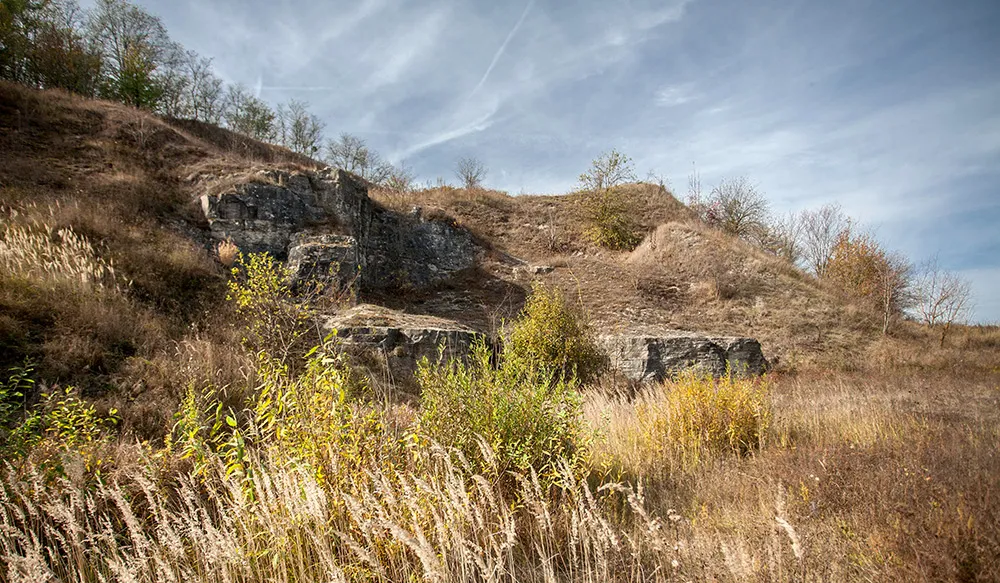
On the outskirts of the town of Sataniv, known for its numerous monuments, picturesque cliffs stretch along the Zbruch. But these are not natural formations; they are ancient quarries. It was here that stone was taken for building the local castle, churches, synagogue and simply houses.
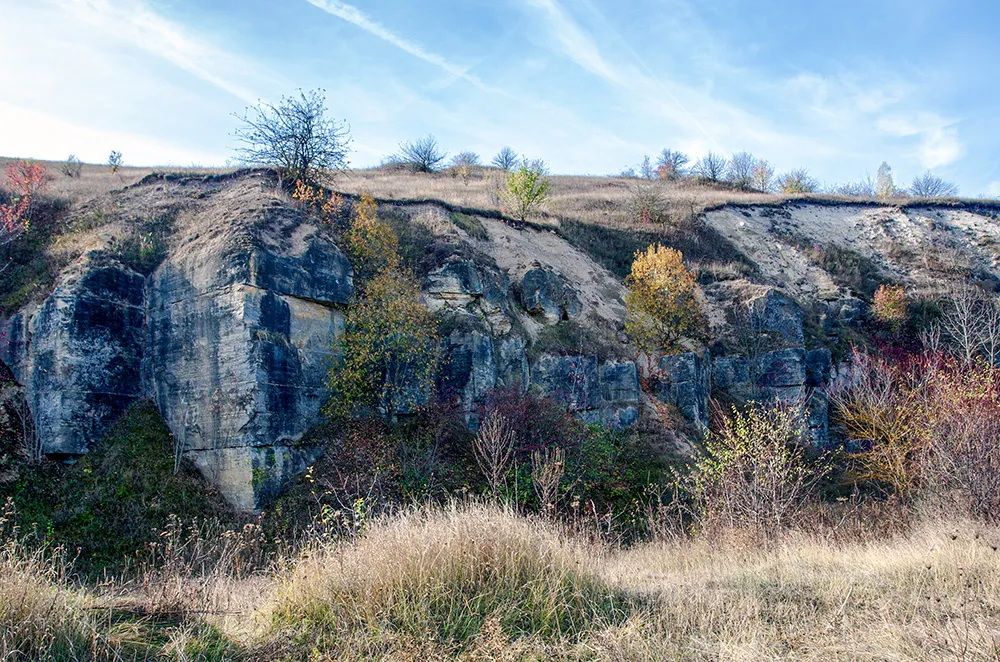
These limestones are not “Sarmatian” and belong to the Silurian period of the Paleozoic era (444–419 million years ago). In the Silurian deposits one can find fossilized remains of solitary rugose corals, representatives of the extinct genus of colonial tabulate corals Favosites, chain corals Halysitid, bryozoans, brachiopods and so on. With luck, one can find trilobites and other inhabitants of the ancient Paleotethys Ocean.
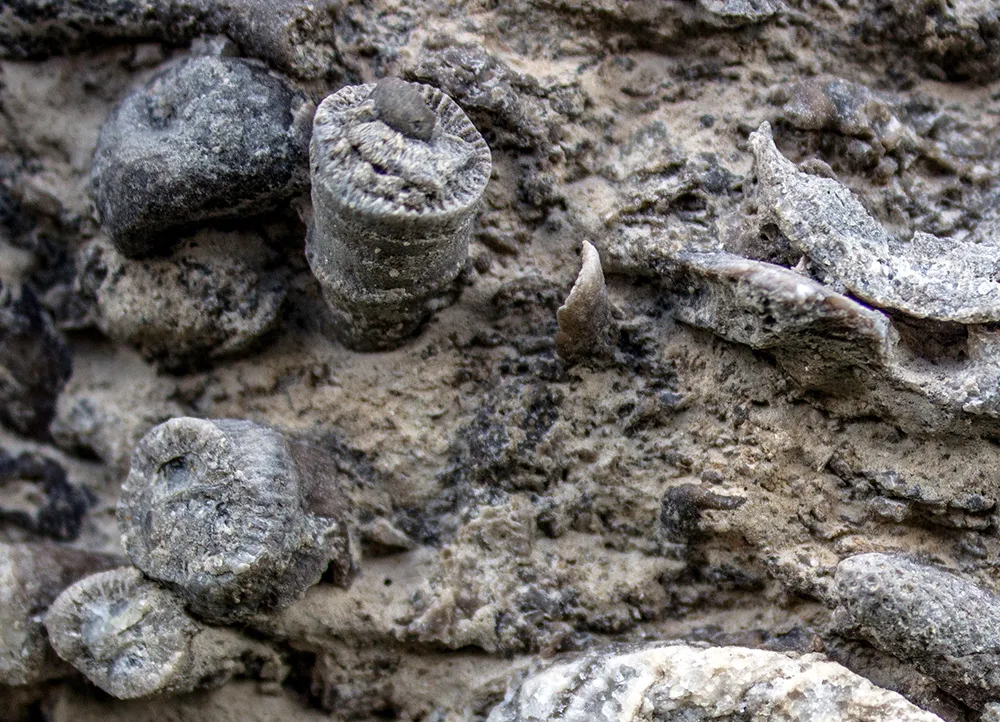
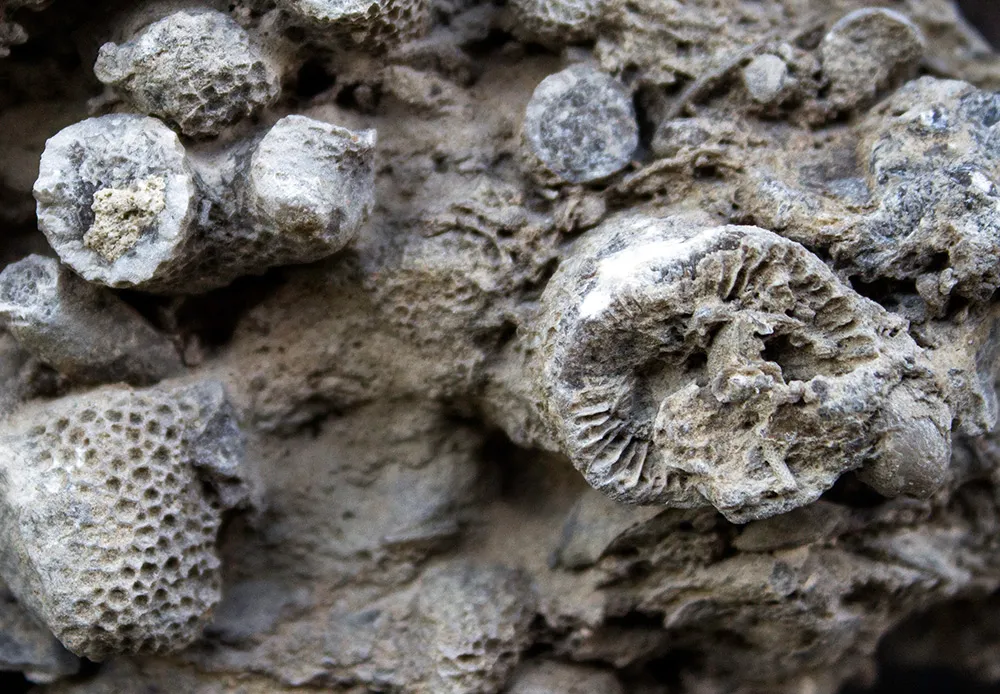
Rugose coral (right)
In the summer of 1865 the quarries were studied by the well-known geologist Mykola Barbot de Marny. You can read about the Silurian fossils he found at Sataniv in his “Report on a Trip to Galicia, Volhynia and Podolia in 1865”.
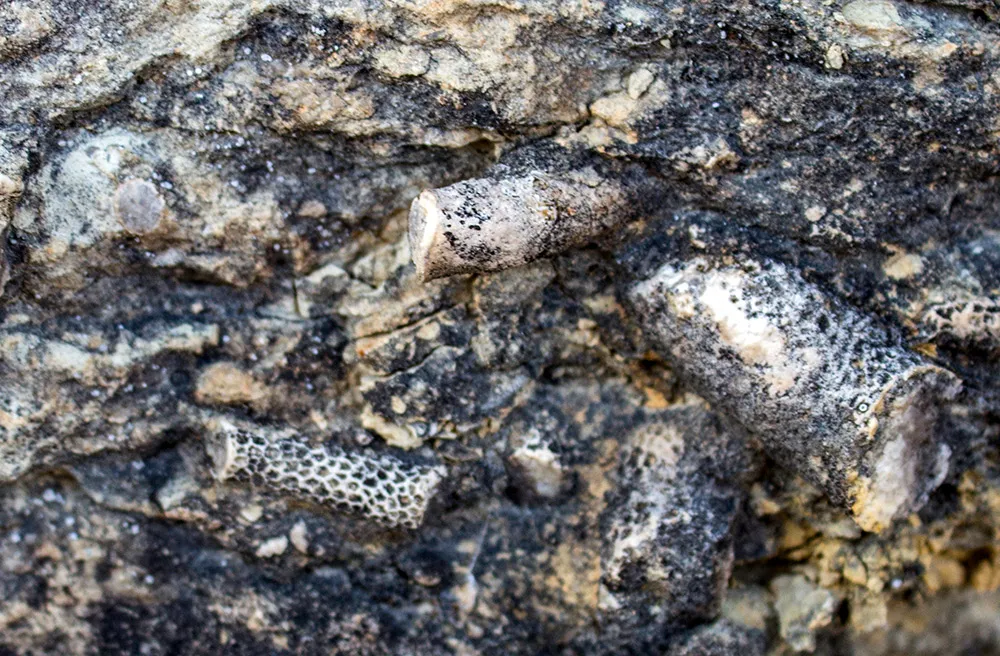
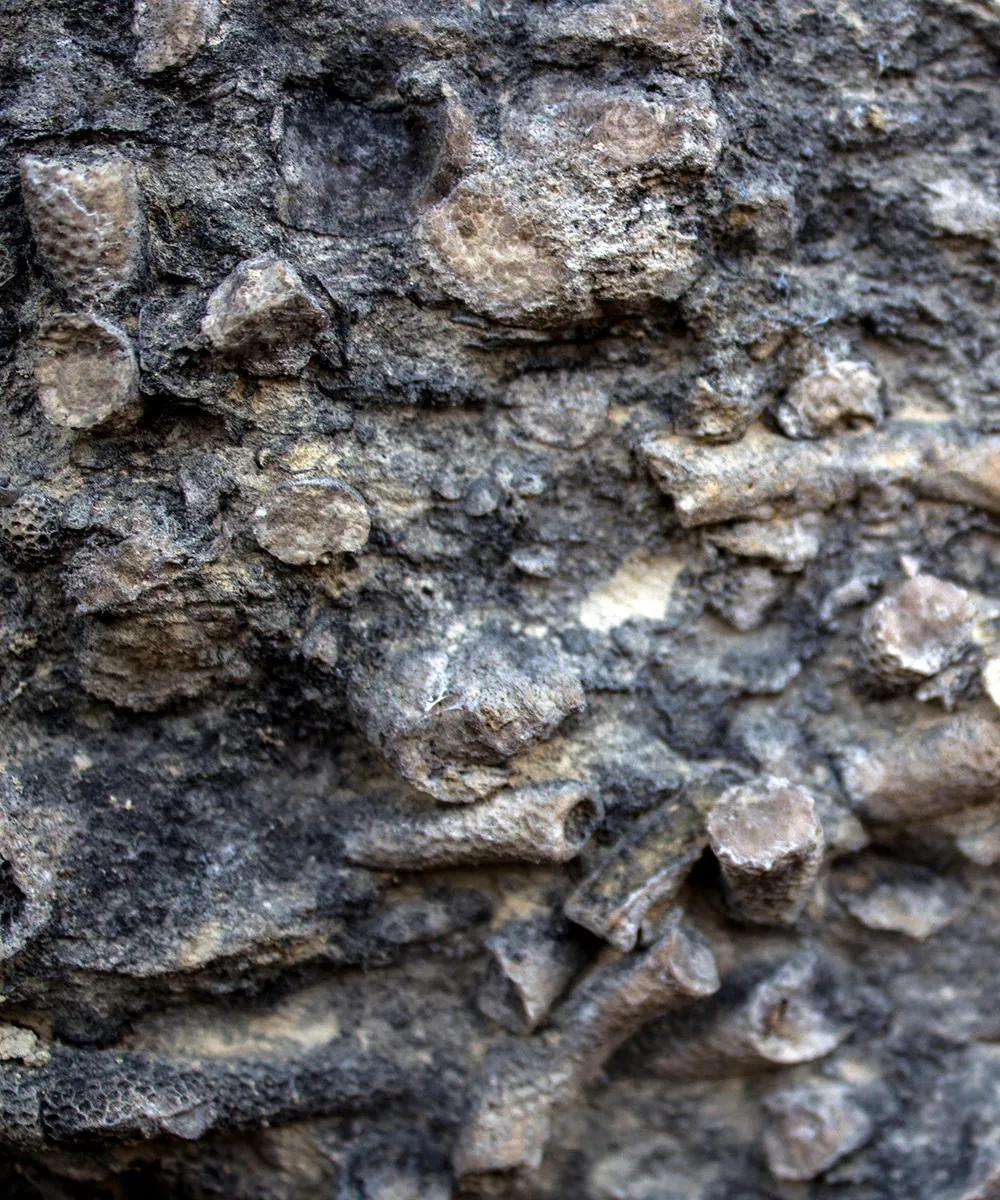
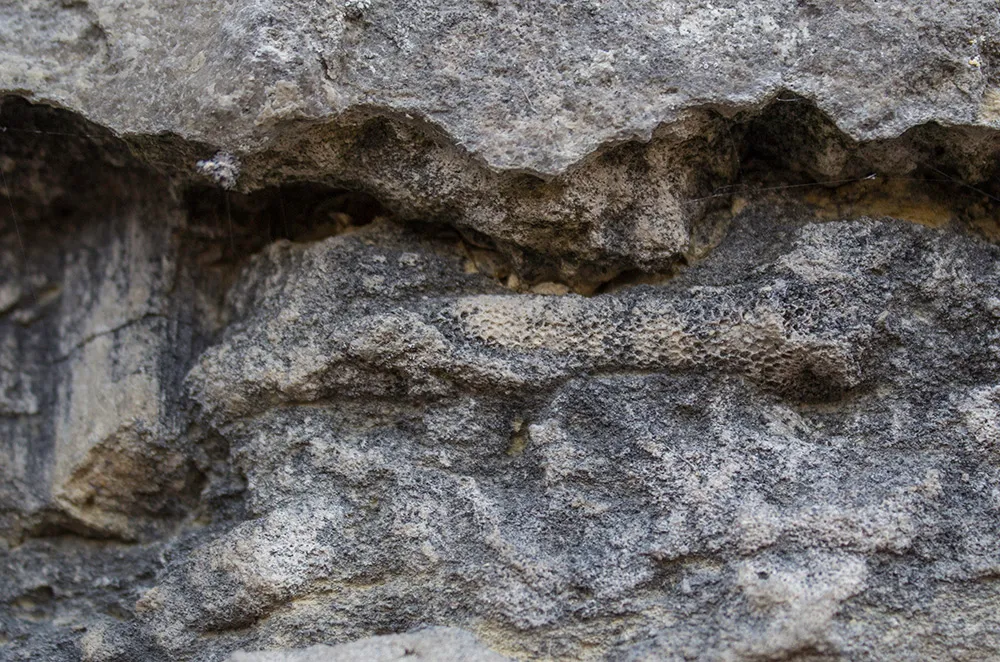
Colonial corals of the extinct family Favosites
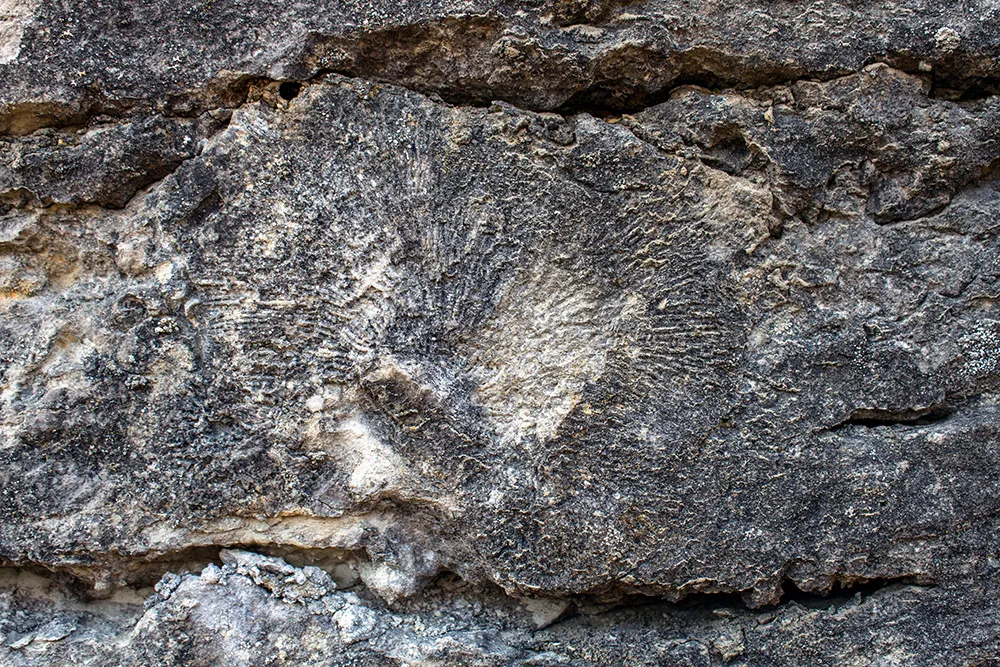
Unidentified coral
Barbot de Marny also drew attention to a unique feature of the Sataniv limestone outcrops: as it turned out, the “Sarmatian” limestones here were deposited directly on top of much older Silurian ones.
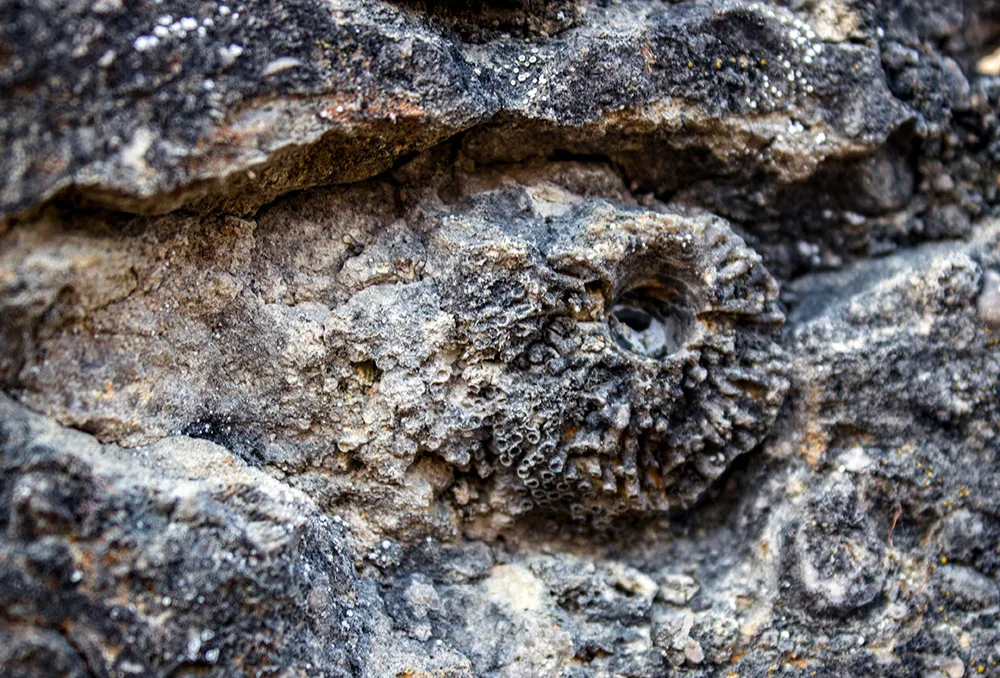
Some kind of bryozoan?
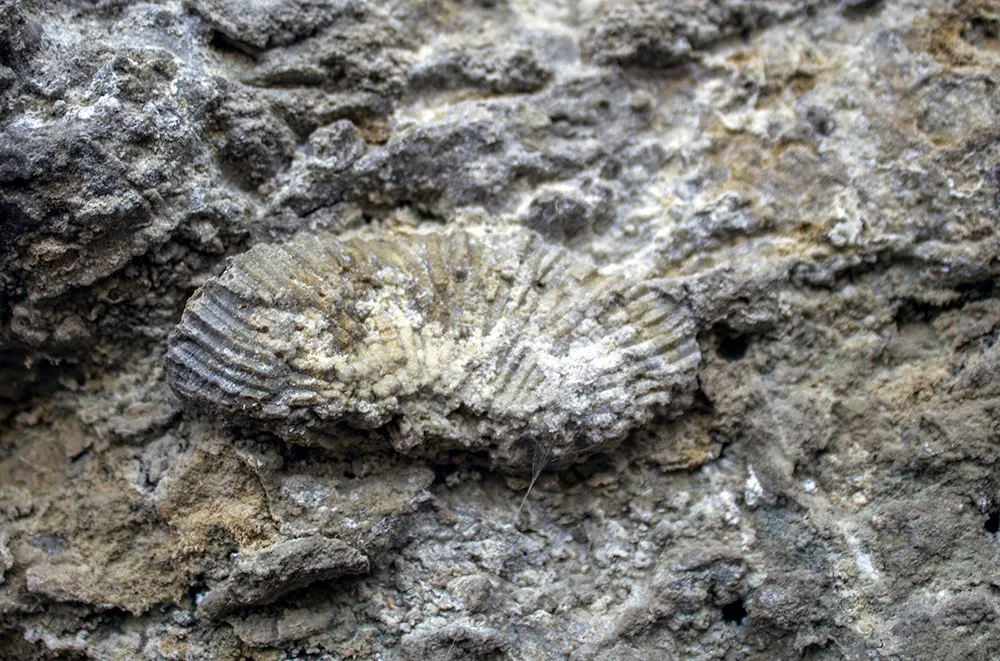
Colony of Halysitid chain corals
Four hundred million years of geological history passed between the Silurian and the “Sarmatian” limestones, and they should have left a trace in the form of at least some intermediate layers, but for some reason there are none here at all!


