

Light underground: focus on the cave of the Holy Trinity Monastery
We continue to tell you about our work on a photo exhibition devoted to the underground spaces of Podillia. It is being prepared in partnership between the Horodok urban territorial community (represented by its Department of Culture, Nationalities, Religions and Tourism) and the “Ukraine Incognita” NGO.
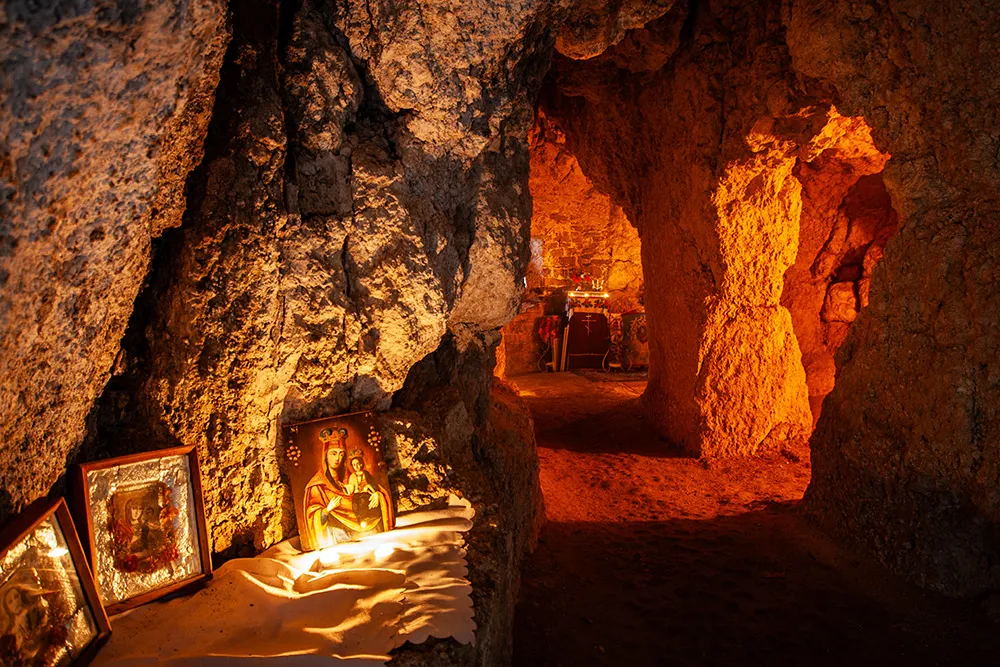
This time the focus (both literally and metaphorically) is on the cave of the Holy Trinity Monastery in the urban-type settlement of Sataniv.
As befits a venerable cloister, the monastery was a cave monastery from the very beginning. The natural caves, slightly adapted by people, have survived to this day: a corridor, two small cells and the underground Church of the Holy Trinity. There may have been more caves.
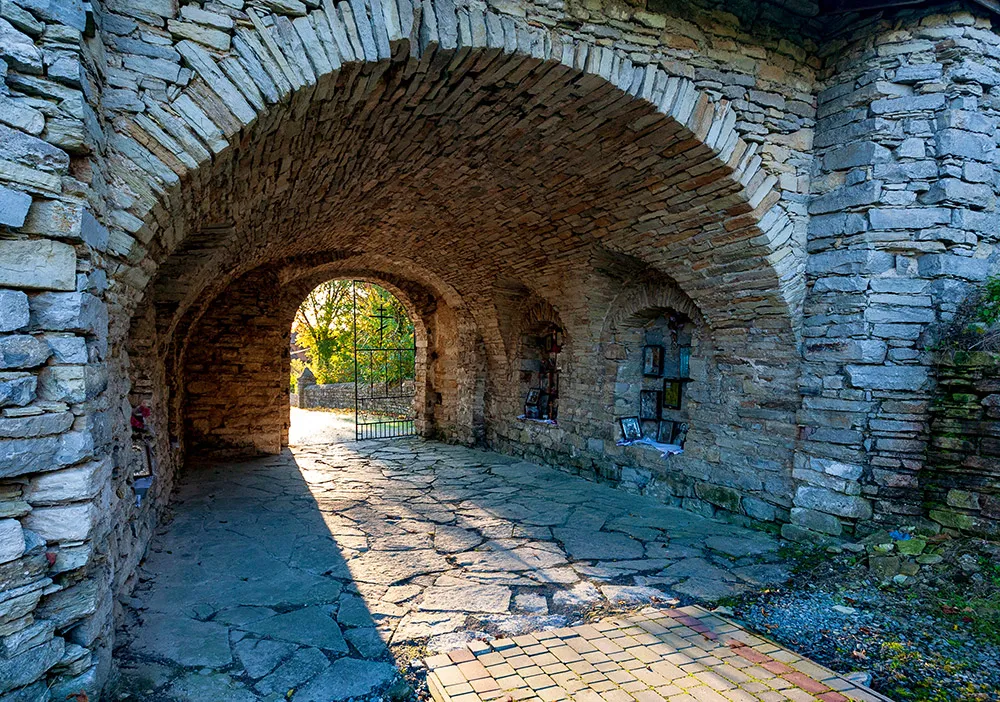
To the left of the present cave, at the foot of the same rock, another one is visible; according to local residents, its passage was filled in during the 1950s. In 2017 an attempt was made to clear the entrance, and the story was confirmed: in the fill the author found a good deal of rubbish from the 1950s–60s. What lies behind the blockage is not yet known. Such work can be carried out only by archaeologists; the merely curious are not welcome.
According to local tradition, the first to settle in these caves was a monk from Mount Athos itself, as early as the 9th century. According to another version, they were monks of the Kyiv Cave Monastery who had supposedly fled from Kyiv devastated by Batu. Both versions have a right to exist, but… only a very conditional one.
We will say nothing about the “Athonite” version; it is not even fantasy. The version about the Cave Monastery monks does not withstand criticism either. Such tales are widespread from the Carpathians to the shores of the White Sea: if you believe them, nearly every monastery and church in this huge territory was founded by “Cave Monastery refugees”. But the Kyivan Cave Monastery simply did not have that many monks at the time, even counting novices.
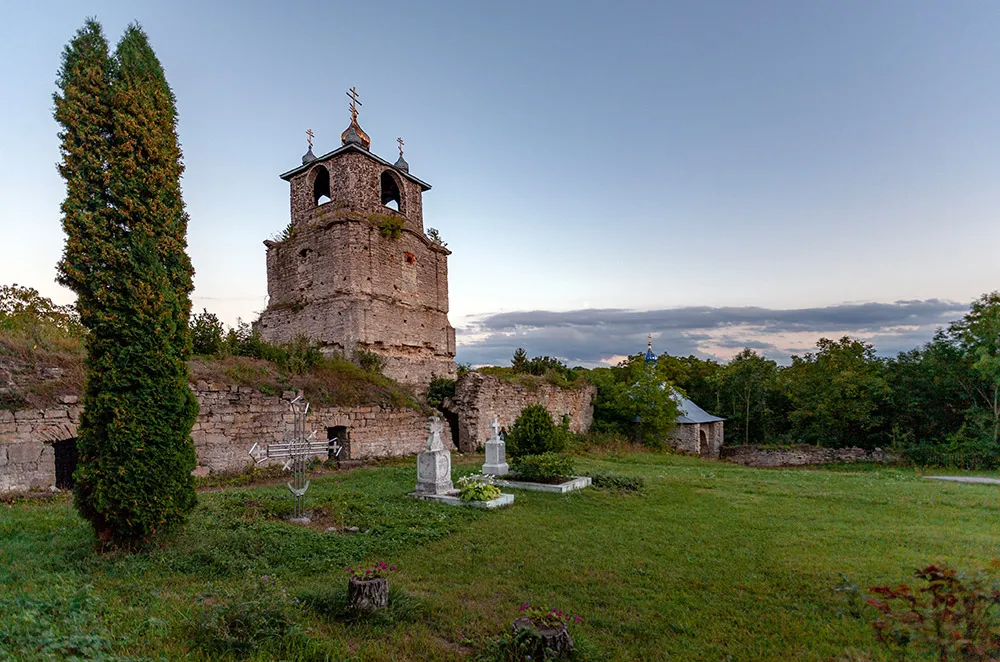
A wooden church once stood near the caves. When it was dismantled in 1744, an inscription was found on one of the beams: “1600 рокъ” (the year 1600). The church was not destroyed but sold in dismantled form to Romaniv Selo near Skalat. Unfortunately, its further fate is unknown.
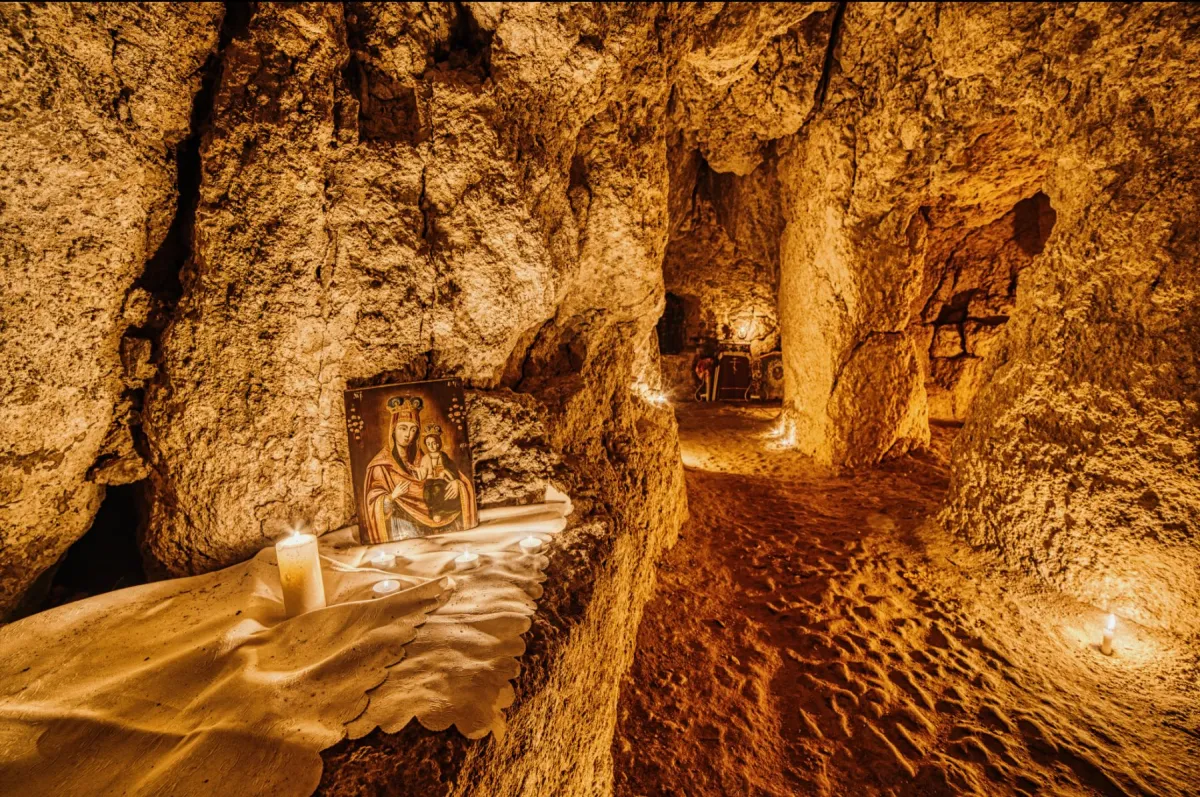
Photo: Ihor Motsnyi
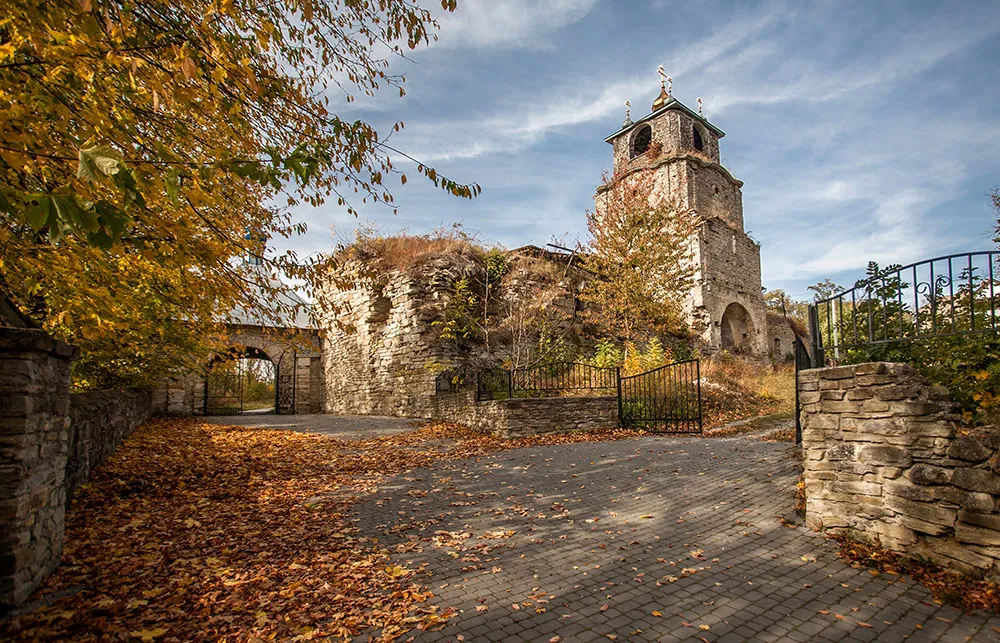
It can be assumed with high probability that the monastery existed from at least the 15th century, although it is firmly confirmed only from the 16th. From the 17th century monastic life moved to the top of the hill, and the caves were used only sporadically.
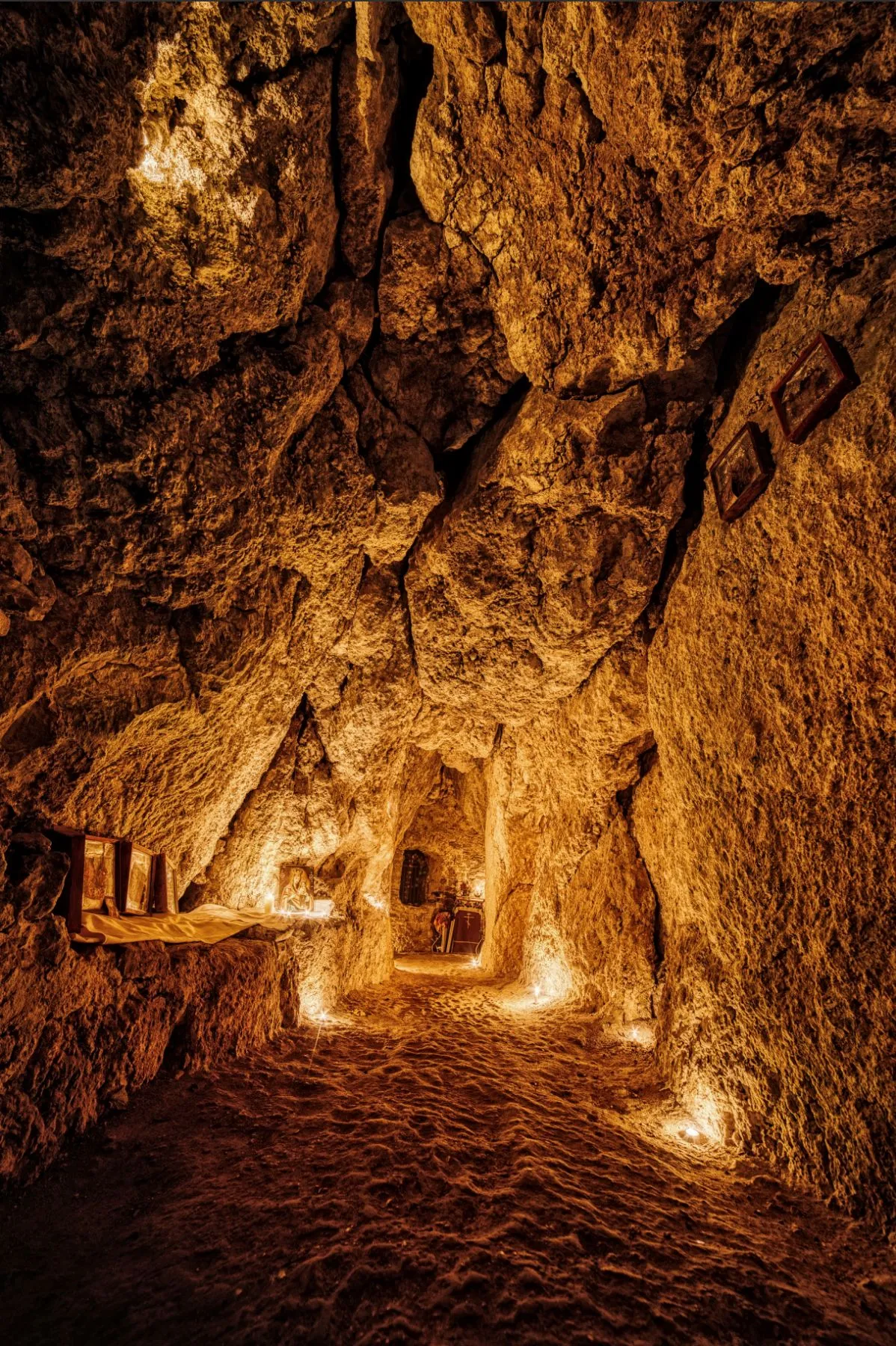
Photo: Ihor Motsnyi
Today the place is a destination for tourist pilgrimage. Services in the cave Church of the Holy Trinity are held only a few times a year.
Text and main photos: Dmytro Poliukhovych
Some photos: Ihor Motsnyi


