Kyiv in jewellery: from princely kolty to modern minimalist designs
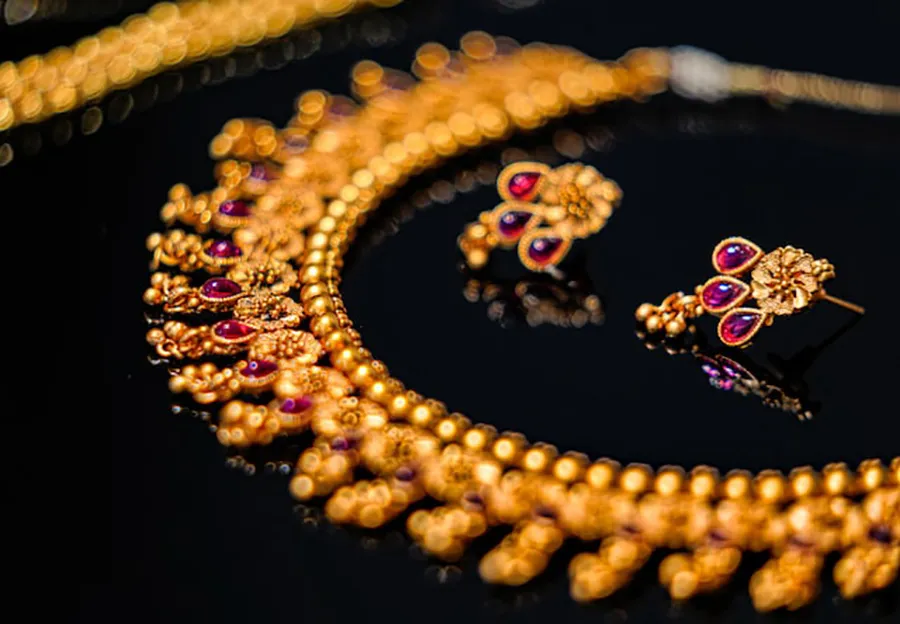
The history of jewellery in Kyiv is a true cross-section of cultural and historical development from princely times to the present day. The city was one of the largest craft centres in Europe, where the jeweller’s art reached an unprecedented flowering, especially at the princely courts.
Kyivan Rus: princes’ gold and the secrets of the kolty
Kolty were massive, hollow temple ornaments suspended from a woman’s headdress on ribbons or metal links. In the Principality of Kyiv, the so-called three-bead earrings were widespread, consisting of three filigree metal spheres.
Kyiv jewellers were renowned for their techniques of cloisonné enamel, filigree and granulation (tiny metal beads soldered onto the surface to create a pattern). The enamel plaques often depicted little birds and plant shoots, which carried deep symbolic meaning.
Besides their aesthetic function, it is supposed that a cloth soaked in aromatic oils could be placed inside the kolty, so that they served as a kind of aromatic amulet. These were mostly ornaments of the princely and boyar nobility.
Other Rus ornaments were hryvnias: metal neck rings (of bronze, silver or billon), which were also a mark of status of the princely and boyar nobility. The name comes from the words “mane” and “nape”. Signet rings were a symbol of power and high social standing, worn by princes and nobles. They were engraved with heraldry and significant events.
In later times, especially with the flourishing of the Cossack state and the further development of urban life, other kinds of jewellery became popular in and around Kyiv: coral necklaces, ducats (lychmany) and more.
Modern Kyiv: revival and minimalism
In the 21st century, Kyiv’s jewellery craft, Xuping included, is experiencing a true revival, dominated by a combination of traditional motifs with minimalist design. Modern Kyiv brands often move away from massiveness in favour of concision, geometry and clean lines.
Jewellery is becoming more versatile, combining with any style of clothing. It is often made of high-quality metals (silver, white and yellow gold) and may include small but meaningful accents (for example, single diamonds or pearls).
Many designers draw inspiration from traditional Ukrainian symbolism (for example, the circle, the trident, the ear of wheat, etc.), but present it in a modern, restrained key.
Key trends:
- Handmade and local production: the emphasis is on handwork and high quality;
- “Meanings” and stories: jewellery is often created in collections that carry a particular philosophical or social meaning, telling exceptional stories in the “language of jewellery” (such as the brand Guzema Fine Jewelry, which has boutiques in Kyiv);
- modern reinterpretation: some brands create pieces that are modernized analogues of antique jewellery, using modern jacket earrings that recall the way kolty were worn.
Kyiv in jewellery is a history of evolution, from displaying princely might through sophisticated jewellery techniques and powerful amulets to the refined, intellectual and symbolic minimalism of today.