Where Ukrainians still need a visa in 2026 — and how much time to really allow
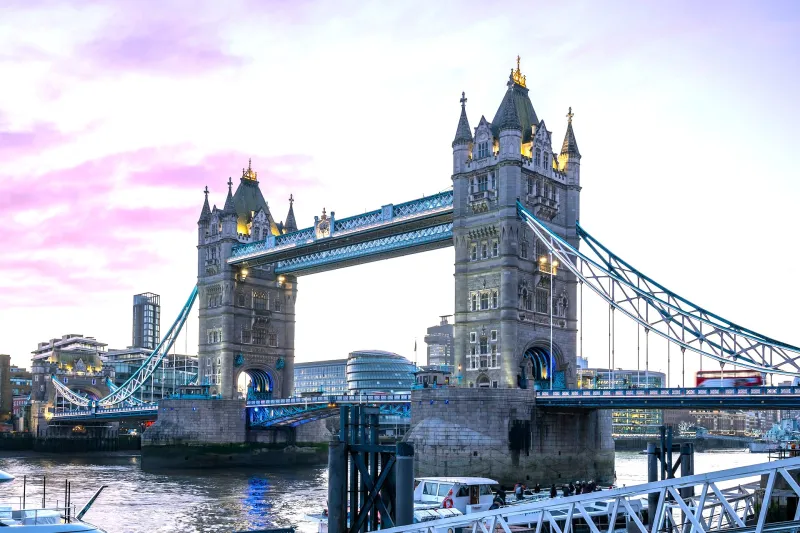
It is Friday, late evening, you are scrolling your feed — and you see a ridiculously cheap ticket to London for next weekend. Your fingers are already reaching to buy, in your head the suitcase is already packed. And then you remember: there is no visa-free travel to Britain, and there never was. After years of open Schengen we have grown unused to the very word “visa”, and it comes back precisely at such moments — the most unexpected ones.
This article is meant to bring the skill back. Where Ukrainians still need a visa, how to apply, and how much time to really allow — not according to the official table on the consulate’s website, but adjusted for queues, the season and the human factor.
First, where everything is simple
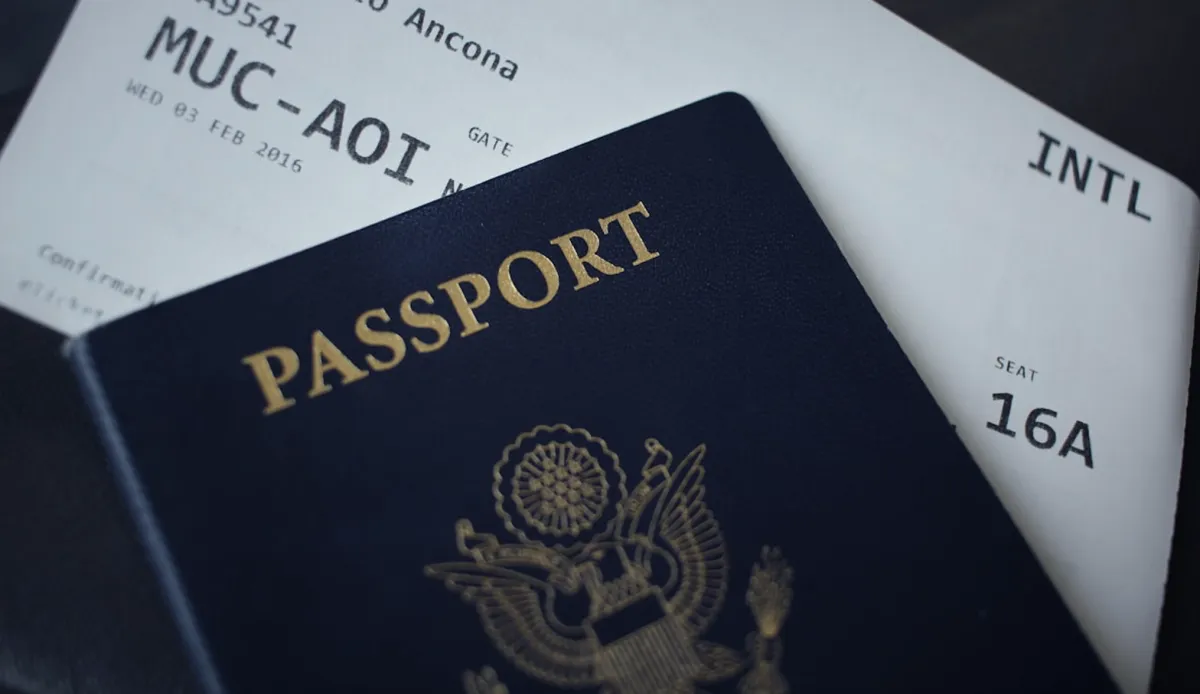
Visa first — and only then non-refundable tickets. Never the other way round.
So as not to scare you in advance. For short trips, Ukrainians are admitted without a visa to: the whole of Schengen (all 29 countries, from Portugal to Finland), most of the Balkans (Montenegro, Serbia, Albania, North Macedonia, Bosnia), Georgia, Moldova, Turkey, and also a number of countries in Latin America and Asia — either with no visa at all, or with a visa on arrival.
An important note right away: visa-free travel to Schengen means up to 90 days within any 180 and strictly tourism or a visit as a guest. It does not give the right to work, study or settle. More on this separately at the end, because this is where most plans fall apart.
And one more nuance that surprises those used to visa-free travel: even without a visa, you may be asked at the border to show a return ticket, an accommodation booking and proof of funds for the trip. Visa-free travel is the right to apply for entry, not an unconditional pass. So the traveller’s basic pack is worth having with you even where “no visa is required”. It is rare, but better to be prepared than to get stuck at the airport for lack of a return ticket.
And next come the countries where you cannot do without a visa. Before each one, check the requirements for your specific type of trip: tourist, business and student visas, even for the same country, are different documents with different deadlines. It is convenient to see everything in one place, in the visa types section on ProfiAlly, where the types are laid out by country and purpose. Now, one by one.
Britain — documents decide everything
Most tourists need a Standard Visitor visa. The main feature: the application is decided in your absence. You do not go to an interview and explain nothing out loud — you give your biometrics at a visa centre, and the officer makes the decision solely on the application form and documents. In other words, all your persuasiveness is on paper.
What works: proof of ties to Ukraine (work, property, family), transparent finances over several months, a logical purpose for the trip. Out of season a decision often takes 2–3 weeks, but in spring and summer the queues for biometrics and processing stretch out — allow 4–6 weeks. A trap that people regularly fall into: even transit through a British airport with a change of terminal often requires a separate transit visa. “But I’m just changing planes” does not work here — check in advance.
USA — the main obstacle is not the consul but the queue
The B1/B2 visa, business and tourist, is the most common type for private trips. The process is clear: the DS-160 form, the consular fee, an interview. But the bottleneck is not in the officer’s questions, nor even in the documents, but in the waiting time for the interview itself. At peak times the nearest slot can be booked months ahead, and you cannot speed up the queue for money.
So start six months before the trip, sometimes earlier. And a detail that costs people money every year: the interview date is not the date you get your passport. After approval, the passport with the visa is returned a few working days later, and longer in season. Buying non-refundable tickets before the passport is in your hands is a classic expensive mistake. One more nuance: if you already had a visa and its validity has just expired, a renewal without an interview is sometimes available — check whether you qualify, as it saves months of waiting.
Canada — long to apply, but granted for long
You apply online through your account, then give biometrics at a visa centre. The process is paper-heavy and meticulous: many forms, documents and explanations, and the system is demanding about details — the wrong file format or a skipped field can easily get an application sent back for correction.
Timelines vary greatly — from a few weeks to a few months, depending on the season, the completeness of the package and the country of application. But the bonus justifies the wait: a tourist visa is often granted for a long time, often until the end of the passport’s validity. Pass the quest once — and you travel for years without a new application. In the long run this is one of the most advantageous destinations, so spare no effort on the first package.
China — the destination is back
After a long pause, the Chinese route is working again and gaining momentum, above all for business. Applications go through a visa centre, and biometrics are given in person. The package depends heavily on the type: tourism, business and visiting relatives require different confirmations and invitations.
The processing itself is usually quick — about 1–2 weeks — but add time for the appointment and the trip to the centre if your city does not have one. The Chinese side can be picky about invitations and itineraries, so hotel and ticket bookings must match exactly what you declared. Discrepancies immediately raise unnecessary questions and sometimes a request for additional documents.
Japan — a pleasant exception
One of the friendliest procedures among the “difficult” destinations. The package is logical, the requirements are clearly set out, and the authorities are known for predictability — no surprises “depending on the officer’s mood”. Processing often fits within a week or two. A detail that really helps: a neatly written day-by-day travel plan together with proof of finances. Japanese bureaucracy values tidiness, and a sensibly assembled package noticeably smooths the process.
Little things that spoil a good package
Even a strong application stumbles on technical trifles that are easy to overlook. The visa photo: each country has its own standard — size, background, share of the face in the frame, glasses, whether you may smile. A photo that is perfect for a US visa gets rejected for a British one. Take it for the specific country and fresh, rather than pulling out last year’s.
The second trifle is translations and certifications. A bank statement is done in a day, but a notarised translation or an apostille on a diploma can take from several days to two weeks. If the destination requires translated documents, order them right away, not three days before applying — otherwise that is exactly where the deadline will be missed. The third is the currency of certificates: many authorities accept bank statements and employment certificates no older than a month. If you gathered them in advance, check that they have not “gone stale” by the day of application.
In brief — Australia, New Zealand, India
- Australia and New Zealand: the application is entirely online, and for most tourists there are no trips to a centre. Convenient but deceptively simple — the forms demand accuracy, and the purpose and finances are taken seriously.
- India: an e-visa, issued online within a few days. The easiest long-haul destination to arrange on your own — a convenient place to relearn the skill after years of visa-free travel.
Separately: visa-free travel does not cover long stays in Europe
The costliest misunderstanding of recent years. Visa-free travel to Schengen means up to 90 days in every 180 and tourism only. It gives no right either to work, or to study officially, or to settle. This is fundamental.
If you are going to work, to study at a university or to live for a long time, you need a national type D visa of the specific country. It is a separate formalised procedure with its own package, confirmations and processing times that stretch for weeks. The logic of “I’ll enter visa-free and legalise myself there” ends in problems — from being turned back at the border to an entry ban and a spoiled travel history. Long-term plans need the right visa from the very start, not “we’ll sort it out on the spot”.
Universal rules
- A passport with a margin. Valid for at least 6 months after the end of the trip — otherwise a visa may not be issued even with a perfect package. Check the expiry date before you start planning anything.
- The right order. Visa first — then non-refundable tickets and accommodation. Never the other way round. It is breaking this rule that costs people the most money.
- The season decides. In spring and summer the queues for biometrics and interviews are several times longer. The same process in November and in June has different timelines. Planning a summer trip — start in winter.
Checklist: how far ahead to start
- USA: 6 months ahead — because of the interview queue.
- Canada: 2–3 months ahead, with a margin in season.
- Britain: 1.5–2 months ahead, earlier at peak times.
- China: 1 month ahead.
- Japan: 3–4 weeks ahead.
- Australia / NZ / India: 2–3 weeks ahead, but not on the last evening.
The point is simple. Visa-free travel taught us that a trip comes together in a week. For a good half of the world this is still not so, and the cheapest way to save your nerves, your money and the trip itself is to start in advance. A visa does not like haste, but it rewards those who gave themselves time.
What works in your favour in any destination
Countries differ, but the visa officer’s logic is roughly the same everywhere: he wants to be sure that you will travel with the intention of returning and will not become a burden or a problem. So three things help almost everywhere, regardless of where you apply.
First — strong ties to home. A job from which you are released on holiday, property, family, a business in Ukraine. Everything that shows you have somewhere and something to return to. Second — transparent finances with a history. Not a one-off round sum the day before applying, but a normal flow of funds over several months: salary, usual expenses, a living financial life. Third — a consistent, clear purpose for the trip. When the application form, bookings and tickets add up to one logical picture, the officer has no reason for doubt.
And conversely, anything that looks illogical or “for show” raises alarm. Sudden money in a previously empty account, mismatches in dates and cities, template texts copied from the internet. This is not about the consul’s strictness but about elementary consistency: documents must confirm one another, not contradict.
How much it costs — the order of magnitude
I deliberately do not name exact fees: they change, and you should always check the current ones on the official website of the consulate or visa centre. But the order of magnitude is worth understanding in advance, so that the trip budget does not come as a surprise. The consular fee is only part of it. Added to it are the centre’s service fee, if needed translations and notarisation of documents, and sometimes insurance and passport delivery. For far-away destinations it all easily adds up to several hundred dollars per person.
And keep in mind separately an unpleasant rule: in case of refusal the fees are not refunded. That is, a carelessly assembled application risks not just wasting time but losing real money. That is why the time spent on thorough preparation pays off best of anything in the visa budget. And if you add the cost of non-refundable tickets bought “in advance”, the price of one hasty decision easily exceeds all the fees put together.