

Kyivans invited to a volunteer clean-up on 10 May at Poshtova Square
At the end of April “Ukraine Incognita”, citing the State Historical and Archaeological Reserve “Ancient Kyiv” (DIAZ), already announced a volunteer clean-up to tidy up the area near the famous Post Station, which gave its name to Poshtova Square in Kyiv. True, no date was announced then, as the organizers themselves did not yet know when it would happen.
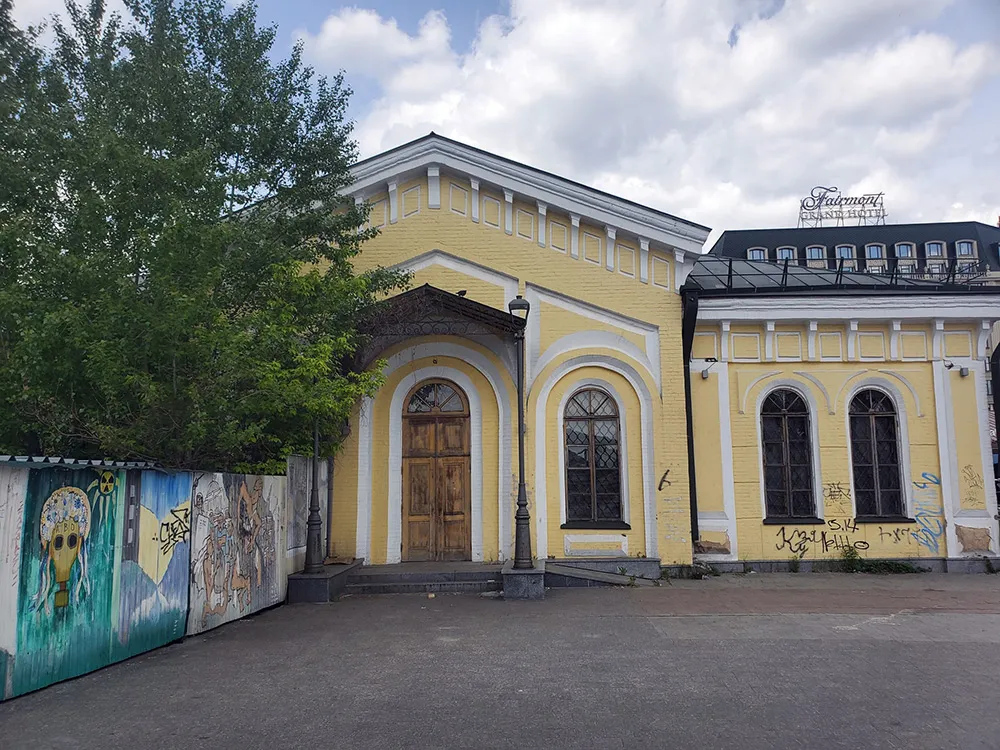
As the Reserve’s staff told “Ukraine Incognita” at the time: “Today we entered the grounds of the Post Station (2 Poshtova Square), which we have to prepare for further restoration work. Unauthorized people were found on the territory of the building, which is officially on the balance sheet of the KNMTs. They introduced themselves as Olha Rutkovska and Vitalii Biletskyi, the guardians, by their own account, of the Post Station. They refused to leave the station’s grounds, explaining their presence by some documents that they had forgotten. In the photos you can see the results of their ‘guardianship’: lots of rubbish, strangers’ padlocks on all the doors and gates, for which we have no keys… A terrible mess all around. In some time we plan to hold a volunteer clean-up on the grounds that anyone who wishes can attend”.
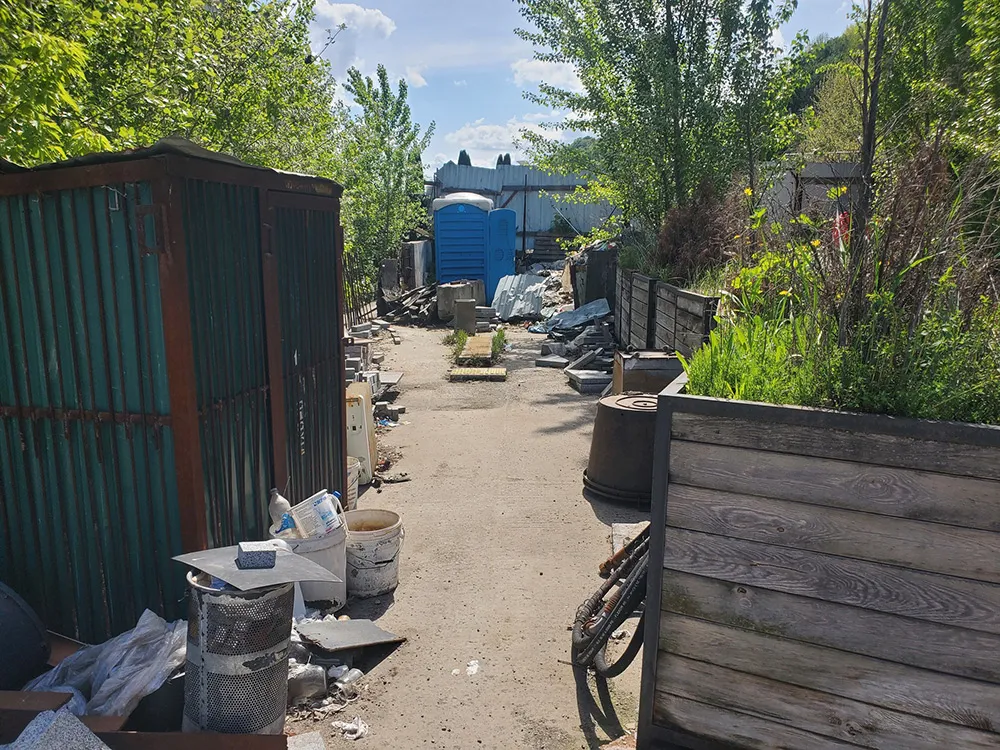
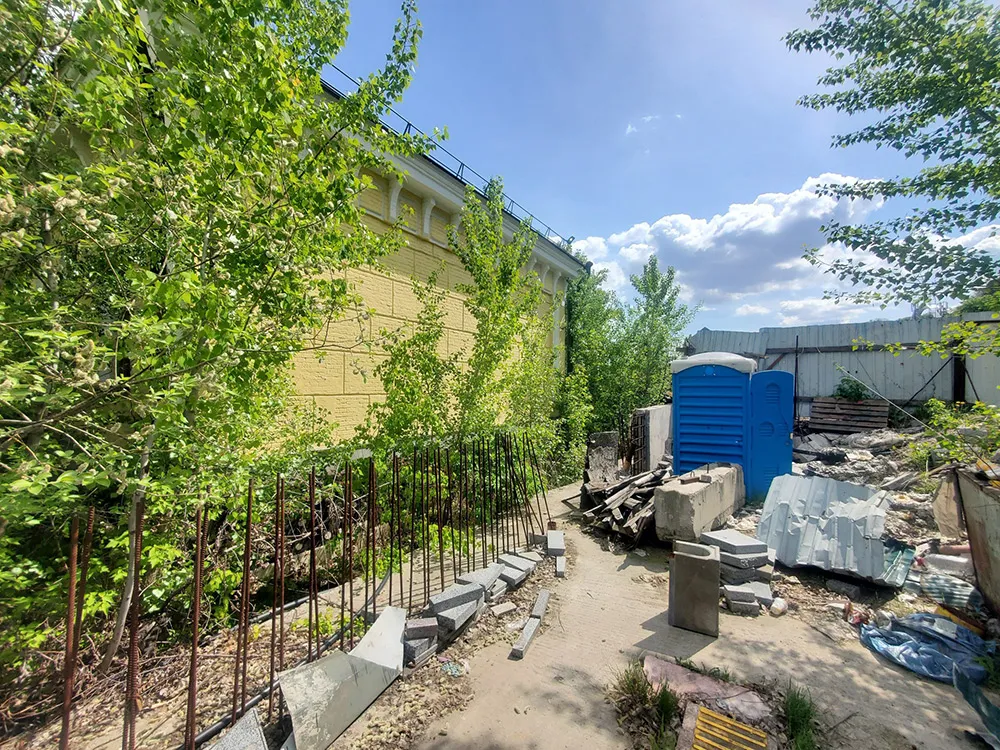
The date and time of the clean-up have now been set. It will begin on 10 May at 12:00. The aim is to clear the area around the Post Station (an architectural monument of national significance) of thickets and rubbish. After the clean-up, all participants will have the happy chance to go on a tour of the archaeological site known as the Underground Museum on Poshtova Square. This informative, interesting and unique attraction is not yet open to ordinary visitors. So the bonus for those who care about preserving the city’s historical heritage will be quite “tasty”.
The event is held on the initiative and with the support of the State Historical and Archaeological Reserve Ancient Kyiv, the KNMTs, the Museum on Poshtova Square, Gurtum Charity Foundation, the Department for the Protection of Cultural Heritage of the KMDA, the Department of Territorial Control of the City of Kyiv and the NGO “Ukraine Incognita”.
Historical background from “Fascinating Kyiv”
In 1851, in connection with the construction of the Chain Bridge and the Naberezhne Highway, Emperor Nicholas I ordered a post and stagecoach station to be created at the point where the Naberezhne Highway joins Podil. At that time it was an empty plot next to the cemetery of the Church of the Nativity of Christ, used for the temporary storage of various goods.
The design of a “2nd-class station building” (it differed from the 1st class by the absence of special apartments for members of the imperial family) was prepared in St Petersburg by staff of the Main Directorate of Transport and Public Buildings. It was approved by the emperor in July 1852. The plan was to build a complex consisting of three single-storey brick structures (the station building proper and two small service wings on either side of it), as well as wooden stables at the rear.
The architecture of the brick buildings was decided to be in the Neoclassical style. Construction began in 1853, but it was suspended because of the outbreak of the Eastern (Crimean) War of 1853–1856. Subsequent changes to the design required considerable effort to re-plan the square. A certain revival of work during 1855–1858, when the station building was erected as a whole, was interrupted because the question of how to use one of the wings, for the local transport administration or for a hotel, had not been resolved.
In 1862 the engineer M. Benzemann prepared a new design for the post yard, according to which the wings were to be two-storeyed. The left one was meant for the office, the right one for station services. This design also provided for a change in the architectural appearance of the half-built station building: its round-arched windows were turned into rectangular ones, and the triangular gable was replaced by a pediment with an image of a double-headed eagle in its tympanum. In 1865, under Benzemann’s supervision, the construction of the station building was completed and a postal stagecoach office was opened in it.
The right service wing was made single-storey; the site of the left one was sold into private ownership for lack of funds. In 1870–72 a two-storey house was built to a design by the architect O. Schiele (not preserved), part of whose premises was rented by the board of the Tenth District of Transport. Behind the station building stood wooden stables. In 1909 they were destroyed by fire, and the following year a large two-storey building on a raised half-basement was erected in their place for various services, stables, garages for motor coaches and workshops (architect V. Bezsmertnyi; not preserved). The post and stagecoach service operated until 1919.


