Bila Tserkva. St. Nicholas Church
In 1704 Hetman Ivan Mazepa settled in the Bila Tserkva castle. He dreamed of turning Bila Tserkva into the capital of a new, united Ukrainian Cossack state. It was here that the hetman kept his enormous wealth. According to some sources, the hetman’s treasury was later found in the Bila Tserkva castle. As one of the richest people in Europe, Ivan Mazepa invested a significant part of his income in the construction of religious buildings. Throughout Ukraine he built and restored, at his own expense, a number of churches in the Ukrainian (Cossack) Baroque style.
It is therefore natural that in his homeland Ivan Mazepa began construction of a large three-altar church on the site of a destroyed church. History has not preserved the architect’s name, but it is known that, according to the original plan, it was to be a grandiose building worthy of a hetman’s capital: 27 m by 19 m in area and 50 m high. The foundation of the new church was laid on 25 August 1706. This date is recorded on a metal plate found during excavations of the foundation of the north wall in 1842. It was kept in a cross-shaped recess in a large piece of limestone laid in the foundation when the church was founded. The inscription on it reads: “In the name of the Father and the Son and the Holy Spirit this church was founded in honour and memory of Saint Nicholas the Wonderworker of Christ, under the rule of the Great Sovereign Tsar and Grand Prince Peter Alekseyevich and the noble Ioann Stepanovich Mazepa, hetman of His Tsarist Majesty’s army, and the noble servant of God Kostiantyn Mokiievskyi …”. During the hetman’s lifetime only part of the church was built: the southern part, called the Mykolaiv (Nicholas) church.
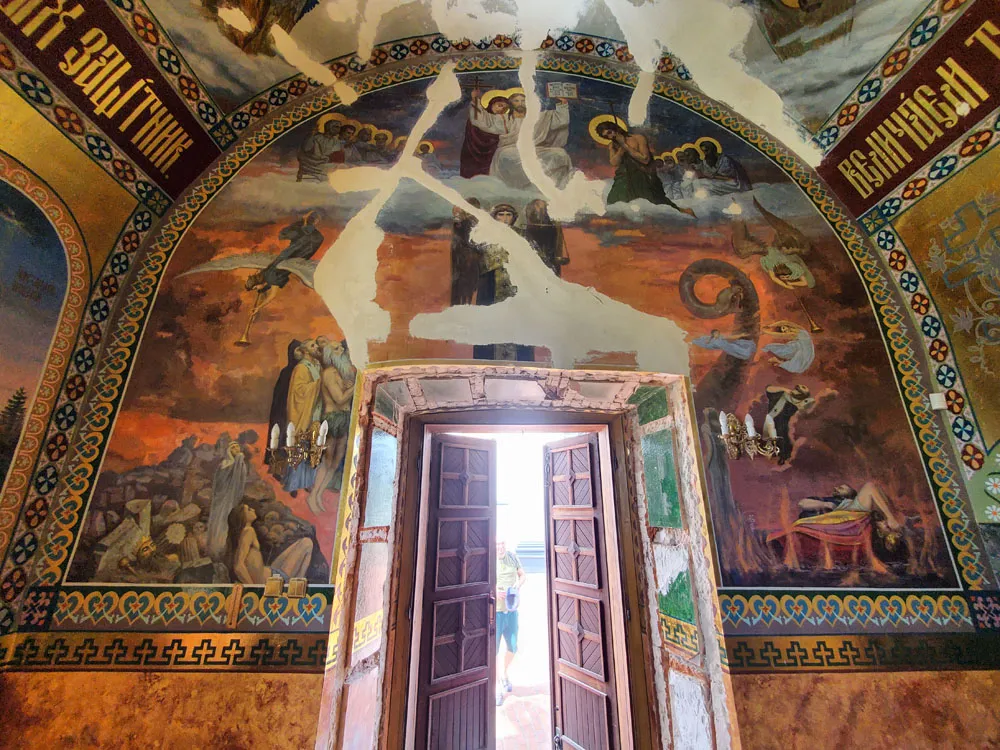
The St. Nicholas Church housed historical and ecclesiastical relics: a piece of the “life-giving tree” of the Cross of the Lord set in a small golden cross, and rare early printed books, a “Gospel” in a golden binding (1634–1636, Lviv) and a “Gospel” (1657, Moscow Print Yard). One of many legends says that the church long preserved a jewel that Tymish Khmelnytskyi gave as a wedding gift to his bride Roxanda Lupu (the “Roxanda pendant”). The church walls were adorned with paintings of the Cossack era. The artistic pearl of the church was a tall, three-tiered carved wooden iconostasis in the Byzantine style with icons of Christ and the Mother of God, as well as the church’s patronal icon of Saint Nicholas, images of the Trinity, saints and Christian feasts.
Some of the icons were rarities; they had been inherited from the previous wooden church.
But Ivan Mazepa’s plans were not destined to be fulfilled. Subsequent historical events, the Battle of Poltava (1709) and the Treaty of the Pruth (1711), prevented the completion of the church. On Peter I’s orders the icons were taken away; their subsequent fate is still unknown, as is that of the precious liturgical objects and treasures kept in the church.
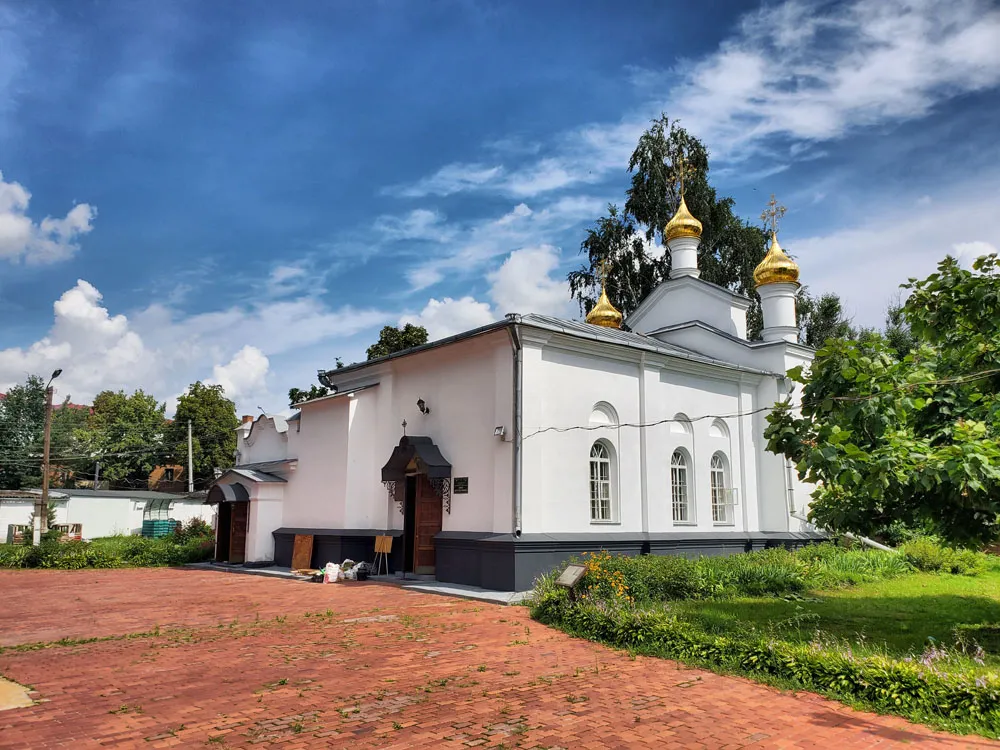
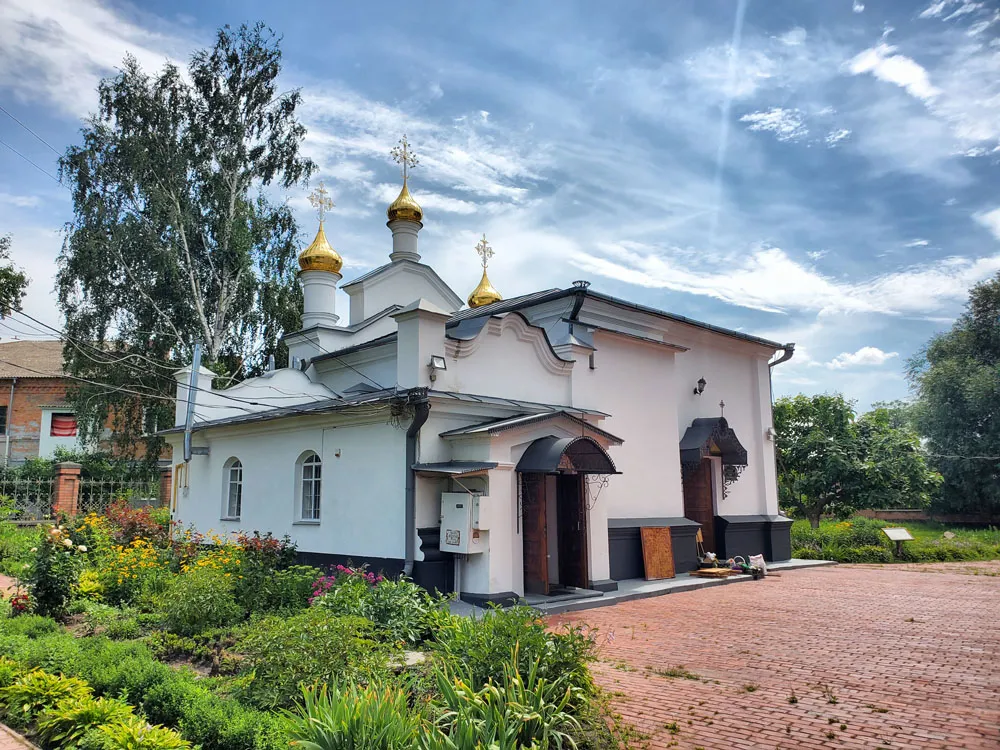
In relations between the Russian Empire and the Polish–Lithuanian Commonwealth the Ukrainian card was played to the benefit of both states. As a result of the agreements signed, Right-Bank Ukraine, including Bila Tserkva with its surrounding lands, passed under the jurisdiction of the Commonwealth. Having received the Right Bank at its full disposal, the Polish authorities began to impose Catholicism and persecute Orthodox believers. The surviving St. Nicholas Church became, for almost 150 years, the only Orthodox church in the city. Part of the unfinished northern side was dismantled. Until 1839 there was a cemetery near the church.
In 1799 the St. Nicholas Church again suffered from a fire. But it was restored through the efforts of the faithful.
At the beginning of the 19th century Bila Tserkva belonged to Ksawery Branicki. His wife Aleksandra decided to build a large cathedral in the city. The site for construction was chosen not by chance. On the ground consecrated back in the time of Ivan Mazepa, next to the St. Nicholas Church, the Transfiguration Cathedral was built in 1833–1839 and a bell tower was erected.
After the cathedral was consecrated in 1839, services in the St. Nicholas Church ceased and the church itself fell into decline.
Believers who cared about the fate of the St. Nicholas Church, in particular Petro Havrylovych Lebedyntsev (a priest of the Transfiguration Cathedral and a teacher at the Bila Tserkva gymnasium), initiated its renewal and restoration in 1852. After that it acquired its present appearance. Restoration work was carried out inside, and the walls were decorated with monumental painting (history has not preserved the artist’s name).
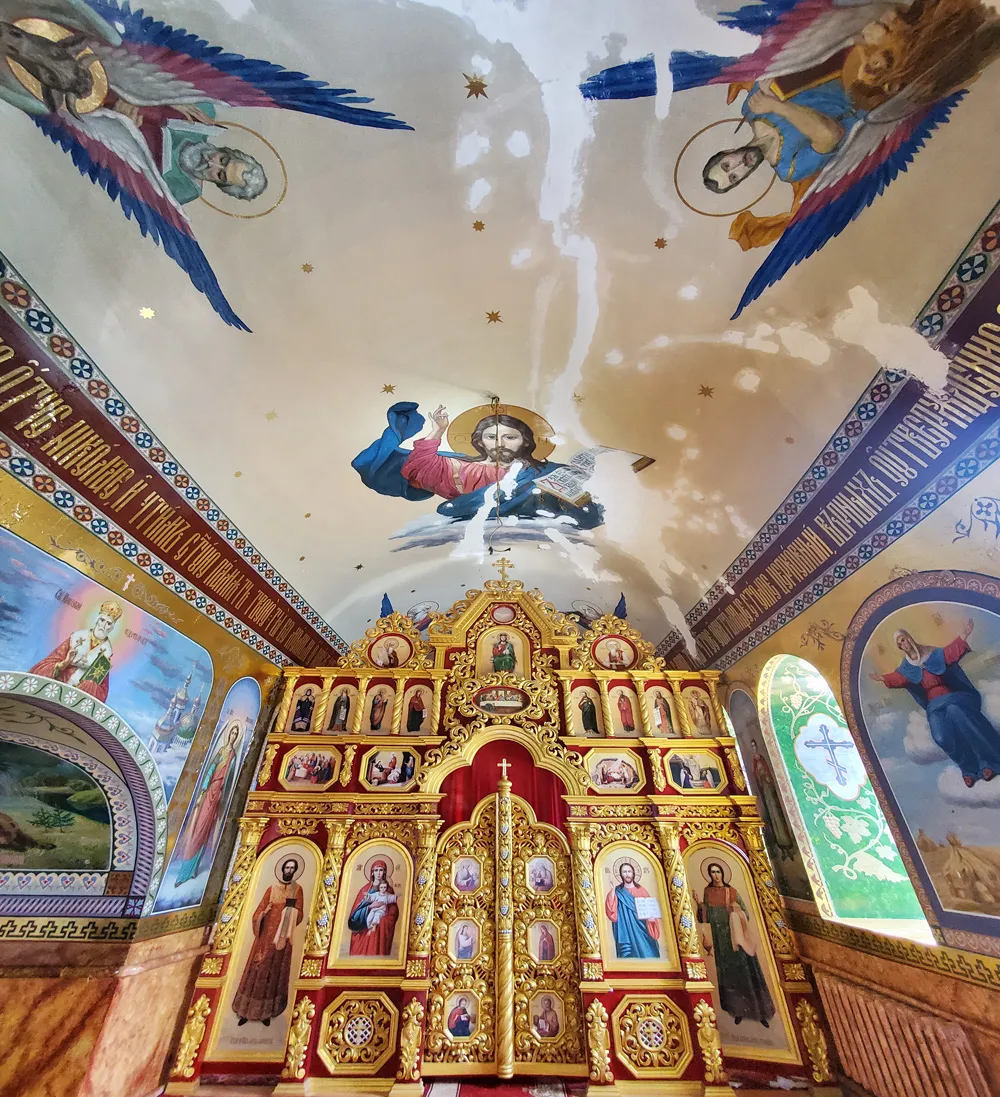
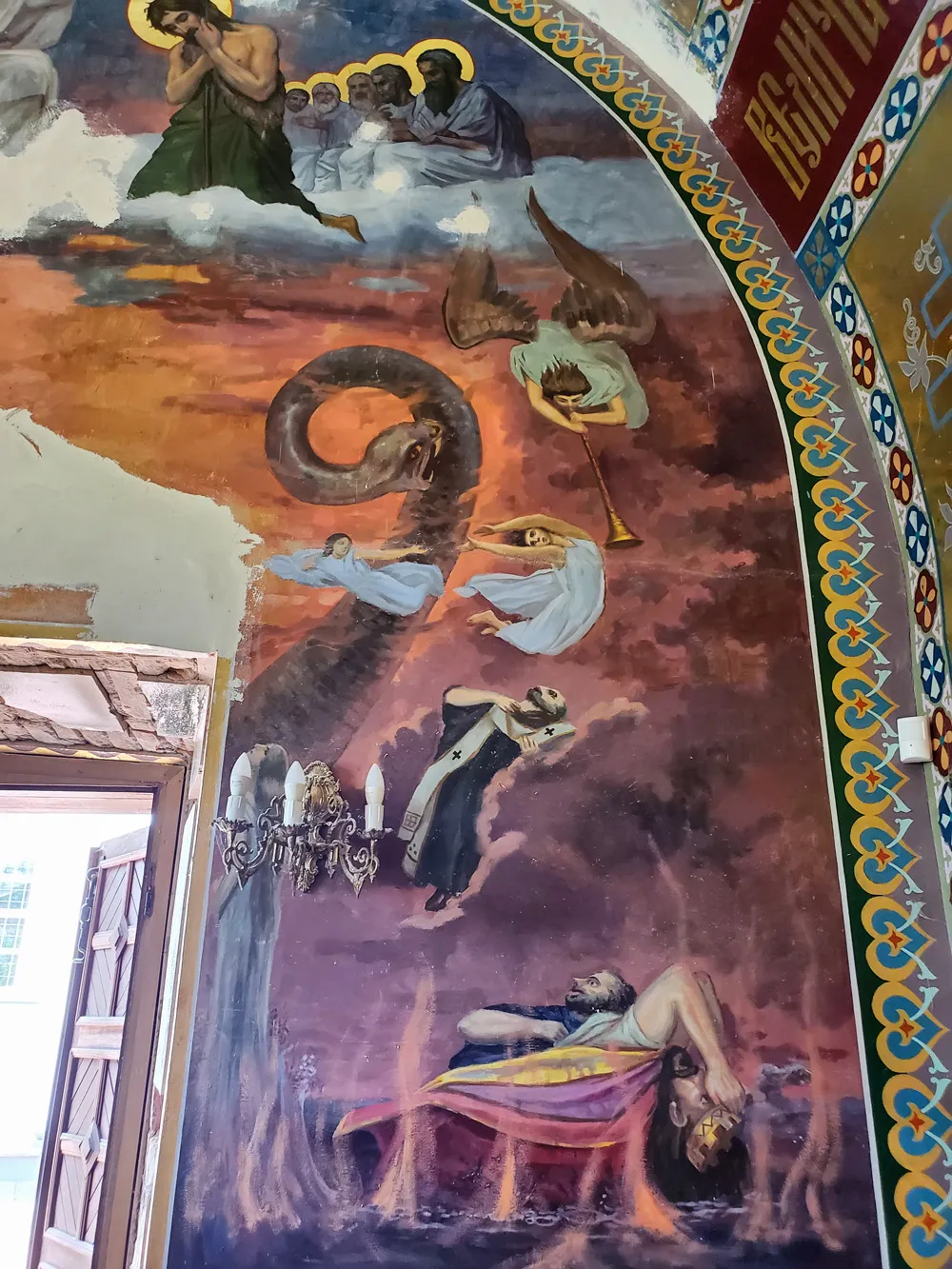
In 1902 M. Sharaievskyi, a teacher and priest at the Bila Tserkva gymnasium, made a description of the interiors of the St. Nicholas Church. In his work he notes that the church had two old three-tiered incomplete iconostases dating from the first quarter of the 18th century, an exact copy of the icons of the main iconostasis of St. Sophia Cathedral in Kyiv.
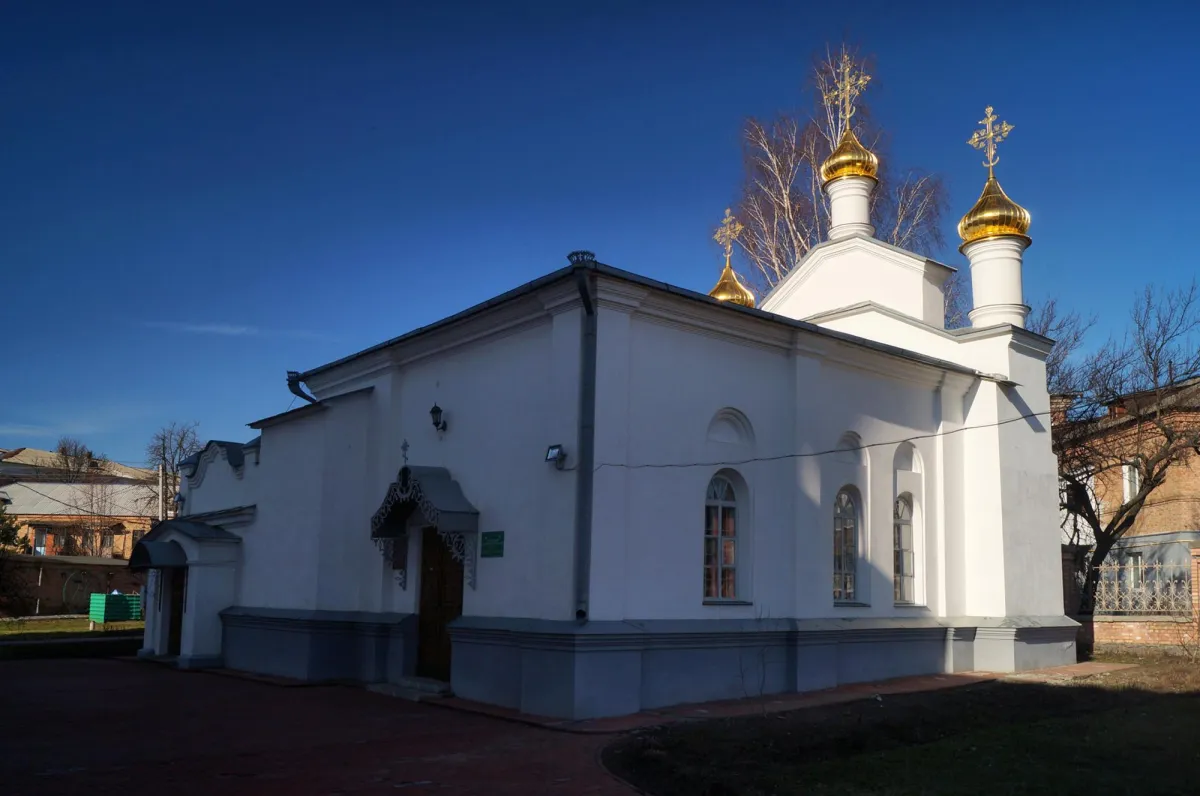
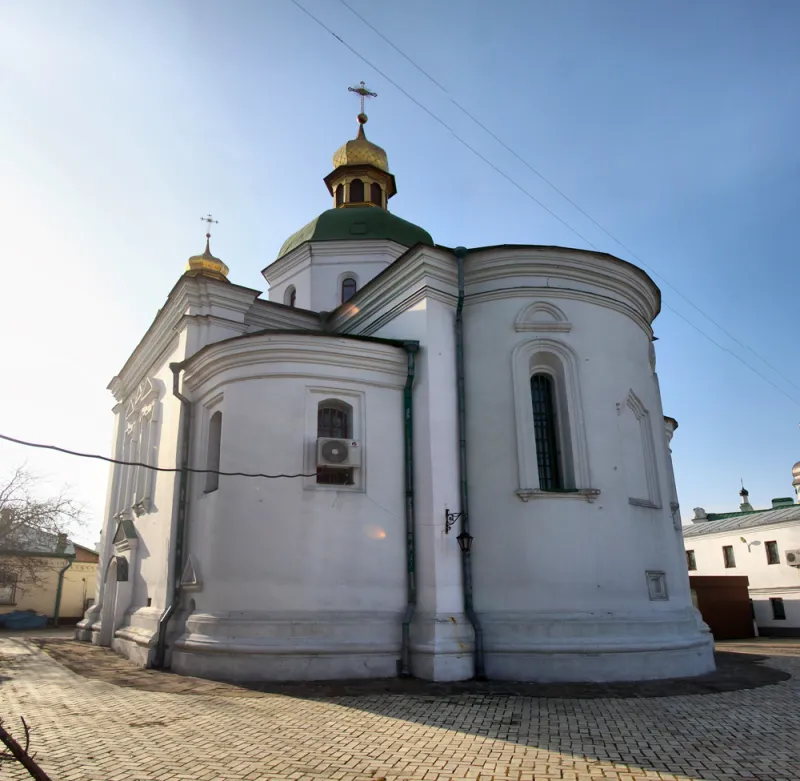
In the mid-20th century the church building underwent a major overhaul. It is rectangular in plan (14.6 × 14.8 m), 11.7 m high, and divided into two spaces: the sanctuary and the southern part. The northern part is absent, which makes the building asymmetrical. Each of the spaces has a separate entrance. The eastern façade, with a raised central section, is crowned by three small domes. Under the central vault, images of the faces of saints have survived in niches (among them an image of St. Nicholas).
In the late 1960s the St. Nicholas Church received the status of an architectural monument of national significance. From the early 1990s it was part of a monastery of the Moscow Patriarchate, and for some time there was even a warehouse here. In 2023 the church, together with the Transfiguration Cathedral, passed into the care of the OCU.
Text: Alatyr historical and patriotic club, photos by Roman Malenkov.