

Pereiaslav. Churches and monasteries

· 6 min read
St. Michael’s Monastery (church and bell tower)
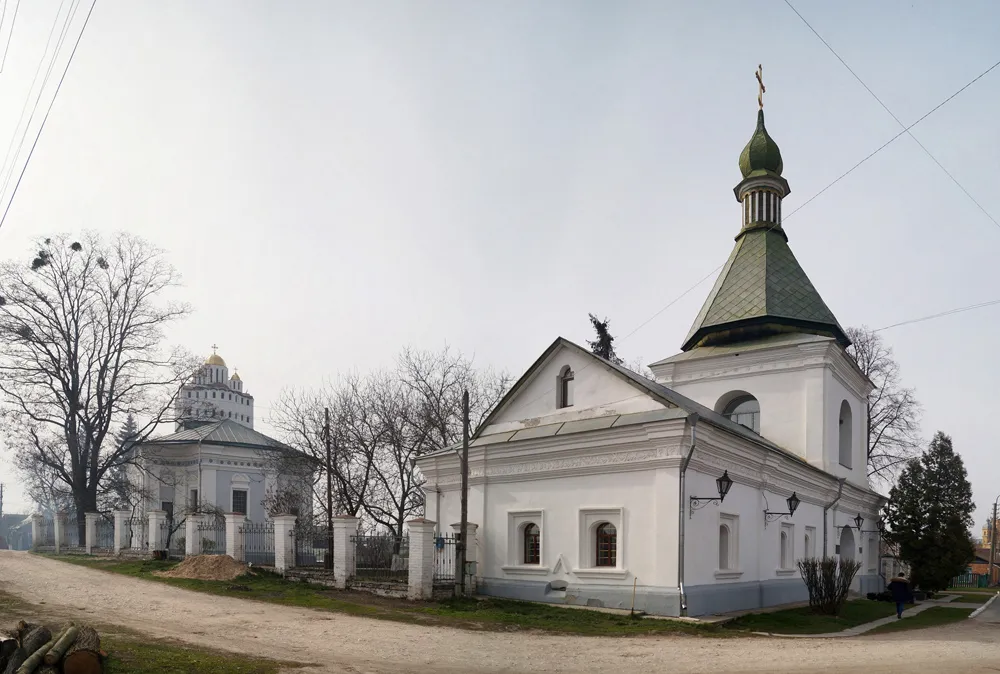
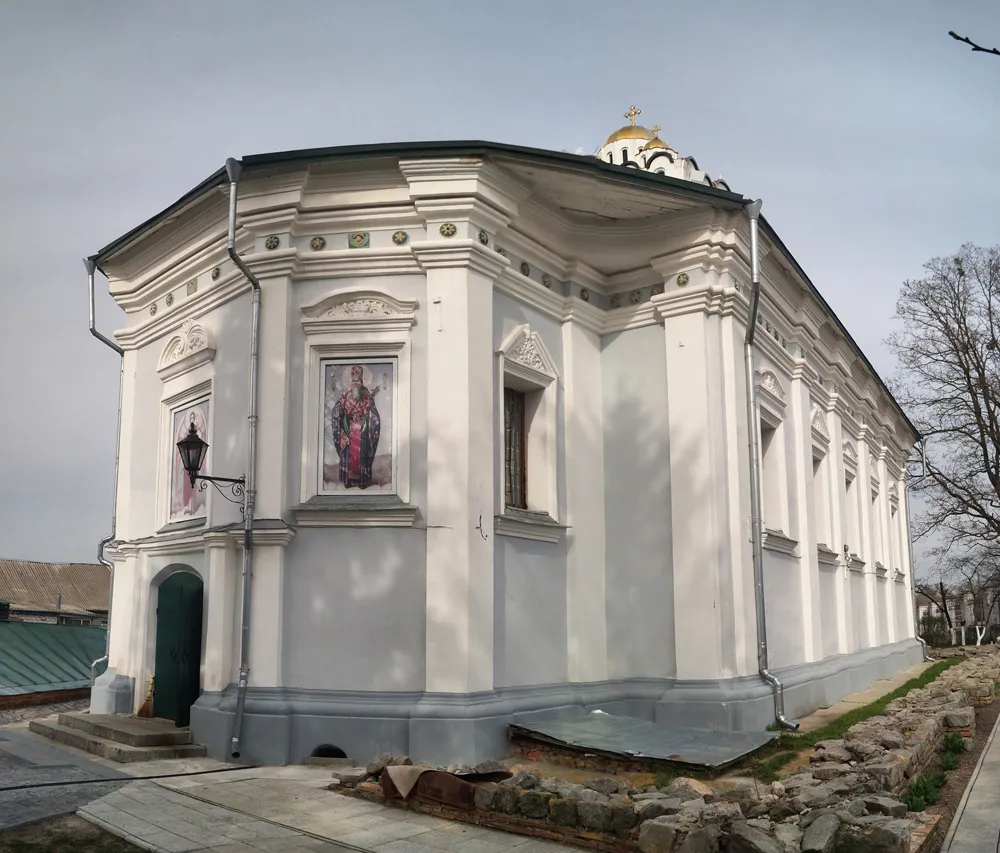
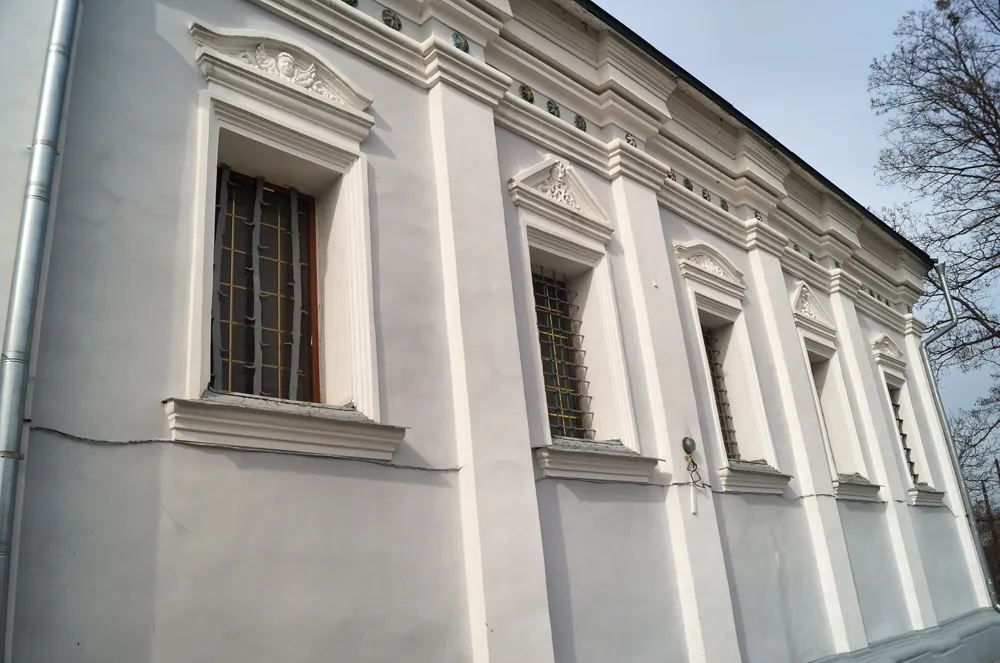
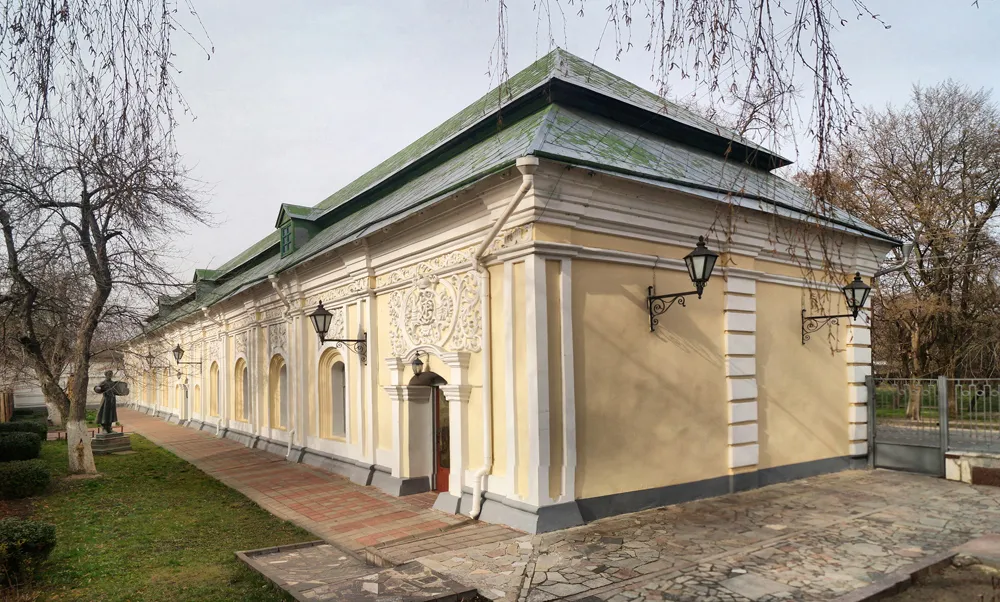
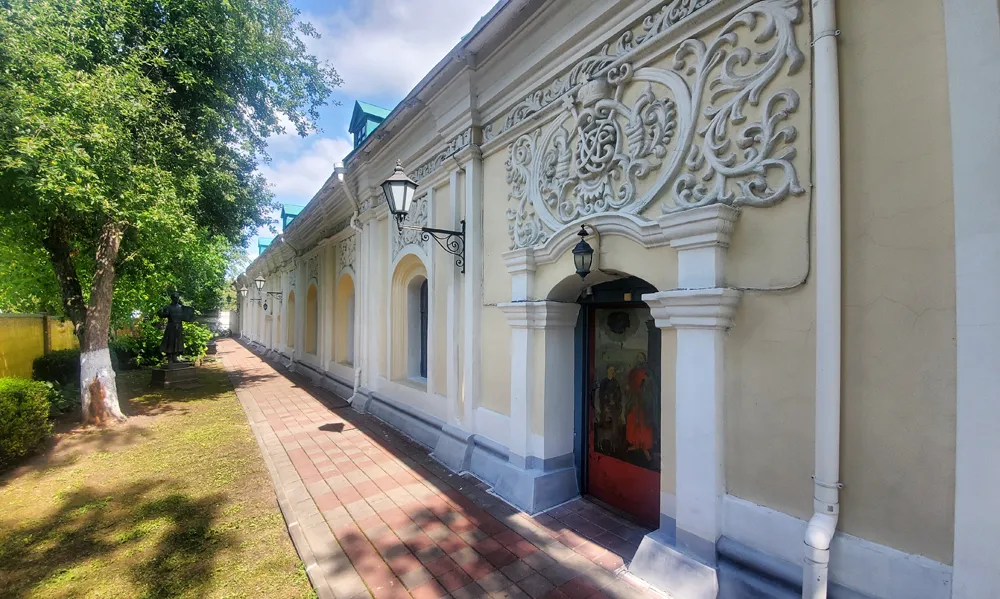
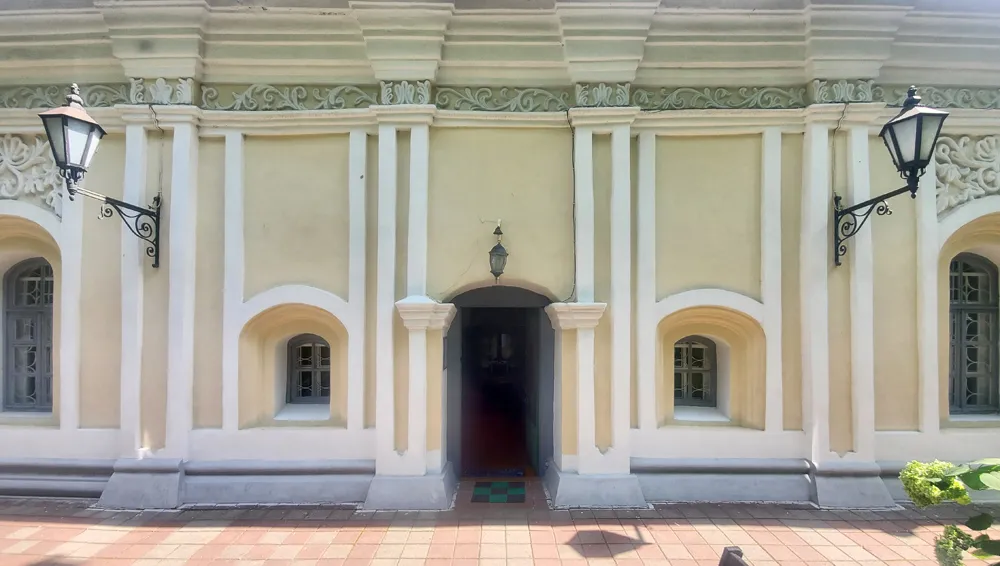
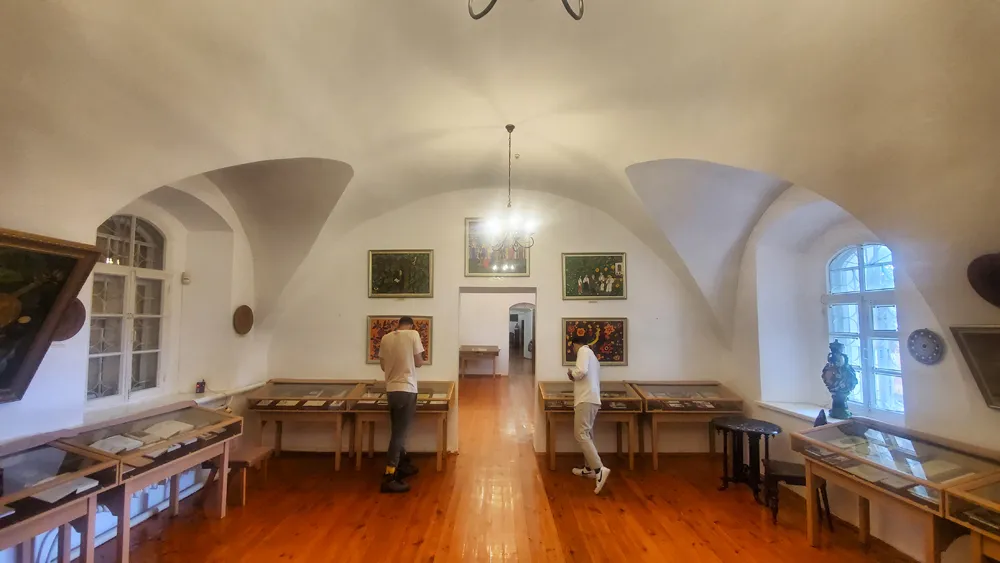
The oldest building in Pereiaslav is St. Michael’s Church. It stands not far from Pereiaslav Council Square (34 Moskovska Street). The church was founded in 1646, and a significant part of the funds for its construction was provided by Colonel Fedir Loboda. The church was restored and renovated in 1719, and again after a fire in 1734. At the beginning of the 19th century the stone vault collapsed. It was never rebuilt and was replaced with a wooden roof in 1823. It was then that St. Michael’s Church came to resemble a large decorated house, with facades adorned with pilasters and coloured glazed rosettes, cherubs’ heads and relief ornamental inscriptions. During the Second World War the church was badly damaged. It was restored in 1951–53 following a drawing by Taras Shevchenko. Today the church building houses the exhibitions of the Museum of Folk Costume.
St. Michael’s Church was built over the foundation of the large five-domed St. Michael’s Cathedral, which stood in the centre of the detinets. This structure, dated to the second half of the 11th century, is repeatedly mentioned in the chronicles as one of the most magnificent churches of Kyivan Rus. The princes of Pereiaslav were buried in it. The foundation and remains of the walls of the cathedral, destroyed by the Tatar-Mongols, were excavated in 1949–53. In 1982 a pavilion was built over the north-western part of the foundation, housing the Museum of the Architecture of Pereiaslav in the Kyivan Rus Period.
In the 17th century St. Michael’s Church was the main church of the monastery of the same name. Next to the church a bell tower was built, which also served as a gate tower, along with a refectory and monks’ cells. According to the register of immovable monuments of Ukraine, the bell tower was built in 1666, but many researchers claim that this happened in 1745.
Dormition Cathedral
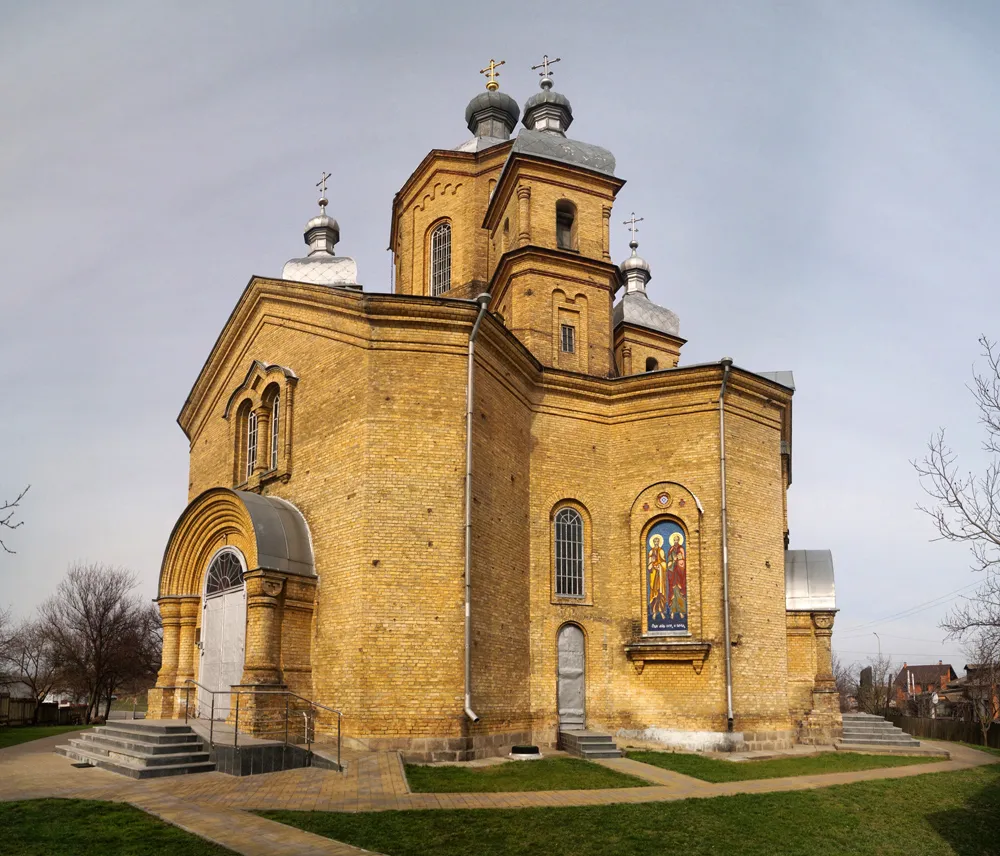
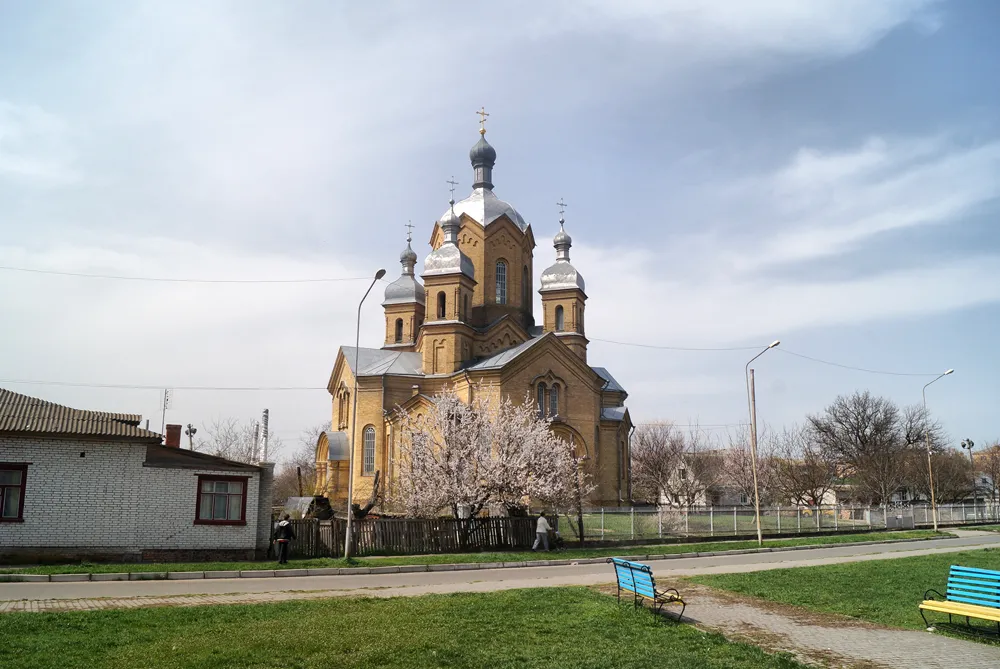
Not far from St. Michael’s Monastery rises the large five-domed Dormition Cathedral, the successor of the legendary cathedral near which the Cossacks swore allegiance to the Muscovite tsar. That church, built in 1596 by Kostiantyn Ostrozkyi, burned down in 1655. In 1760 a large wooden church with nine Byzantine domes was built on its site. But in 1825 it was so remodelled that, in Shevchenko’s words, “it is impossible to look at it, let alone to draw it.”
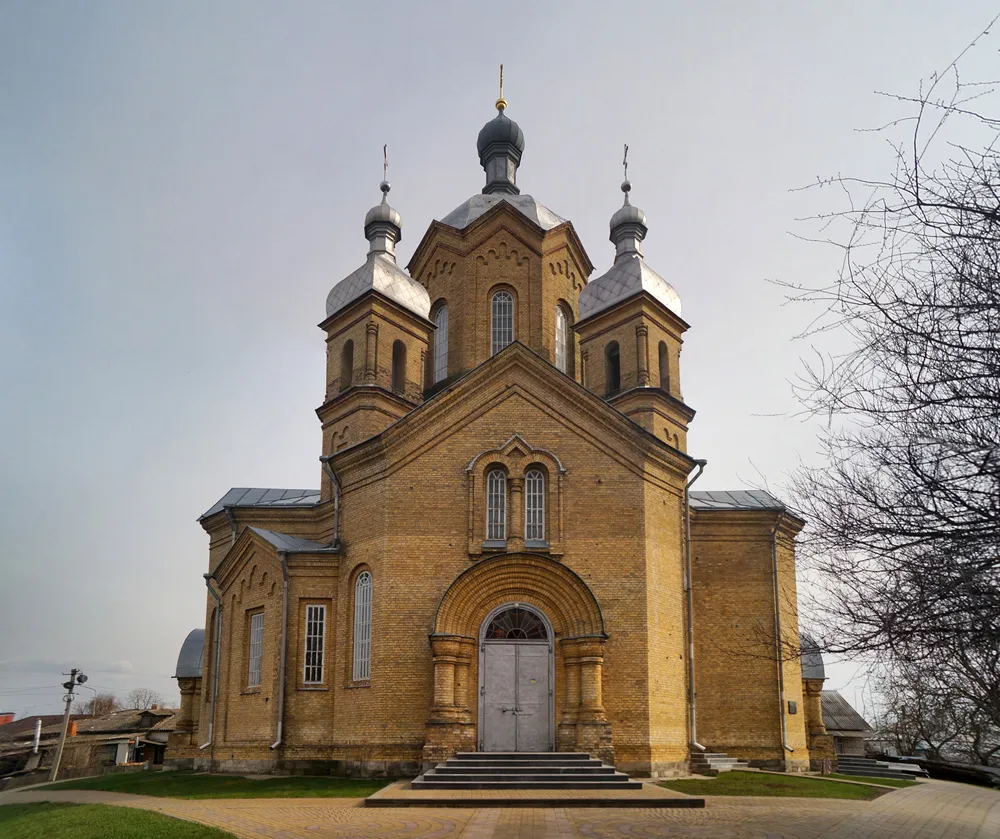
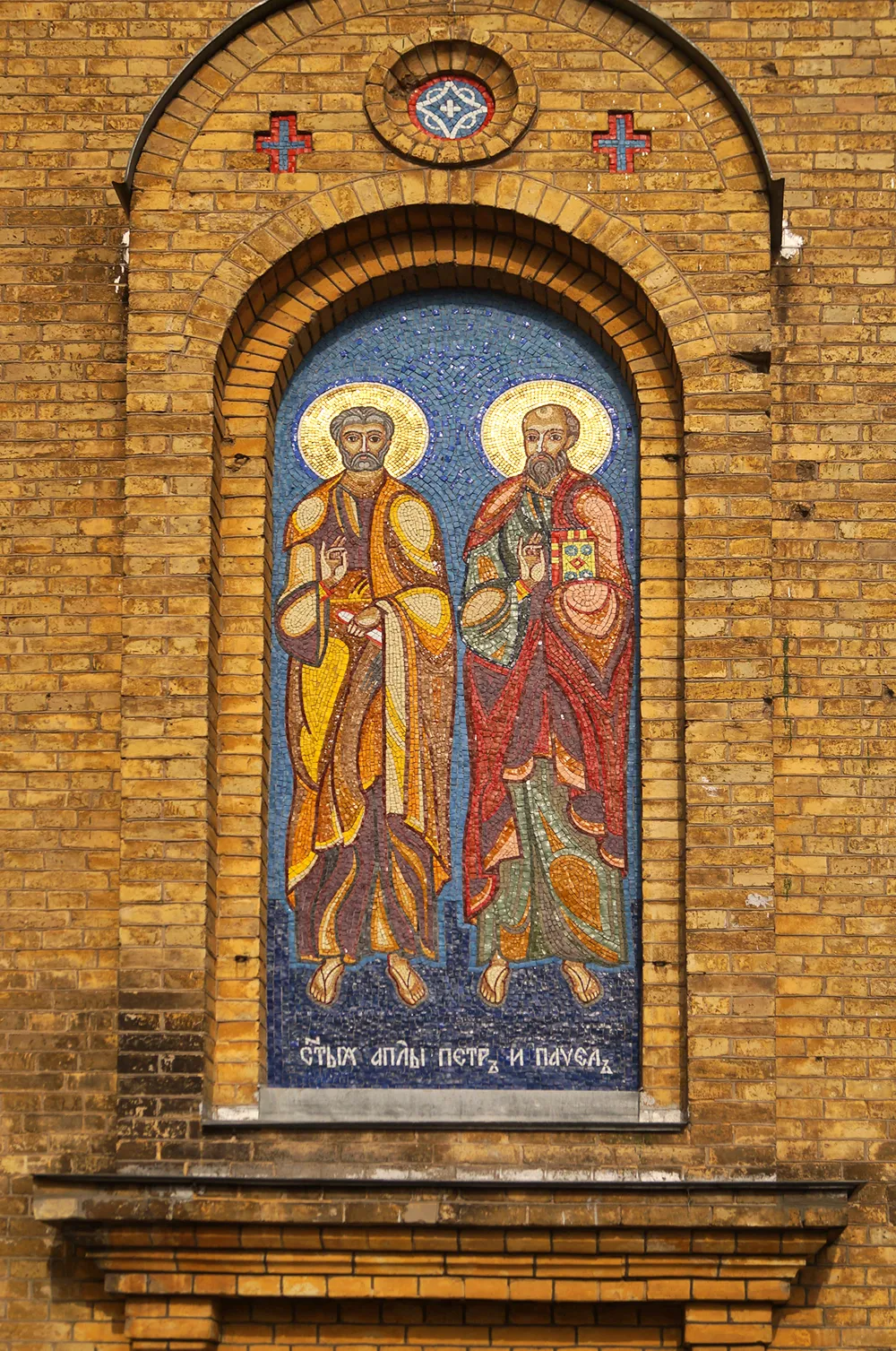
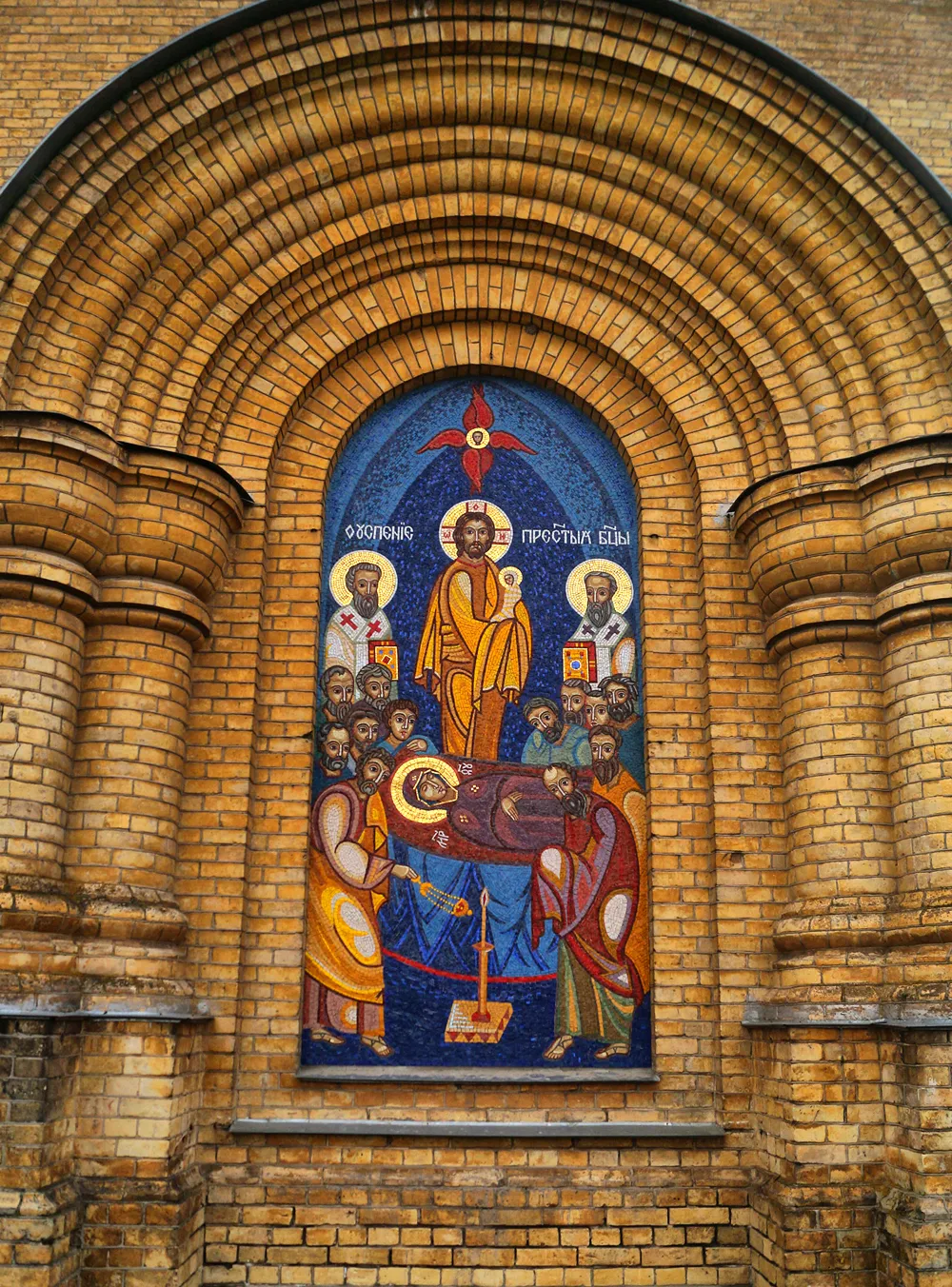
The present Dormition Cathedral was built in 1896 in the then popular “brick” style. The facades of the cathedral combine motifs of the varied decor of Romanesque, Gothic and Byzantine buildings. Using shaped brickwork, the builders created fanciful ornaments.
Ascension Monastery and Collegium
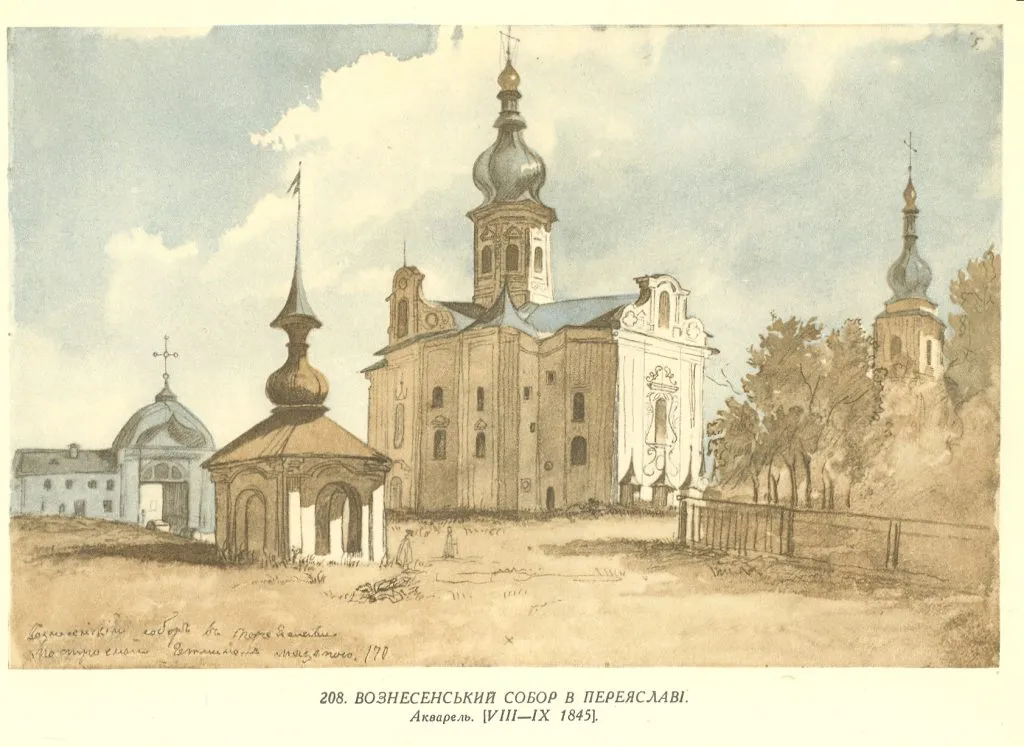
Next to Khmelnytskyi Square, on Skovoroda Street, stands the Ascension Monastery. The monastery ensemble began to take shape in 1695–1700, together with the construction of the majestic Ascension Cathedral. “It is a cathedral church of beautiful, graceful, half-rococo, half-Byzantine architecture, erected by the famously anathematized Ivan Mazepa…” – this is how Taras Shevchenko wrote about the cathedral. Today the church, which houses the Battle of the Dnipro Diorama Museum, is under restoration.
In 1738 a wooden building for a higher school – the collegium – was built on the monastery grounds. But ten years later that building, like the other wooden structures of the monastery, burned down. A new brick one was erected in its place in 1753–57.
The Pereiaslav Collegium (52 Skovoroda Street) is known for the fact that Professor of Poetics Hryhorii Skovoroda taught there. Here the outstanding philosopher wrote a great many of his works (including “The Garden of Divine Songs”). At the end of the 18th century the collegium was turned into a theological seminary. Today the premises of the former collegium house the Hryhorii Savovych Skovoroda Museum.
The bell tower, which is perhaps the main adornment of the monastery ensemble, was built in 1770–76. It is considered an outstanding example of Ukrainian Baroque and dominates the entire central part of Pereiaslav. In 1782 a small St. Barbara’s Church was added to the bell tower, but this structure was destroyed in 1941–45.
The monastery ensemble also includes the building of the former dormitory of the theological school (52 Skovoroda Street), which now houses a primary school and the city gymnasium. It was built in 1877 and used for its intended purpose until 1917. From the first years of Soviet rule until 1941 it housed an orphanage, during the Nazi occupation a commandant’s office, and from 1958 to 1996 a building of the teacher-training college. Over all these years the building changed greatly – after the bombings of 1941–43 an entire wing had to be rebuilt, and the lavish decorative finish was lost altogether.
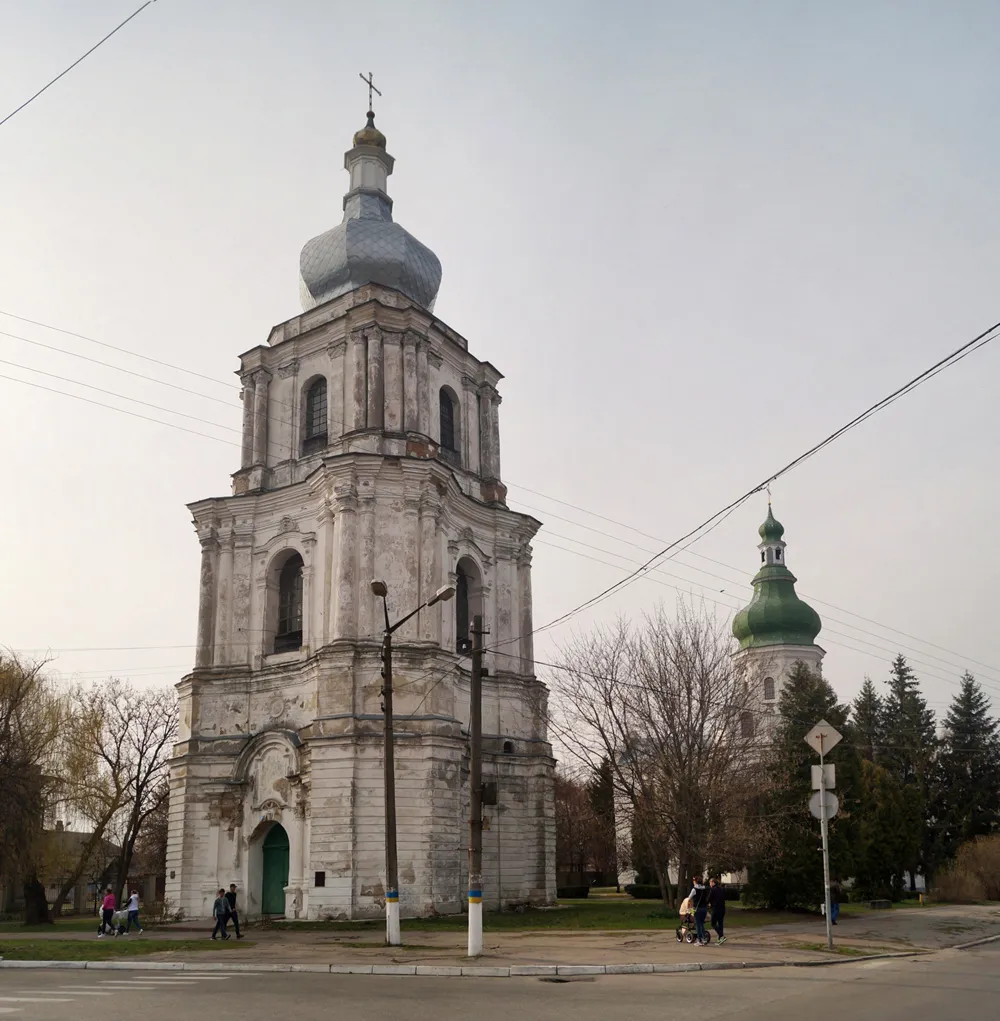
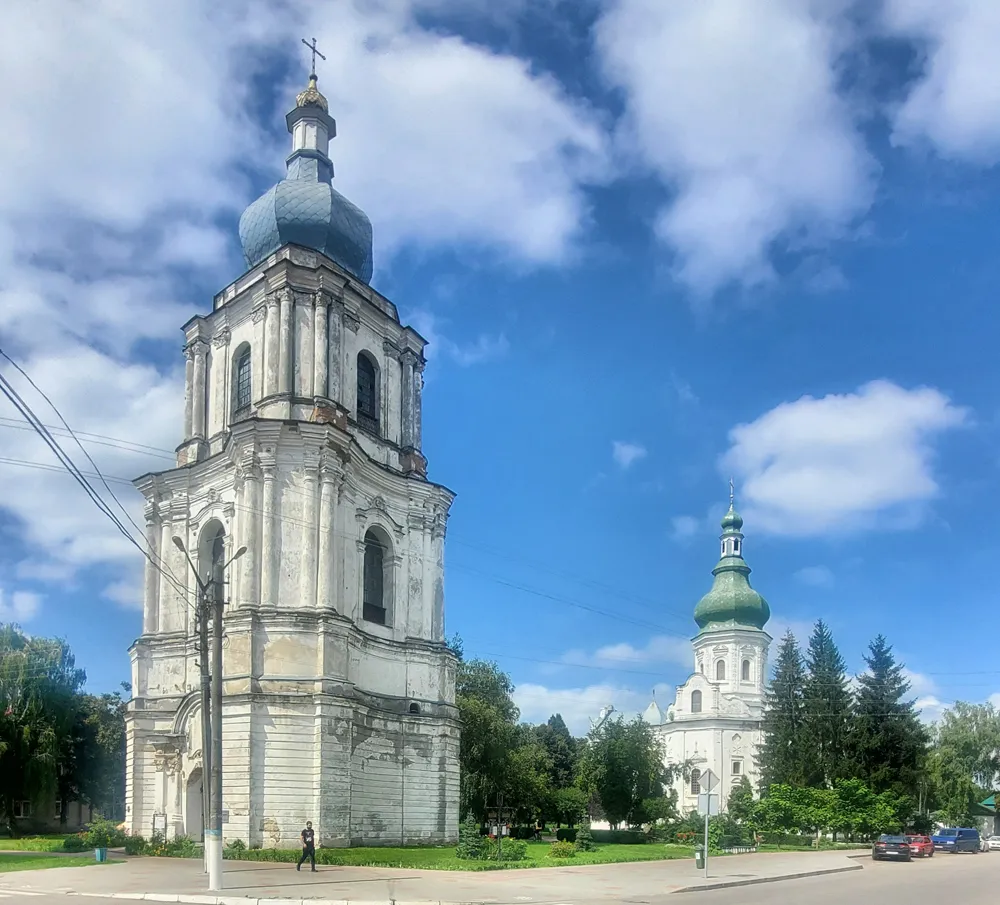
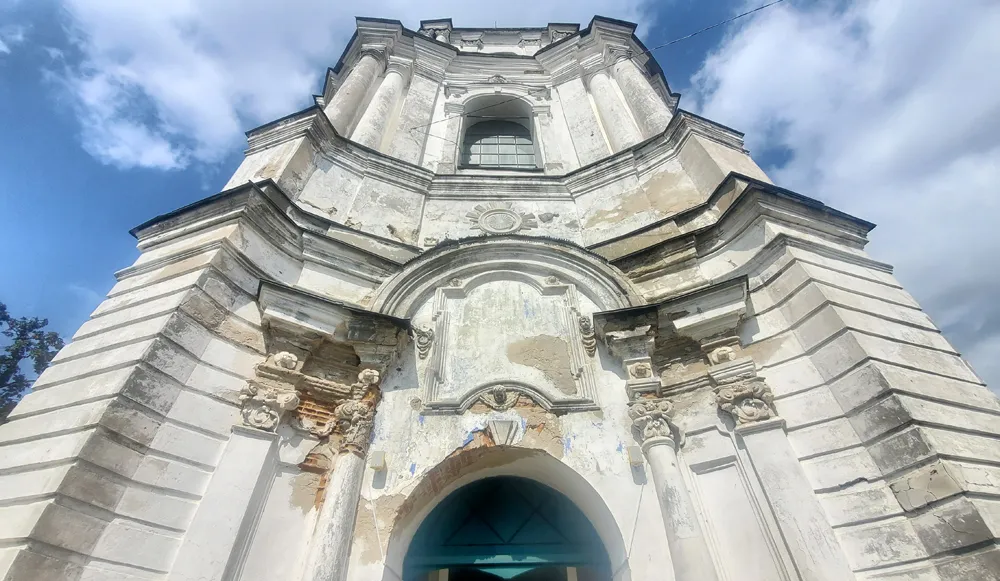
The bell tower
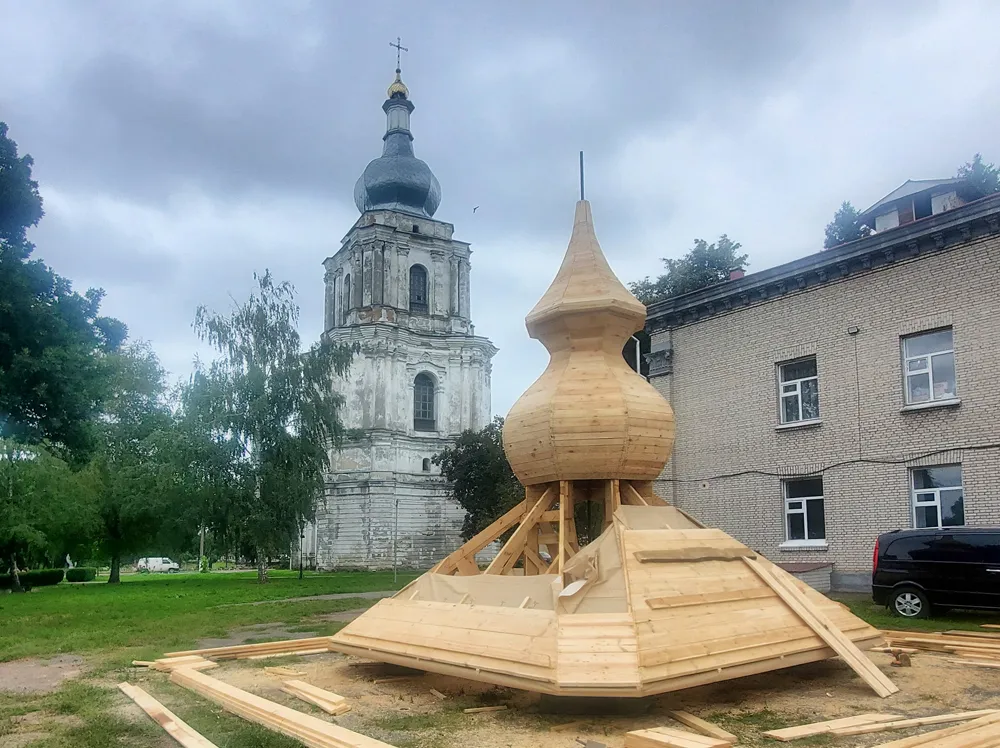
Reconstruction of the top of the chapel (following a drawing by Taras Shevchenko)
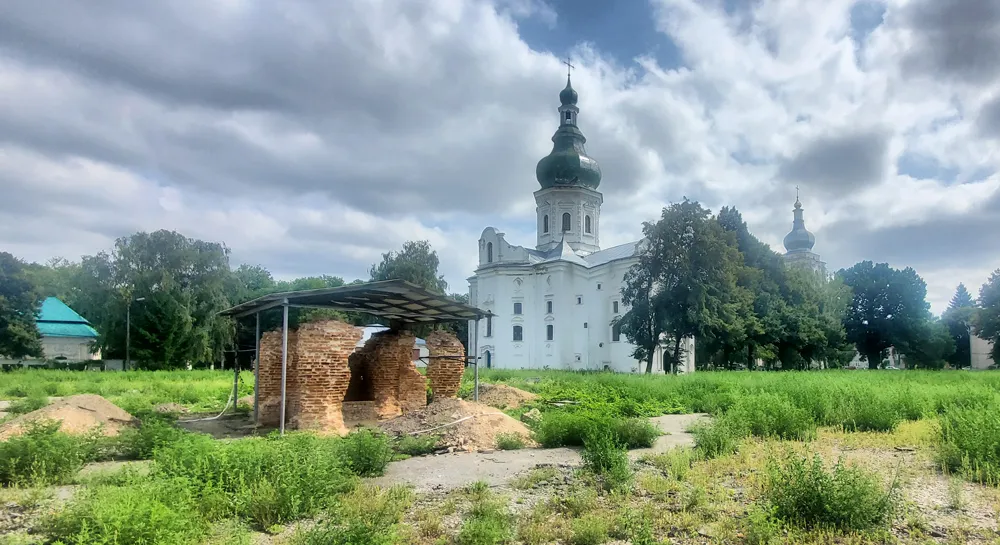
Ruins of the chapel
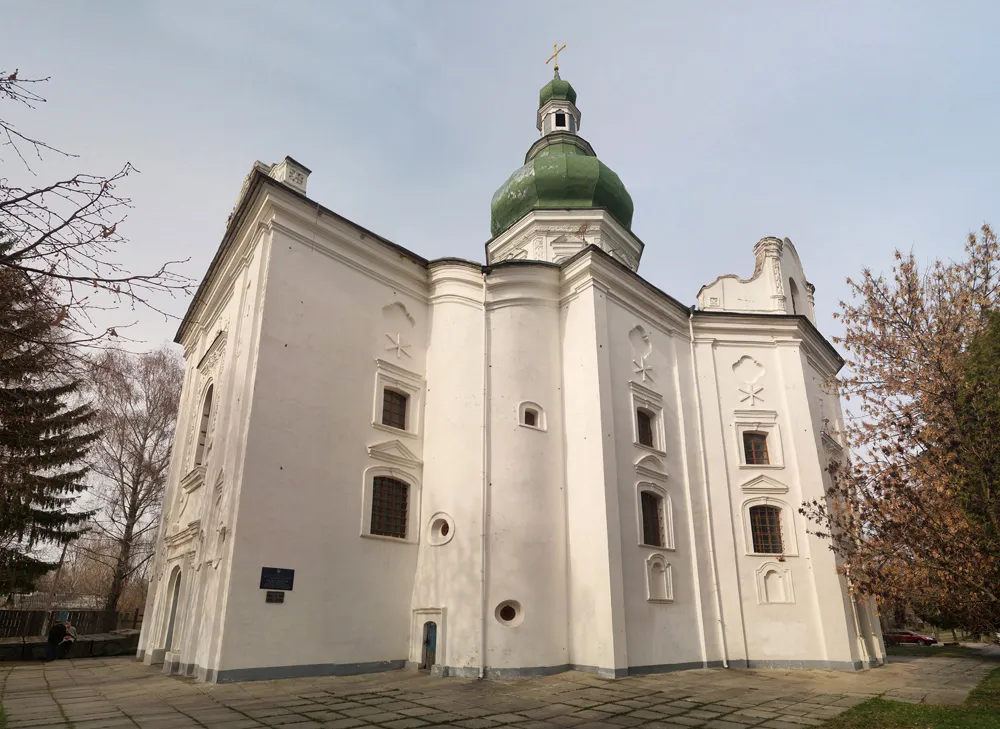
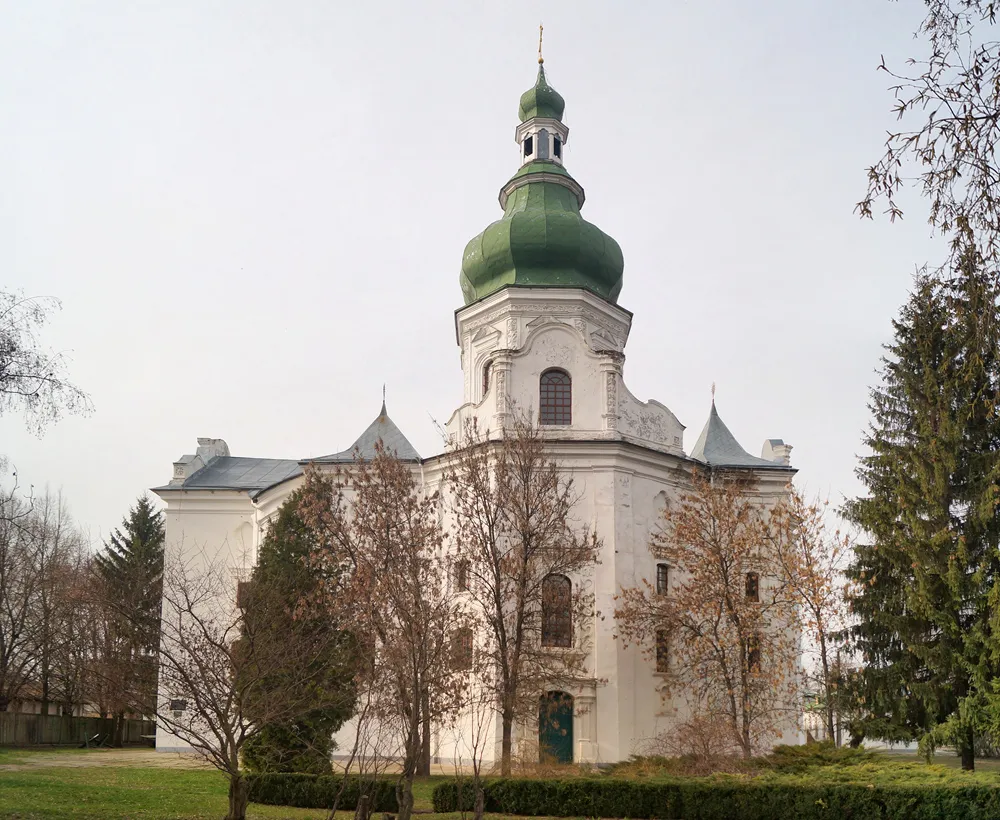
Ascension Cathedral
The Pereiaslav Collegium
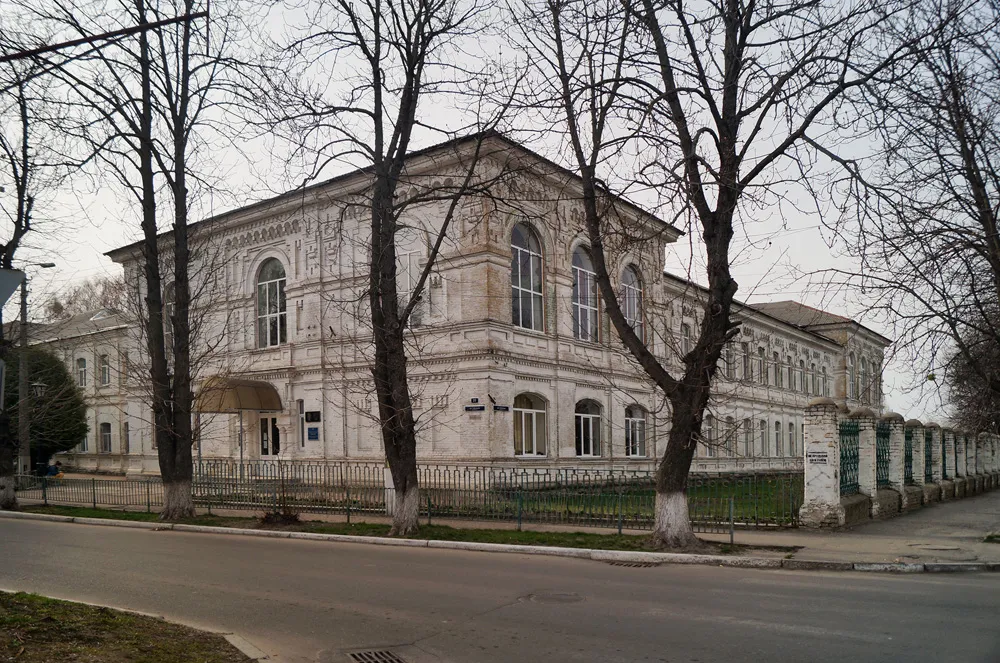
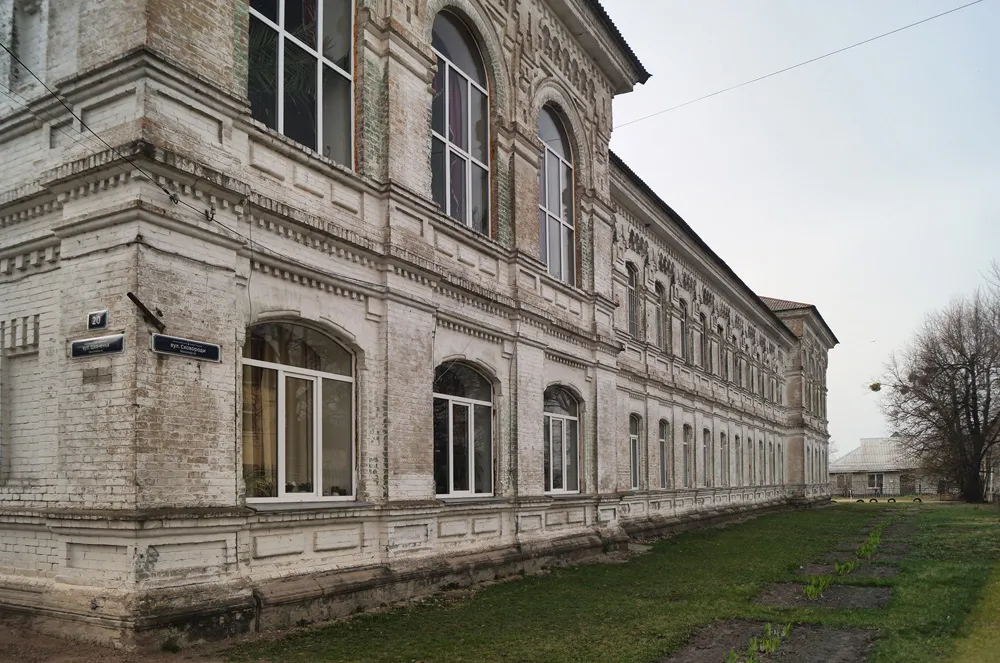
The theological school
Trinity Church
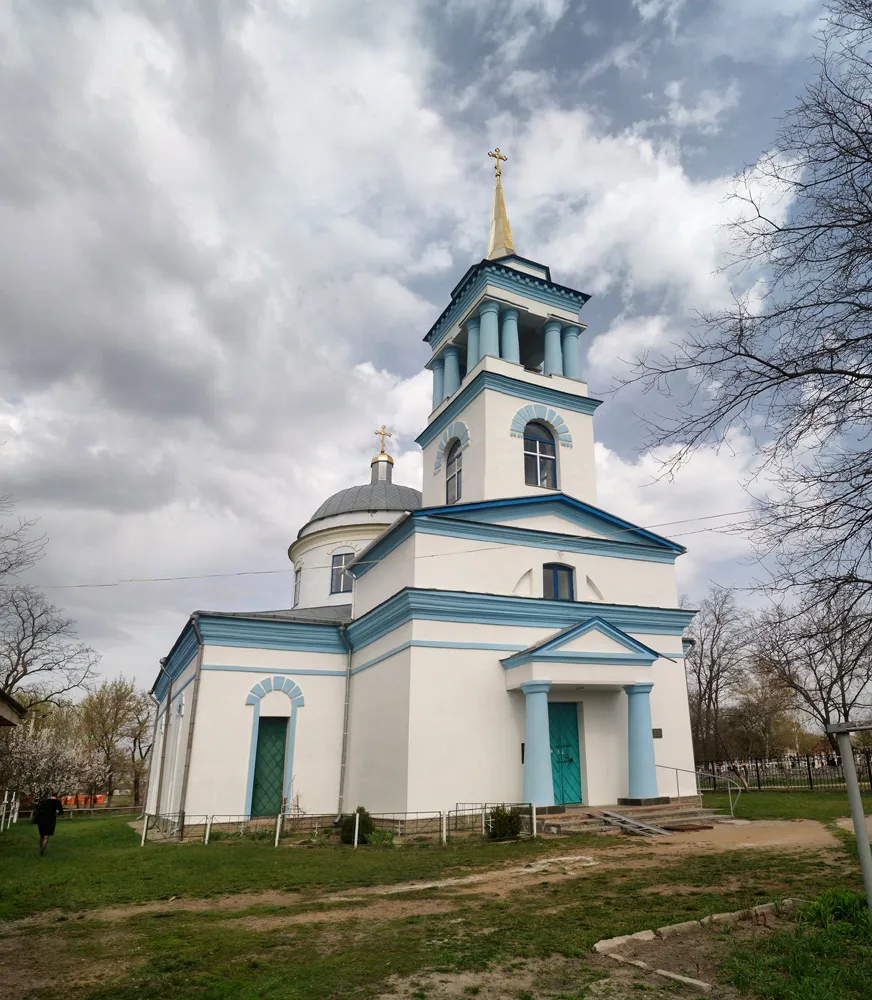
At the corner of Shevchenko and Himnaziina streets stands the Trinity Church. Its predecessor, which occupied the same site, was destroyed by lightning in 1791. The funds for rebuilding the church were collected by parishioners, and in 1804 the new Trinity Church was consecrated. It was built in the Old Rus style with elements of Classicism. In 1864 a bell tower was added to the church.
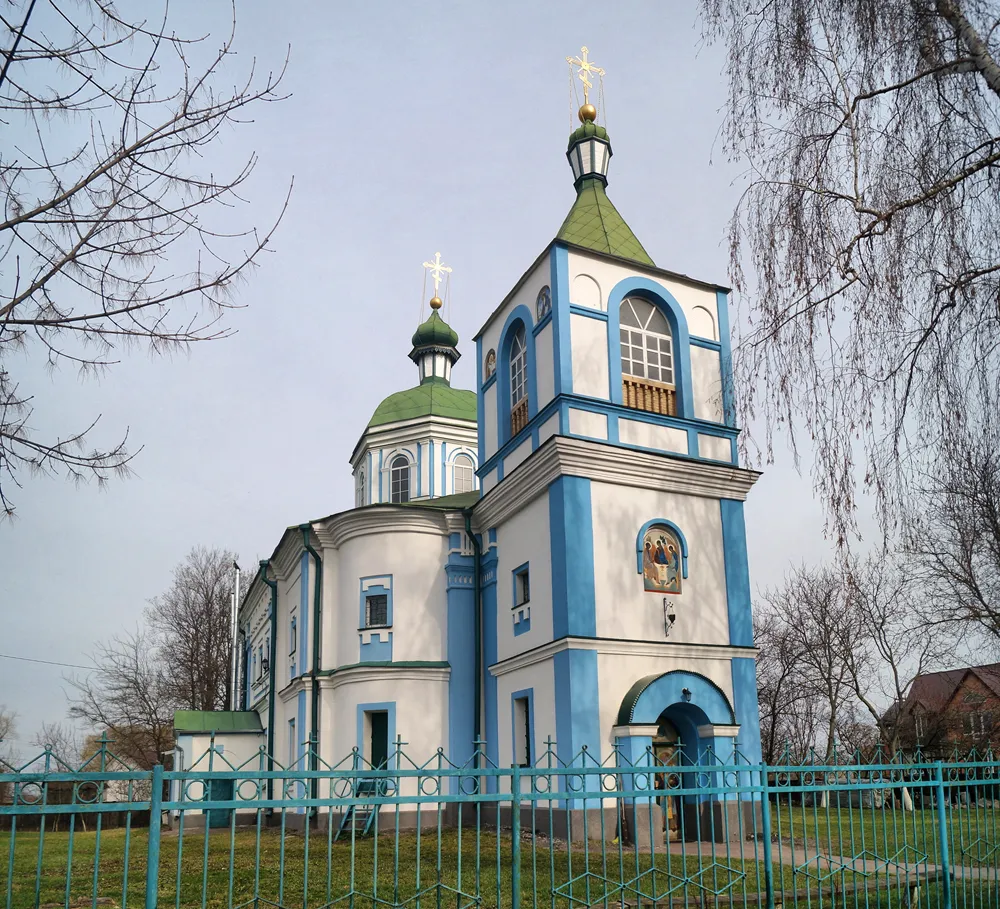
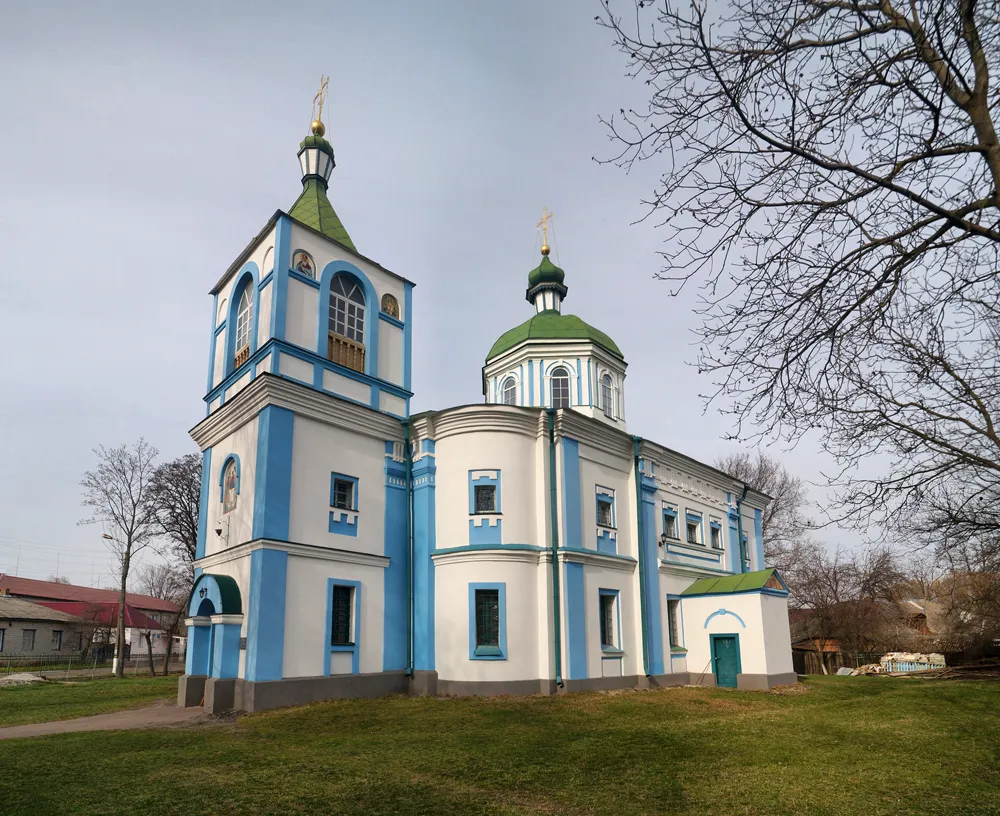
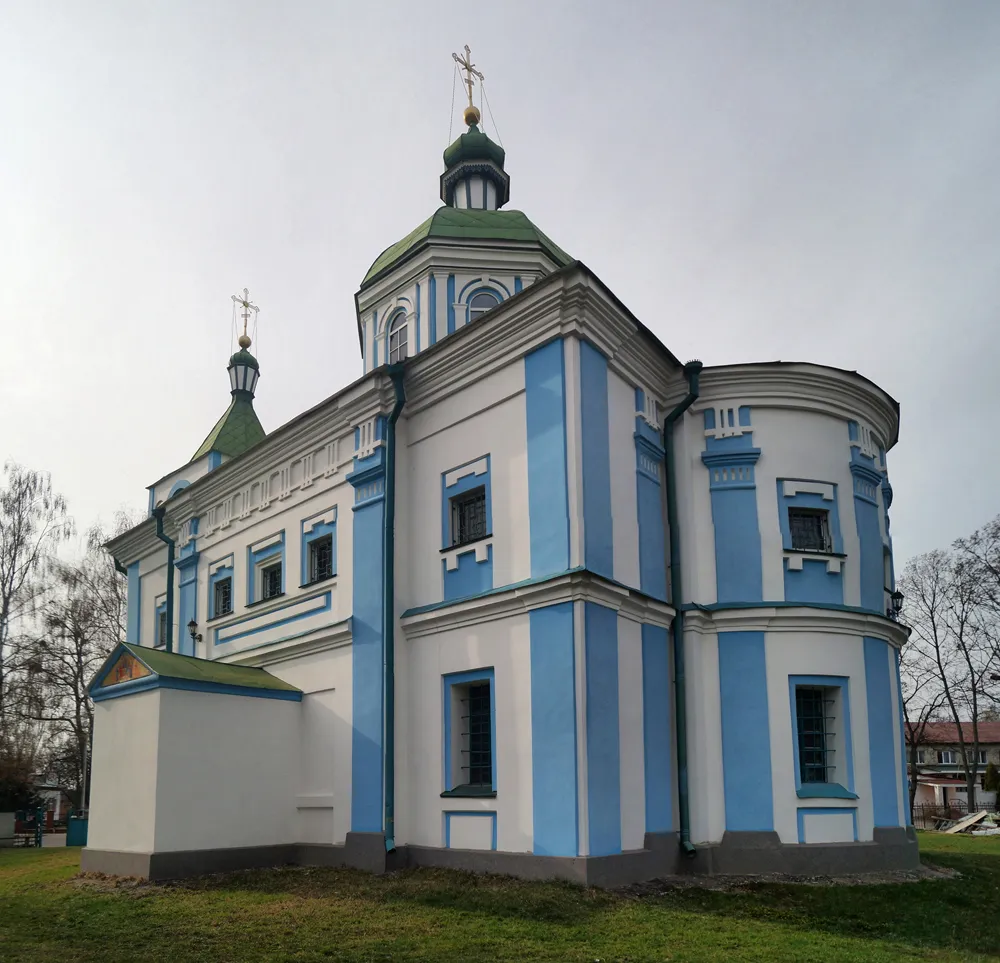
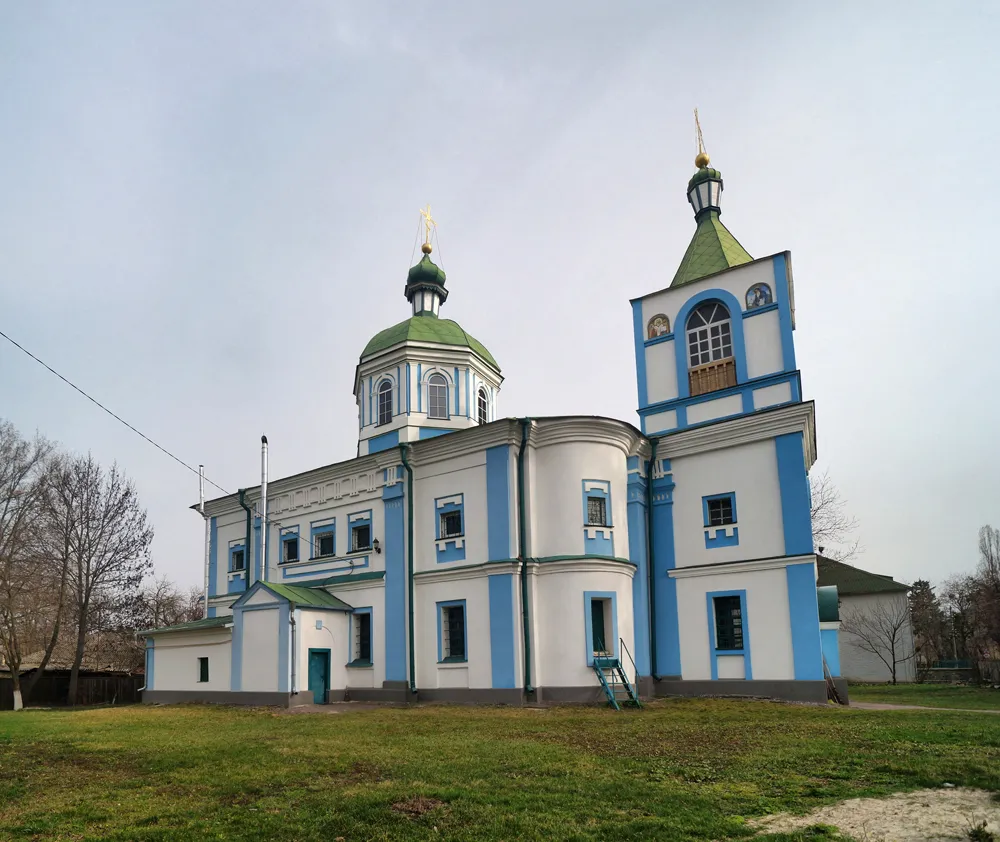
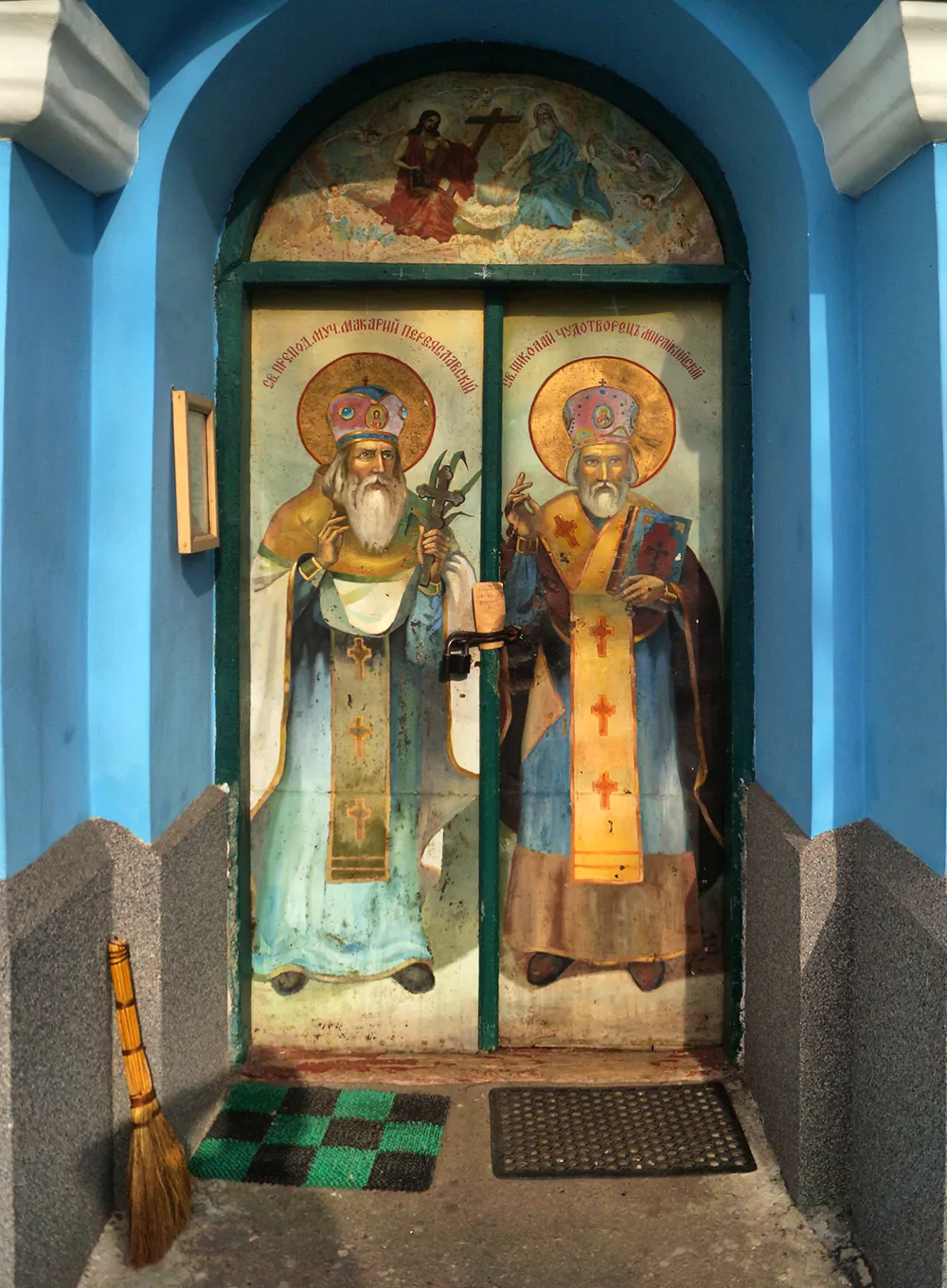
Church of Saints Boris and Hleb
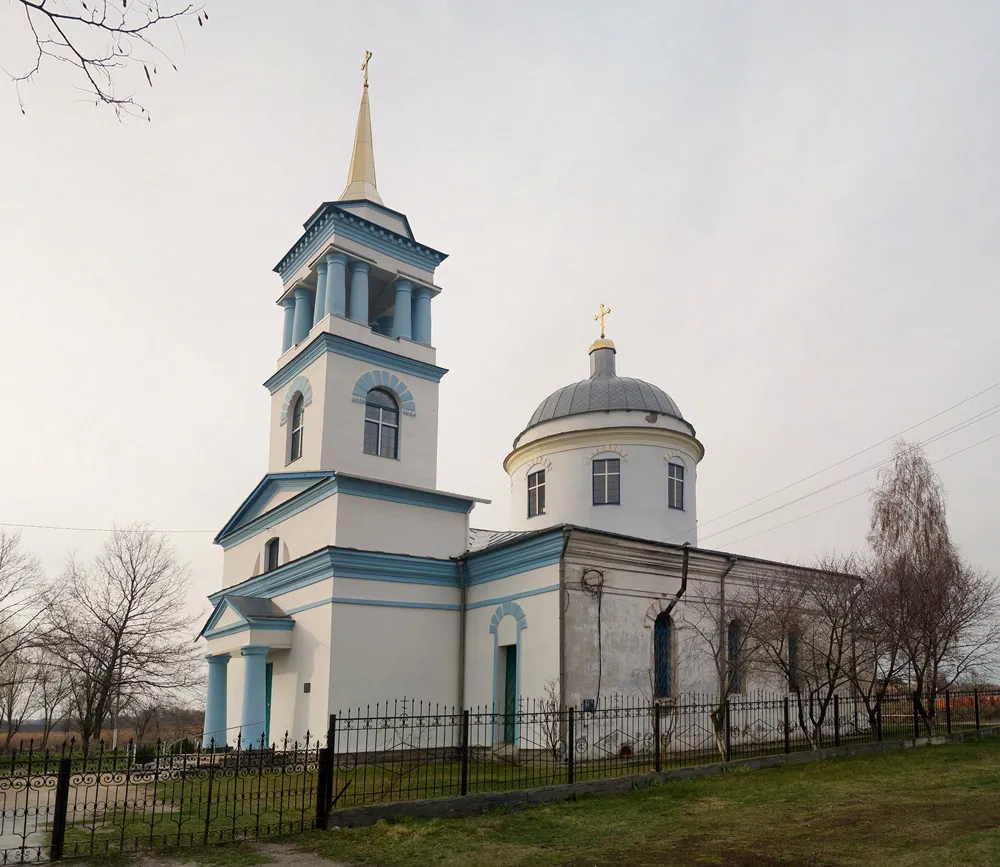
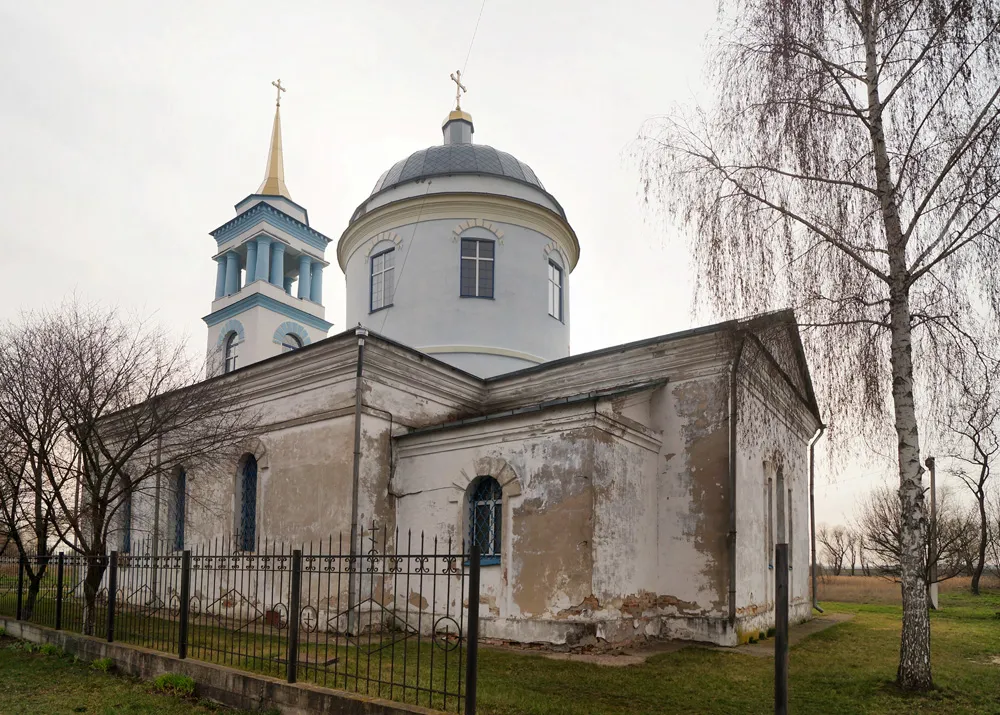
Pereiaslav is a city shrouded in myths and legends. Even its name is linked to an ancient legend, according to which a young man defeated a mighty nomad warrior and thereby won fame – he “took over the glory” (“pereiav slavu”). Another legend tells of the murder of Prince Boris Volodymyrovych by his brother Sviatopolk the Accursed. This happened in 1015 not far from Pereiaslav, on the Alta River. The place where one of the first Rus saints died (Boris was canonized in 1072 together with his brother Hleb) was considered holy from ancient times, so in the 11th century a church was built here. But at the beginning of the 12th century the church was destroyed by the Polovtsians. Since then a stone pillar stood on the holy site, which in the second half of the 17th century was replaced with a cross. And in 1806 a small chapel – a house of prayer – was built here “at the expense of the Christ-loving citizens of Pereiaslav.” Only in 1839 was the Church of Saints Boris and Hleb, which stands to this day, built on the site of the chapel in the style of late Classicism. This building combines features of laconic simplicity and provincial architecture. A tall two-tier bell tower is attached to the typical cross-shaped, three-nave church. The upper tier of the bell tower is formed by four-column porticoes of the Tuscan order, open on all sides, and is crowned with a spire. The church is located in Borysivka, the western suburb of Pereiaslav.
Text and photos by Roman Malenkov


