Museum of the Hetmanate in “Mazepa’s house”
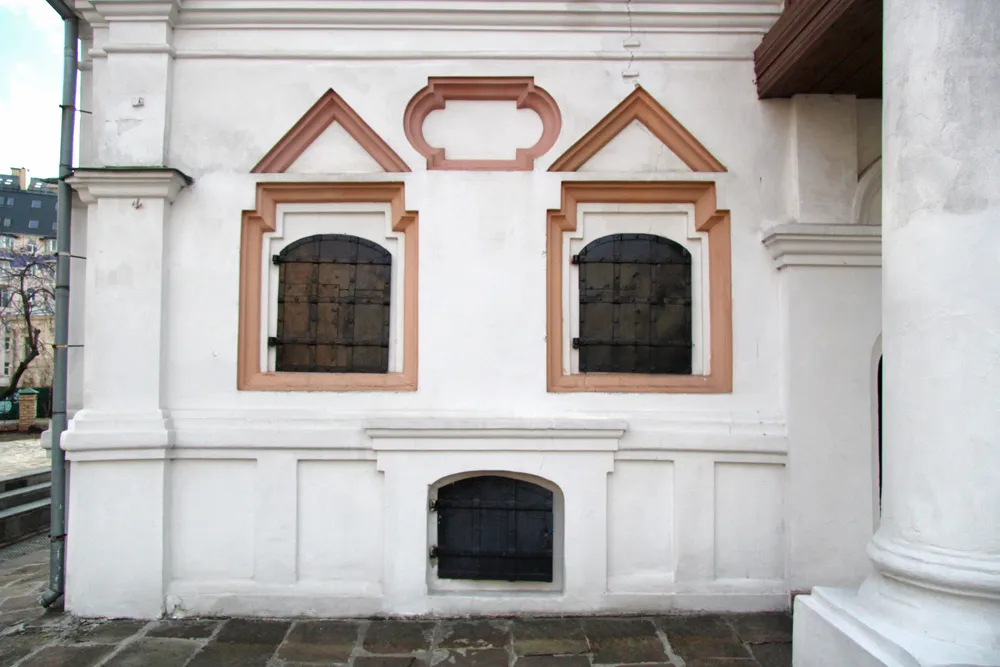
This is one of the few buildings in Podil that survived the fire of 1811. After it the city was radically replanned, built practically “from scratch”, and only a few masonry buildings and brick churches remain as witnesses of the old, pre-fire Podil. Almost all of them stand at an angle to the modern streets, which were laid out according to the norms of Magdeburg law. Among them is a house built at the end of the 17th century, which now holds the “Museum of the Hetmanate”. Urban legends call it Mazepa’s house, but Ivan Stepanovych’s stay in it is not documented.
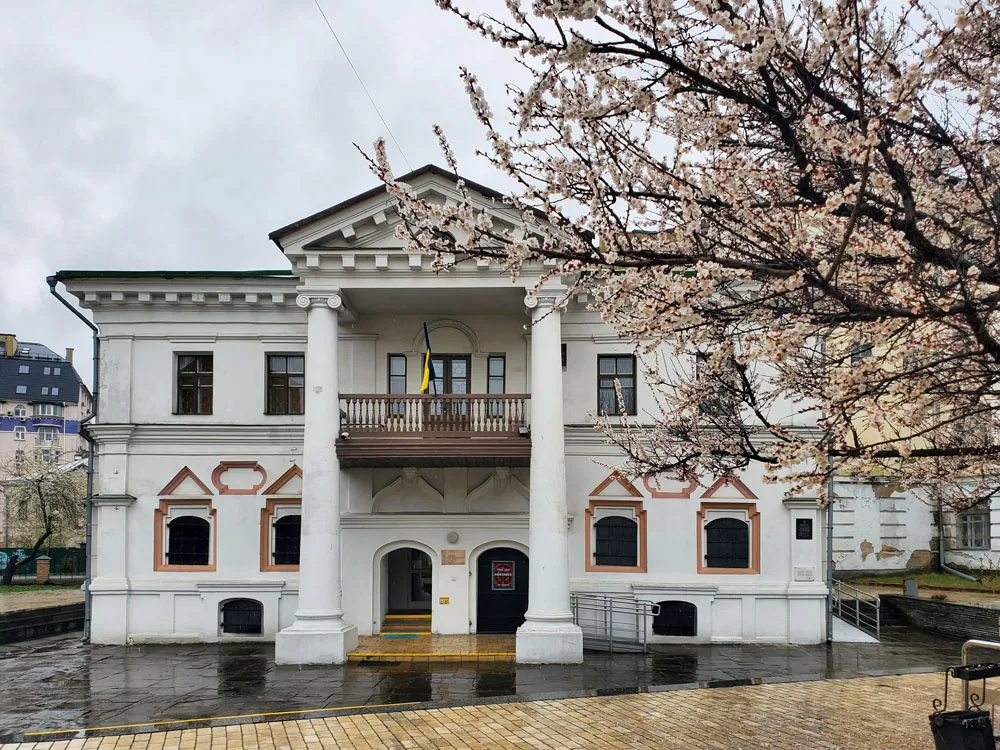
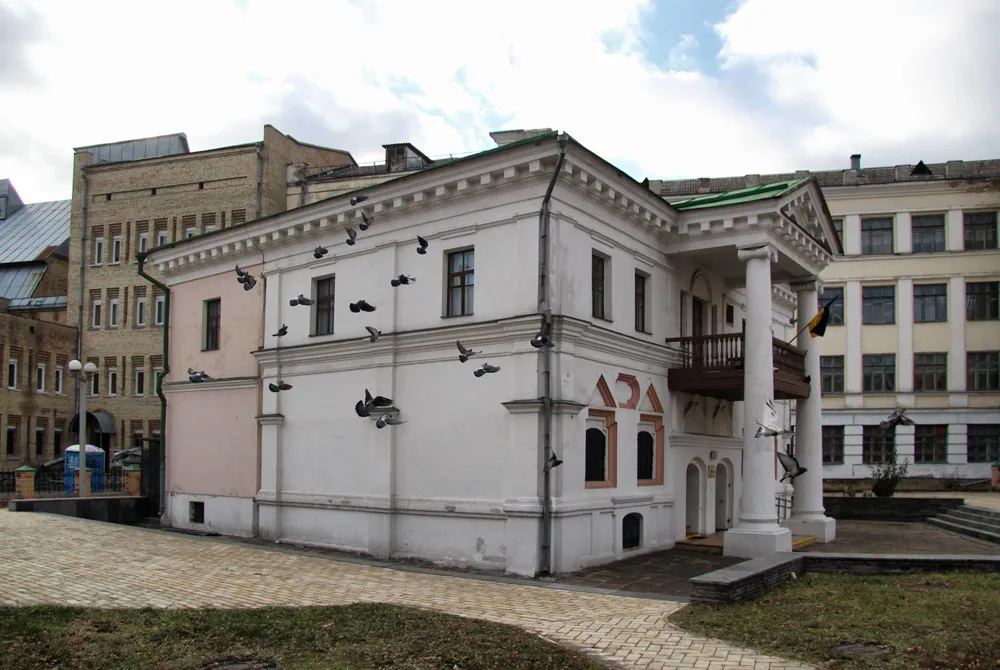
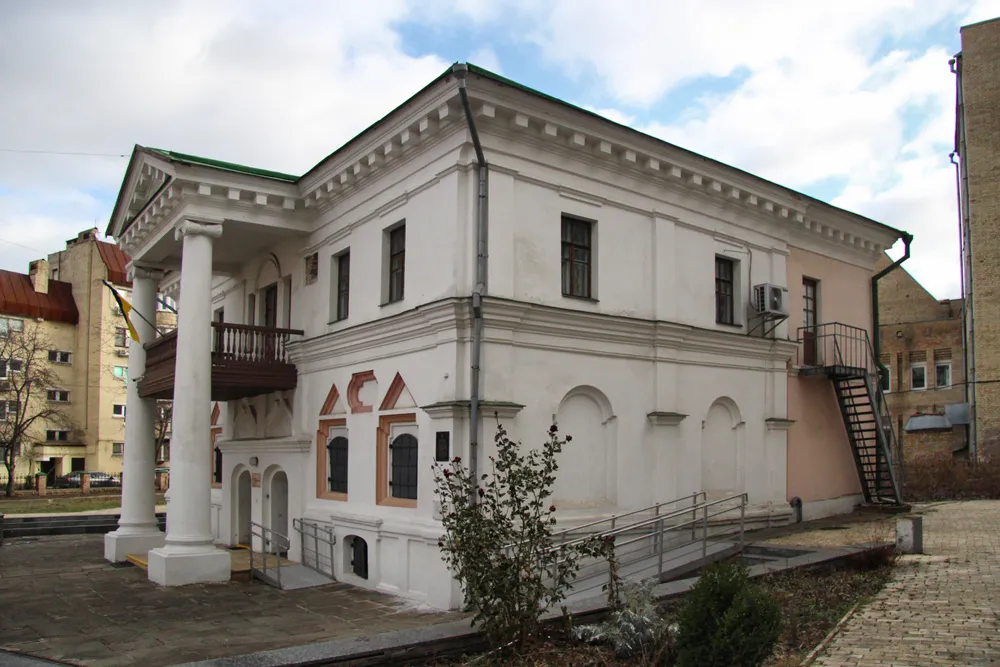
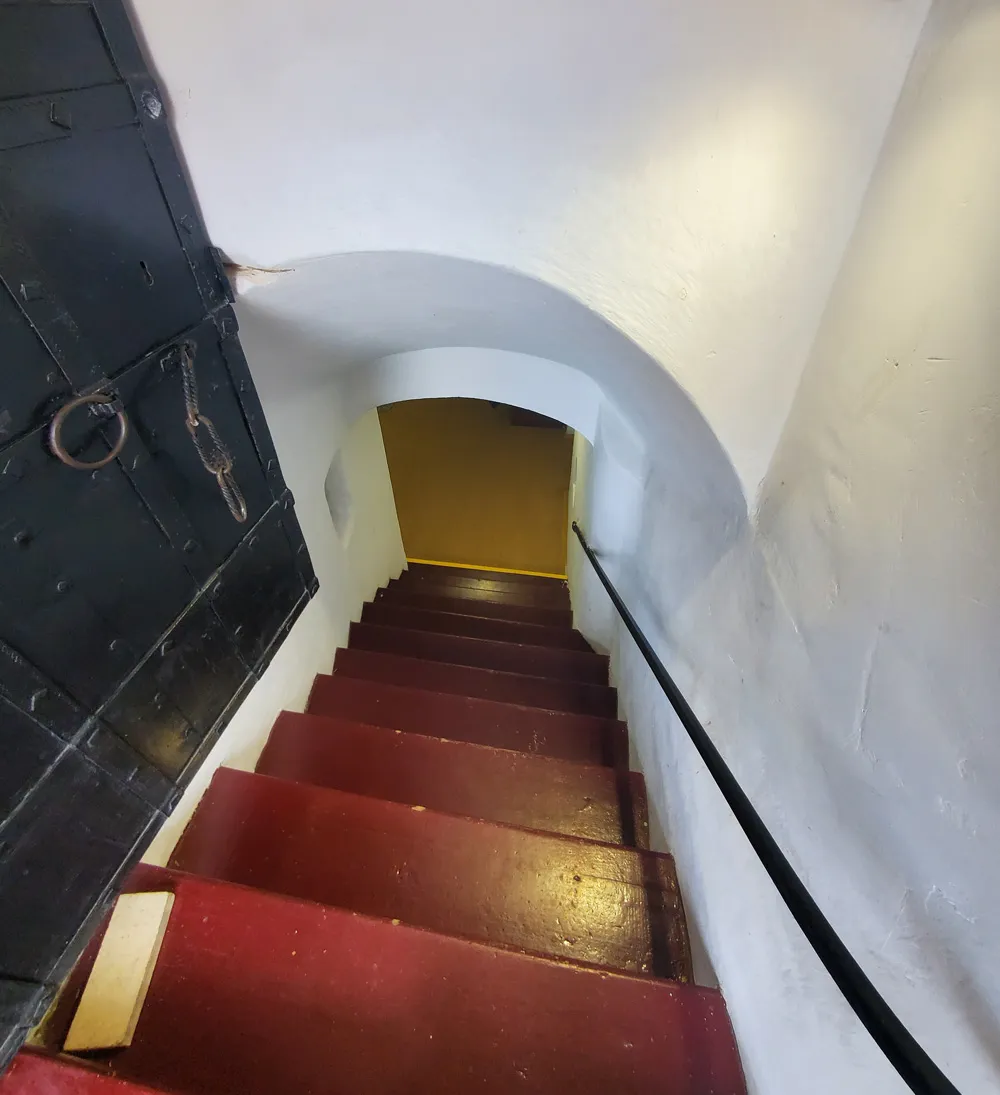
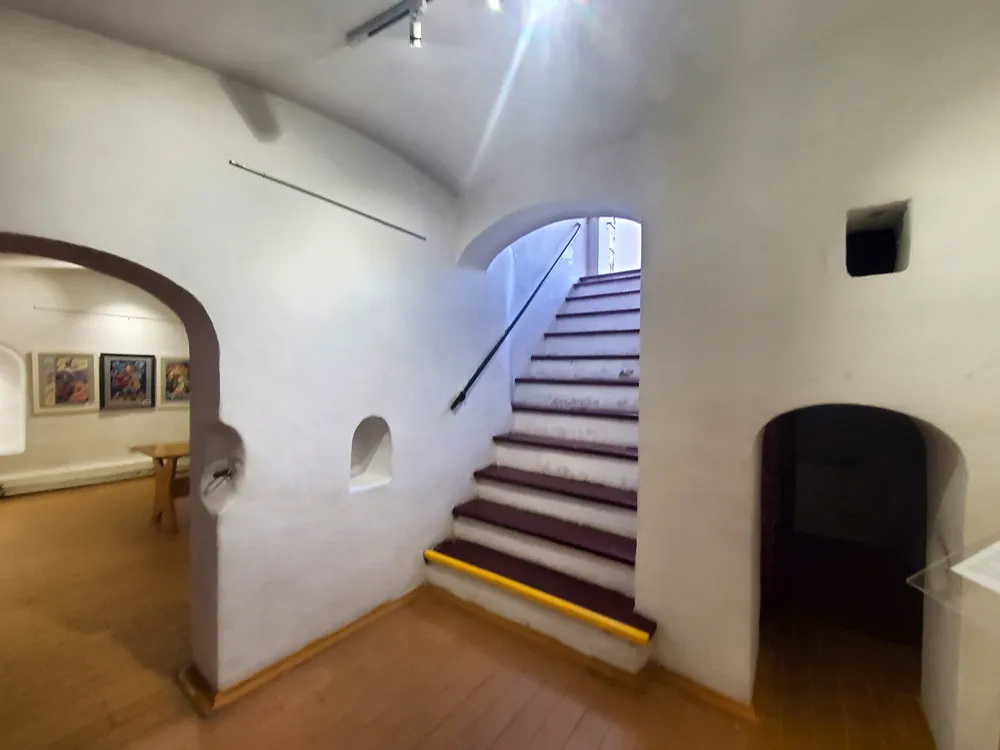
From the 17th century this was the estate of the Sychevsky family. The house is believed to have been built by Stefan Sychevsky, a priest of the nearby Saviour Church. The house had one storey, with very thick walls, deep cellars and a barrel-vaulted roof. In 1787 the merchant Kozma Usovych bought the house from the Sychevskys for 1,400 roubles, and in 1810 it passed to another merchant, Ivan Pokrovsky.
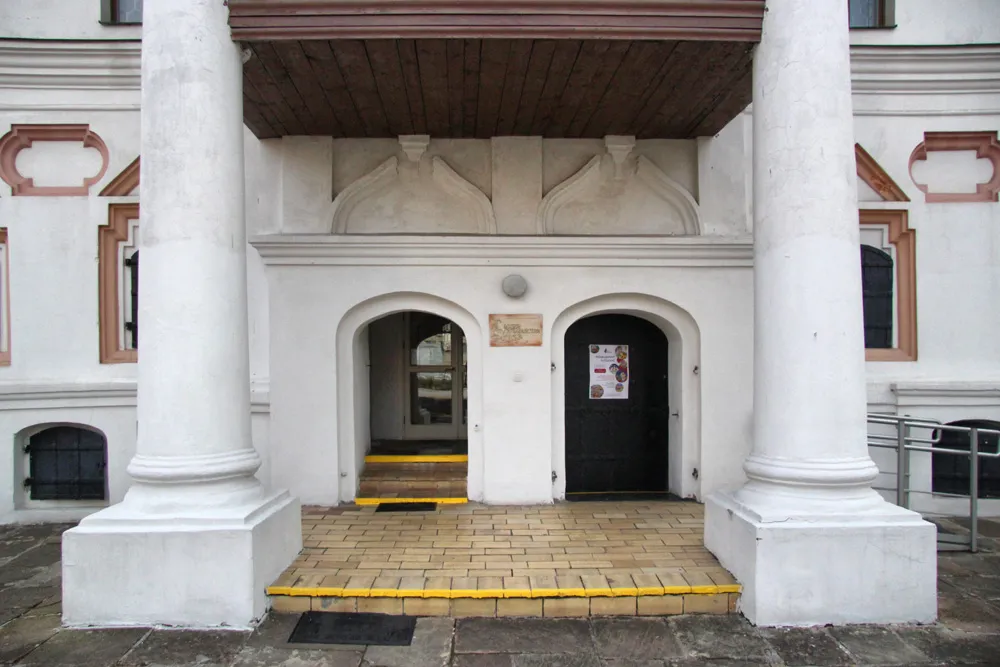
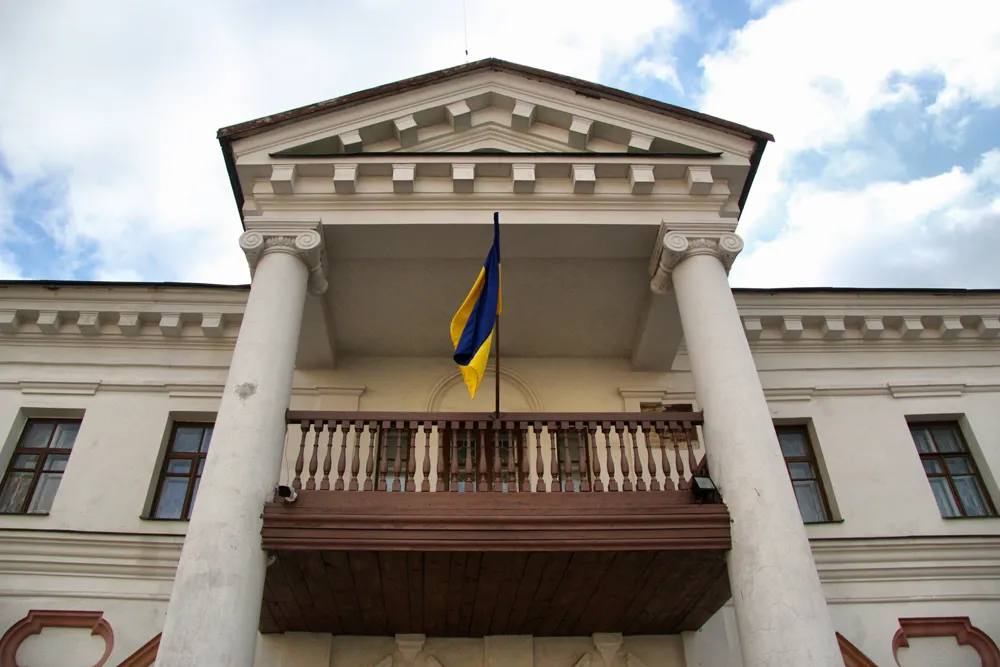
After the fire of 1811 the house lost its roof and some time later was rebuilt. To a design by Andrii Melensky, the chief architect of Kyiv, a second storey was added, and the front facade was adorned with a pediment with two columns.
The Pokrovskys owned the house until 1910, and then the Bolsheviks nationalized it. Communal apartments were set up here and were liquidated only in the 1980s. After that the unique building stood empty.
In the early 1990s, on the initiative of public organizations of Kyiv and representatives of the Ukrainian diaspora, the Ivan Mazepa Foundation was created. Restoration was carried out with this foundation’s funds, and in 1993 the Museum of the Hetmanate was placed in “Mazepa’s house”.
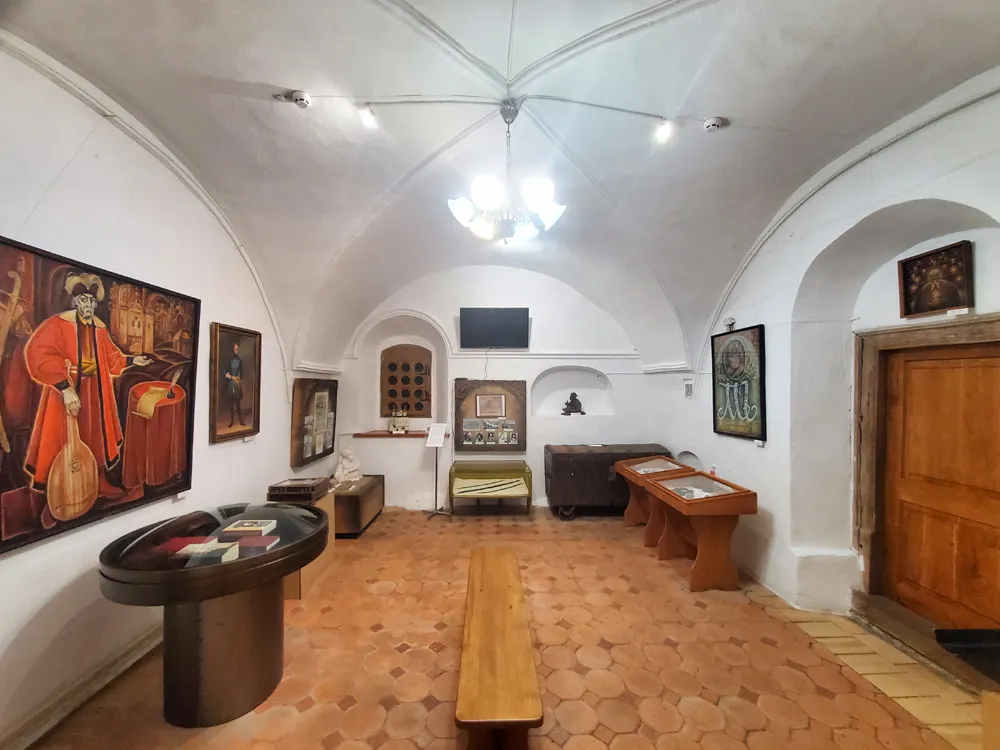
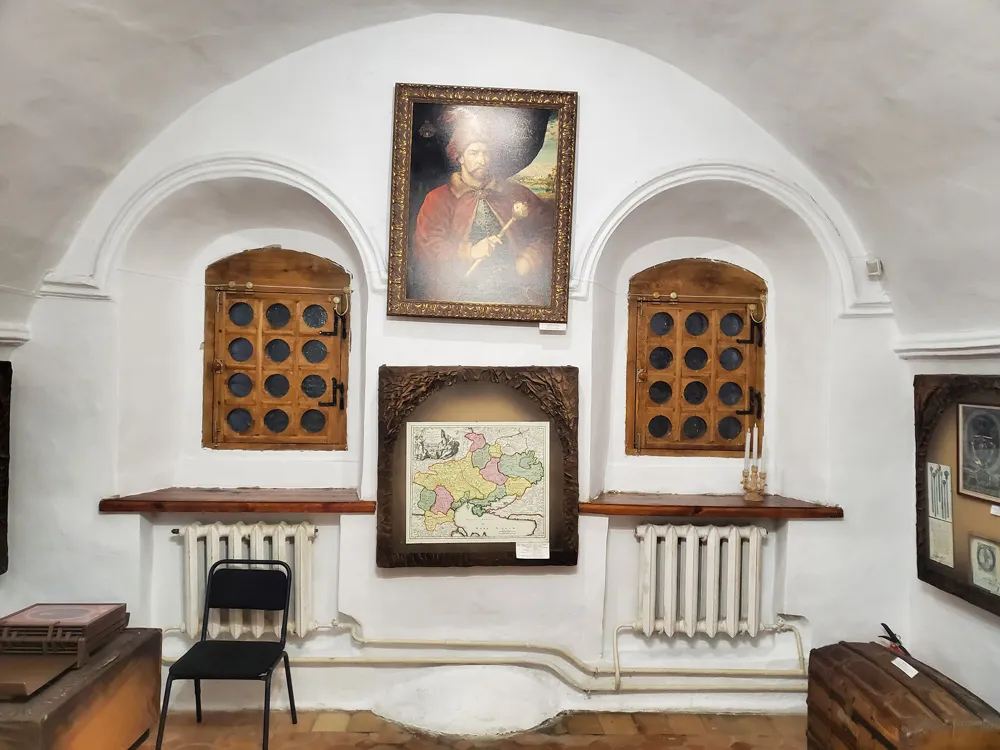
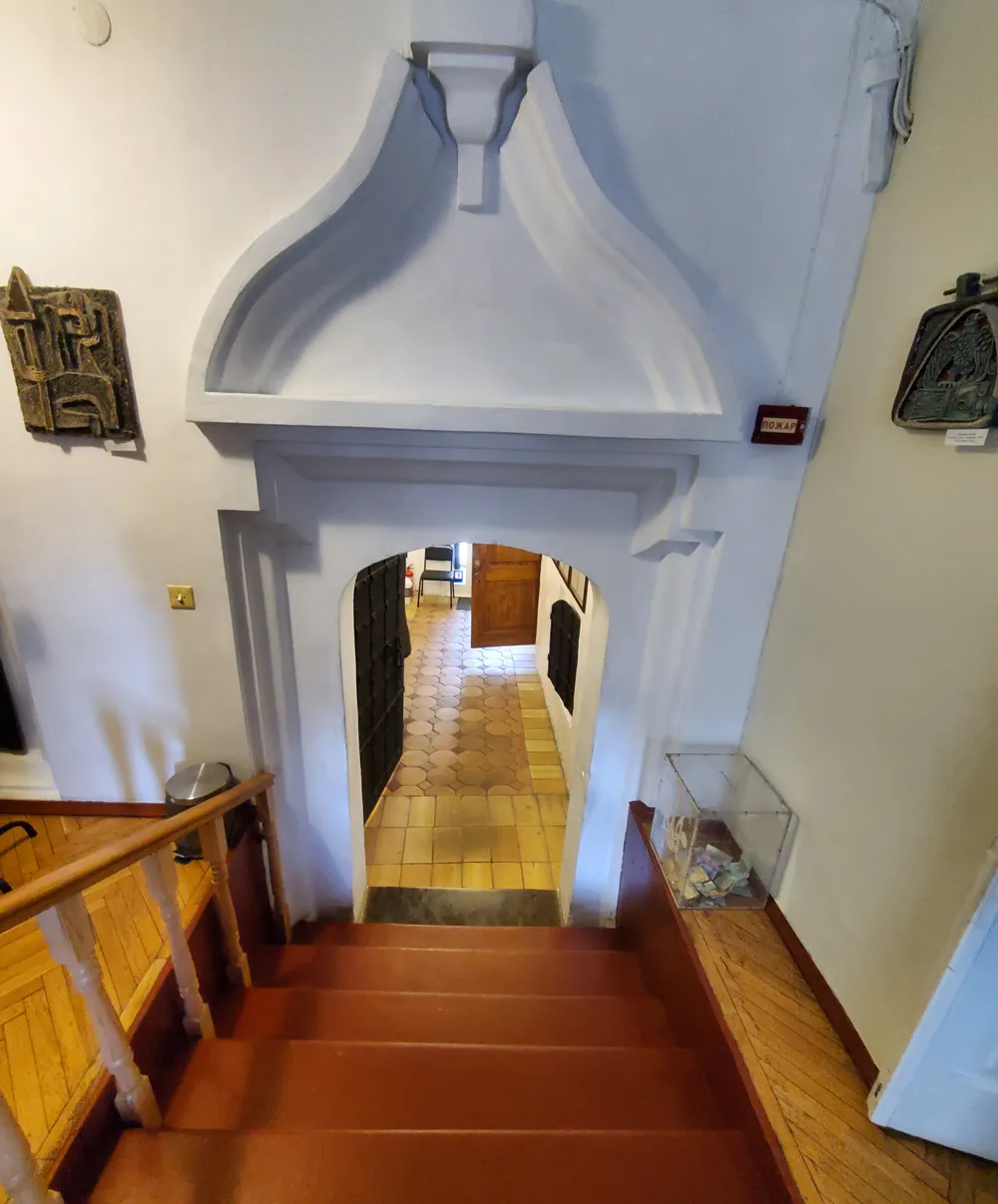
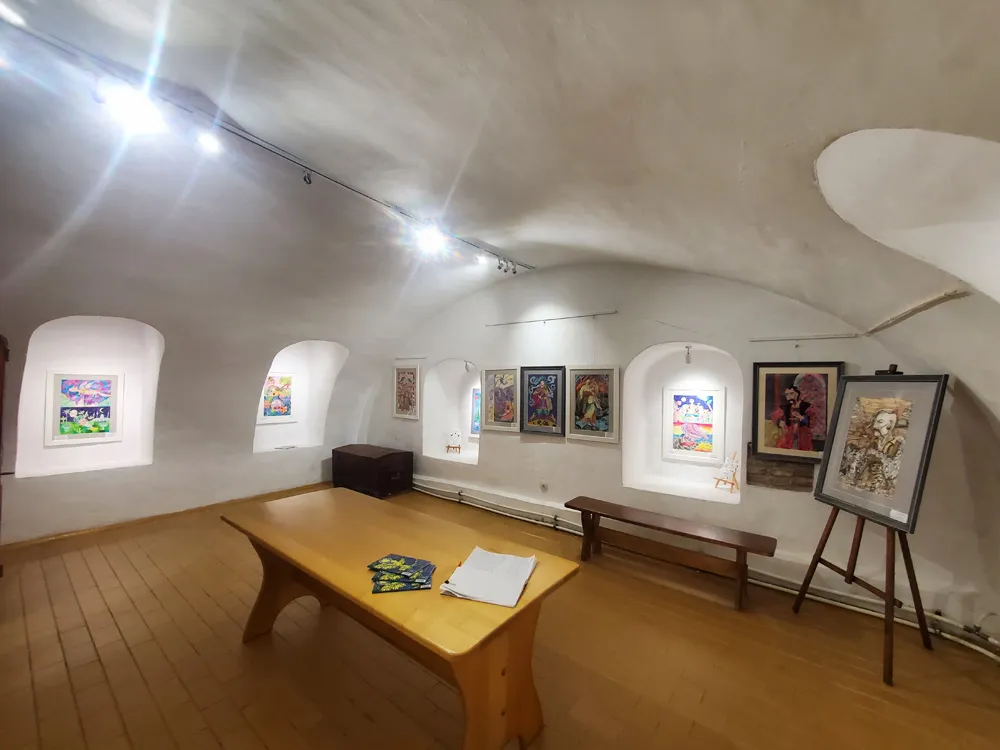
The building has unique Ukrainian Baroque interiors on the ground floor and in the cellars. Exhibitions devoted to the Ukrainian hetmans are housed here. Address: Kyiv, 16V Spaska Street.
Text and photos by Roman Malenkov.