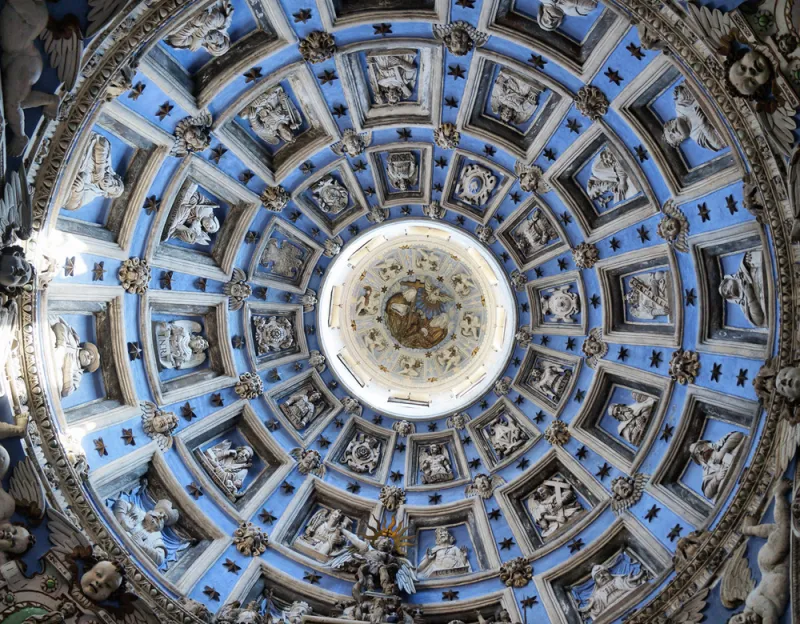
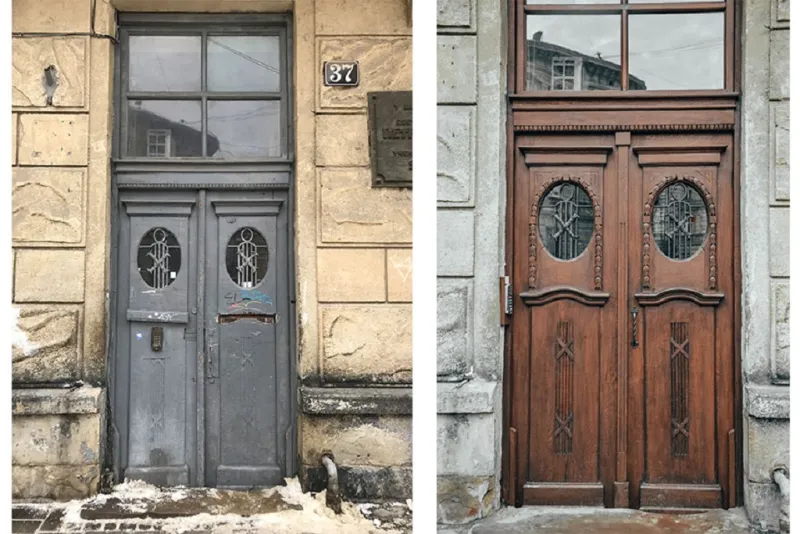
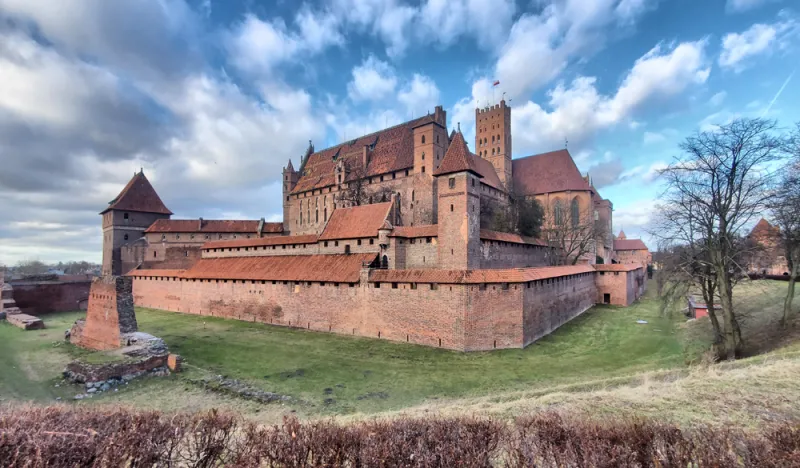
Lviv. Historic centre. UNESCO

· 11 min read
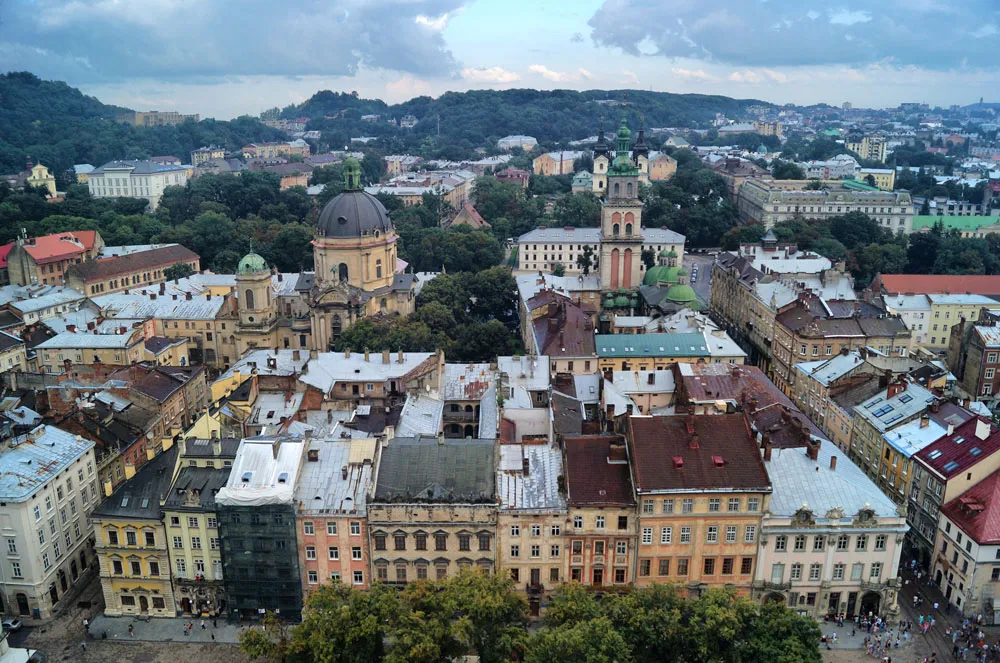
Lviv is one of the most desirable tourist centres of Ukraine, both for foreigners and for Ukrainians themselves. A multitude of new interesting attractions, in particular food and entertainment venues, lure tens of thousands of tourists here. But what lures even more is Lviv’s antiquity: an incredible historic centre with many colourful churches, ancient Polish townhouses, and the pompous buildings of the Austro-Hungarian era.
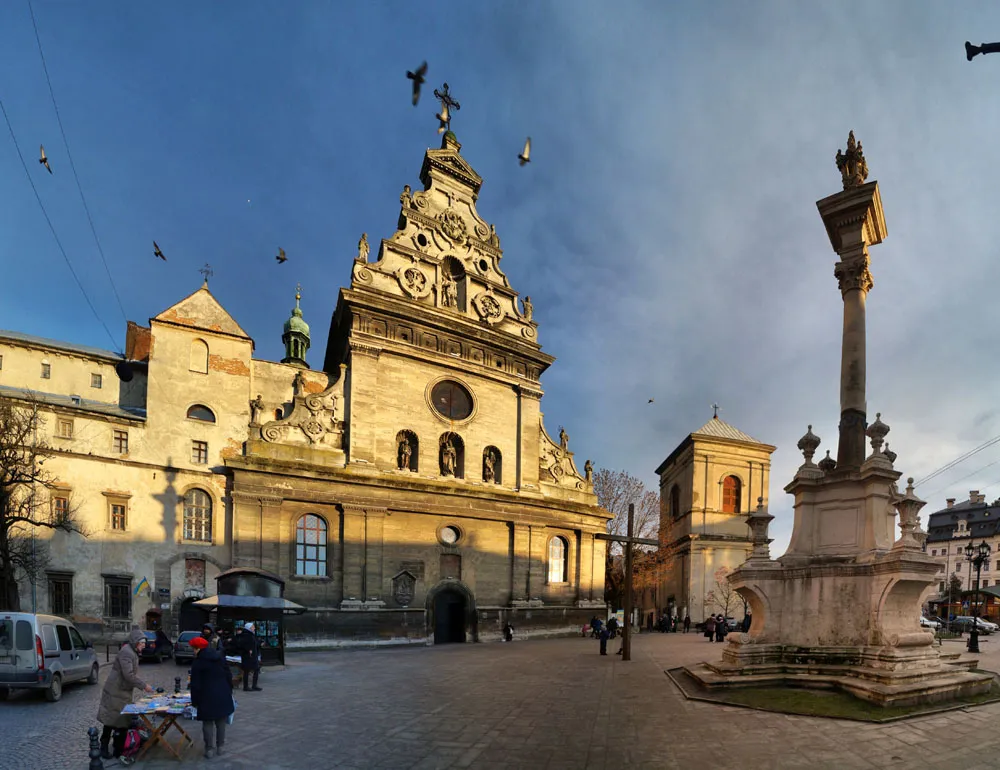
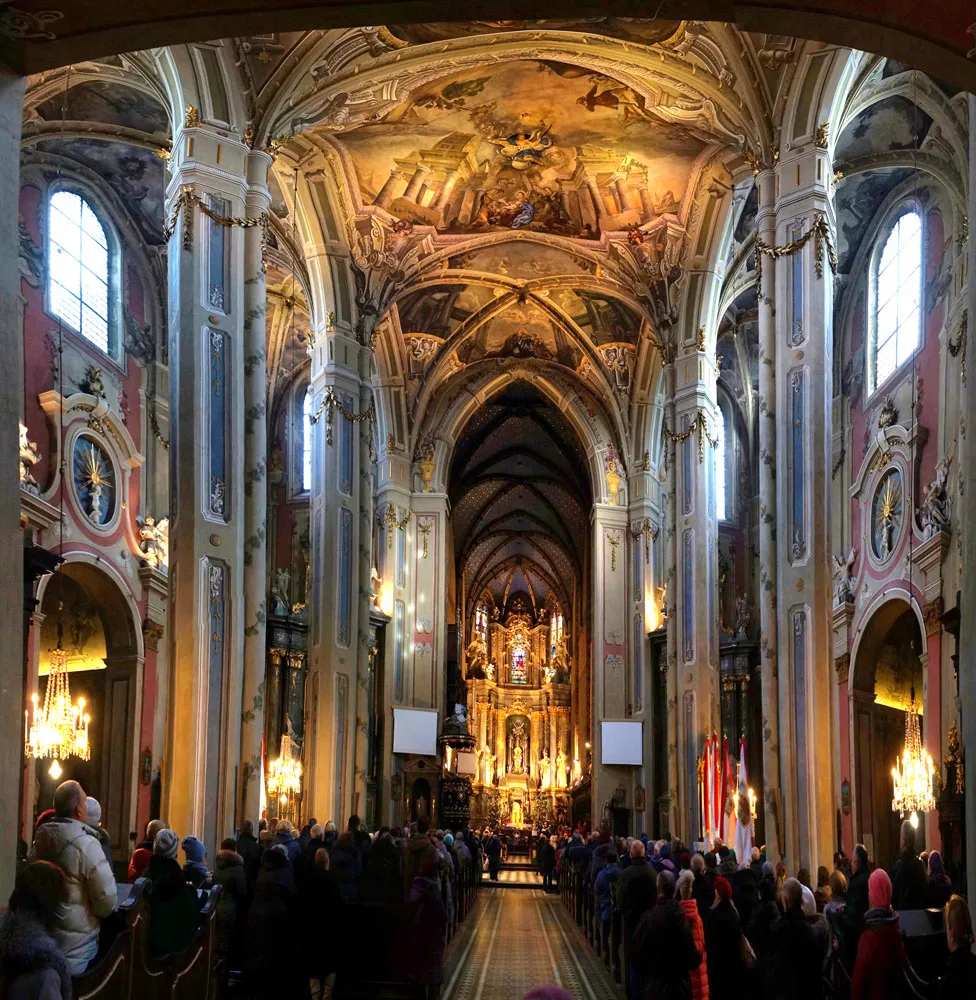
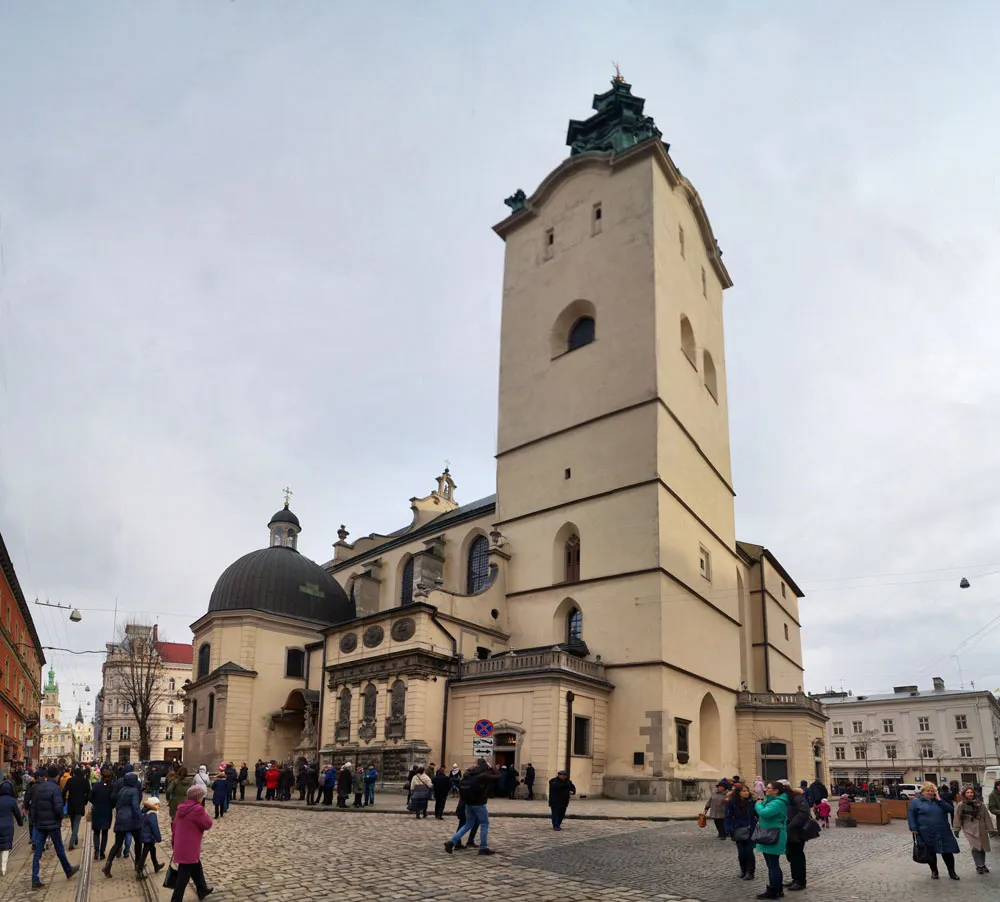
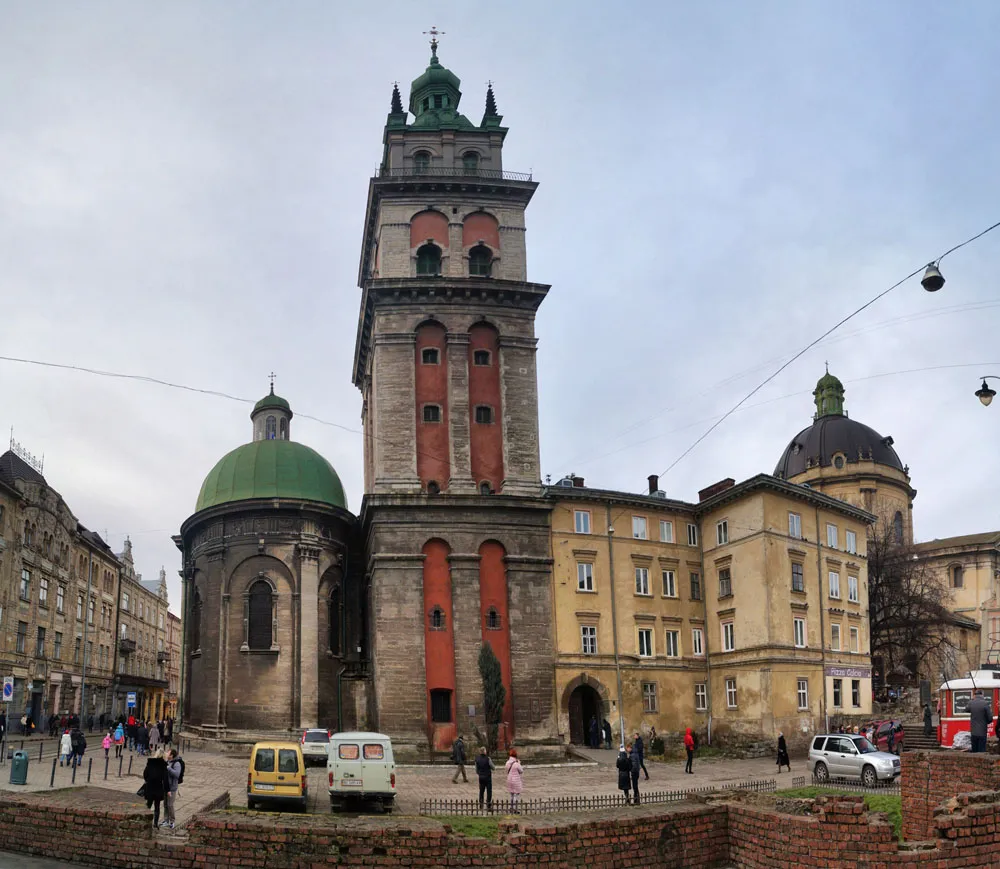
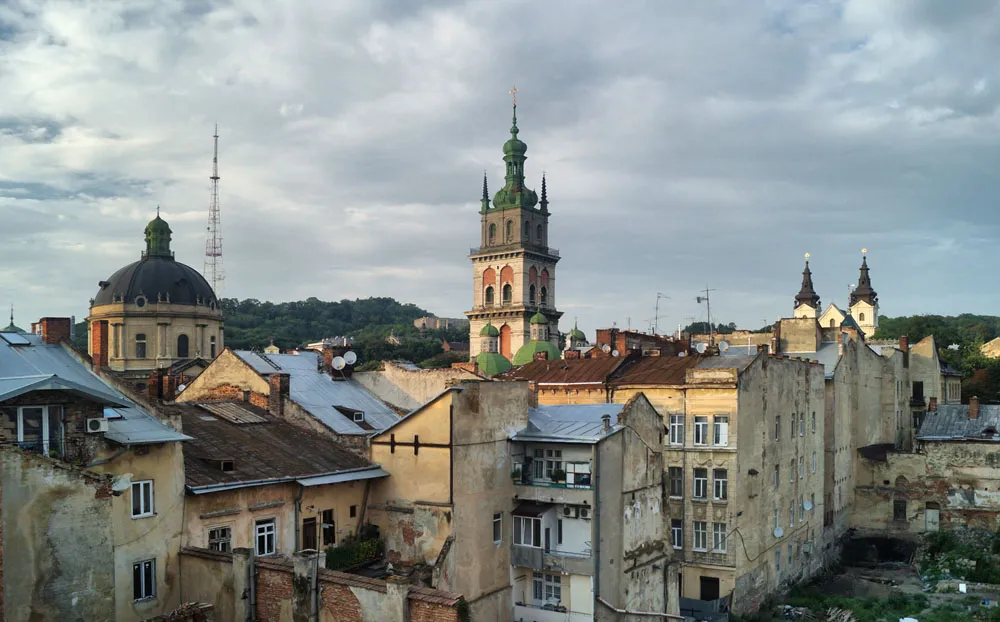
Lviv is Rynok Square with its old houses and a towering town hall. The townhouses, the oldest of which date to the 16th century, long ago outgrew the greyness of the Austrian period and turned into a spectacular attraction. Lviv is narrow streets that enchant with medieval colour and carry you back several centuries. Lviv is fairy-tale Baroque churches that make you believe in the magic of the old master architects: just think, without cranes, concrete mixers and special computer programs, people built huge, perfect buildings. Lviv is the Latin cathedral, which, like a sponge, has absorbed the traditions and colour of past epochs, from Gothic to Art Nouveau; it is the Armenian cathedral with khachkars and eastern-style murals; it is the Ruthenian church with the incredible Kornyakt Tower.
The historic centre of Lviv (the Old Town) is the oldest district of the city: it was founded here and developed from here. Since 1998 the historic centre has been inscribed on the UNESCO World Heritage List. Its boundaries were long the subject of scholarly disputes, but UNESCO specialists put an end to them by presenting their official view. So, the territory inscribed on the UNESCO list begins north of Lychakivska Street (from Korolenka Street), Halytska and Soborna squares and Mickiewicz Square; its western boundary is Svobody Avenue and Bohdan Khmelnytskyi Street, as far as Zavodska Street; the eastern boundary is very uneven: Ostrianytsi, Karaimska, Opryshkivska, Kryvonosa, Hutsulska, Mikluho-Maklaia, Lysenka and Korolenka streets.
UNESCO criteria.
Criterion ii: In its urban fabric and architecture, Lviv is an outstanding example of the fusion of the architectural and artistic traditions of Eastern Europe with those of Italy and Germany;
Criterion v: The political and commercial role of Lviv attracted a number of ethnic groups with different cultural and religious traditions, who formed diverse yet interrelated communities in the city, as the urban architectural landscape has always shown and still shows.
History
It is believed that Lviv was founded in the 13th century by Danylo Halytskyi and named in honour of his son Lev. After the Mongol-Tatar devastation of Halych, the capital of the Galicia-Volhynia principality, Danylo transferred the capital functions to the city of Kholm (now Polish Chełm), which had withstood the Horde. In 1253 the prince was crowned King of Rus’, and 1256 is the date of the first written mention of Lviv. Probably it was between these years that the new king, trying to strengthen his kingdom by building new fortresses and towns, founded the city of Lev. But it is possible that Lviv was founded in 1247; the founding may have been timed to coincide with the marriage of Lev Danylovych to the Hungarian princess Constance, daughter of King Béla IV. There is also a supposition that the city was founded by Lev Danylovych himself, who ruled Rus’ from 1264 to 1301.
Lviv was founded between hills in the marshy valley of the Poltva River. During the reign of Lev Danylovych the capital of the Galicia-Volhynia state (the Kingdom of Rus’) was moved to Lviv. The residence of the princes became the newly built Low Castle (located on the site of the present Sheptytsky National Museum and the Zankovetska Theatre). The castle was called Low in contrast to the High one, which stood on Castle Hill. Not a single one of the Lviv castles has survived to our time: they were built in the 1270s, and they also disappeared almost simultaneously, dismantled by the Austrian authorities in the 19th century.
The Golden Horde, having destroyed the capital Halych, forced Danylo Romanovych to accept vassal dependence, but after his coronation he officially renounced this status: a king cannot be a vassal. Now we can say, without looking back at Moscow, that after the destruction of Kyiv and the capture of the eastern lands of Rus’, the state moved west, to the Galicia-Volhynia principality; it is no accident that European monarchs called this territory Rus’ (and not Galicia, for example), and Danylo became Daniel Ruthenorum Rex.
Having become King of Rus’, Danylo married his sons to European princesses: Lev to a Hungarian, and Roman to an Austrian. The strengthening of power and the economy allowed Danylo to begin a struggle against the Tatars, liberating from them the lands to the east, as far as Kyiv, which Batu had given to the so-called saint Alexander Nevsky. But the plans to restore the former Rus’ borders were not realized: in 1255 the Lithuanians attacked Volhynia and Danylo hurried to recapture Lutsk. As a result a significant part of Lithuania was conquered by the Ruthenian king. Roman Danylovych was installed as prince in Lithuania. In 1258 the prince was killed by conspirators, the princes of the Lithuanian lands Tovtyvil and Voishelk. To defeat the new enemies, and at the same time not to fall under the Mongol steamroller that was just moving west, Danylo again acknowledged the suzerainty of the Horde and entered into an alliance with it.
Together with the Mongols, Danylo sent his own detachment against Lithuania under the command of his brother Vasylko. This was in 1258, and the next year Vasylko led an army, again together with the Horde, against Poland. Danylo died in 1264 in Kholm, where he was also buried. His place on the Galicia-Volhynia princely throne was taken by Lev, although historians often call his younger brother Shvarno Danylovych, Grand Prince of Lithuania, Lev’s co-ruler. In any case Shvarno died in 1269 (he was not even thirty years old), probably poisoned, so he hardly had any influence on the history of Lviv.
The leading role in the early formation of Lviv as a large medieval city was played by Prince Lev Danylovych (in several European documents he is called a king). In 1272 he moved the capital of the Galicia-Volhynia principality to Lviv from Kholm, built two castles and began the development of the city.
The original core of Lviv was the territory (square) now called Stary Rynok (Old Market). In ancient times the square was protected by two castles, the Low and the High one; from here ran the oldest Lviv street, the Volhynian Road (now Bohdan Khmelnytskyi Street), and here still stand the oldest Lviv churches: those of St. John the Theologian, St. Mary of the Snows and St. Nicholas the Wonderworker, the St. Onuphrius Monastery, and, a little further, St. Paraskeva Church; all of them date from the 13th-14th centuries.
In 1349 the Polish king Casimir III the Great, together with the Hungarians, conquered Lviv. After a long war between Lubart-Dmytro of Volhynia and the Hungarian-Polish coalition, the Kingdom of Rus’ was attached to the Polish crown by personal union, and in 1434 it became the Ruthenian Voivodeship. Casimir moved the city centre to the area of the present Rynok Square. The city was laid out on a grid principle: the streets formed a plan of square blocks. The city centre was surrounded with walls, turning it into a powerful fortress. The Old Market remained outside the city fortifications and gradually declined. The main part of the population gradually moved to the new city centre, where from 1356 Magdeburg law came into force and it was much more profitable and simpler to work. Separate ethnic quarters appeared, Armenian and Jewish. The Ruthenian population ceased to be the majority in the city, but the Ruthenians, unlike the Jews and Armenians, had the right to settle anywhere, while the majority were Poles and… Germans, whom the Polish king had invited here to develop trade and civic order. The Germans held the main official posts in the magistrate, and even the city’s record-keeping was conducted in German (only in 1450 was it switched to Latin).
In the second half of the 14th century Lviv became an important hub on the trade route from Asia to Europe. An enormous quantity of goods arrived in the city and was sold at huge fairs. German, Armenian and Jewish merchants and the Polish administration gradually turned Lviv into the second most important city of Poland. That period of grandeur is now recalled by the Armenian Cathedral and the Latin Cathedral.
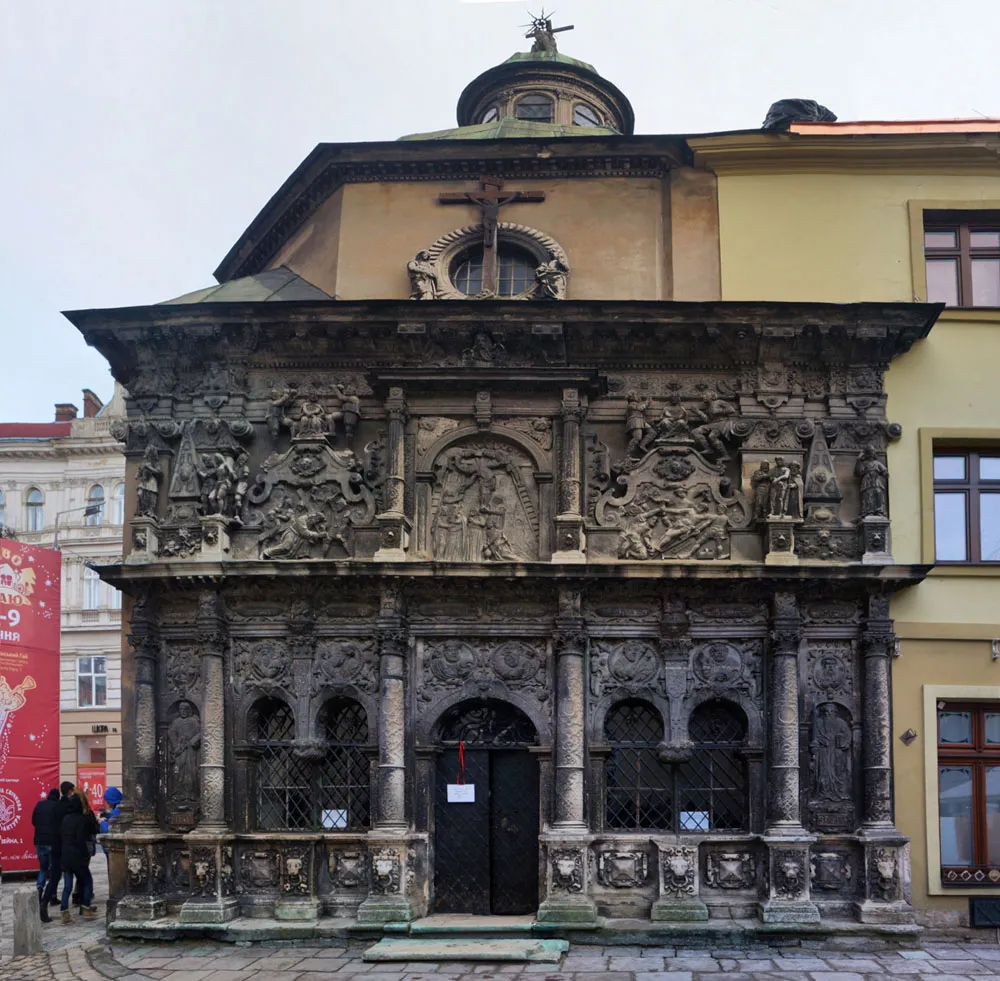
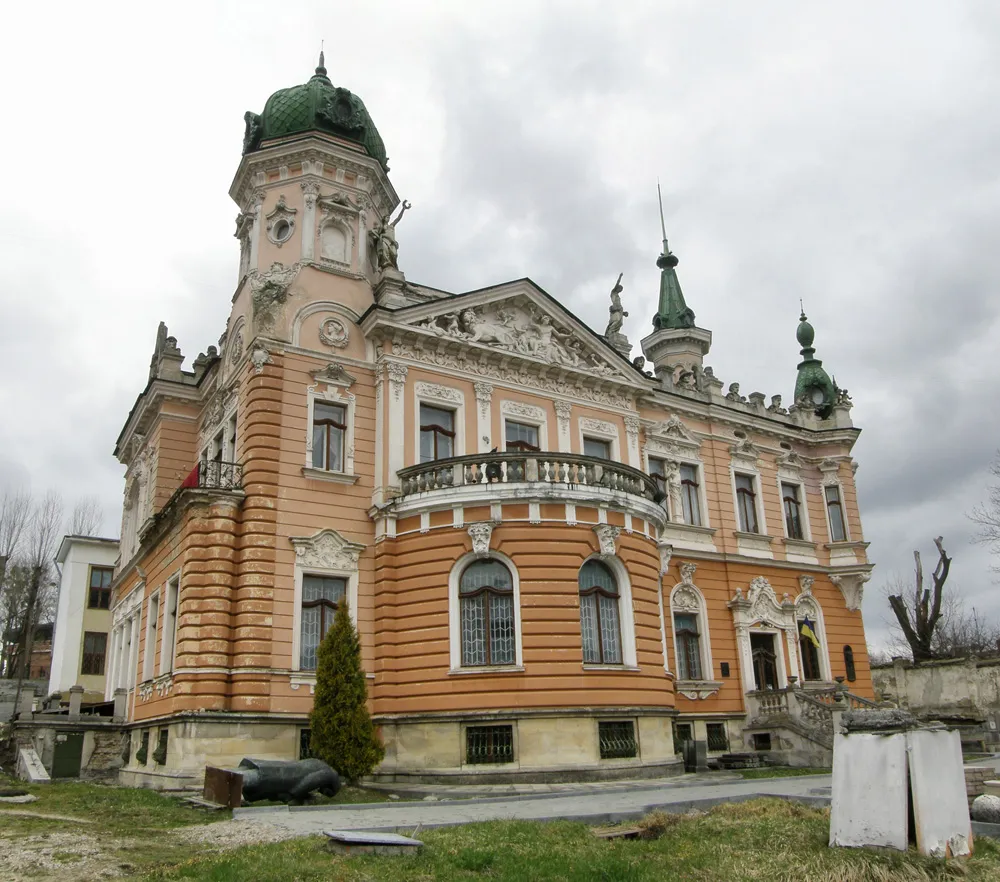
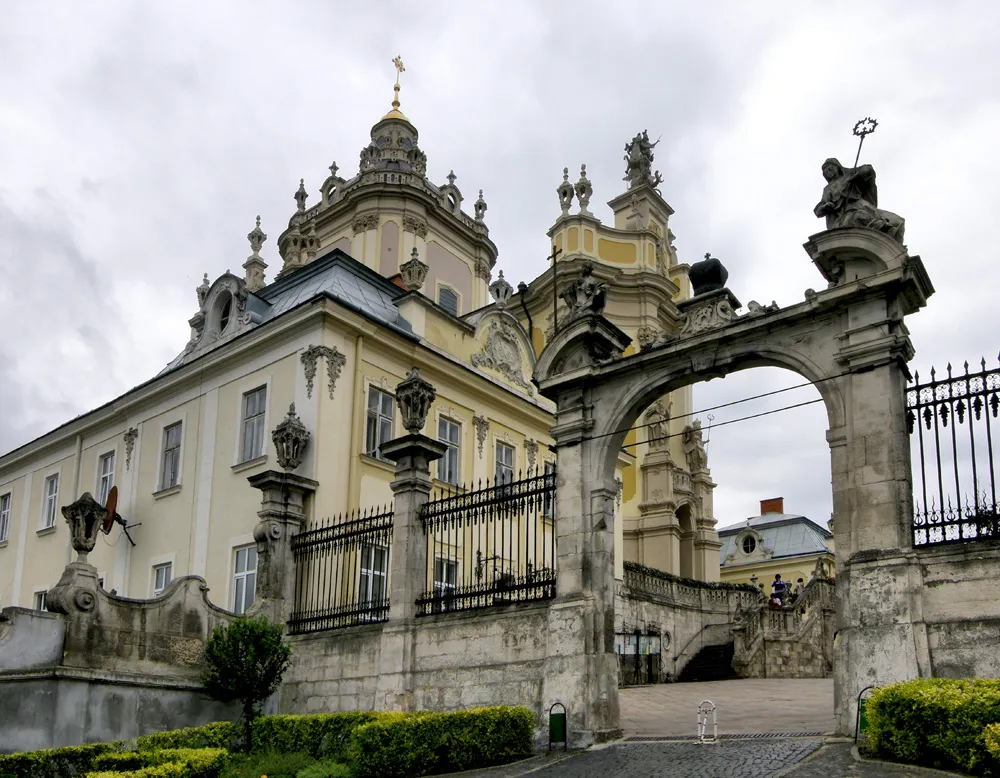
In the first half of the 15th century the city was surrounded by a second ring of walls, with semicircular towers. In the west the walls abutted the Poltva, and on the other three sides a deep moat was dug, filled with water from the river. A moat was also built between the rows of walls. In those times one could enter the city through two large gates (Krakow and Halych) and two smaller ones, wickets (Ruthenian and Latin). Unfortunately little of the city fortifications has survived: a piece of the walls on the east side of the city centre, several towers and foundations.
In the 15th century the autonomy of the Kingdom of Rus’ was abolished and it was turned into the Ruthenian Voivodeship. During the 15th-16th centuries the Ruthenian aristocracy gradually became Catholic and Polonized, because of which the Ruthenians in what had been their own city became a national minority. Lviv became Polish. The Orthodox had only one church, the Dormition Church. It was also called the Wallachian church, since the funds for its construction were given by the wealthy family of Wallachian boyars Lopuszniany. The Wallachian church burned down in 1571. On its site, on the initiative of Konstantin Kornyakt, a wealthy boyar of Greek origin, construction of a new large church with a bell tower began. In 1629 it was consecrated by Petro Mohyla himself. Today it is one of the most magnificent churches of the Lviv city centre.
The heart of Lviv was Rynok Square. Its development was begun by German colonists, and the name comes from the German word “ring”, which in time was transformed into the Slavic “rynok”. Since ancient times there have been 44 houses on the square, each unlike the others. Under the Poles they were all painted in different colours, but the Austrians ordered everything to be made grey. Today the polychromy of Rynok Square has been partly restored, and szary Lwów (“grey Lviv”) has passed into eternity.
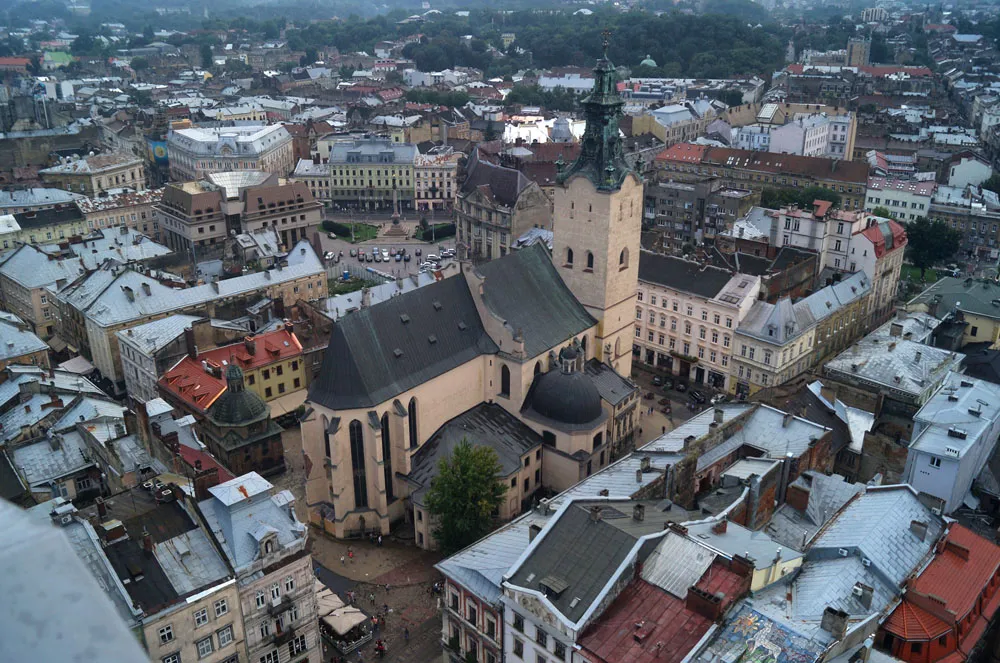
The city’s main church, the Latin Cathedral, began to be built in the 14th century. It was a typical Gothic basilica for that time, to whose construction the Germans made the main contribution. It is not surprising that until the 16th century services in the church were conducted in German.
The Gothic Latin Cathedral was repeatedly extended and rebuilt. All the Lviv architectural styles (Gothic, Renaissance, Baroque, Classicism and even Art Nouveau) are reflected in the architecture of this majestic building.
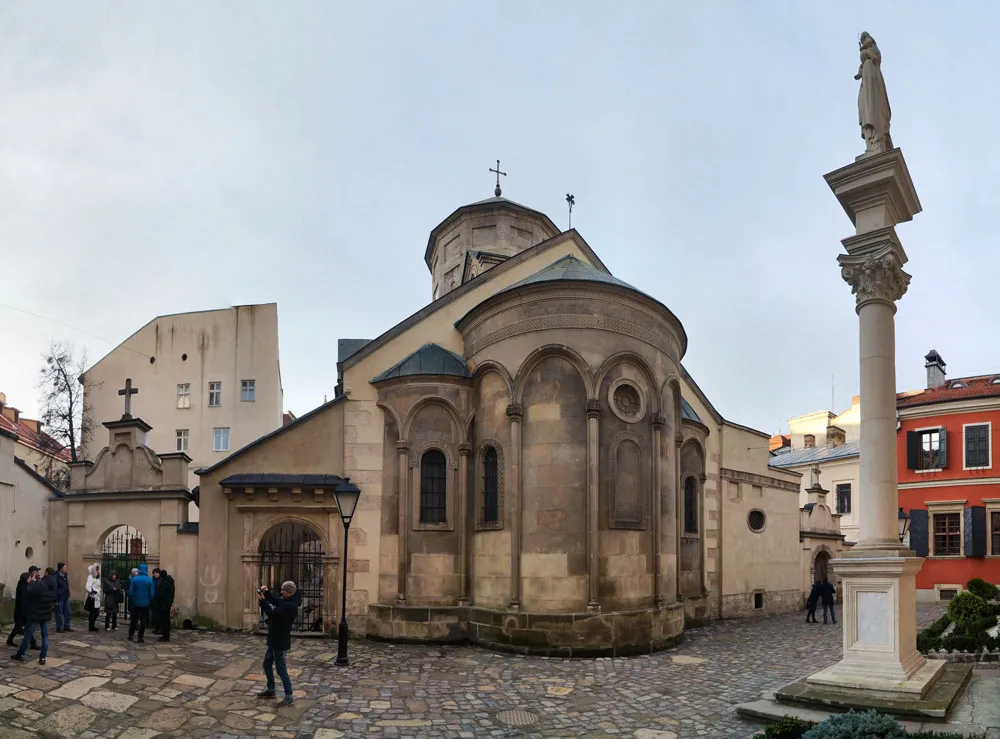
Even earlier than the Germans and Poles, the Armenians, who had their own plot in the city centre, began to build their cathedral. The Armenian Cathedral is relatively small, but its murals in eastern motifs are simply striking. They are unlike any Slavic ones, as are the mysterious khachkars made of volcanic tuff.
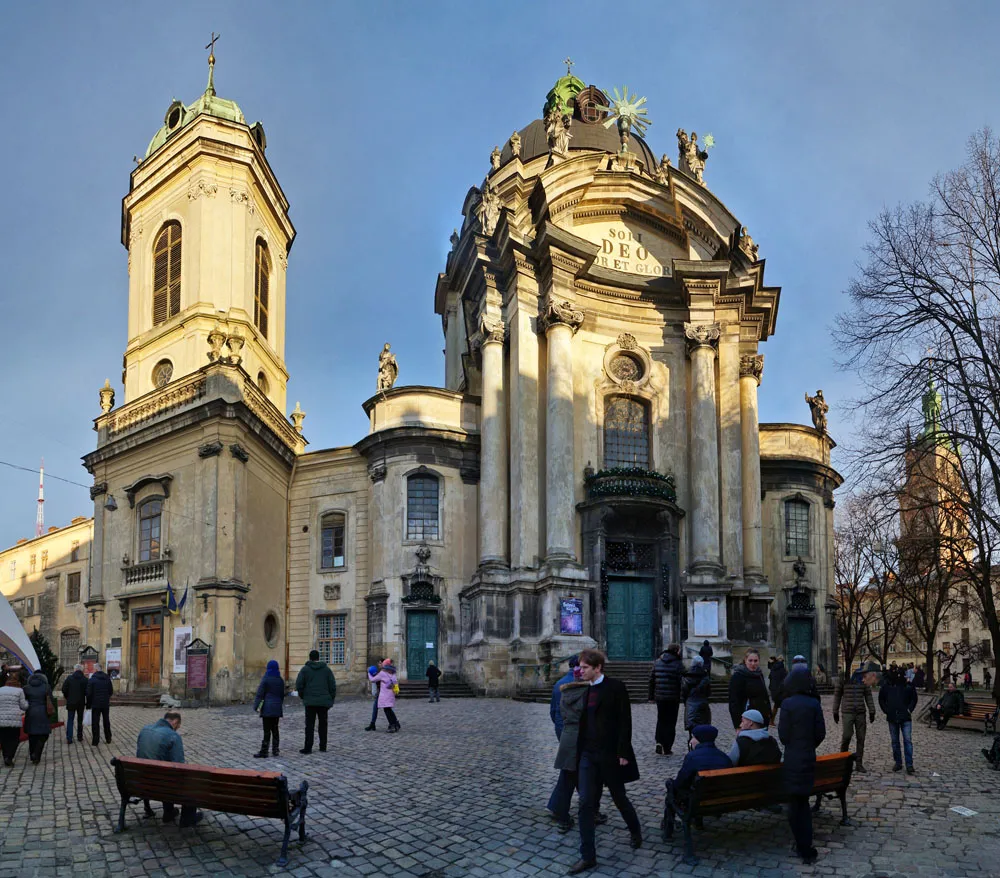
Lviv’s sacred buildings belong to the period of the flowering of the Polish-Lithuanian Commonwealth, the 17th to the first half of the 18th century, whereas the residential and administrative buildings are mostly construction of the Austrian period. A feast of Austrian Secession and a little Neo-Gothic in the form of the huge Church of St. Elizabeth: this is Lviv of the 19th and early 20th centuries.
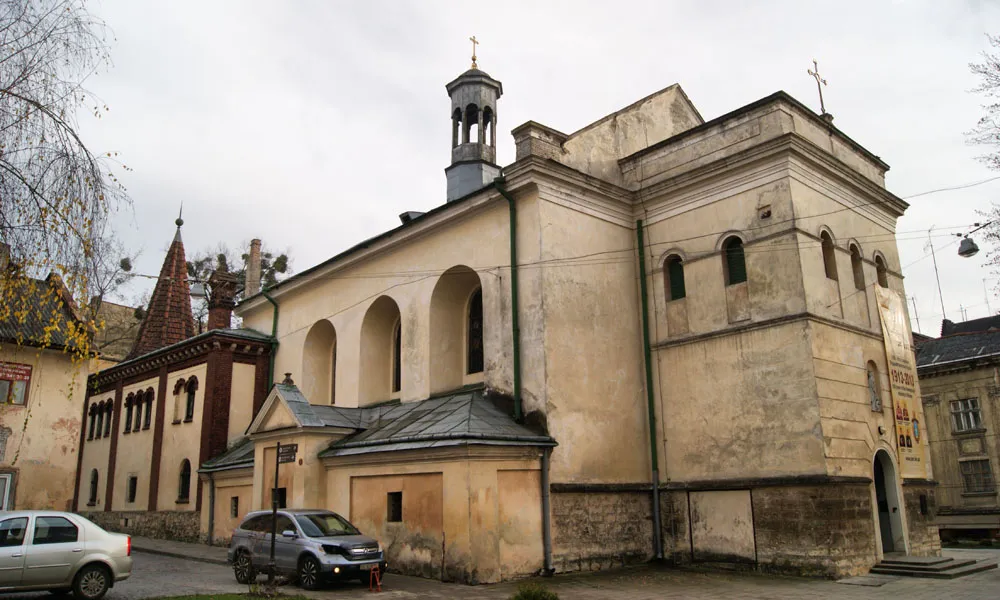
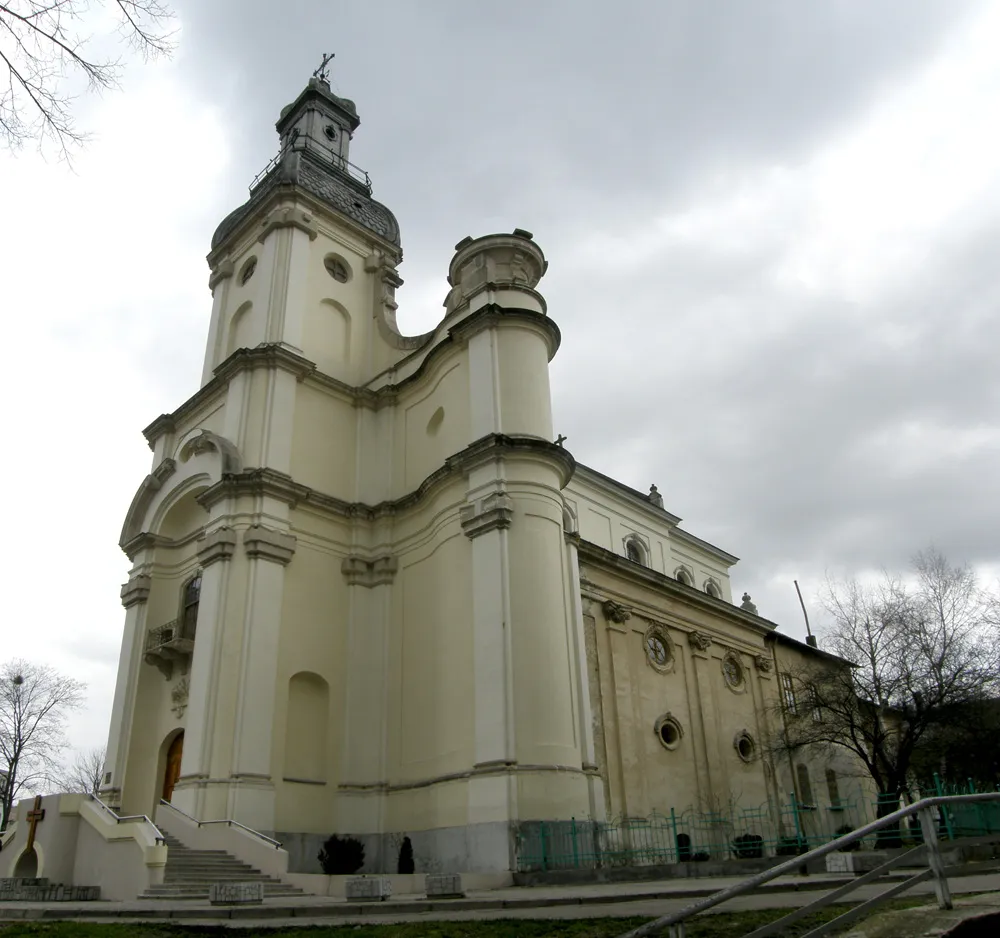
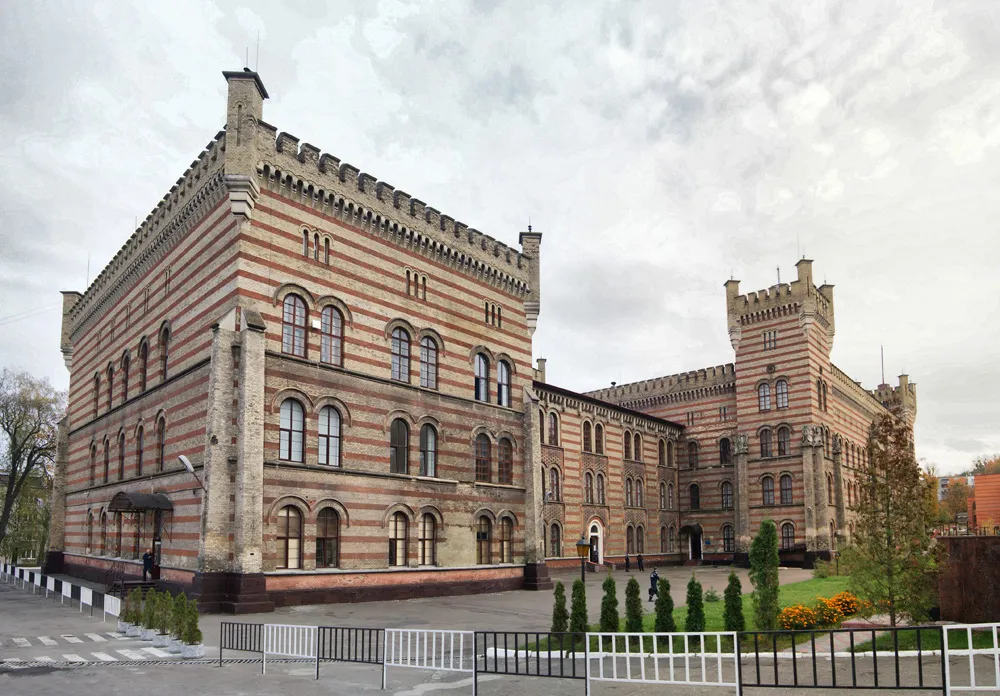
Austrian troops occupied Lviv in 1772, immediately after the first partition of the Polish-Lithuanian Commonwealth. The city became the capital of a large province, Galicia and Lodomeria. The method of urban self-government that was by then obsolete, Magdeburg law, was abolished. A governor was put in charge. The first newspaper on Ukrainian lands was begun, “Gazette d’Leopol”, a city theatre was organized, and in place of the Jesuit university a secular one was opened, consisting of four faculties. Lviv entered the 19th century as a completely different, civilized and European city. And at the beginning of the 20th century contemporaries noted that Lviv, at that time the capital of an autonomous kingdom within Austria-Hungary, looked no worse than most European capitals.
In 1861 the railway came to the city (the first in Ukraine), and in 1894 an electric tram began operating here.
At the end of the 19th century Galicia produced up to 5% of the world’s oil output, and as a result enormous sums of money flowed to Lviv. The city developed and grew more beautiful. A real building boom was noted here, the continuation of which was prevented by the First World War.
In 1918 Lviv was the capital of the West Ukrainian People’s Republic, but as a result of defeat in the Ukrainian-Polish war it became part of Poland. Lviv was the second city of Poland in the interwar period in size and population. It is a blessing that after the First World War Lviv was not seized by Russia, for we would not see most of the churches that now adorn the city. The Poles, considering the city their own, preserved and added to the urban architectural heritage. But Lviv did not remain Polish for long: Soviet troops entered the city in 1939, and the city became part of the Ukrainian SSR in order to be Ukrainian forever. And at the end of the 20th century the city’s historic centre was included in the UNESCO World Heritage List.
Text and photos by Roman Malenkov.