

Mykolaiv in Lviv region

· 8 min read
Mykolaiv is a town in Stryi district, Lviv Oblast, a former district centre. Its population is about 14,000. It lies not far from the Dniester River, 3 km from the Mykolaiv-Dnistrovskyi railway station on the Lviv–Stryi line. The E471 highway runs along the western outskirts of the town.
Mykolaiv was founded in 1570. It received town status in 1940.
In the 6th century the territory of the town was part of the state of the White Croats. In the 8th–9th centuries the capital of White Croatia was probably located in Stilsko, and the main sanctuary (trebyshche) in Iliv. In 981–992 the Croat principalities were annexed to Kyivan Rus by Grand Prince Volodymyr Sviatoslavych. In the course of these wars Stilsko was destroyed and never rose to the level of a town again.
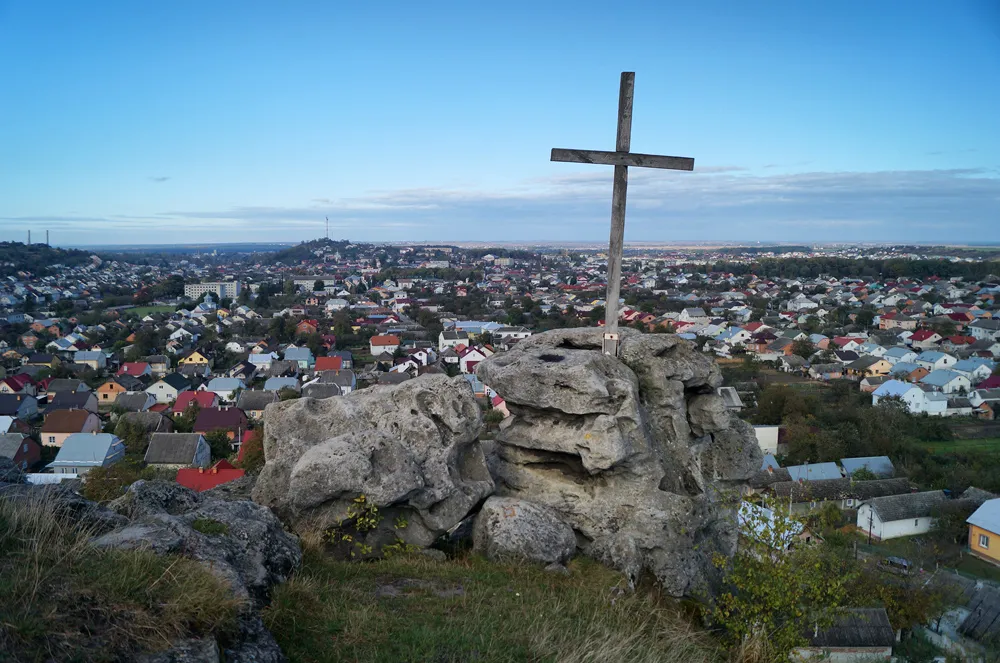
Mykolaiv
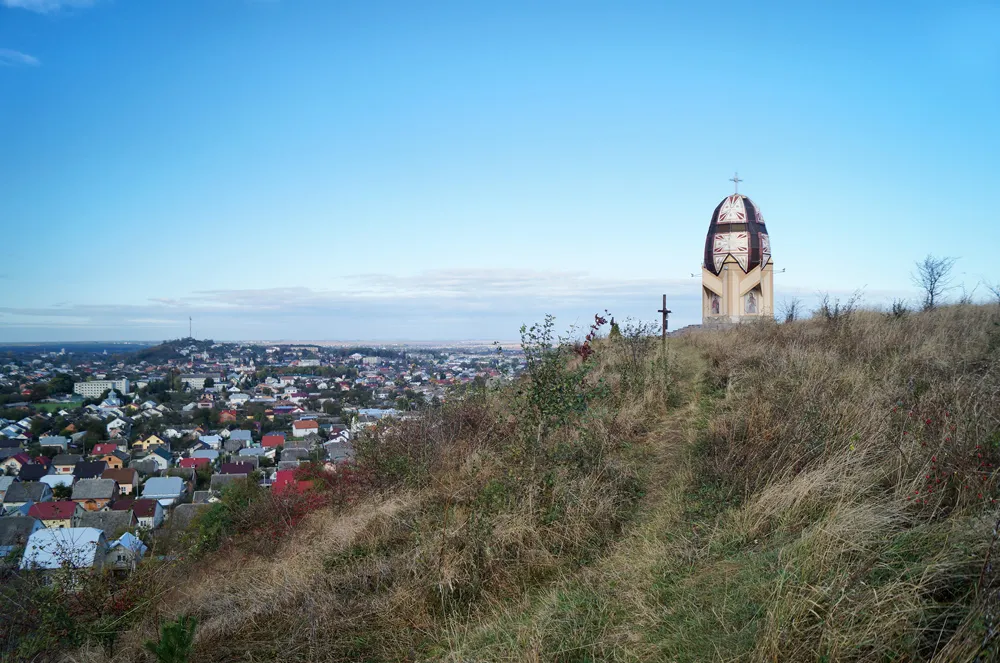
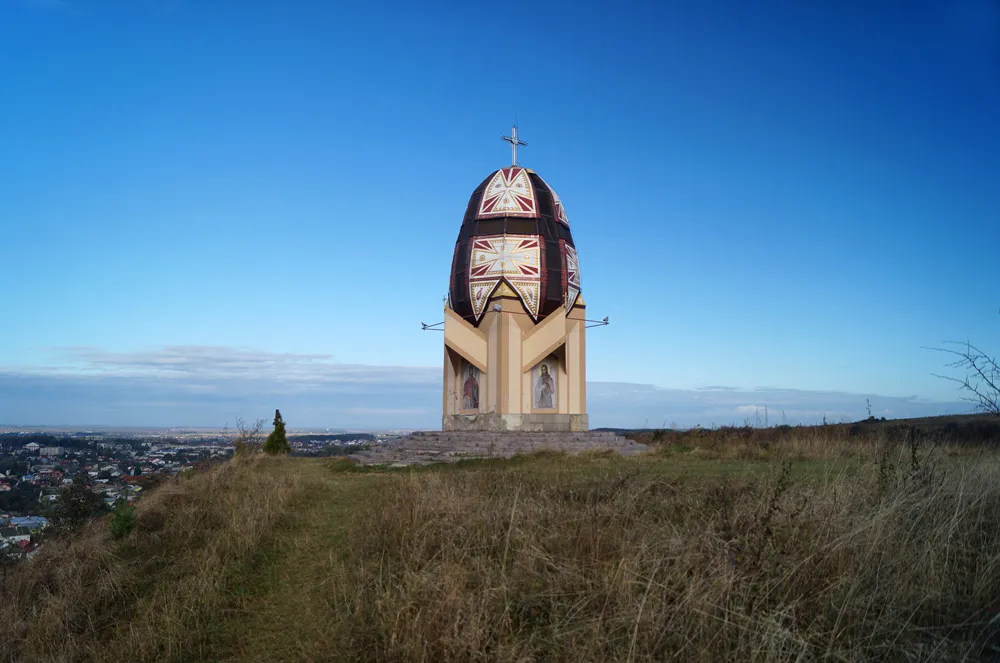
Pysanka chapel
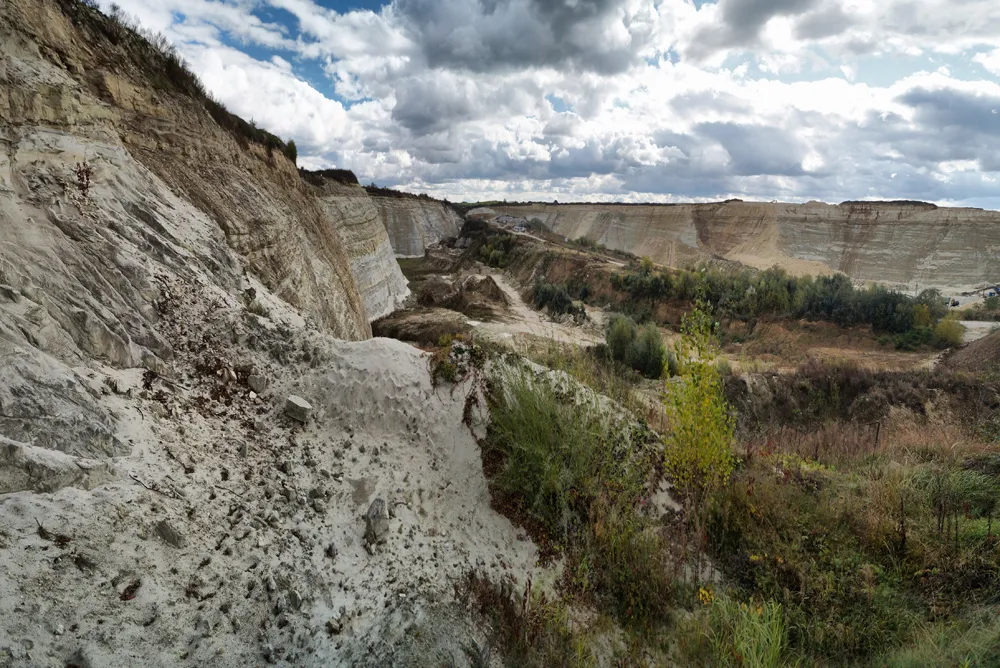
Quarry of the Mykolaiv cement plant
The archaeologist A. Schneider mentions that during the laying of the church in 1607 the foundations of the town walls were found, together with Ruthenian coins and a huge poleaxe. In the 19th century the ramparts that surrounded the town were still visible. Schneider held the opinion that this was the ancient settlement of Teteriv.
The appearance of the town of Mykolaiv is connected with Mikołaj Tarło. The Tarło family appeared in the time of Władysław of Opole, who brought in Silesian knights. The family’s rise began with Zaklika Tarło, first mentioned in 1431 as an envoy of King Władysław Jagiełło to the Podolian magnates who did not want to hand Podillia with Kamianets over to the vassals of the Grand Duke of Lithuania Švitrigaila. Later Zaklika Tarło of Szczekarzowice became Crown Carver and starost of Stryi. Zaklika’s sons were Andrzej and Paweł Tarło. Paweł’s nephew was the Sandomierz standard-bearer and royal secretary Mikołaj Tarło, who is the founder of the town of Mykolaiv.
Mikołaj Tarło was on good terms with Sigismund Augustus. On 20 February 1570 the privilege for the founding of the town of Mykolaiv was signed.
The privilege of King Sigismund Augustus for the founding of the town of Mykolaiv and the granting of Magdeburg law to it, signed on 20 February 1570, was confirmed by Kings Stephen Báthory, Sigismund III, Władysław IV, Michał Korybut Wiśniowiecki and Augustus II. With minor changes it was also confirmed by the Austrian emperors Joseph II in 1782 and Francis I in 1794.
The first charter, which formed the basis of the town’s constitution, confirms that the townspeople received their own self-government headed by an elected Council of 6 persons, led by a burgomaster, were exempt from the jurisdiction of any officials and in all matters were subject to the court of the vogt. To attract new settlers they were exempted from all taxes for 20 years, including the “szos” (levied on the urban population in proportion to the size of their immovable and movable property).
Tarło chose the site for the town fortifications, for the church and for his own house. The town fortifications were built already with the use of artillery in mind. Judging by the fact that in the 17th century the town several times withstood Tatar raids, the fortifications were evidently completed.
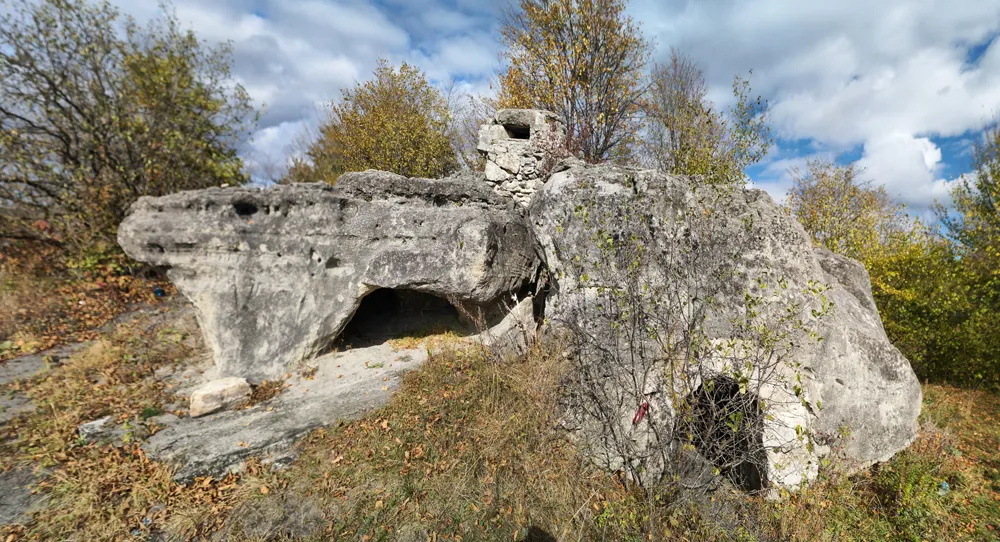
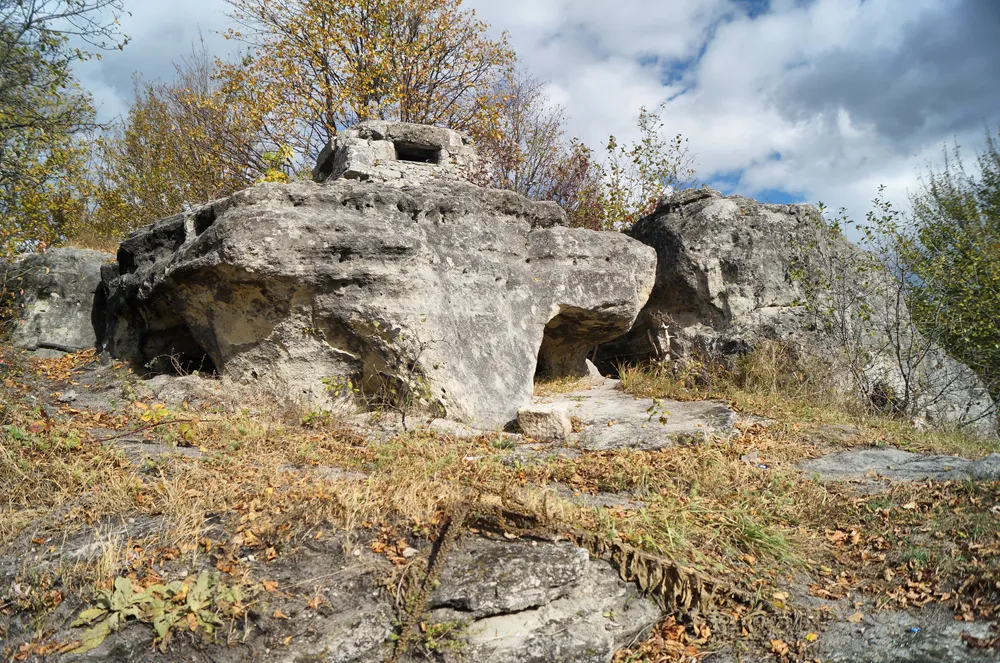
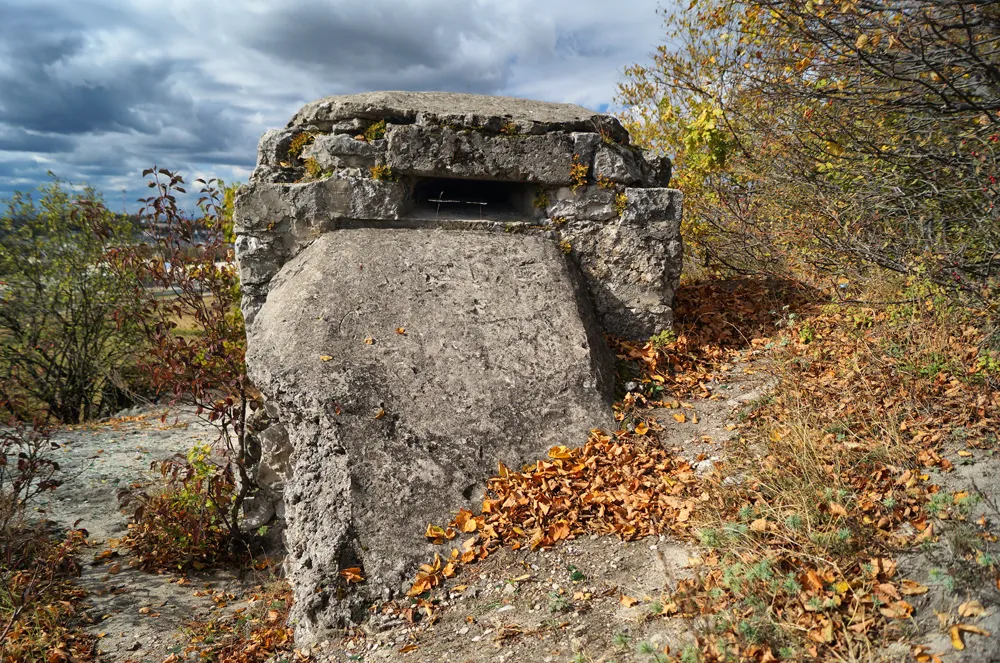
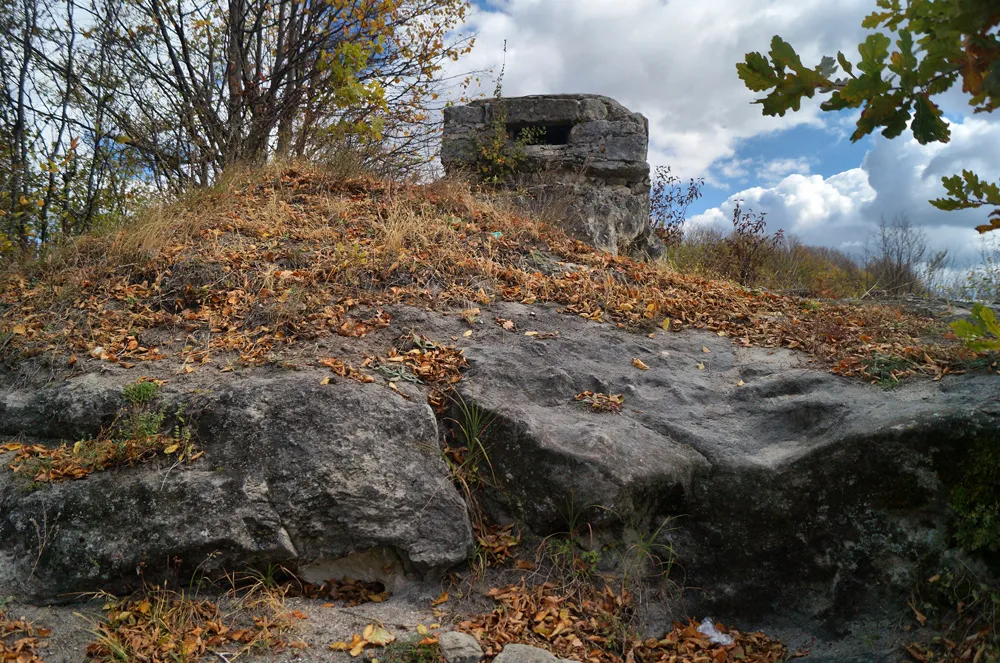
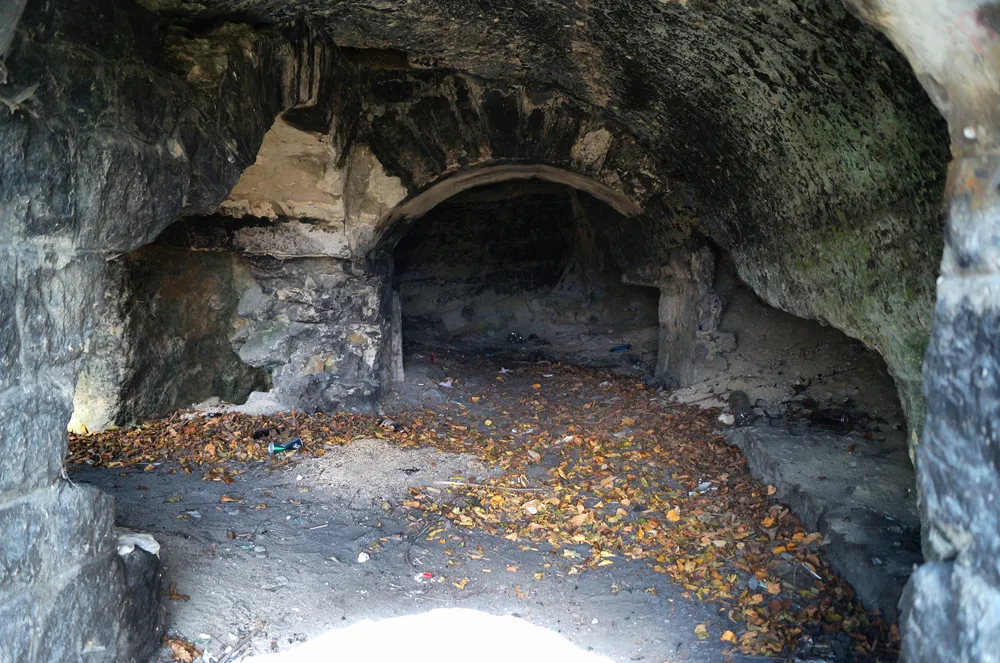
Austrian pillbox of the First World War period
The oldest suburb arose by the road to Drohovyzh, where the Church of St. Nicholas stood; it was originally called Przemyśl, because the route itself led from Przemyśl to Halych. In the 19th century, when the road system changed, this suburb was called Lviv. Mikołaj Tarło died in the summer of 1571, being barely about 50 years old.
In 1578 the town had 37 households. In 1580 the townspeople won the right to toll-free passage along the starost’s road through Drohovyzh. Jadwiga Tarło (Mikołaj Tarło’s wife), who lived in Drohovyzh, actively interfered in the life of the town and considered herself its hereditary owner. Therefore the townspeople’s struggle with her began in 1580.
According to tradition, the townspeople, so as not to arouse the authorities’ suspicion, gathered for a council outside the town, at the edge of the forest. A little later a settlement called Radiv arose there. The insurgents attacked the town hall, seized the town elders and a nobleman and cut off their heads. Since then, at the edge of Mykolaiv there has stood a grave with a memorial cross in which the nobleman Adam Rzecki is buried.
The population of Mykolaiv and the surrounding villages suffered great harm in 1620. The Polish army suffered a great defeat in the Battle of Cecora in Moldavia. Tatar detachments, taking advantage of the defencelessness of the Ukrainian lands, terribly plundered Galicia.
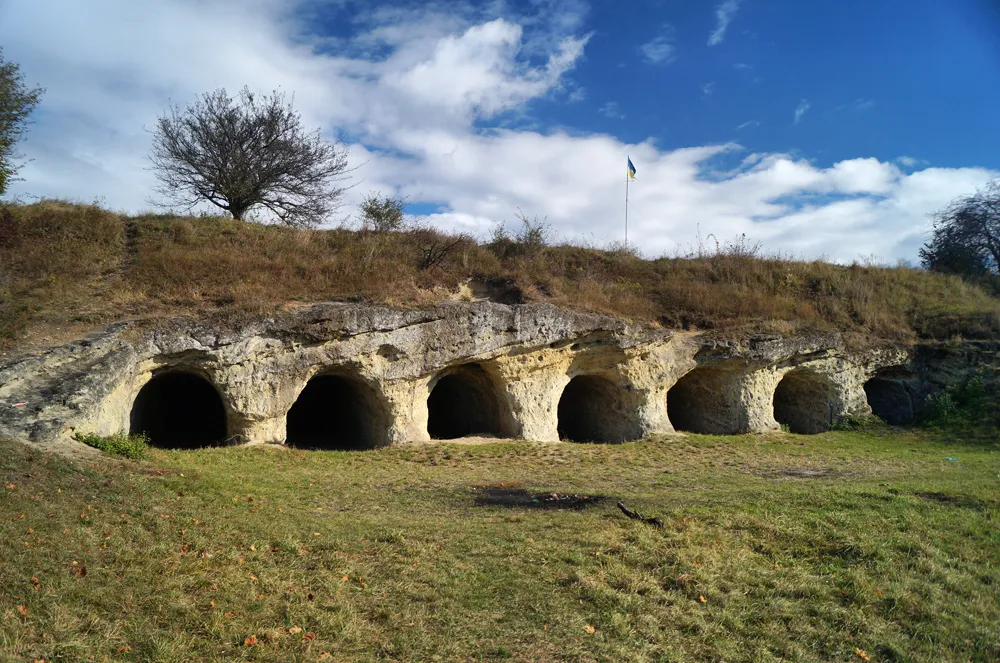
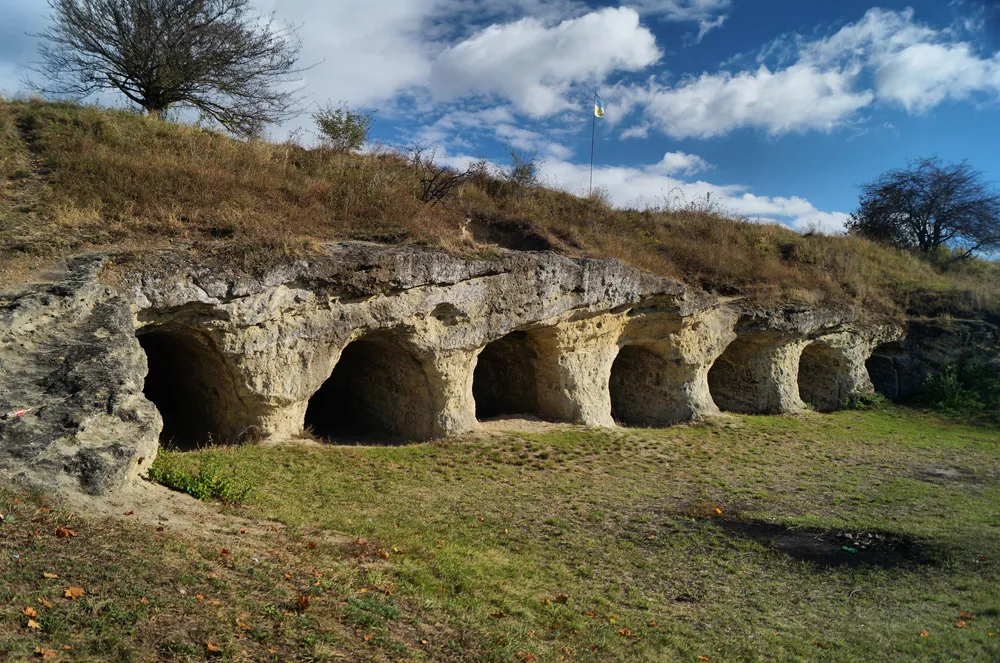
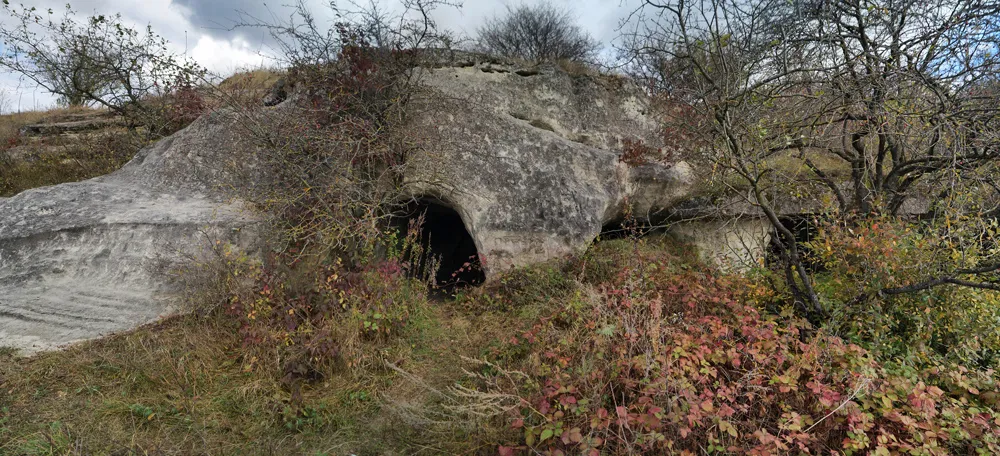
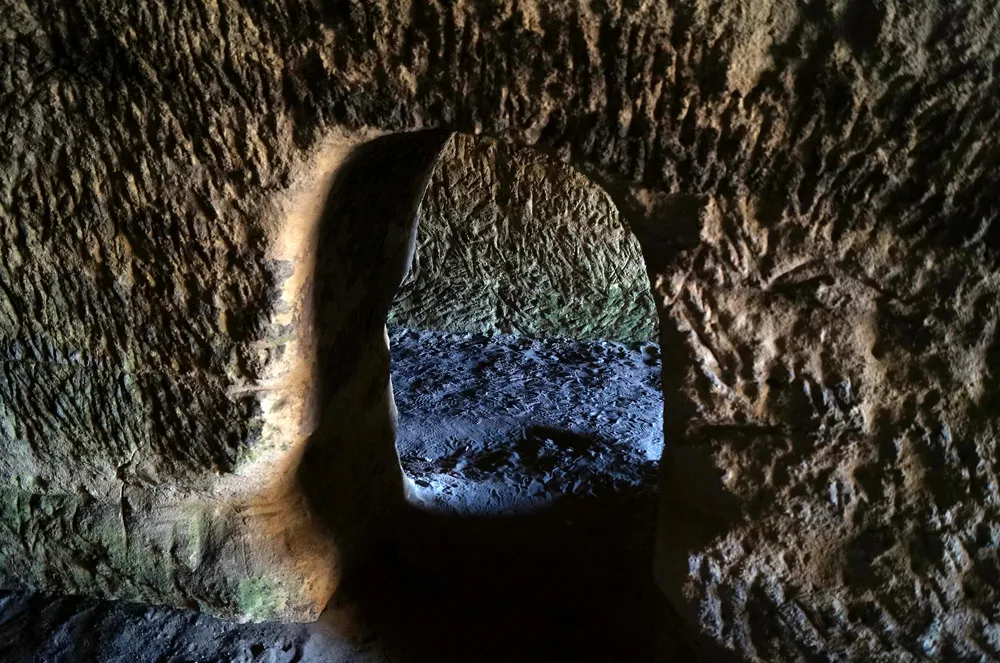
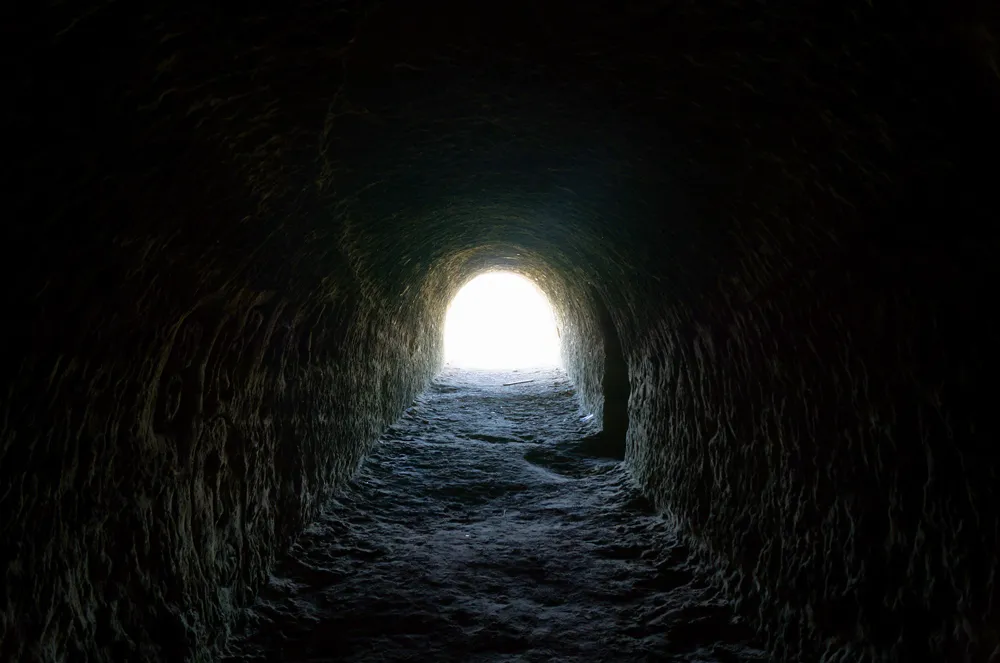
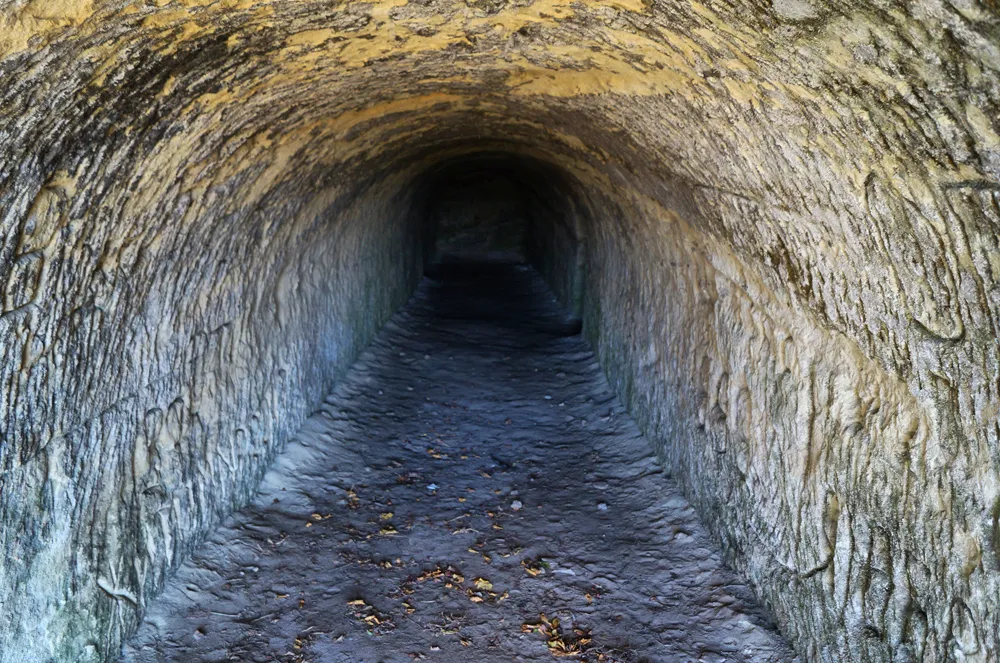
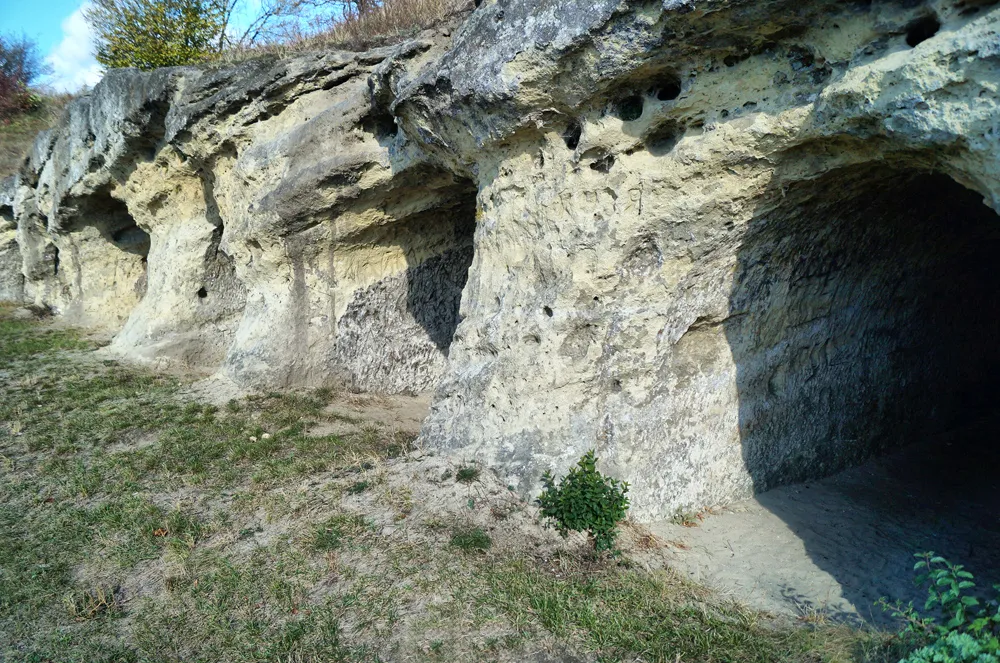
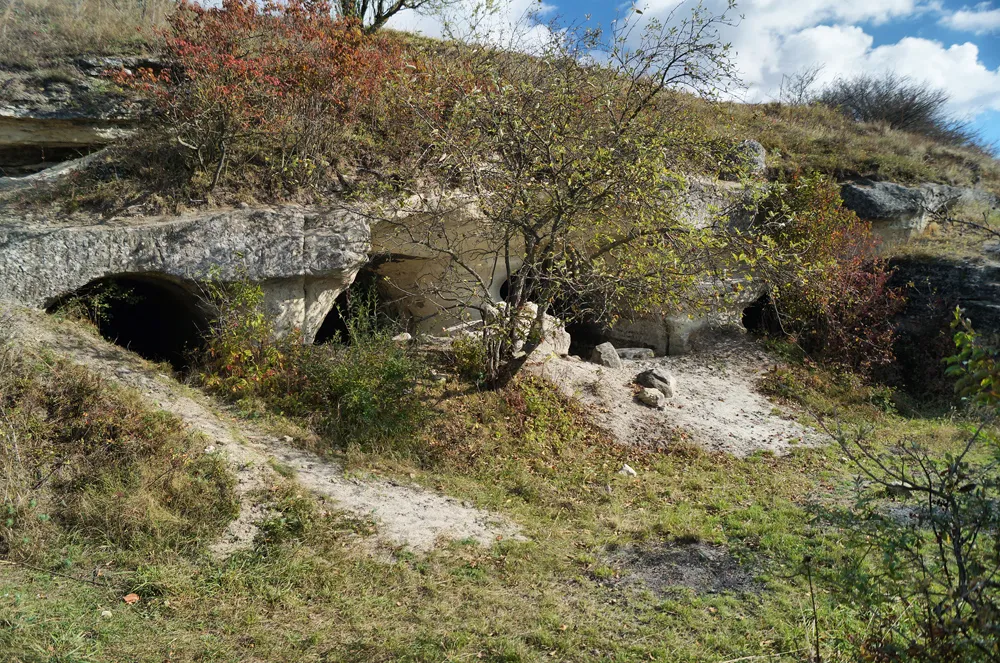
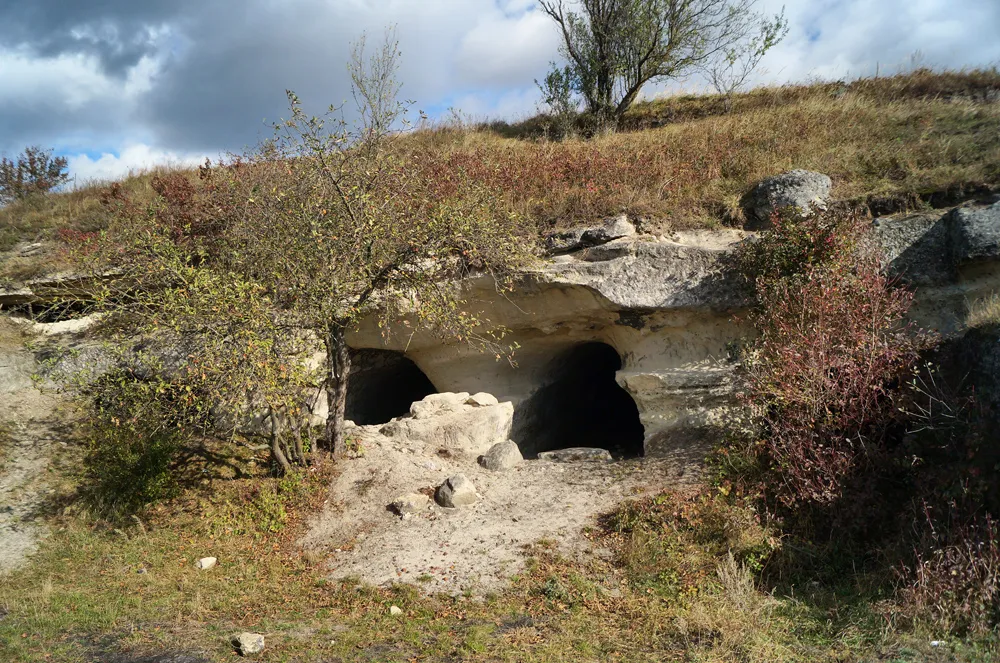
Gallery complex of “Chorna Hora”
In 1772 the territory of the district became part of the Habsburg Monarchy (from 1804 the Austrian Empire).
The government encouraged the resettlement of German colonists onto Galician lands. Thus the German colonies of Dornfeld and Reichenbach were founded on the lands of the village of Dobriany.
The change from Polish to Austrian rule improved people’s lives (noble feuds ceased and order began to be established). In 1773 the Drohovyzh starostwo, which included Mykolaiv and the 9 villages around it, was entered in the register of state estates and valued at 153,180 Roman gold coins. In 1820 this starostwo was bought by the Polish count Stanisław Skarbek for 178,630 Roman gold coins, and he became the actual owner of Mykolaiv. Now the town’s residents had to pay both state taxes and payments to the count for using land, pastures and apiaries. The residents of the suburb had to perform corvée labour. Skarbek was one of the richest people in the Austrian Empire and the founder of a shelter for orphans and the elderly, to whose upkeep he allocated considerable funds.
Even before the outbreak of the war, in 1914, the Austrians carried out the construction of fortifications on the Rozdil–Veryn–Mykolaiv–Drohovyzh line. Construction of the Mykolaiv fortress in the vicinity of the town, which was to cover the roads to the Carpathians, was halted after Russian intelligence learned of it.
At the end of August 1914 fierce fighting began on the territory of the Mykolaiv area. Austrian attempts to hold Mykolaiv ended in defeat. The legion of Ukrainian Sich Riflemen took part in the fierce battles on the Austro-Russian front.
On 3 March 1918 a “festival of statehood and peace” (a veche) was held in the town in support of the actions of the government of the Ukrainian People’s Republic, attended by about 10,000 people.
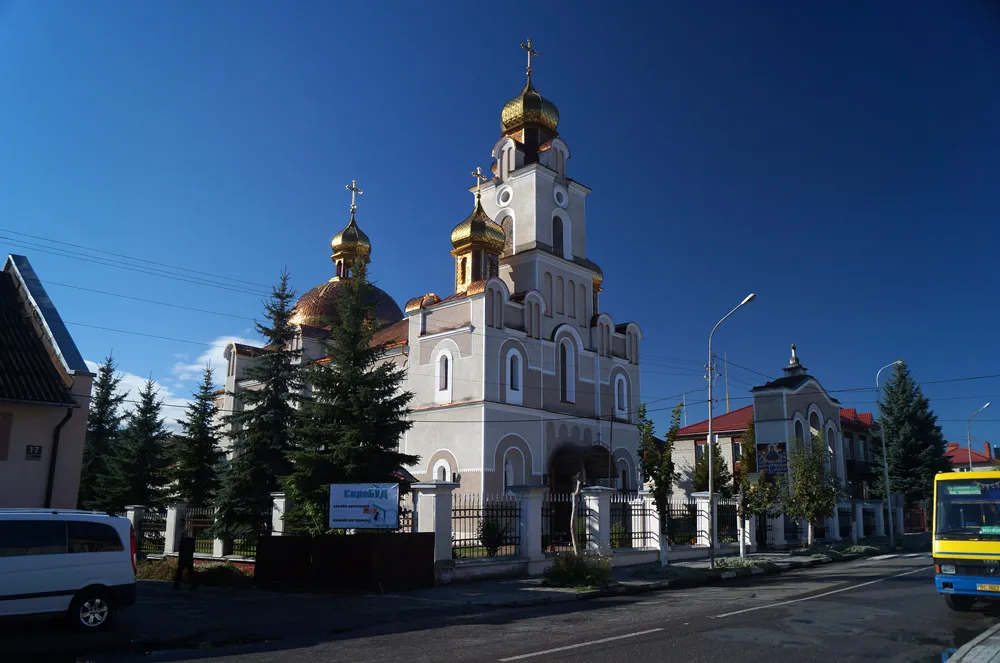
Mykolaiv church
After the collapse of the Austro-Hungarian Empire, in early November 1918 the creation of the West Ukrainian People’s Republic was proclaimed in Galicia. At that time part of the Mykolaiv area became part of the Zhydachiv political county. But the Polish authorities sought to annex Galicia to the restored Polish state. The Ukrainian Galician Army was created to defend the Ukrainian lands. Mykolaiv was defended by the 7th Lviv Brigade of the UGA, commanded by A. Bizants (a native of the Mykolaiv area, the village of Dornfeld). On 18 May 1919 Mykolaiv and Rozdil were occupied by Polish troops.
In August 1920 units of the First Cavalry Army entered the lands of the Mykolaiv area. The Red Army men drove the Poles out of the Mykolaiv-Drohovyzh railway station and captured many military trophies.
In March 1921 the Treaty of Riga was signed, and the West Ukrainian lands passed under Polish rule. Small-scale industry developed in the Mykolaiv area: the production of lime, tiles, bricks and pottery. A large enterprise, the Rozvadiv lime and tile factory, belonged to a wealthy Jewish capitalist, Shmorak. Most of the population was engaged in agriculture and suffered greatly from landlessness. The best lands were sold or given free of charge to settlers from Poland.
In the spring of 1940 the construction of a cement plant began between Drohovyzh, Rozvadiv and Mykolaiv. It was helped by the rich deposits of limestone and clay. Since then the main enterprise of Mykolaiv has been the cement plant, which has dug huge quarries around the town.
Based on a Wikipedia text
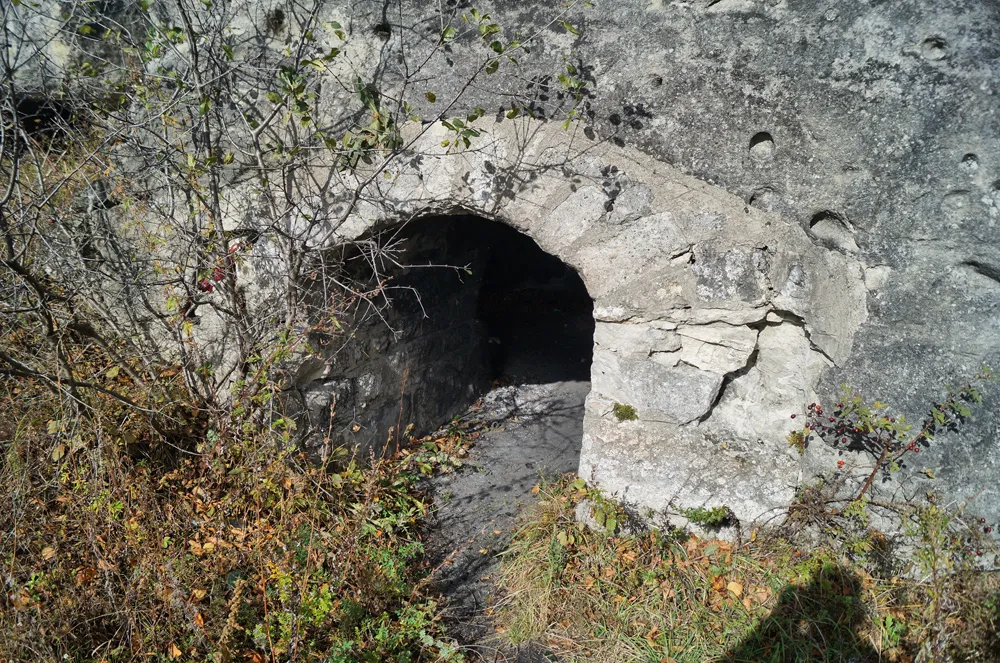
For tourists in Mykolaiv and its surroundings, a considerable point of interest is the gallery complexes of Chorna Hora – conditionally early medieval archaeological sites of the “Chorna Hora” tract. About 10 gallery complexes have survived to our time in the sides of an ancient structural terrace north of Mykolaiv. These galleries are quite often called temple complexes of the White Croats. Some researchers believe that the caves were hollowed out by the White Croats themselves and later turned into galleries.
Next to Mykolaiv there are remains of Austrian fortifications of the First World War period. A very interesting one is an old pillbox set into the rock.
Few architectural monuments have survived in Mykolaiv. The oldest building is the Church of St. Nicholas. At first there was a chapel here, and in the second half of the 16th century a masonry church was built at the expense of the Mniszech and Tarło families. In the period from 1600 to 17 May 1607 a parish was founded in Mykolaiv (the founders were the Mniszech and Tarło families, as well as King Sigismund III Vasa). In 1620 the shrine was destroyed by the Tatars.
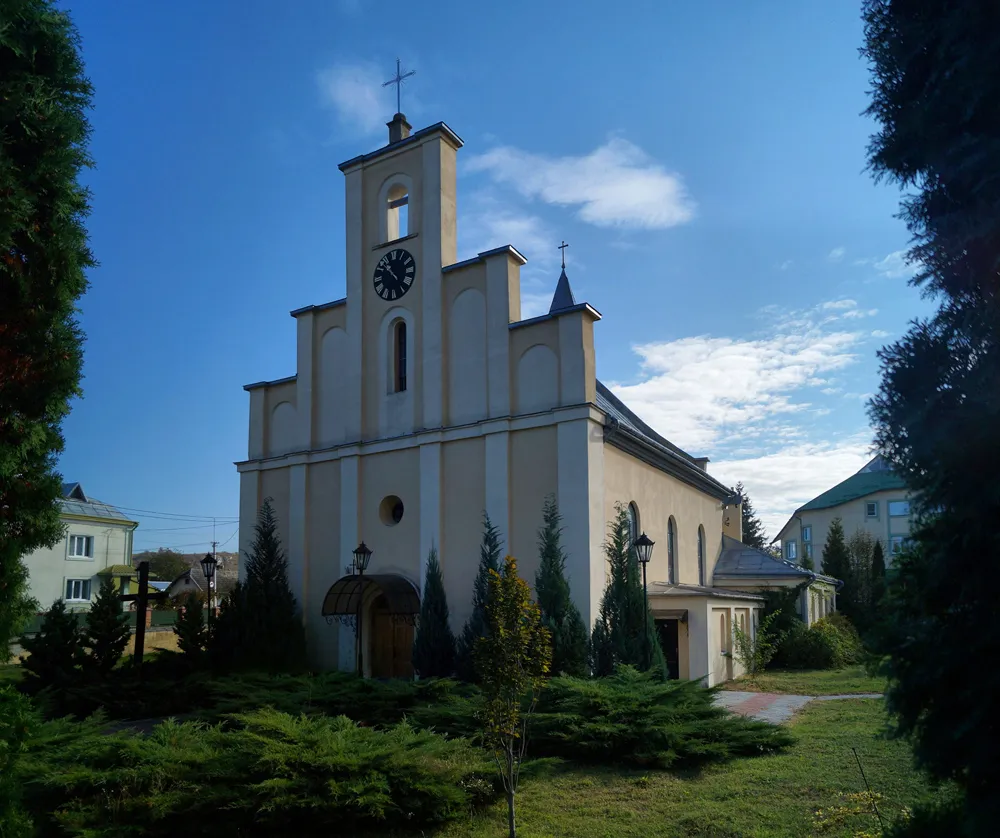
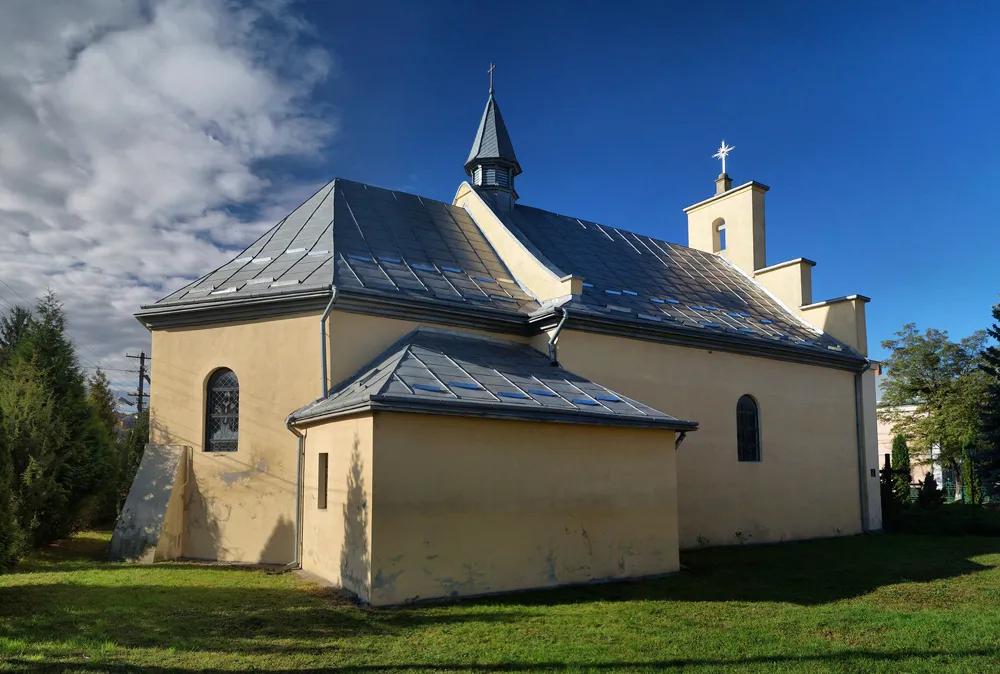
Church of St. Nicholas
In the 1620s–1630s a new masonry church was built in Mykolaiv at the expense of M. Ostroróg, consecrated in 1636 by Bishop Z. Nowoszycki. In 1741 the shrine underwent a thorough repair, and in 1835 another repair began. In the 1870s a large clock was installed on the facade of the church.
From the 1950s until 1990 the church was closed (a sports hall, and then a ceremonial hall). The parish is served by diocesan priests. Text from the site Churches and chapels of Ukraine
The Greek Catholic Church of St. Nicholas was built in 1868–1876, and the church of St. Michael of the same denomination was built in 1863.
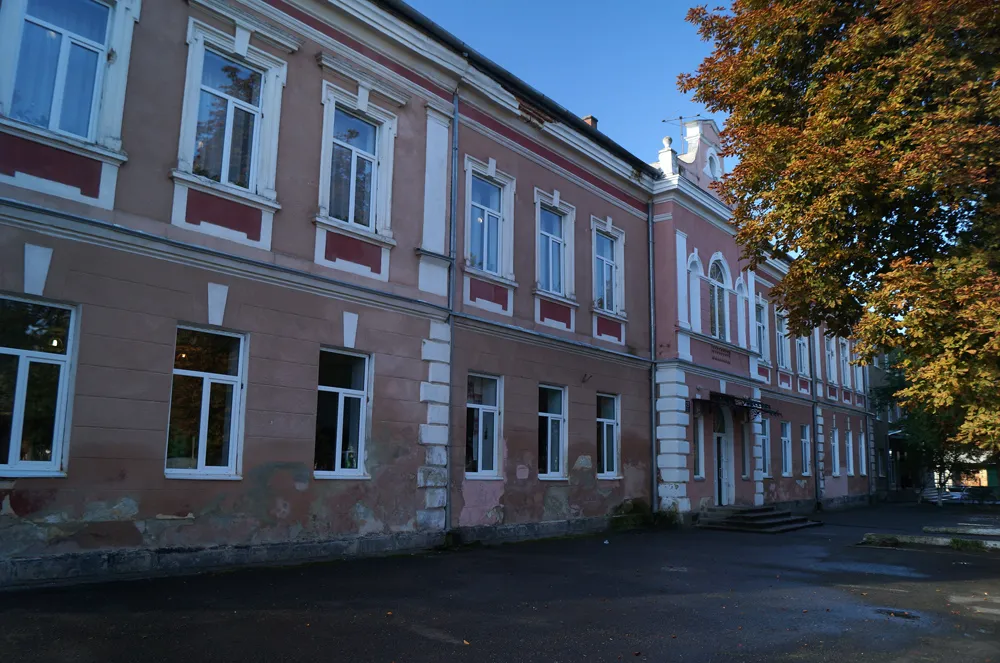
In the centre of the town there are old buildings from the Austro-Hungarian period. Another curiosity is the pysanka chapel, located on a hill above the town.
Photos by Roman Malenkov.


