Montenegro. Upper and Lower Stoliv. Gornji Stoliv, Donji Stoliv

· 2 min read
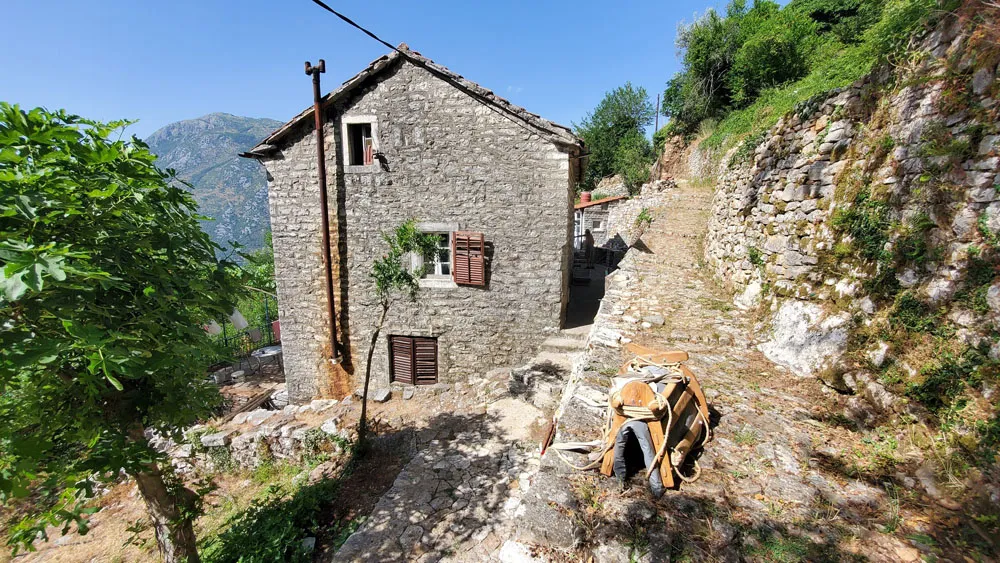
On the western shore of the Kotor–Risan part of the Bay of Kotor, almost opposite Perast, lie two settlements – Lower and Upper Stoliv (Gornji Stoliv, Donji Stoliv). Understandably, the upper and the lower. In the days when pirates plied the bay, the villagers lived high in the mountains – they are less visible there, and it is easier to defend oneself. After the Venetians arrived, the coast became much safer and the villagers came down to live by the sea. That is how the two Stolivs appeared. In the lower one elegant Venetian houses began to be built, while in the upper one people continued to live in powerful multi-storey mini-fortresses. And they still live in them today – in two inhabited ones. Officially, 10 people live in Upper Stoliv. But they say only two live there permanently.
The lower settlement, Lower Stoliv, is no longer a village at all. It is a small town. The local church with a bell tower, dedicated to the Mother of God, was built in 1774, when Venice ruled here. Some of the old houses along one street were built even earlier, as was the stone road to Upper Stoliv. It leads uphill, past an old cemetery with a small chapel. Around it is a forest of sweet chestnuts. Beautiful. In about half an hour you can climb to Upper Stoliv and be transported to a world where time has stood still.
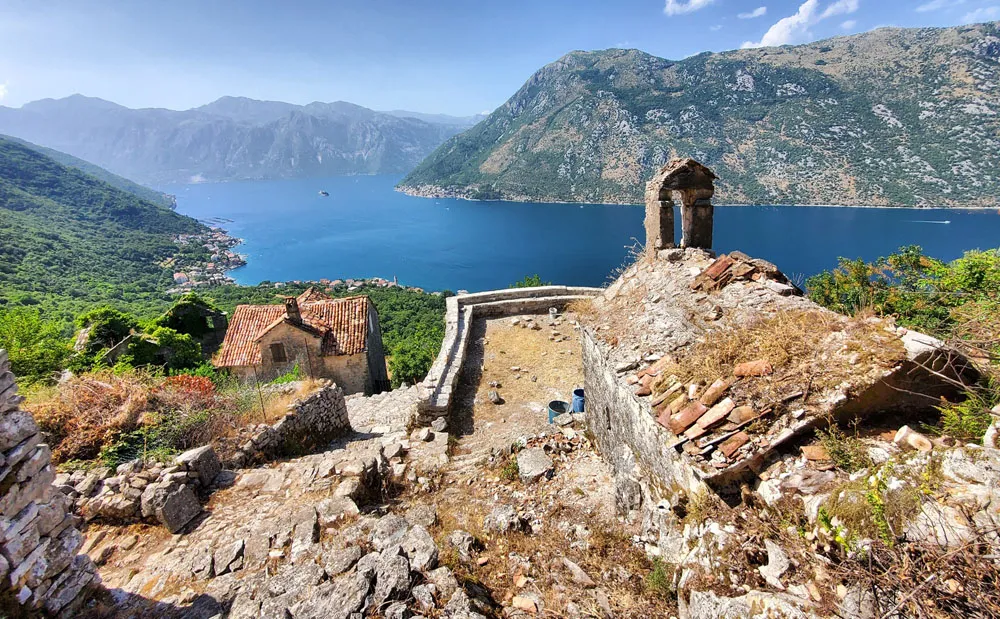
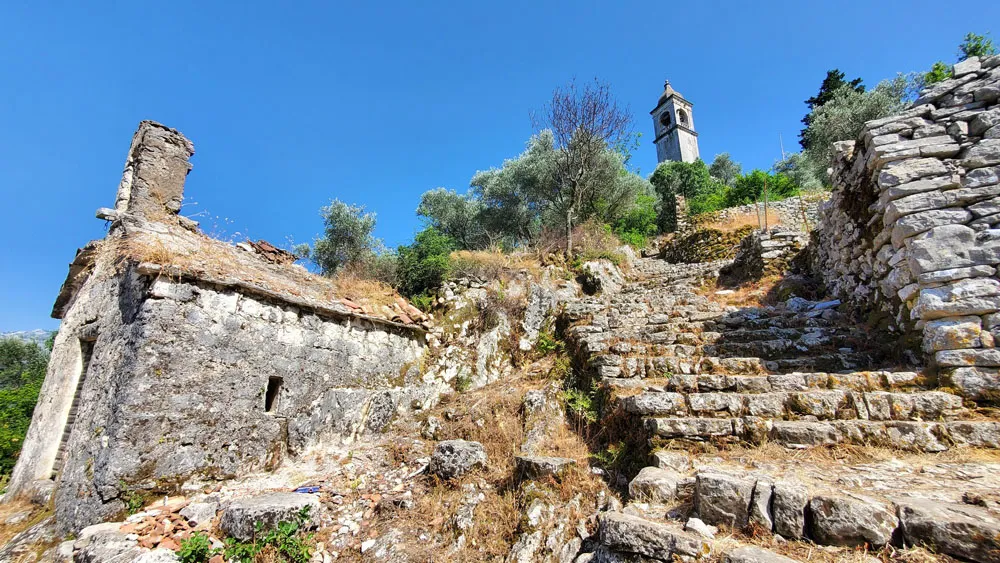
Upper Stoliv
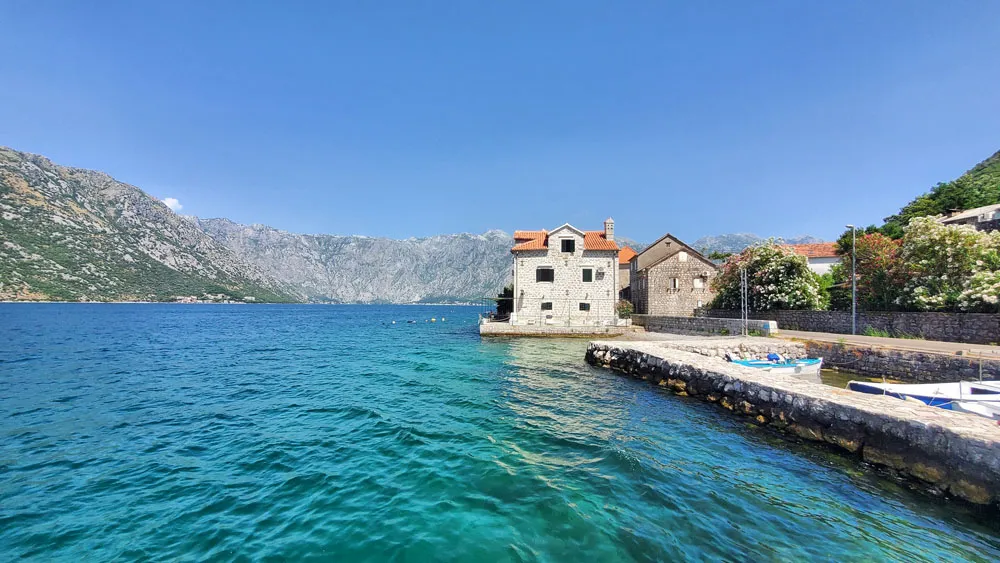
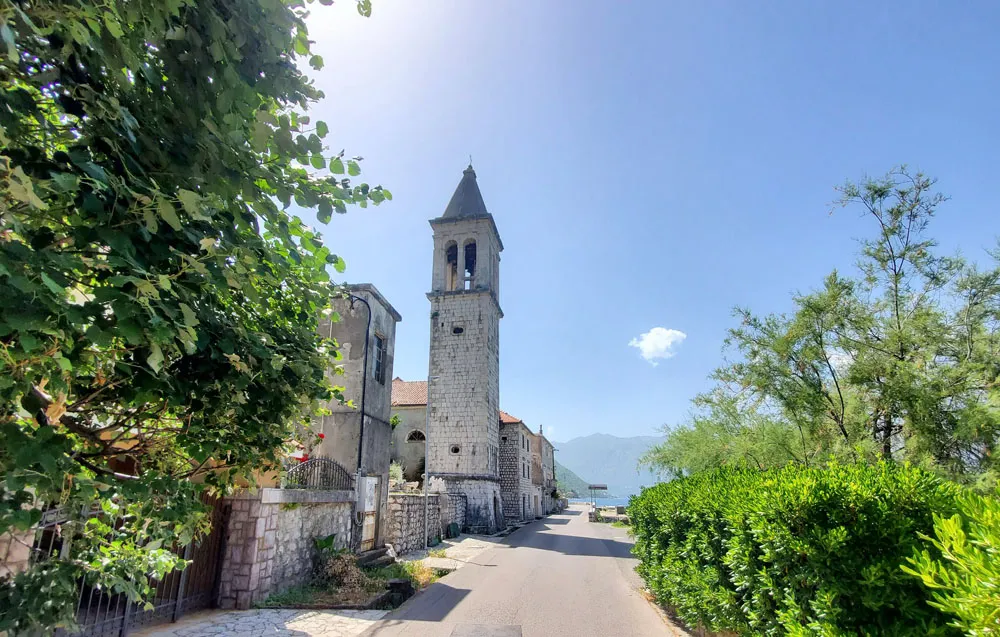
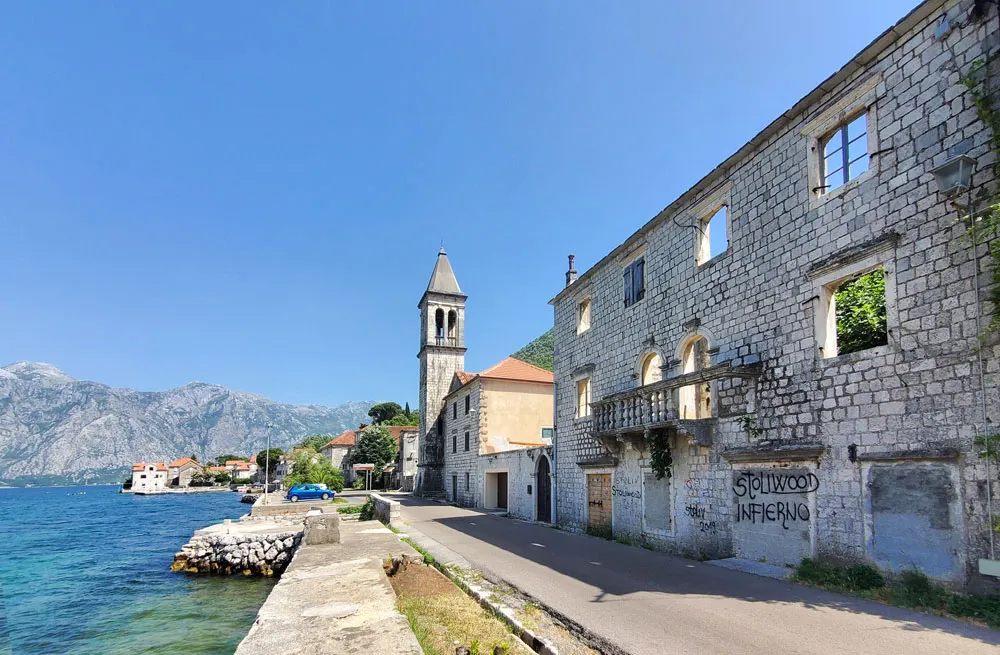
Lower Stoliv
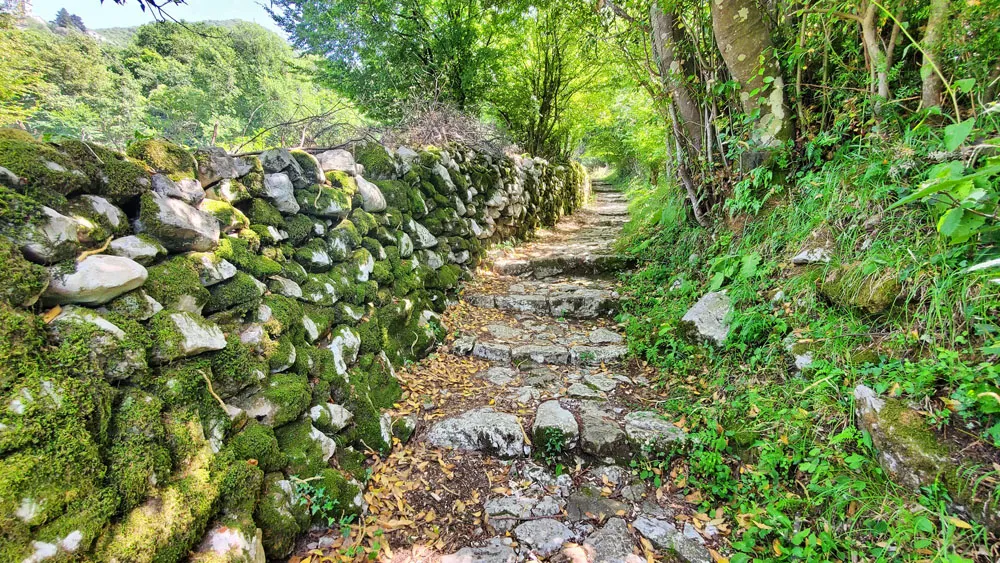
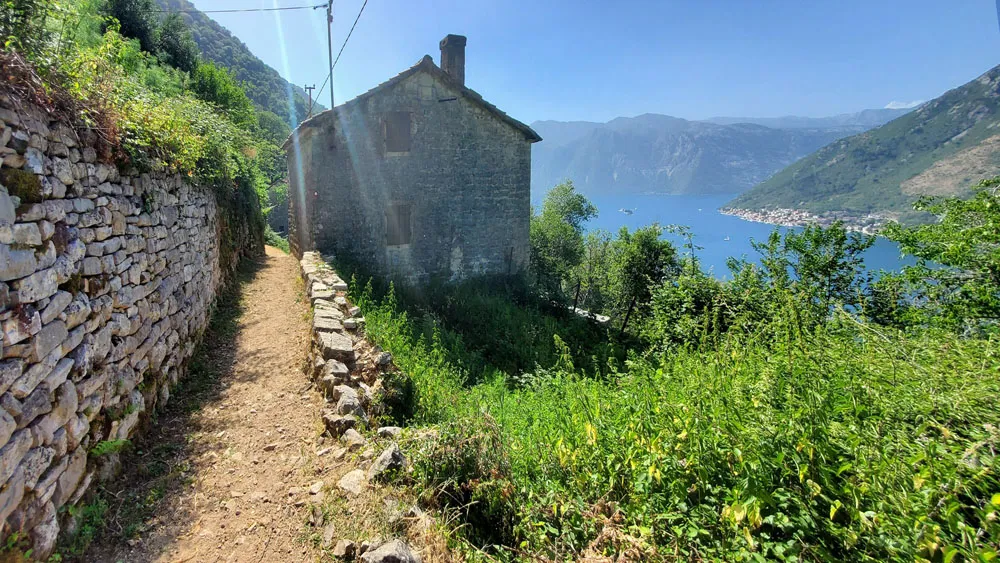
The road to Upper Stoliv
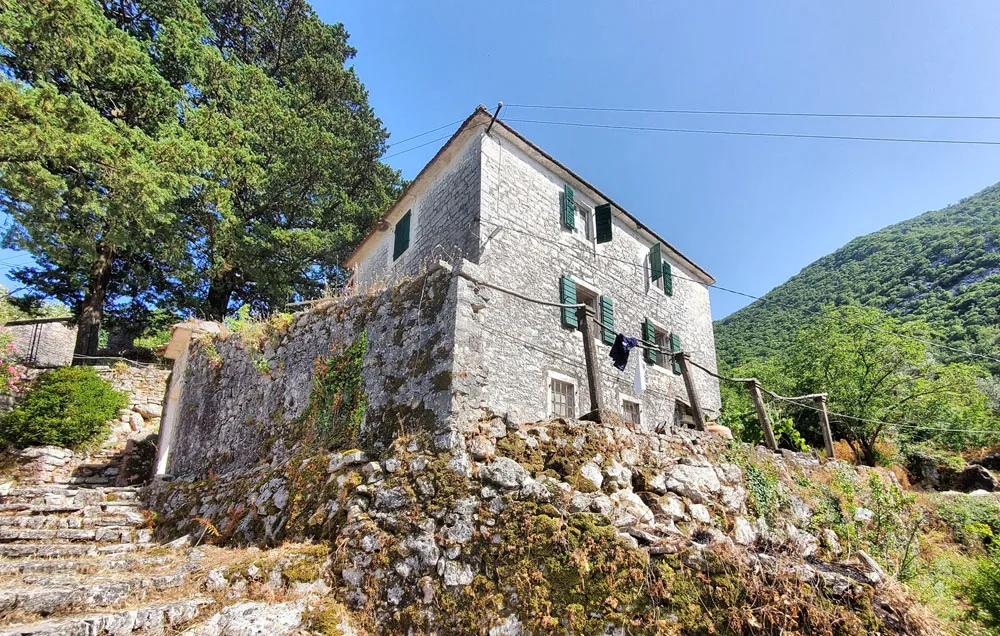
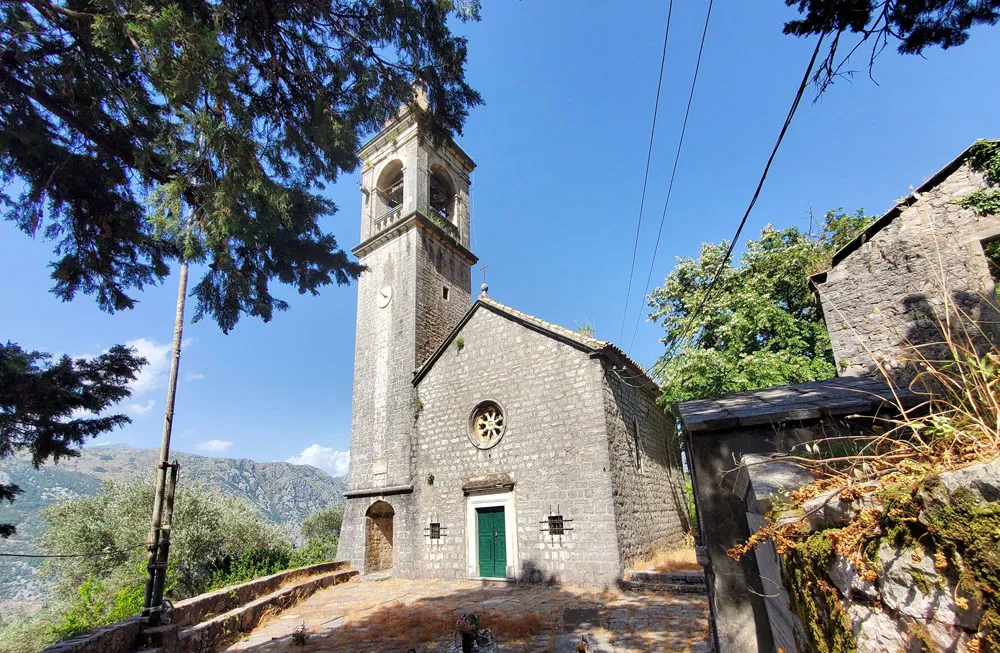
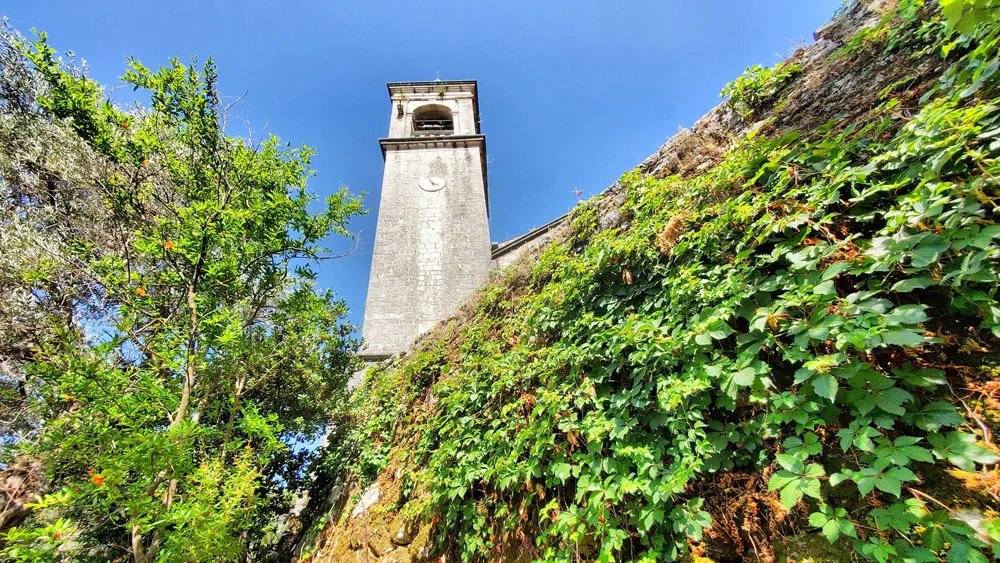
Upper Stoliv
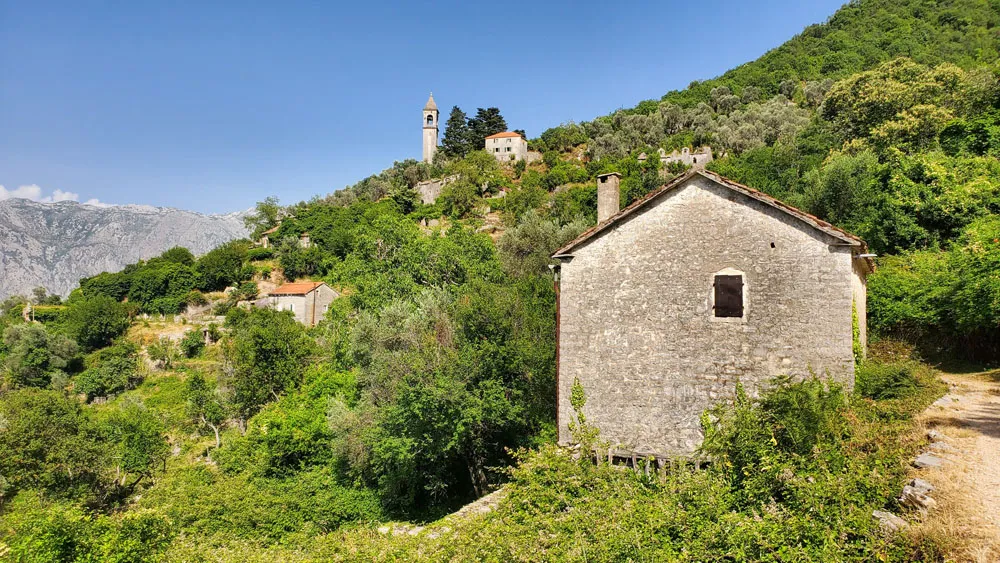
Down below, by the sea, there is busy car traffic, beaches and tourists. Up above there is no road for cars at all. The locals keep horses as draught animals, small and thin. In the highest part of the village stands the Church of St. Elijah, built as early as the 16th century. Its bell tower is clearly visible from the sea, from the pleasure boats that seem to buzz around below Lower Stoliv round the clock.
There is another small chapel here, very tiny, but next to it is a wonderful viewing platform with a fairy-tale view of the bay and Perast on the other side.
Upper and Lower Stoliv are two brothers, one of whom has gone a bit wild, put on some sackcloth and set off wandering through the forest. By the way, Russian-speaking guides say that the name comes from a legend that once every young man had to plant a hundred olive trees before marrying. I do not know about that, but the olive in Montenegrin (Serbian) is “maslina”, and in Italian – the Venetians did rule here for centuries – the settlement is called Stolivo.
Upper Stoliv has electricity, but without a road it has only one path to salvation – to turn into an open-air museum or some kind of eco-settlement (that is already a second path). We saw two houses being renovated, and one is already called a villa.
Text and photos by Roman Malenkov.