Chornukhy. A treasury of Art Nouveau

· 3 min read
Chornukhy is a settlement, the former centre of Chornukhy district in Poltava Oblast. The Cossack town is best known as the birthplace of the Ukrainian philosopher Hryhorii Skovoroda; there is a literary museum here with the memorial homestead of Skovoroda’s parents, and a monument to him has been erected.
As for the origin of the toponym “Chornukhy”, besides several folk legends, including one that appeals to a Cossack first settler named Chornukha, three versions are put forward:
it links the name of the settlement with the name “the black ones” used in Kyivan Rus times for the Torks tribe because of their darker complexion (the expressions “went to the black ones” and “went to the Chornukhy” were in use); they (or rather part of them) performed mounted military service in these parts on the side of the Prince of Kyiv. Supposedly, this is how the name of the fortress town, and later of the whole settlement, Chornukhy, could have come about. In support of this theory, the historian L. V. Padalka, a native of Chornukhy, states that Chornukhy was founded by tribes of indigenous origin, from whom the name of the settlement came; the Russian historian V. O. Klyuchevsky also wrote that the nomadic Torks switched to a settled way of life and served the princes of Kyiv, standing guard on the borders;
the historian O. M. Lazarevsky mentions in his works that in Lithuanian-Ruthenian times there lived boyars named Chornukha, who had their estates on the Left Bank and apparently on the lands of present-day Chornukhy, from which the name of the settlement could have come;
another version is that in the Kyivan Rus period the lands belonged to the Prince of Kyiv, boyars, military commanders and retainers, and in particular the lands of Chornukhy belonged precisely to the Prince of Kyiv; at that time they were called black lands, and the peasants black-plough peasants. So perhaps the name Chornukhy comes from the “black lands”.
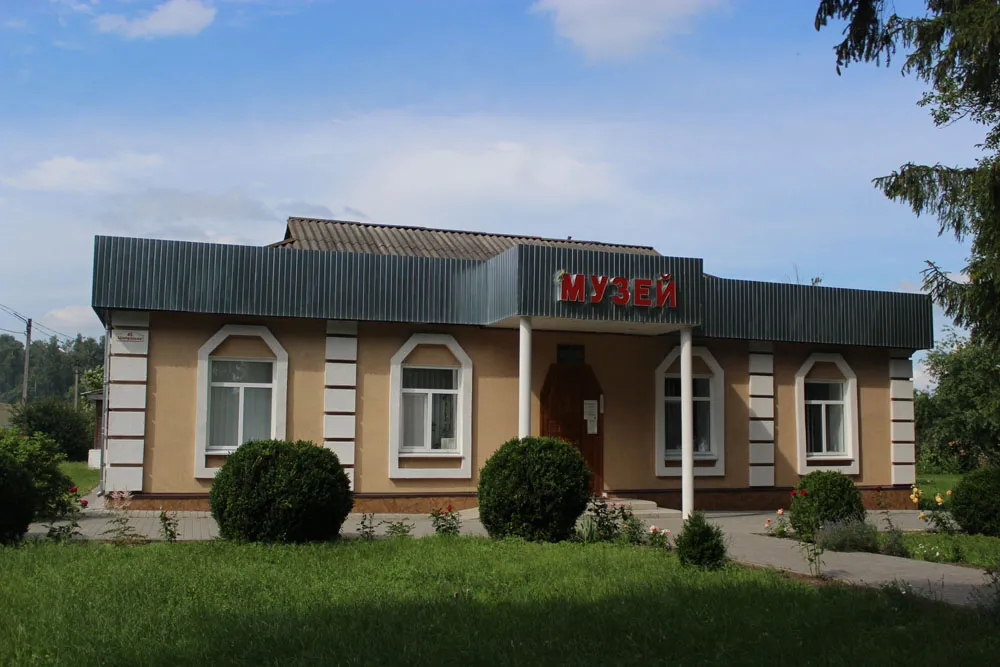
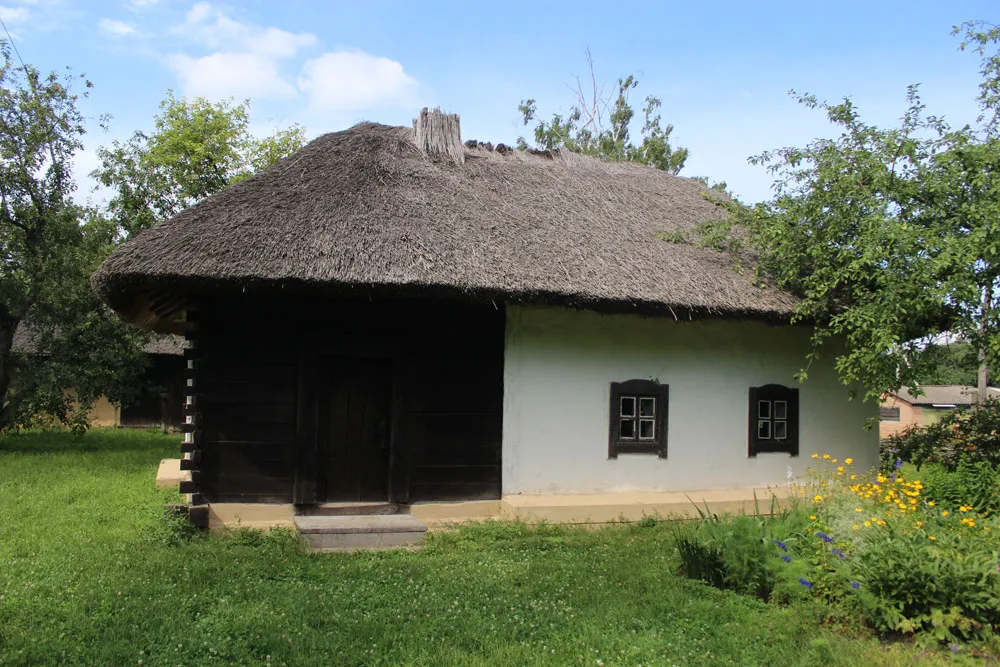
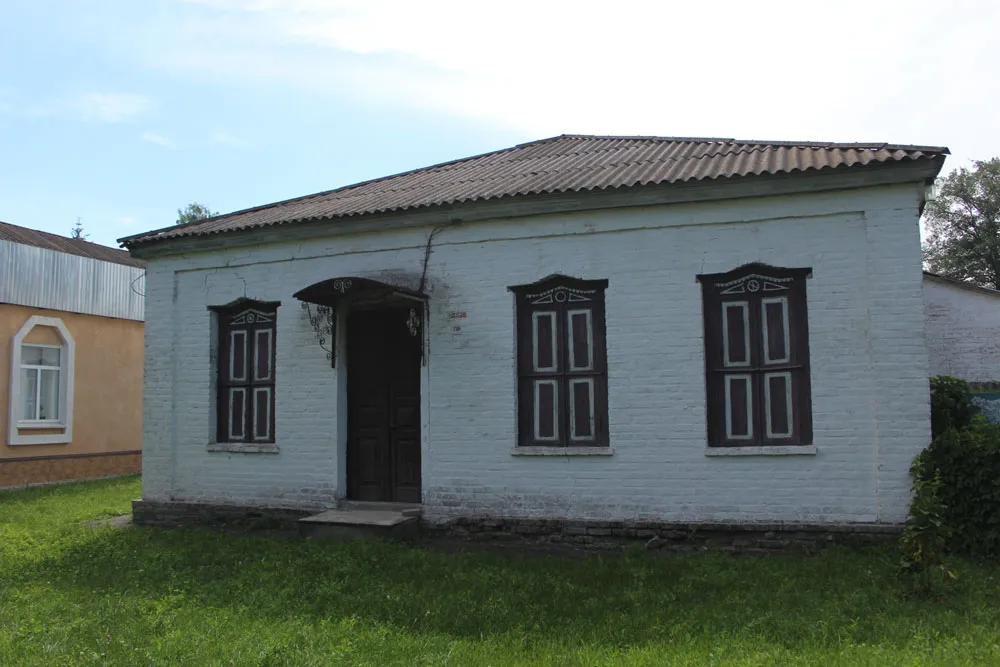
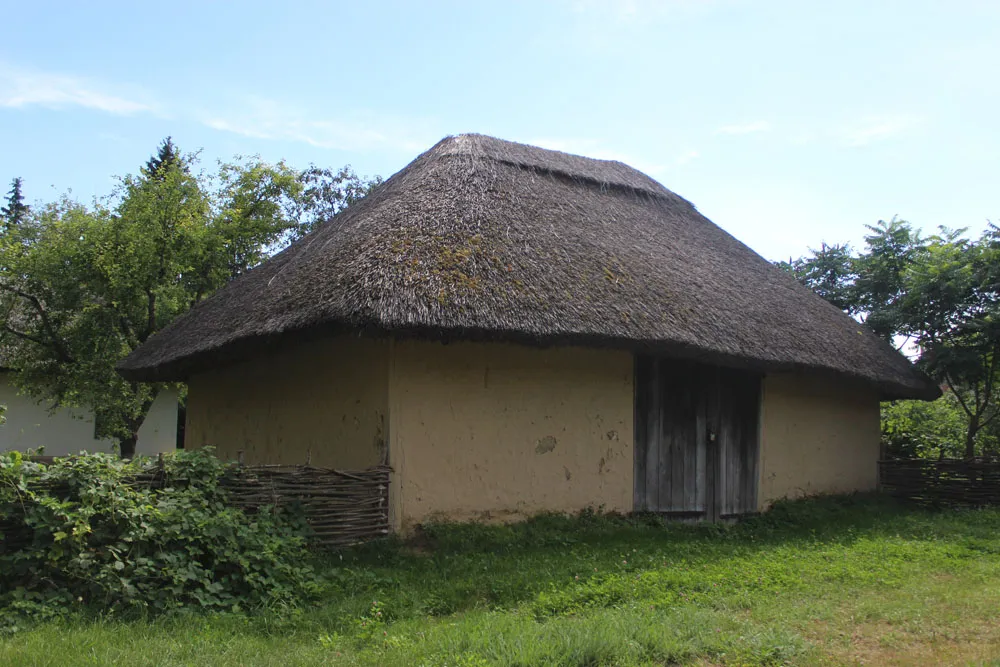
Museum of H. S. Skovoroda
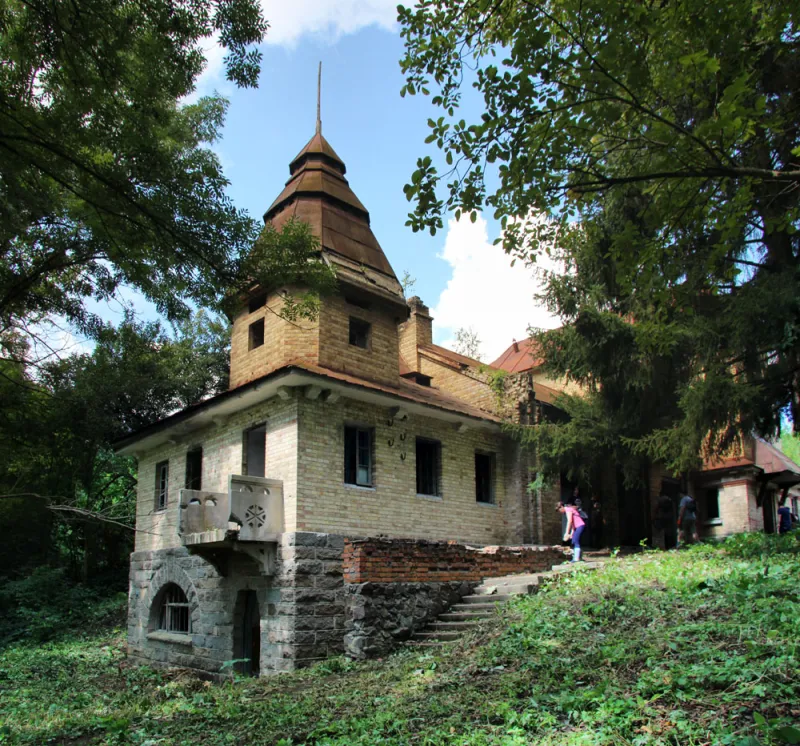
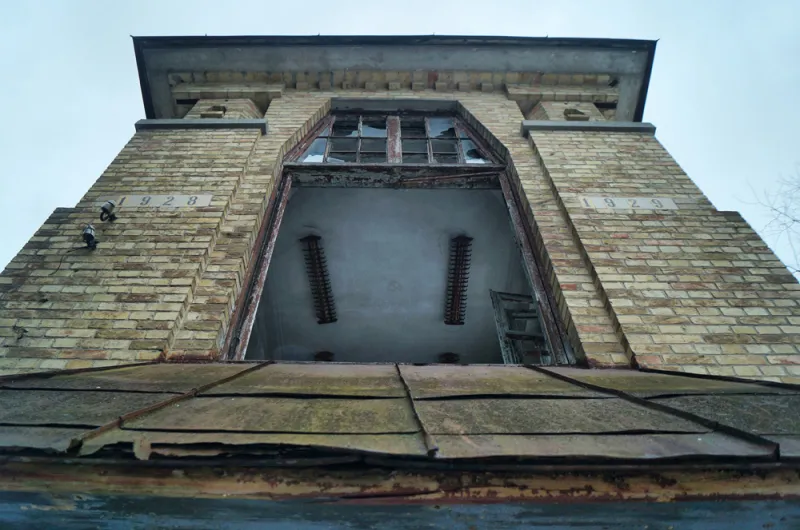
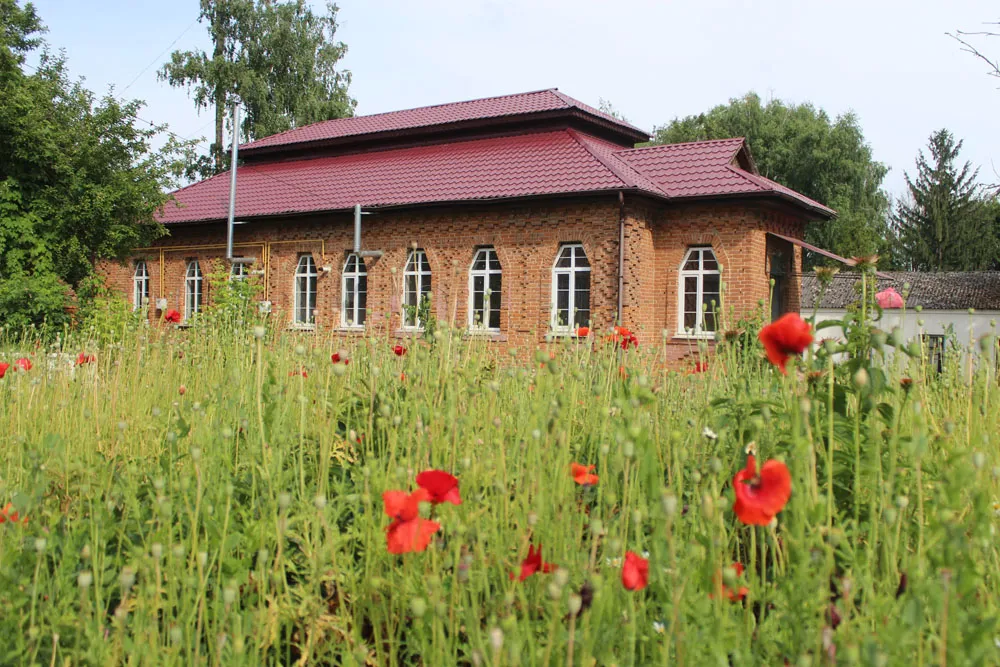
Chornukhy has preserved several wonderful buildings in the Art Nouveau style, including fine examples of Ukrainian Art Nouveau.
The zemstvo three-class school of the Lokhvytsia zemstvo. Built in 1913 in the Ukrainian Art Nouveau style to a design by the famous artist Opanas Slastion. The building is U-shaped in plan, single-storey, decorated with a lace of brick ornaments, and has hexagonal doors and windows and two tall decorative turrets. Registration documentation has already been prepared for the site, and the school will soon become an official architectural monument.
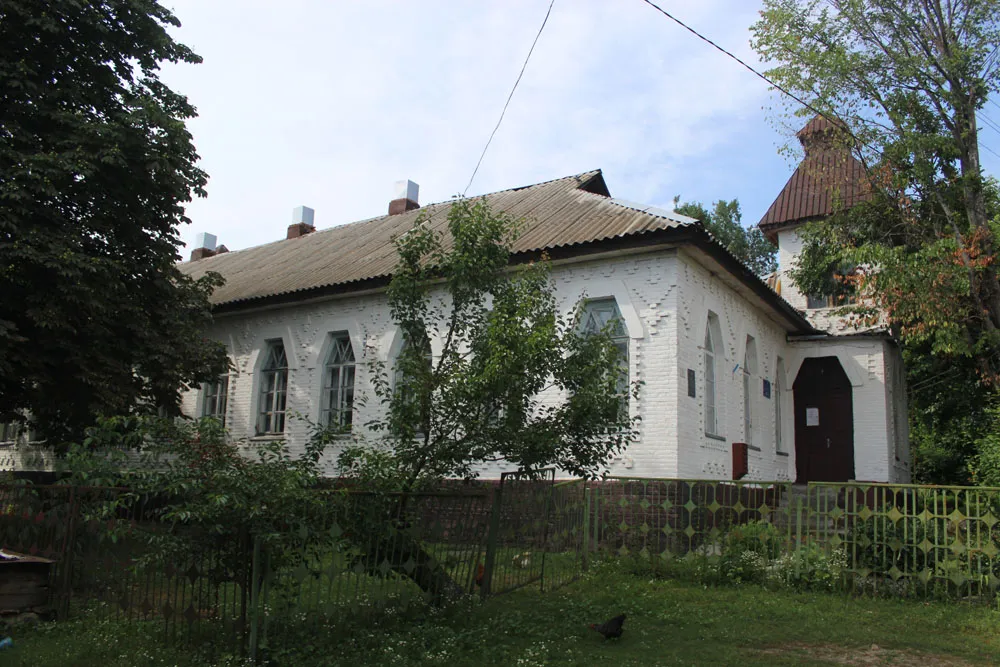
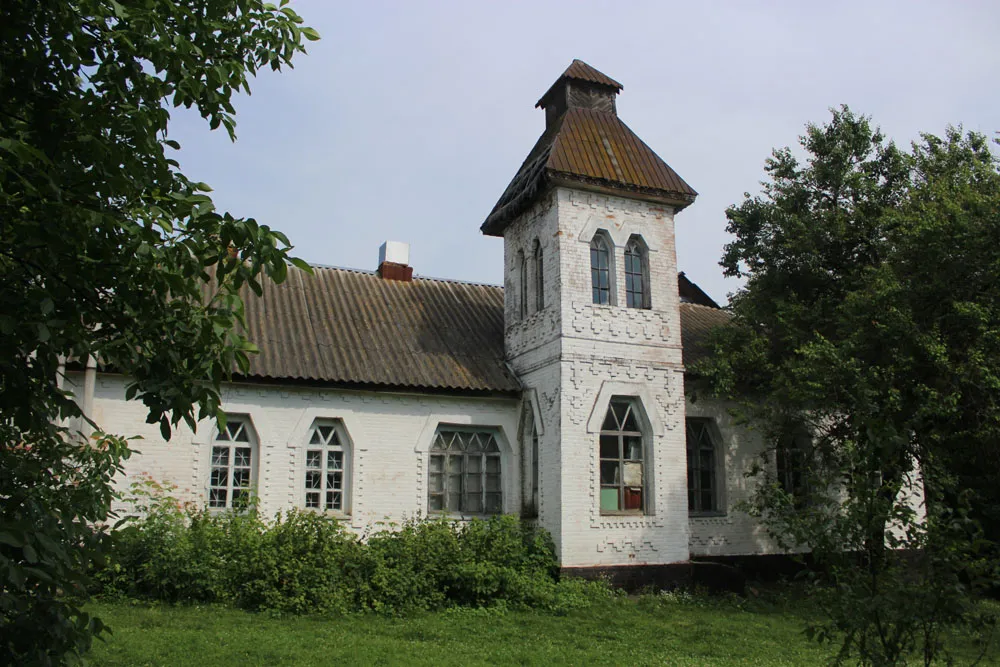
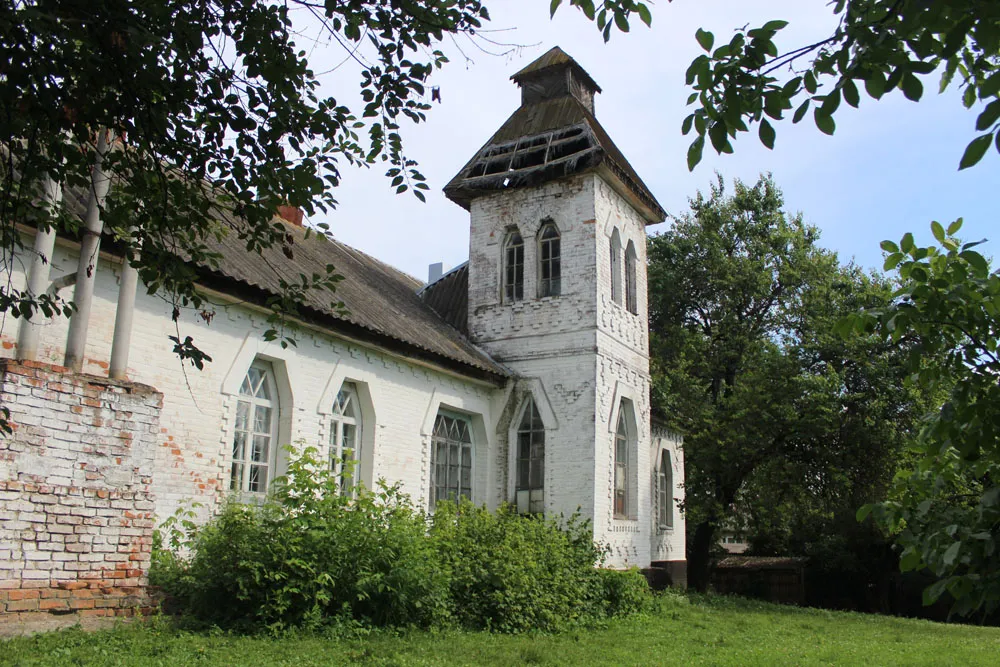
Zemstvo three-class school. 1913
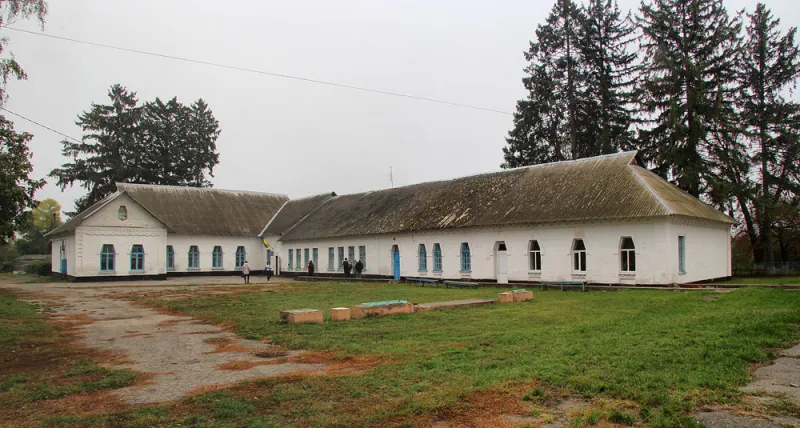
Ministry two-class school. Built in 1900–03, two-storey. Rectangular, symmetrical. The entrance group is emphasised by a wooden pediment. A valuable example of the Historicism style. It is located next to the Hryhorii Skovoroda museum.
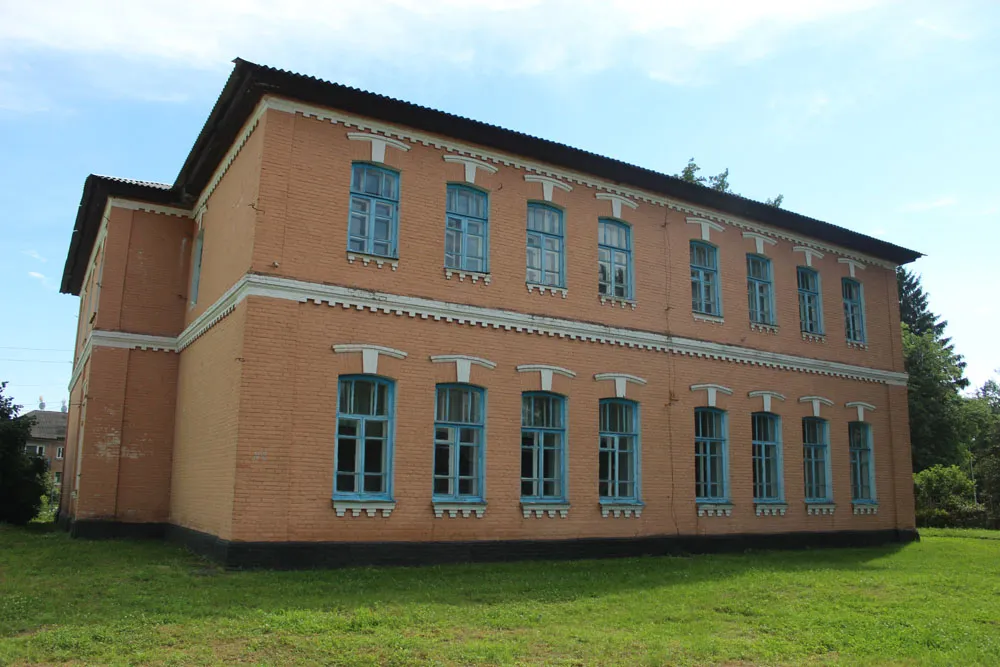
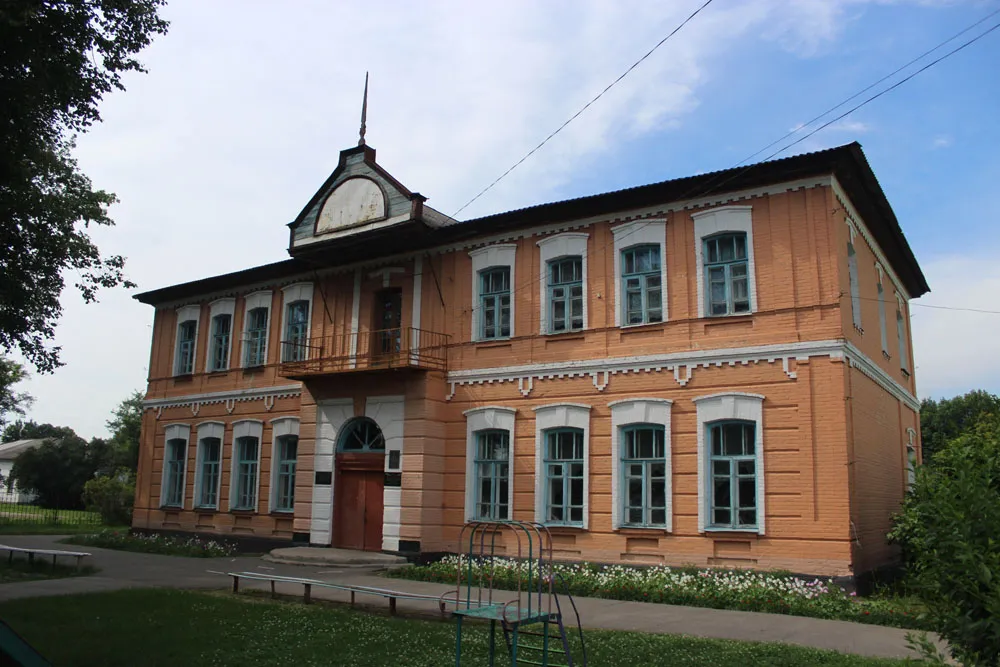
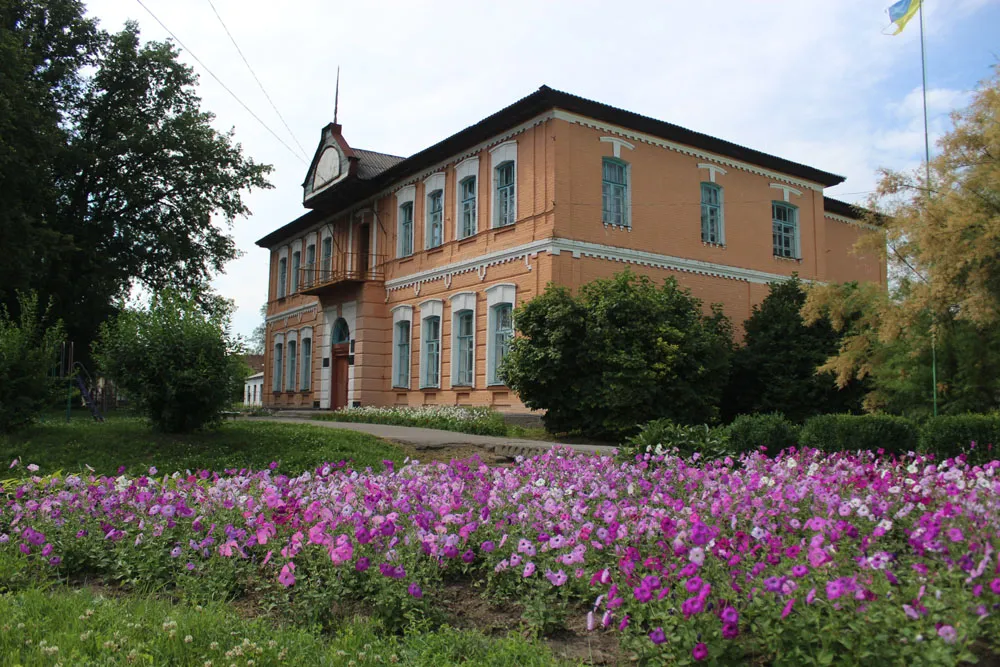
Ministry two-class school. 1900–03.
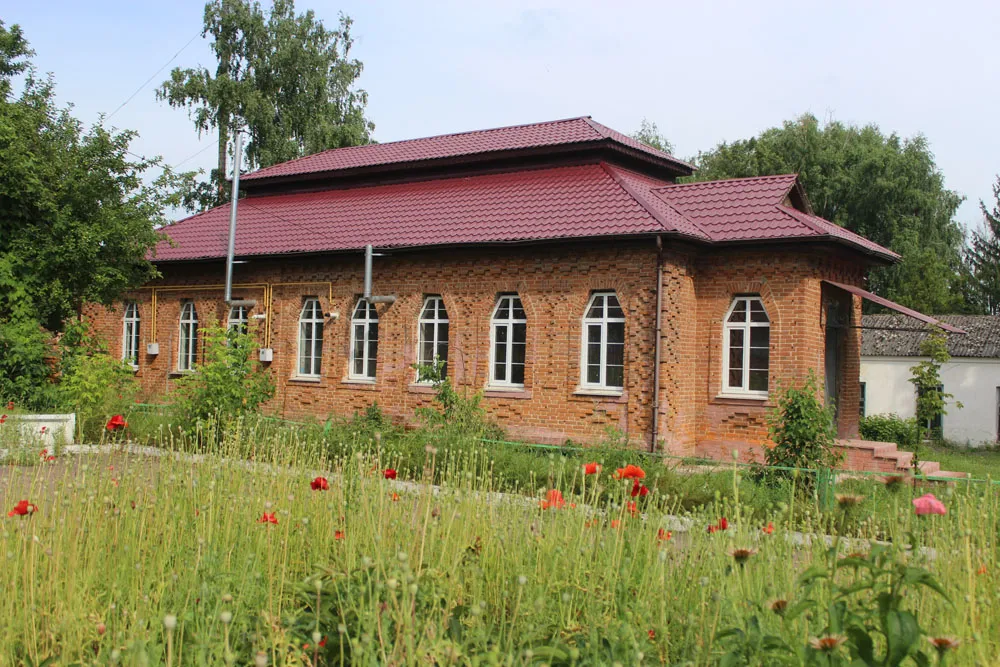
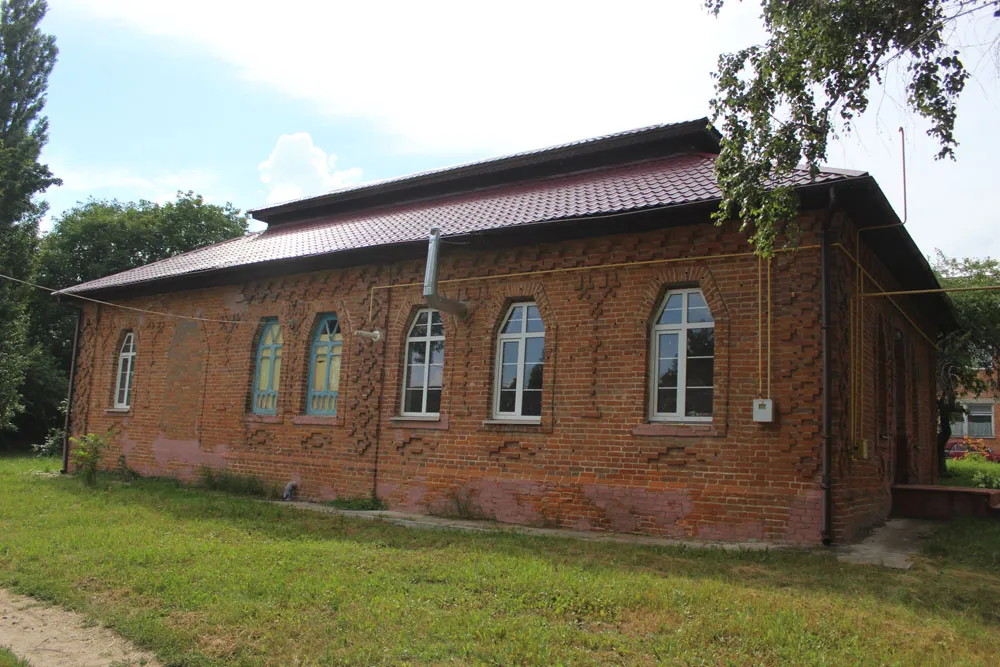
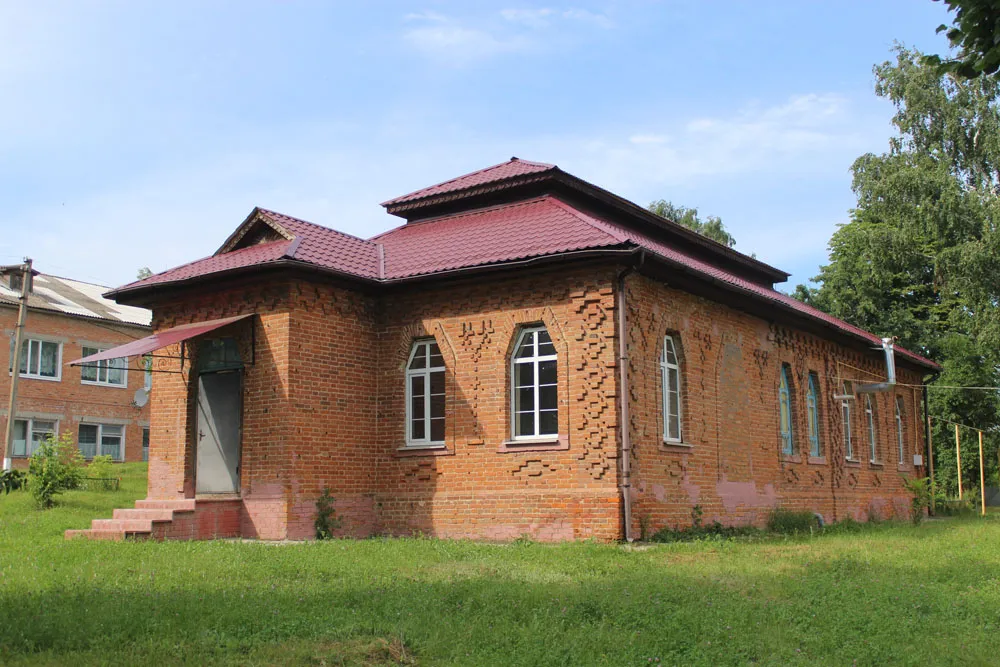
The zemstvo hospital. Built around 1912 to a design by Opanas Slastion. The hospital building also housed the doctor’s apartment. The structure represents the Ukrainian Art Nouveau style. It is unique for Ukrainian architecture of the early 20th century. It is decorated with exquisite brick decor based on folk ornament motifs. Unfortunately, in 2016 the former hospital was damaged by alterations.
Text from Wikipedia, photos by Maksym Nazarenko.