

Paşabağları (Monks) Valley. Cappadocia
· 1 min read
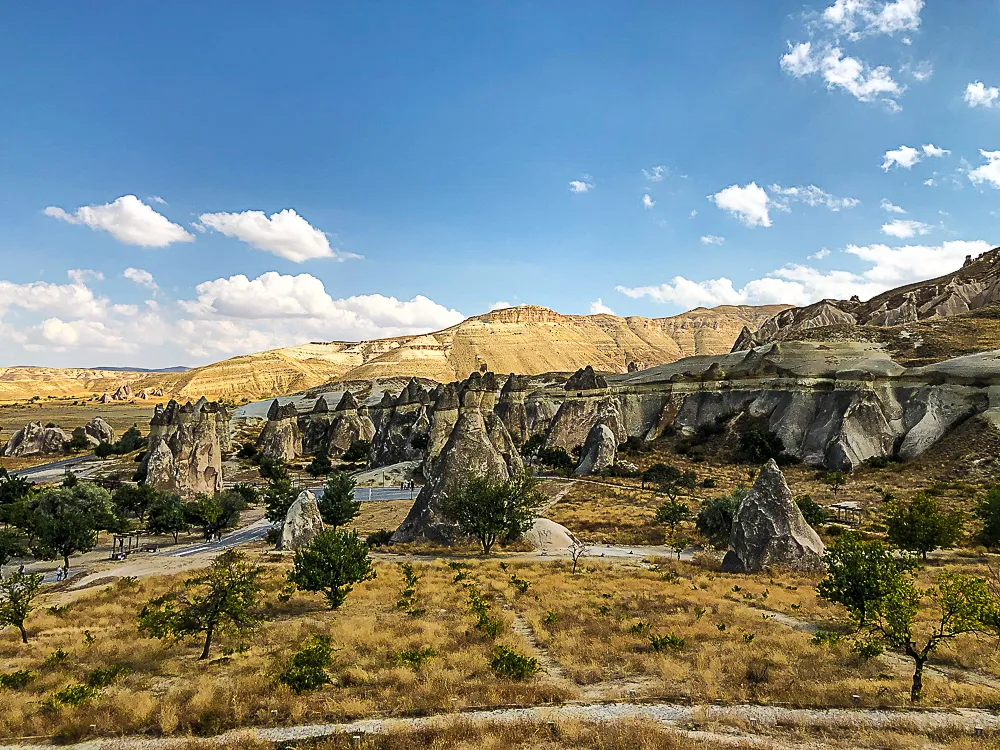
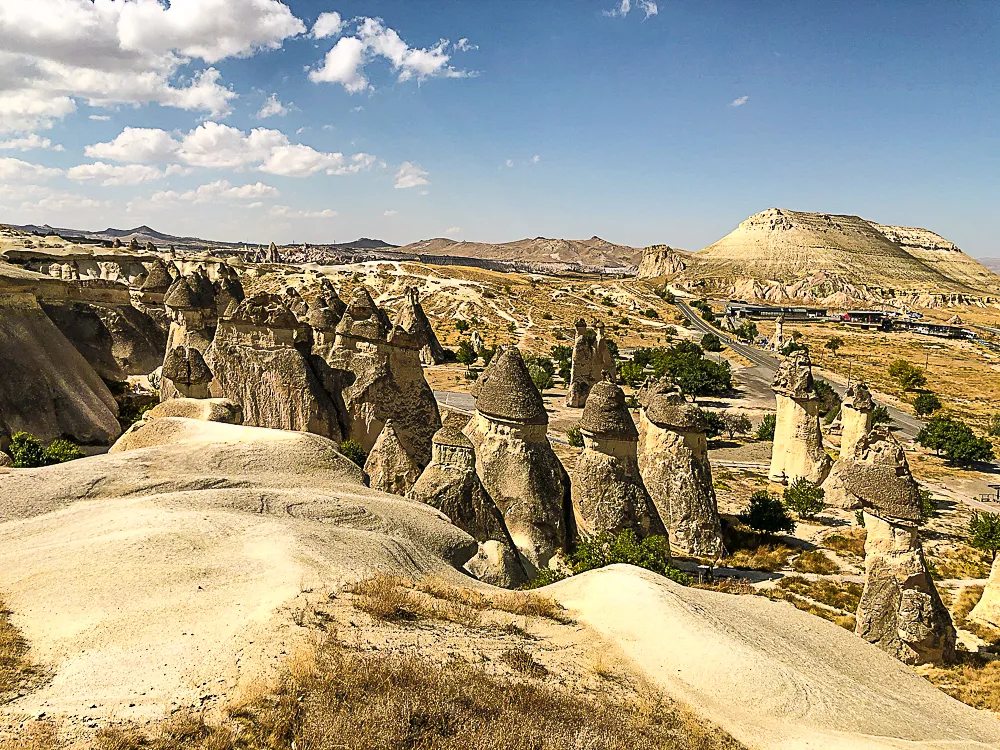
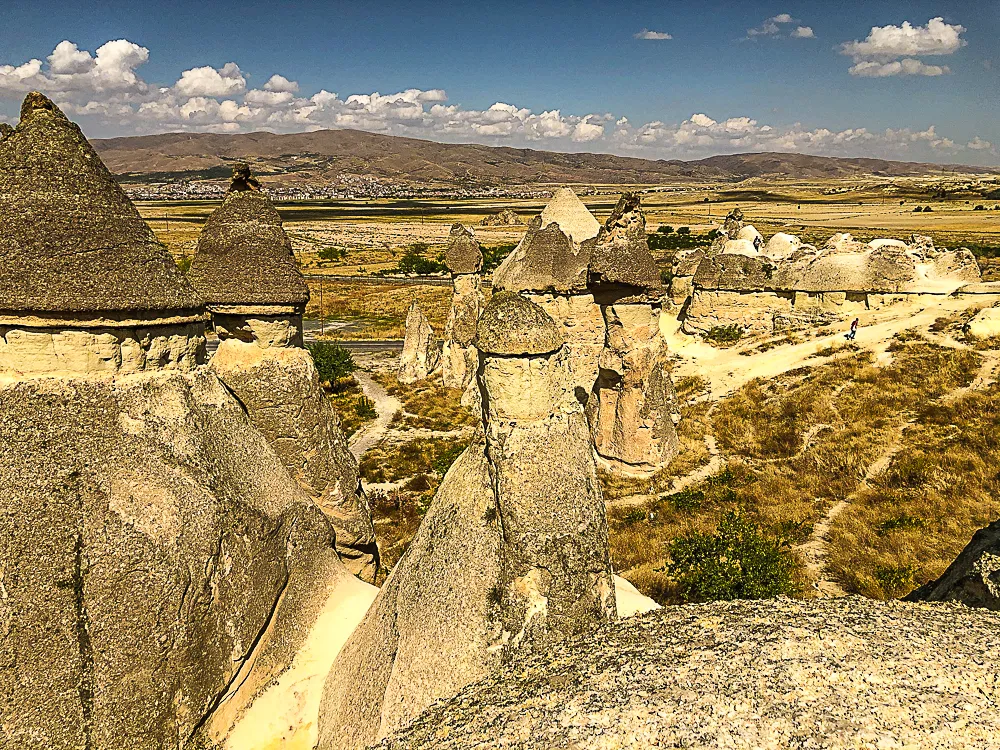
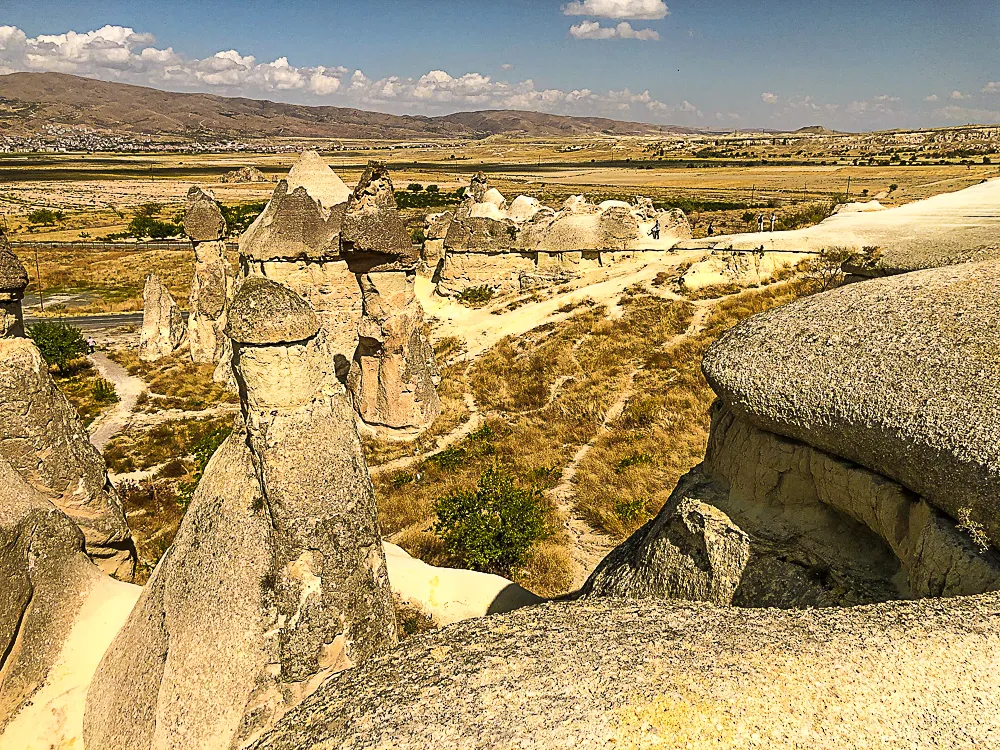
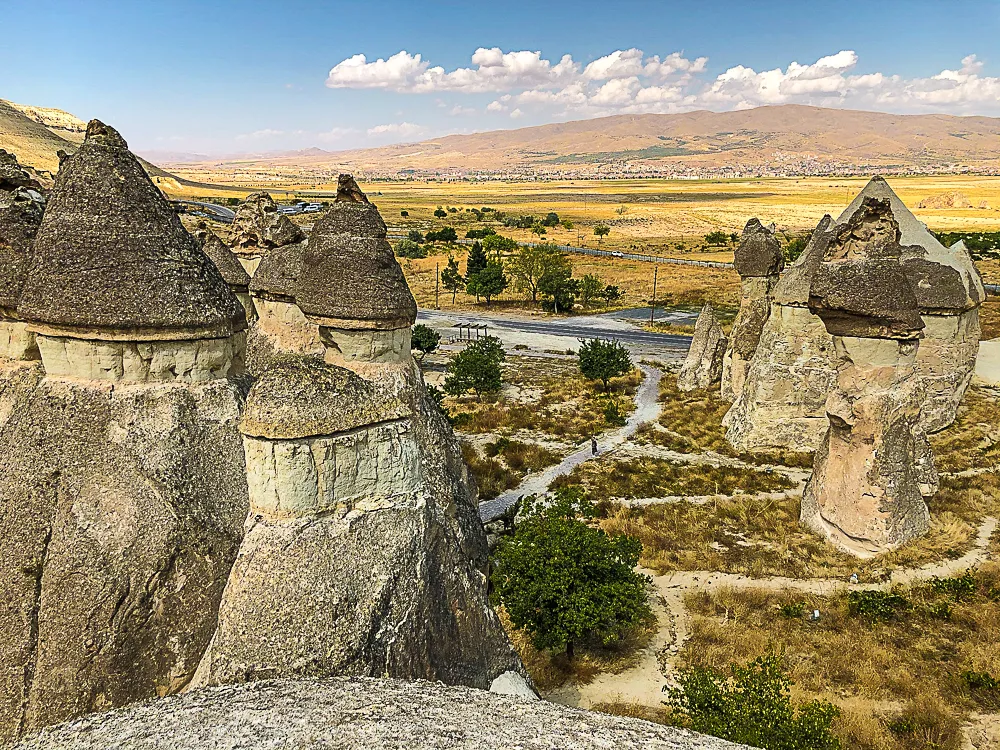
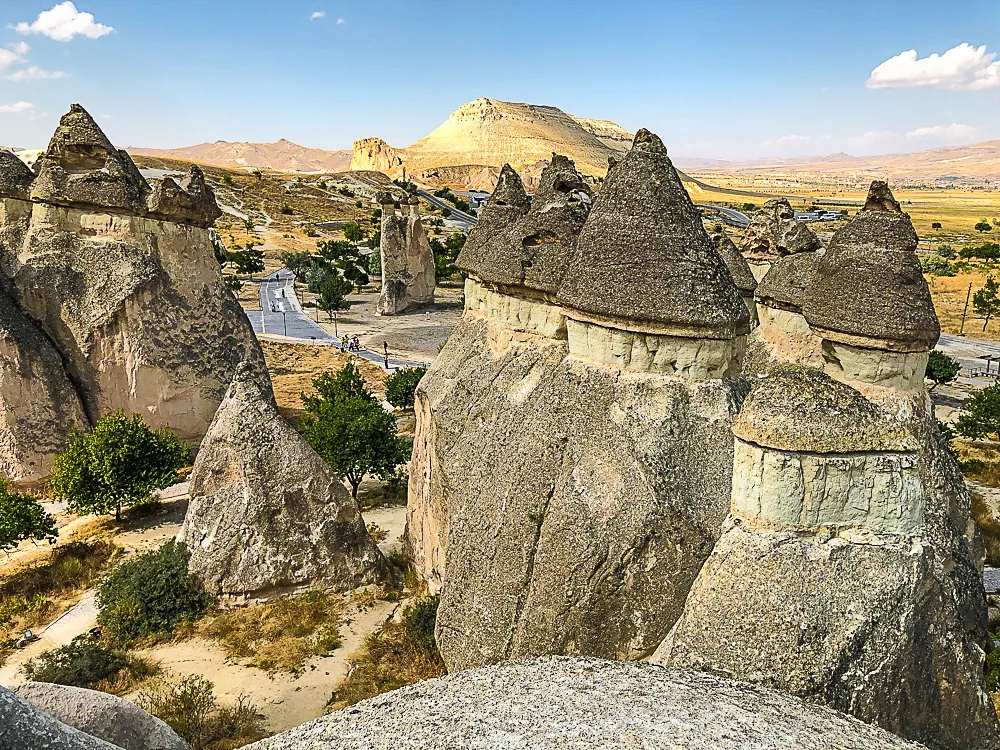
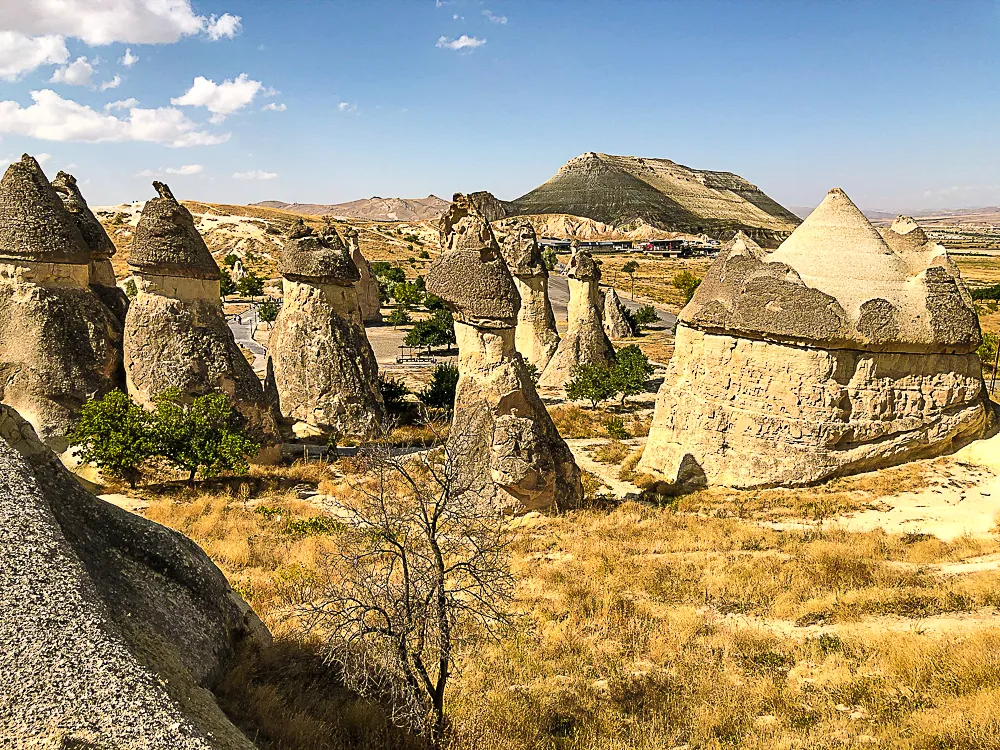
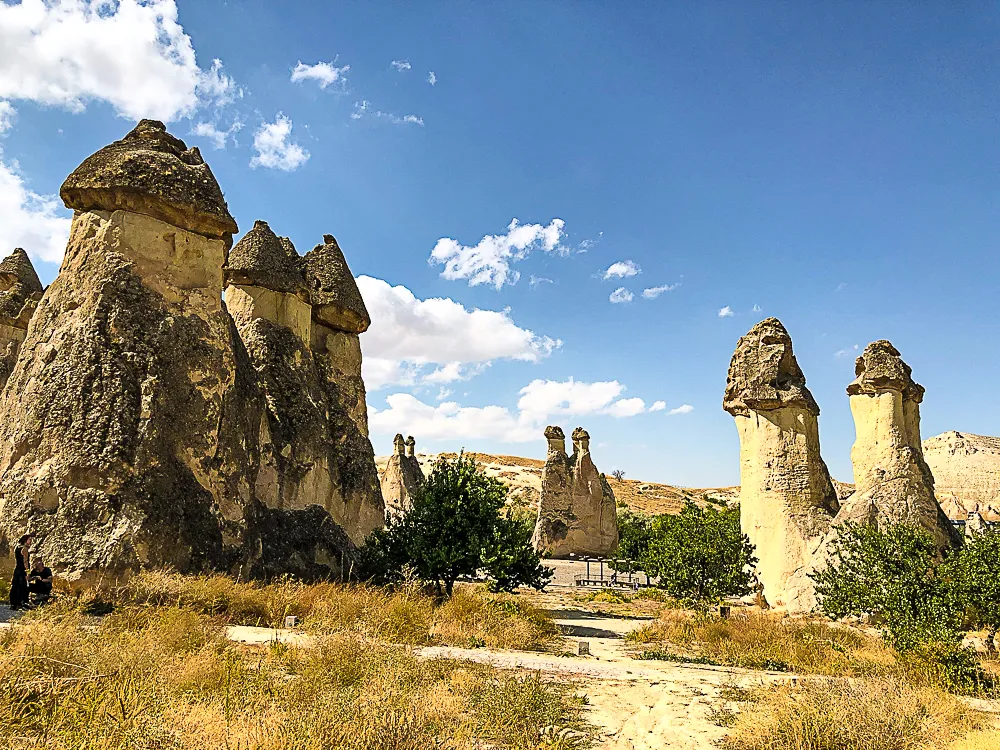
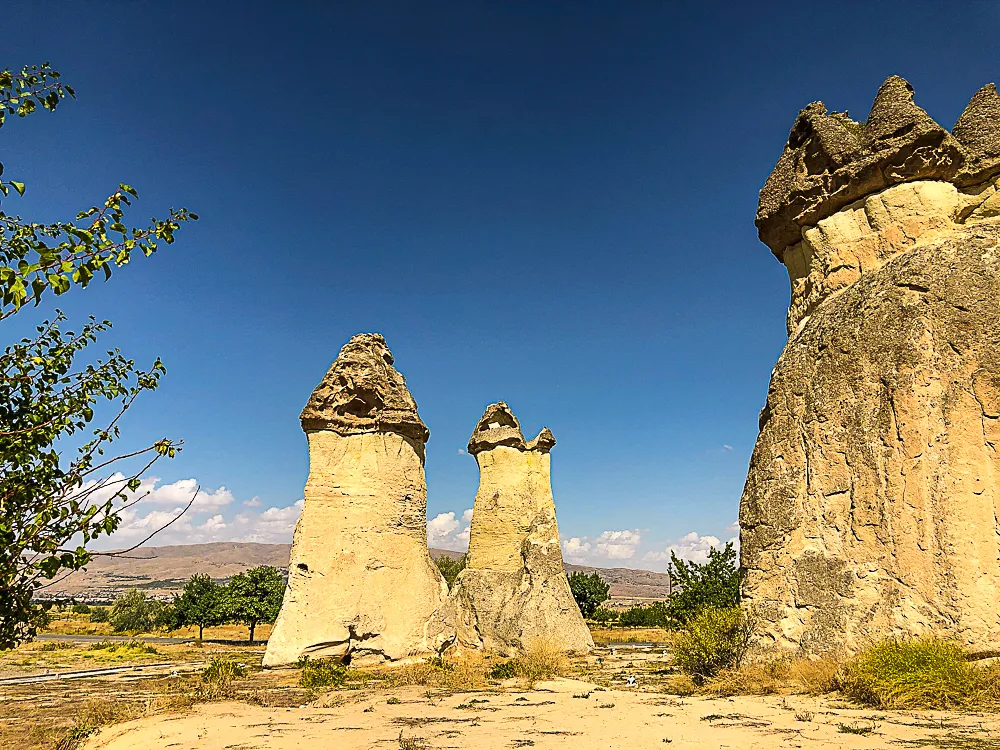
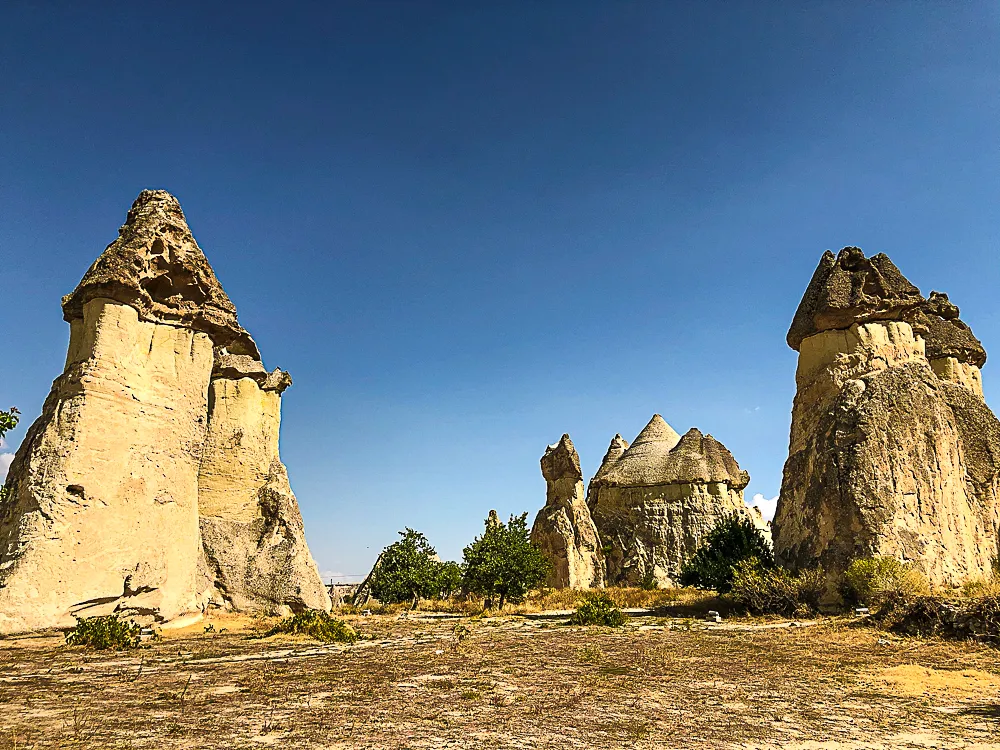
On the road to the enchanting Zelve Valley (Zelve Açık Hava Müzesi) in Cappadocia stand the Fairy Chimneys of Paşabağları (Paşabağları Müze ve Örenyeri), with a black basalt cap and two or even three cones. The area where these stone pillars stand is called the Paşabağ Valley (Pasaba Valley) because grapes have been grown in it since ancient times – that is, the pasha’s vineyard. Another name is the Monks’ Valley. Supposedly, once upon a time, inside the stone pillars there were churches and cells in which monks lived.
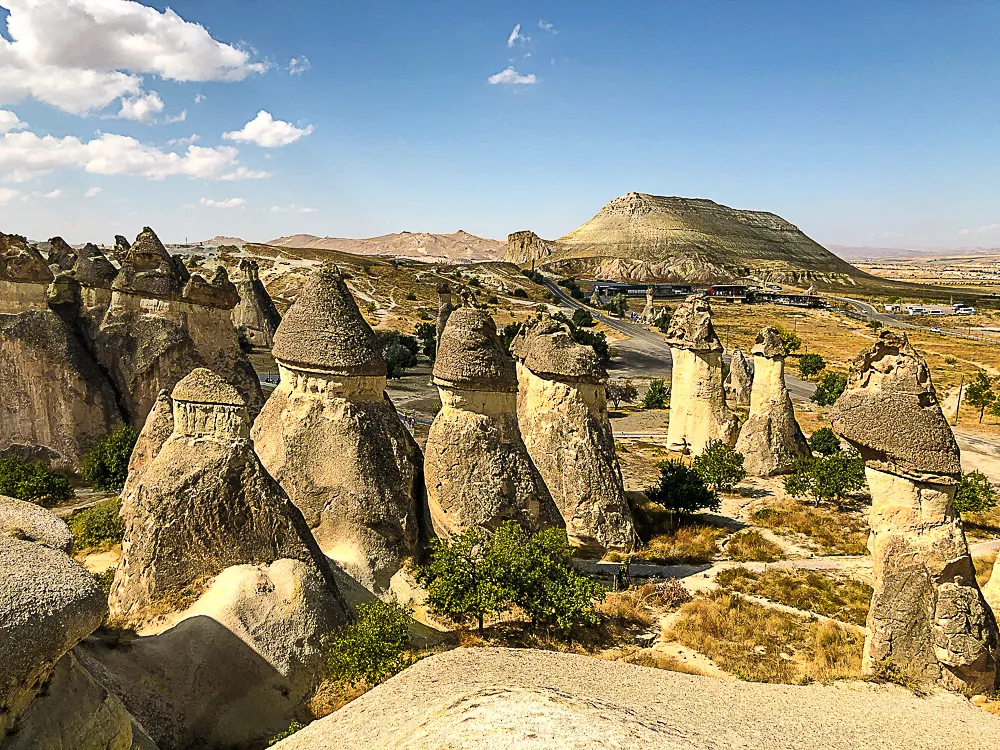
Like all the stone pillars in Cappadocia, they were formed after volcanoes erupted millions of years ago, when the lava flows hardened and turned into strong basalt, beneath which a soft layer of ash was hidden and turned into tuff. Hundreds of thousands of years of erosion here produced pillars of a different shape than in Bağlidere or Görkündere. This type of two- and three-headed mushroom is the hallmark of this valley. They really do look more like mushrooms with a thickened stem and a pointed cap, or like monks with a black stone skufia on their heads.
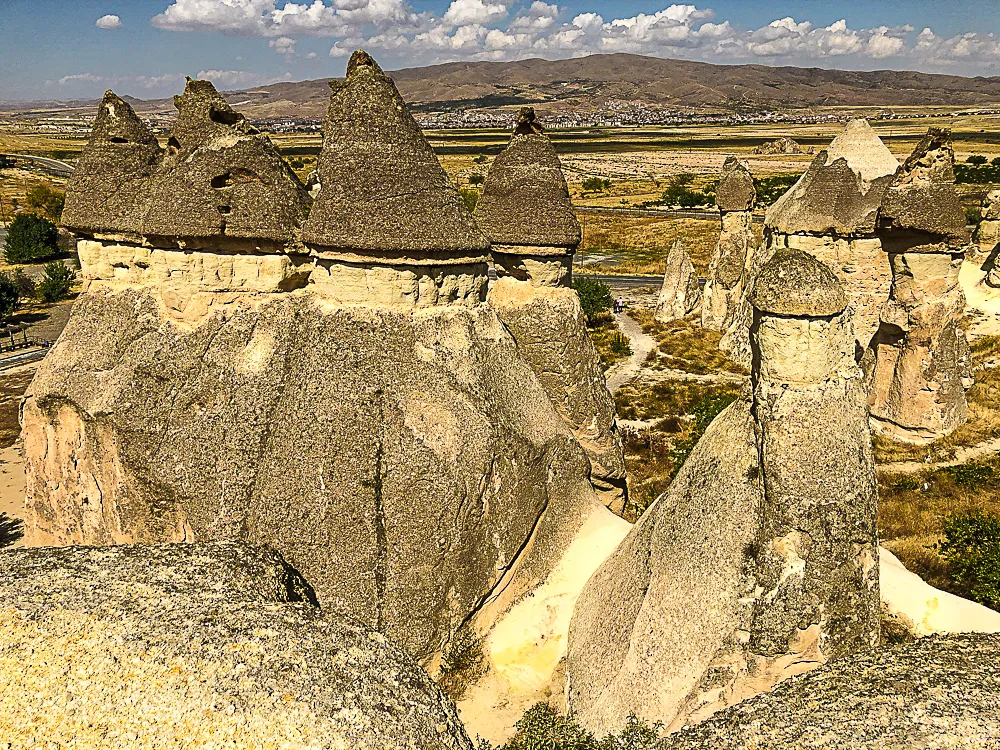
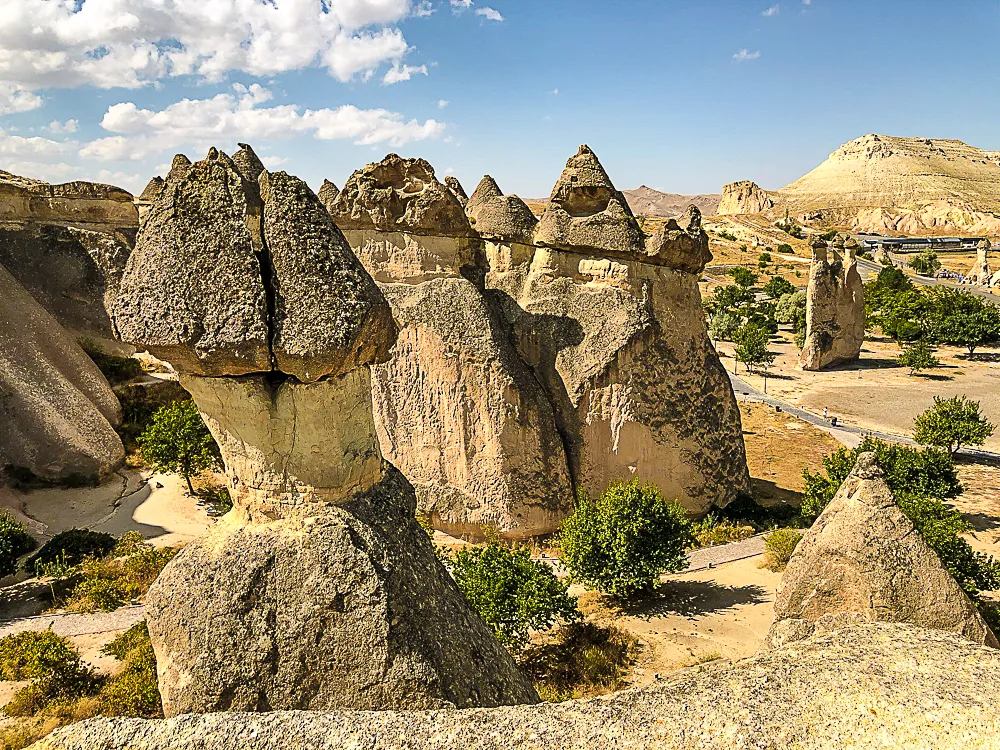
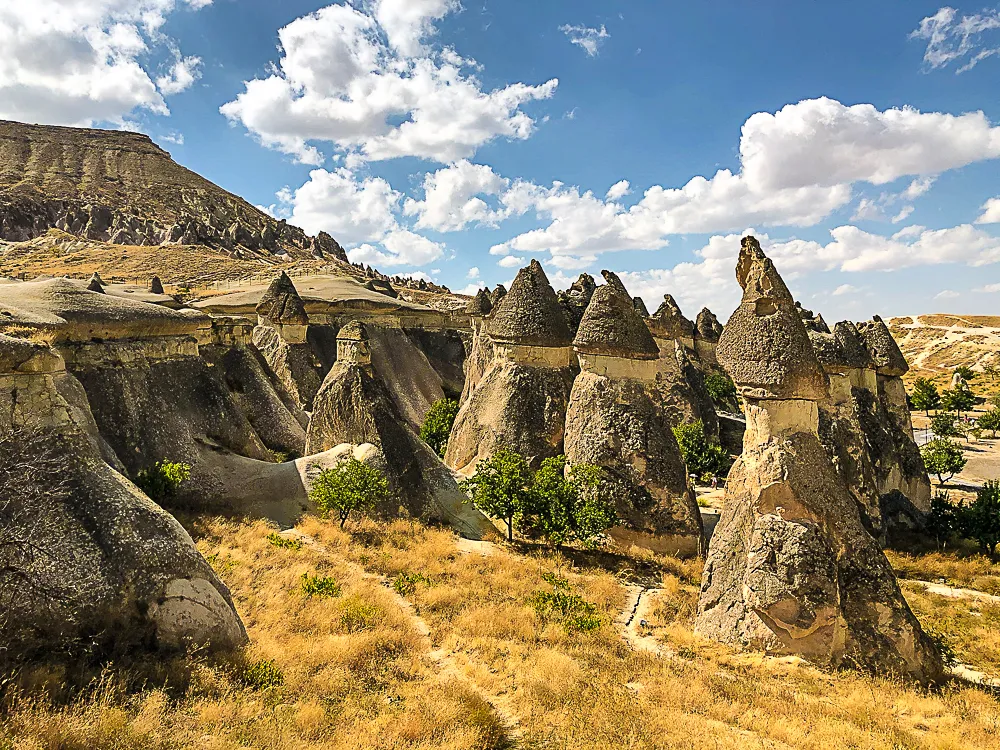
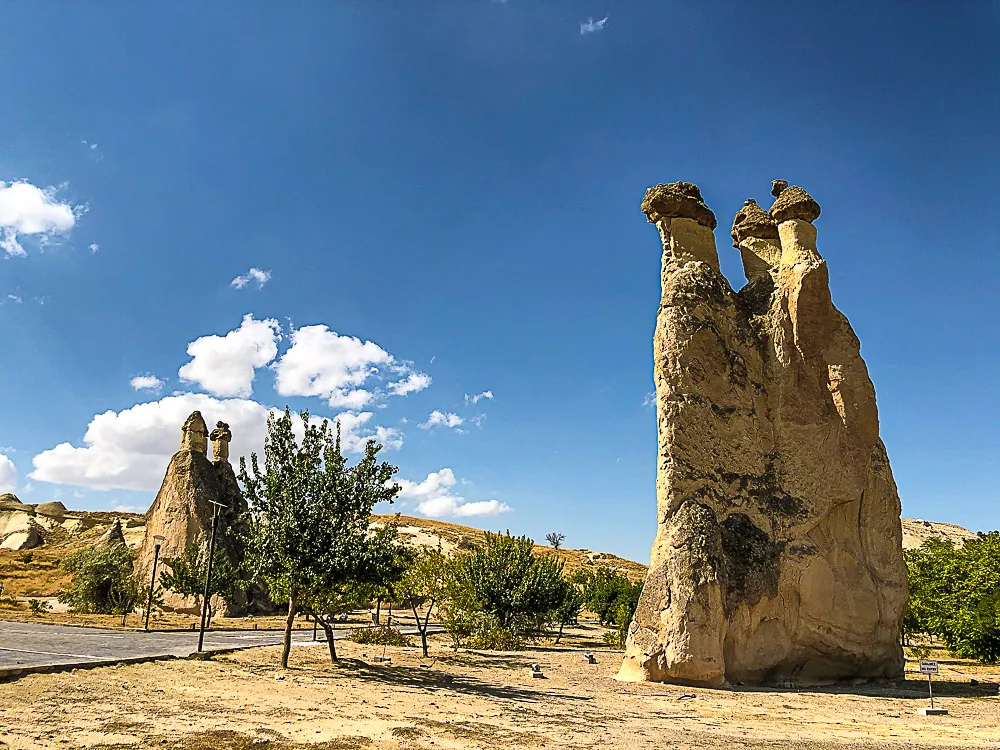
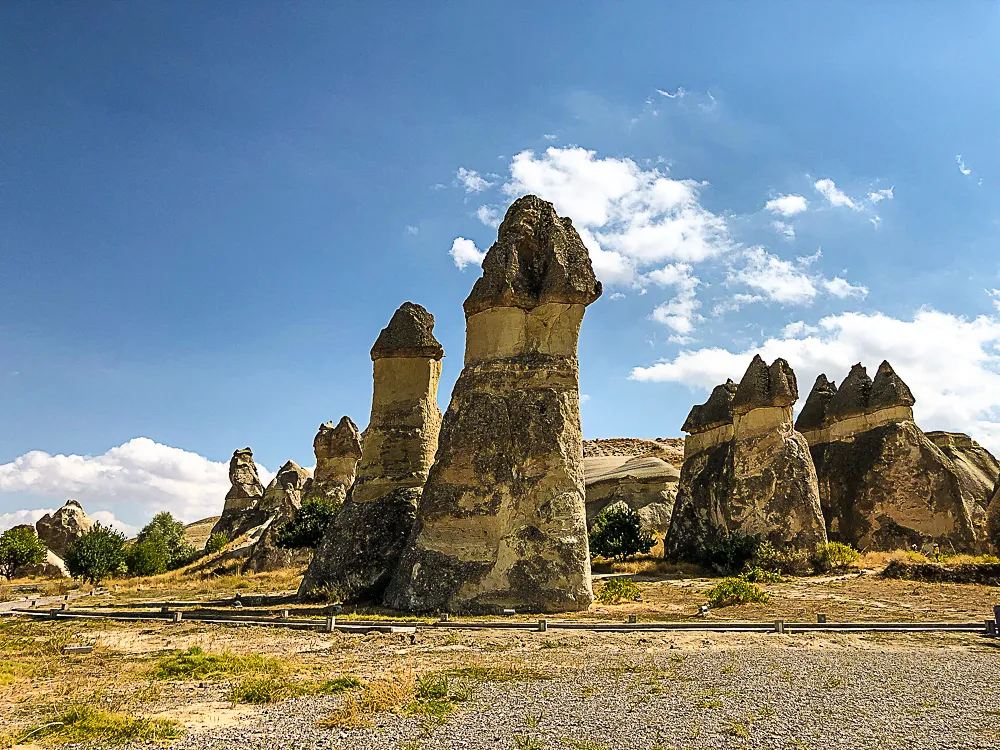
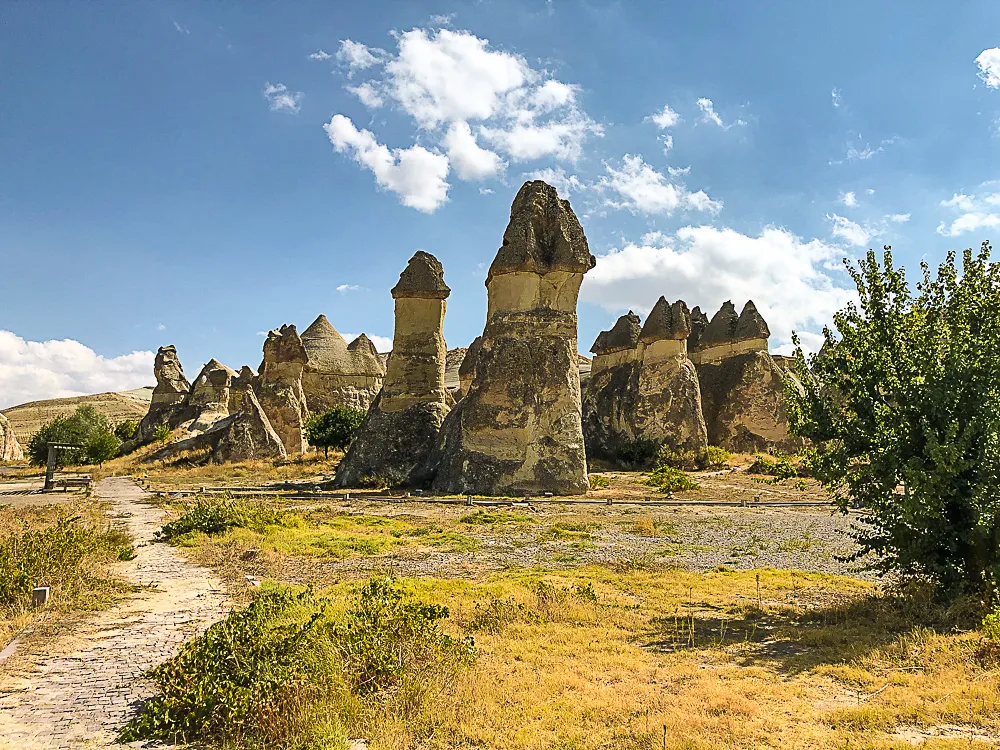
As for the churches, the most famous of them is the church of St. Simeon, hewn many centuries ago in a three-headed mushroom. Inside, the mushroom has several storeys, with Simeon’s cell at the top. Simeon lived here as a hermit for 12 to 15 years: he worked miracles, healed the sick and cast out demons. That is, all as it should be. A monk lived in the stone likeness of a monk. So there. Do not confuse, as I did, this Simeon with the others: Simeon the Stylite of the Wondrous Mountain and Simeon the Stylite.
Text and photos by Serhii Shcherbii



