Greece. Nafplio. Is it really the coolest?

· 6 min read
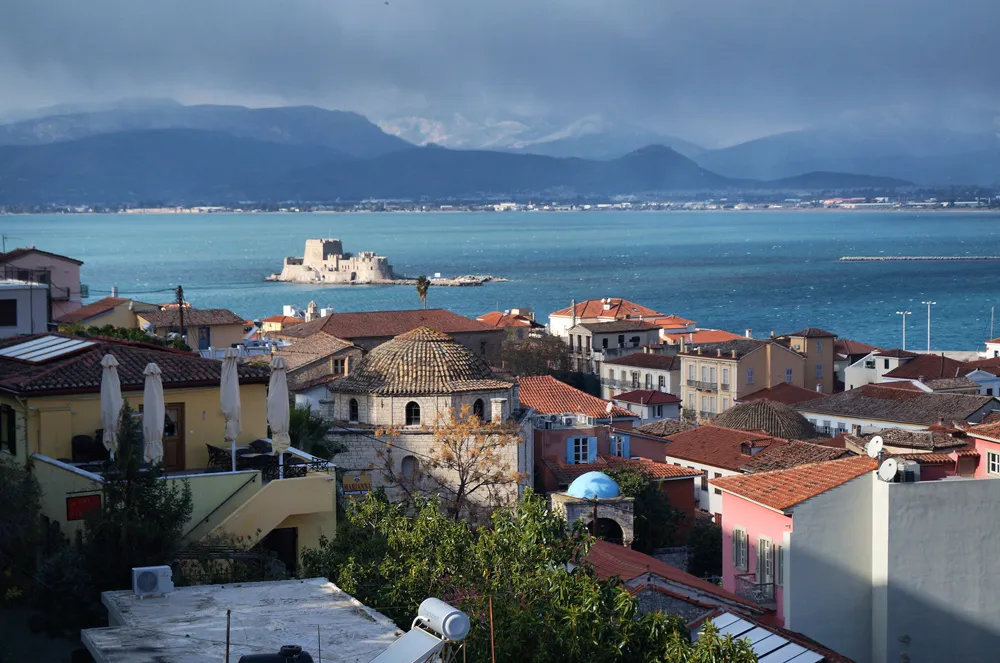
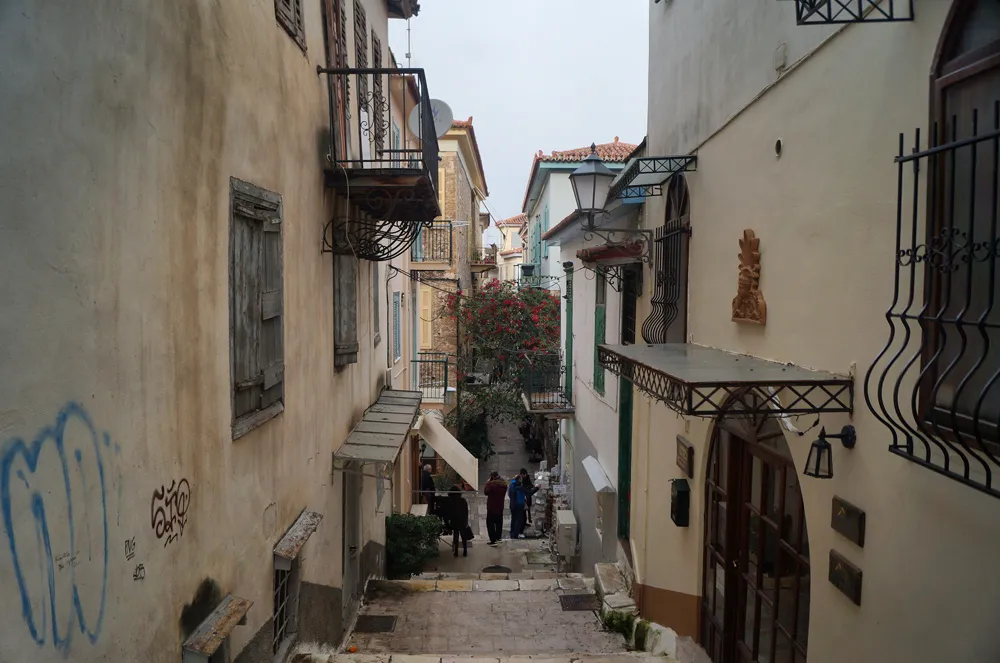
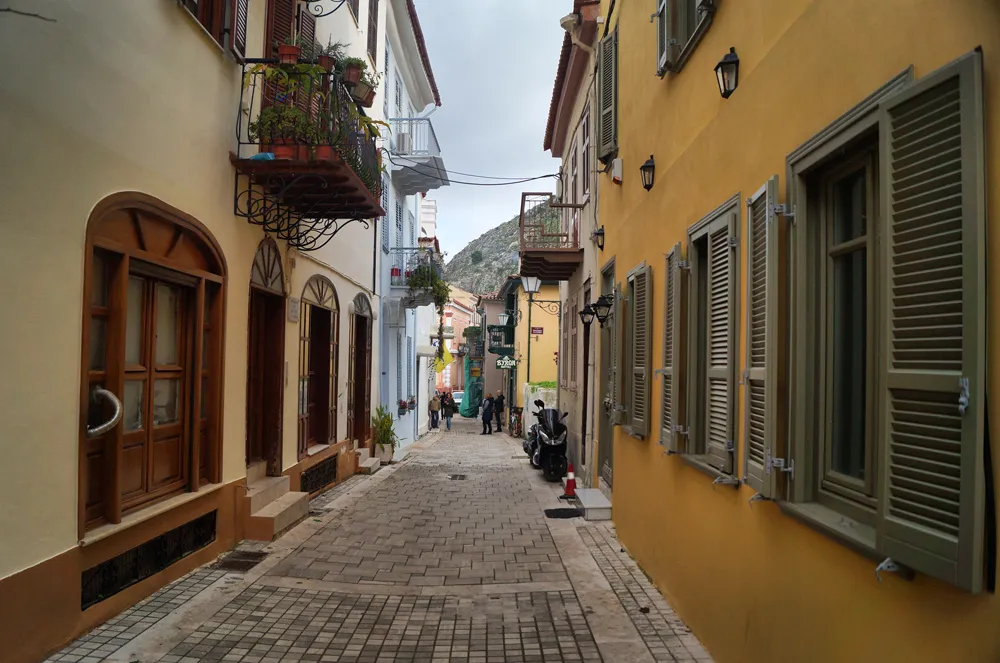
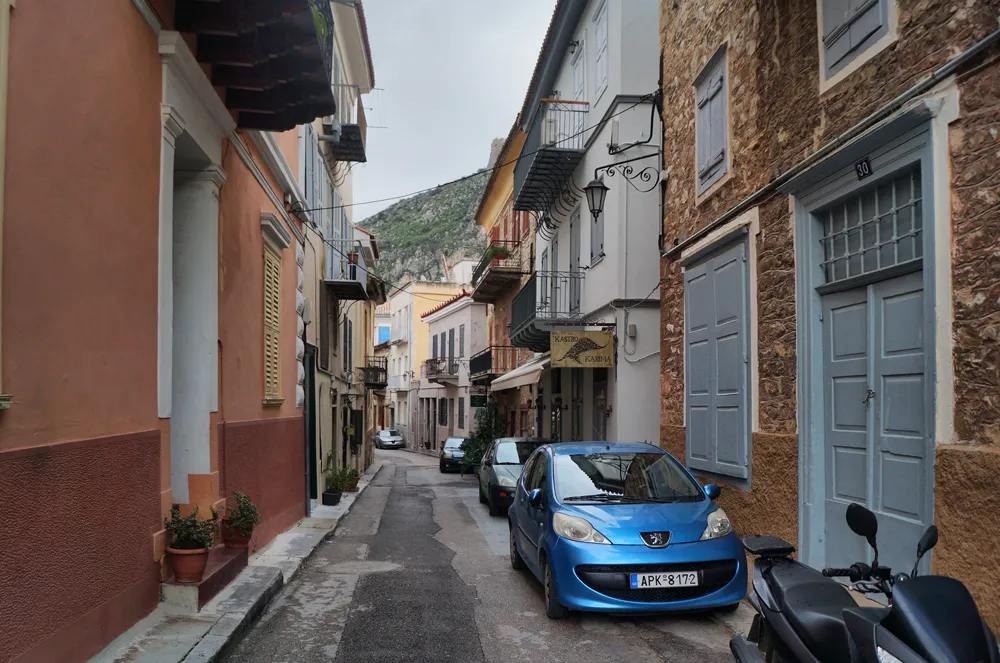
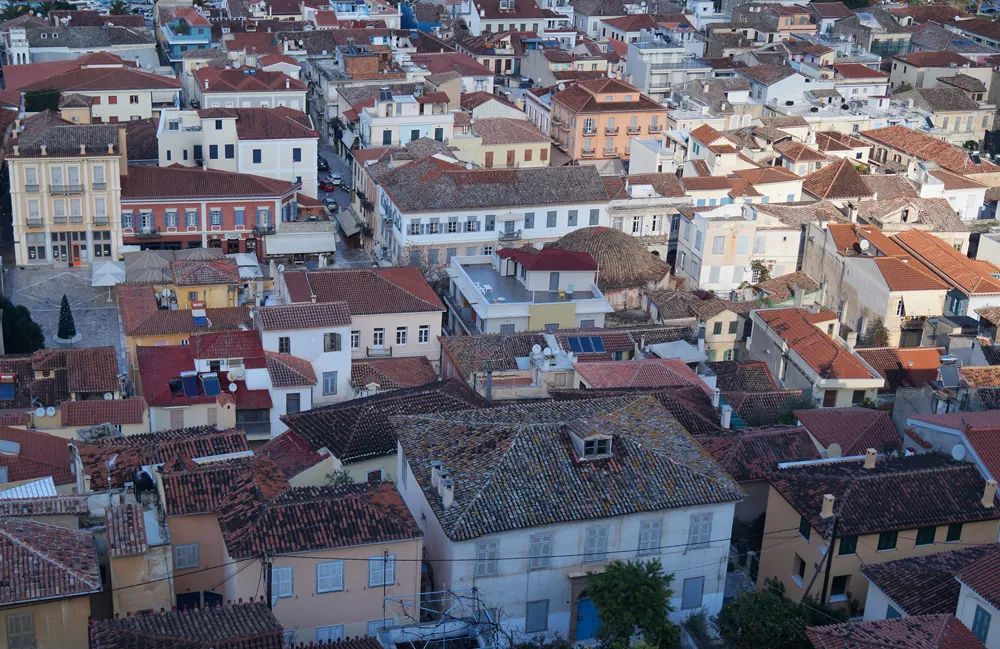
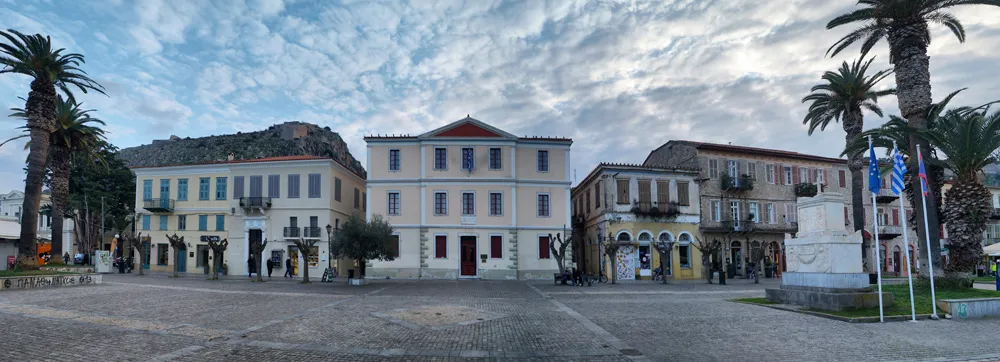
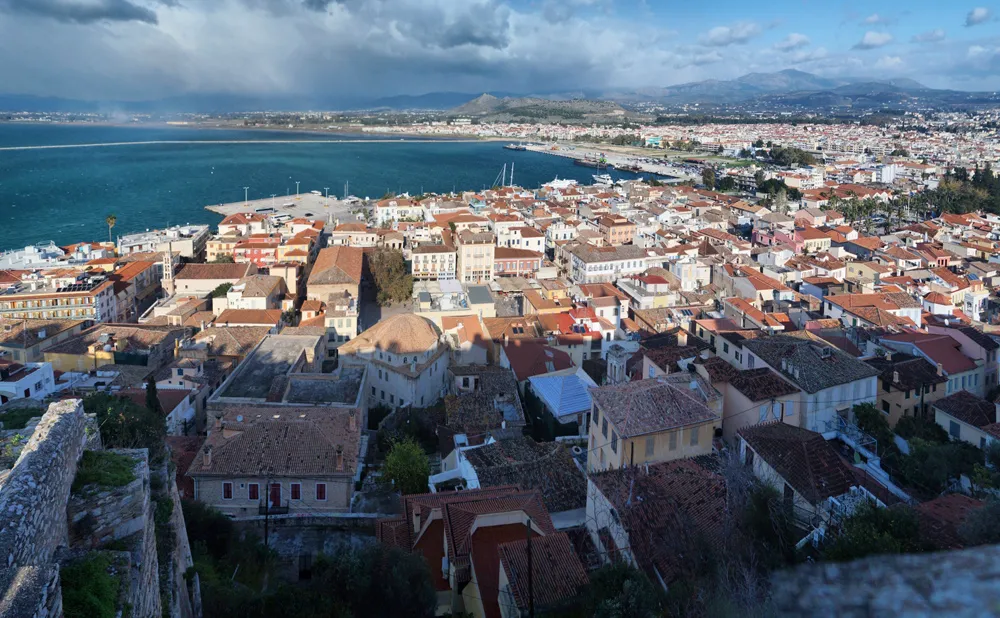
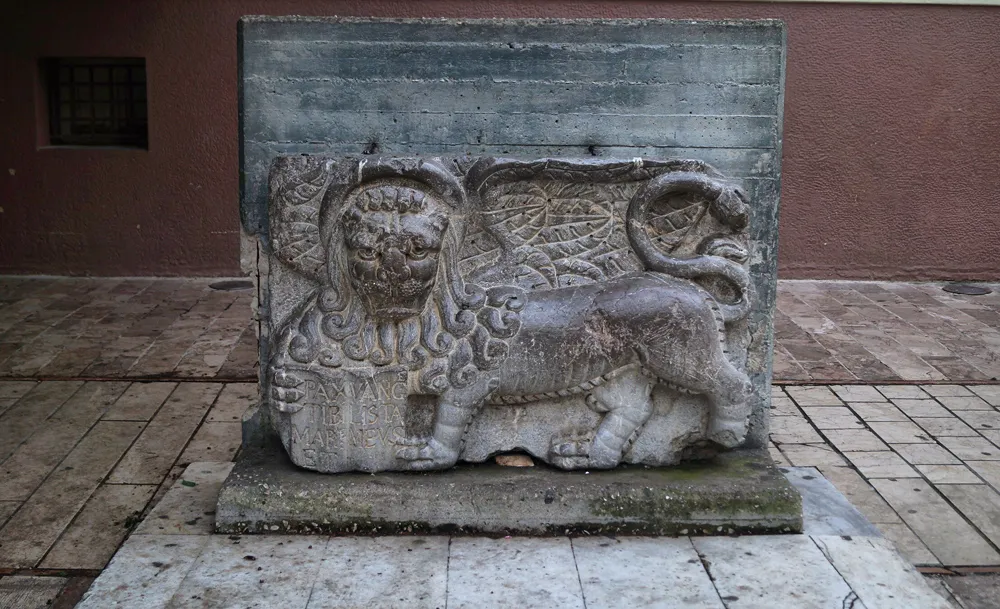
This town is often called the most interesting in Greece, and sometimes the most beautiful. I will not be so categorical, since I have not been to all the towns of Greece to compare them, but I will say this: Nafplio is very cool. Three fortresses – one Byzantine and two Venetian, one of them on an island in the sea – plus the Venetian buildings of the old part of town, with narrow, cosy streets that climb upward in terraces, while down below, by the sea, they are fortified and protected by town walls, towers and coastal batteries, which can be counted as a fourth fortress. A picturesque bay full of yachts and a multitude of fishing boats. Idyllic.
In January 2020 I visited Nafplio twice. The first time, my friends and I rented a minibus and drove to the town from Athens. It was a one-day reconnaissance trip – I realised that a short winter day was not enough for Nafplio. And we, naively, also wanted to see Acrocorinth that same day. We returned to Athens late in the evening.
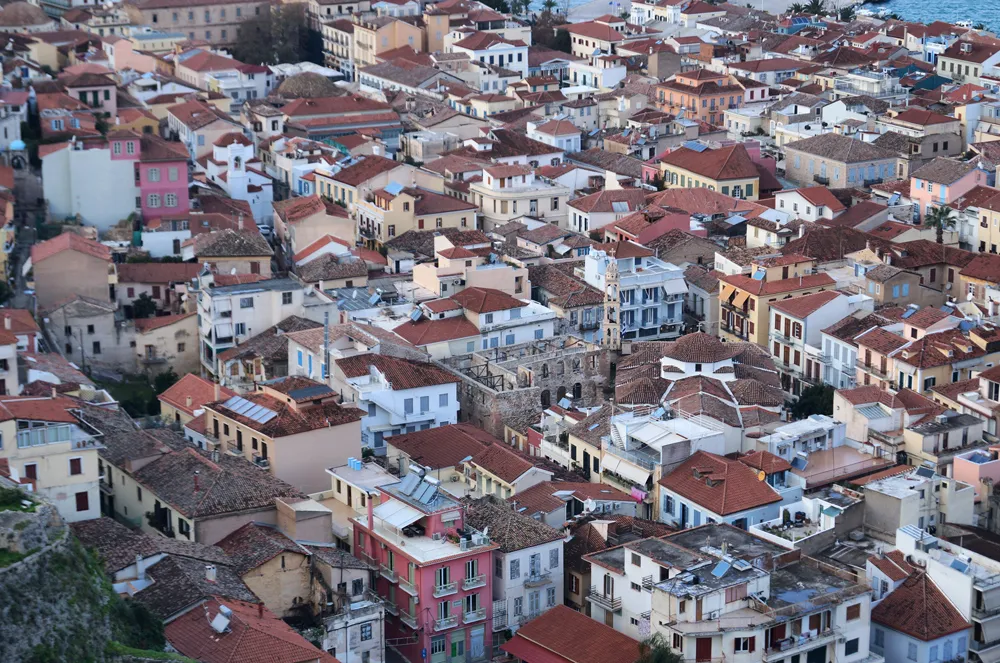
The second time I went to Nafplio with my family – and this time I did not make the same mistake: we booked an apartment for three nights. A day of relaxing in town, seeing all the fortresses, a day for Argos and Tiryns, and calm strolls along the Venetian streets. That is how it turned out, except that only the male half of the family went to Argos and Tiryns, while the female half decided to relax for one more day. Ah, a day has gone missing – so we simply rested for another day before returning to Ukraine: we slept in as much as we liked, admired the sea views, bought souvenirs, and tasted Greek cuisine and good wine.
Nafplio was the first capital of independent Greece. Although on Aegina we were told that they were the first capital, it is a very small town – what kind of capital could it be? It was probably the place where the government of Ioannis Kapodistrias was temporarily stationed – the Greek hero who led the anti-Ottoman struggle in the Peloponnese, where the new country was born. The uprising began here, rolled across the whole Balkan and island part of Hellas, was supported by the allies – Britain, France and Russia – and ended with the expulsion of the Ottomans from the Balkans, so it is no surprise that it was the population of the Peloponnese that decided where to place the capital. They say the choice was between Corinth and Nafplio. The latter won, but in 1834 the capital moved to the present one – Athens. Kapodistrias was no longer alive by then – he had been killed by Greek fanatics – so the decision about the capital was made by King Otto. Nafplio gradually turned into a provincial town, home to 14 thousand people today, although this provincial quality adds to its charm.
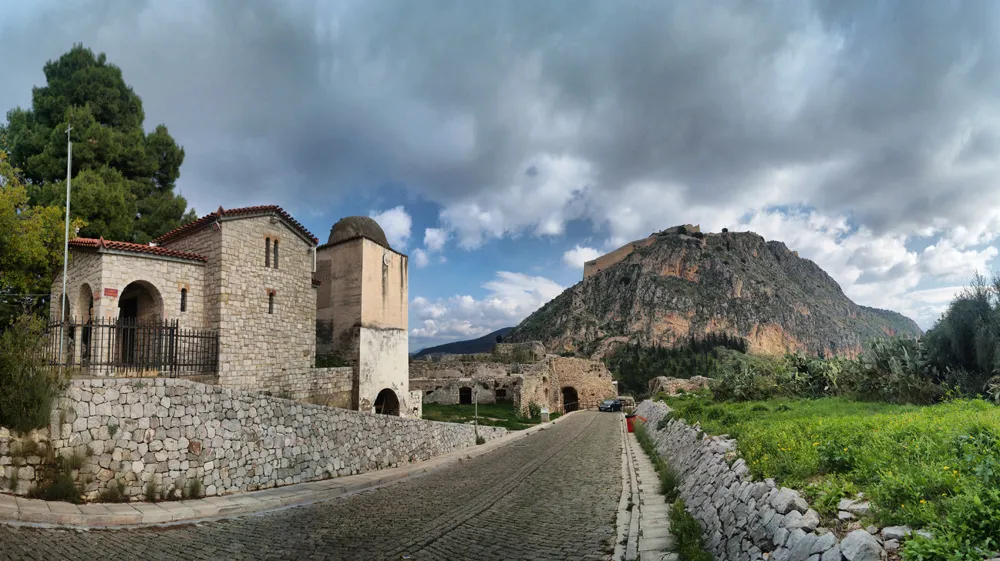
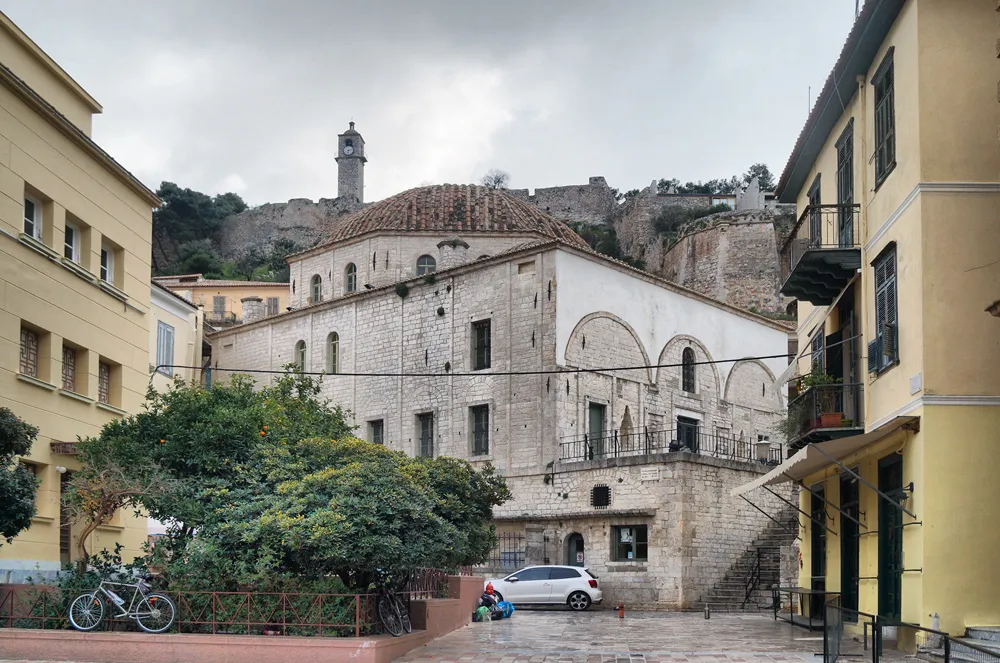
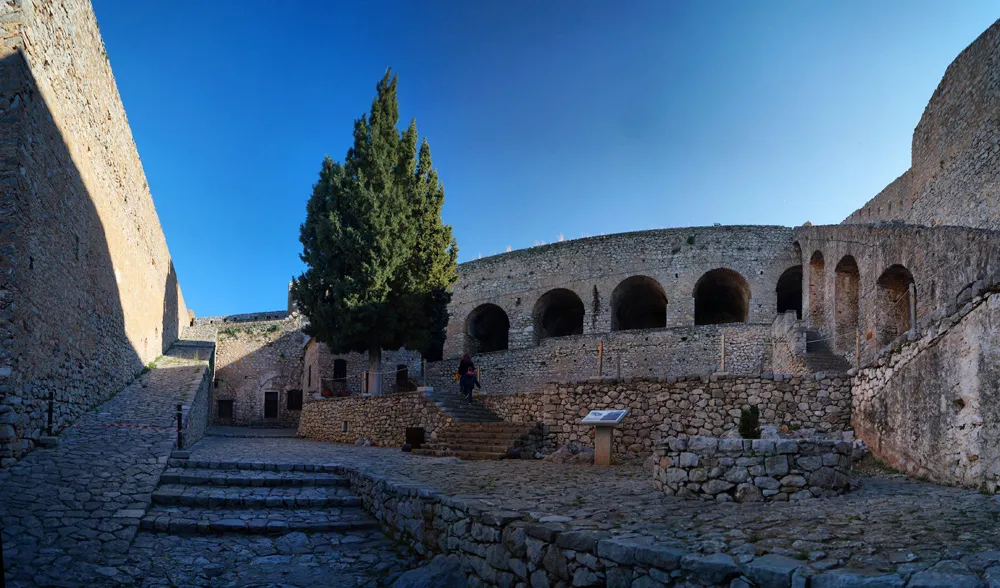
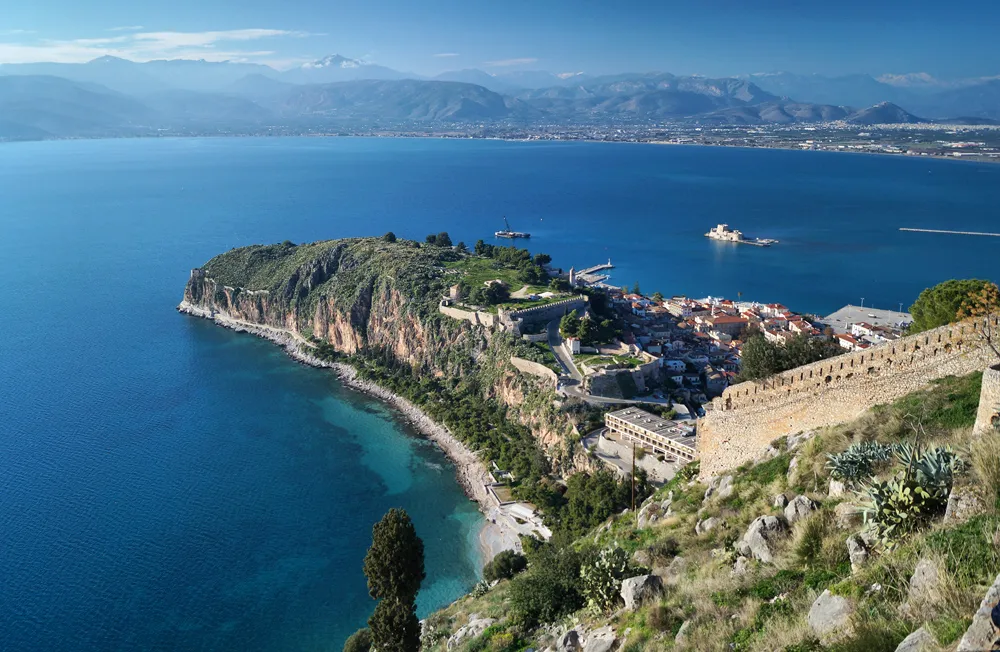
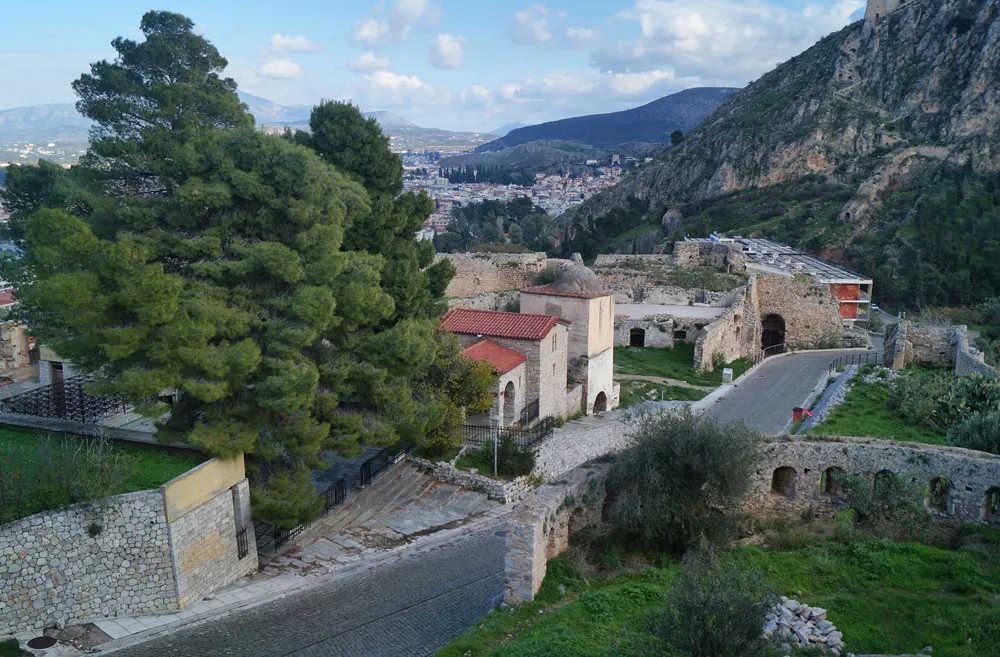
A town appeared here very long ago – it already existed in the time of the Mycenaean civilization. In the ancient and Byzantine periods the town was called Nauplia, which is why the oldest part of Nafplio today, the former acropolis surrounded by walls and towers, is the Acronauplia fortress. I will not say that it is perfectly preserved – in places it is a complete ruin – but there are sections that look very attractive, for example the gates, the towers in the eastern part, and the clock tower, a constant sign of Ottoman rule. There is plenty to photograph here, both for lovers of architecture and for admirers of nature, since the views of the sea from here are great. From this considerable height you can see the Palamidi fortress and the island fort of Bourtzi.
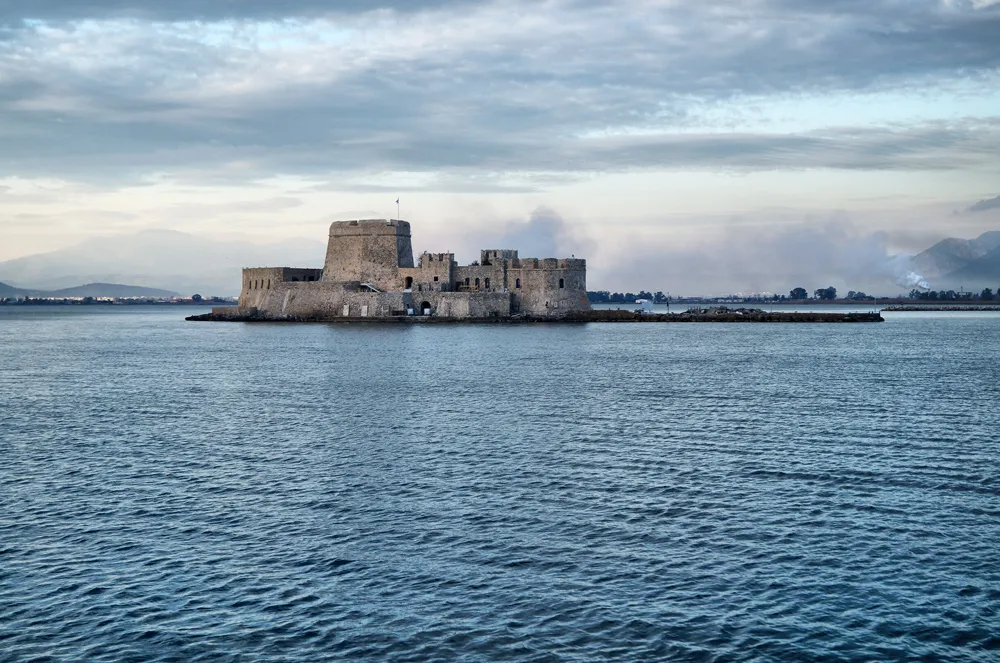
Bourtzi fort
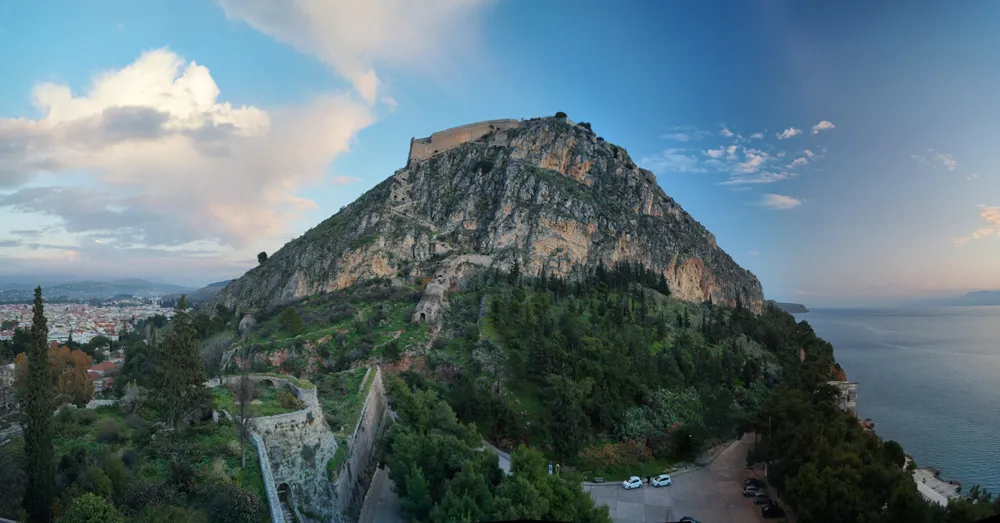
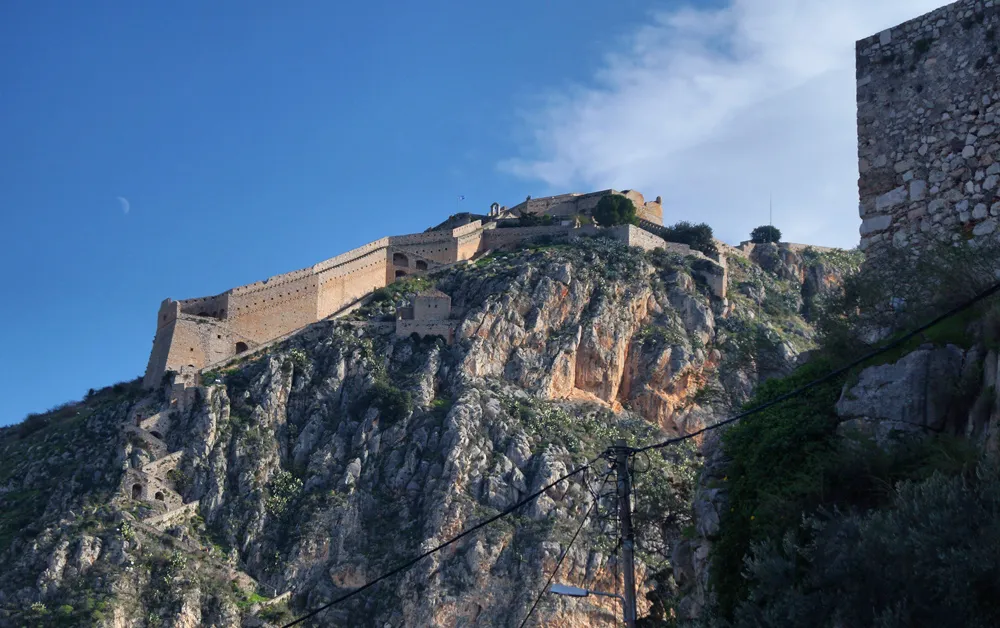
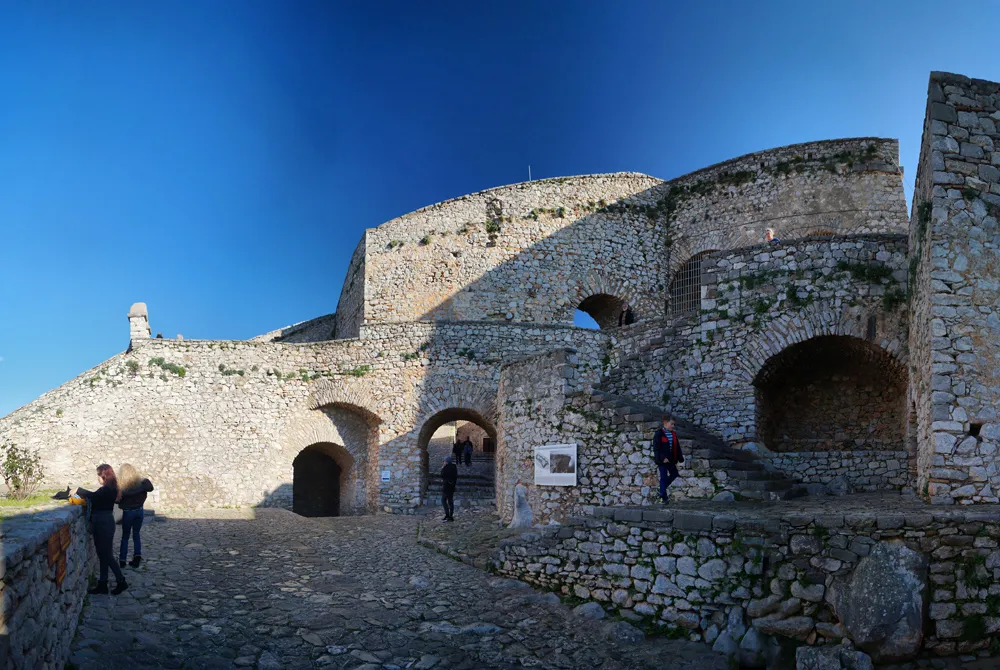
Palamidi fortress
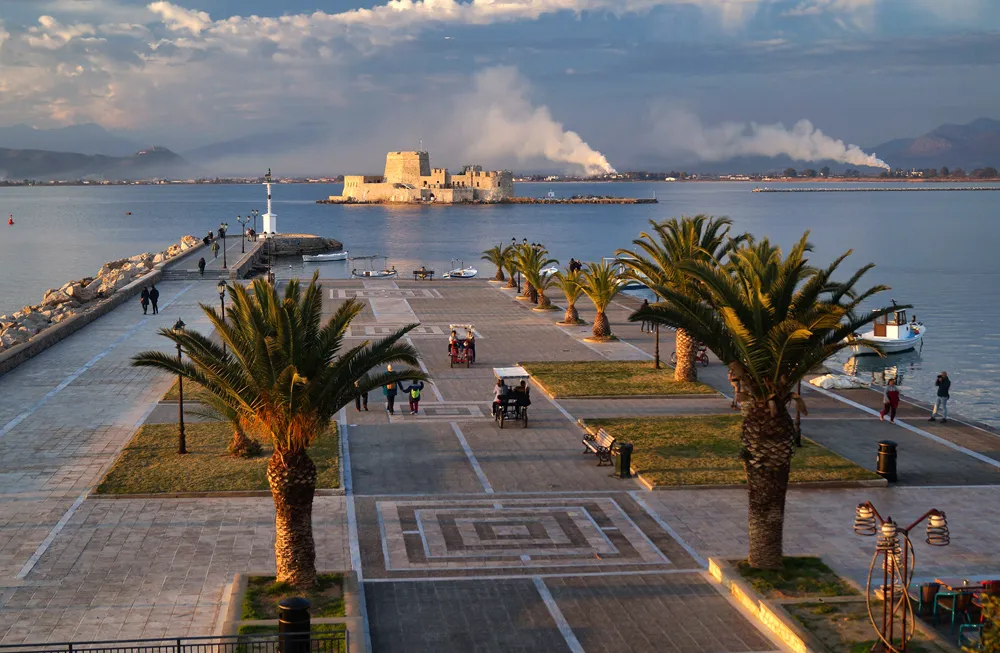
From antiquity onward Nafplio lay exclusively within the walls of the acropolis. The fortress was expanded and fortified by the Byzantines and the Franks, but it underwent its greatest changes under the Venetians, who held the town from 1389 to 1540; it was in their time that the town spilled out beyond the ancient fortress and gradually moved down toward the sea. The Venetians built new streets, an administration building, a port and coastal batteries. The entrance to the harbour was to be defended by a new fort on an island – Bourtzi.
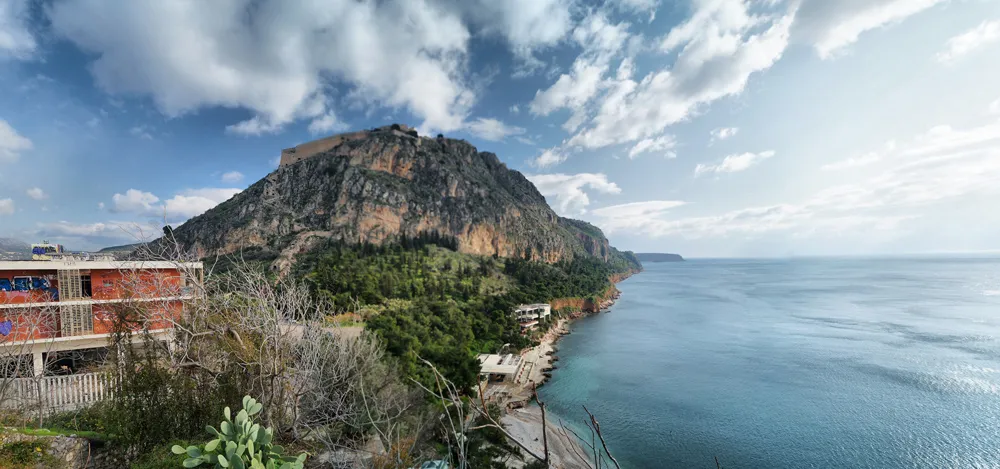
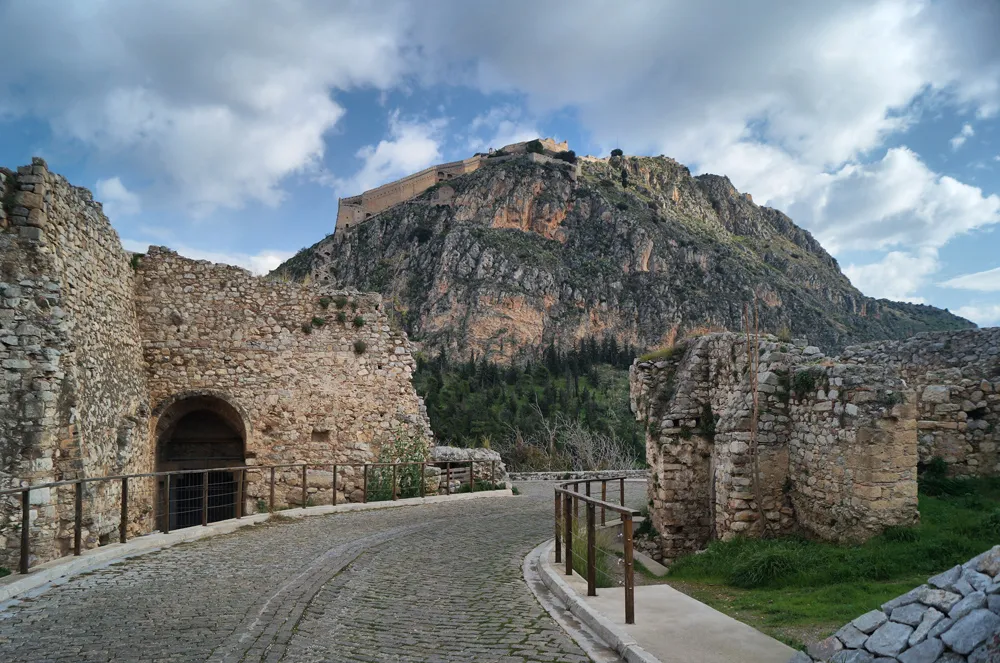
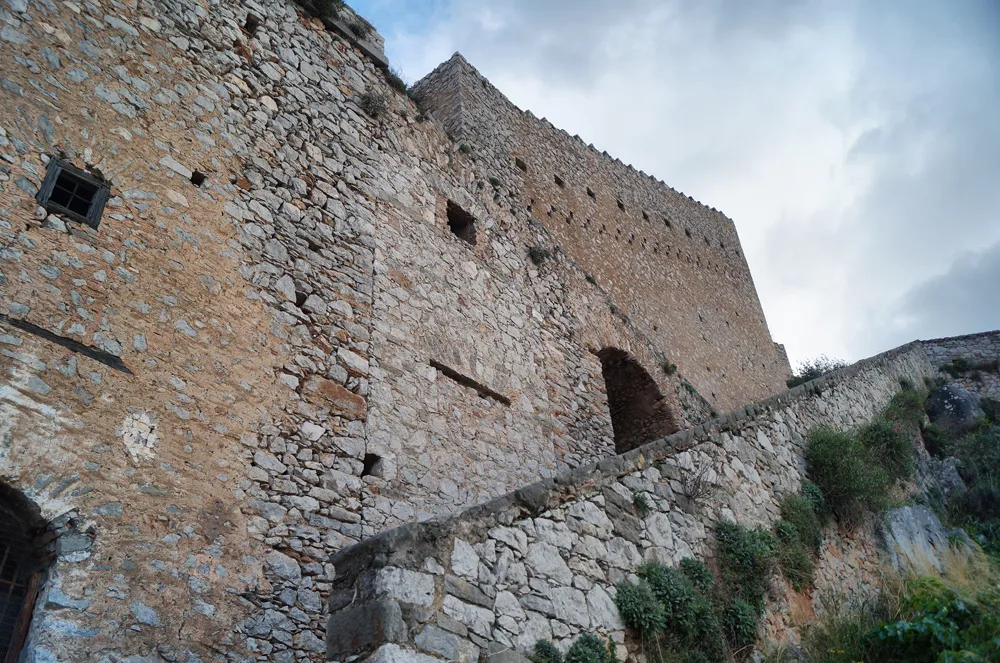
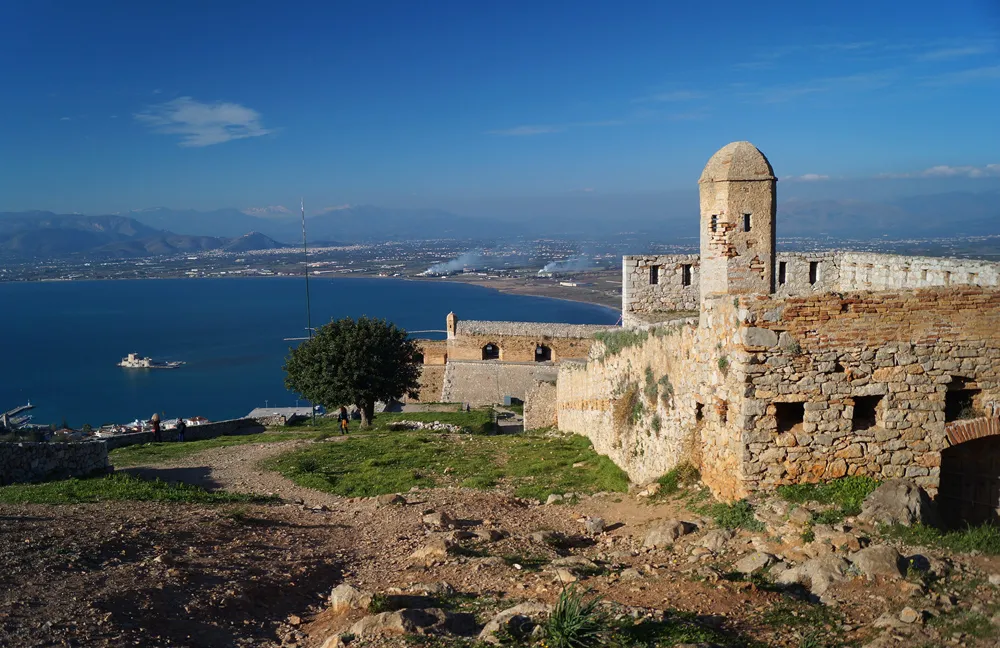
In general, the Venetians carried out a titanic amount of work building up the fortifications of Nafplio. New bastions, both within the fortress and independent ones, a new citadel, new artillery positions and, finally, on the rocky Palamidi hill, which rises 216 metres above the sea, a completely new, large fortress was built – Palamidi.
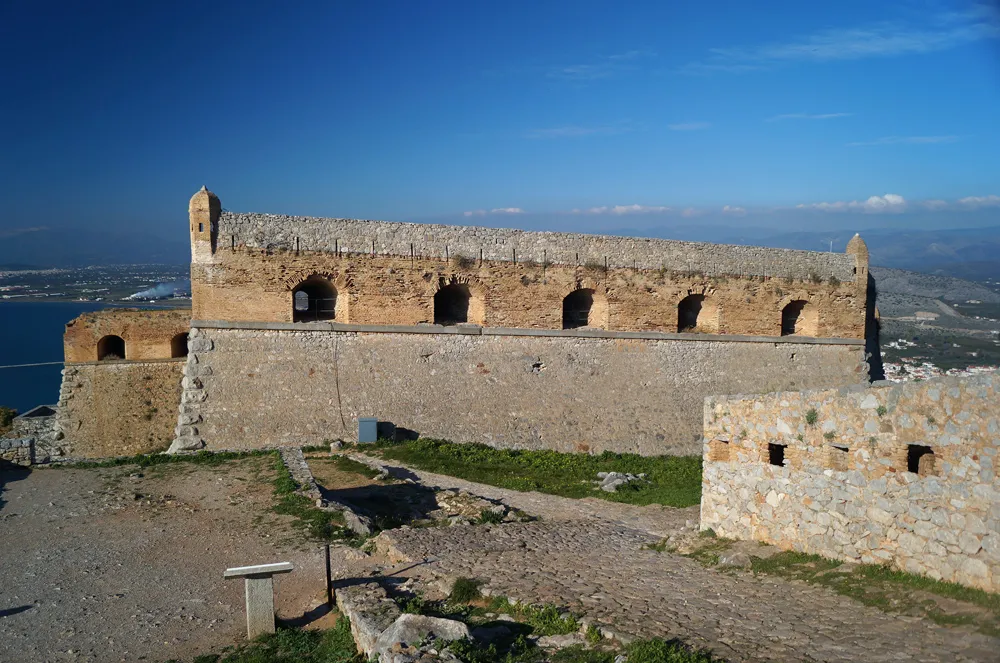
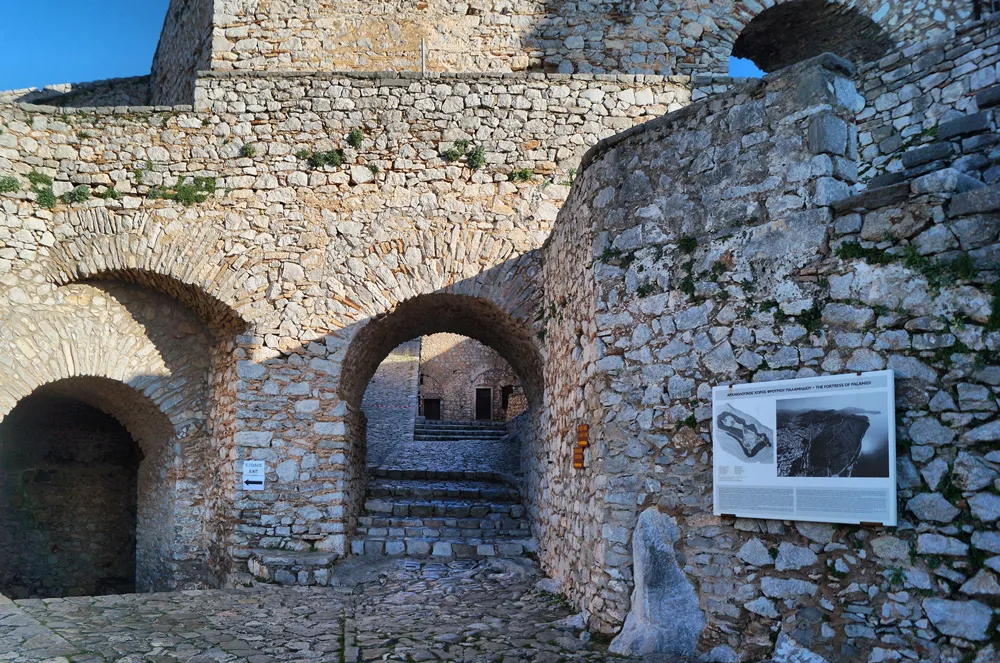
Construction of the fortress began in 1687, but was then frozen for a long time and resumed in 1711. It was built at record speed for the time – finished in four years, and a year after that, in 1715, the Ottomans captured Nafplio. Palamidi became the last fortress built by the Venetians outside Venice. It is a unique structure consisting of eight independent bastions connected by a common wall. Below the fortress, on the slope, there are several more structures that defended the approaches to the fortress, its passages and stairs.
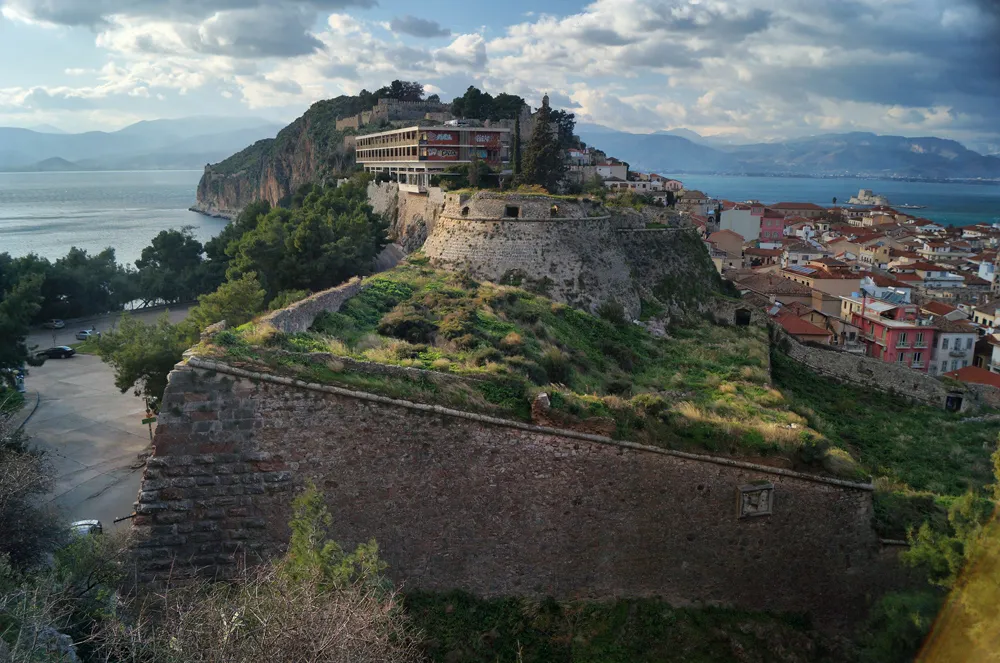
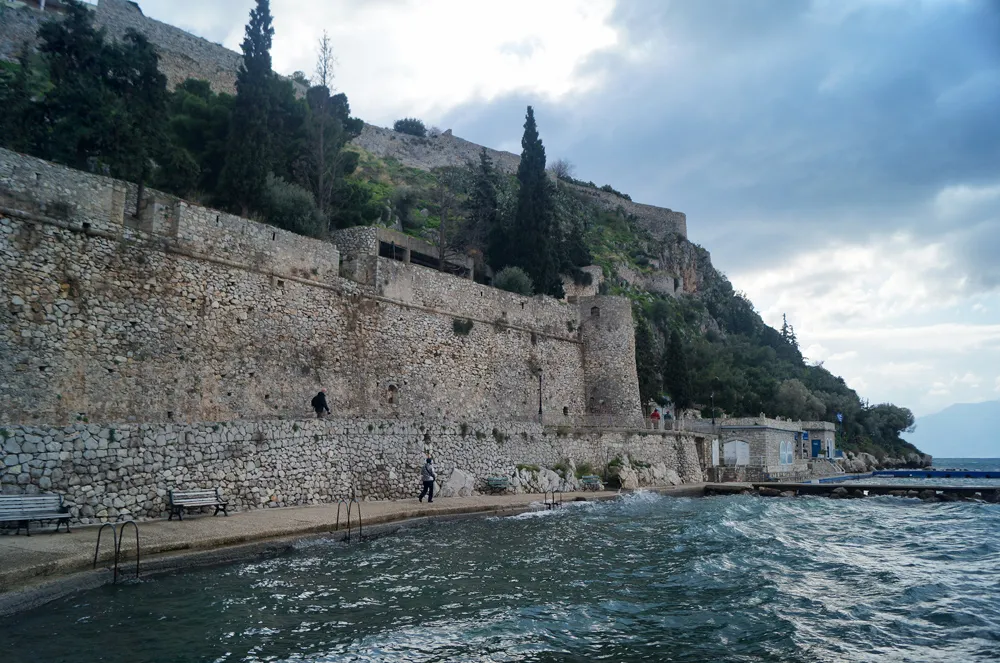
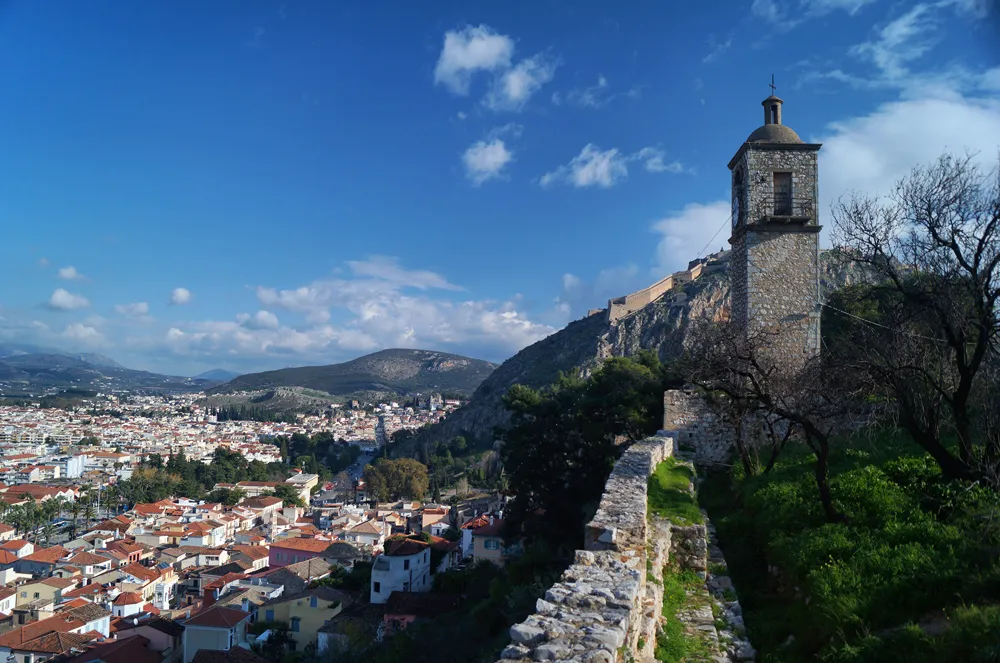
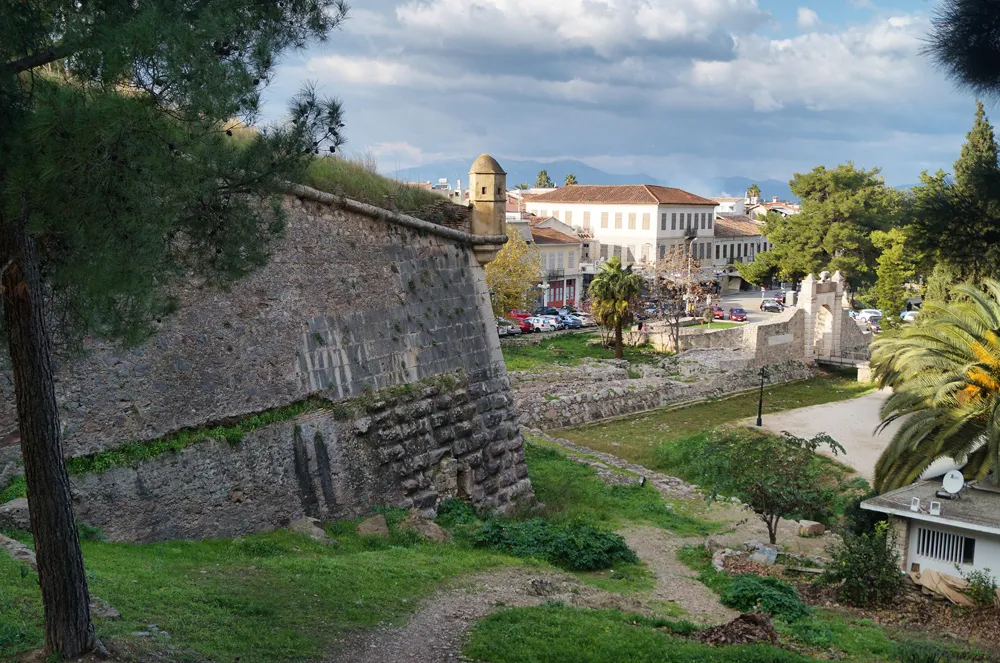
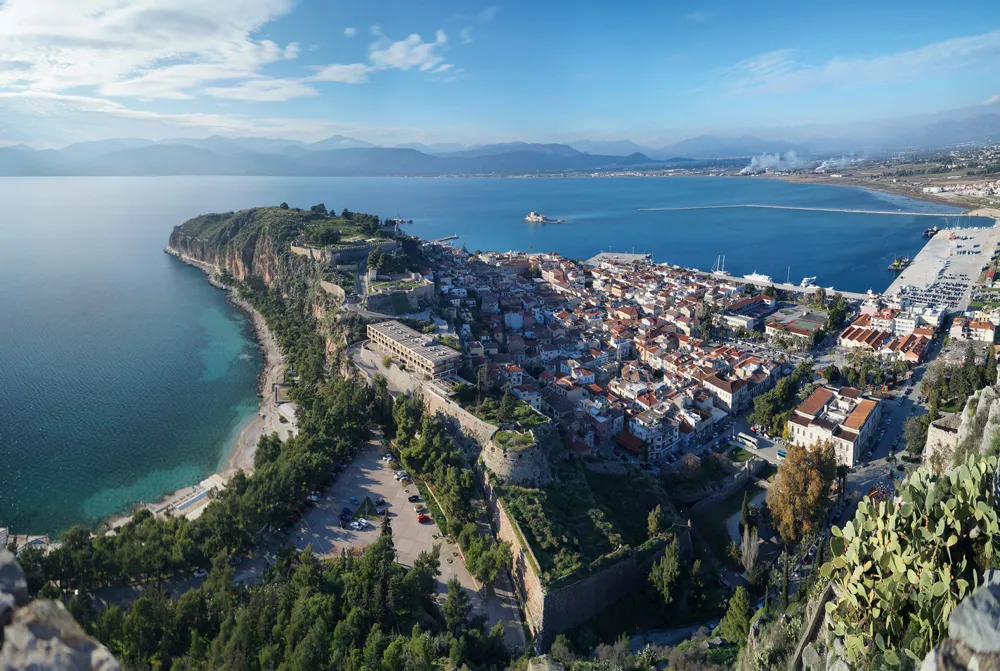
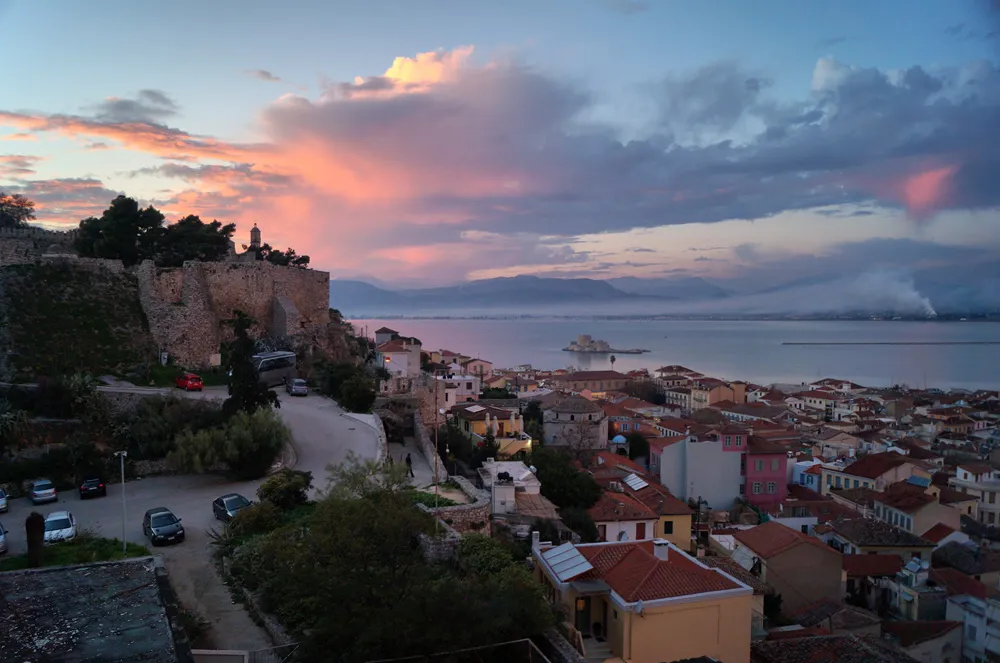
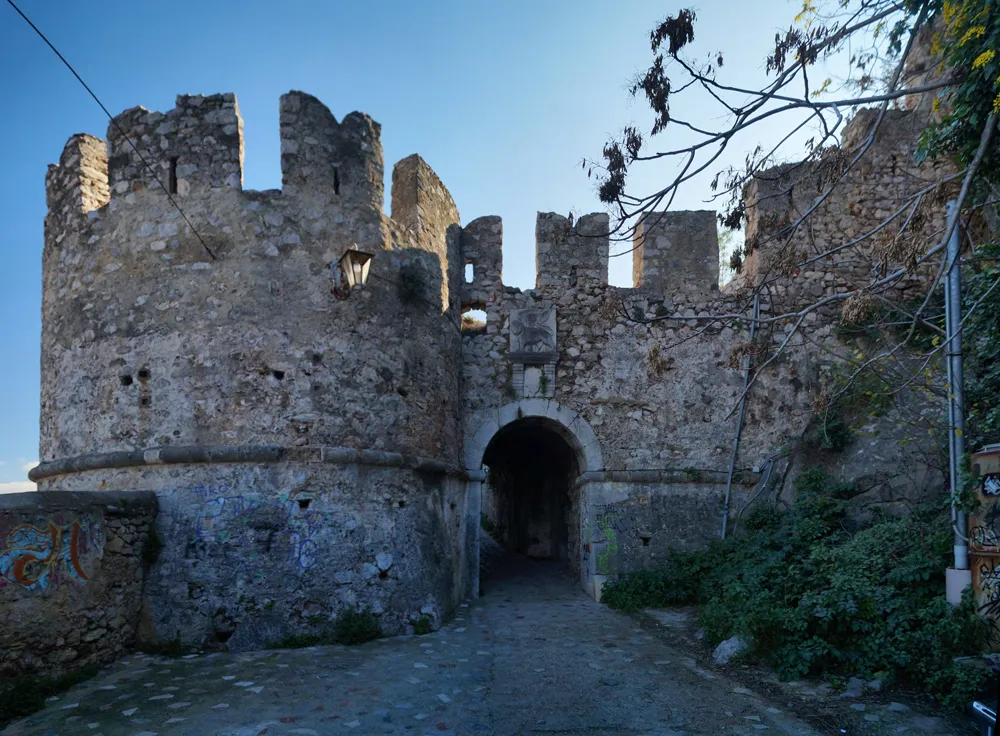
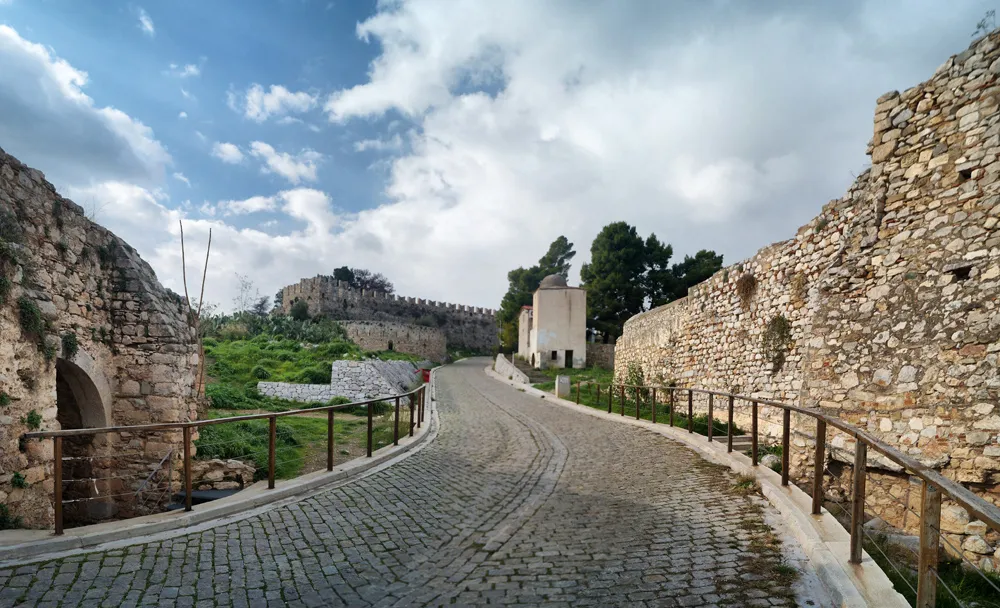
Nafplio fortress
During the Ottoman period Christians were strictly forbidden to enter Palamidi – they entered here only in 1822, during the Greek War of Independence. The detachment that captured the fortress was led by Theodoros Kolokotronis, a national hero of Hellas, whom King Otto later imprisoned in the same fortress for 11 months, turning it into a prison. A guillotine was installed here to carry out death sentences. In all, 25 sentences were carried out.
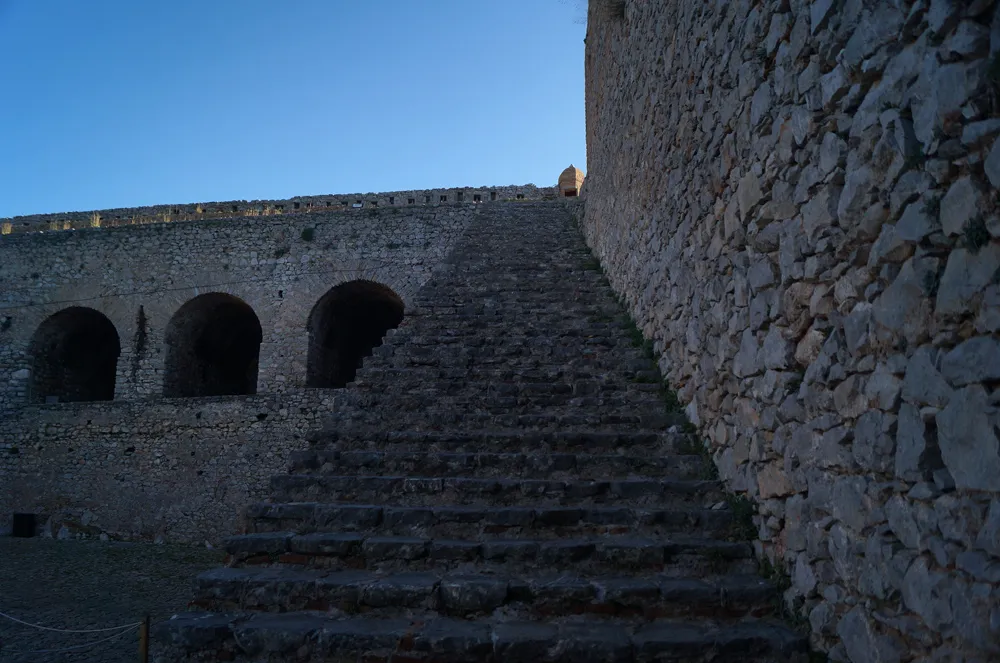
Today Palamidi is one of the main tourist sites of Nafplio. Given its elevated position, reaching the fortress gates is not easy – you must either drive up to the car park by the lower gate or climb 999 steps on foot, the thousandth supposedly having been destroyed by Kolokotronis’s horse. So say the locals, but it is not true – there are fewer steps, only 857. They were built by Turkish prisoners on King Otto’s orders. The second route requires some physical fitness, but from the flights of steps you will see the incredible position of the town on a peninsula jutting into the sea. The views are simply fantastic. The climb takes from 20 to 40 minutes, depending on your strength.
Below Palamidi, on a small hill between the two fortresses, stands an abandoned four-storey hotel. There are no doors, and you can climb the stairs to the roof – a wonderful photo spot from which you can take beautiful pictures of the blue-emerald sea, the cliffs and the fortress fortifications.
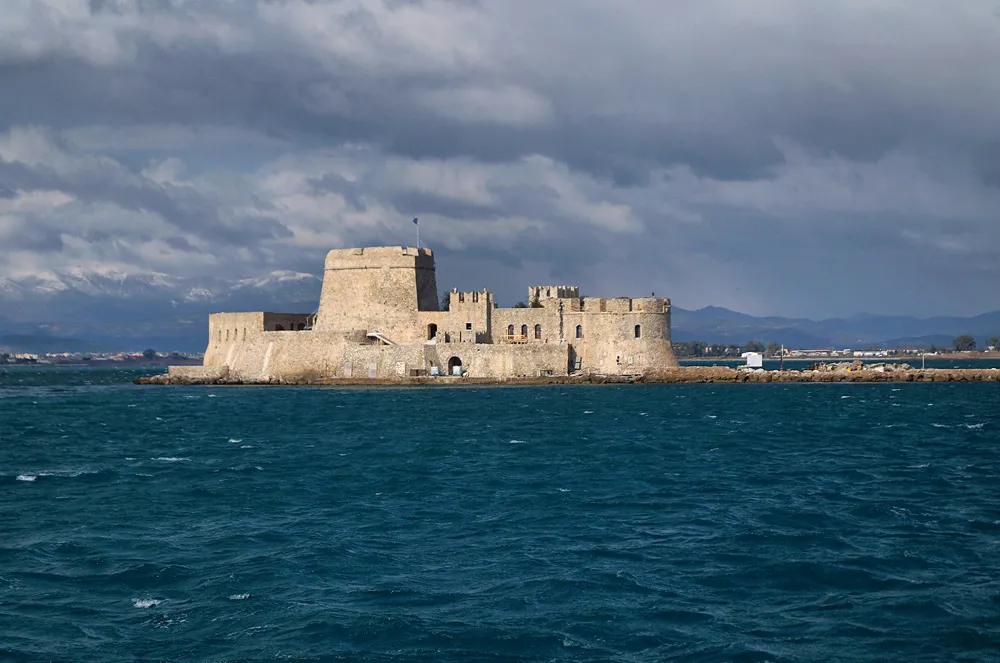
Another amazing fortification of Nafplio is Bourtzi. The Venetians built this fort on an island, on the site of a Byzantine church, at the end of the 15th century. The hexagonal fort, armed with cannons, was to defend the sea approaches to the town. After capturing the Peloponnese in 1715, the Ottomans blocked the fairway with large stones, making attacks on the town by large ships impossible.
Today the island fort is a popular tourist site, served by a small boat that runs every hour until about four in the afternoon, even in winter.
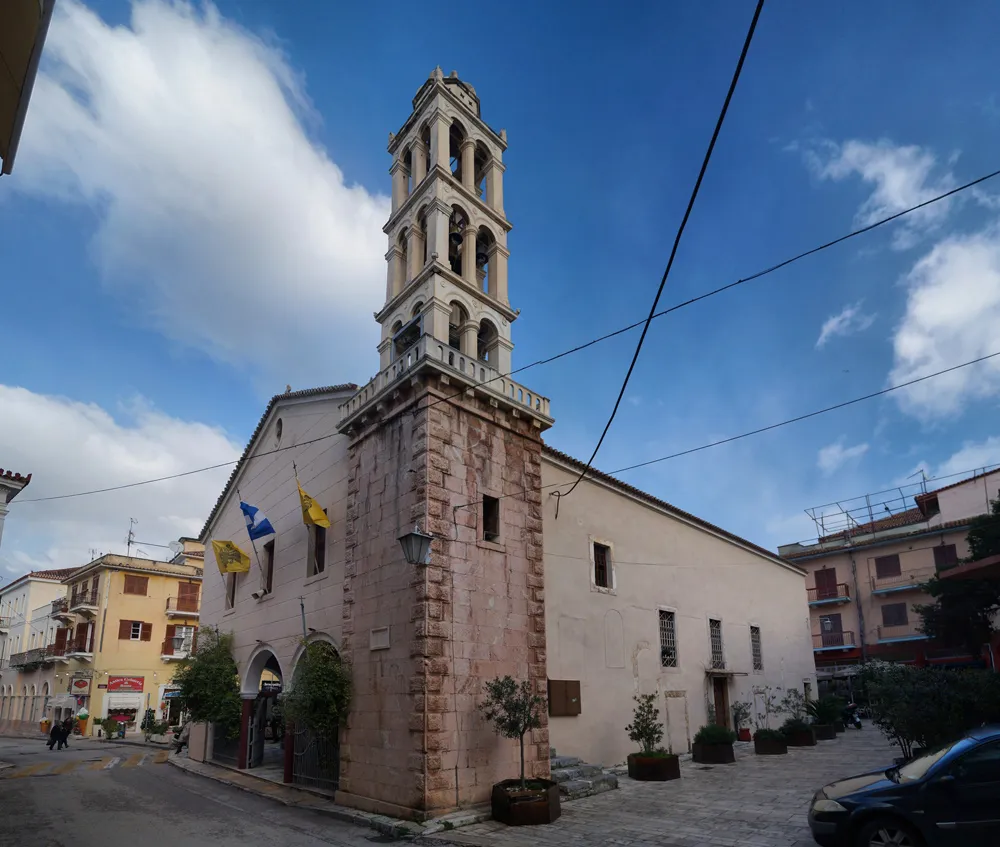
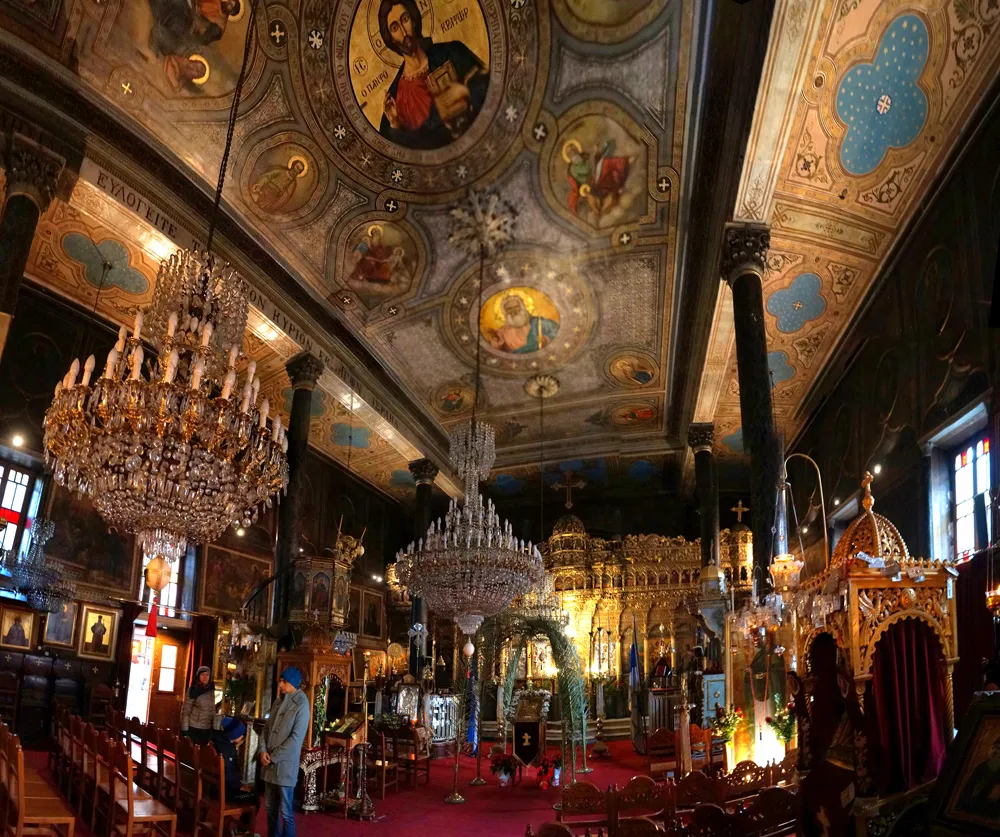
Besides its fortifications, Nafplio lures visitors with its Venetian streets, Greek churches, souvenir shops and fish tavernas. A cool town.
Text and photos by Roman Malenkov. Draft text for the book “10 Countries After the Quarantine”.