North Macedonia. Ohrid. A treasury of UNESCO monuments

· 4 min read
In the south-west of North Macedonia, on the border with Albania, lies the country’s greatest treasure, Ohrid. It is the only site on the main UNESCO World Heritage List that is both a masterpiece of human genius and a natural phenomenon of exceptional beauty and aesthetic importance: a lake and a town that together form a single complex. At least for UNESCO.
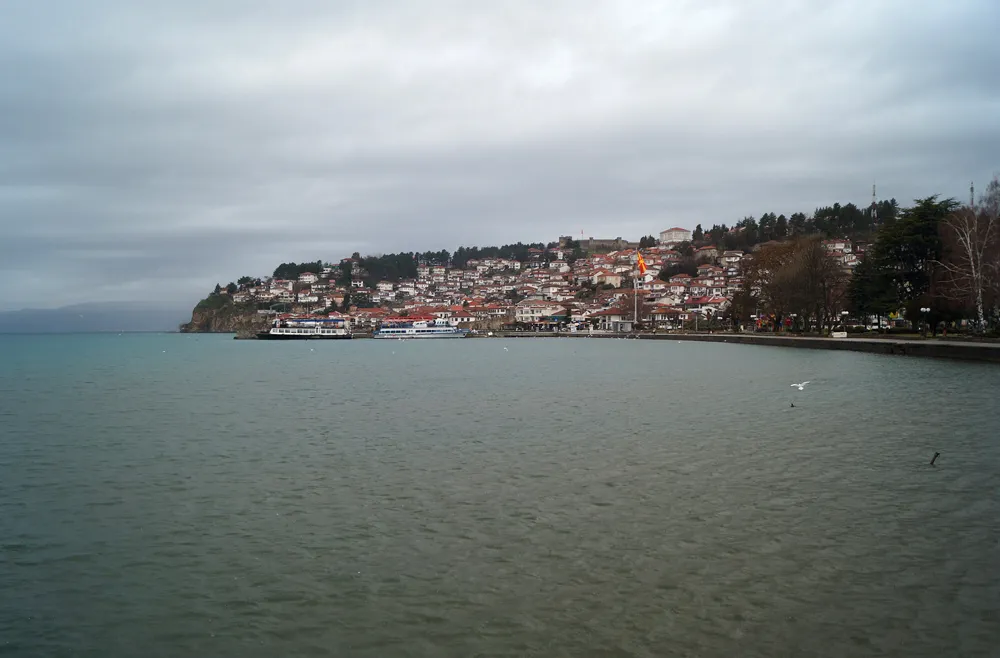
Lake Ohrid has a surface area of 367 square km, lies at an altitude of 693 m above sea level, and has a maximum depth of 288 m and an average depth of 155 m. From the shore the lake looks like a sea, and tourists describe the colour of its water as sea-blue. There are more than 200 endemic species here, a unique ecosystem, and this is the Balkan Baikal and Tanganyika: Ohrid has the same origin, a tectonic depression.
The shores of Ohrid are North Macedonia’s main recreation zone. Numerous hotels and restaurants appeared only in the 21st century, and most of them are in the town of Ohrid, whose churches are often the calling card of the entire country. There are a huge number of churches here, all Byzantine and unique, and, interestingly, we did not find a single one with free entry. Some time ago the Spaniards surprised me in the same way, as they rarely let tourists into churches for free. It is the same in Ohrid.
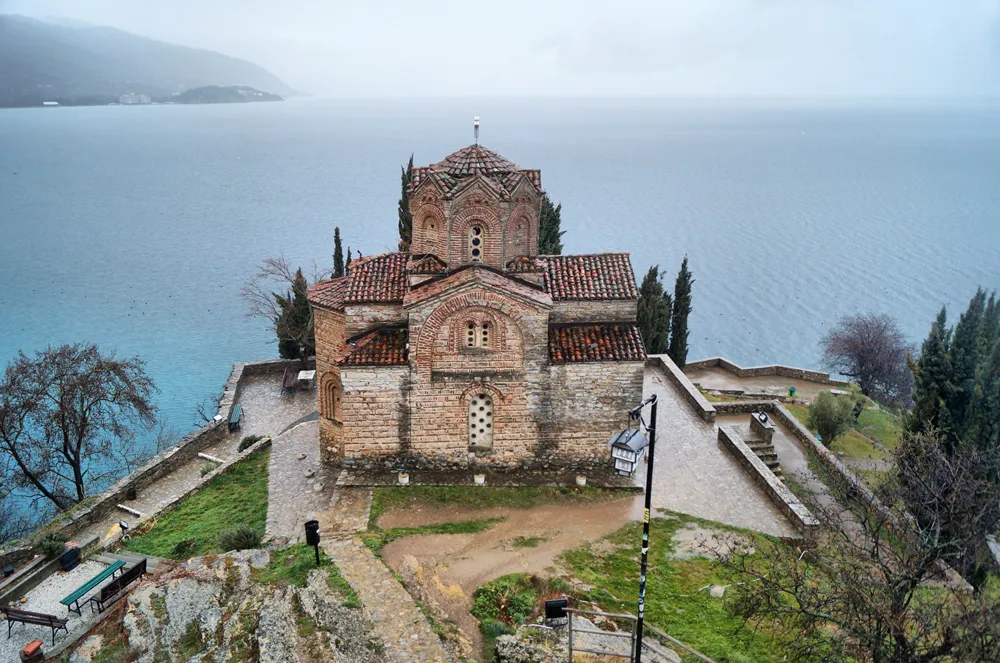
Church of St. John the Theologian at Kaneo
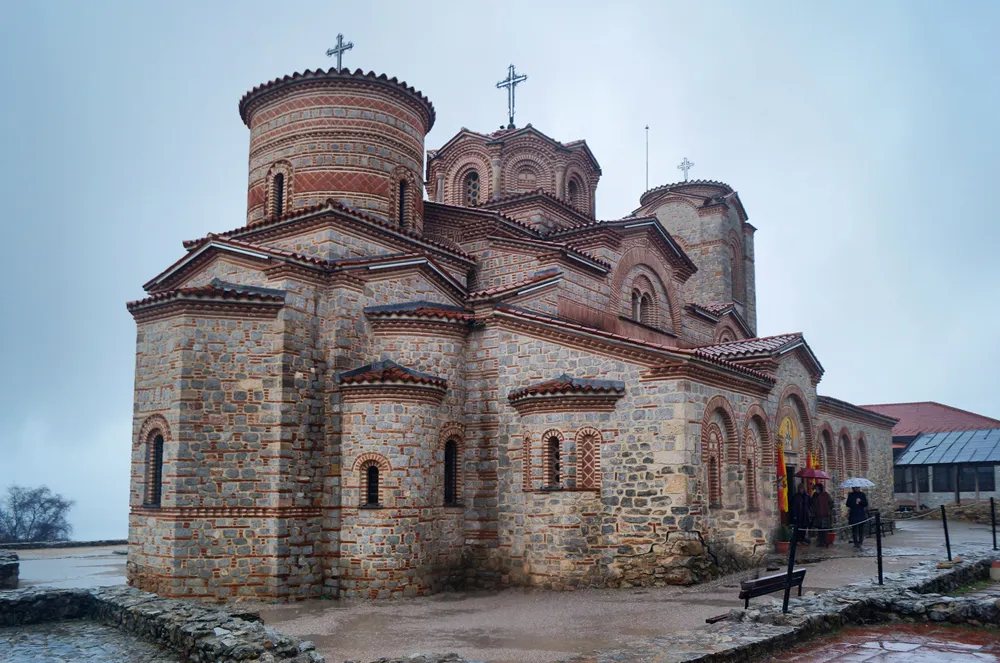
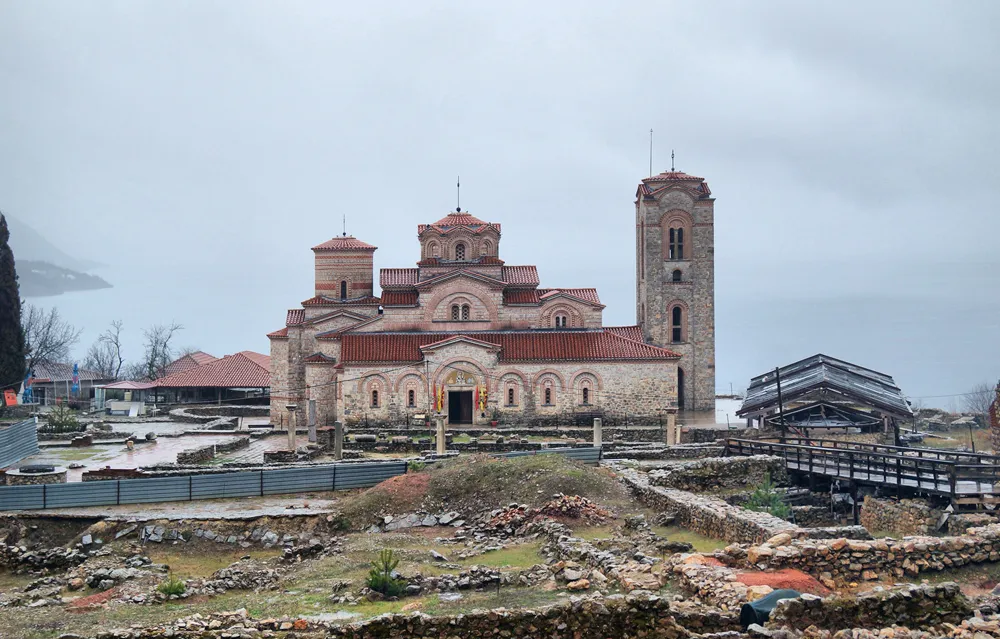
Church of St. Clement and St. Panteleimon
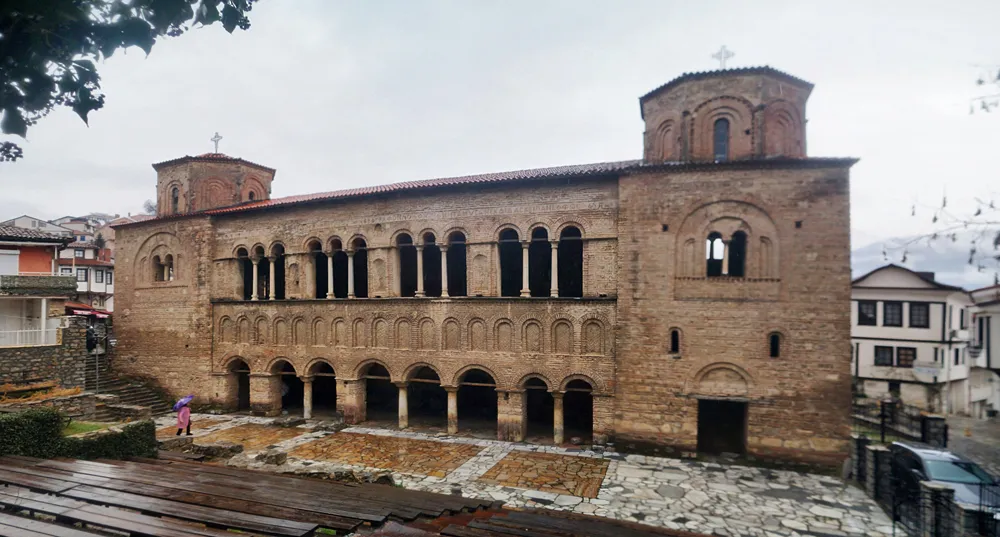
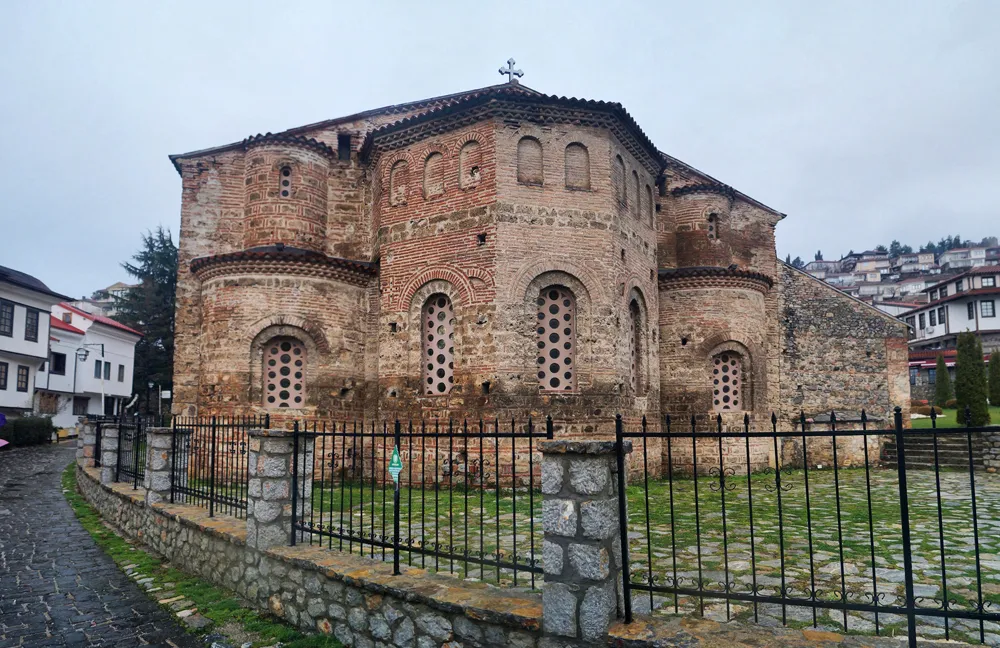
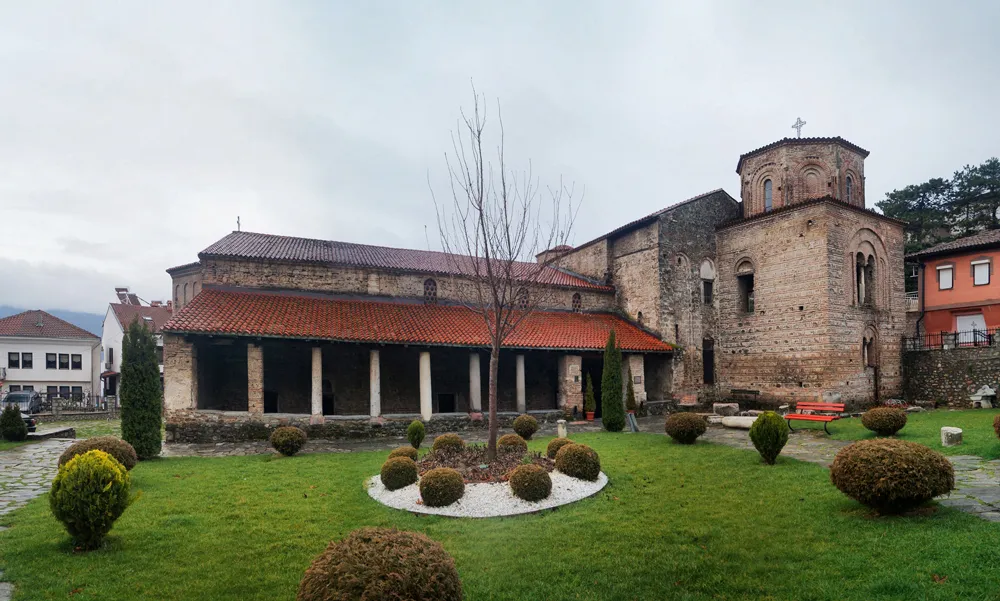
Church of St. Sophia
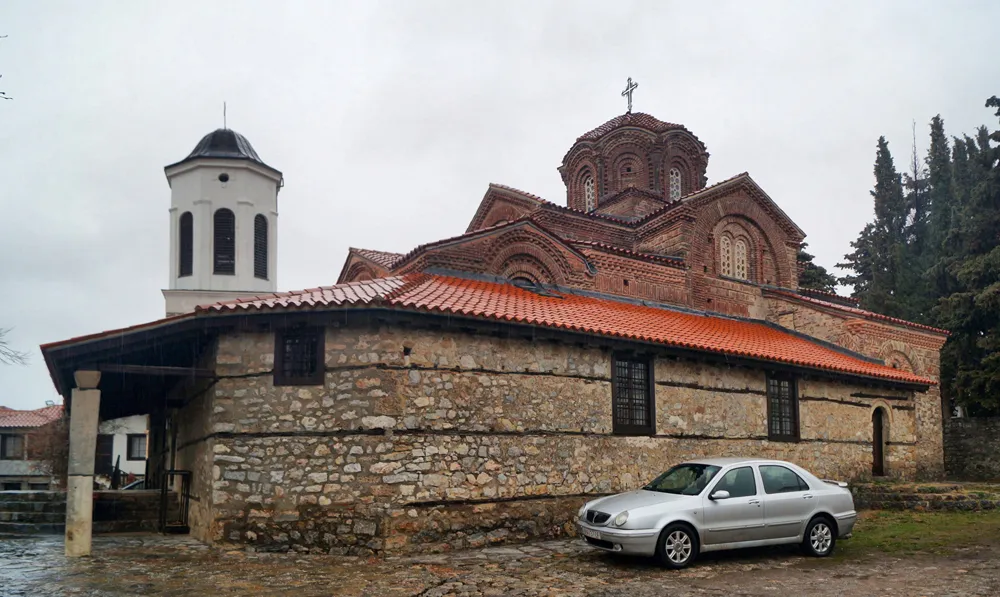
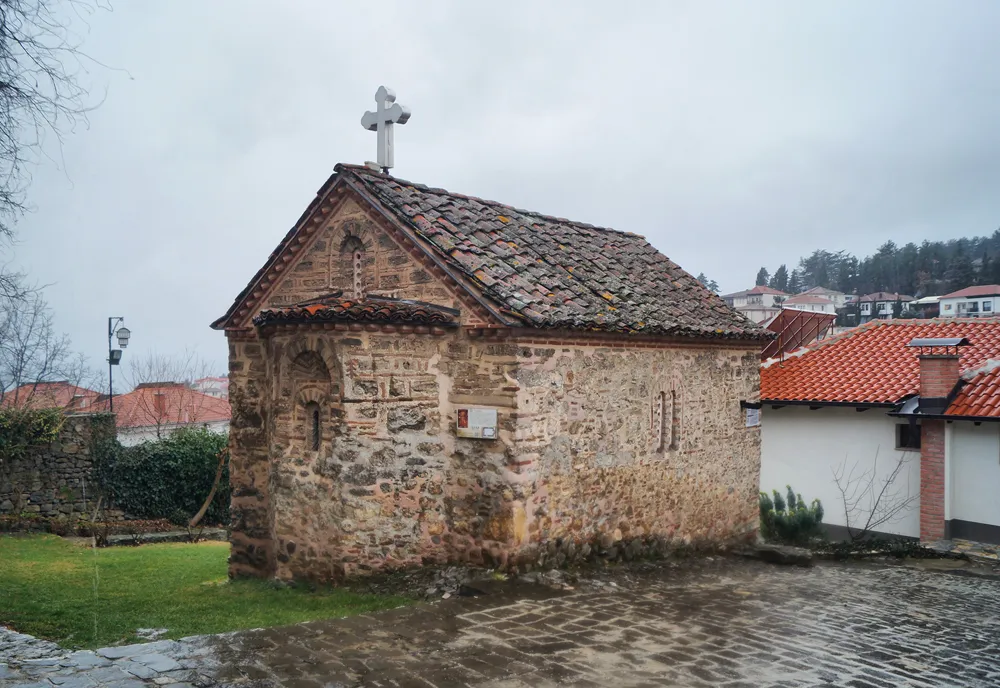
Church of the Mother of God
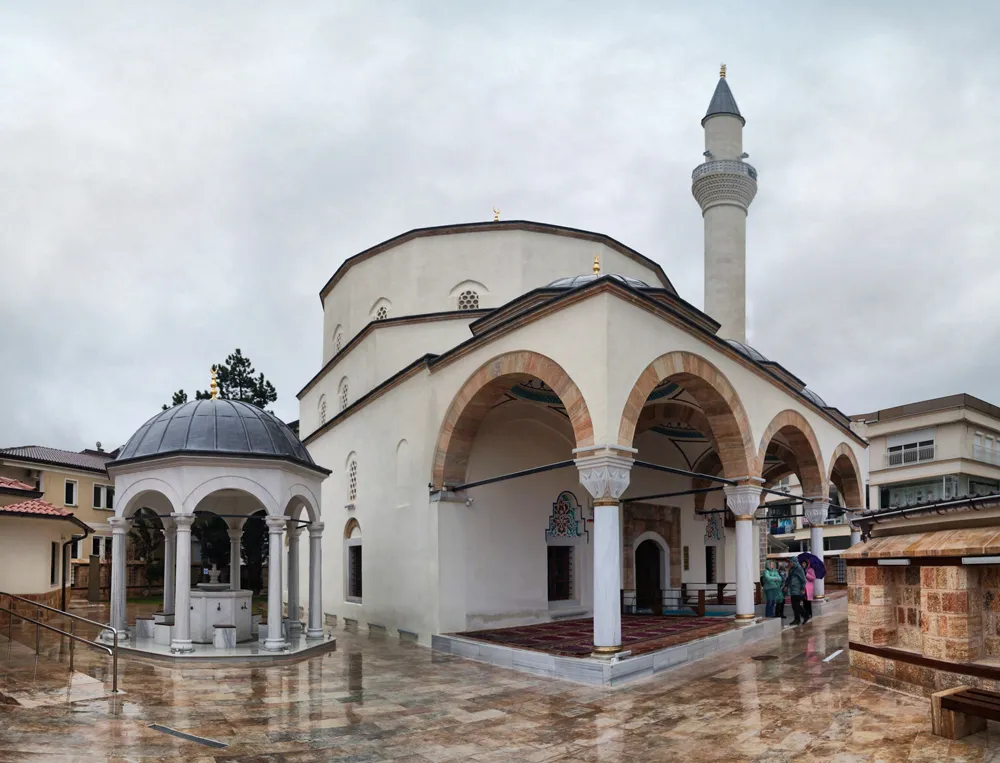
Halveti Hayati Tekke mosque
The most famous church in Ohrid is the Church of St. John the Theologian at Kaneo. Its well-known image, a Byzantine church above the lake, is the main tourist magnet in Ohrid. However, this church is not the oldest in the town: it was built in the 13th century, whereas the Church of St. Sophia was built in the 9th century during the reign of Tsar Boris I. It was a patriarchal cathedral.
The legendary church of Ohrid is considered to be the Cathedral of St. Clement and St. Panteleimon, built in the same 9th century. Clement of Ohrid is a local saint and one of the patron saints of North Macedonia, a disciple of Cyril and Methodius and a champion of the Cyrillic script; he may have officiated in this church or on the site of the church. Most importantly, he was buried in this church, and his tomb has survived.
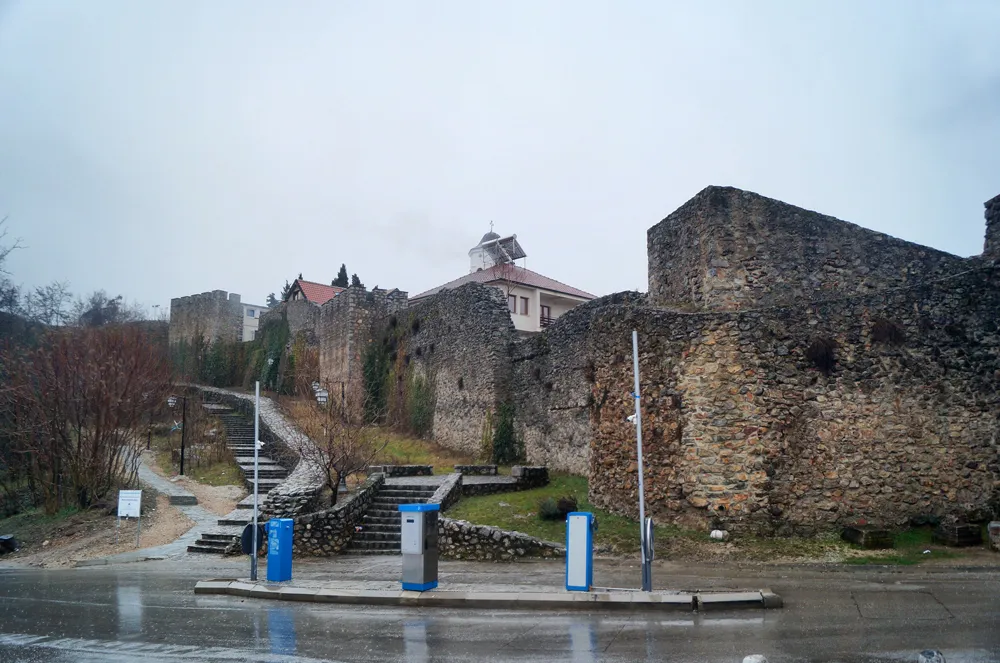
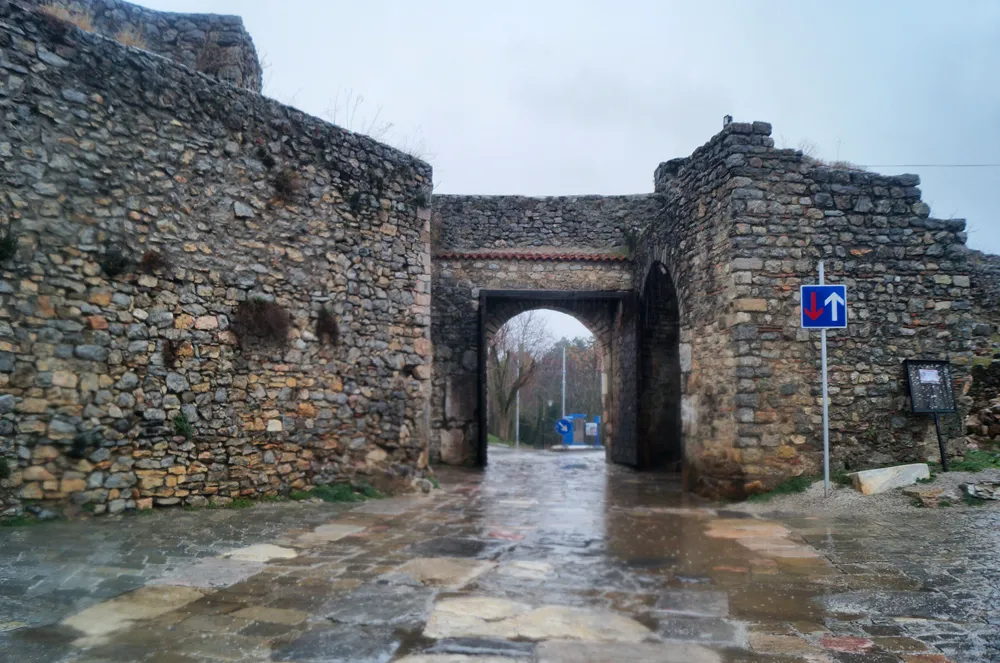
The Cathedral of St. Clement and St. Panteleimon stands on a hill called Plaošnik. From ancient times there was a monastery here, home to the Ohrid Literary School, with up to 3,500 students. Today the monastery has been restored, and around it lies a huge area of excavations. Archaeological digs are no novelty in Ohrid anyway: they dig near almost every church. And near the fortress of Samuel, the Bulgarian tsar who moved his capital to Ohrid in the 10th century. True, he did not build the fortress but only expanded it, making it his residence. The present walls of Samuel’s Fortress can hardly be called extraordinarily mighty or picturesque, but we strongly recommend visiting it.
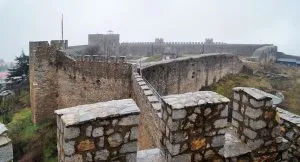
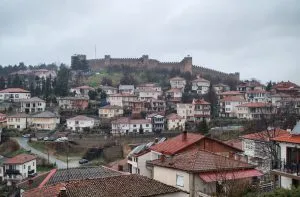
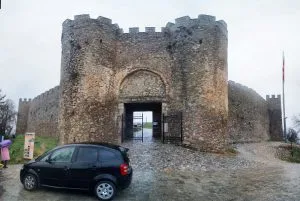
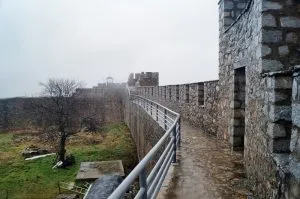
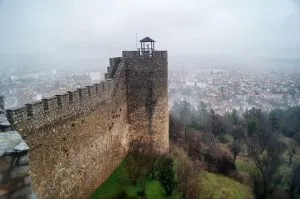
Tsar Samuel’s Fortress
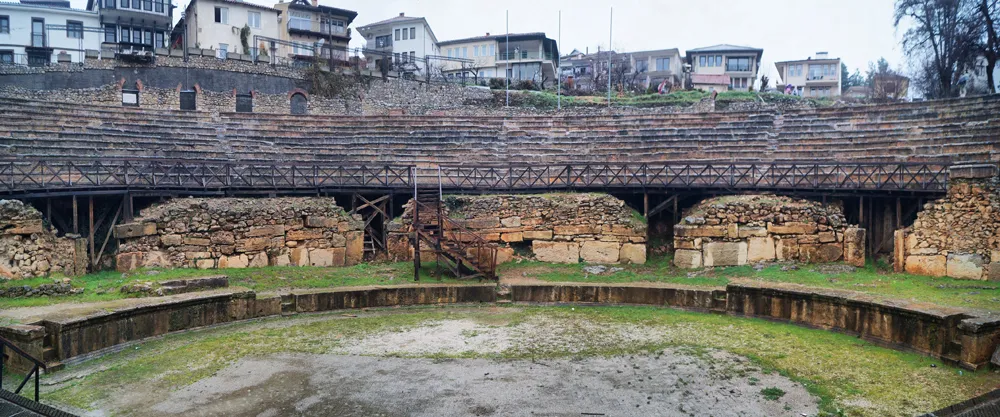
The oldest building in Ohrid is the ancient theatre, built as early as the Hellenistic period, in the 3rd century BC. Such theatres are plentiful in Greece and Turkey, but in North Macedonia this is quite a rare building. In the Roman period gladiator fights and executions of early Christians took place here, so the locals disliked the building, and as soon as the Romans left they abandoned the theatre and forgot about it. Centuries of layers covered the theatre, and only in the 1980s did archaeologists reveal it again to the people of Ohrid.
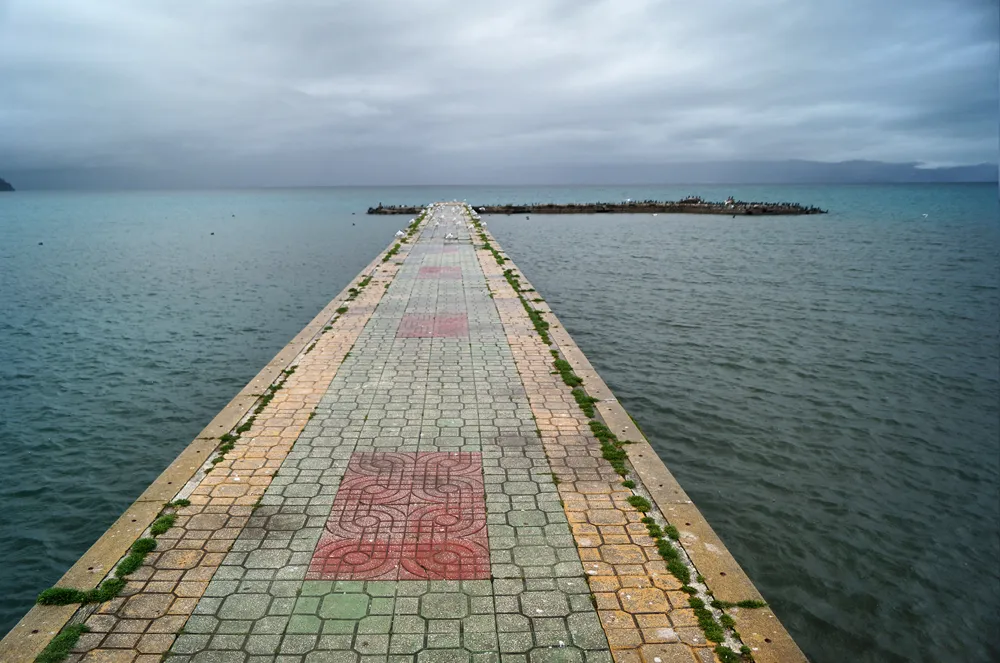
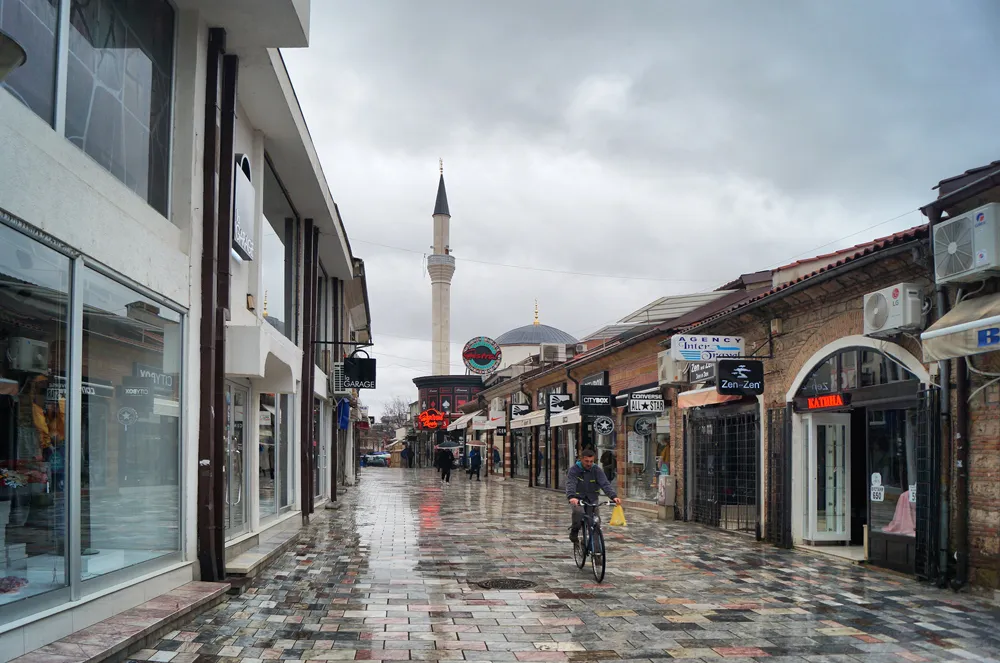
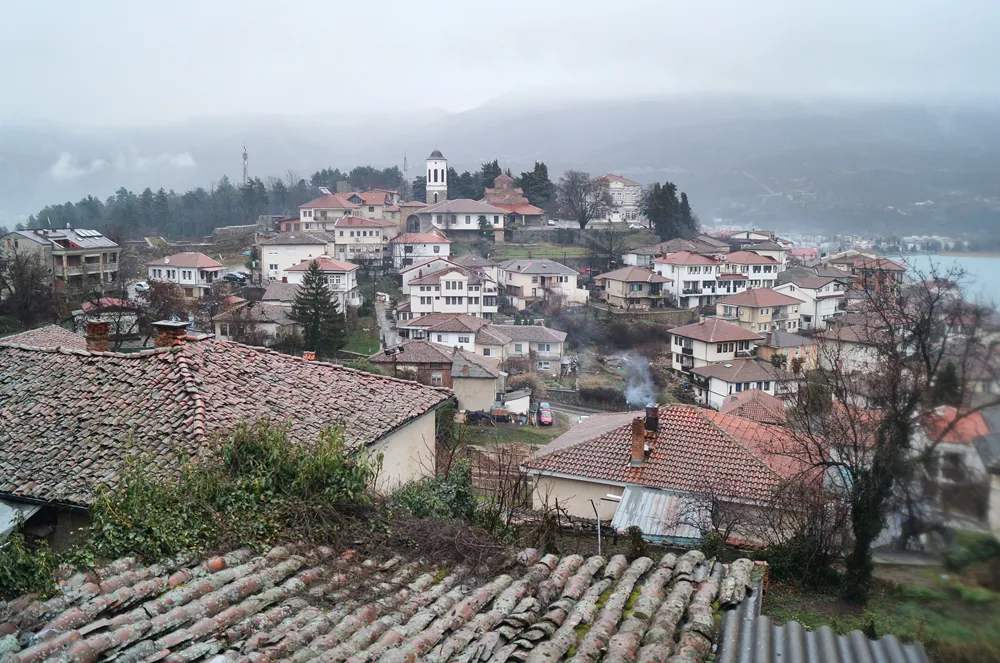
The most visited part of Ohrid is its waterfront, with a park zone and boat moorings. In fine weather it is probably full of people here, but we came in the rain, when a good owner wouldn’t turn even a dog out of doors… Well, clearly the downpour smeared my impression of Ohrid, but not so much that I could not see that Ohrid is a wonderful town. It is a reflection of North Macedonia as a whole: a heap of churches, fortresses restored from ruins, somewhat neglected and slightly Soviet-looking streets, Balkan colour and wonderful food. I must return in good weather.
Text and photos by Roman Malenkov, for the book “10 Countries After Quarantine”.