North Macedonia. Skopje. A pompous capital

· 4 min read
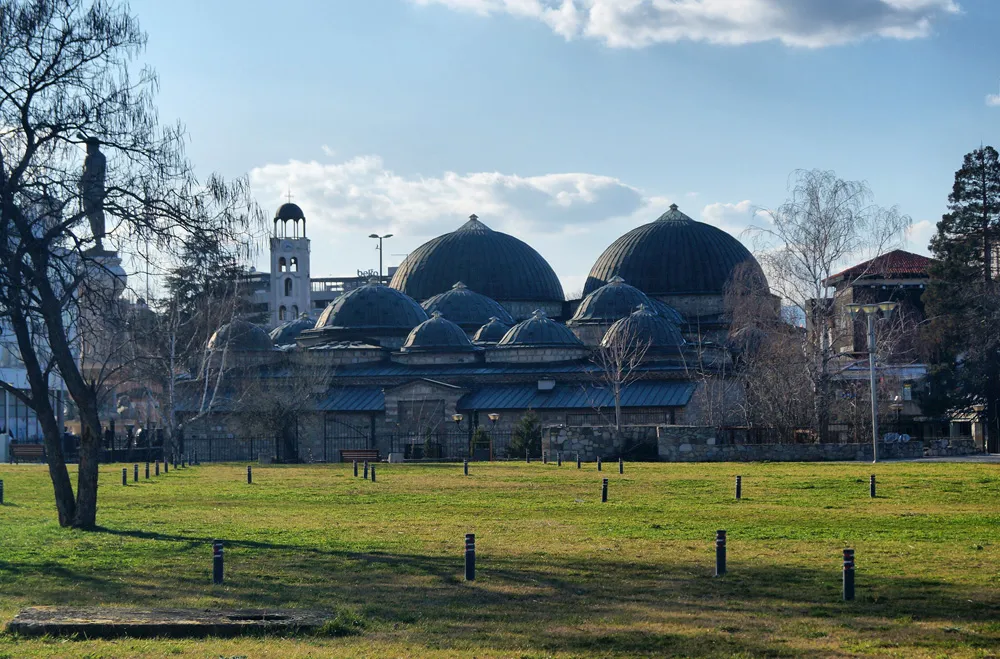
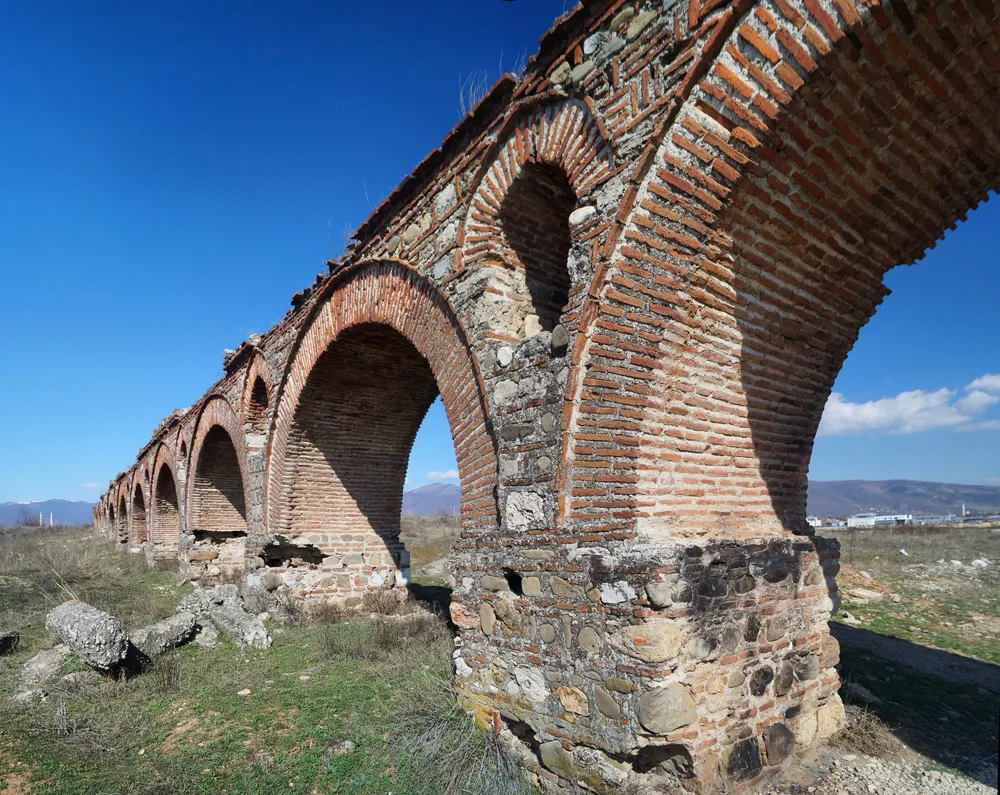
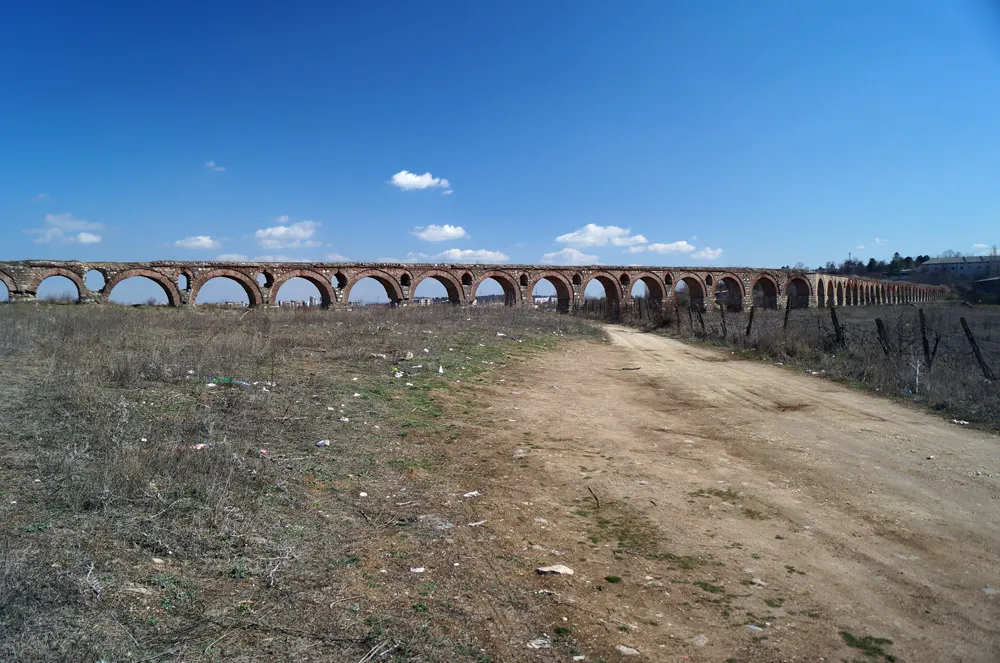
The oldest monument in Skopje is the aqueduct in the north of the city, in the Vizbegovo area. It is 356 metres long and 16 metres high. It consists of 55 arches built by an unknown hand. Scholars still cannot say exactly who built it. There are three theories: the Romans, the Byzantines or the Ottomans, each of these empires having ruled Skopje for a long time. The city already existed in the 3rd century BC under the name Scupi. Later it became the capital of the Roman province of Moesia, and in the 9th century, already under its present name, it was the capital of Tsar Samuel’s Bulgaria. The Ottomans captured Skopje in 1392 and renamed it Üsküb, making it the centre of the Kosovo Vilayet. During their rule residential quarters were built, along with numerous mosques and hammams, which have largely survived to this day. True, in 1689 the city was burned by General Silvio Piccolomini during the Austro-Turkish war, and it has also been destroyed more than once by earthquakes…
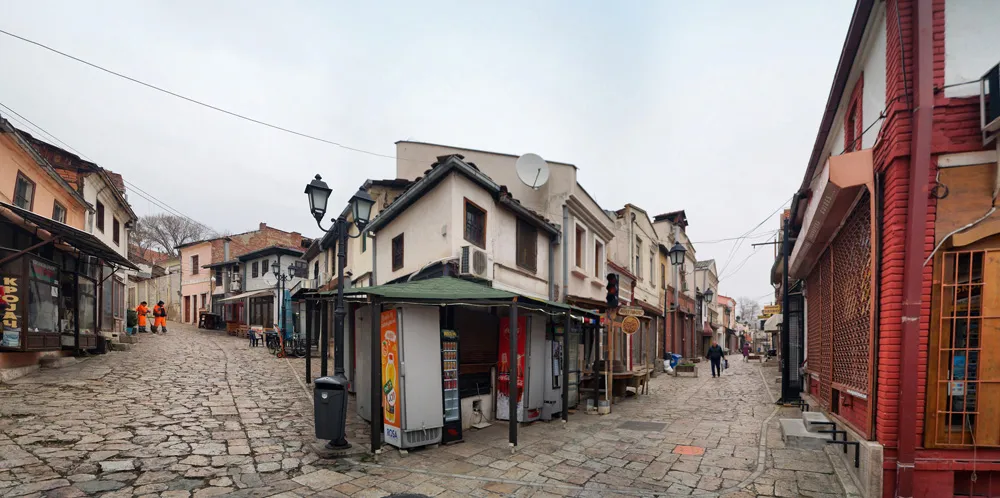
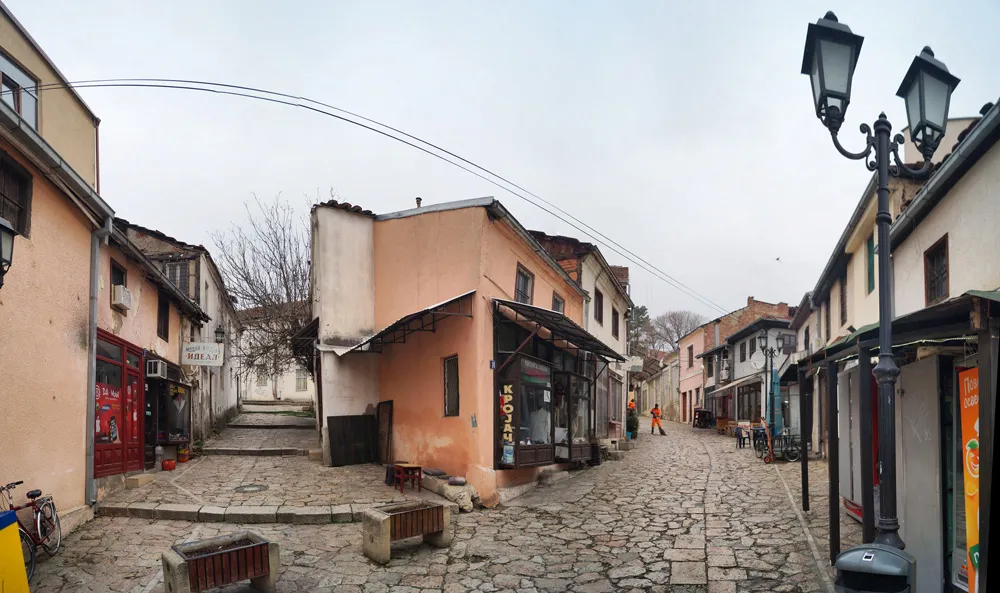
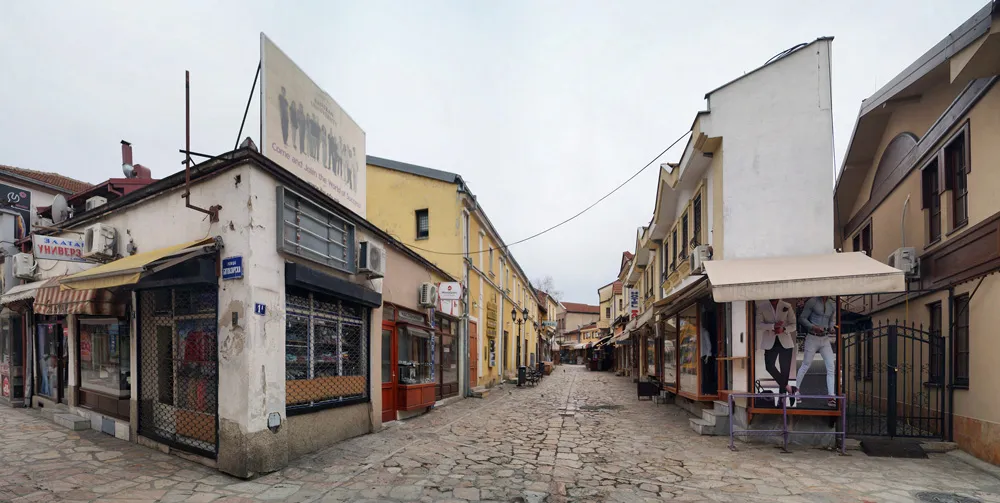
The oldest part of Skopje is the Old Bazaar (Stara Čaršija) and the neighbourhoods adjoining it. Here is a Turkish anthill, Ottoman buildings, eateries at every step, kebabs, köfte and chorba, and no alcohol whatsoever. To find Macedonian wine we had to move a few kilometres away from the Islamic quarters.
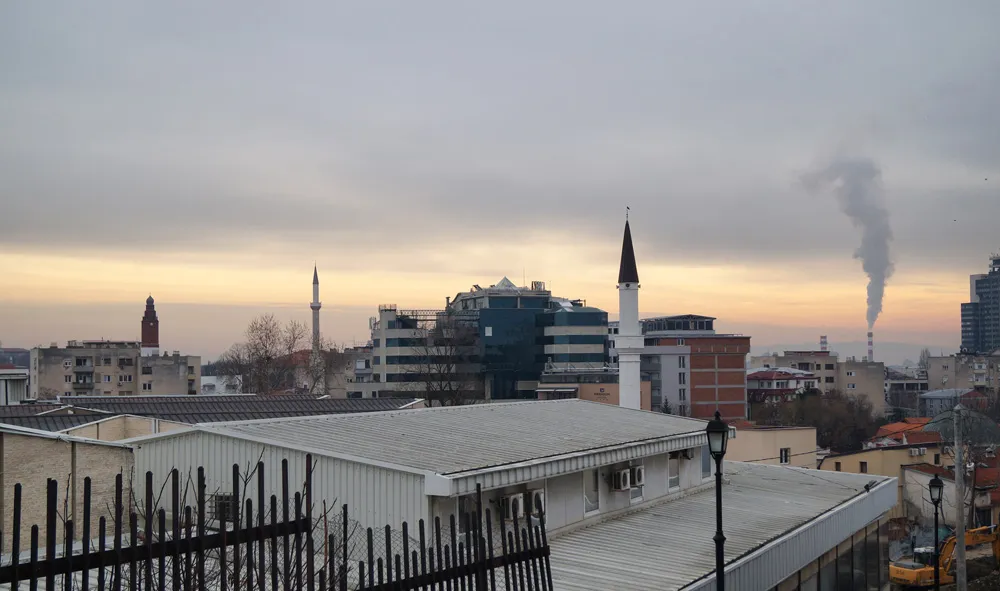
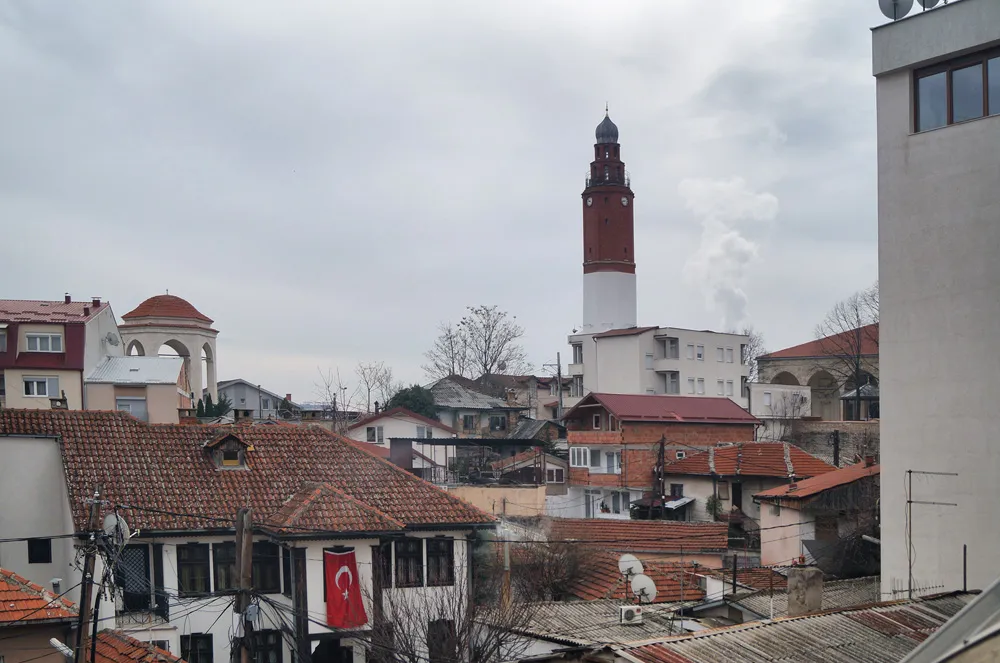
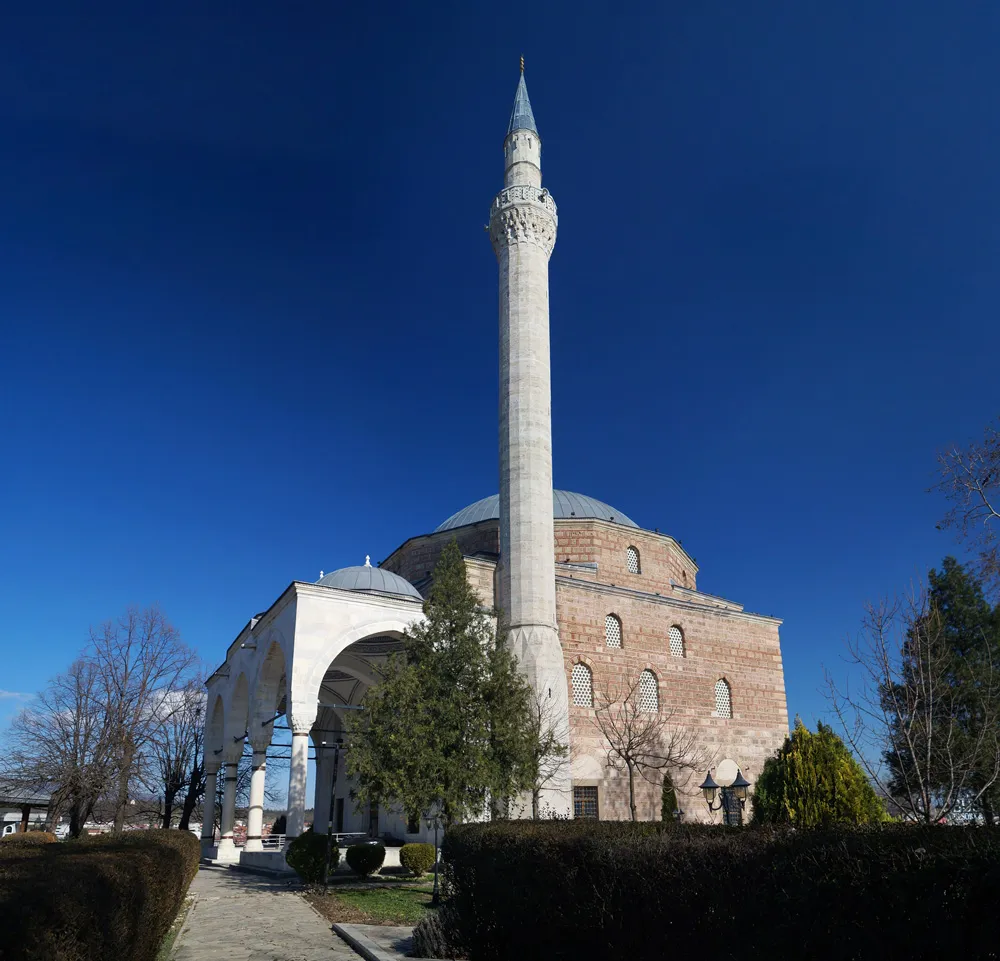
The main mosque of Skopje is the Mustafa Pasha Mosque, built in the distant year 1492. It stands right beneath the fortress. Another Islamic house of worship worth attention is the Sultan Murad II Mosque, founded in 1436. Until the end of Ottoman rule it was the main mosque of Skopje, as the clock tower standing next to it confirms. In general there are very many mosques, older, newer and quite new, since 150,000 of the half-million city’s residents are Muslims. They are mostly Albanians who, in the opinion of many ordinary Macedonian residents of Skopje, are “grabbing” land by building mosques and minarets.
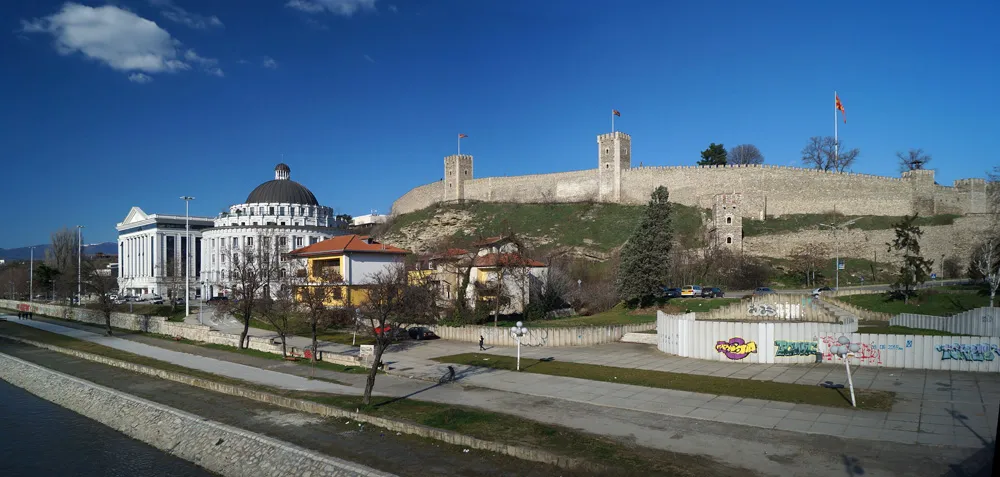
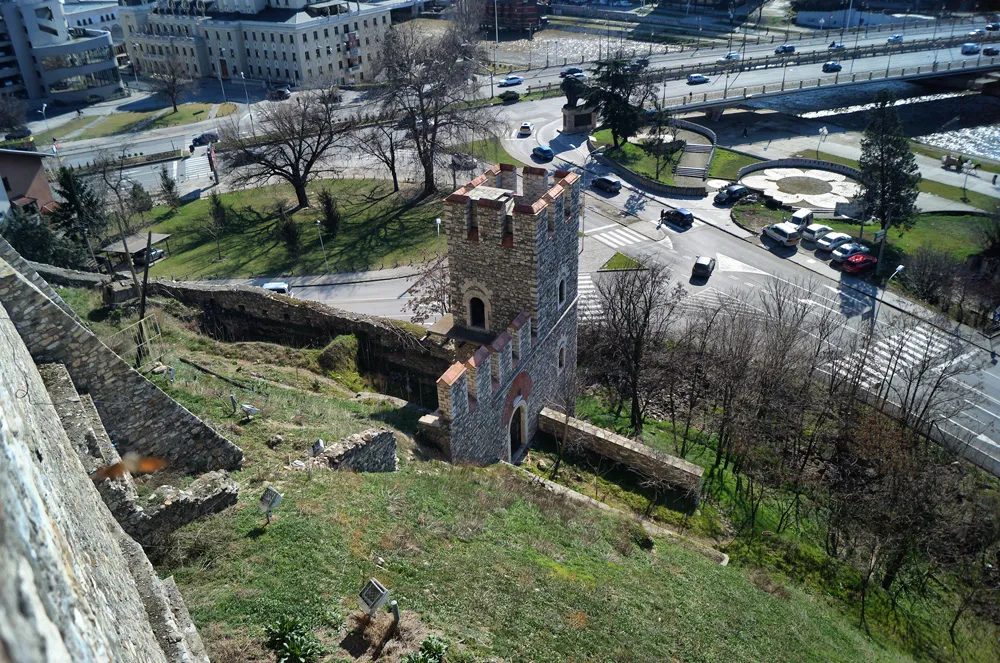
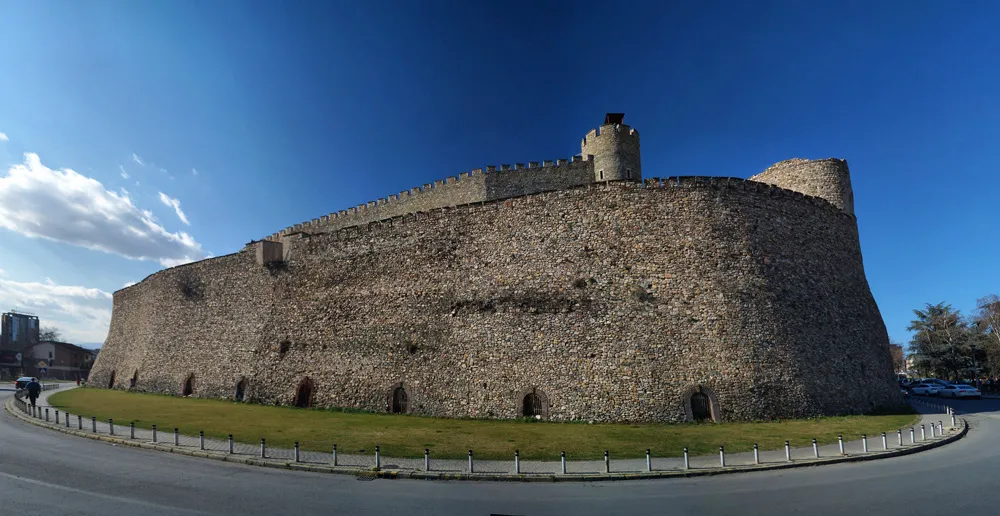
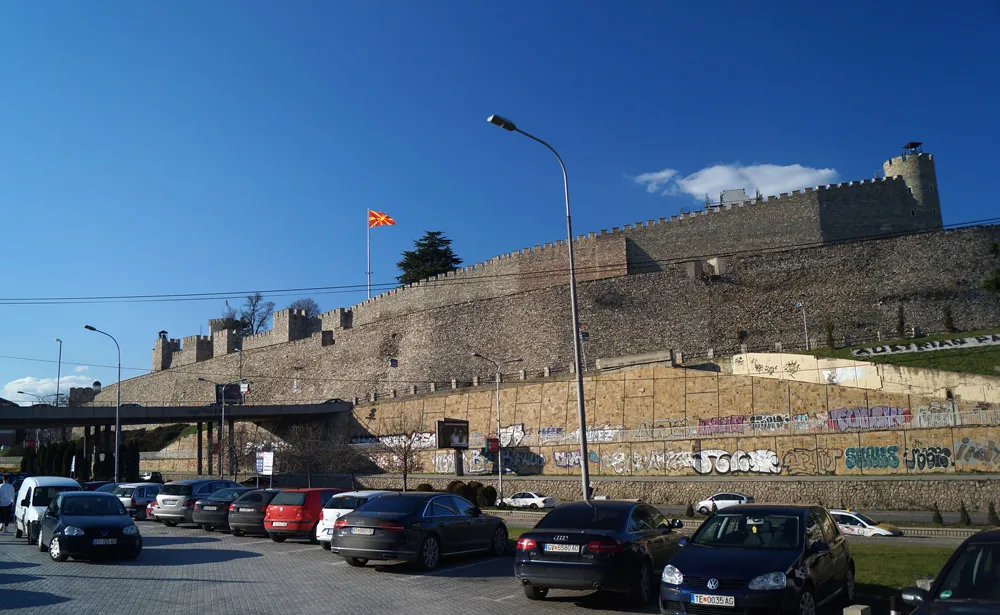
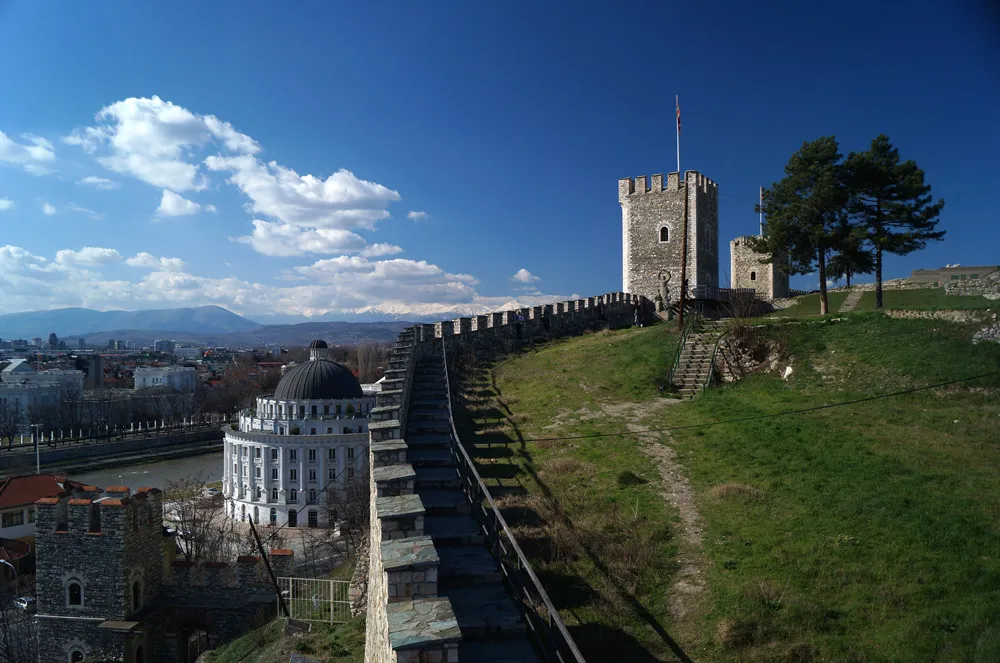
Above the Old Bazaar rises Skopje Fortress (Kale), which began to be built in the time of Emperor Justinian and was extended to its present outline during the period when Skopje was the capital of the Bulgarian Tsar Samuel. The Turks used the fortress for a long time as a place for barracks; only after the Austrians captured the city did they begin to rebuild the walls and towers.
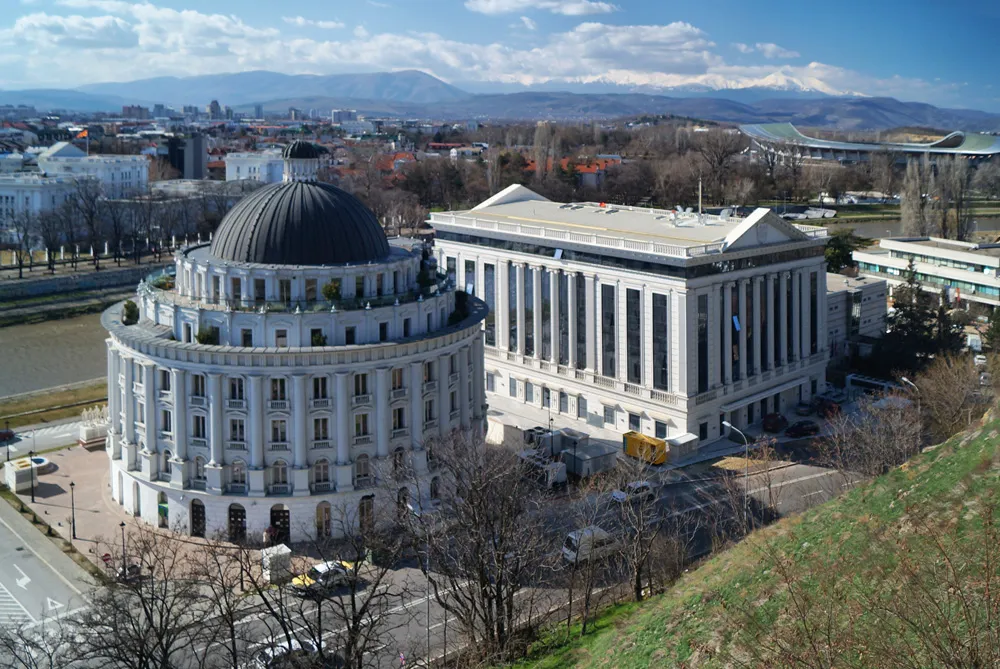
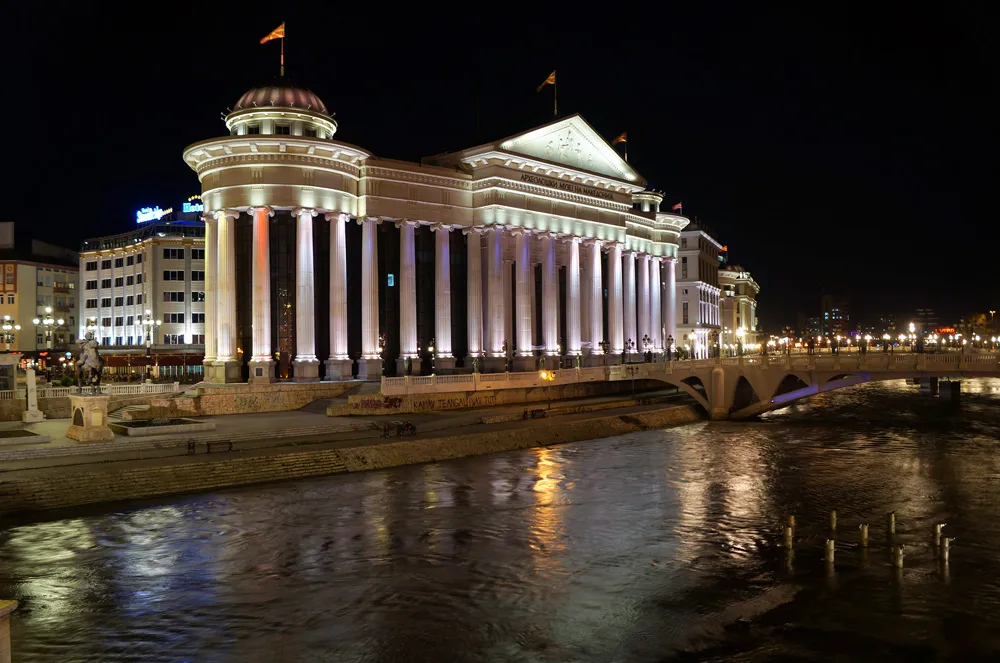
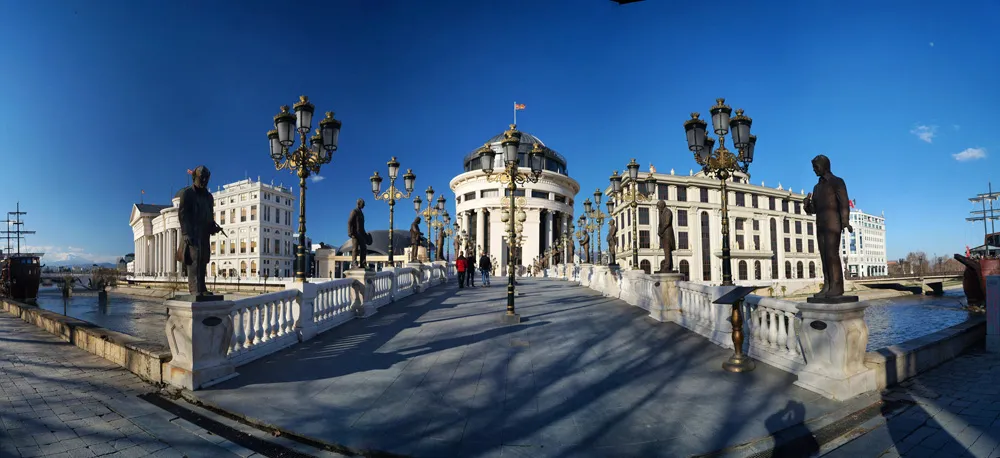
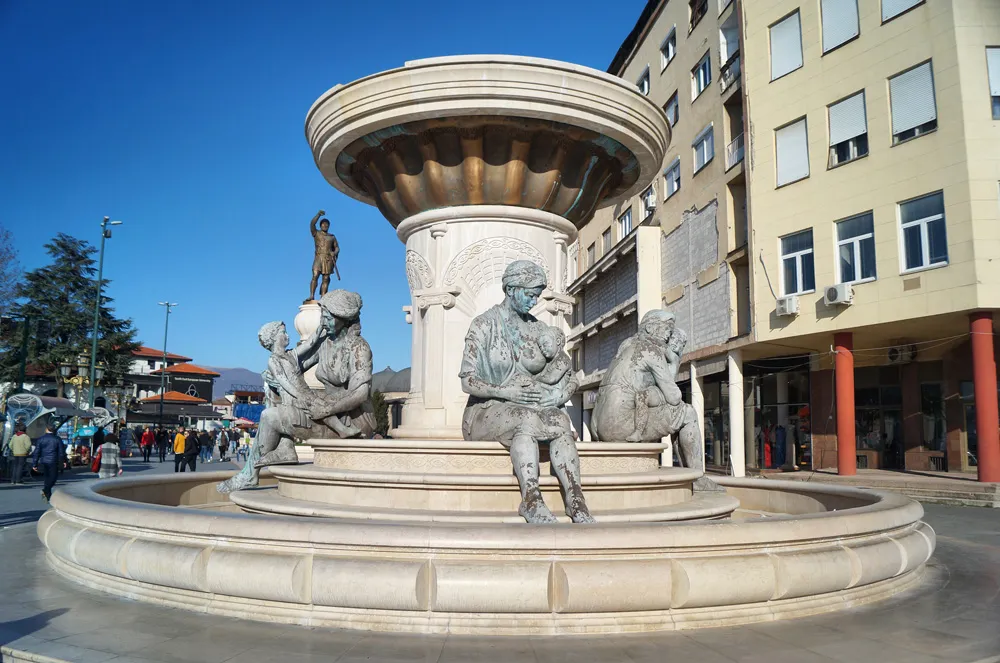
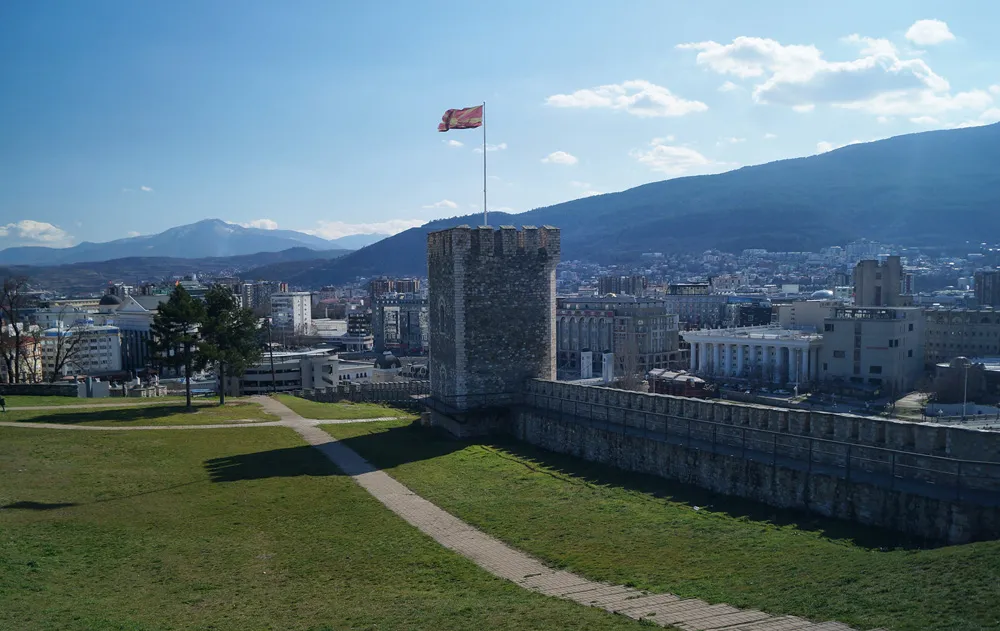
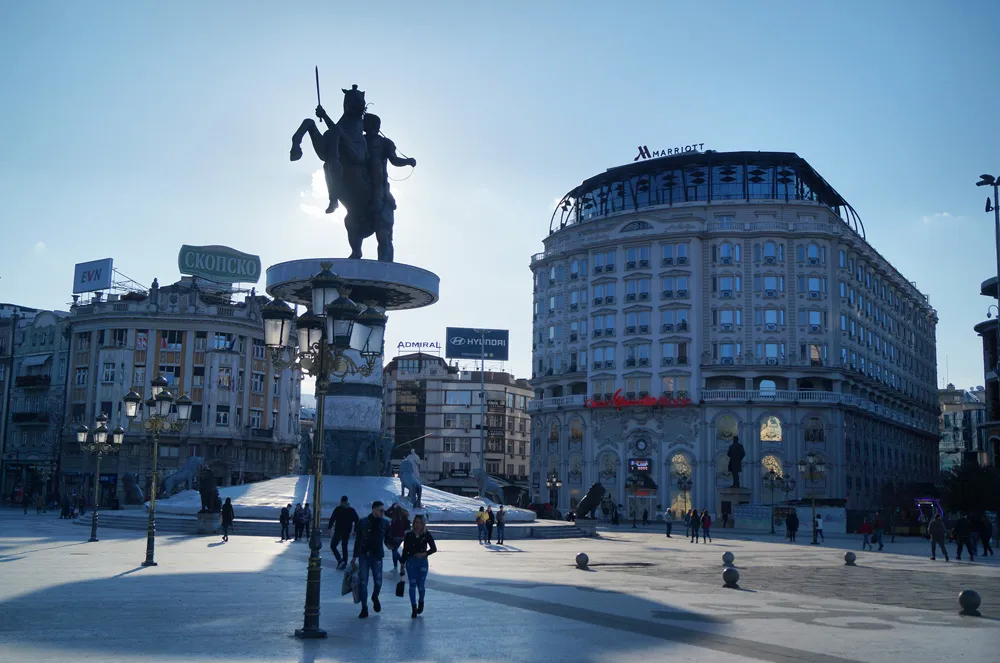
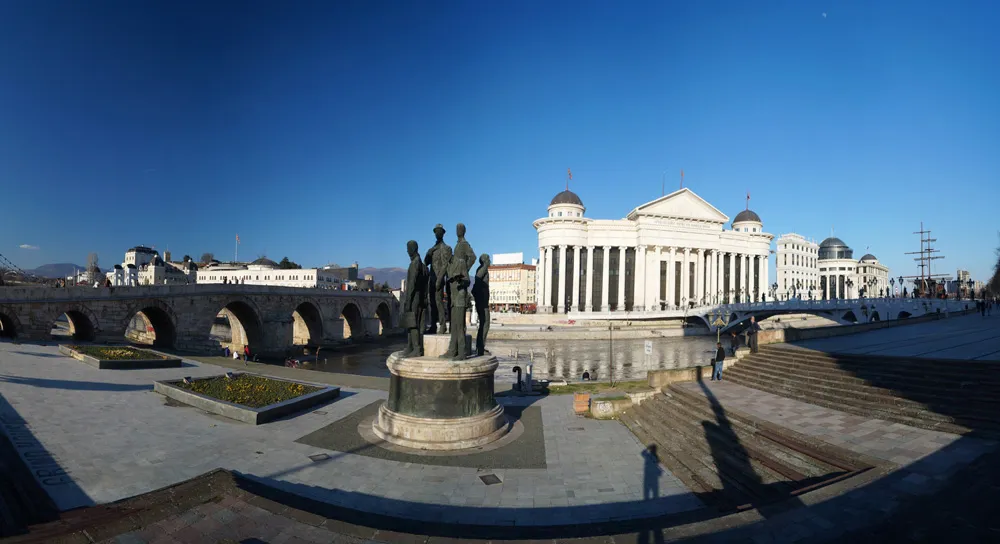
The present fortress is quite an interesting site, although almost nothing survives in it except walls and towers. From here open unusual views of the new centre of the North Macedonian capital: what everyone calls kitsch, excess, overkill… and what tourists come to Skopje for: the new Neoclassical buildings of theatres, concert and exhibition halls, state institutions, administrations and shopping centres. The scale of the new pompous construction is somehow unreal, and winding between it all is the country’s main river, the Vardar.
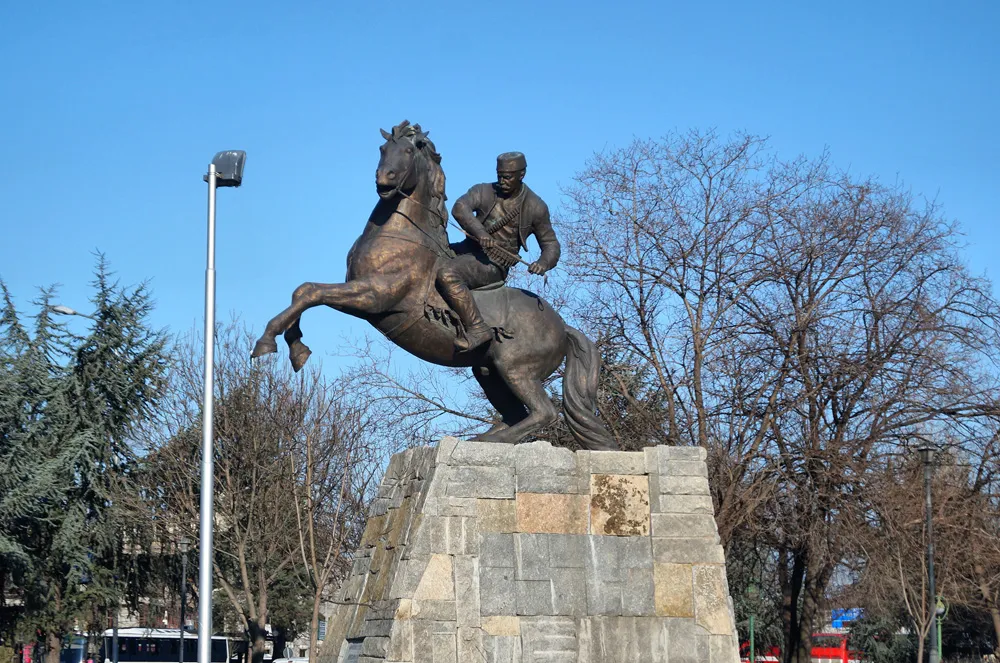
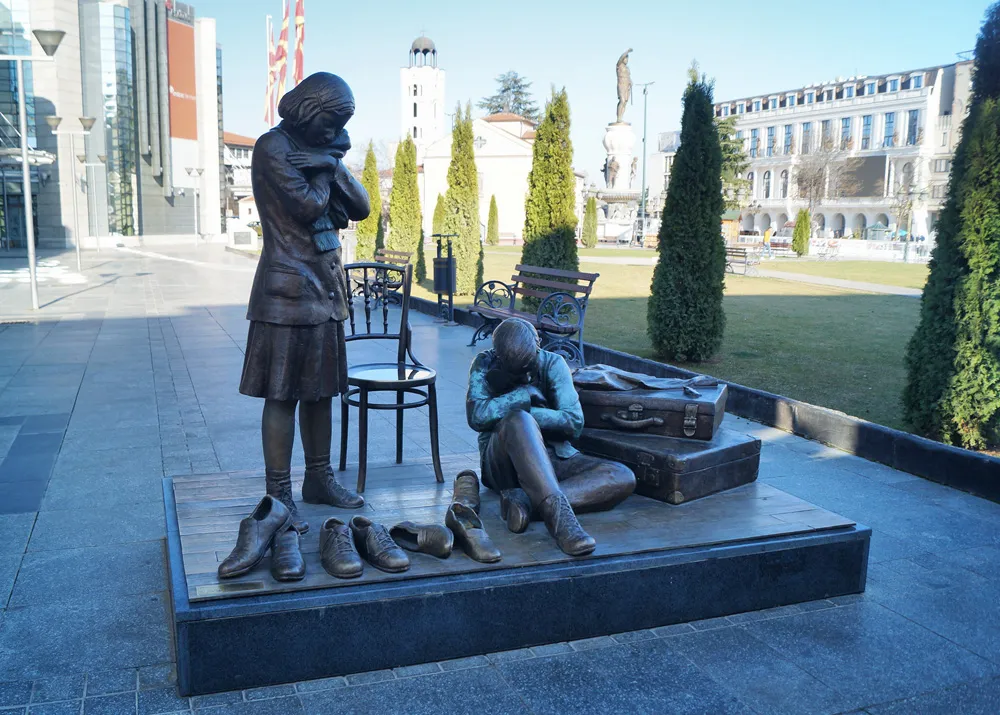
There is no point in listing and describing the new buildings of the centre, and I will not do it; you simply have to see it once. And monuments, monuments everywhere. There are Alexander’s parents: Philip stands as a separate monument, while Olympias sits beside her son. The great emperor himself appears in various guises and at various ages: a newborn in his mother’s arms, a teenager, a mother’s warrior, on a horse, without a horse. It all reminded me of the old Iron Maiden song “Alexander the Great”. Could the residents of Skopje have taken the lyrics and recreated this great song in sculpture? And there are plenty of other statues, sculptures and monuments unconnected with Alexander: lions, horses and various figures of the 20th century.
They say that in 1963 a terrible earthquake destroyed a large part of Skopje’s buildings. For a long time the city stood half in ruins, and in 2010 it was decided to rebuild it. That is when it all began… Whatever one makes of it, and however much anyone criticizes it, the city is interesting and worth visiting. The complex of the new-old centre of Skopje is like nothing else, especially in its incredible night-time illumination.
Text and photos by Roman Malenkov, for the book “10 Countries After Quarantine”.