

Poland. Drohiczyn. Where Danylo was crowned

· 4 min read
Drohiczyn (Dorohychyn in Ukrainian) is now a small town with about two thousand inhabitants. It was once the capital of Podlachia, an important stronghold on the border between Rus and Poland, as not only Ukrainian but also Polish historians agree. The local castle, founded in the 11th century, played an important role in trade between Poland and Rus, and in effect between Europe and Asia. The town passed alternately from Poland (Masovia) to Rus until it was seized by the Grand Duchy of Lithuania.
According to one version, the town was founded by Yaroslav the Wise in 1038 as a stronghold in the struggle against the Yotvingians, and it became the capital of a separate entity – the Dorohychyn Land. Another version says it was founded by the Yotvingians themselves and became the capital of the Yotvingian land, which the Rus people seized at the end of the 11th century. The Yotvingian founding of the town is refuted by the founder of Polish historiography, Jan Długosz.
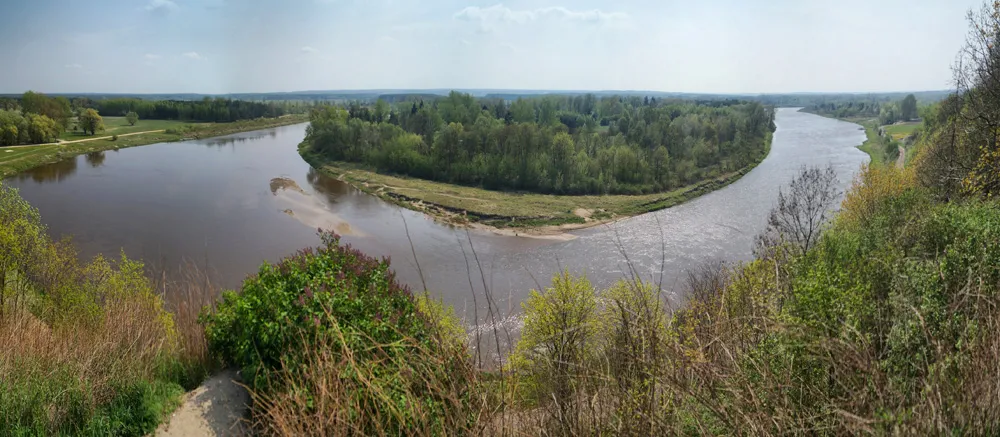
Western Bug
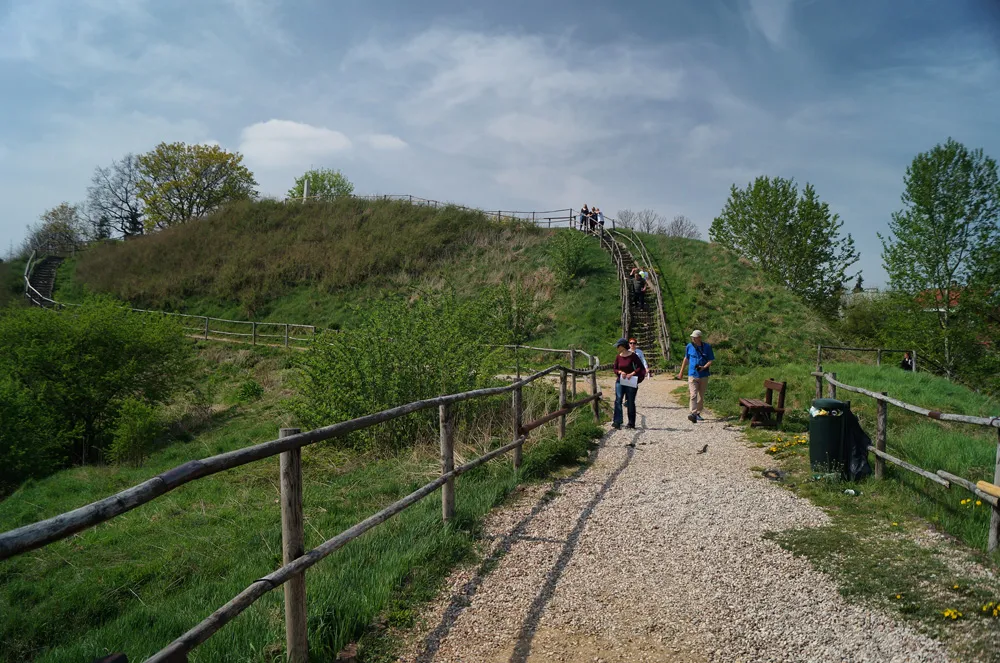
Castle hill
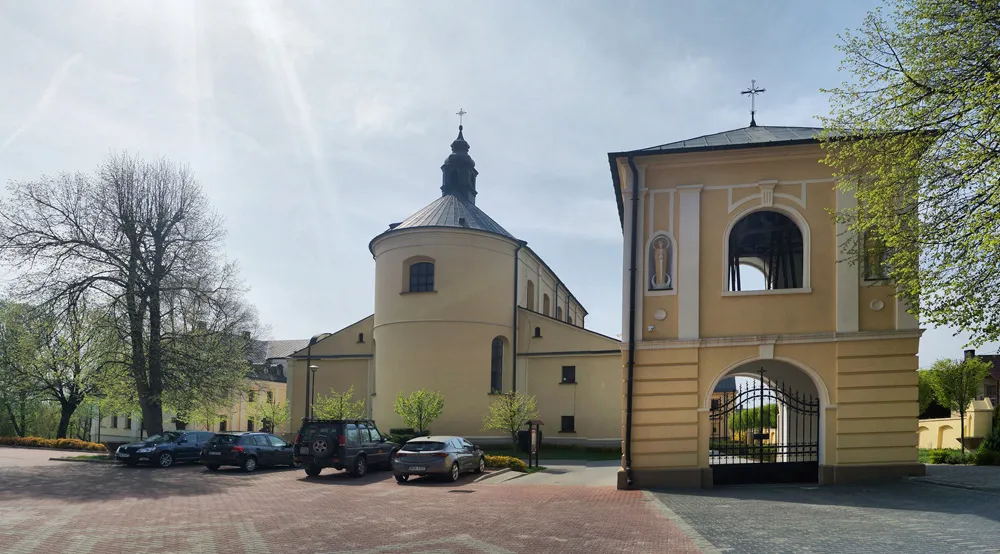
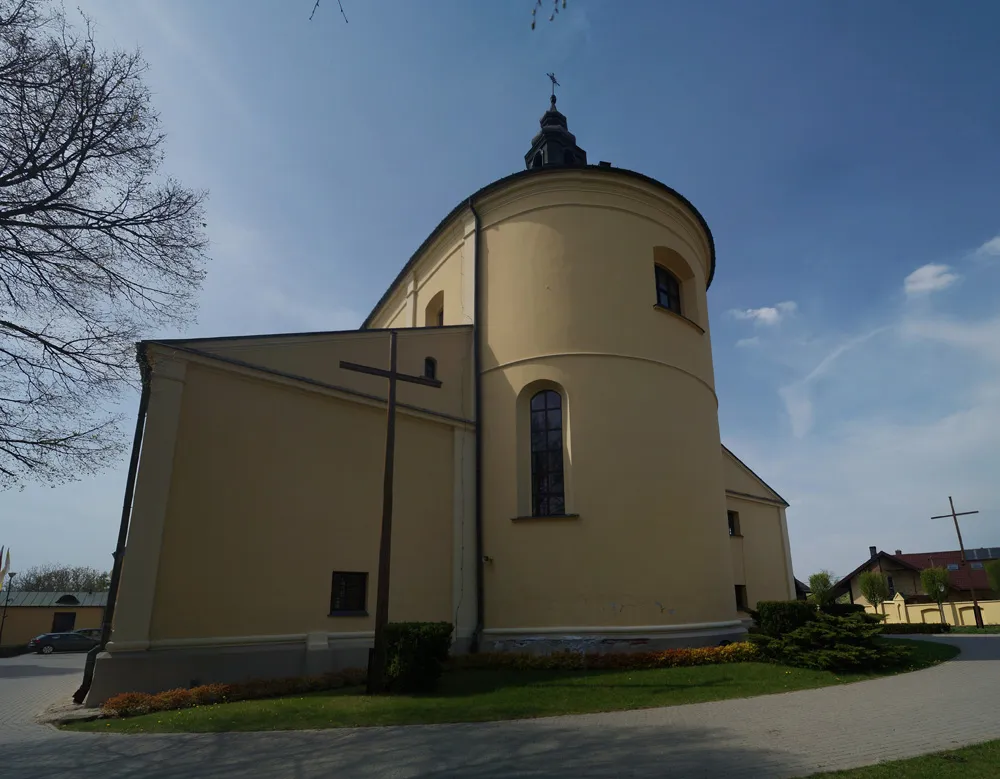
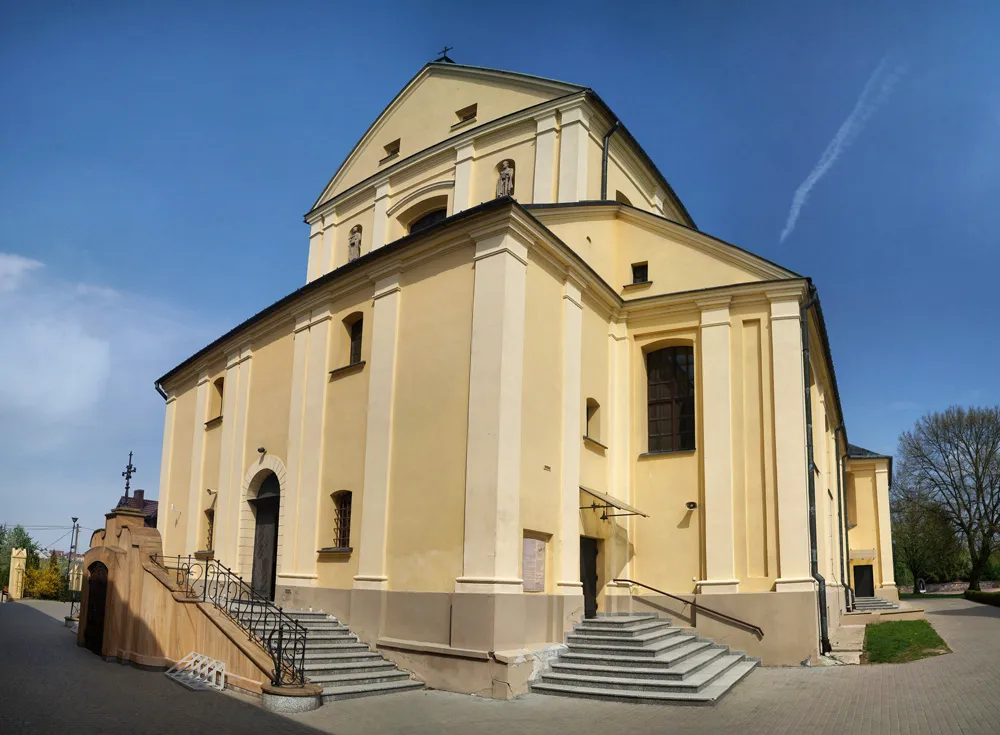
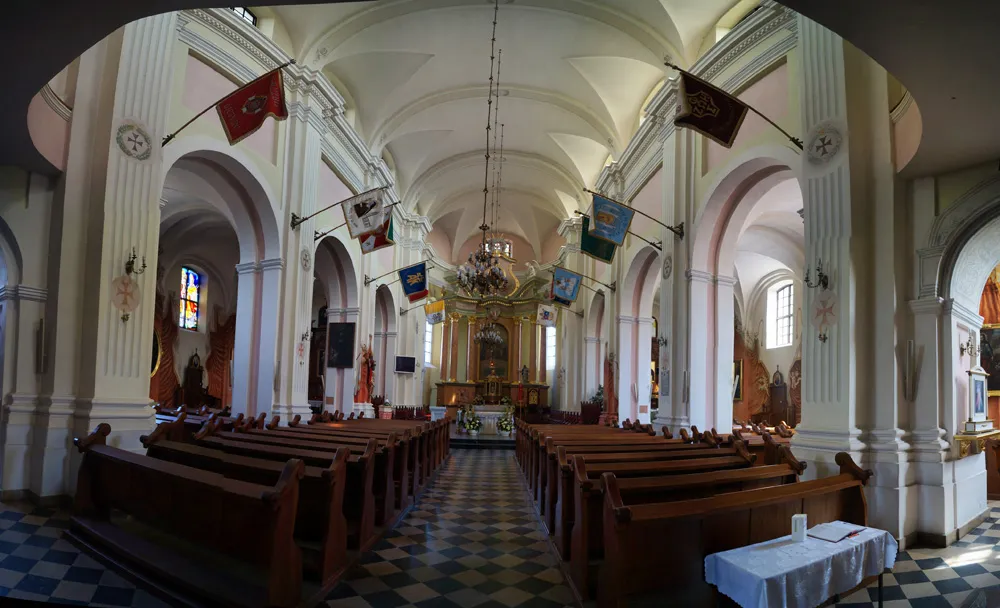
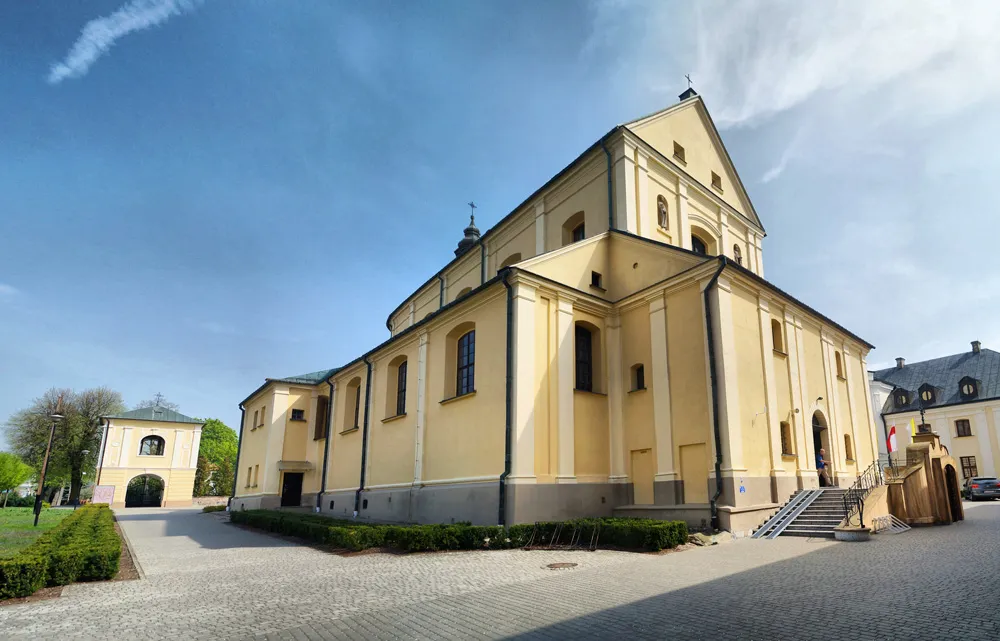
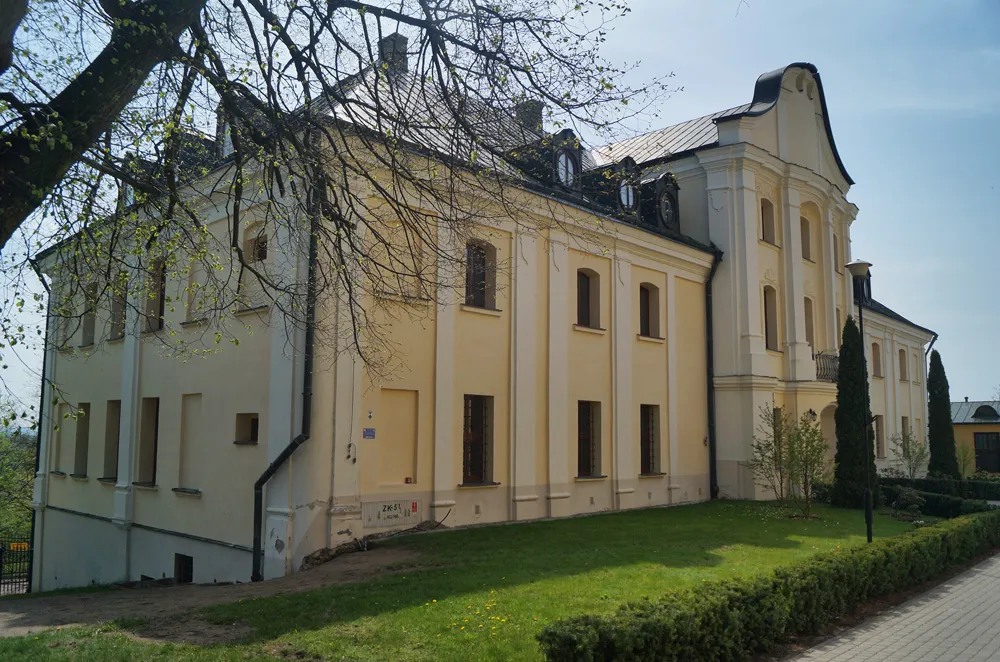
Jesuit monastery complex
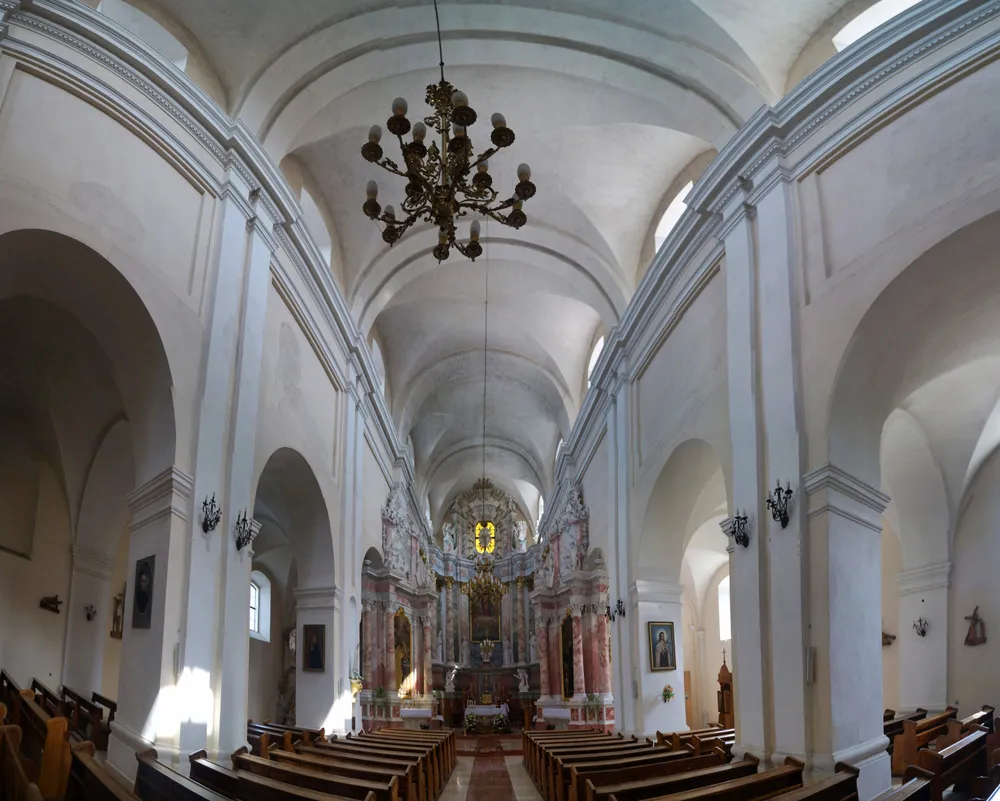
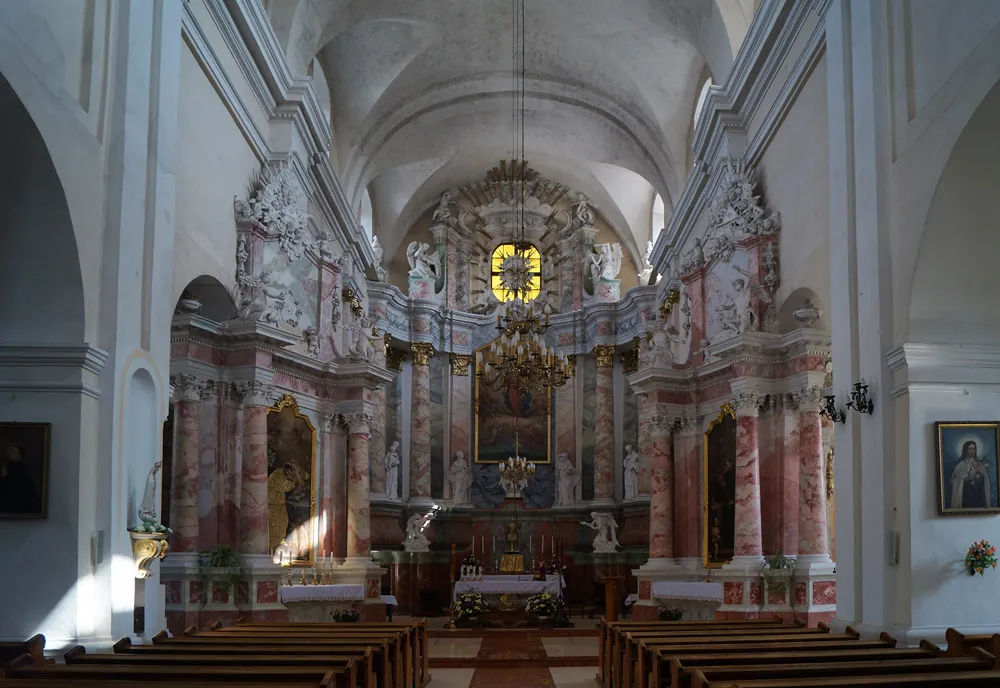
Franciscan Church of the Assumption
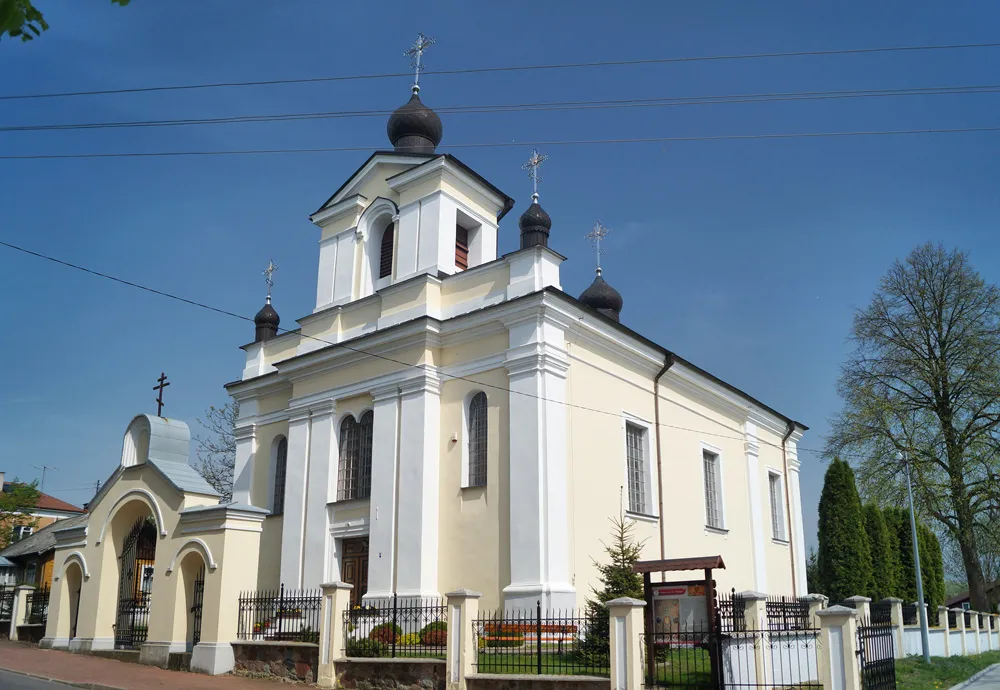
Orthodox St. Nicholas Church
In the 12th–13th centuries Dorohychyn was the centre of an appanage principality over which Masovian and Rus princes constantly disputed. In 1237 the Masovian prince Konrad I handed the town over to the knightly order of the Dobrzyń Brothers. The Rus princes Danylo and Vasylko Romanovych did not like this at all. In March 1238 the famous battle between the Dobrzyń Order and the Rus took place, which ended in complete victory for Prince Danylo of Galicia and the capture of the order’s master Bruno. And in 1253, precisely in Dorohychyn, in the castle above the Western Bug river, Danylo received the royal crown… At the end of the 19th century Nechui-Levytskyi wrote: “Dregochin! A dead town! An ancient Jesuit nest! Worth a look!.. The town was ancient, with medieval houses, monasteries, walls. It looked like the old German towns. It seemed to me that I was abroad and approaching some ancient German town. Slanting rays struck the windows of the tall churches; the windows burned like embers. The town seemed alive, a real town. But it was only a mirage of the distance, wrapped in a grey-blue mist: it was the dead town of Dregochin…”
In the 16th century Drohiczyn was the centre of the Podlachian Voivodeship. That period is called the golden age of the town’s history, which ended after the Swedish Deluge (1655–1660) – then Drohiczyn was heavily plundered several times and finally razed to the ground… The slow revival of the town was halted by Saxon soldiers in 1699, during the Great Northern War – they destroyed it again.
In 1795 Drohiczyn was divided between Prussia and Austria, and later the town became part of the Russian Empire.
In 1918 Drohiczyn became part of the new Poland, but on 27 September 1939, after Germany’s occupation of Poland, Drohiczyn was seized by the USSR. Repressions and the deportation of residents to Siberia began. In spring 1940 the city districts that approached the Western Bug river were demolished – this created a border strip 800 metres wide. It was the border between the USSR and the Third Reich, and most of ancient Drohiczyn – residential houses, manors and several churches – ceased to exist. Thus Drohiczyn once again turned into a ghost town, this time within Soviet Belarus.
It seemed to me that after such massive destruction there would be nothing to see in the former capital of the Dorohychyn principality, and I went simply to see the site of King Danylo’s coronation. But I was wrong, because quite a few monuments have survived here. They are united in the Nadbuzhanskyi Historical and Cultural Park. These are the Jesuit monastery complex with the Baroque Trinity Cathedral (1696–1709), the former cell buildings, the bishop’s palace and the collegium; the Franciscan monastery complex with a number of buildings and the Baroque Church of the Assumption (1682–1715); the Benedictine monastery complex with the All Saints Church (1734–1738); and the Orthodox St. Nicholas Church (1792). There are also a few townhouses, and on the site of the castle, on the castle hill, a viewing platform over the Western Bug. Perhaps it was right here that Danylo stood and raised the royal crown.
Text and photos by Roman Malenkov.
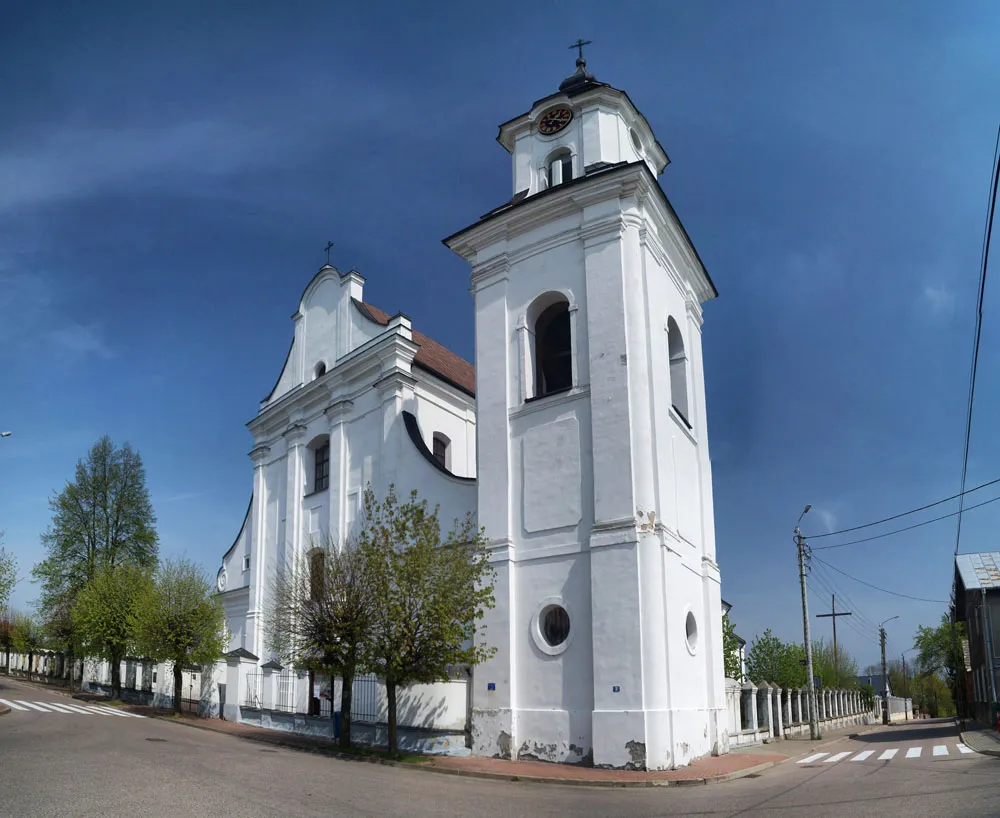
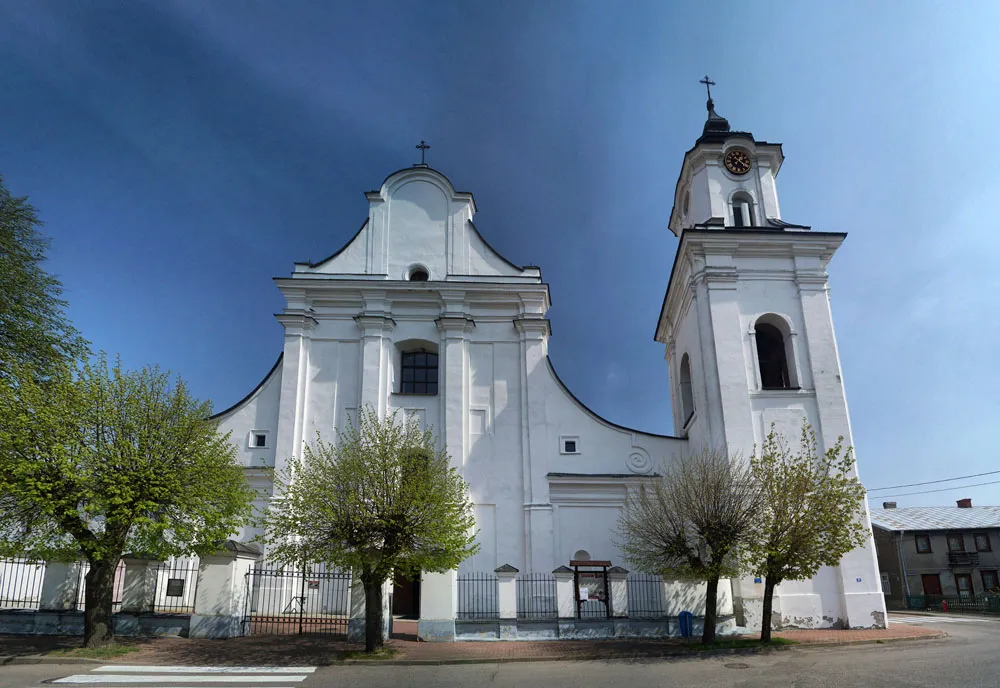
Church of the Assumption of the Franciscan monastery (1682–1715)


