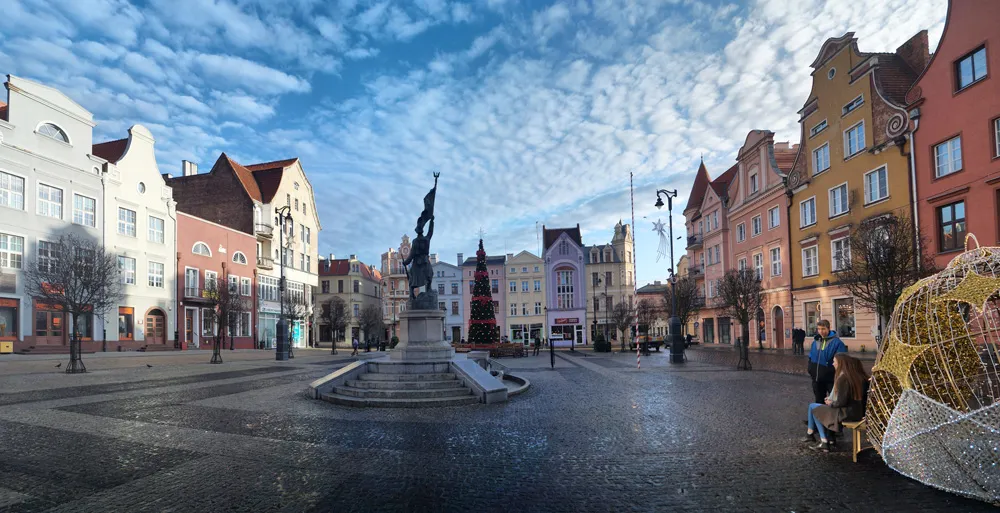
Poland. Grudziądz. A fortress of granaries

· 3 min read
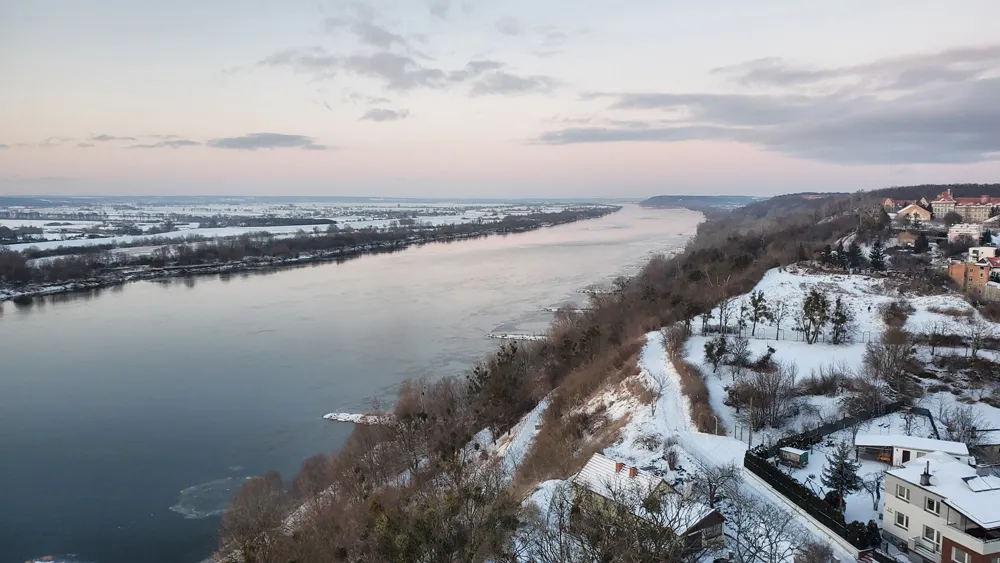
I came across Grudziądz by chance (how else does it happen) in a large guidebook to Poland: one photograph – a breathtaking sight of an enormous fortress above the water. It took my breath away. What kind of town is this, and why do I know nothing about it? I started reading and was even more amazed – it turned out that the Grudziądz fortress I had seen in the photo is formed of large granaries (spichlerze) with massively thick walls and small loophole-like windows. Wow. I am not sure there are similar fortresses anywhere else. And the water is the Vistula. Its waters carried tens of thousands of ships and barges full of grain north, and a considerable part of it settled in the granaries of Grudziądz. Interestingly, a great deal of this grain began its journey to the Baltic from Ukrainian lands. We have to go.
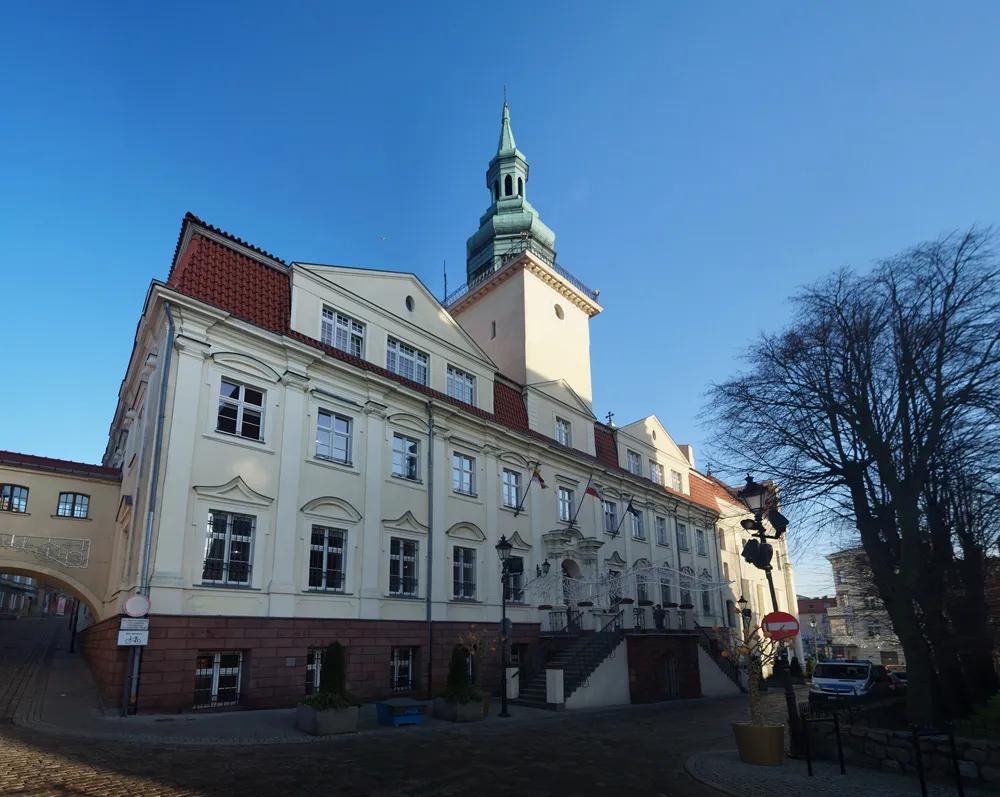
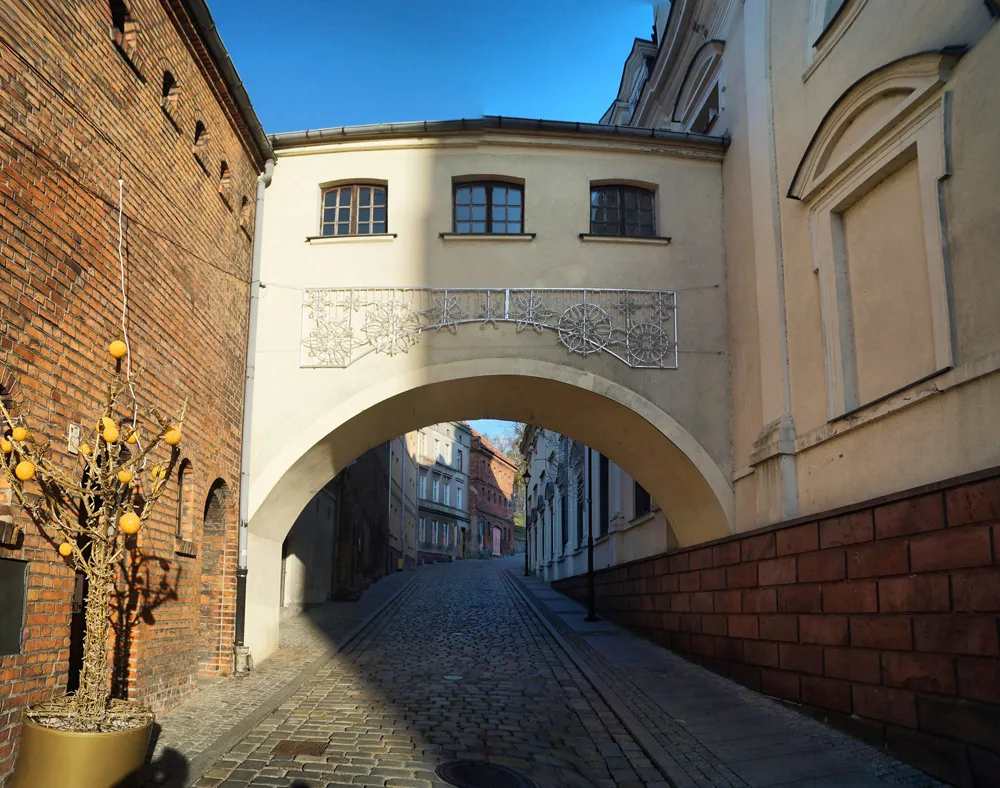
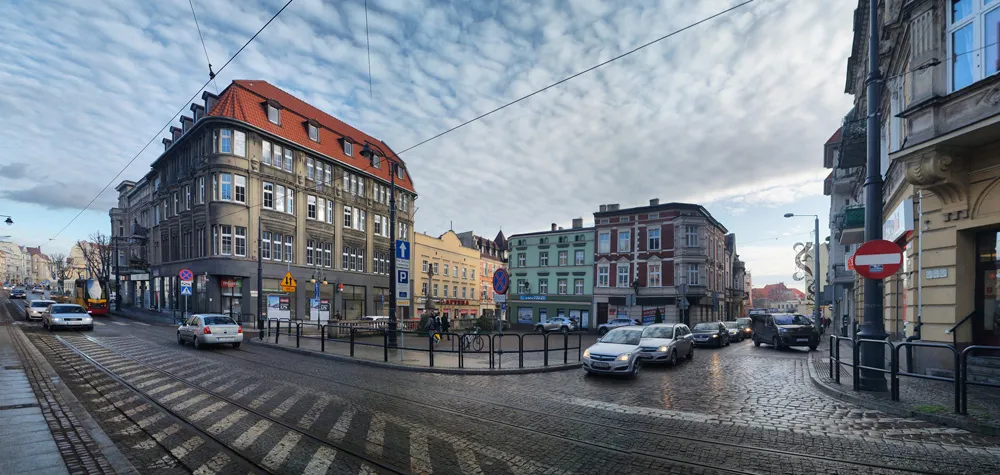
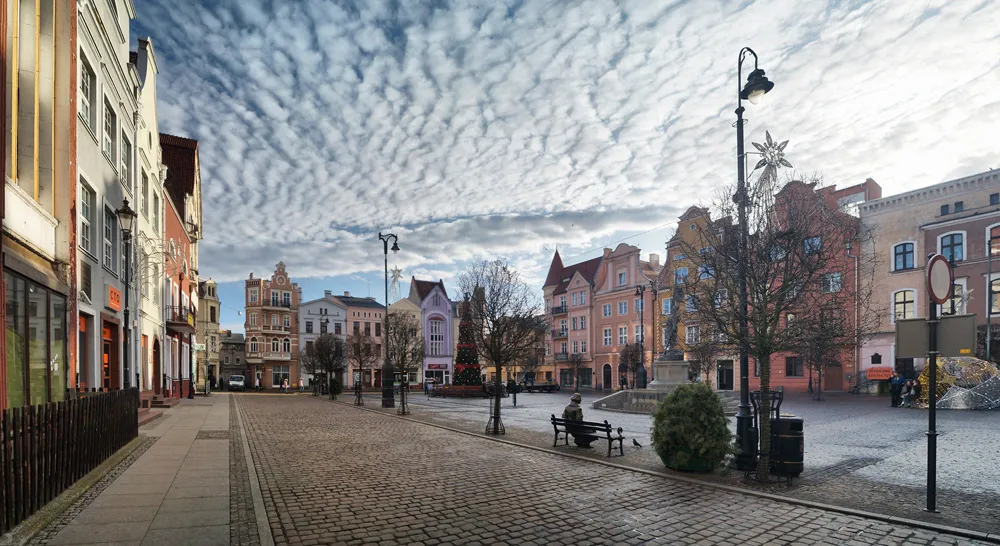
In person everything turned out no less impressive than in the photo. From across the Vistula Grudziądz looked like a mighty impregnable fortress, rising from the bank of the Vistula with walls and powerful buttresses, and above the walls the tops of churches peeked out. We went at once to the gate into the old town, which could be seen from the other side of the river – it is called the Water Gate. We strolled along the Vistula beneath the walls, then entered the gate and wandered along the narrow street called Spichrzowa (Granary Street) – together with several parallel streets and a pile of smaller perpendicular ones, this is the old town of Grudziądz; from it you can walk to the ruins of the Teutonic Knights’ castle, and then go down into the newer part of the town, which also has plenty of varied curiosities. And above all – there are no tourists at all, as if it were an ordinary district centre.
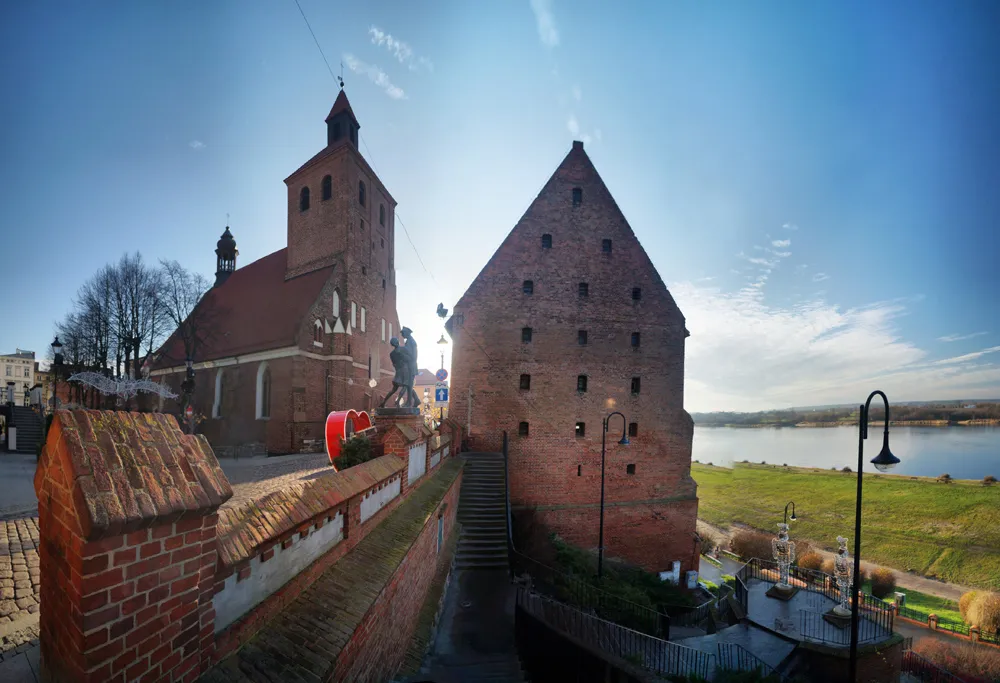
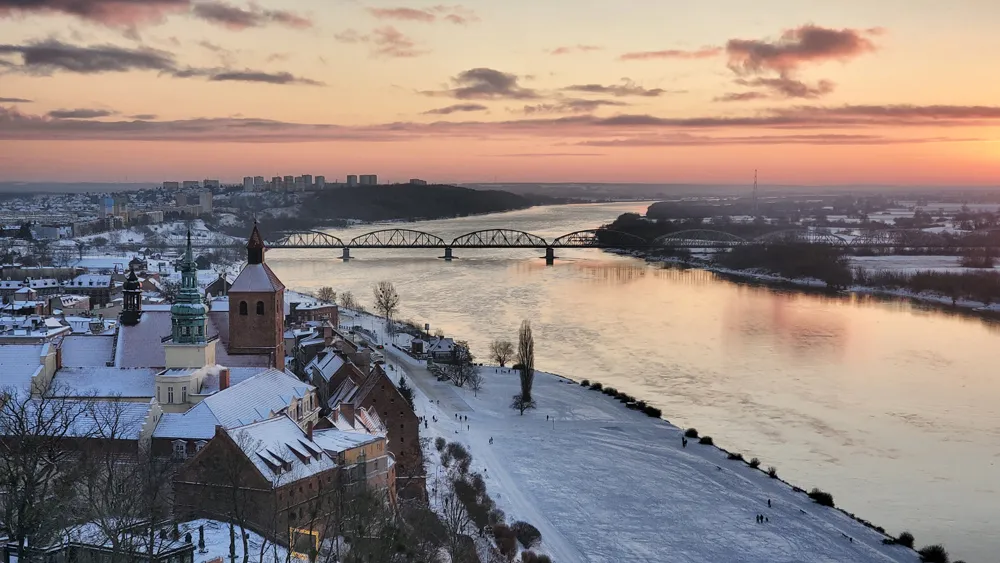
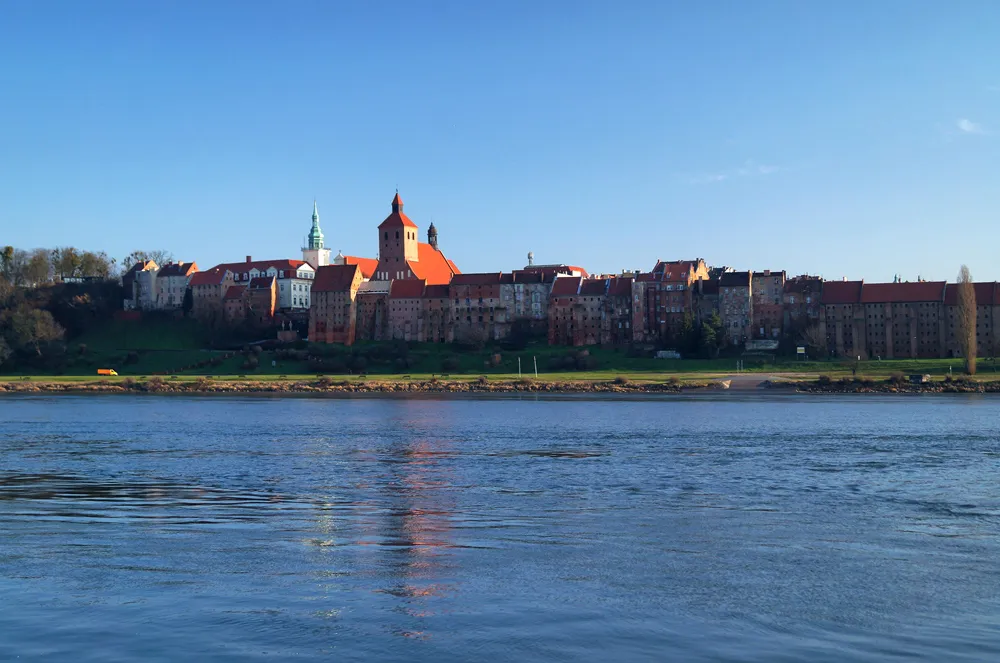
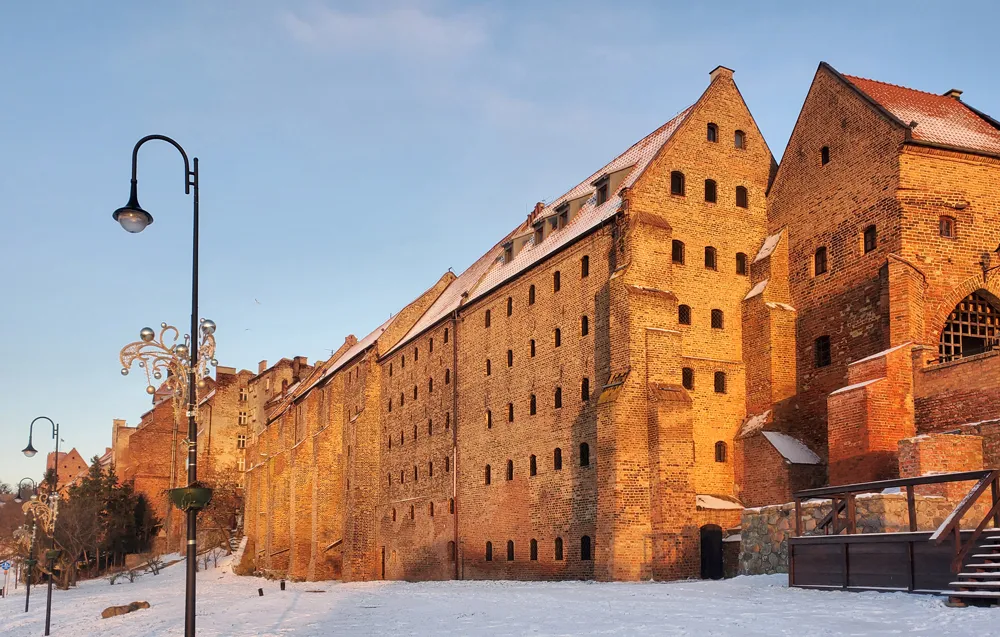
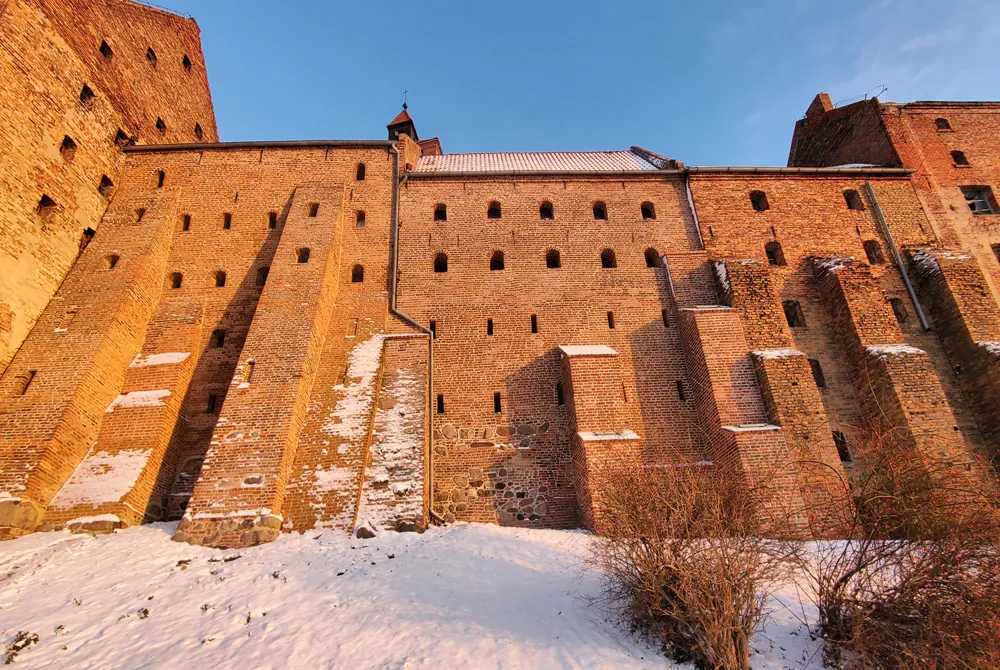
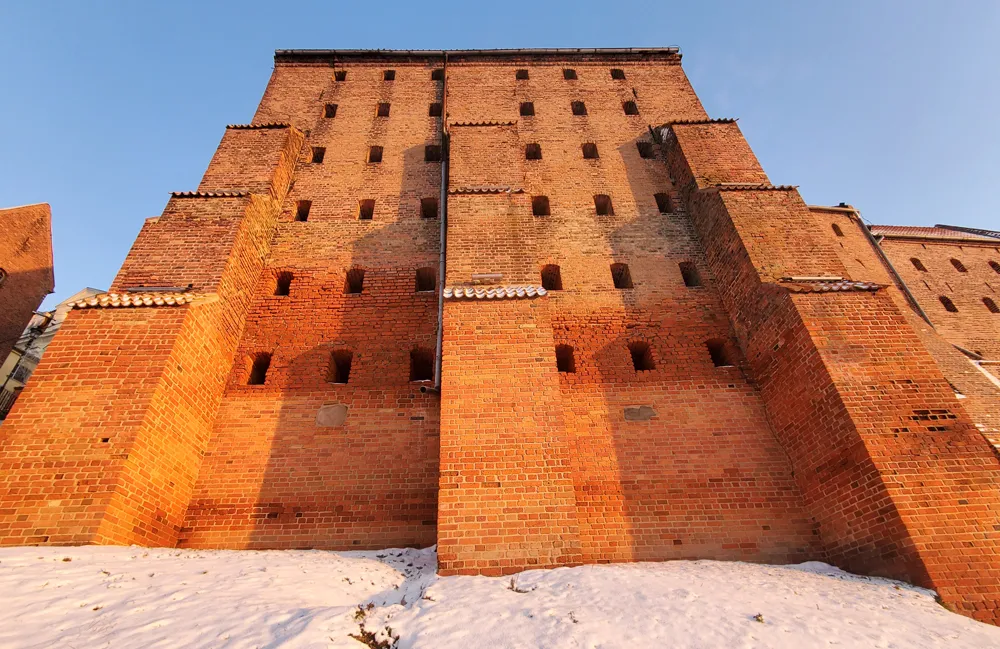
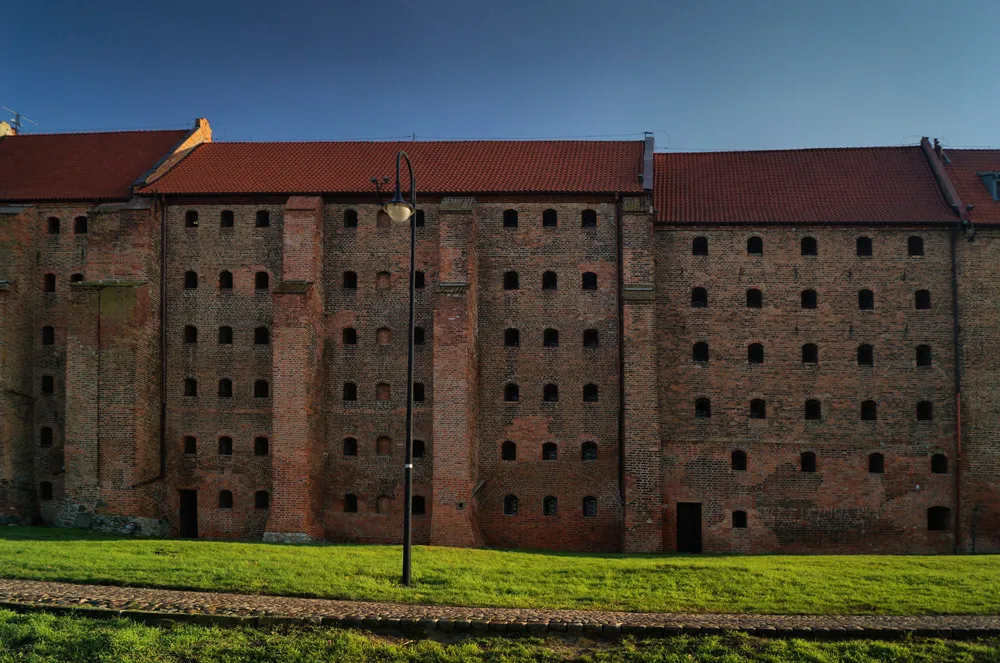
The town walls and granaries
Grudziądz (German: Graudenz) is first mentioned in written documents in 1064. It was a fortress on the Vistula. In 1231 it was seized by the Teutonic Knights, and from then on the town was called Graudenz. The Knights built a castle, which was destroyed only in 1945. Its ruins are still there today. And in 1291 the town received Chełmno Law (I told about it in the article about Chełmno). After the defeat of the Teutonic Order at Grunwald its decline began, and Grudziądz came under the rule of Prussia. Then that rule changed often – the town passed from Prussia to Poland and back – it is hard to keep track. In 1772 Poland was torn to pieces and Graudenz became Prussian, and later German.
In 1918 Poles made up only 18% of Grudziądz’s population, but two years later the town nevertheless became part of the newly created Poland of Piłsudski. And in 1939 the Germans came again, now as occupiers.
Among the main present-day monuments of Grudziądz I would of course name the complex of granaries and the streets near it, the ruins of the knights’ castle – with incredible views from its tower – and the huge Basilica of St. Nicholas, built as early as the 14th century. I will not deliberately stress anything more – you will see the rest in parallel with the main monuments. A list with descriptions and addresses can be found on the Polish Wikipedia. Grudziądz is great. Mark it in your notebook of future journeys.
Text and photos by Roman Malenkov.
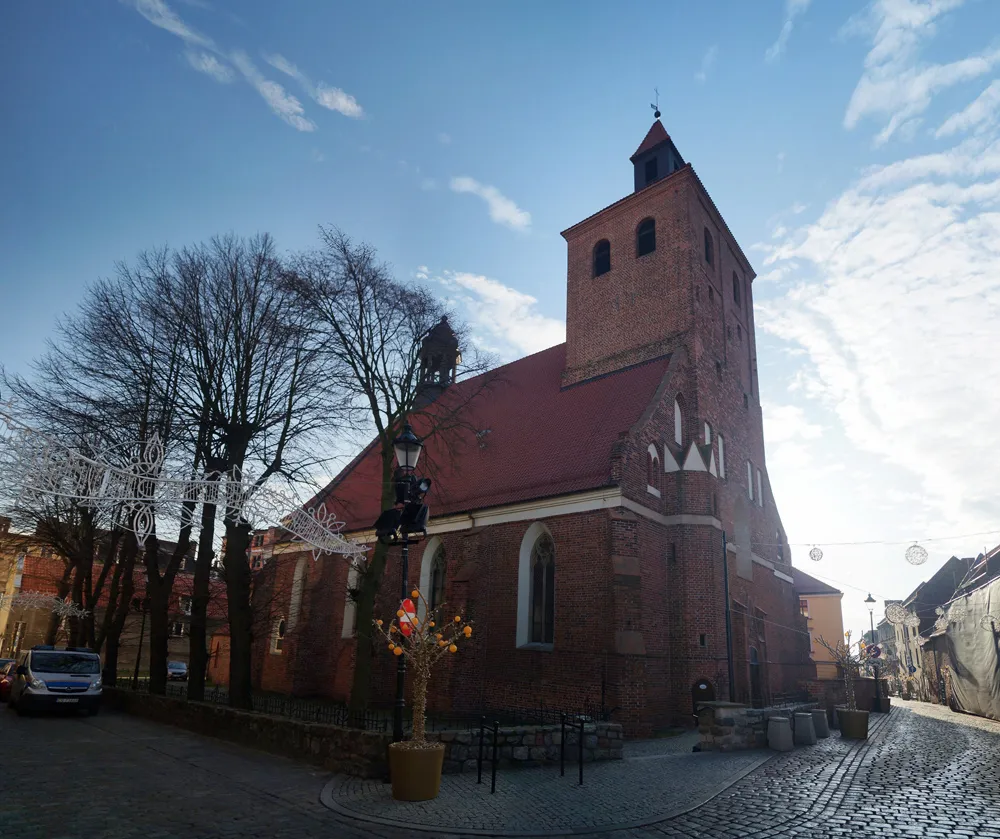
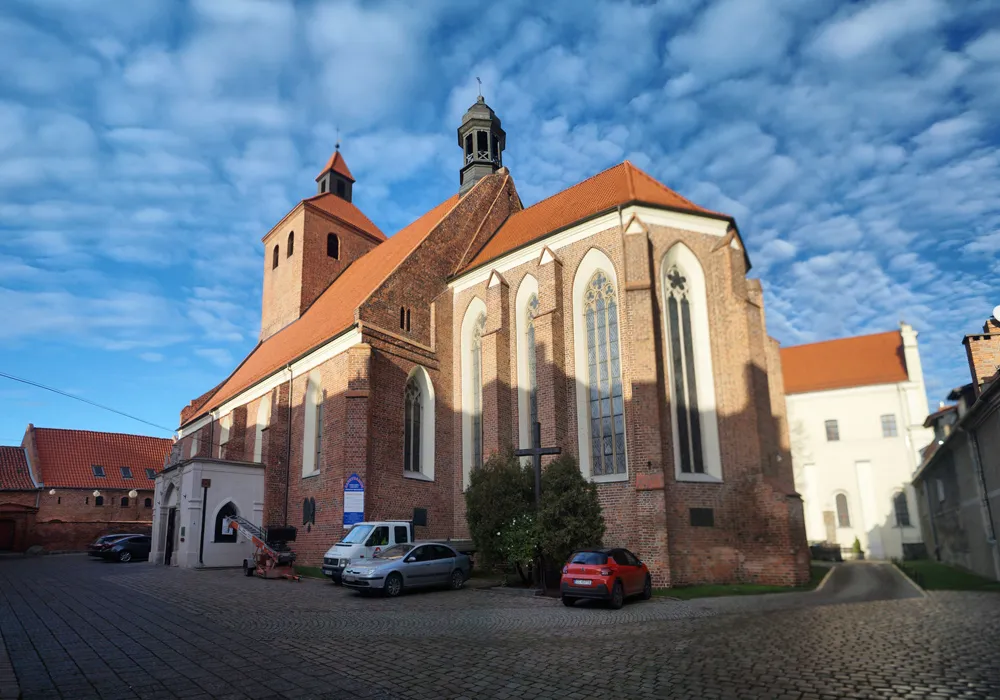
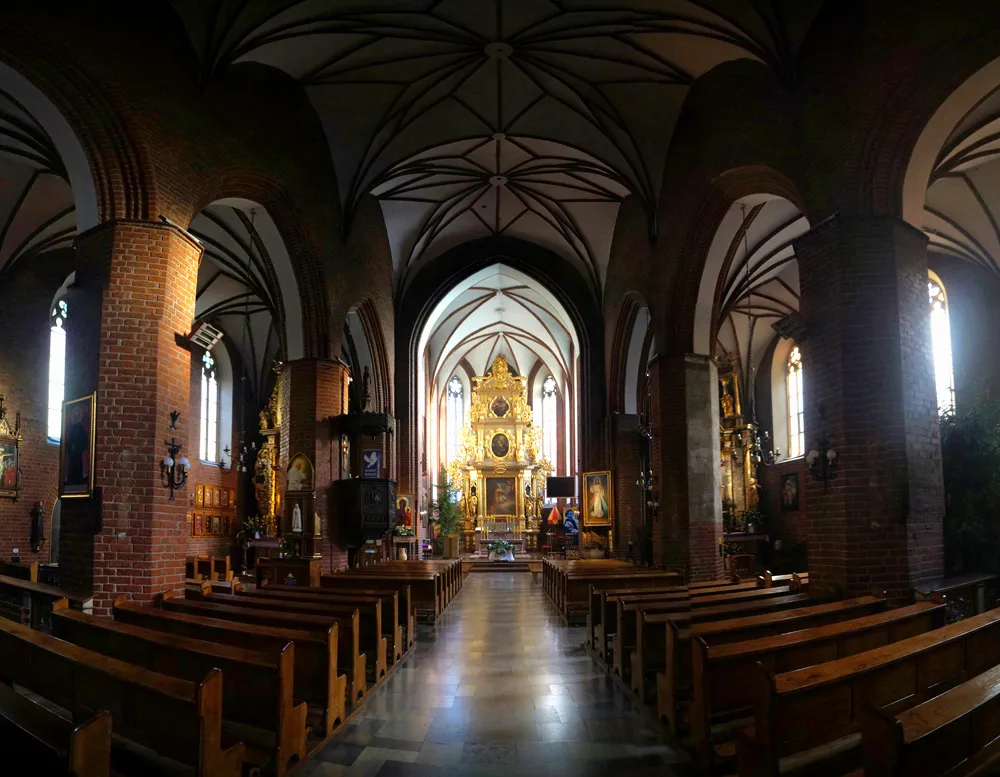
The Basilica of St. Nicholas
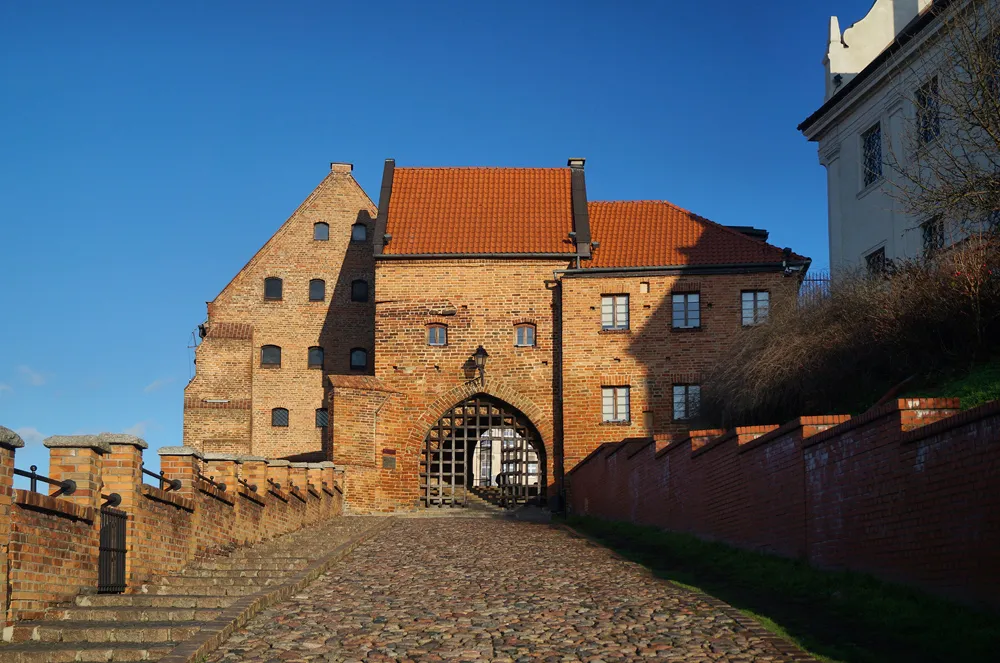
The Water Gate
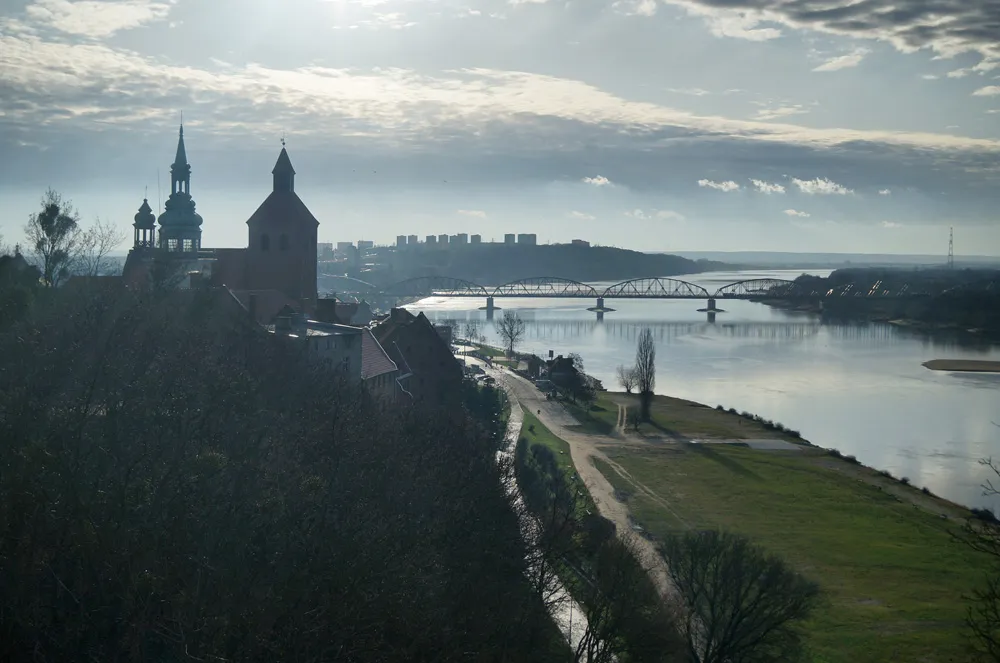
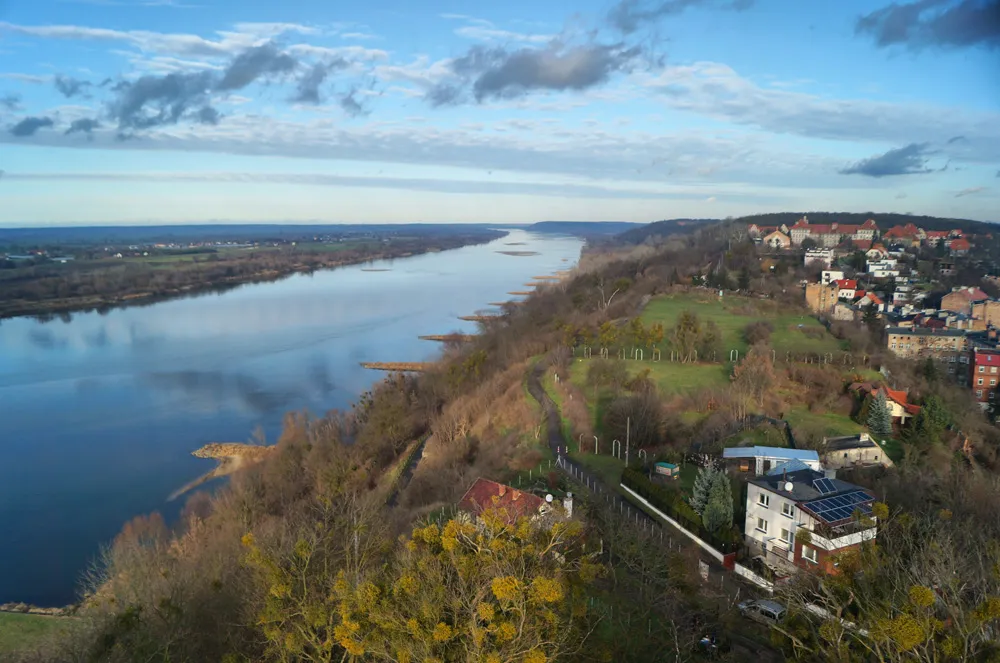
The Vistula
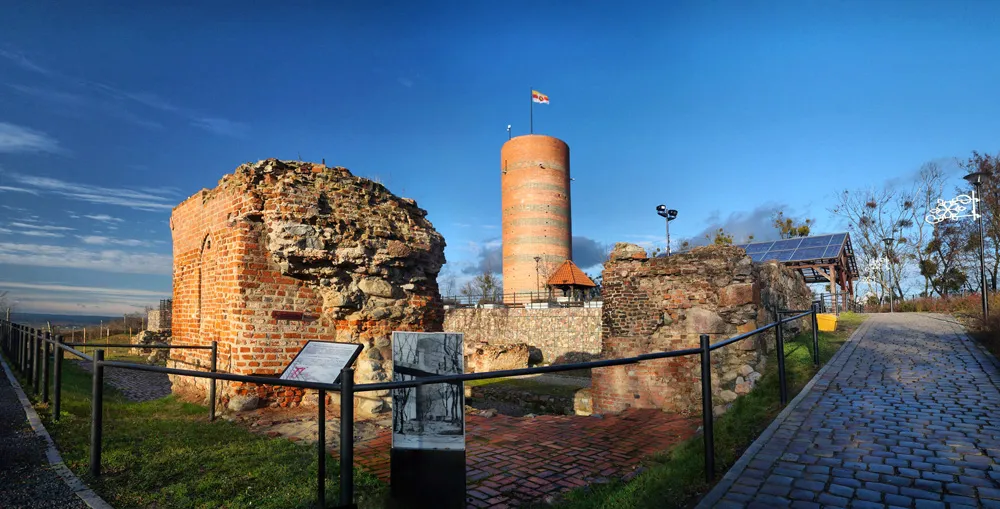
Remains of the Teutonic castle