Poland. Lidzbark Warmiński

· 5 min read
Lidzbark Warmiński (German name Heilsberg) is one of the most interesting small towns in Poland. That is understandable – how could the former capital of a theocratic state be uninteresting? You may never have heard of a state called Warmia, but it existed for a very long time. For a while it was independent, but for almost all its history it depended on someone while keeping its autonomy. And like all theocratic states, it was rich, so its capital was rich too. A great deal was built here. Not everything has survived, but what remains is enough to call Lidzbark Warmiński one of the most interesting small towns in Poland.
Warmia was a territory inhabited by the Prussian tribe of the Warmians. For a long time they were pagans, although from the 10th century the neighbouring Christian kings tried to seize and Christianise the Prussian coast of the Baltic Sea. Only the knights of the Teutonic Order managed to do it: in 1239 they crushed the Warmians and created four dioceses on the territory of East Prussia. The Warmian diocese included four significant towns with their surroundings – Frombork, Braniewo, Olsztyn and Lidzbark. The last became the centre of the diocese, and the bishop’s residence was placed here. In time the Warmian bishops wanted more power, and by all means, including through the Pope and the courts, they won autonomy within the Teutonic Order. In 1346 the borders of Warmia were fixed, and they hardly changed until the 19th century.
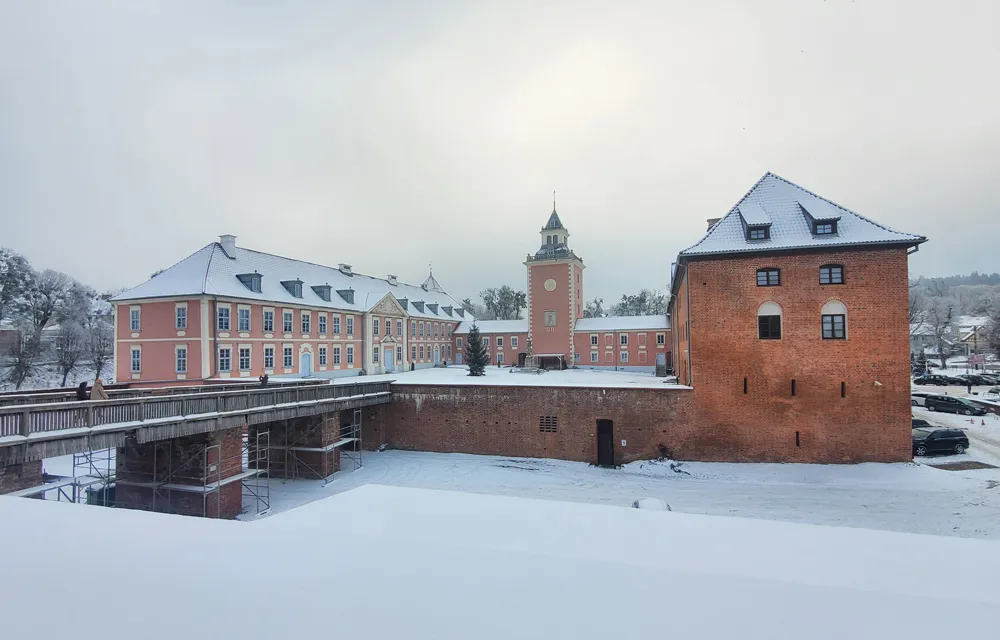
The castle
With the fall of the Teutonic state, Warmia, which was officially regarded as a principality and was ruled by a prince-bishop, became a vassal of Prussia, then of Poland, then again of Prussia. For centuries the Warmian bishops thus enjoyed the protection of stronger neighbours and paid them large sums for it. In 1772, with the partition of Poland, the principality was abolished.
Interestingly, over its half-millennium of existence Warmia developed its own traditions in daily life and culture. Peasants had their own national dress and built traditional wooden houses, brick administrative buildings and huge Gothic churches. There were even its own dialects of Polish and German here. Today Warmia is part of the Polish Warmian-Masurian Voivodeship, with its capital in Olsztyn, and the former capital, Lidzbark, is a district centre.
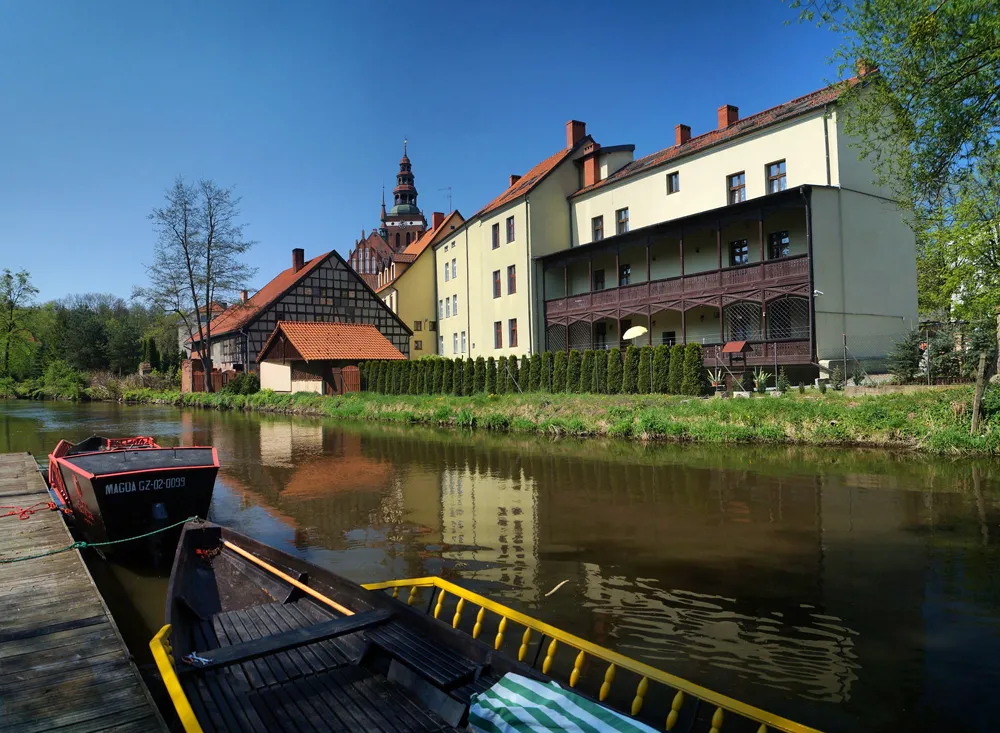
The old town of Lidzbark lies in a meander of the Łyna (Great Łyna) river. Today green agritourism farmsteads and restaurants have been created on the river banks, and narrow, elongated boats resembling gondolas ply around the old town. Tourism in the town is said to be growing rapidly, although we were here in April 2019 and noticed no particular crowds of tourists. But let us assume that in the season there really are very many – the Poles love to travel, as do the Germans, who regard Lidzbark as part of their heritage and call it Heilsberg.
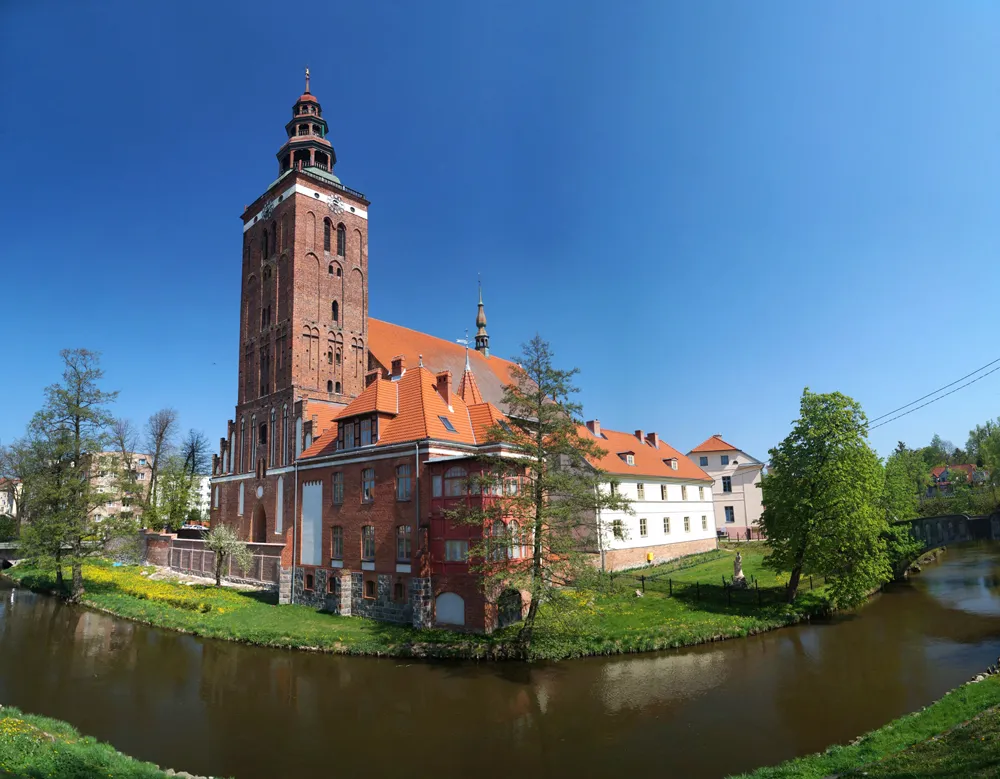
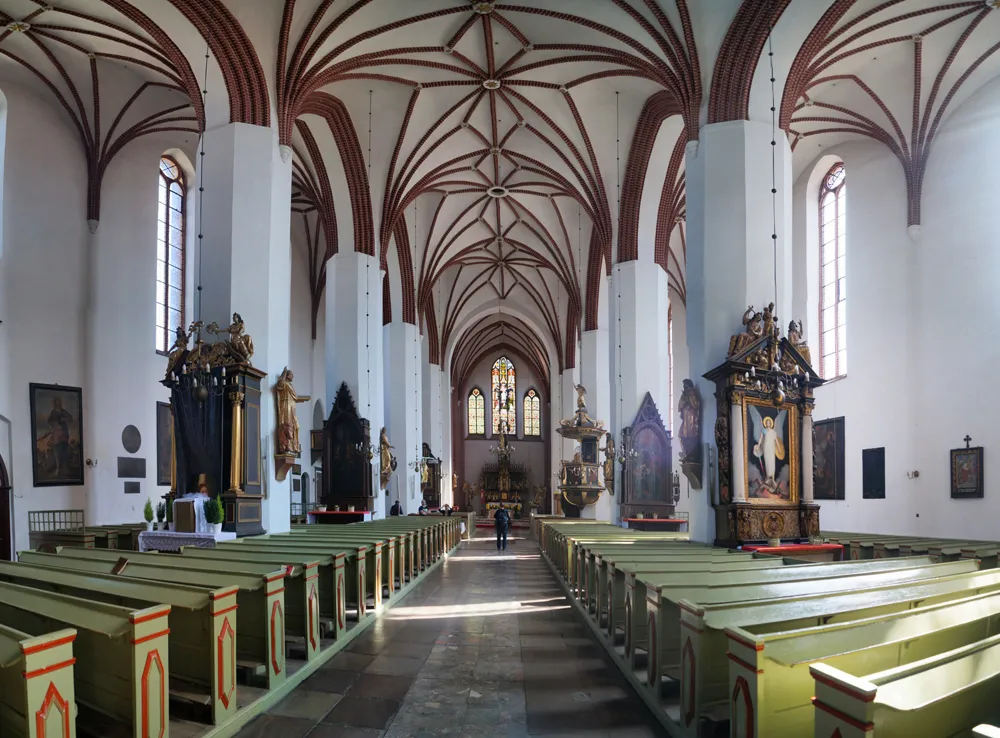
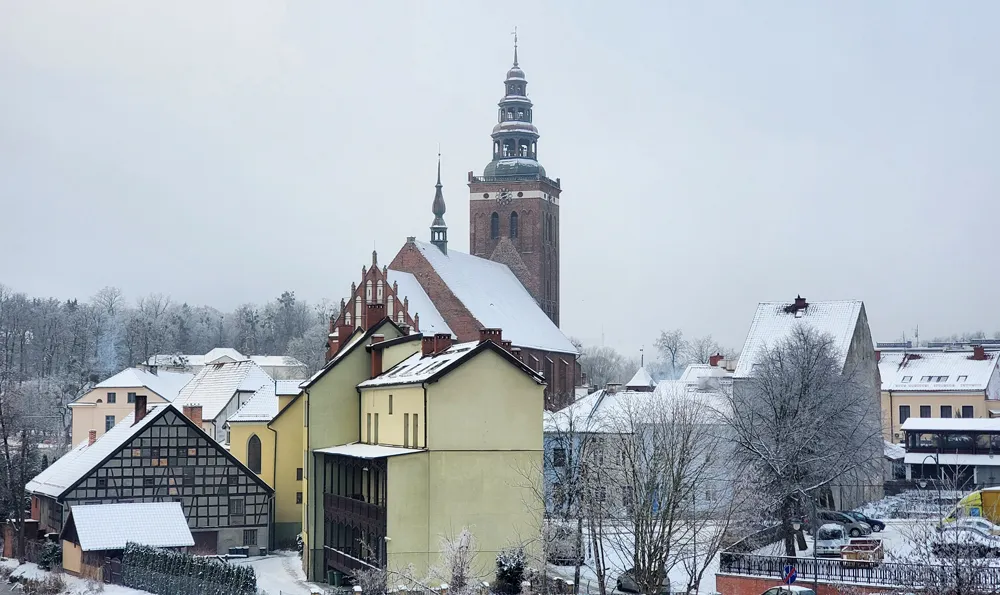
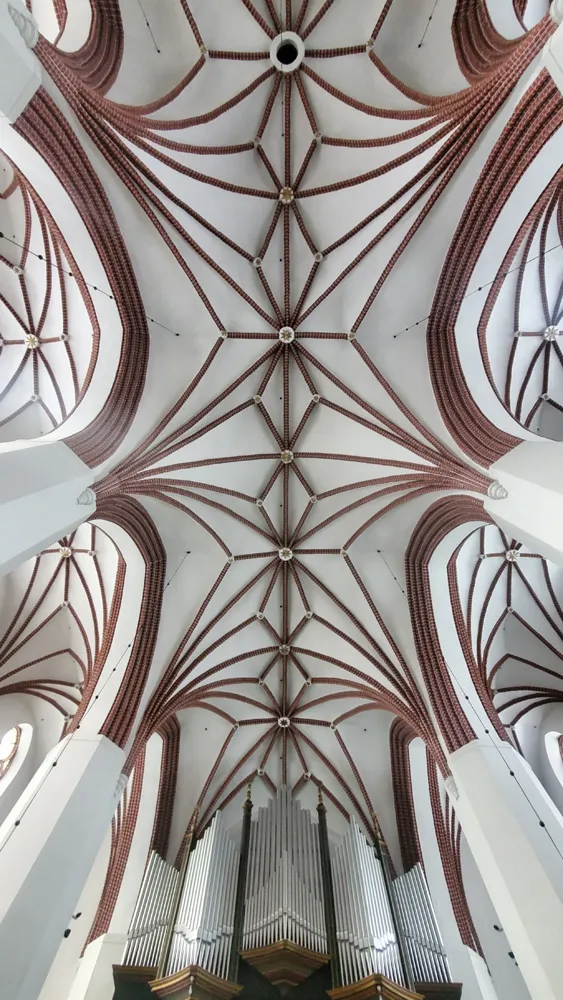
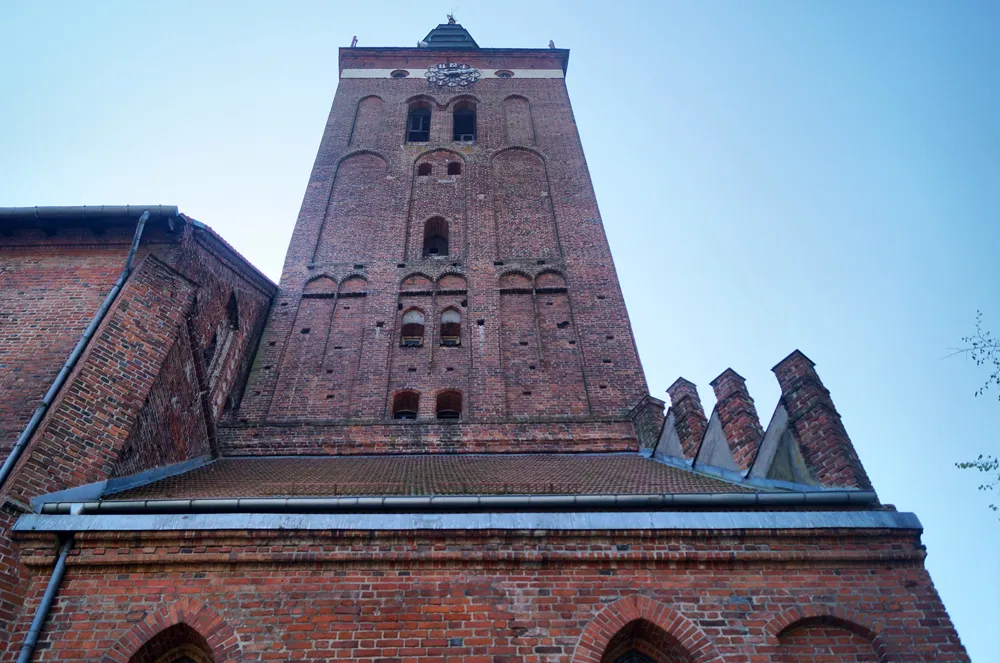
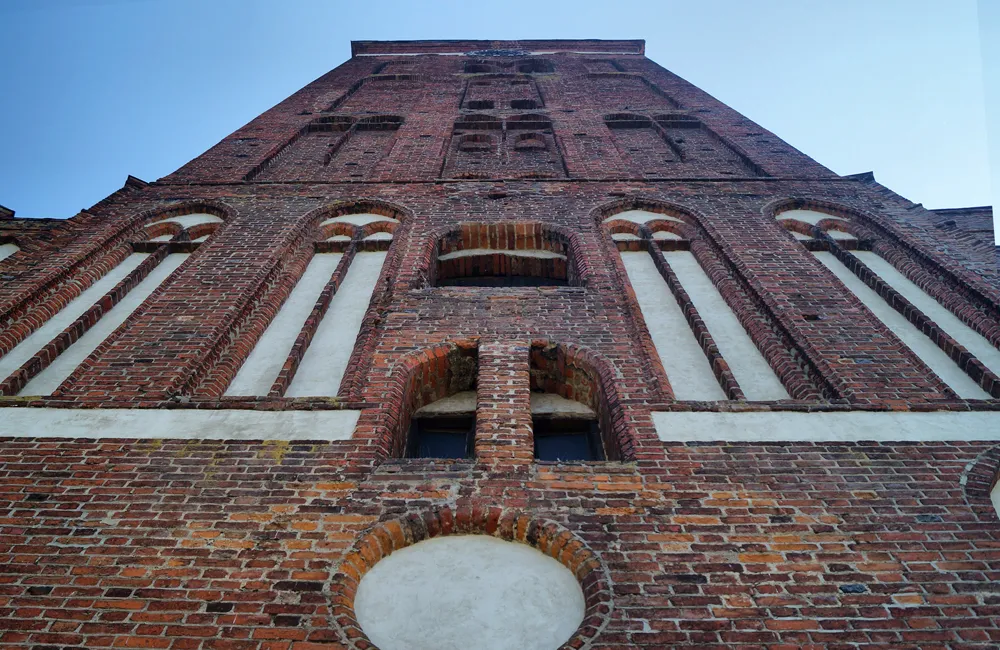
Collegiate Church of St. Peter and St. Paul and the Archangel Michael
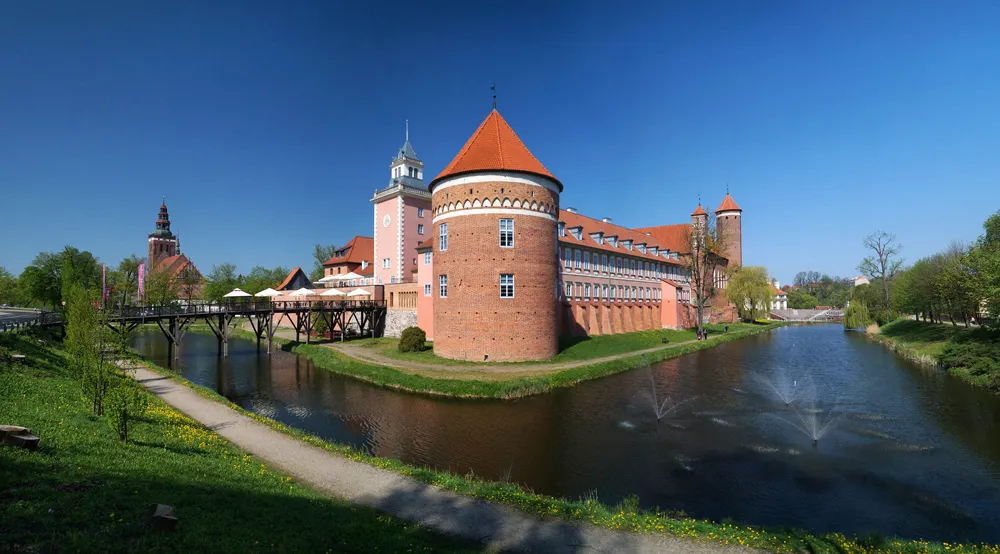
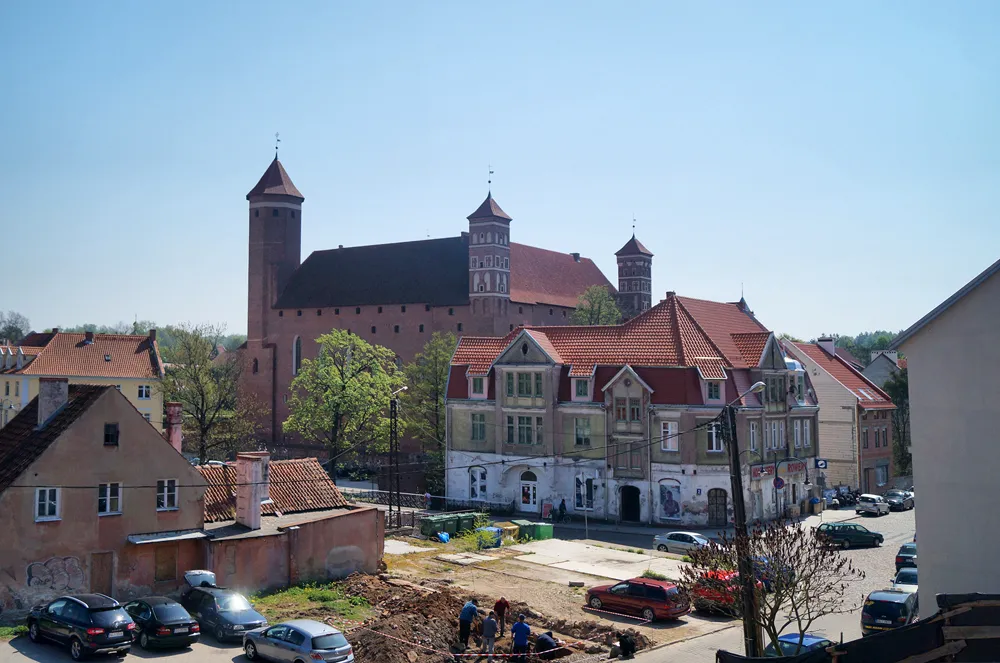
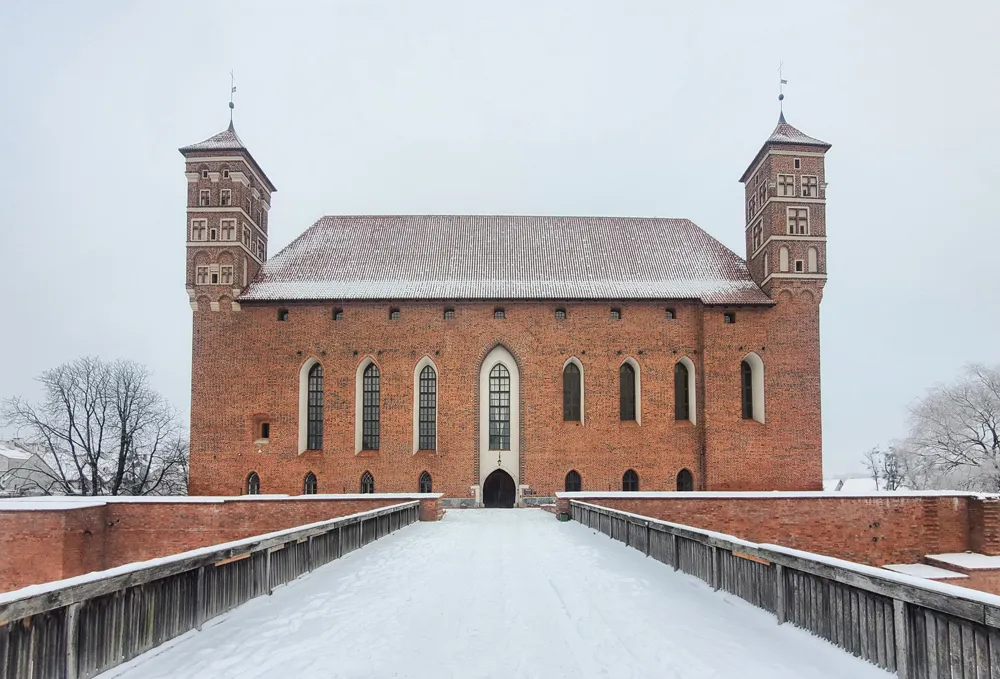
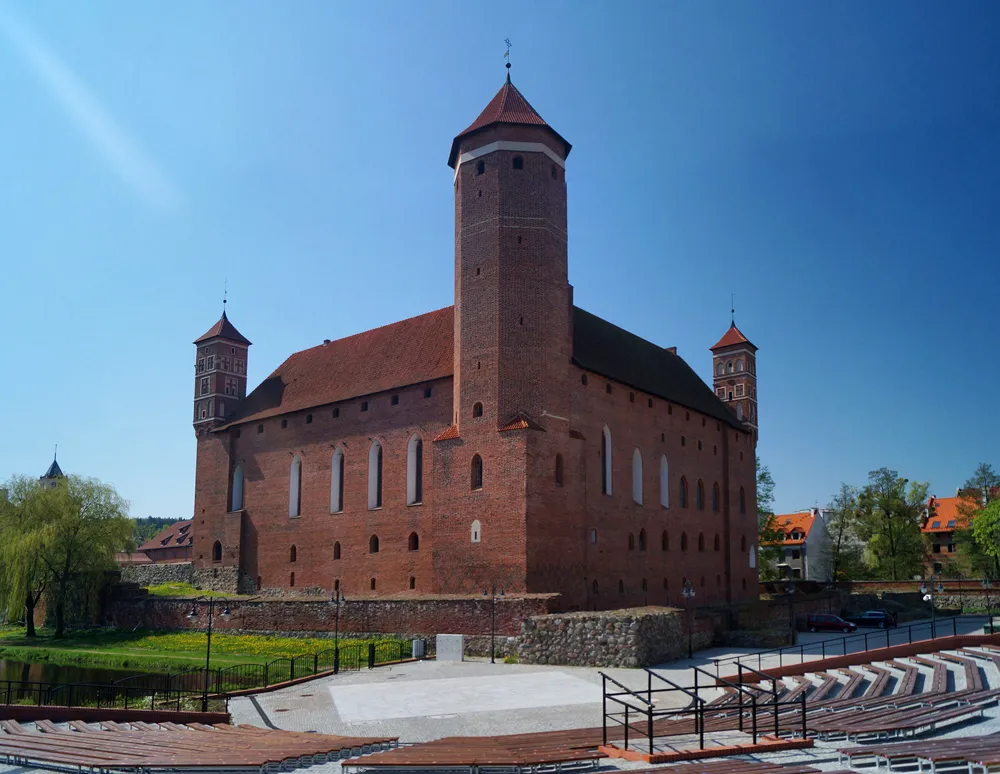
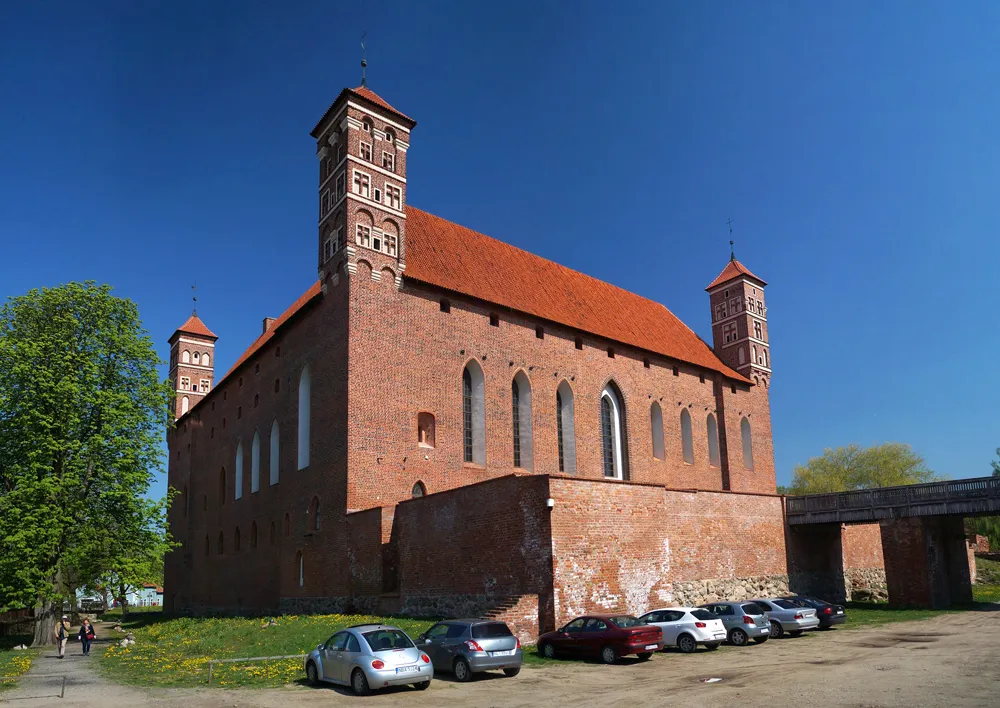
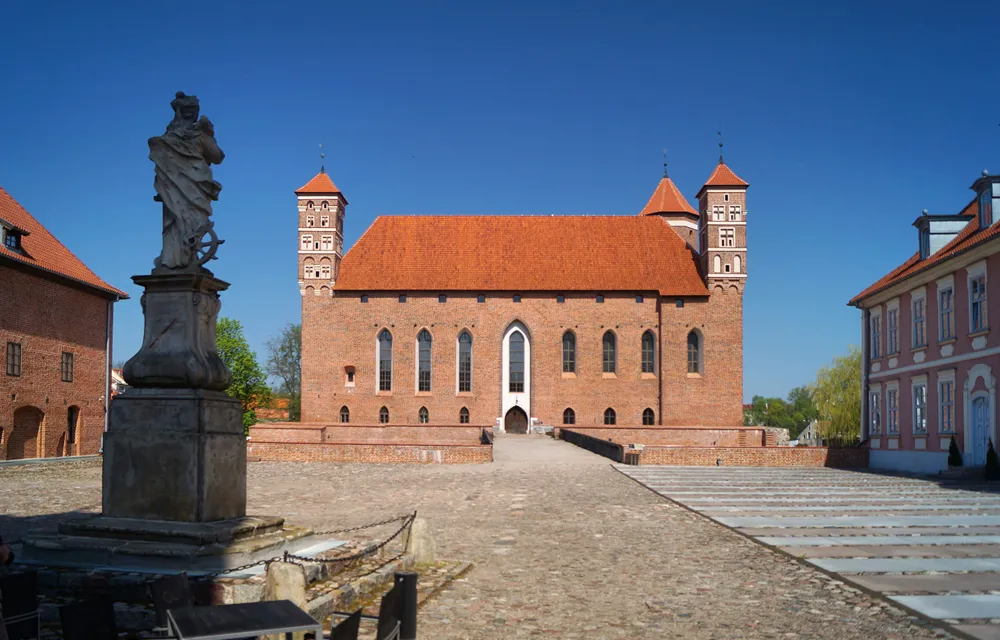
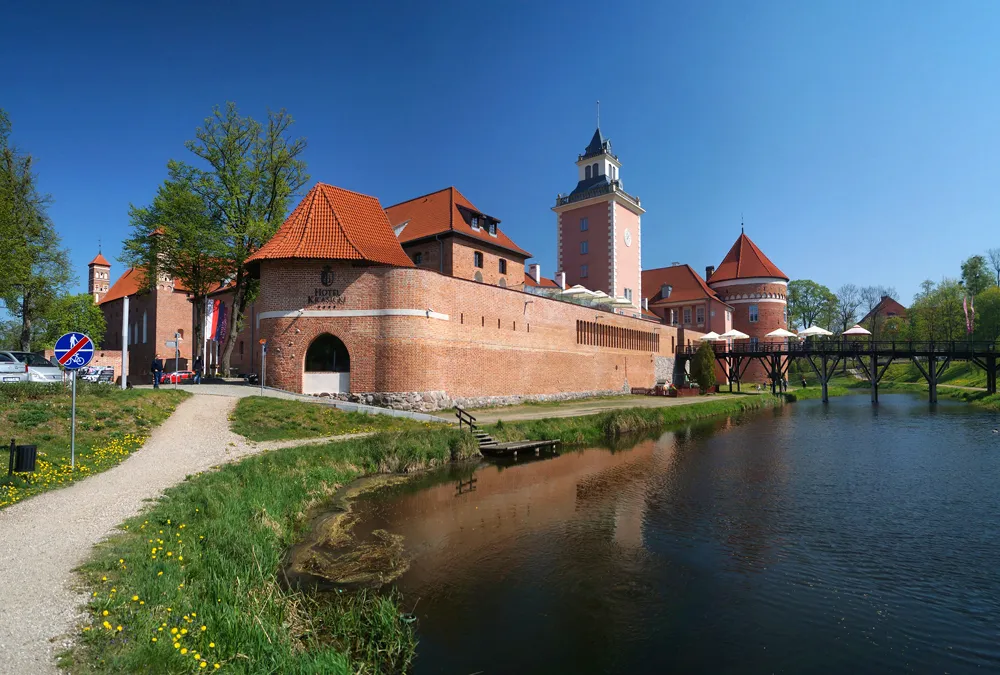
The pearl of Lidzbark is its castle, the former residence of the prince-bishop of Warmia. It stands on the bank of the Łyna and is surrounded by a wide moat. The castle is typical of the fortifications of northern Poland – it is not on a hill but on a marsh, surrounded by water on all sides. Such a castle is very hard to take.
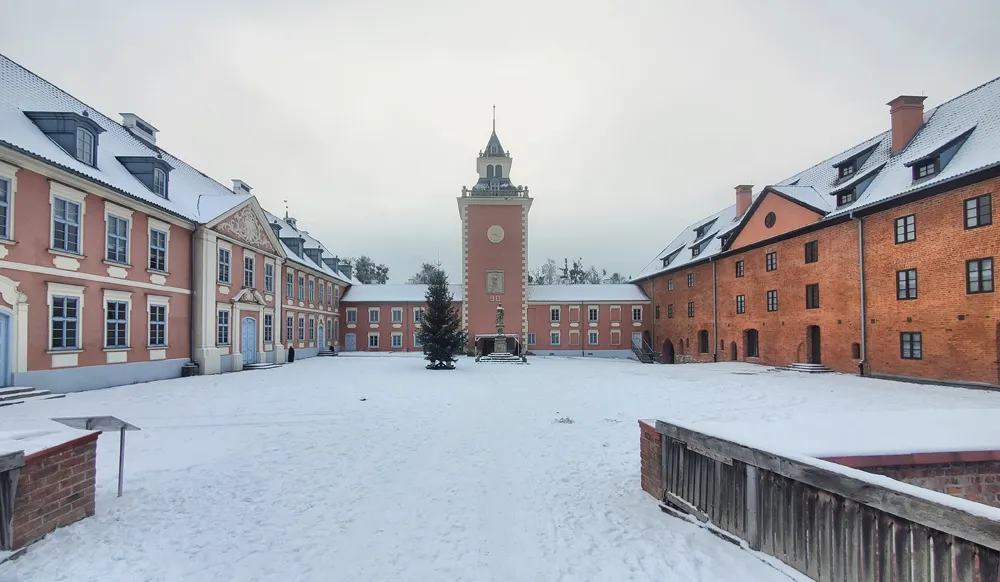
The castle’s citadel is a square building with an inner courtyard, a cloister. In effect it is a large Gothic cathedral, with very thick walls, towers at the corners and monastic galleries. We have already seen a very similar castle in Gniew. The castle was built from 1350 to 1401. Next to it, on the same island, Podzamcze, is a complex formed by three wings of buildings erected in the 16th–18th centuries. Today there is a hotel here, and it once housed the bishop’s palace, the court and the town hall of Lidzbark. The castle itself is now a museum.
Lidzbark is first mentioned in written documents in 1240. By 1242 a wooden castle already stood here. It was built by the Prussians, but the Teutonic Knights very quickly seized it. Twice, during the great uprisings, the Prussian leaders recaptured Lidzbark, but the Teutonic Knights took it back and fortified it even more. In 1260 a chapter of bishops was created here, which later became the basis of the state of Warmia.
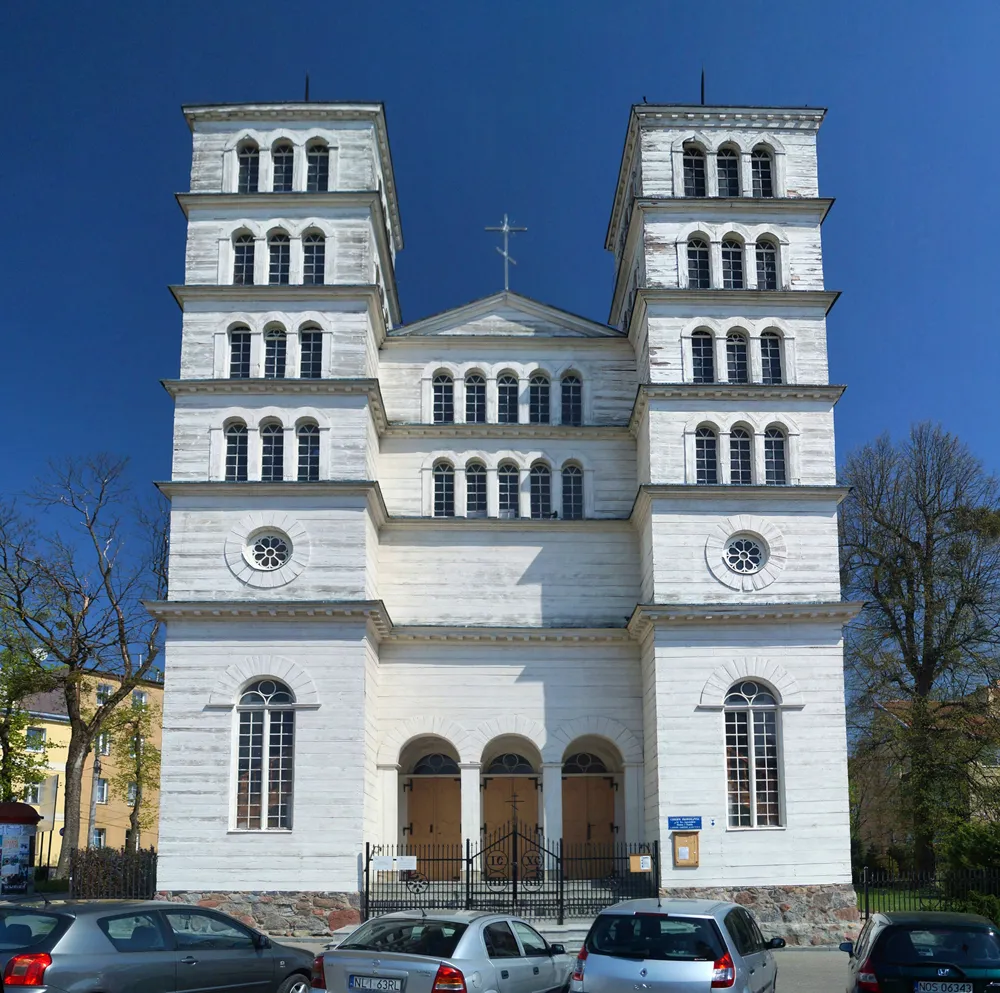
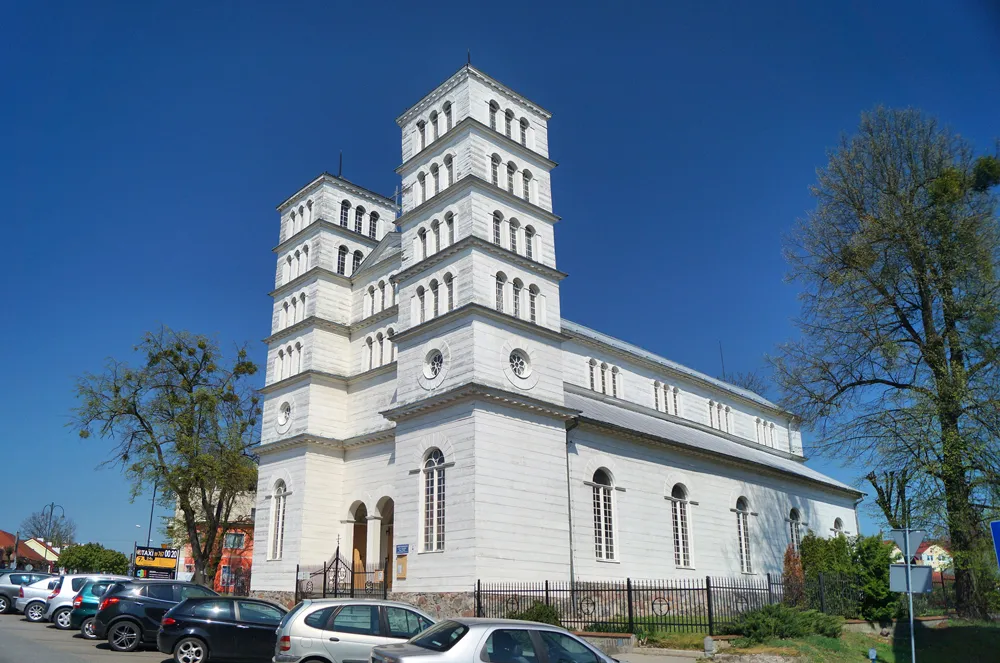
The former Evangelical Church of St. Peter and St. Paul
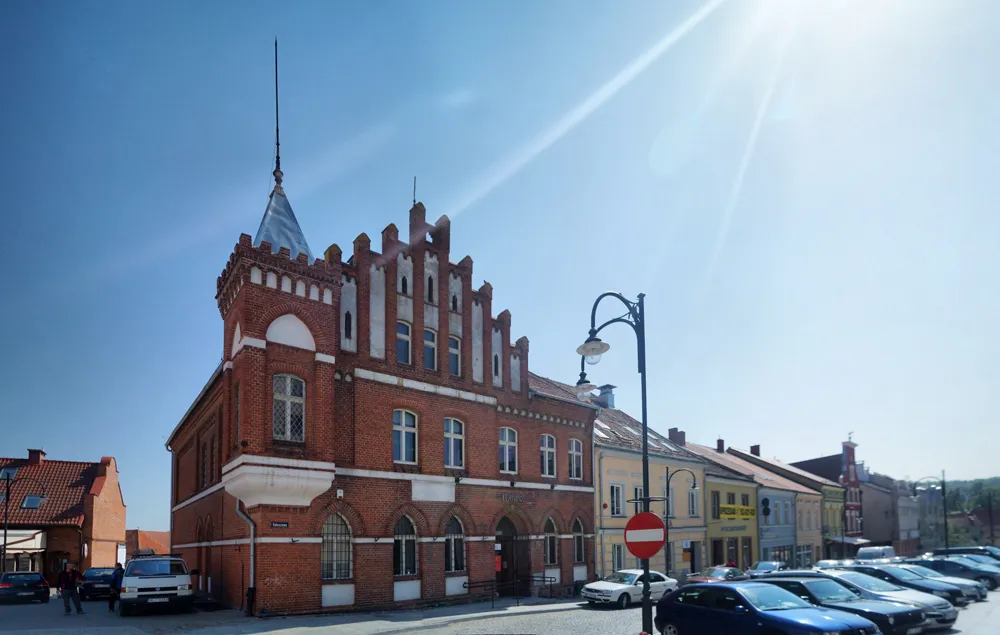
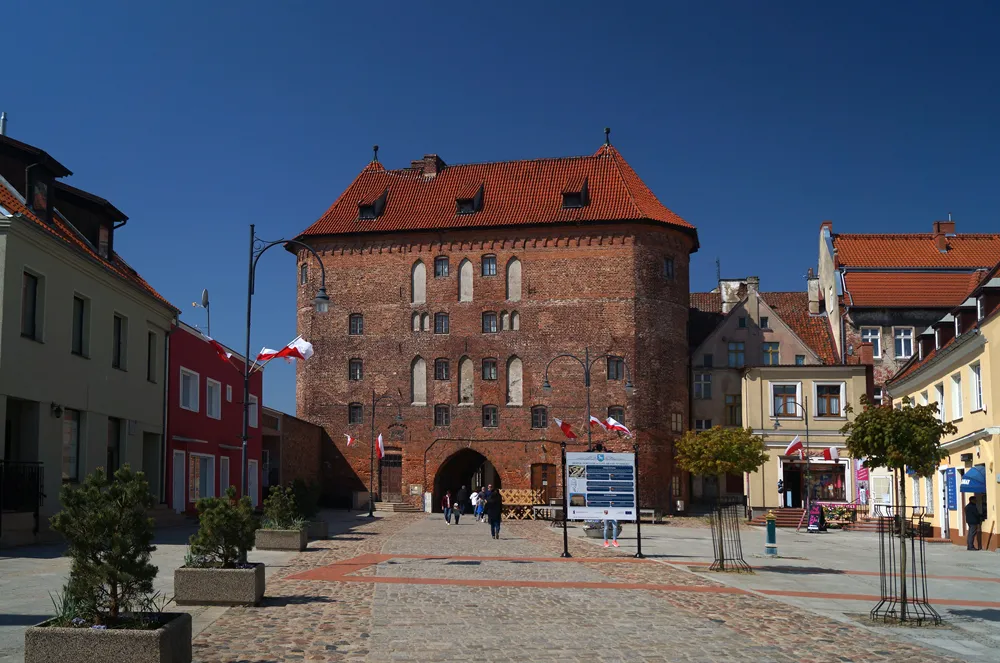
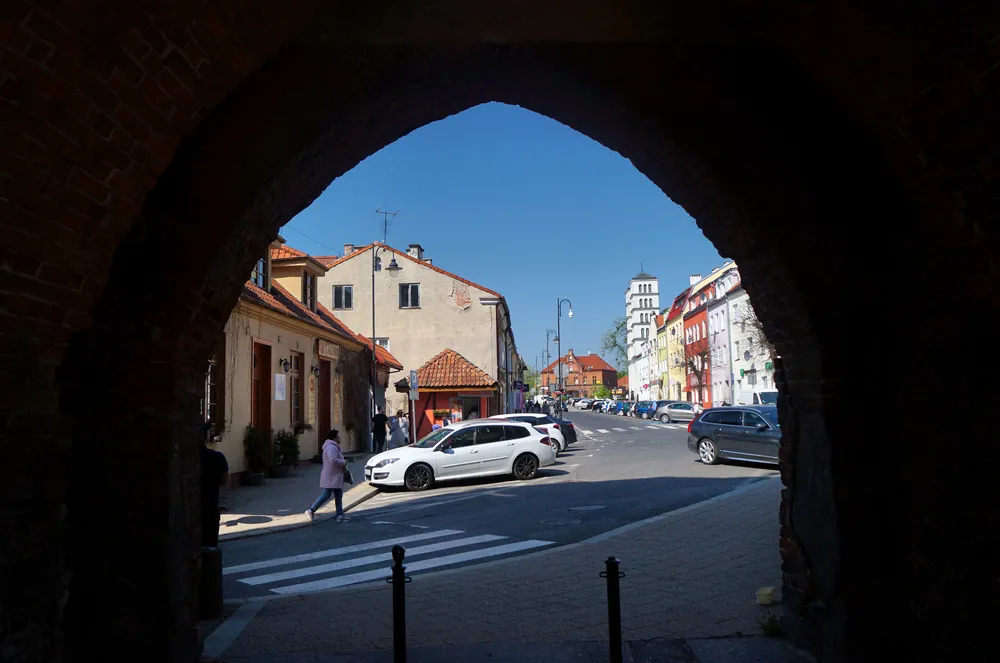
The town hall and the gate
In the second half of the 14th century, probably in parallel with the castle, the Gothic collegiate Church of St. Peter and St. Paul and the Archangel Michael was built. It was incorporated into the system of town fortifications and became the main church of the town, as it is today. Its bell tower is 66 metres high. In its day Nicolaus Copernicus, who lived in another Warmian town – Frombork – and held a post in the hierarchy of the Warmia diocese, visited this church many times.
Lidzbark has one more unique church – a huge timber-framed (half-timbered) Church of St. Peter and St. Paul (that is really its name), built in 1818–1823 as an Evangelical church at the expense of the Prussian king and now Orthodox.
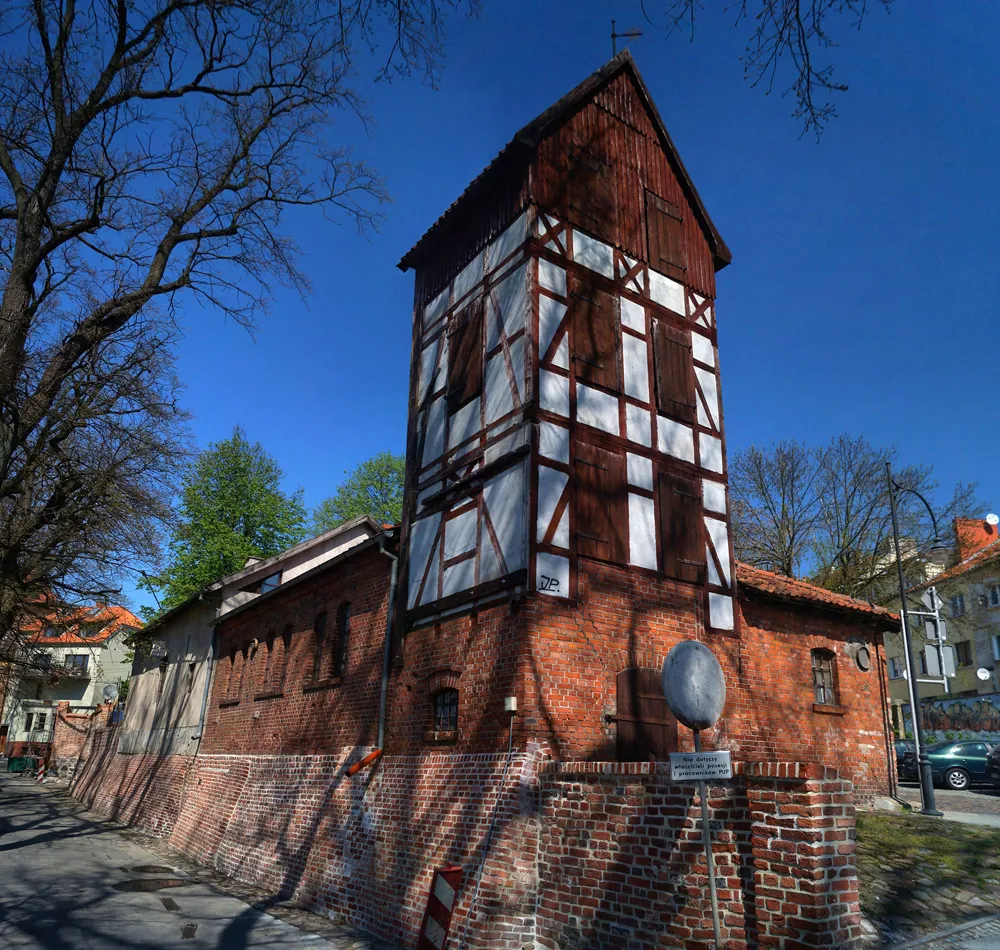
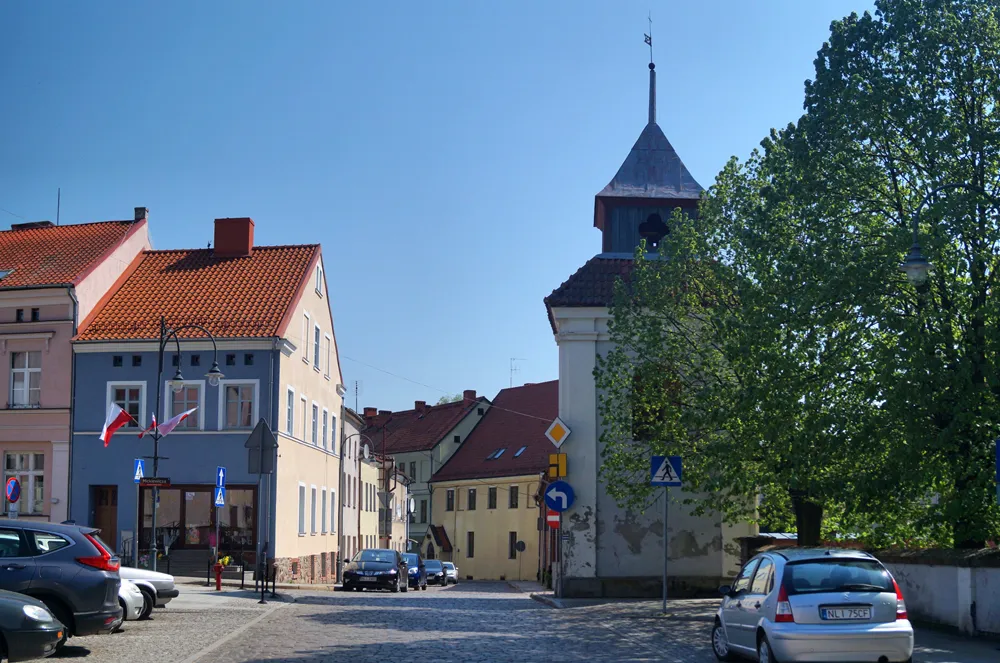
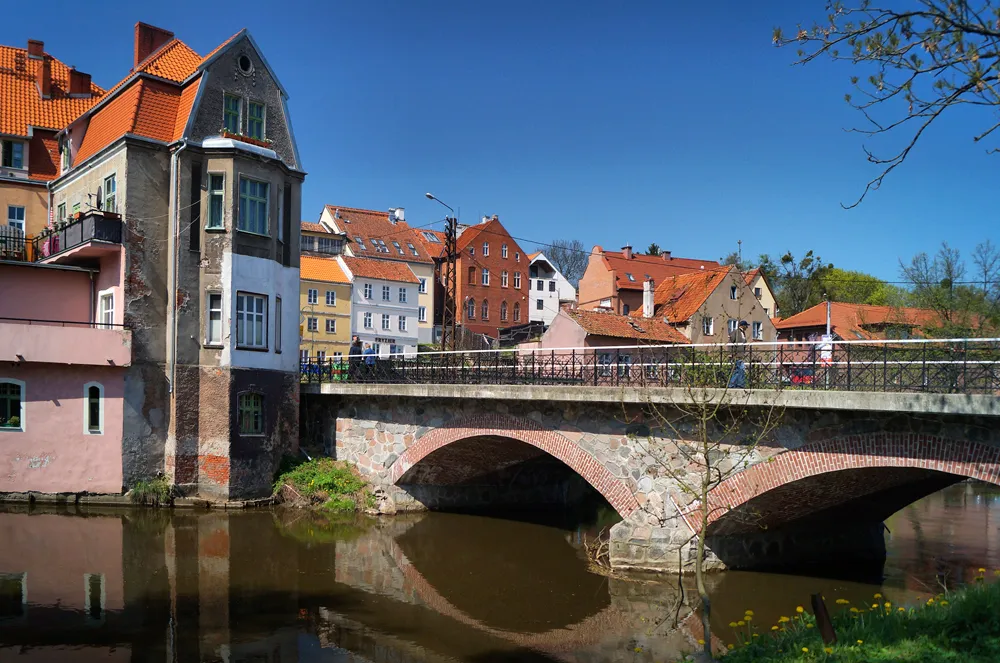
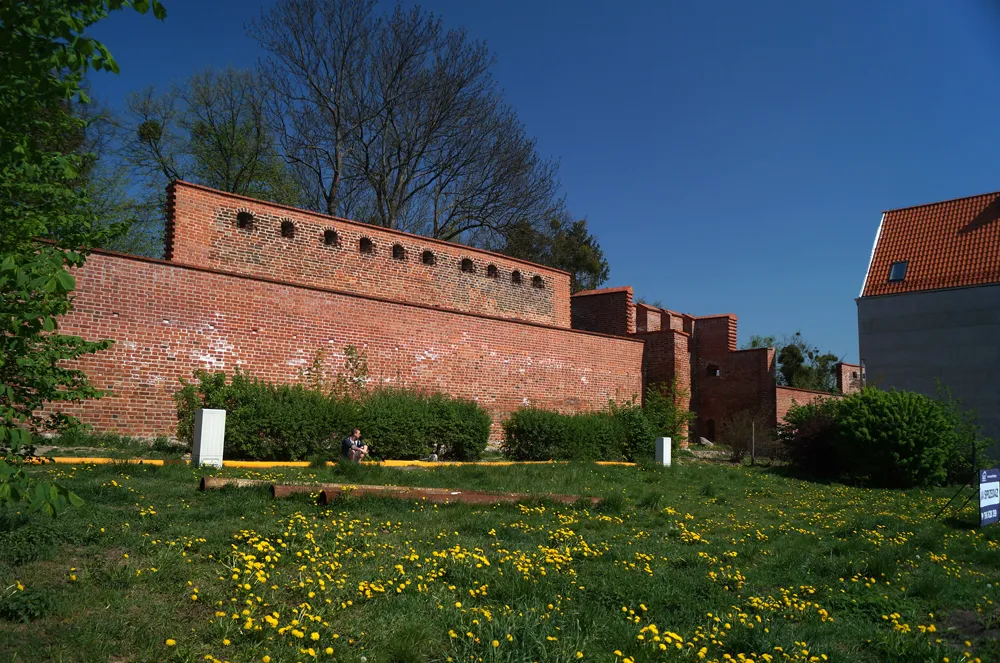
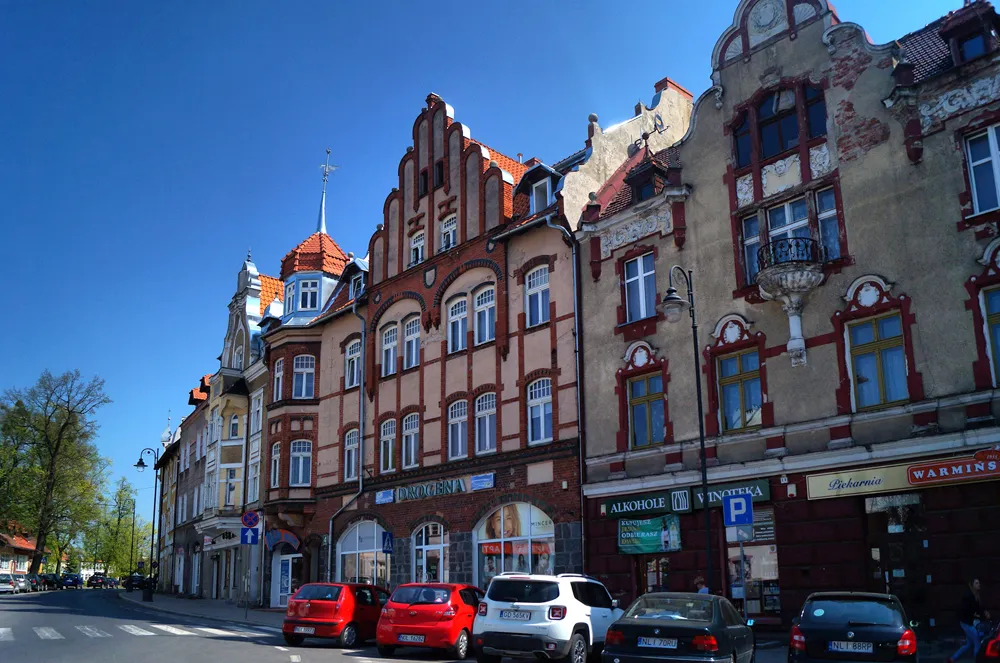
In the 14th century the old part of Lidzbark was surrounded by defensive walls, some of which have survived. A large gate tower and the gate through which one once entered the town have been preserved. There are also old residential buildings, merchants’ townhouses, the town hall, and old mills on the banks of the Łyna. A great town. I highly recommend visiting it.
Text and photos by Roman Malenkov.