Poland. Olsztyn. A castle and a wealth of antiquities

· 4 min read
Olsztyn surprised me greatly. Not that I thought it was a new town without landmarks or history, but I had not expected everything to be so interesting and rich… And it also surprised me by how little known it is in the tourist world. Honestly, there are towns with far fewer landmarks and far less interesting tourist sites that are much better known than Olsztyn. And here there is a castle, cathedrals, beautiful German buildings in the historic centre, two town halls, and Copernicus… A wonderful town.
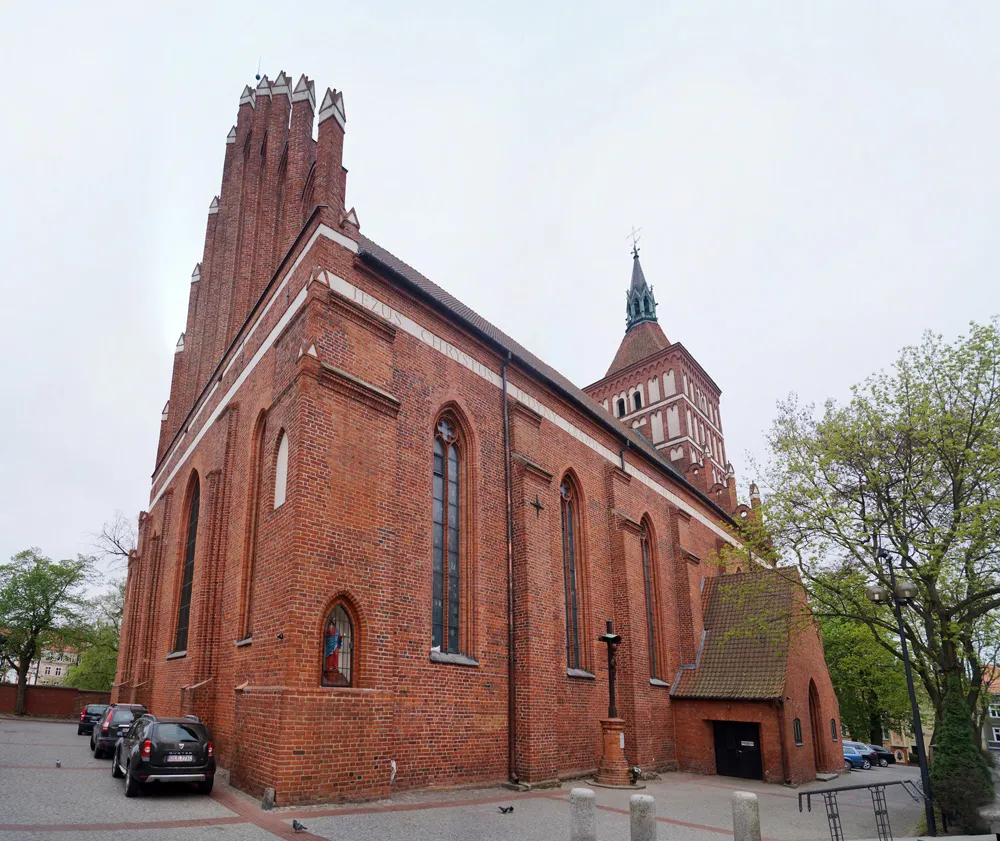
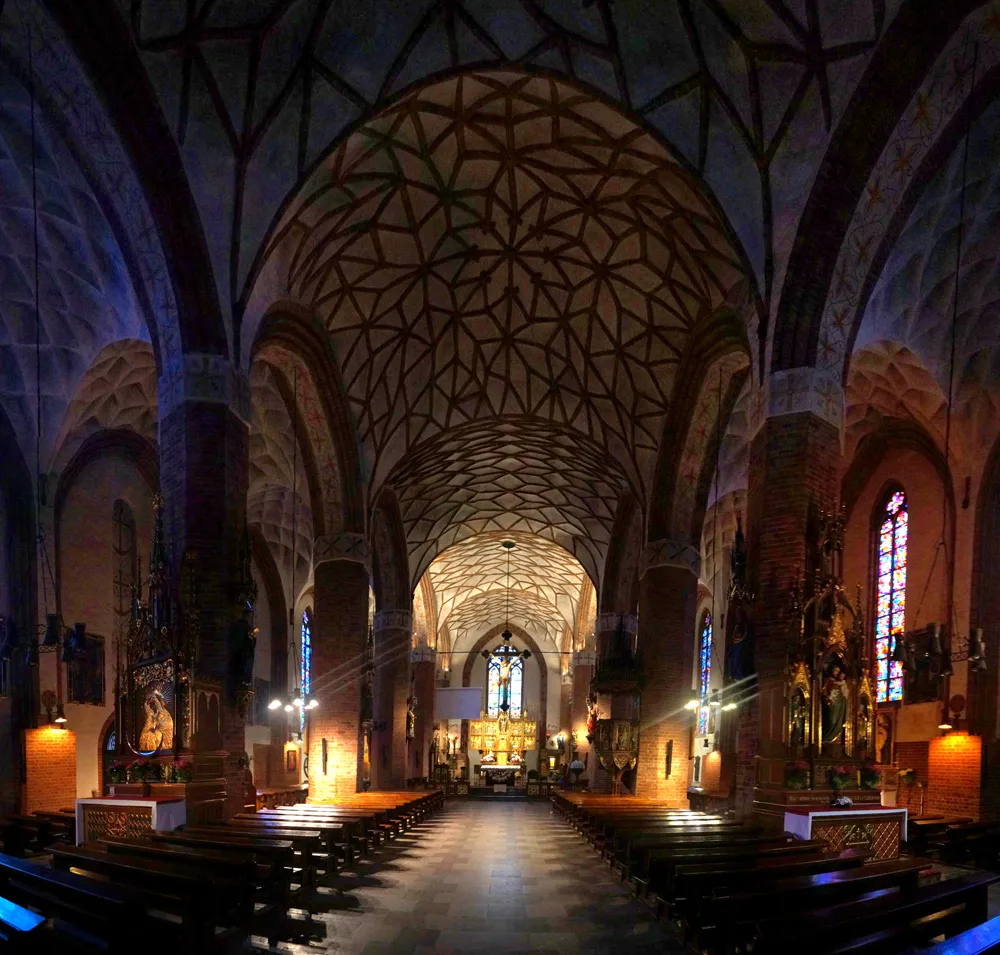
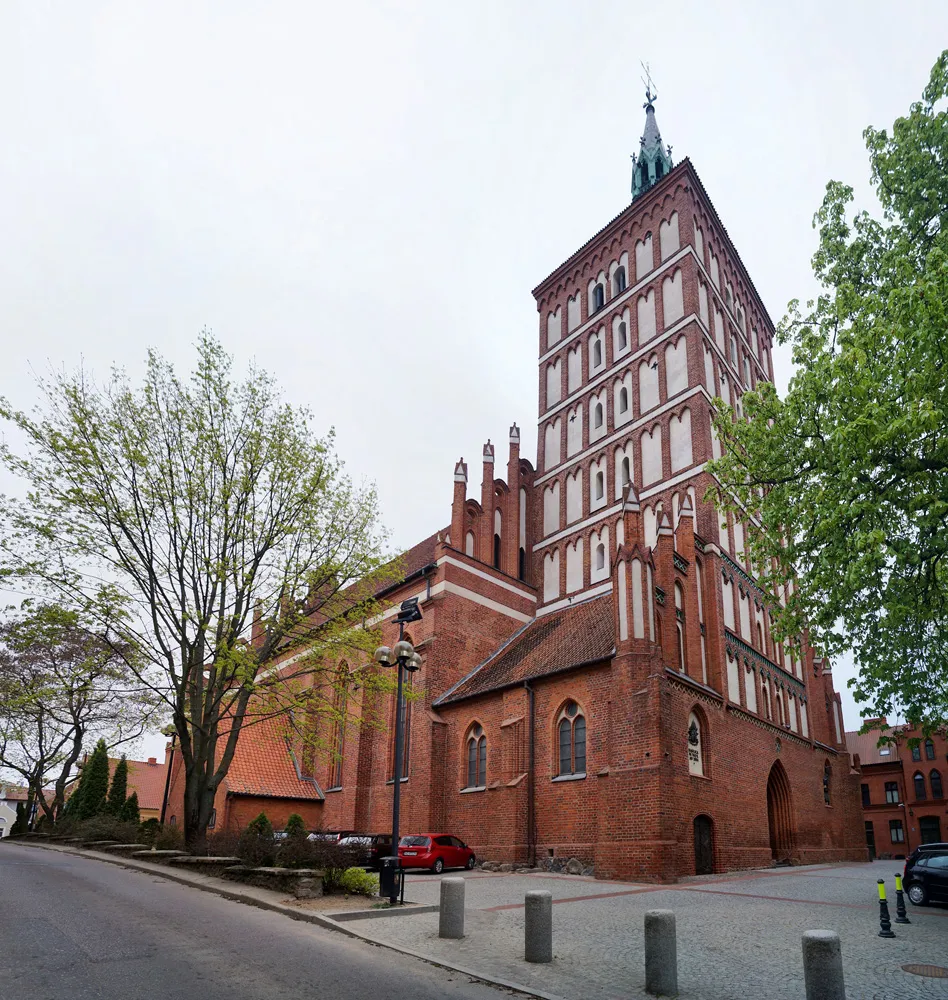
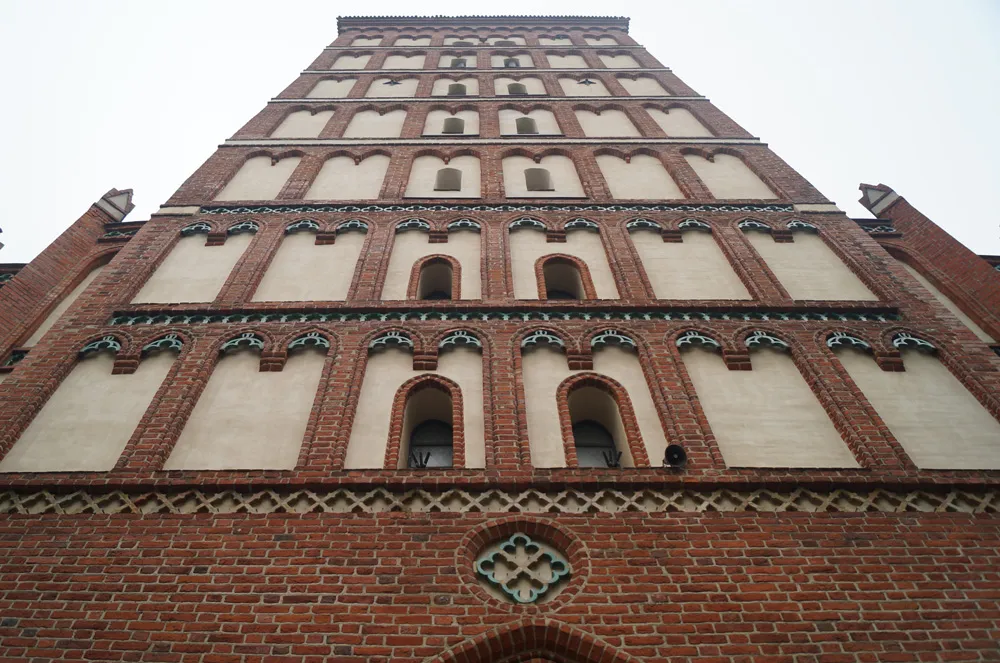
Modern Olsztyn has 170,000 inhabitants. It is the capital of the Warmian-Masurian Voivodeship. A considerable number of Ukrainians from the Subcarpathian region were once deported here, so there is a relatively large Ukrainian community, a school and a Greek Catholic church. More precisely, the Cathedral of the Intercession, which is the main church of the newly created Olsztyn-Gdańsk Eparchy. True, the church is new, so it is of little interest to me, unlike, for example, the incredible Gothic Basilica of St. James, built as early as the 14th century, almost immediately after the town was founded. Now that is grandeur.
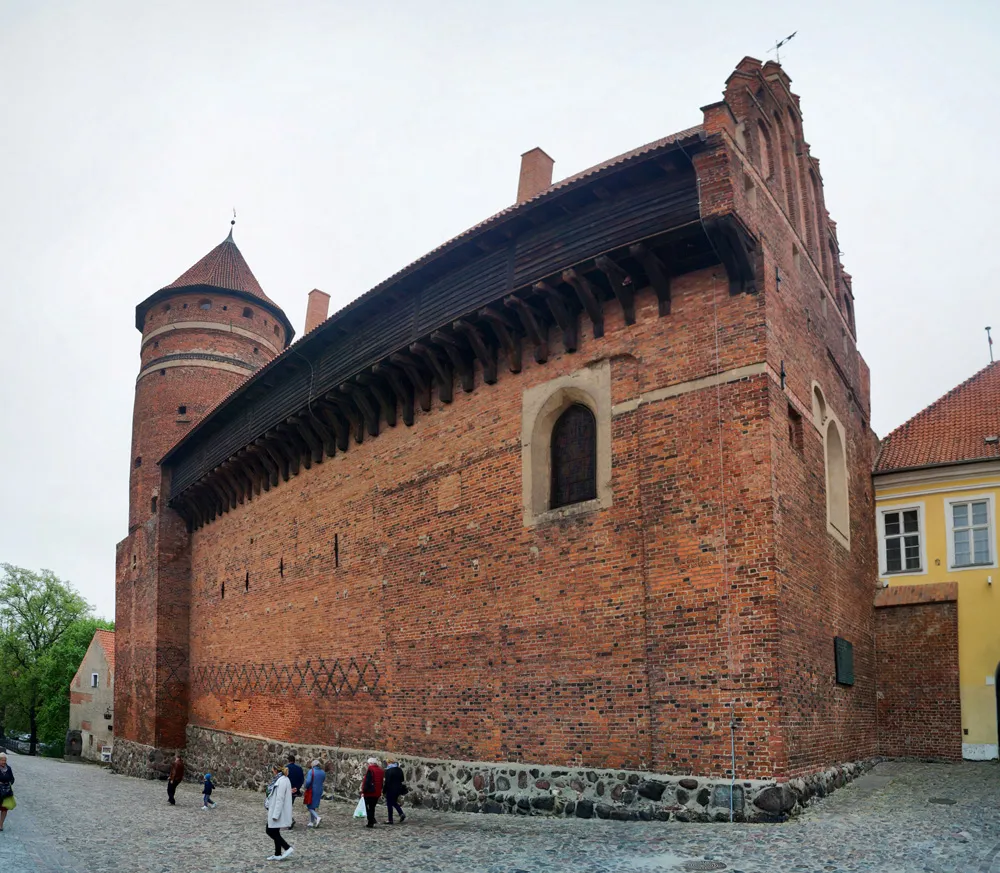
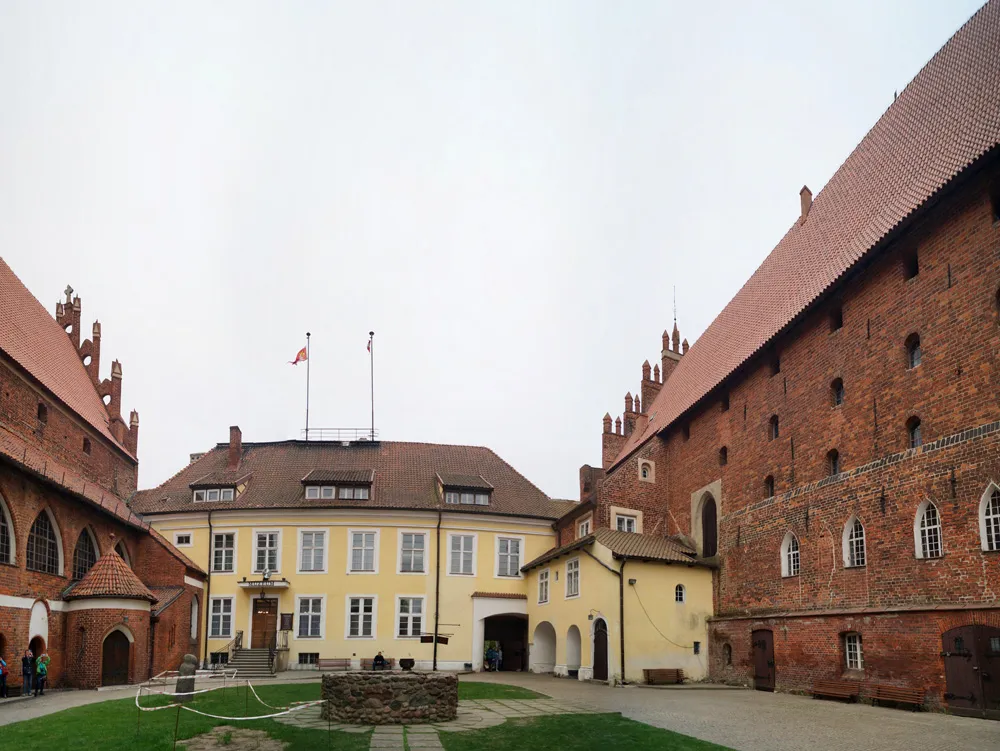
The castle
During our visit to Olsztyn we happened to park right next to the basilica but did not notice it behind the trees on the hill. How surprised we were when, having walked some 50 metres away, we saw the massive and tall (63 m) bell tower. German Gothic, or Teutonic, or Warmian – whichever you call it, it will be correct.
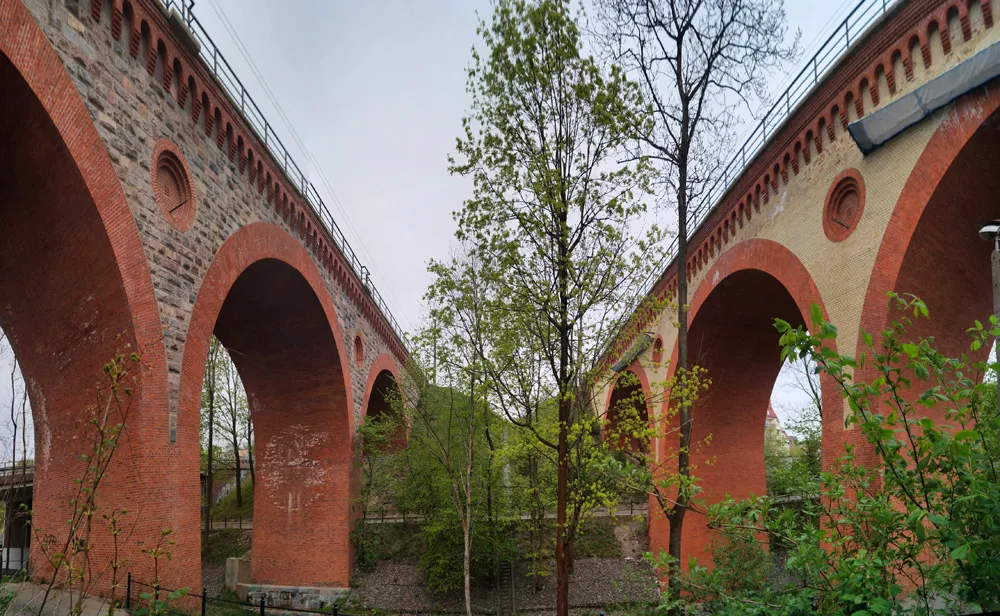
Until 1945 Olsztyn was called Allenstein and was part of Germany. The town was also founded by Germans: in 1345 the administrator of Warmia, Heinrich von Luter, laid down a castle around which the town grew. Right up to 1772 Olsztyn was part of Warmia, an autonomous theocratic state ruled by a prince-bishop. I have already mentioned Warmia in my posts about Frombork and Lidzbark Warmiński, so I will not repeat myself. After 1772 it was Prussian territory, although the French dropped in here in 1807, and in 1920, in a referendum, 98% of Olsztyn’s residents voted to remain with Germany. Allenstein became Polish only in 1945, so all the old buildings of the town are German, even the superb stone railway viaducts built at the end of the 19th century.
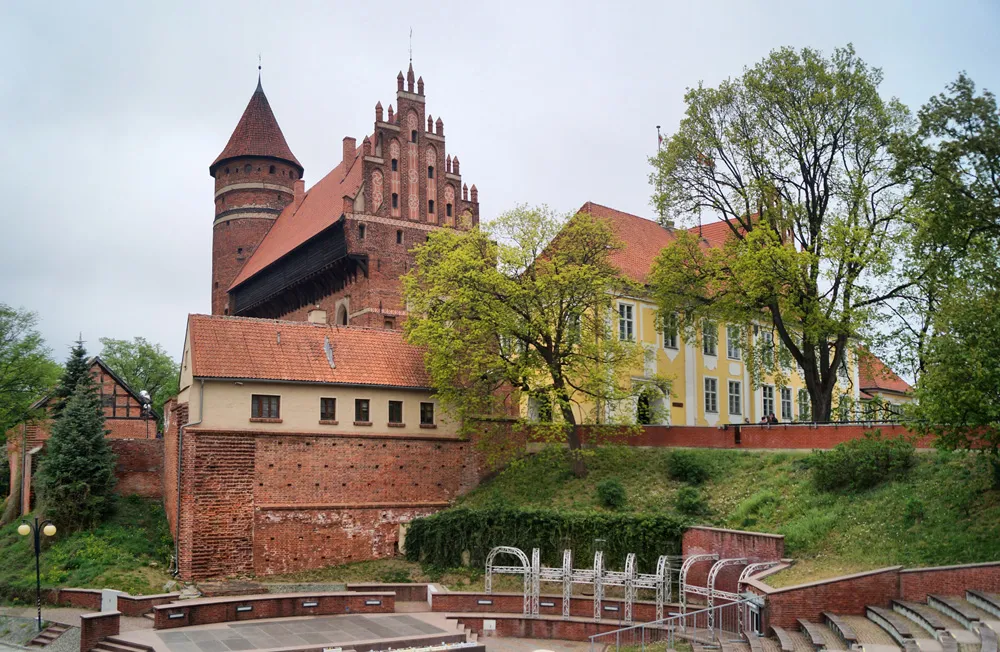
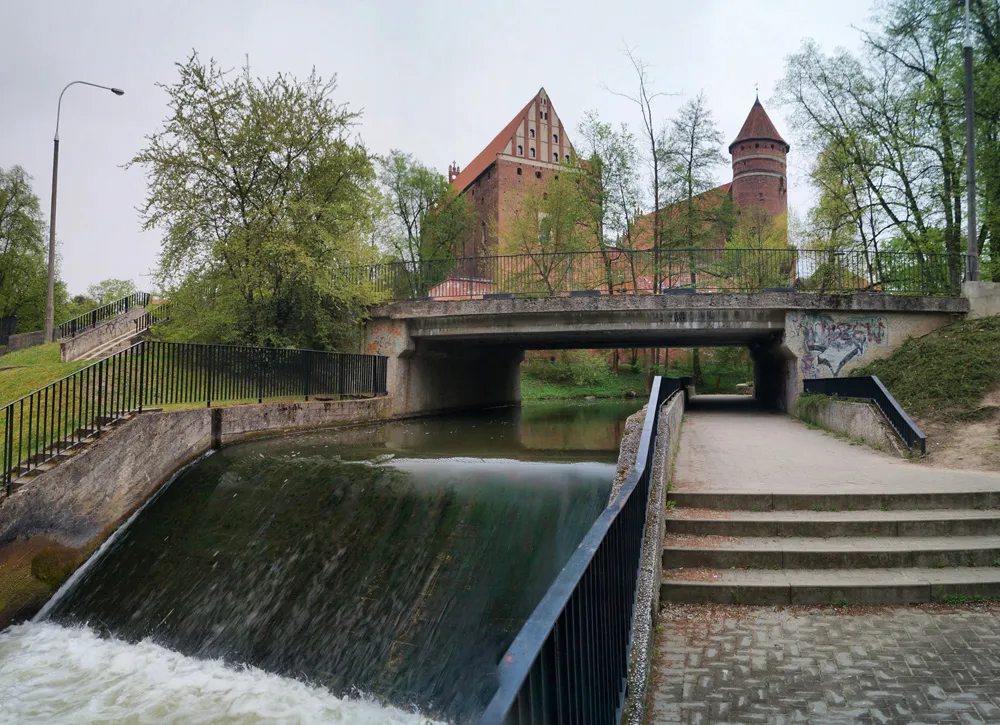
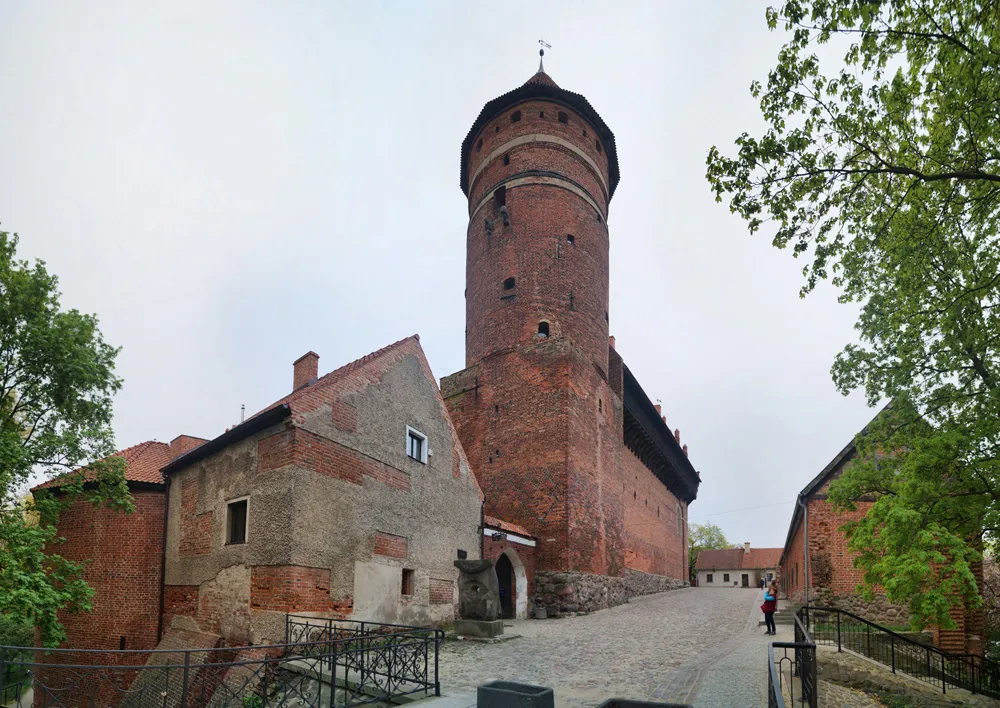
Olsztyn was the chapter town of Warmia – the residence of the prince-bishop, Olsztyn Castle, was here. Of course, today it is the main landmark of the town. It houses the Museum of Warmia and Masuria. The castle stands on a hill above the Łyna river. It was built in 1348–1353 in the Gothic style. At the core of the castle are a large defensive tower 40 metres high, a church and two large buildings that served as the bishop’s palace, barracks and living quarters for monks. In ancient times there were several more defensive lines around the castle, with walls, ramparts and moats, but they have not survived to our time.
In 1516–1521, with a short break, the administrator of Olsztyn Castle was the canon Nicolaus Copernicus. He lived in the north-eastern wing, and his room has been preserved. In the castle he wrote several scientific works and made observations of the planets. Not far from the castle stands a monument to the great scientist.
Cathedral of the Intercession
Garrison church
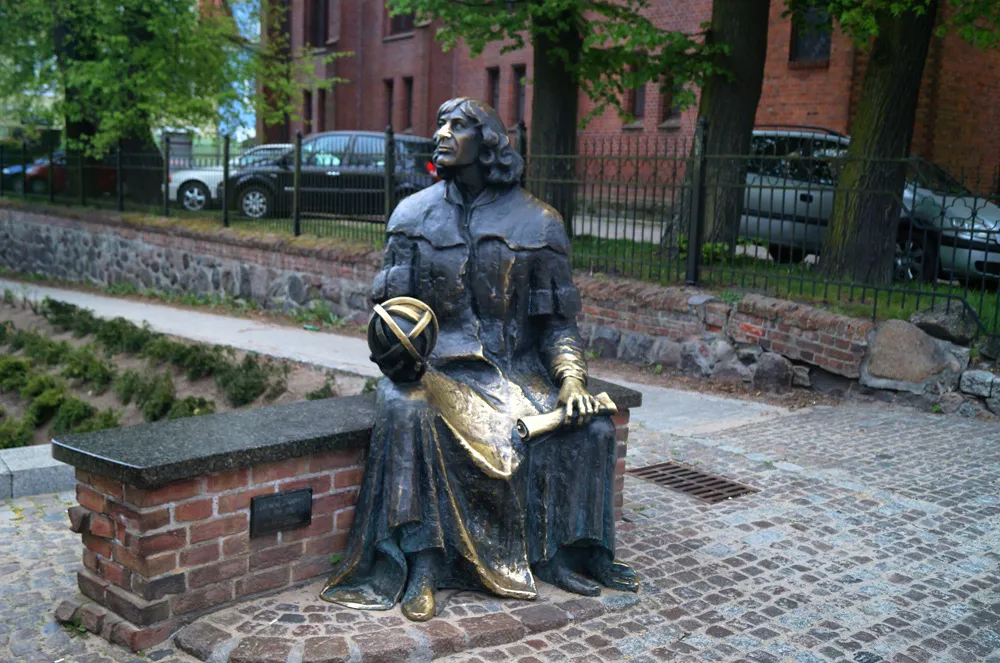
Copernicus
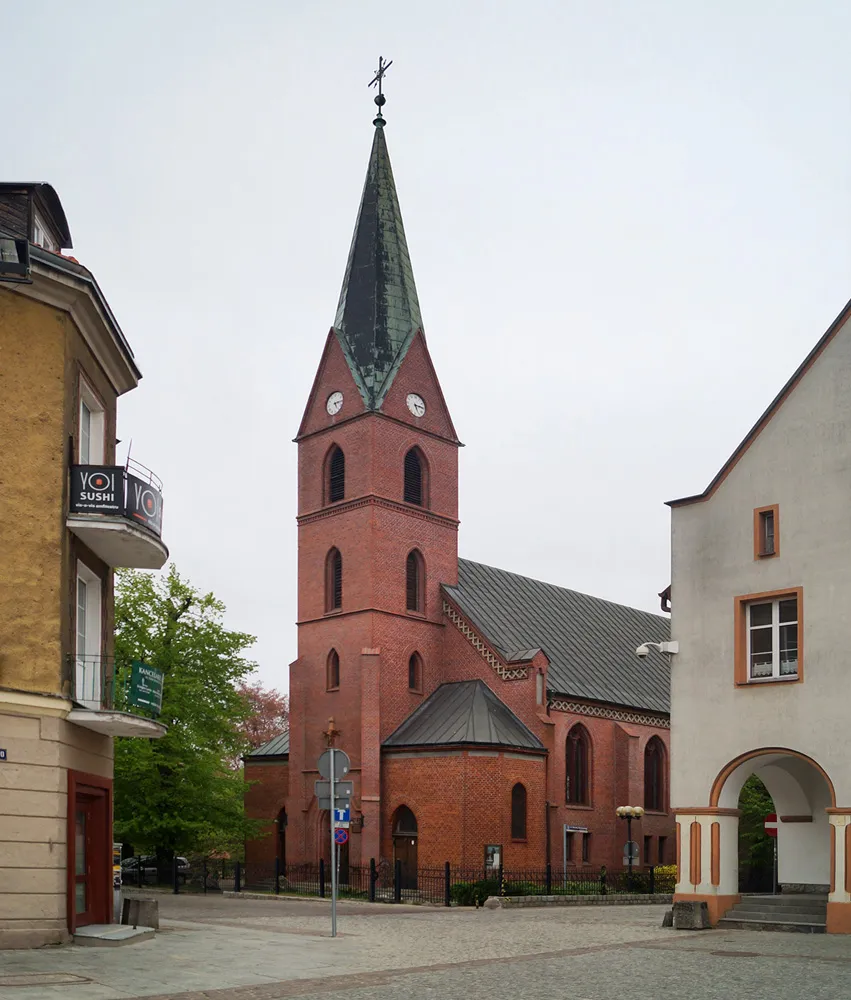
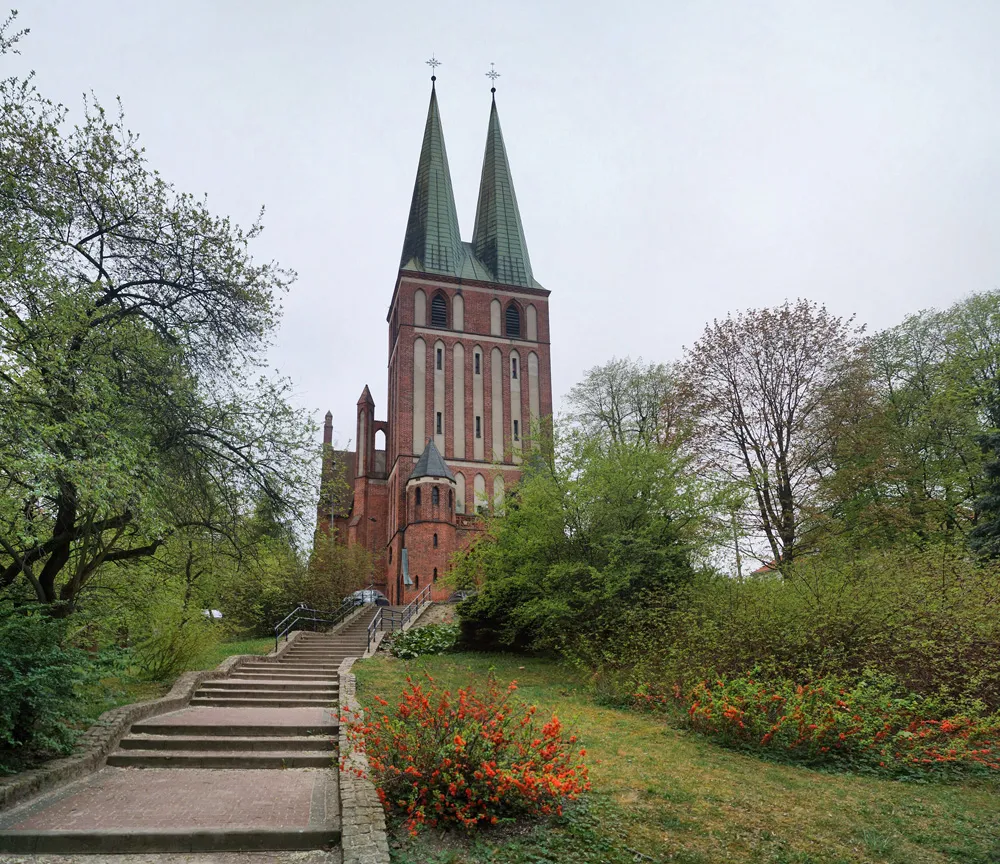
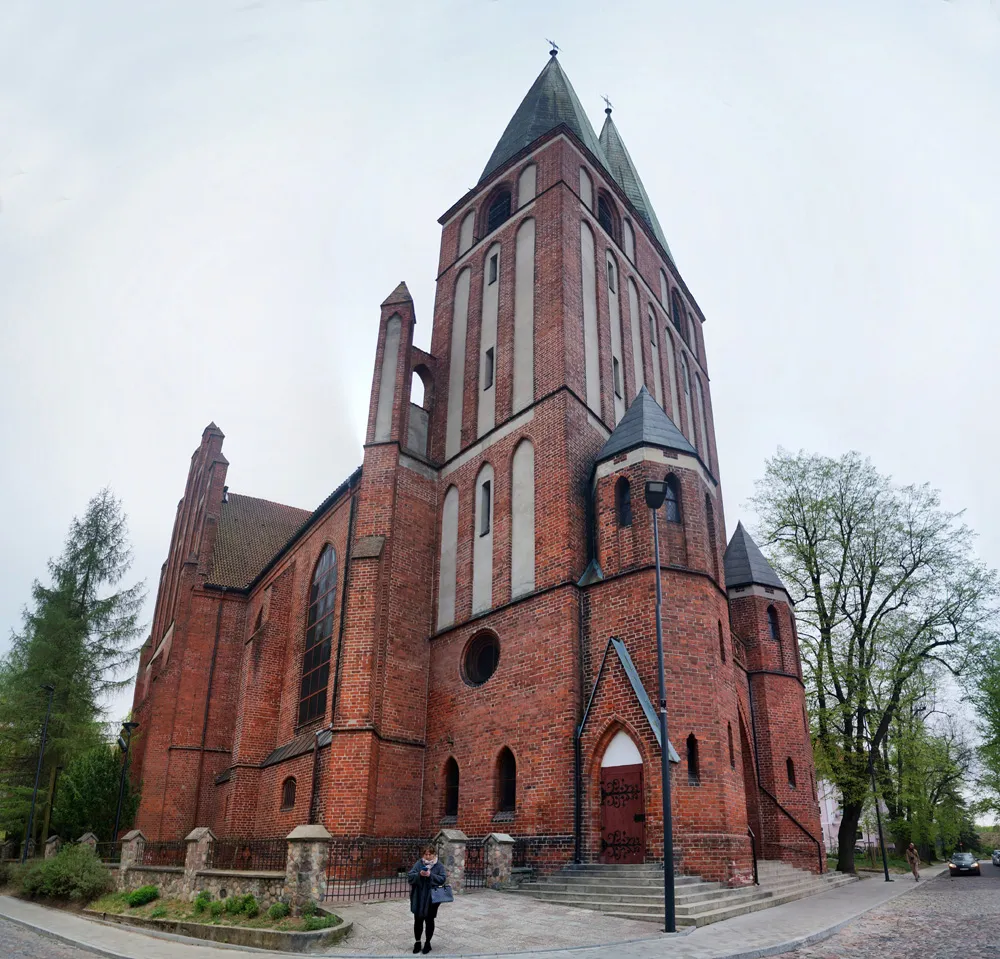
West of the castle stands the garrison Church of Our Lady, built in 1913–1914 to a design by the Berlin architect Ludwig Dihm. It is a wonderful example of German Neo-Gothic, which, moreover, has a forked top to its tall (58 m) tower. Until 1945 it was a Protestant church, but today it is Roman Catholic.
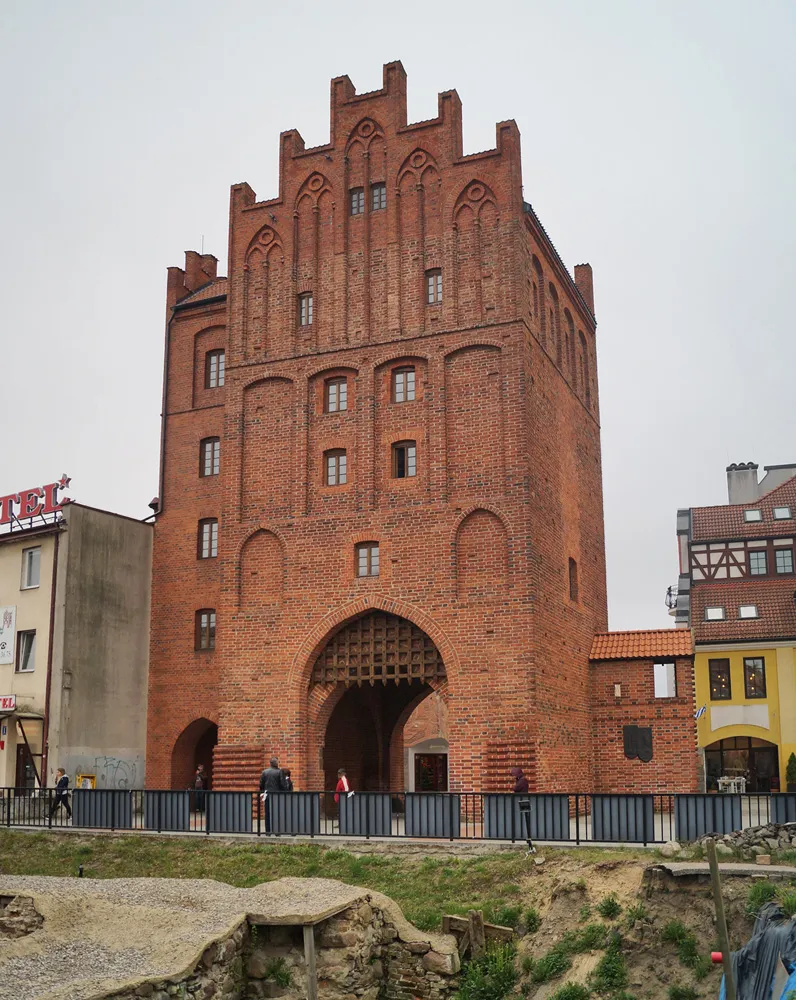
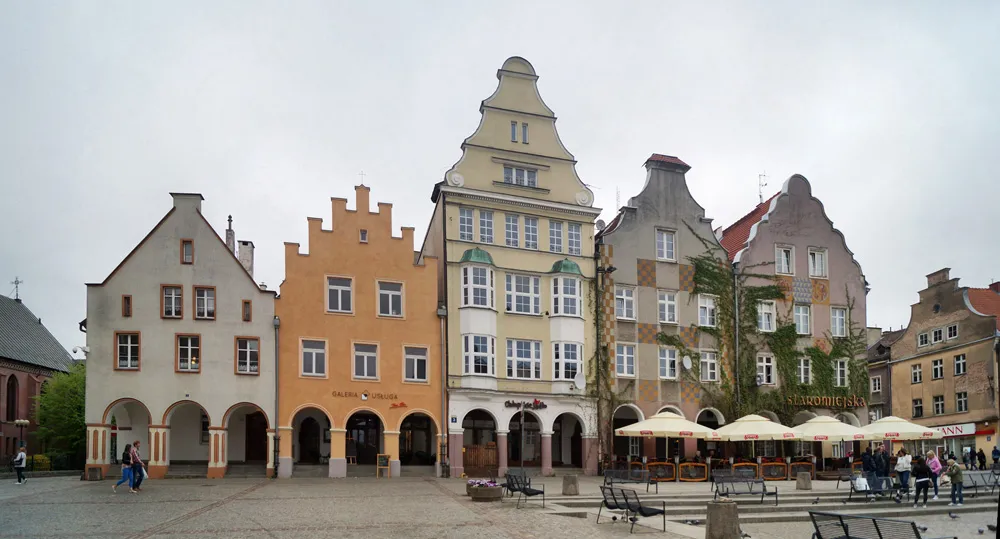
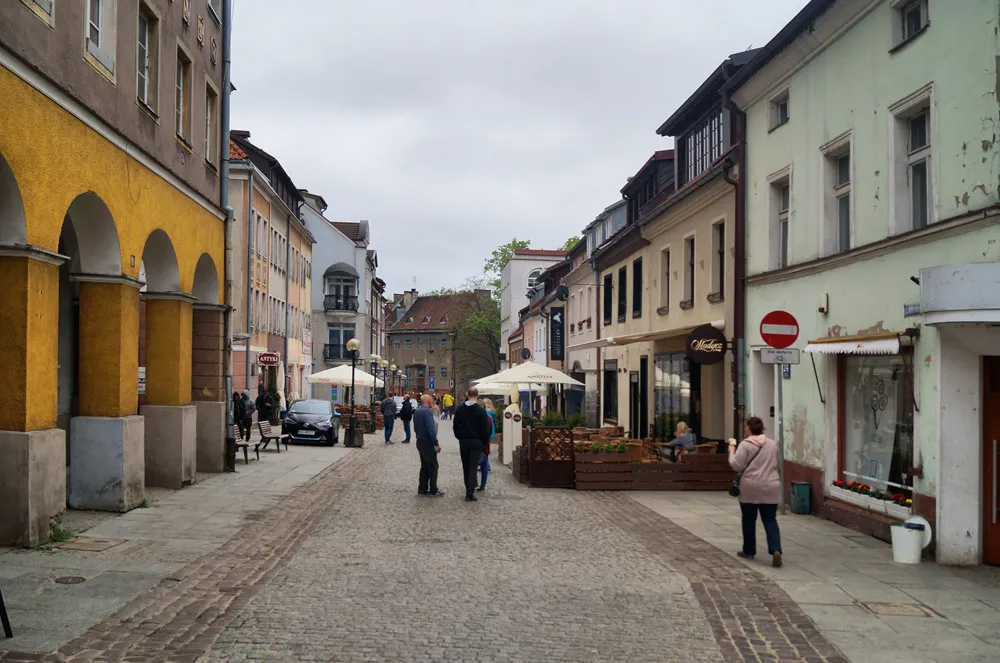
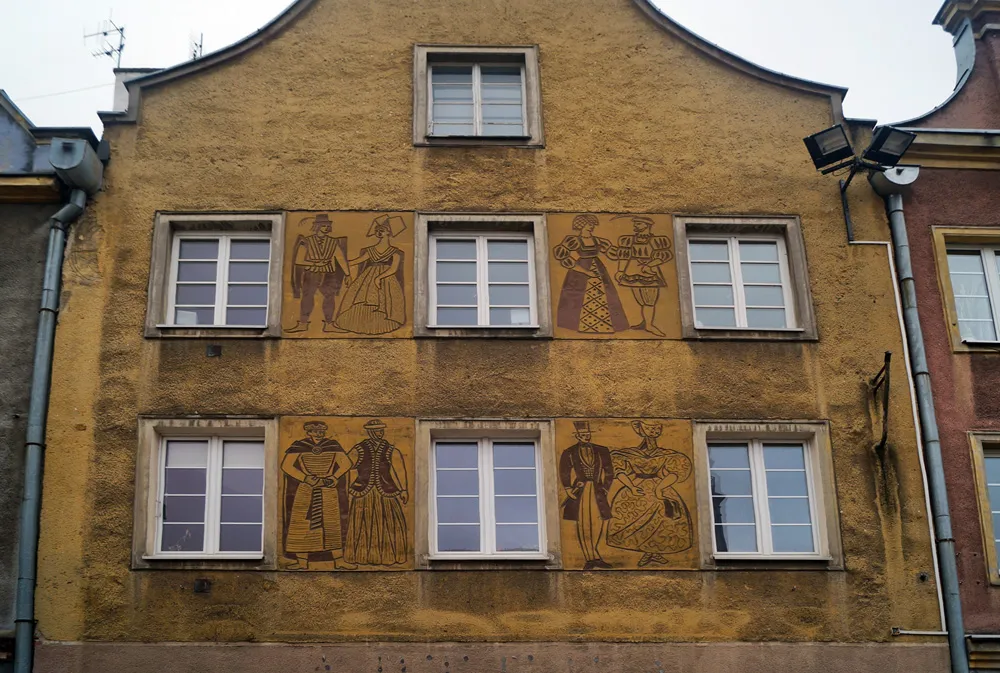
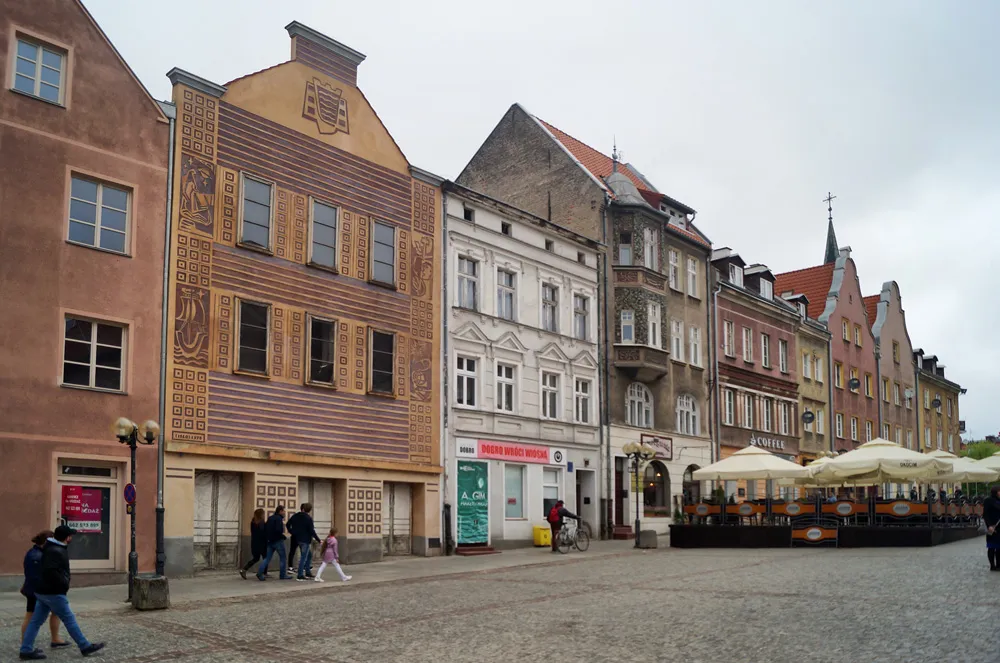
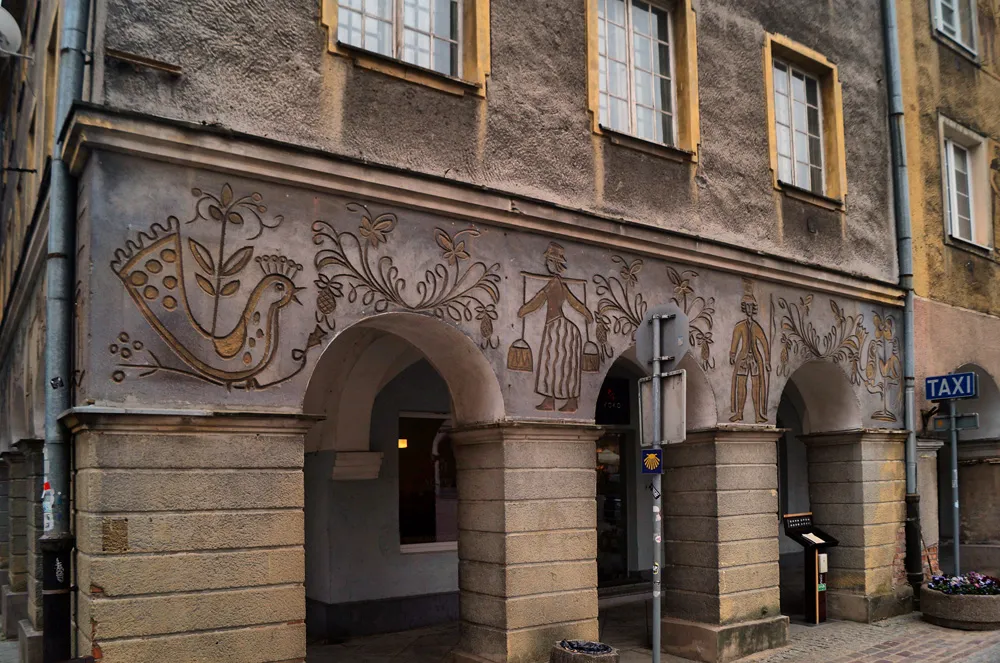
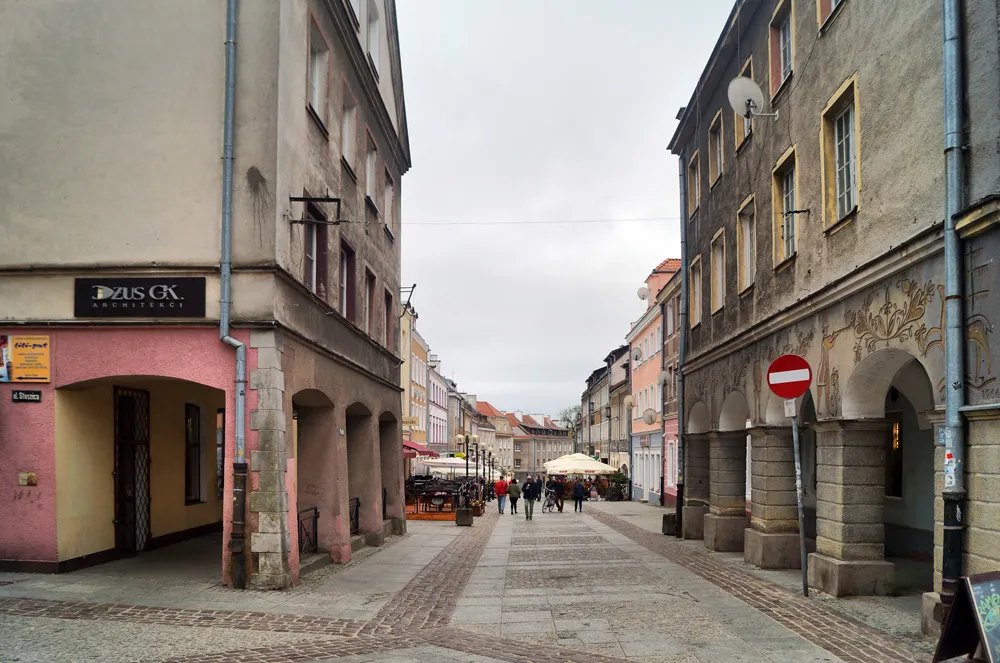
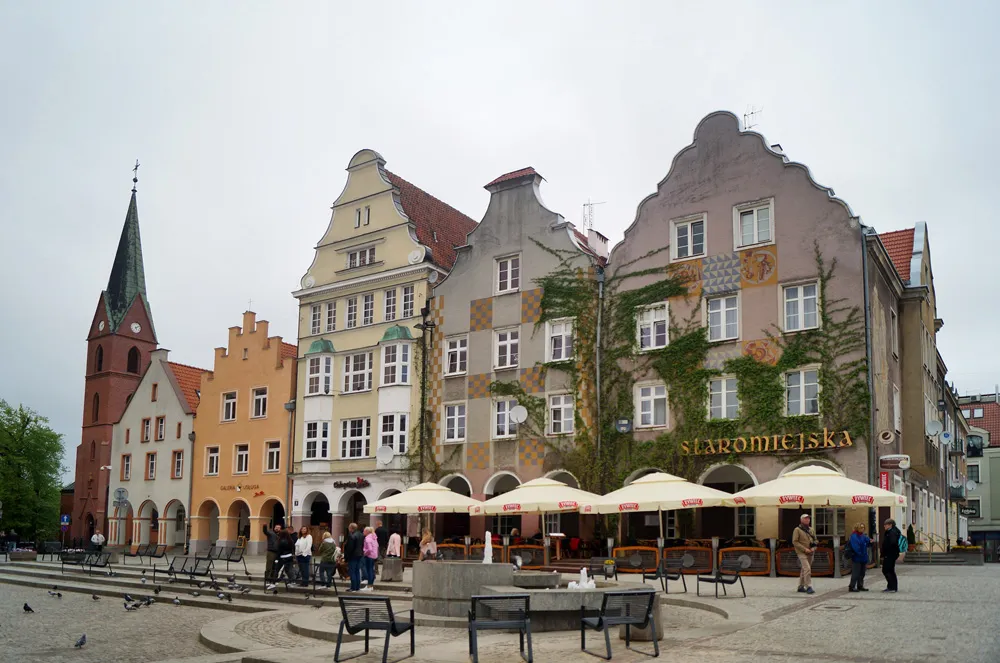
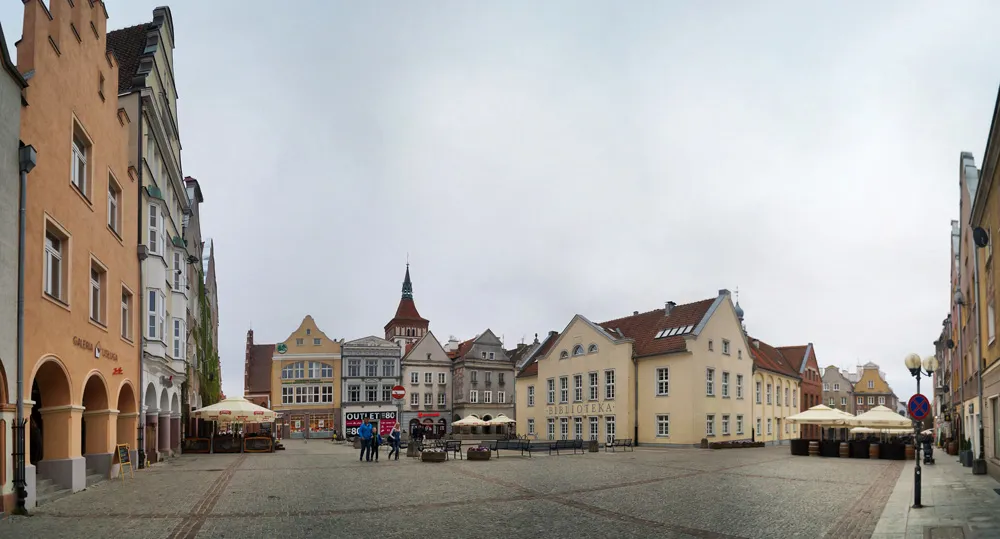
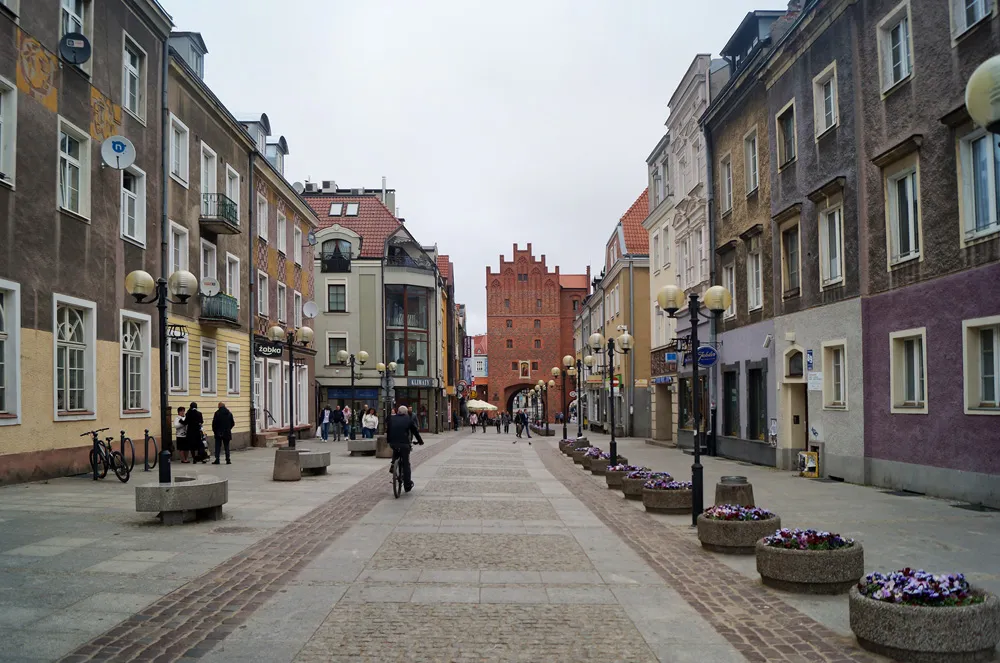
The Olsztyn Old Town lies east of the castle, around the Old Town Hall, a Gothic building erected at the turn of the 15th–16th centuries. This is the Market Square, and it is full of colourful townhouses that now hold cafés and small restaurants. In the northern part two town gates have survived – the Upper and the High Gate – and still further north is the New Town Hall, built after the railway and the railway station arrived in Olsztyn, which shifted the centre of the town’s development north of the old town. The New Town Hall was built in the Neo-Renaissance style and now houses the city government, and around it are many interesting buildings erected in the early 20th century.
Olsztyn has many interesting sights that I have not mentioned in this short article. You have to go to see them all in person.
Text and photos by Roman Malenkov.
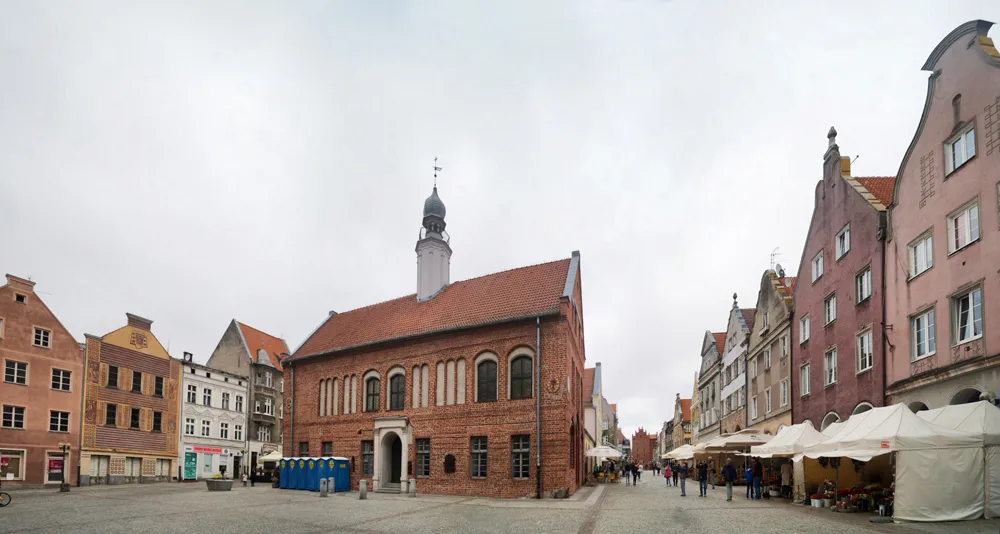
Old Town Hall
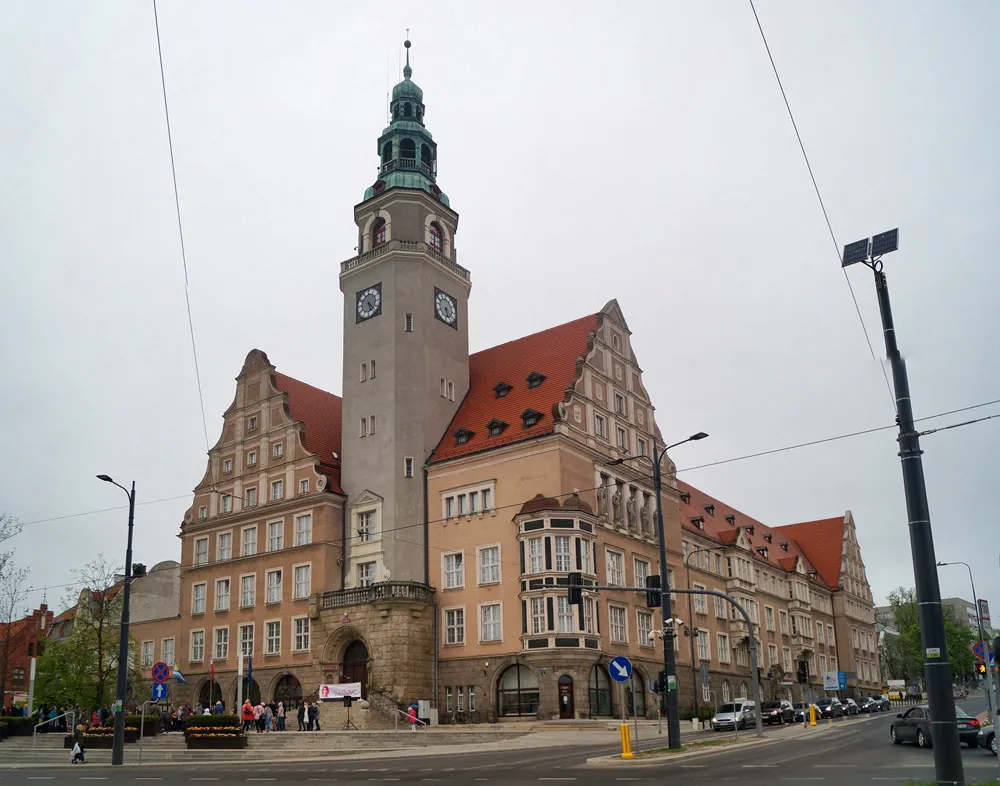
New Town Hall