Poland. Płock. A former capital

· 3 min read
Płock lies on the Vistula River in the Masovian Voivodeship. This ancient town was founded in the 10th century, when a fortress was built above the Vistula on Tumskie Hill, although Polish historians believe the town existed much earlier, even before the baptism of the Poles. In any case, Płock is one of the oldest towns in Poland, and it was an important outpost already under the first Piasts, the founders of the kingdom in Poland. Then Bolesław the Brave built a new, more powerful fortification.
From 1037 to 1047 Płock was the capital of Masław, the independent Masovian state, and from 1079 to 1138 it was the capital of Poland. Later Poland was split into separate principalities, and Płock became the centre of the capital principality of Masovia.
From the 16th century Płock became a royal city and the capital of the Płock Voivodeship. It was then a flourishing centre of trade and crafts, but at the end of the 16th century an epidemic of plague broke out and took the lives of a great many townspeople, and then a catastrophic fire added to the former capital’s misfortunes. The Swedes finished it all off, destroying most of Płock during the Deluge.
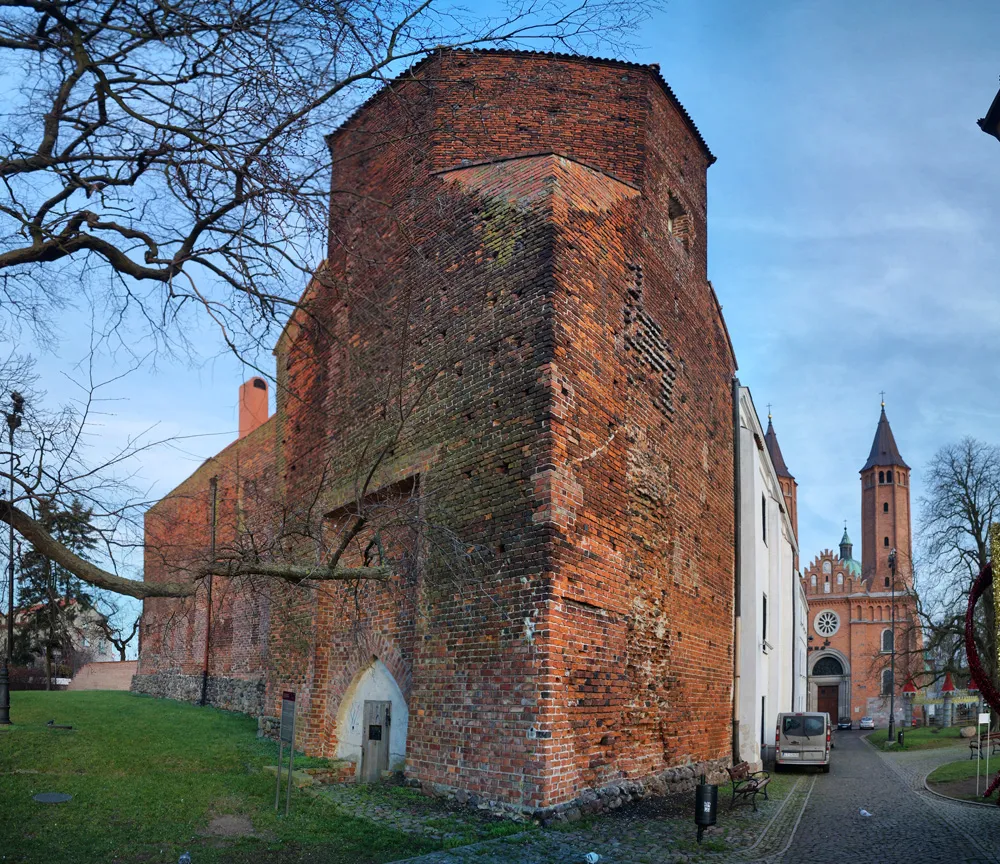
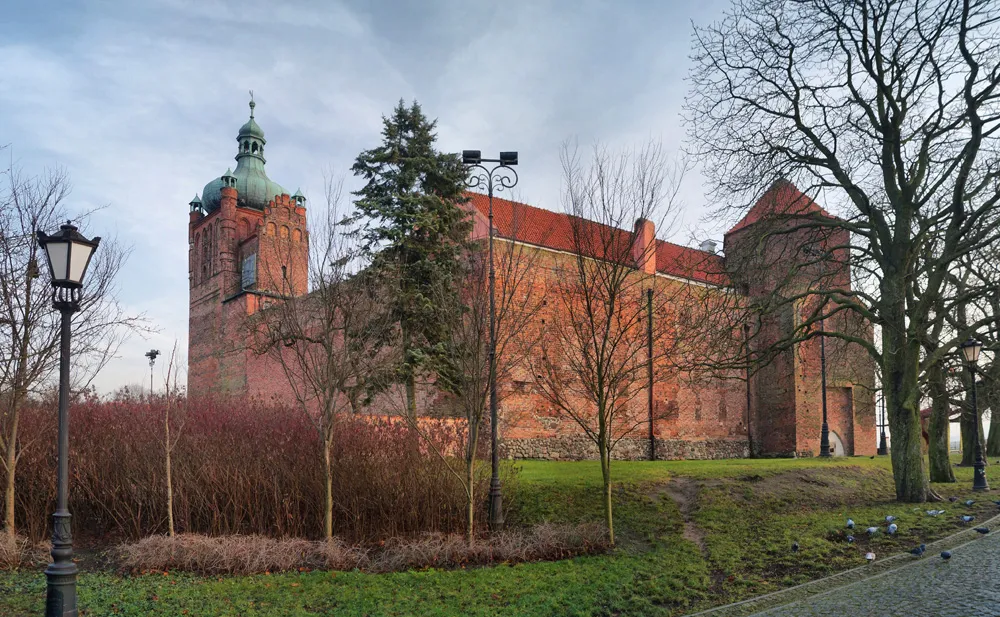
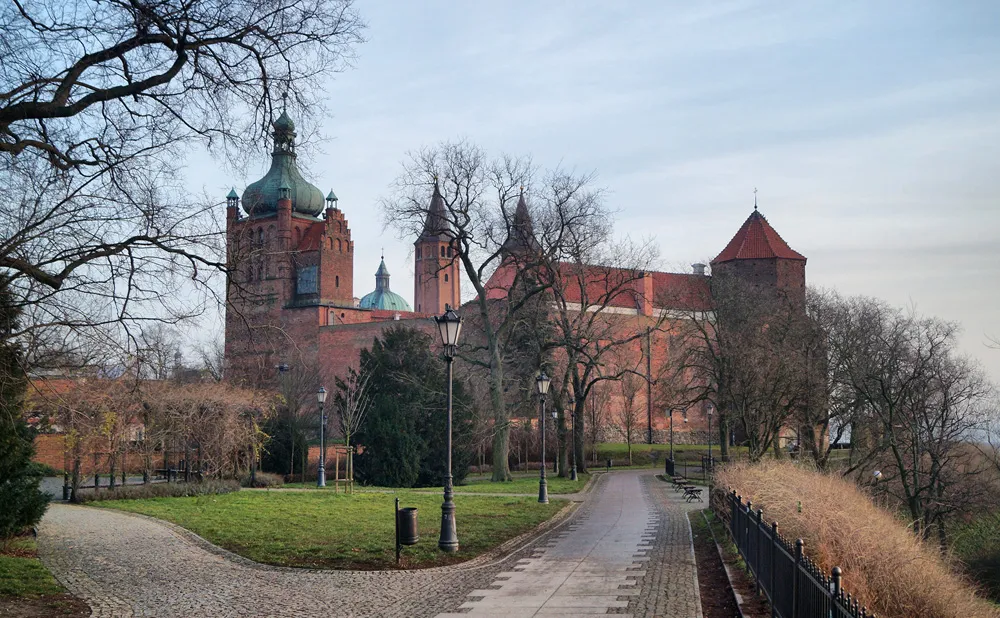
The princely castle and the abbey
In 1793, after the partition of Poland, Płock fell within Prussia, but already in the 19th century it was annexed by Russia, so Płock’s architecture is poorer than in many towns that remained under Prussia.
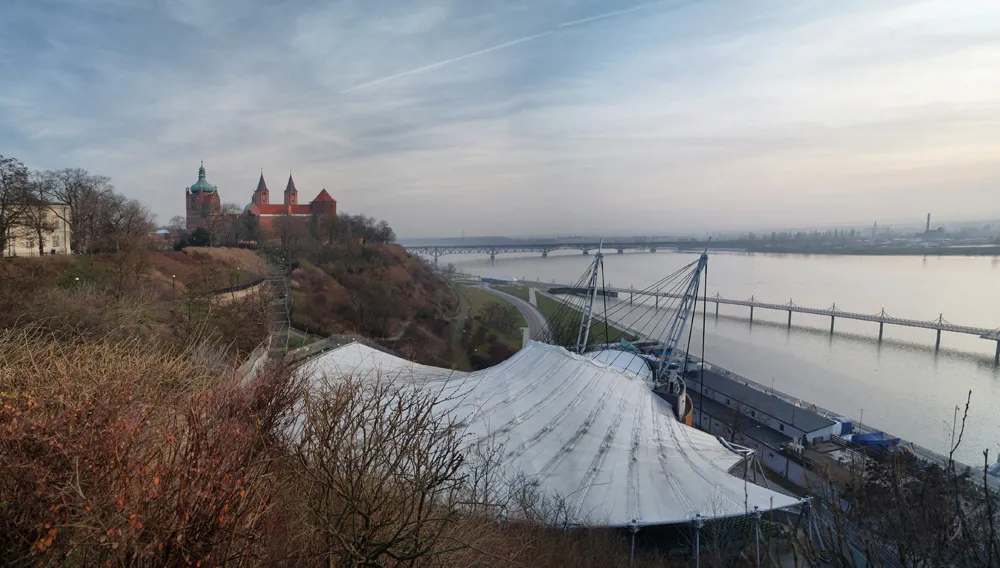
The main landmark of Płock today is the Basilica, or Cathedral of Our Lady of Masovia, which was built in 1144 by Bishop Alexander of Malonne. It was extended many times, but still preserved some Romanesque features in its architecture. The Basilica has the Royal Chapel, which holds the sarcophagus of two Polish princes, Władysław I Herman and Bolesław III Wrymouth.
Next to the cathedral stands a 14th-century princely castle, which in the 16th century was rebuilt into a Benedictine abbey. The castle’s walls and two Gothic towers survive: the Noble Tower and the Clock Tower. The former abbey now houses the Diocesan Museum.
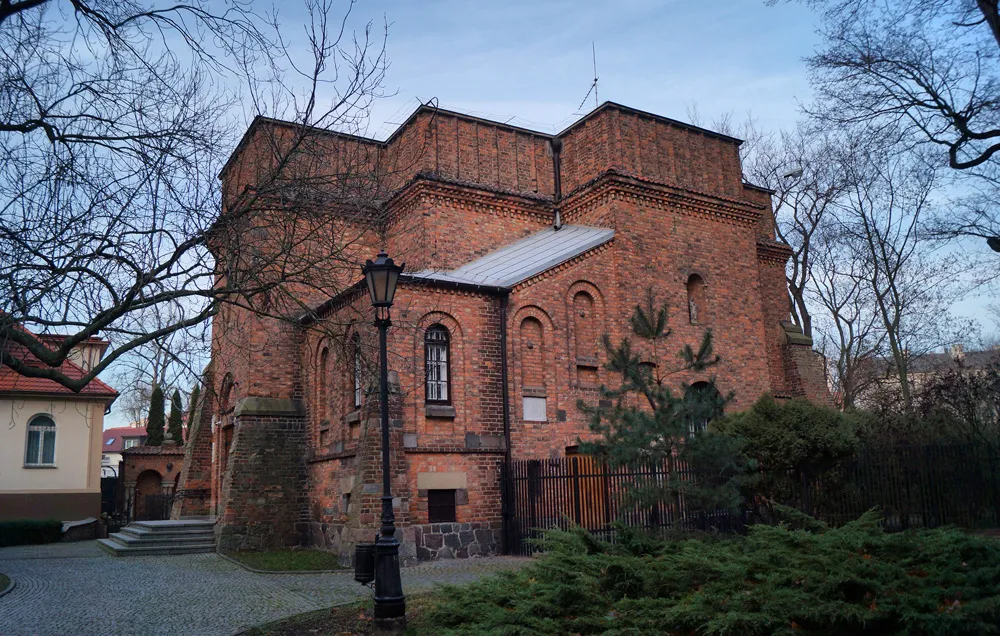
Another shrine and tourist site is the Sanctuary of Divine Mercy, built in 1911–1914 on the spot where the image of Jesus Christ appeared to Faustina Kowalska. Here is what Wikipedia says:
Here Kowalska reported her first vision of the image of Divine Mercy. [1] According to Kowalska, Jesus told her: Paint an image according to the pattern you see, with the signature: Jesus, I trust in You. I desire that this image be venerated, first in your chapel, and then throughout the world. I promise that the soul that will venerate this image will not perish.
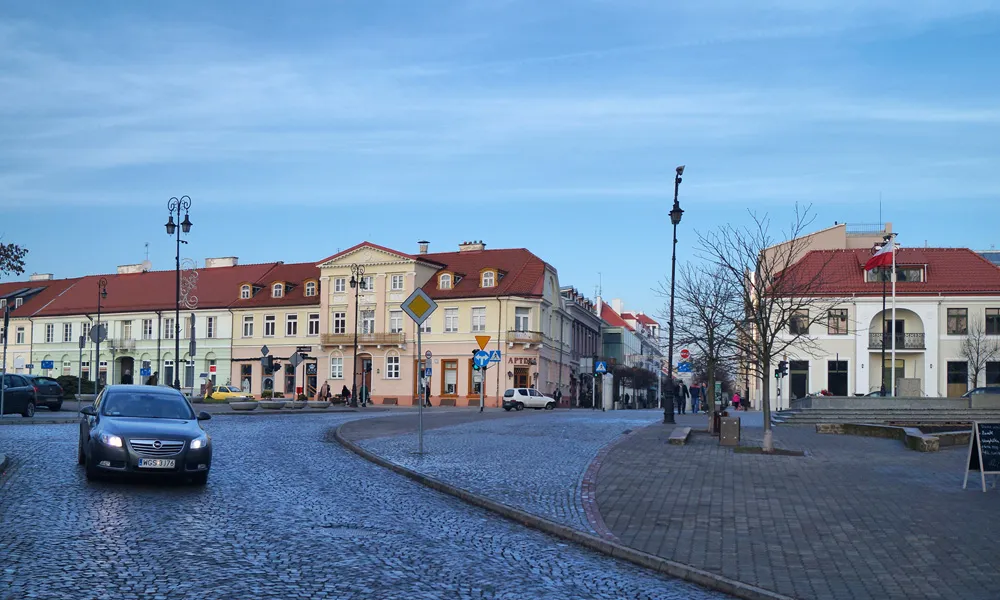
The chapel is on Old Market Square. In 2009 work began on expanding the shrine into a larger church.
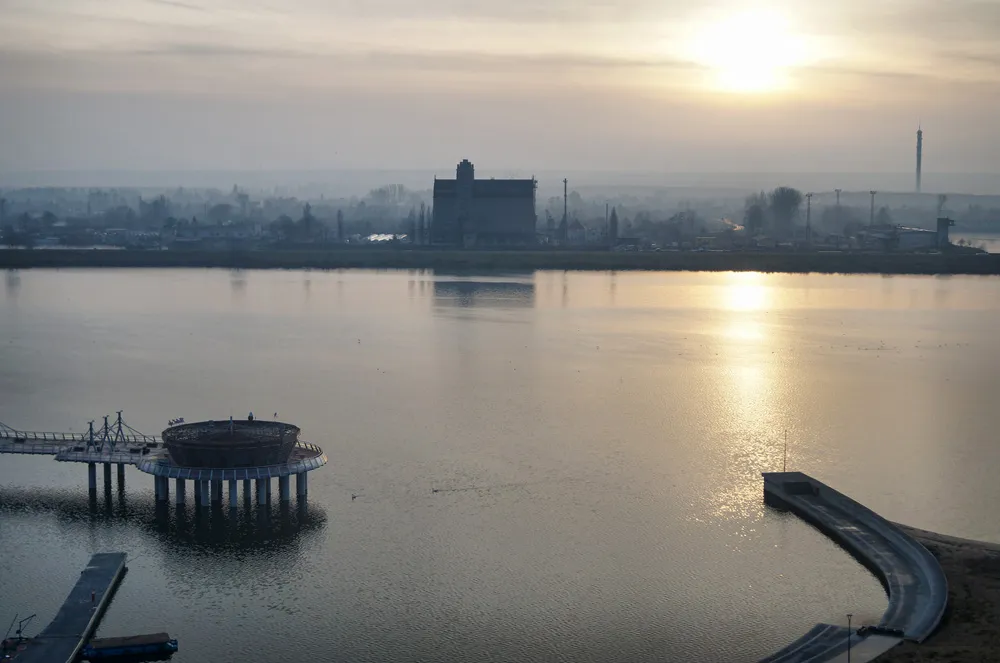
Opposite the castle and the Basilica, on the other bank of the Vistula, stands a gigantic grain elevator that looks like a castle. Of course it is not a tourist attraction, but it is a very colourful building.
Text and photos by Roman Malenkov.
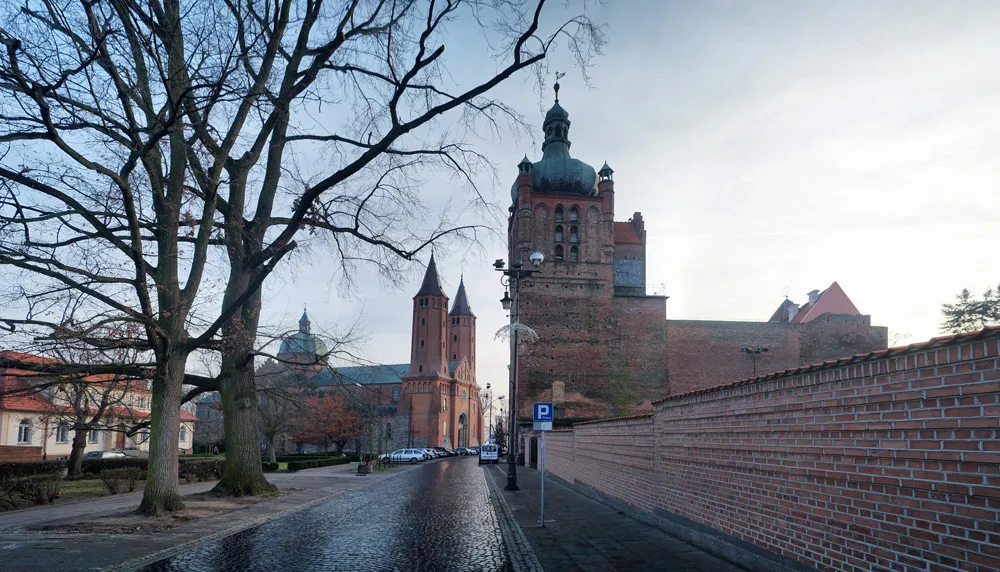
The castle and the Basilica
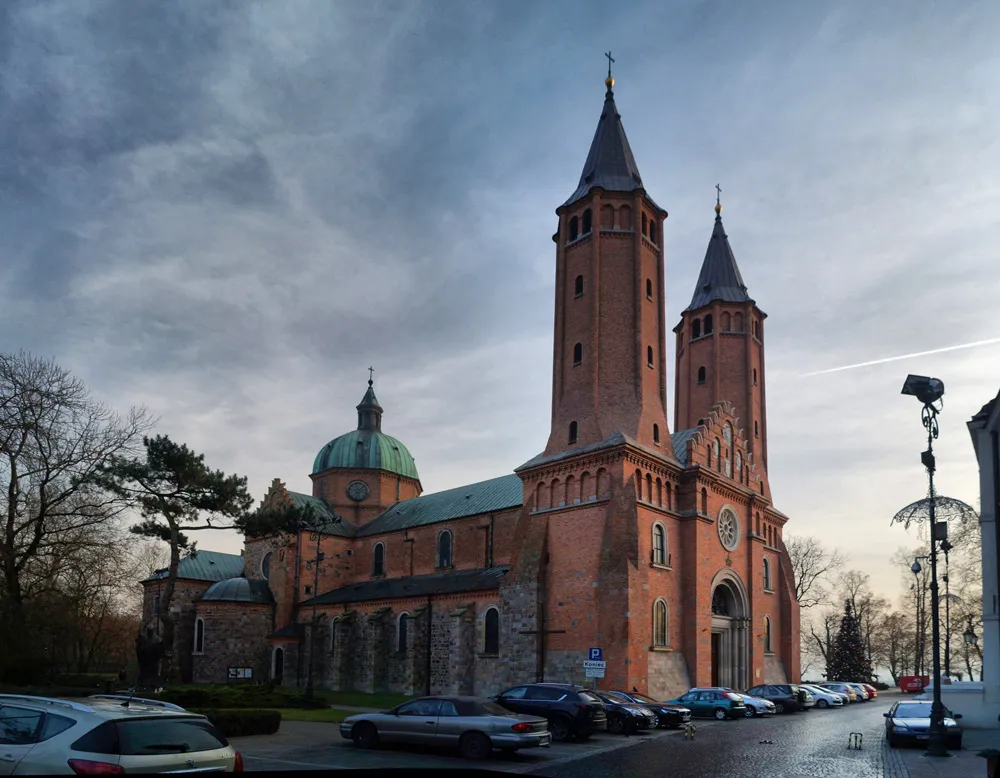
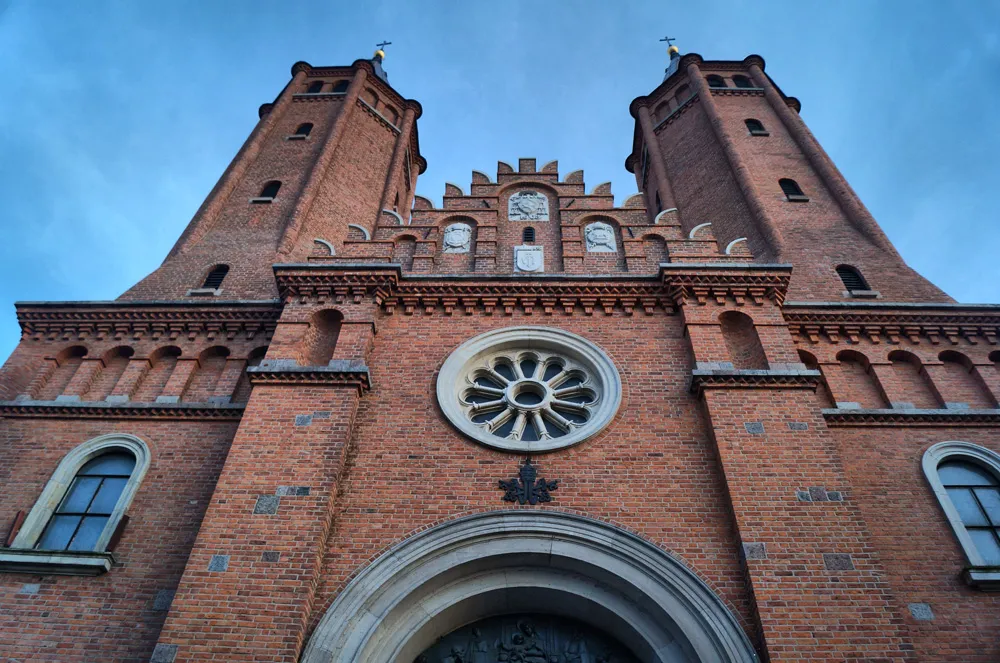
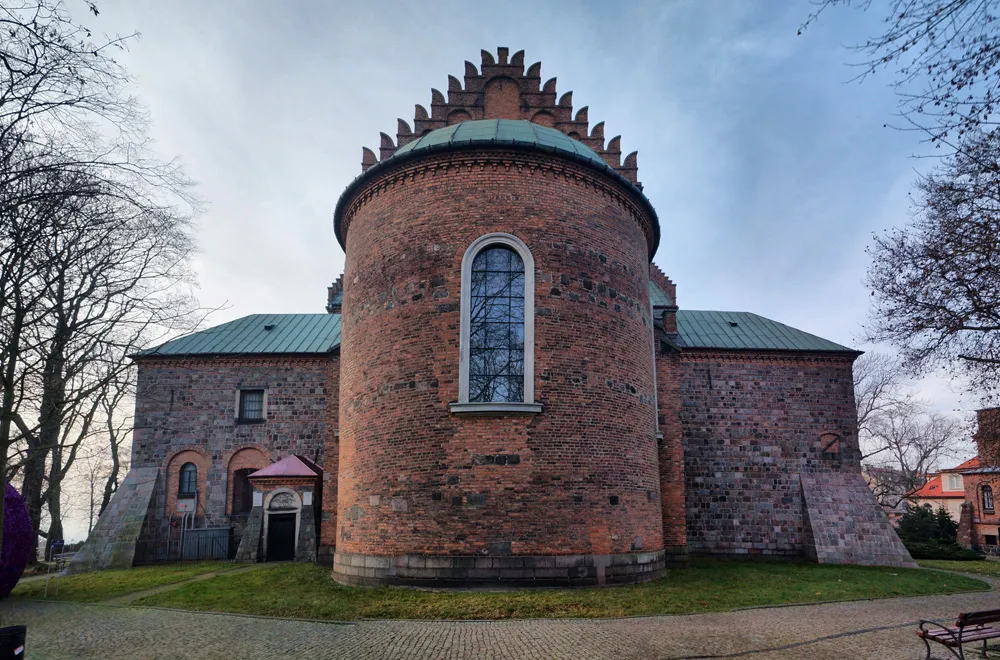
The Basilica of Our Lady of Masovia