Prybuzhia. Martynovskyi palace

· 4 min read
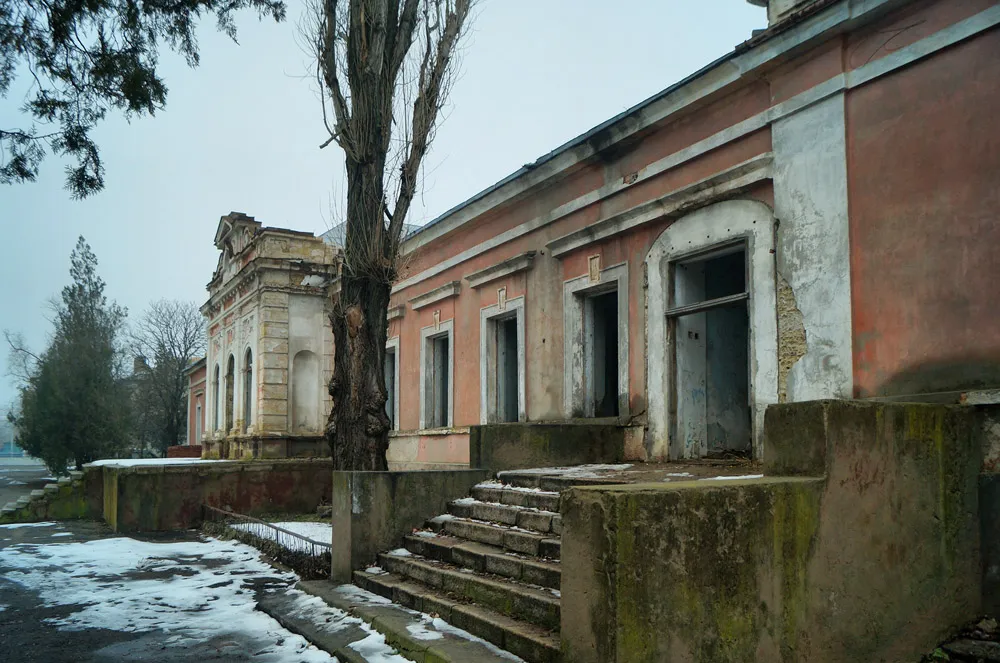
During an expedition to the Mykolaiv region, held with the support of Lexus, we visited the village of Prybuzhia. In the centre of the village, near a church built at the end of the 19th century, stand the ruins of the palace of the local landowners, the Martynovskyis. The ruins are terrible: inside everything is wrecked and collapsed. The palace needs urgent rescue.
Local residents told us that in the 1990s the palace housed a “badega”, a drinking den. This caused arguments in the comments: enthusiasts who study the history of the village proved to us that there was never a badega in the palace, but that it was next to the palace. This is important, very important… Or maybe not? Perhaps, looking at a beauty that is about to fall, it no longer matters whether there was a badega in it. And nearby are even more terrible ruins of outbuildings and cellars, diligently wrecked and plundered, probably by the villagers themselves, who do not care at all whether the village was once called Ak-Mechet or Akmechetka, since under either name it was the property of the Ottoman Empire, and it was not “the Cossacks who drove the Turks out of here” but the Russian Empire that occupied Turkish lands…
We have certain ideas about saving Ukrainian heritage, but cannot tell more now or show our cards. And we do not want arguments about “was there a badega or not”, because as long as there are arguments, nothing will be left of the palaces.
Text and photos by Roman Malenkov.
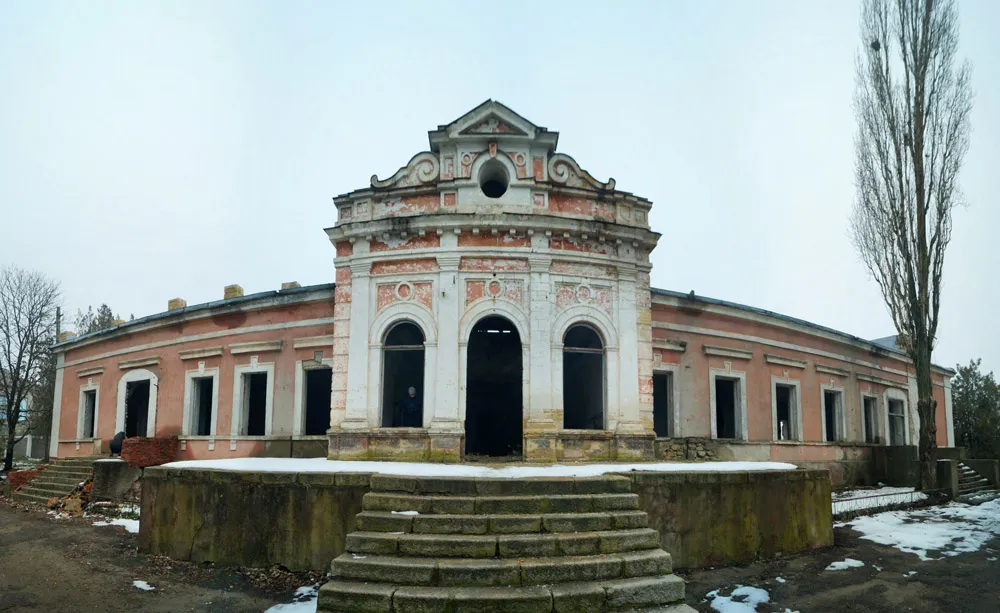
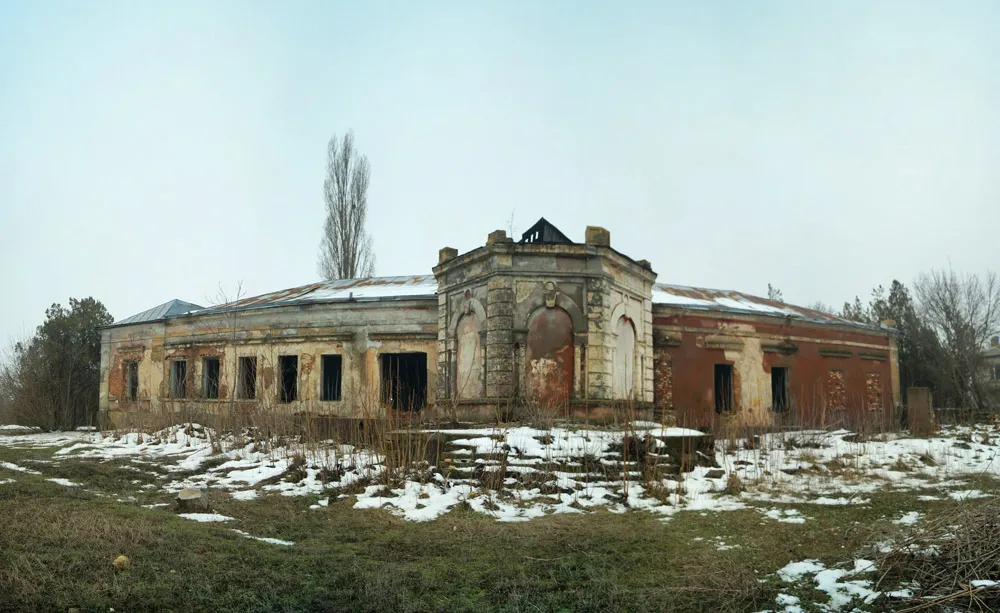
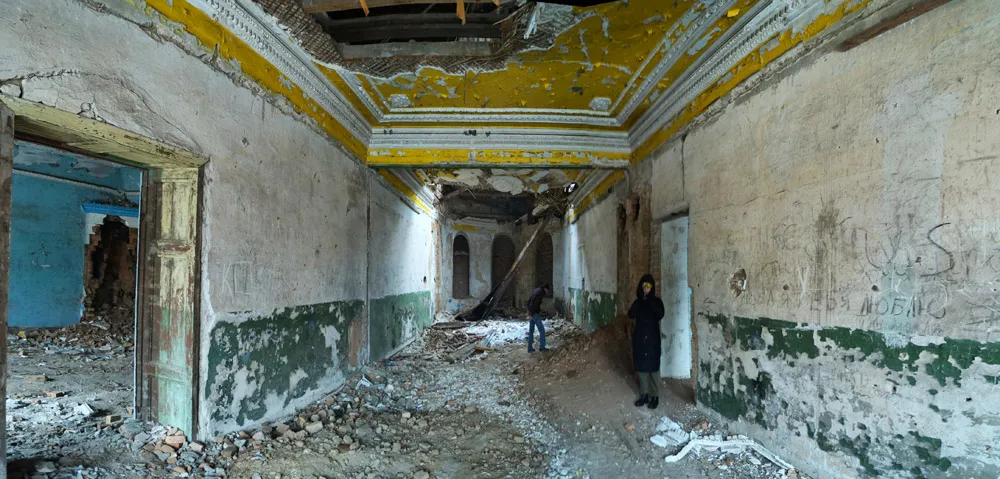
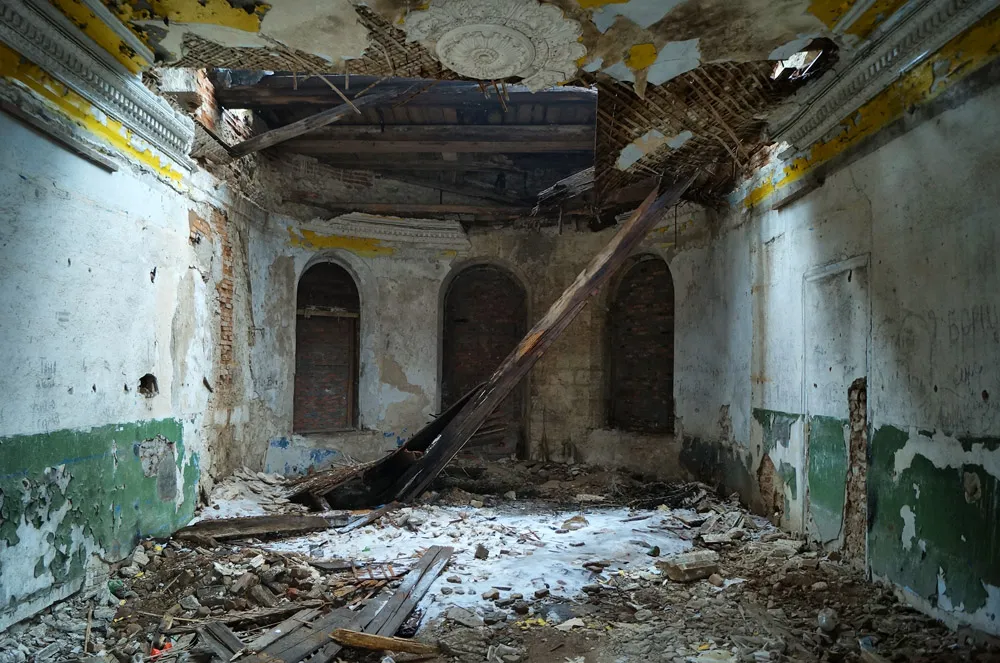
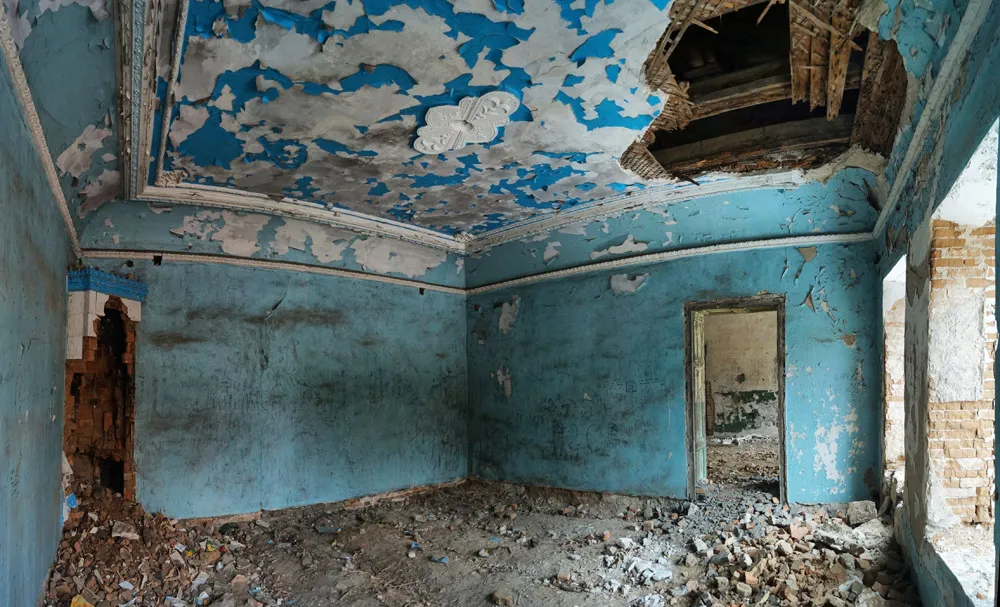
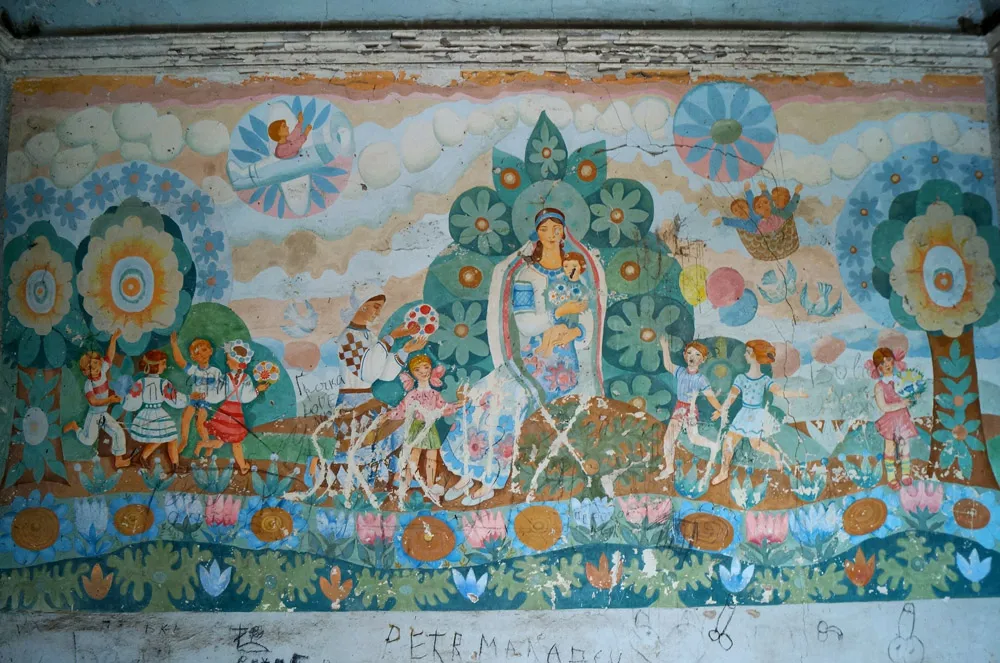
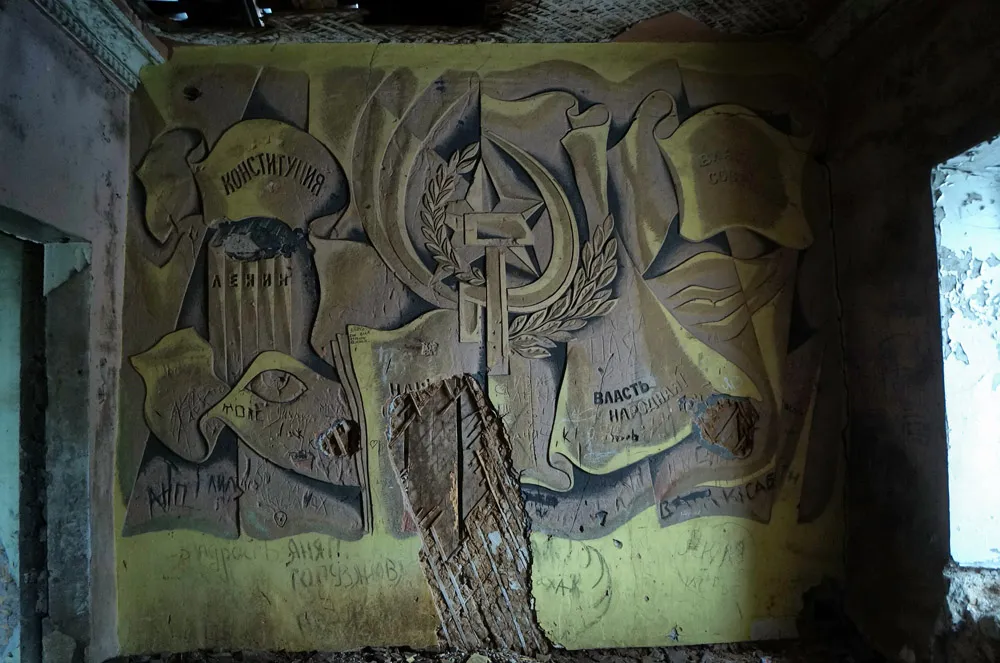
Martynovskyi palace
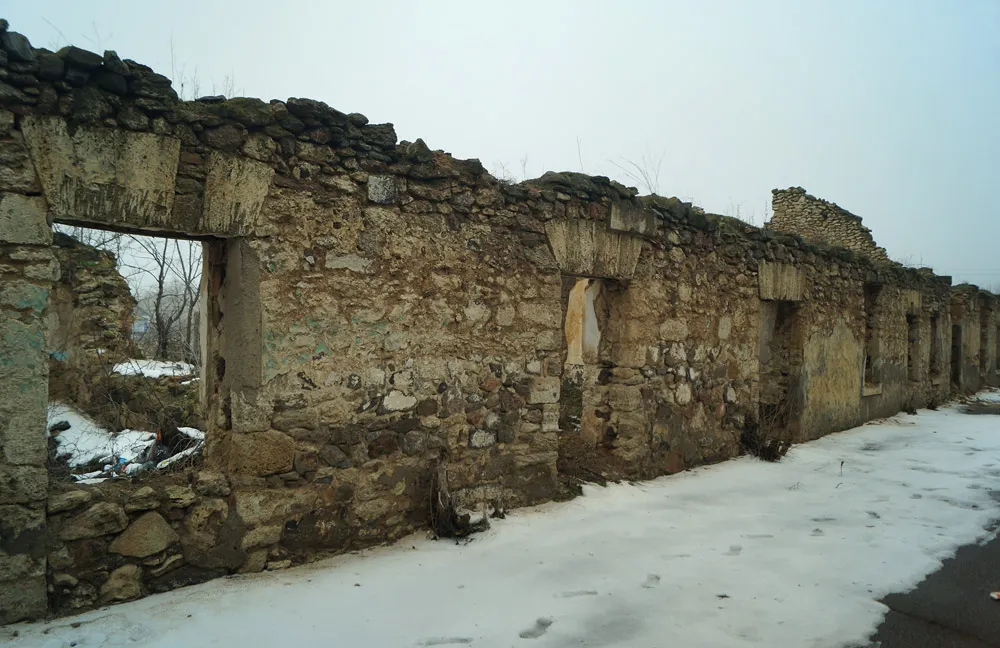
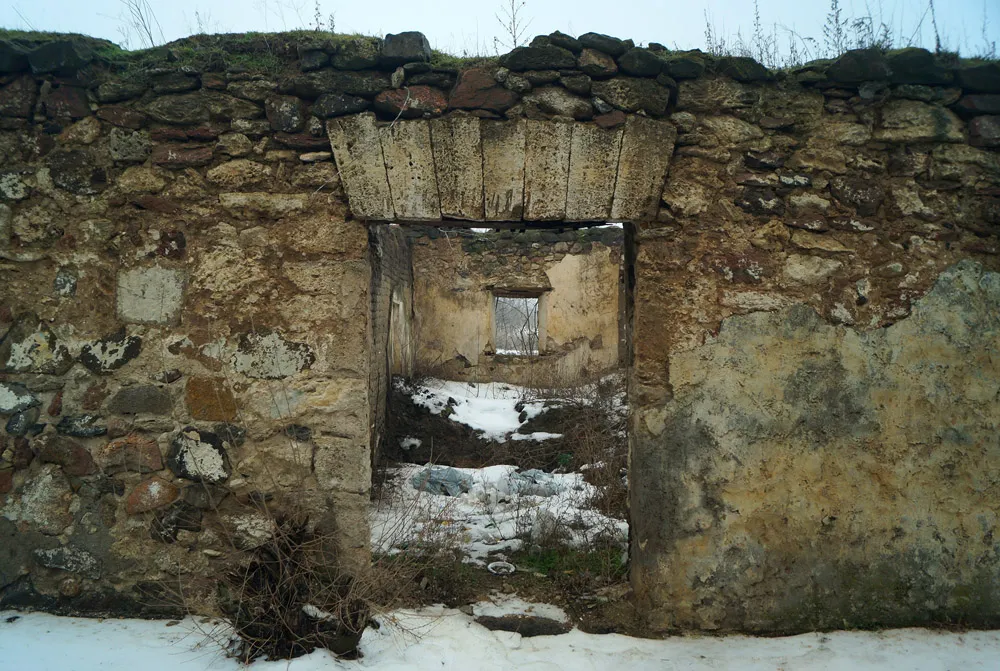
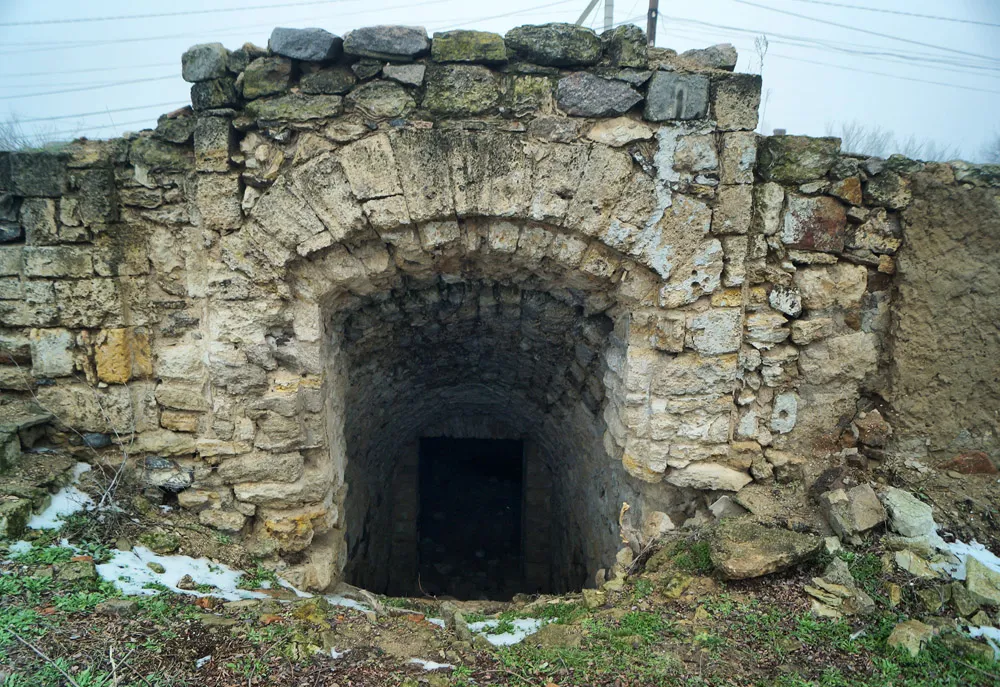
Remains of the outbuildings of the Martynovskyi estate.
Below are some comments from our Facebook page.
“In 1991 there was a registry office, my husband and I got married there, it was very beautiful and clean, there were no badegas.”“When I was still at school, the manor was in a more or less decent state, the outbuildings housed school workshops, and there was a beautiful park. They told us about the history of the village, and we had heard about Akmechet, but everything was treated as useless. Because the Soviet authorities had driven out the landowners, and they had oppressed the people. At that time the church was a school storehouse, where old desks and all sorts of junk were kept. When we were first brought there to carry out old desks, I was amazed by the painting that had survived. On the grounds of the estate there was a scrap metal depot, the whole school brought scrap there, and there were competitions over who would collect more. As far as I remember, clubs also worked in the manor itself. And then everything went topsy-turvy. But what struck me most was that the residents themselves are so indifferent to their own history. To know what is yours you do not need much money, just the desire.”
“This amazing manor housed an orphanage, where my father spent his childhood years. Then there was a school, where my brother and I studied, and in later years a wonderful house of children’s creativity. My children attended a choreography club, and my sister taught children the art of drawing. There were many creative clubs. Life in this building was interesting. Until the years of ruin came. When the destruction of culture began. The authorities turned the premises into a grain warehouse. And the building for a cafe and discos stands nearby, in the former gym. That establishment thrives, it is more needed… Today almost everyone who destroyed and plundered this cultural monument is alive, but with a dead conscience.”
“Imagine, as late as 1991-1994 these were fully restored rooms, there was such beauty that girls studying at the music school (the manor housed a music school and a house of children’s creativity!!!) were breathless… And then right under the nose of the settlement council history was mocked. It is a shame and a disgrace!”
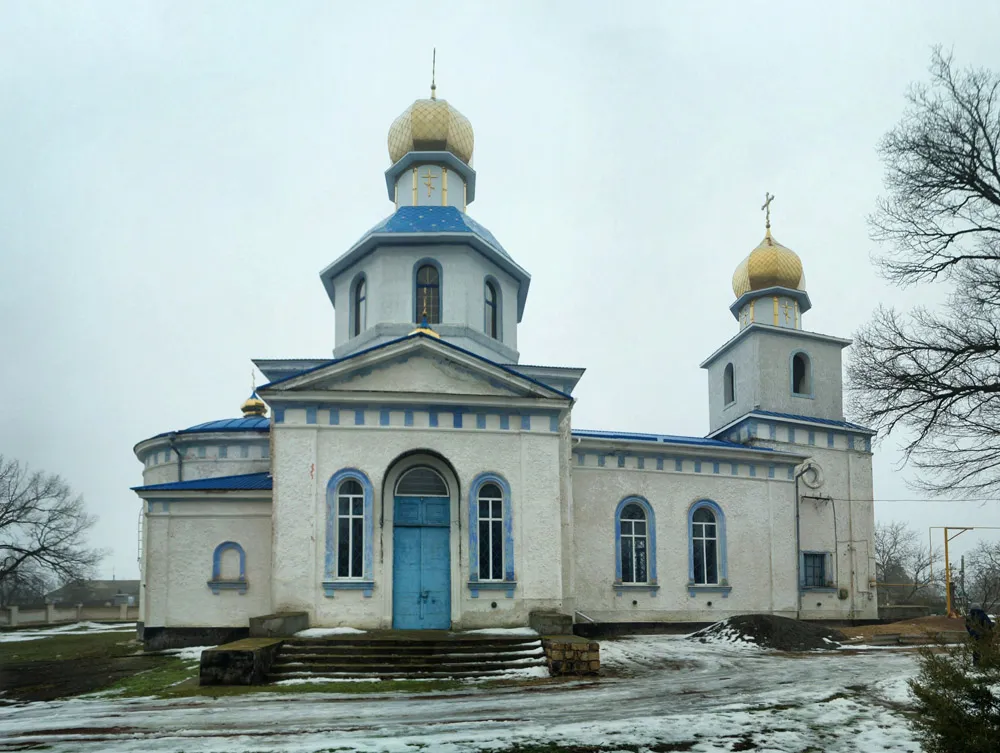
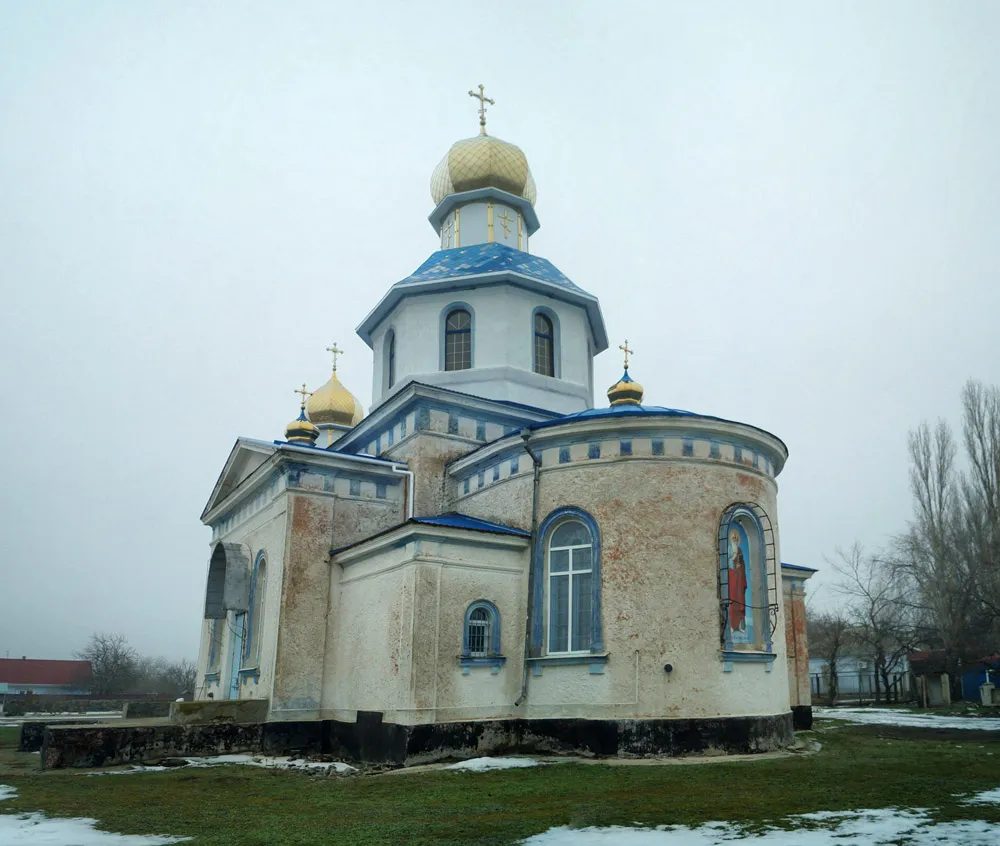
Church of St. John the Theologian
In 1798 a stone church was built at the expense of Major General Vasyl Vasylovych Kakhovskyi. In 1888 the widow of Lieutenant General Hanna Lvivna Chervinska built a new stone single-altar church.
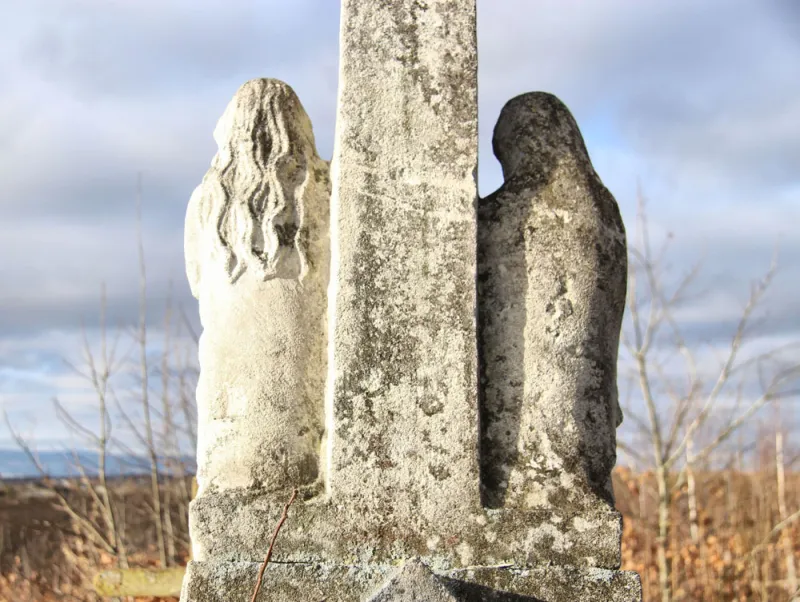
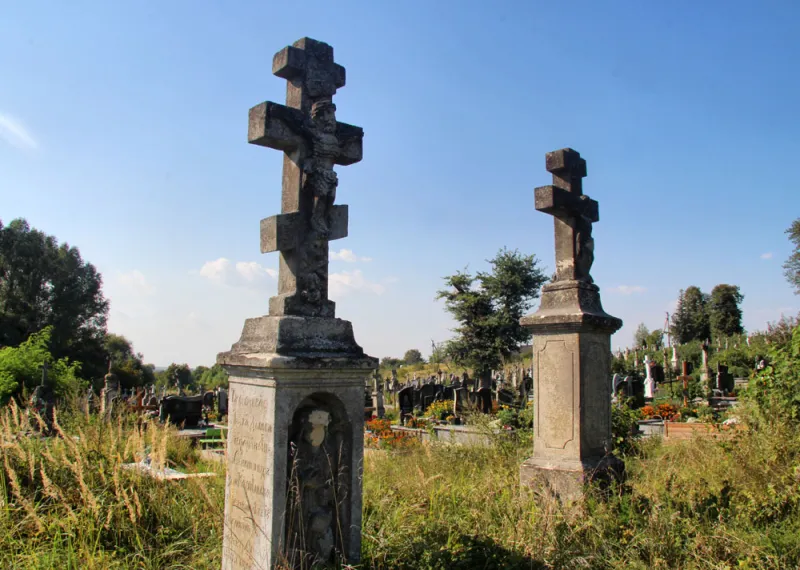
Also, Prybuzhia has an old cemetery. Here is about it