

The Hermit’s Wilderness, guarded by the Old Gods and one-eyed Odin
Our news story about the vandalising “improvement” of the Hermit’s Cave in the Medobory caused a huge response. Hence the need to tell the story of the monument itself.
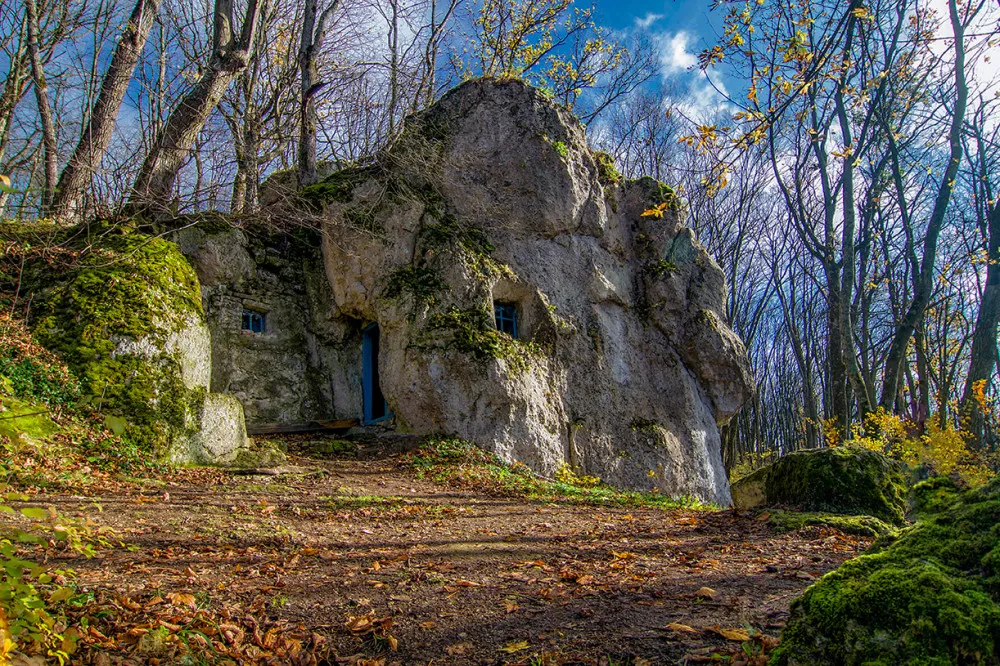
The Hermit’s Cave. Here and below, photos by Dmytro Poliukhovych
Prince Volodymyr the Great, Equal-to-the-Apostles, sincerely believed in the power of the Word, but in theological disputes he relied only on the sharpness of the sword. The pagan priests knew the fierce temper of Sviatoslav’s son, so after the famous mass bathing of the people of Kyiv in the Pochaina (some think the baptism took place in the Dnipro, but that is not so) they promptly bolted as far away as they could. As the poet said: “The magi fear not the mighty princes…”, but the gods look after those who look after themselves, and so Perun, as well as Svitovyd, Dazhboh, Stryboh, Lada and all the other Gods kept watch.
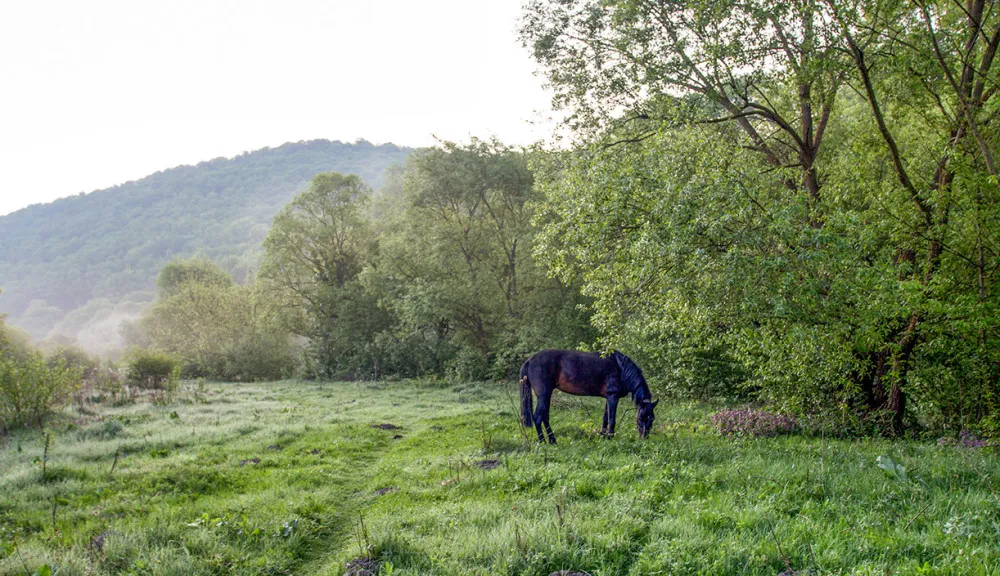
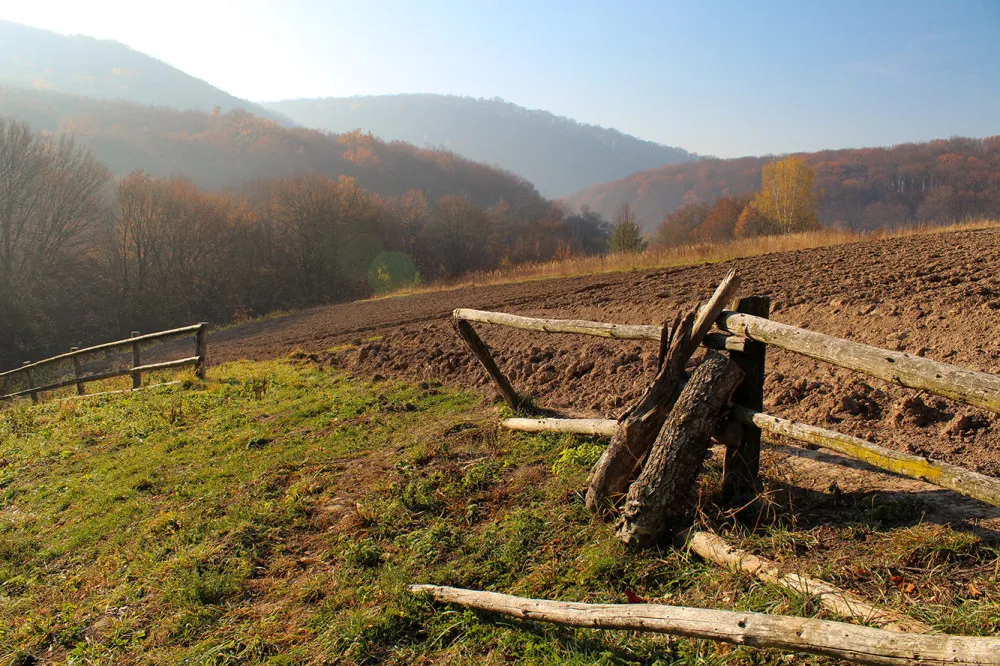
The Tovtry/Medobory above the Zbruch
The mountains beyond the Zbruch became a refuge for the servants of the old cult. A unique religious and political formation arose here, known as the “Zbruch Cult Centre” (ZCC). At least, this is the version once put forward by the noted Slavic historians Iryna Rusanova and Borys Tymoshchuk.
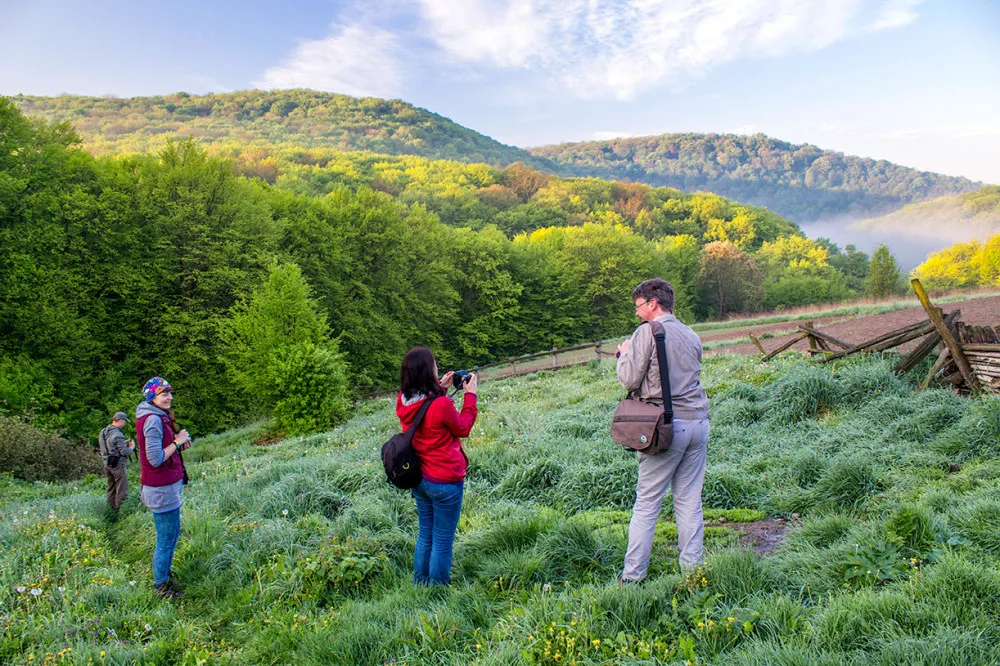
In popular literature this entity bears more colourful names: the “Pagan Vatican”, the “Republic of the Magi”, the “Pagan Athos” and so on. The core of the “Land of the Magi” was four sacred hillforts: Zvenyhorod, Bohyt and Hovda, which stood on the right bank of the Zbruch, and Ivankivtsi on the left. Besides them, there were countless smaller sanctuaries.
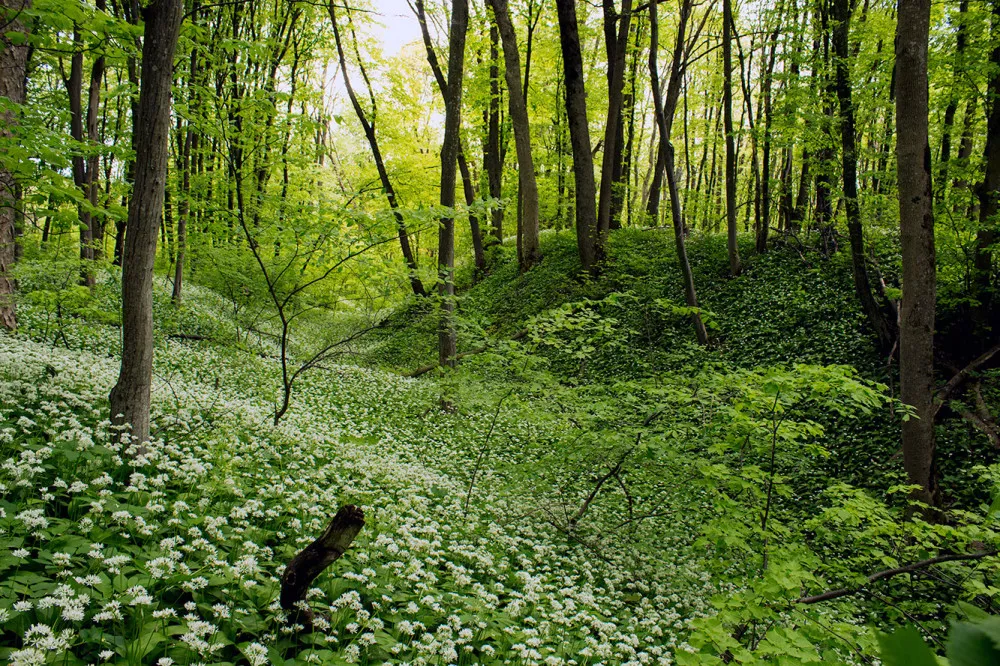
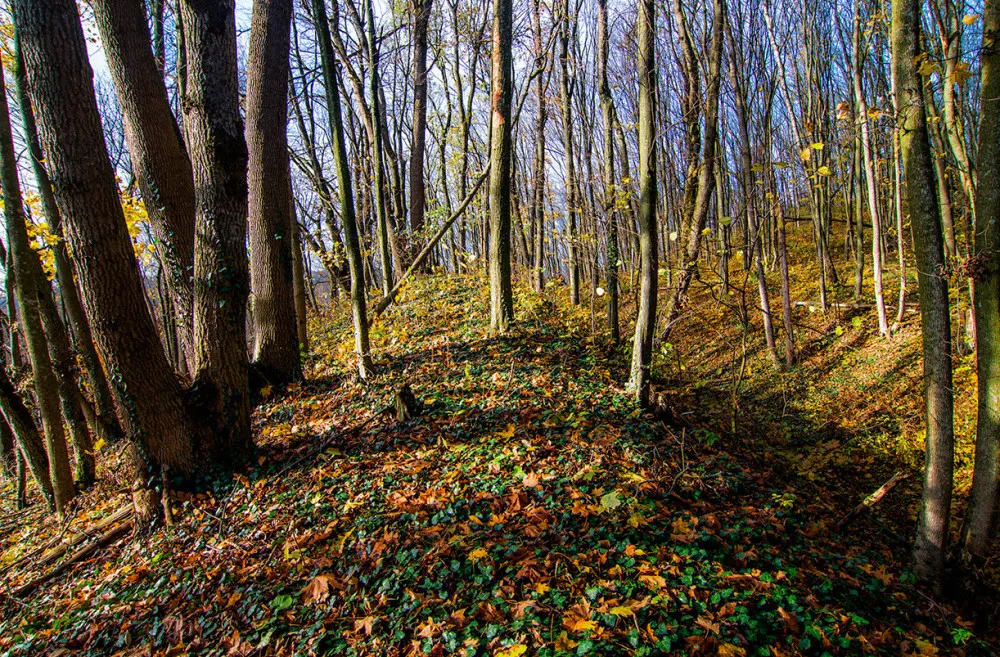
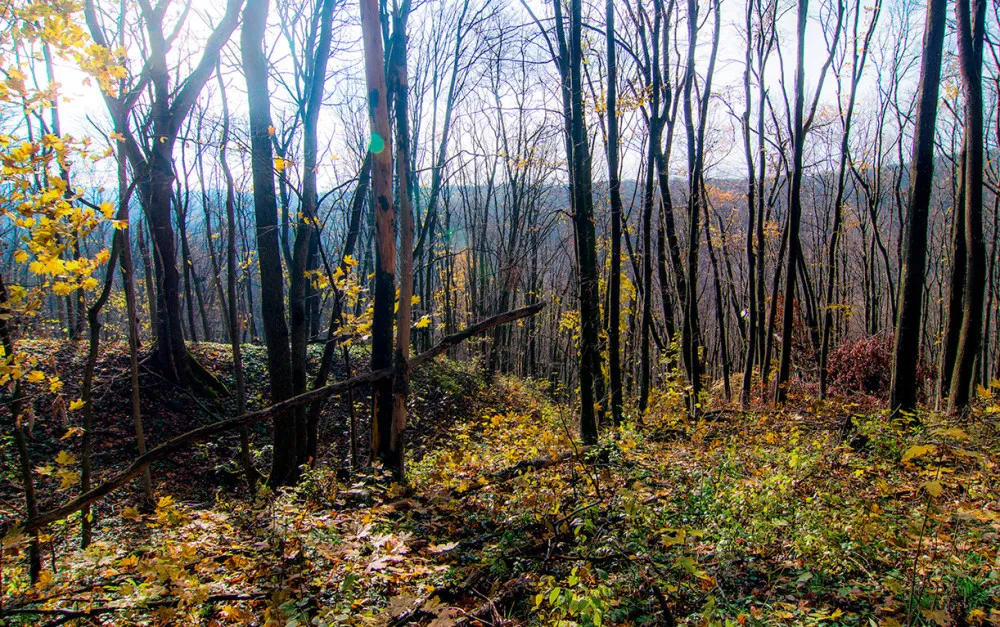
The ramparts of Zvenyhorod
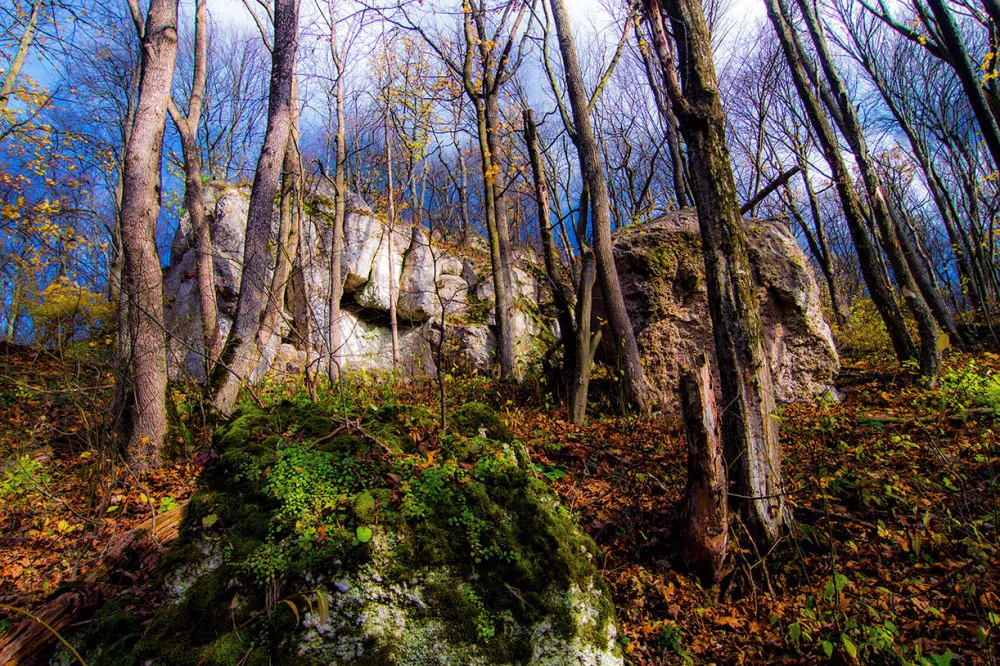
The most important and largest of them was Zvenyhorod. At its peak it was almost as large as contemporary Kyiv (though without the posad and Podil). The complex of pagan sanctuaries of Zvenyhorod included a small cave, now known as the “Hermit’s Cave”. It is located at the foot of a very picturesque rocky ridge at the very top of Zvenyhorod Hill.
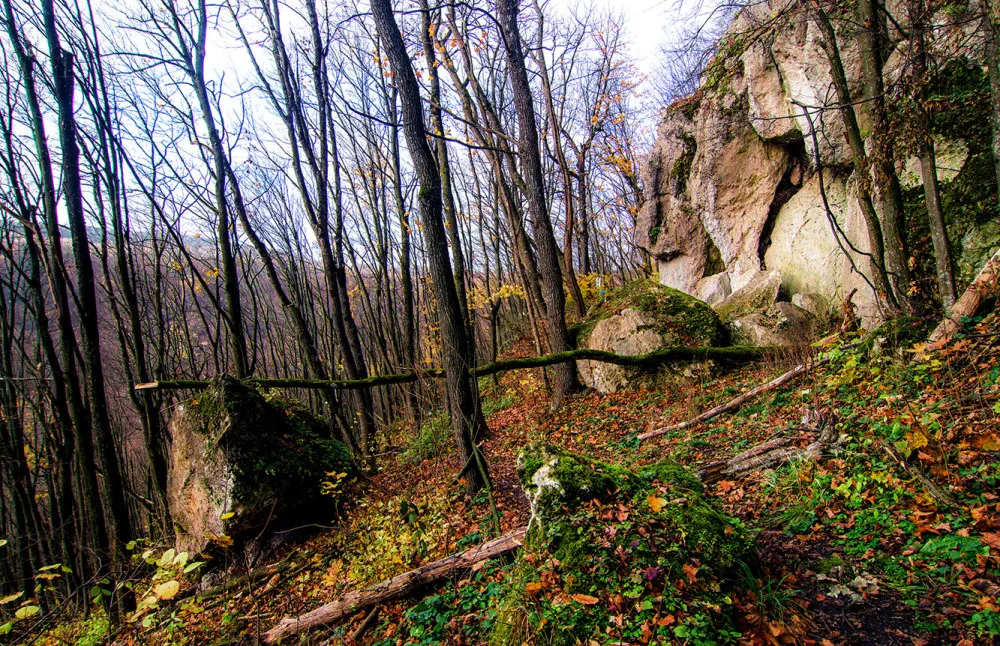
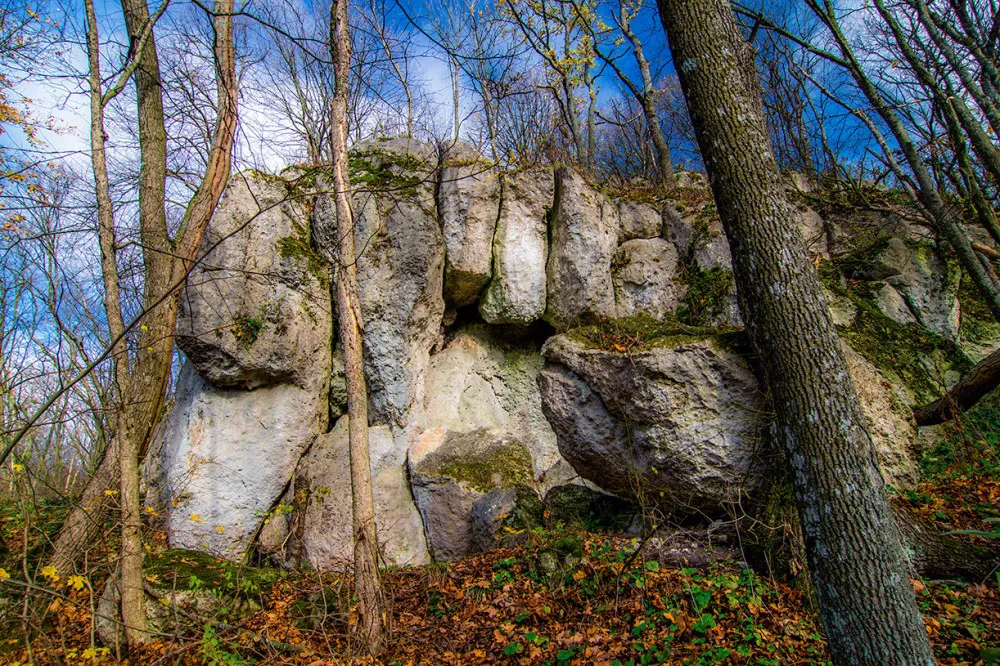
In popular literature the origin of the “Hermit’s Cave” is usually linked to some holy man who settled in these parts around the 1830s. He, supposedly, carved such a dwelling for himself out of the rocks.
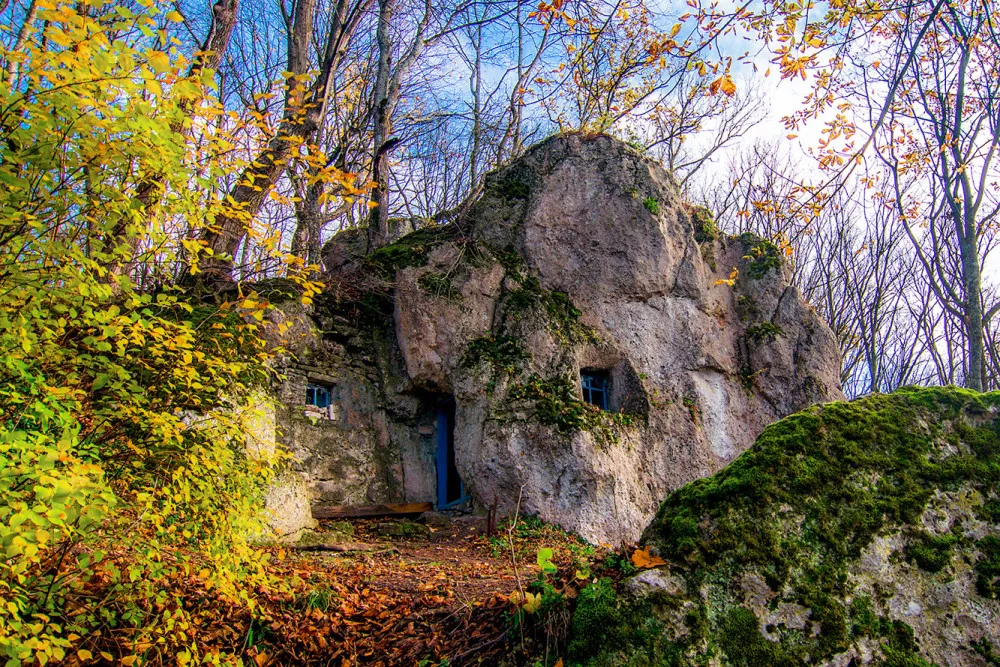
In fact, the genesis of this cave is far older and, quite probably, its history begins even before the pagan priests. Several signs point to this. In particular, the rocky ridge bears certain traces of human intervention. For example, the huge, multi-ton flat slabs, fitted tightly to one another and sticking out beneath the rock, are clearly not a natural formation but were set up by people. Besides, near the cave we see 2 dolmens.
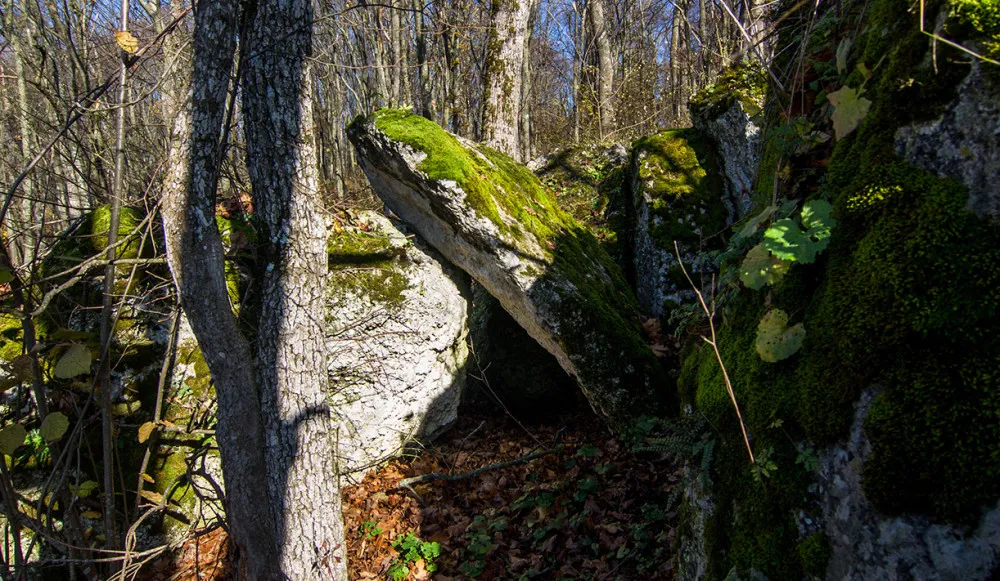
A destroyed dolmen (with its capstone thrown off) on top of the rock
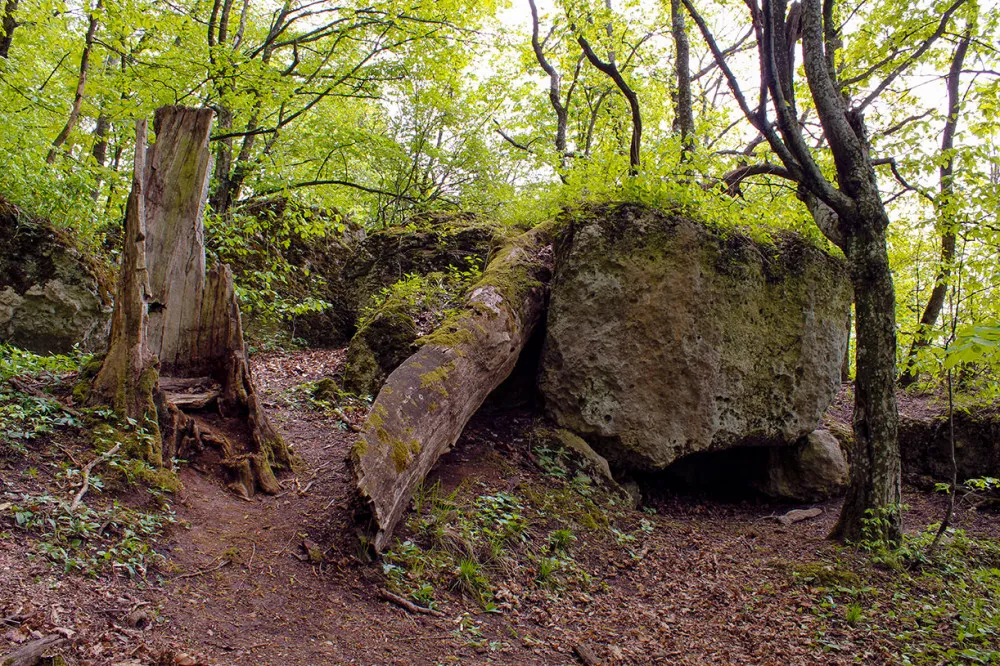
The dolmen near the cave
Note that such “playthings” with megaliths are not characteristic of Slavic paganism but belong to much earlier times, the Copper and Bronze Ages. In effect, the whole Zvenyhorod rock massif and the cave are probably a colossal semi-man-made megalithic structure.
The “first hermits” were evidently quite zealous in the struggle against the legacy of the Old Gods. Several formations on the rocks are visible that are traces of destroyed images. Besides, on top of the ridge loom the remains of a ruined dolmen. Throwing off the huge slab that covered it is no easy task, but they managed it.
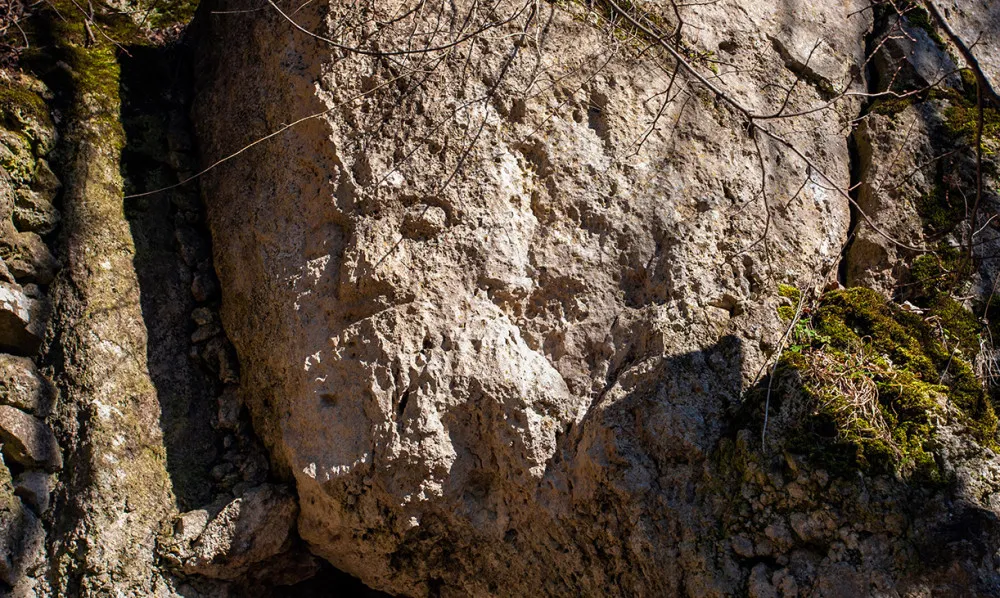
Of the bas-reliefs only a mask survives, carved above the entrance to the cave. One version holds that it dates from the time when the Goths lived here and that this is an image of Wotan (also known as Odin), god of wisdom and war. As we know from the sagas, he was one-eyed: Wotan-Odin sacrificed his second eye to drink from the spring of Mimir, which bestows wisdom. It is clearly visible that one eye on the mask is bulging, while the other is barely outlined. This is exactly how Odin was depicted on the rocks of Scandinavia.
According to another version, this is the work of already Christian hermits and what is depicted here is Christ or some Saint, most likely Onuphrius the Great. With a little imagination one can see long hair and a beard in the irregularities of the rock.
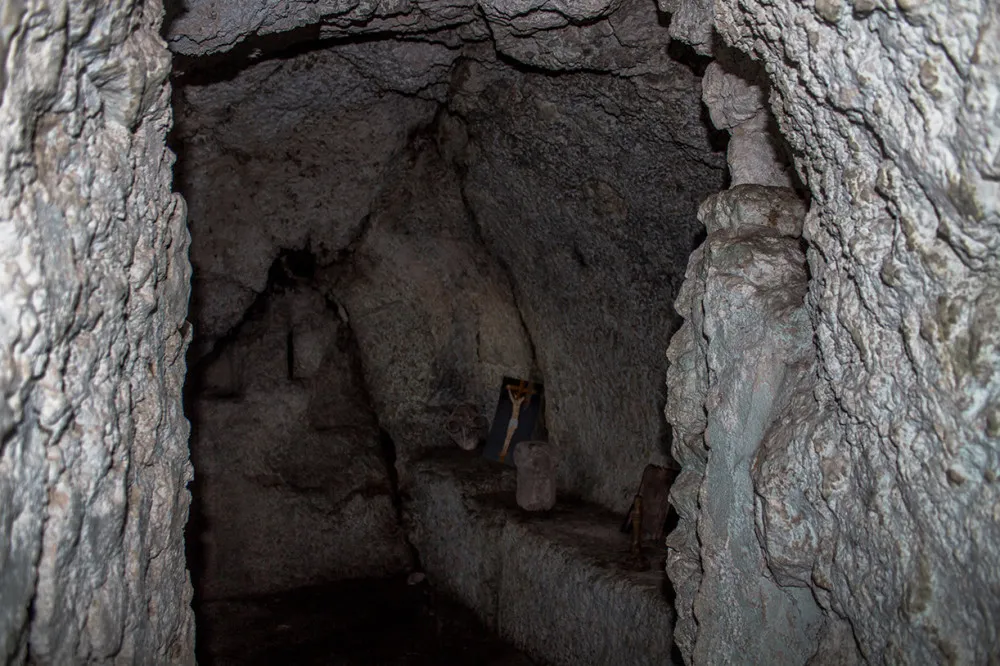
The living chamber with a sleeping slab
The cave consists of two cell-like chambers. One is for prayer, the other for living. In the prayer part a small chapel has been arranged today and simple icons set up. In the “living” part a stone sleeping slab has survived to this day.
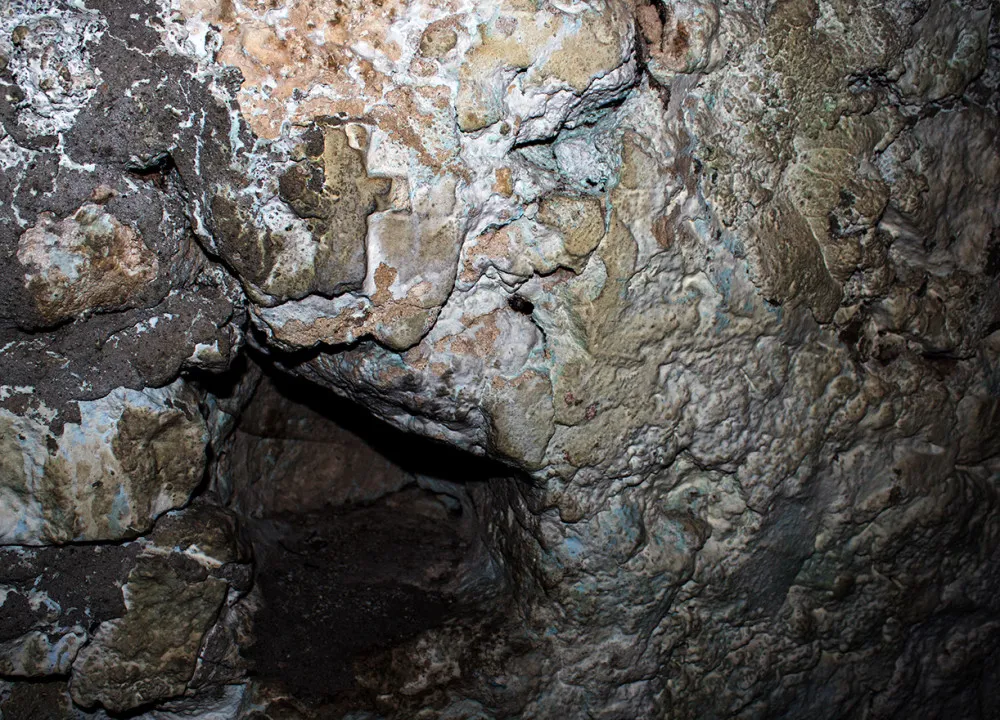
An archaic cross carved on the wall of the “prayer” part
The oldest part of the cave is the “living” one. Originally it was an open natural grotto-overhang, in which a pagan sanctuary may once have functioned. What is considered a sleeping slab today was most likely an altar. In time the natural crevice in the rock was widened into a cave, and the original grotto was separated from the outside world by a masonry wall.
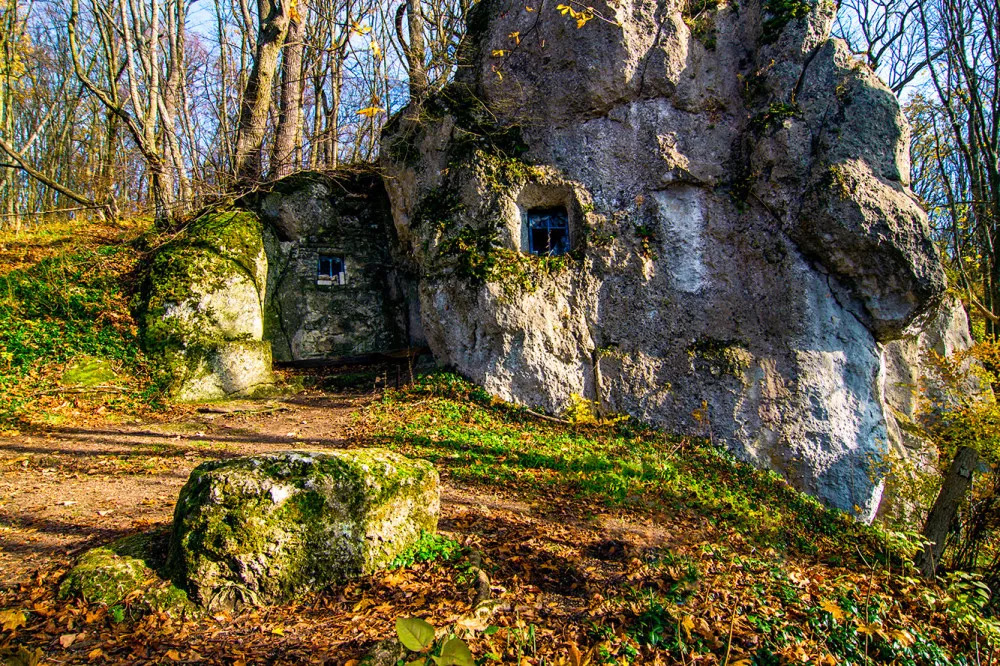
The sacrificial altar. It is also clearly visible that the “living” part is a once-open grotto-overhang separated by a wall
On the platform in front of the cave a large rectangular boulder catches the eye. This is one of the ancient altars that has survived from pre-Christian times. That hermits inhabited the Wilderness before the first third of the 19th century is vividly shown by the fragment of a figure of St. Onuphrius the Great standing in the “living” part of the cave.
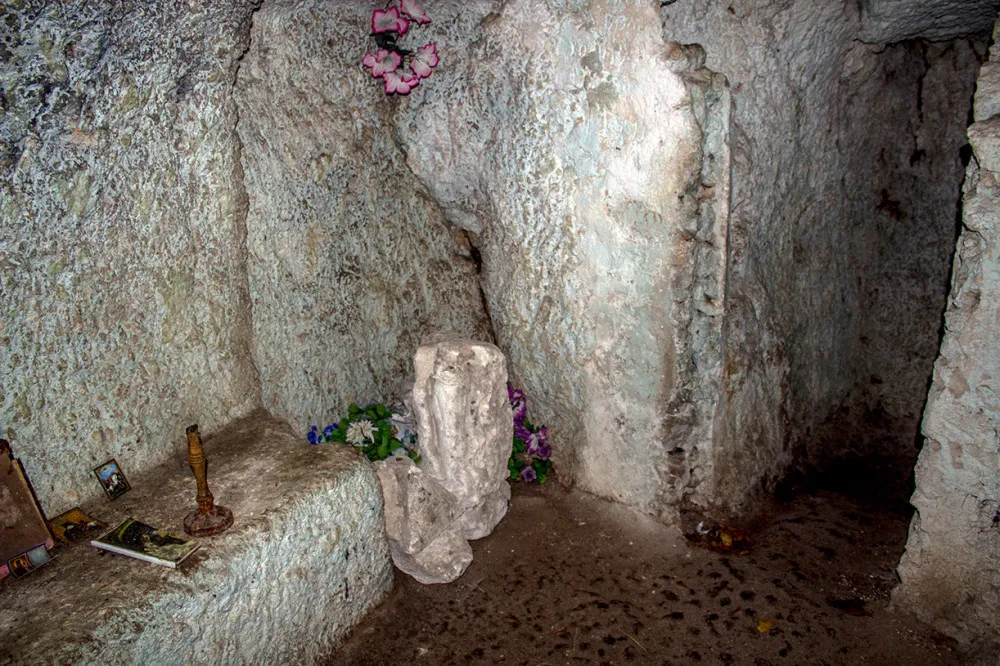
The lower part of the figure of St. Onuphrius and a fragment of a stone cross with the All-Seeing Eye.
St. Onuphrius the Great lived in the desert for 60 years and is considered the most authoritative Christian hermit (anchorite). It was he who in fact began the corresponding spiritual practice.
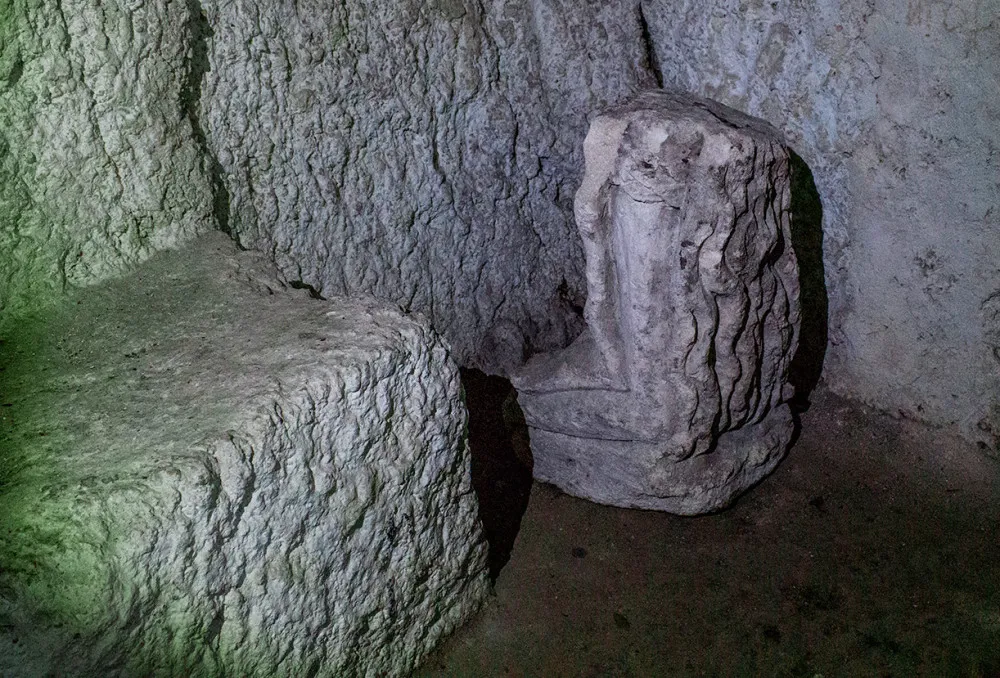
The Saint’s very long beard and his feet are clearly visible
Images of the saint were traditionally placed in caves and grottoes where people sought seclusion, wishing to repeat His spiritual feat.
Stylistically, the figure of the Zvenyhorod St. Onuphrius belongs to the 18th century at the earliest, perhaps even the 17th… But hermits settled here no earlier than the 16th century, when the practice of anchoritism, and accordingly the veneration of St. Onuphrius, began to spread widely across Podillia. In the case of the “Wilderness” we should speak of a whole series of Zvenyhorod hermits who succeeded one another over several centuries.
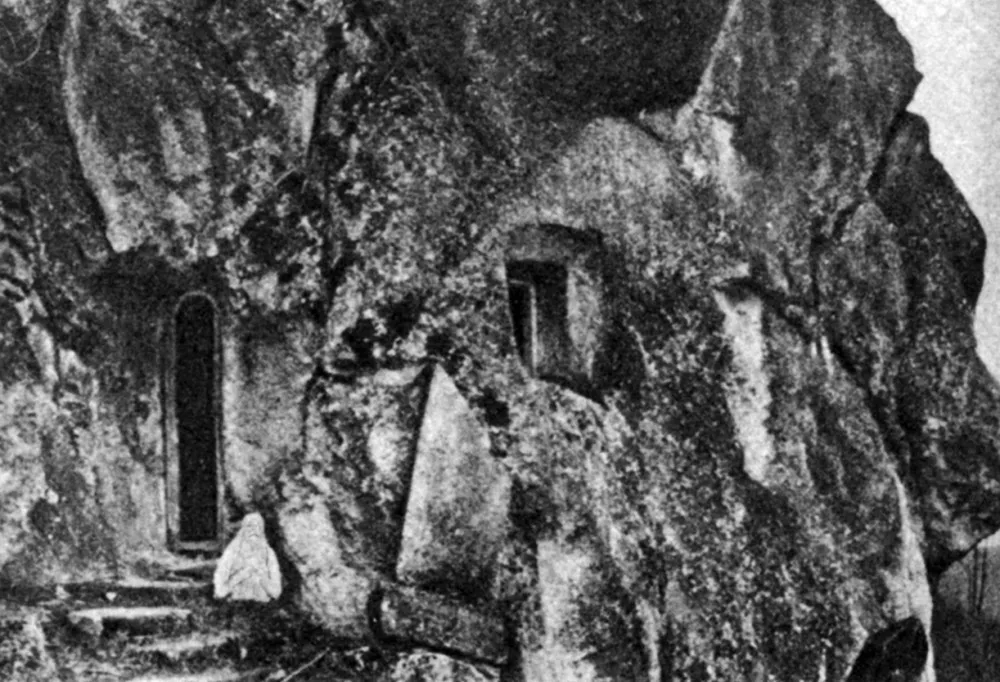
A photograph from the 1930s. Near the entrance the upper part of the figure of St. Onuphrius can be seen
As for their confessional affiliation, one may assume that the first hermits were most likely Orthodox, and later Greek Catholic. Several signs point to this. In particular, anchoritism is not characteristic of the Western Church in our lands. On the other hand, we have the remains of a sacred figure hewn from stone, which does not fit the Orthodox tradition but fits the Roman Catholic and Uniate ones very well indeed! In the cave itself there are numerous graffiti in Church Slavonic, Latin and Polish. The latter also points to the Uniate tradition.
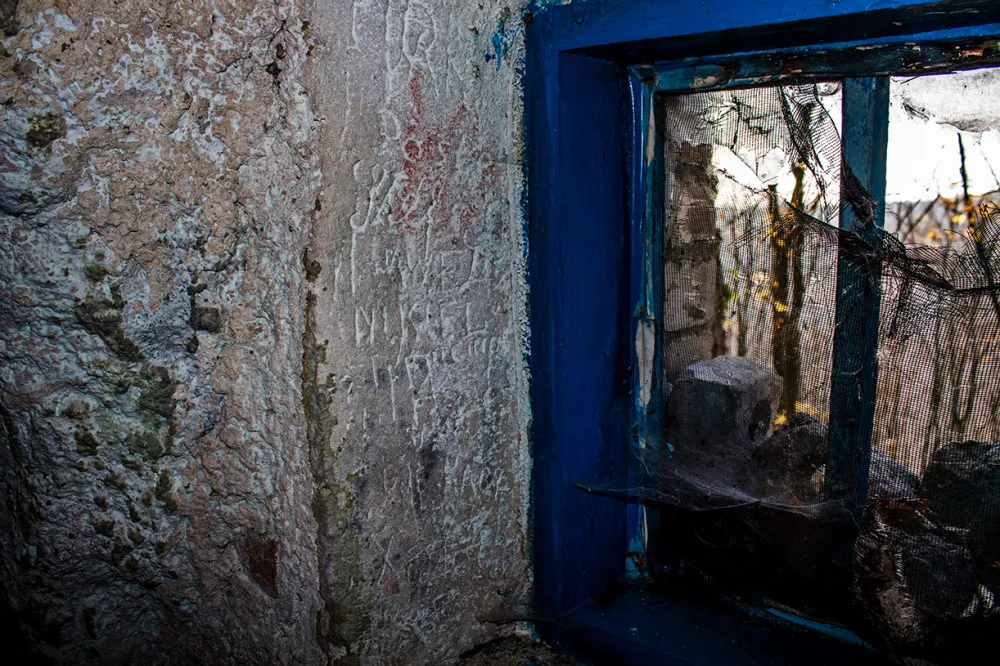
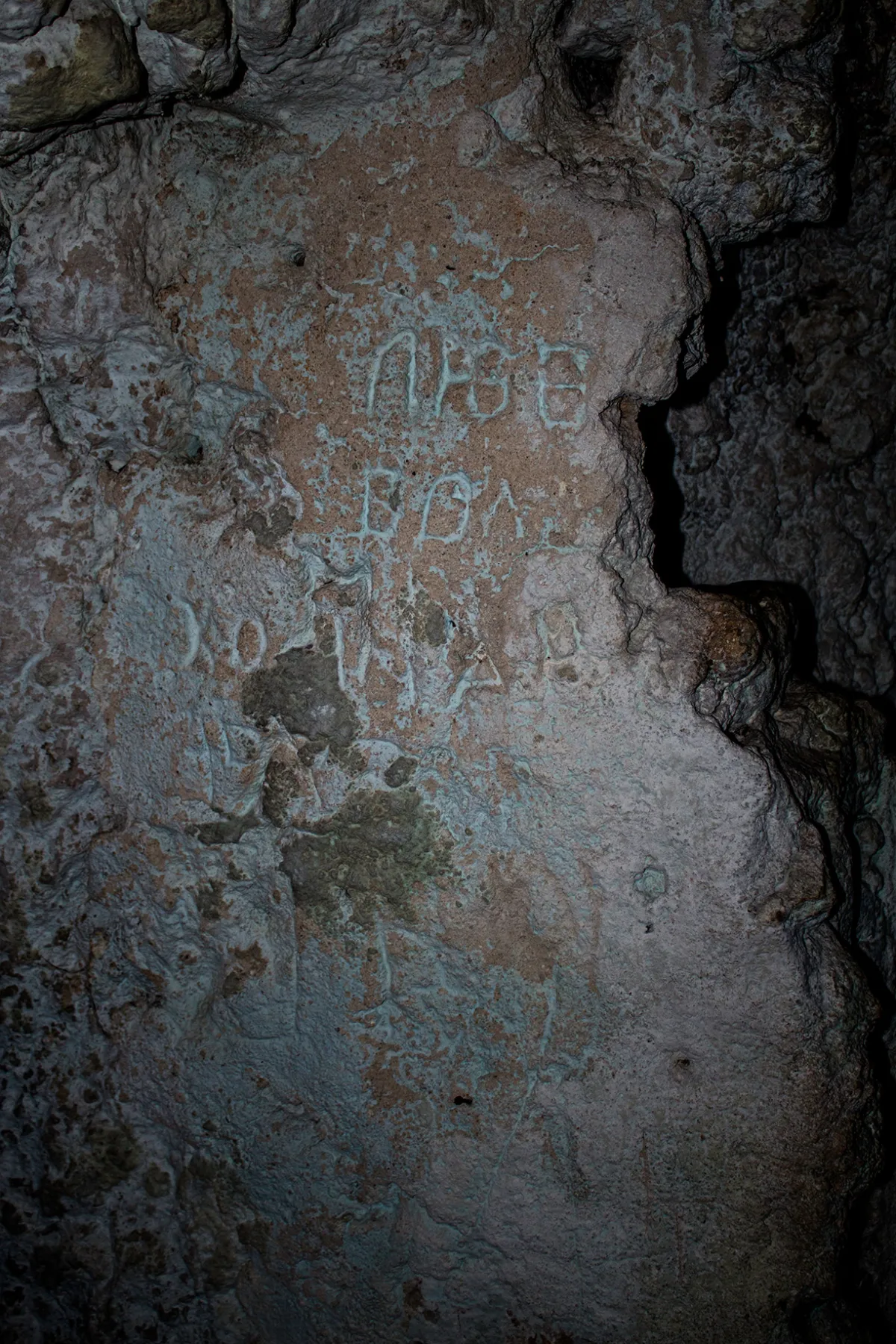
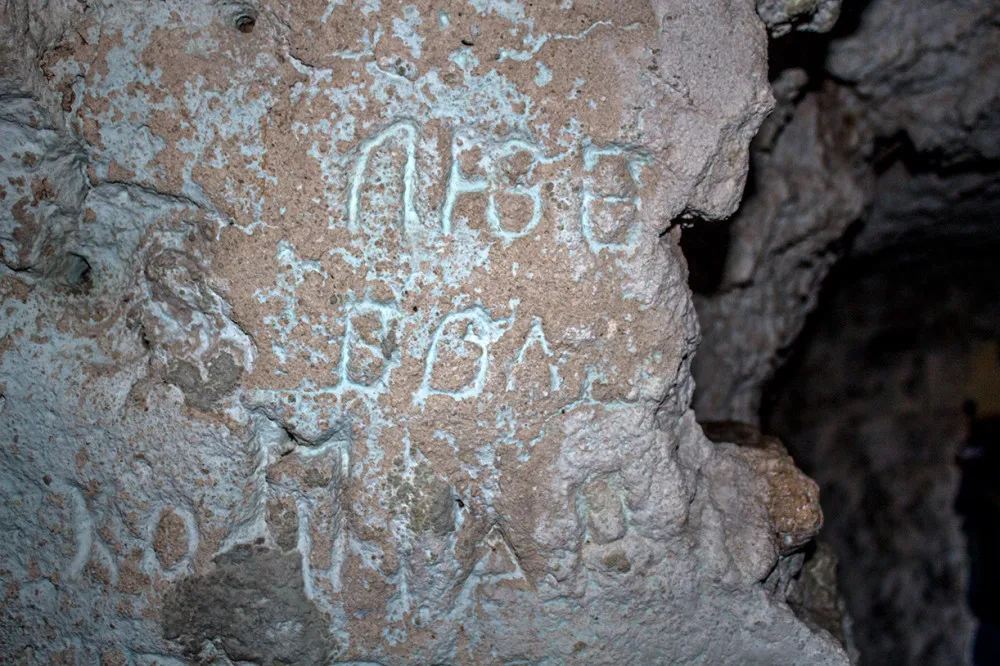
Cave graffiti
Anchoritism was widely practised by monks of the Greek Catholic Order of St. Basil the Great. In this context the local hermits, at least in the 18th century, had fairly close contacts with the neighbouring Satanivi Monastery, which at that time belonged to the Basilians. It cannot be ruled out that for a certain period the “dynasty of hermits” consisted of particularly devout monks of the monastery. The link between the caves and the Satanivi Trinity Monastery can also be traced in the fact that on Trinity Sunday the residents of the surrounding villages used to hold a large procession from the village of Kryntsyliv (Krutyliv) to the caves. True, from 1947 the Communists banned the procession.
According to the recollections of old-timers, the last Zvenyhorod hermit died tragically in August 1914 from the bullet of a Russian soldier. According to other accounts, he died of old age sometime in the early 1920s.
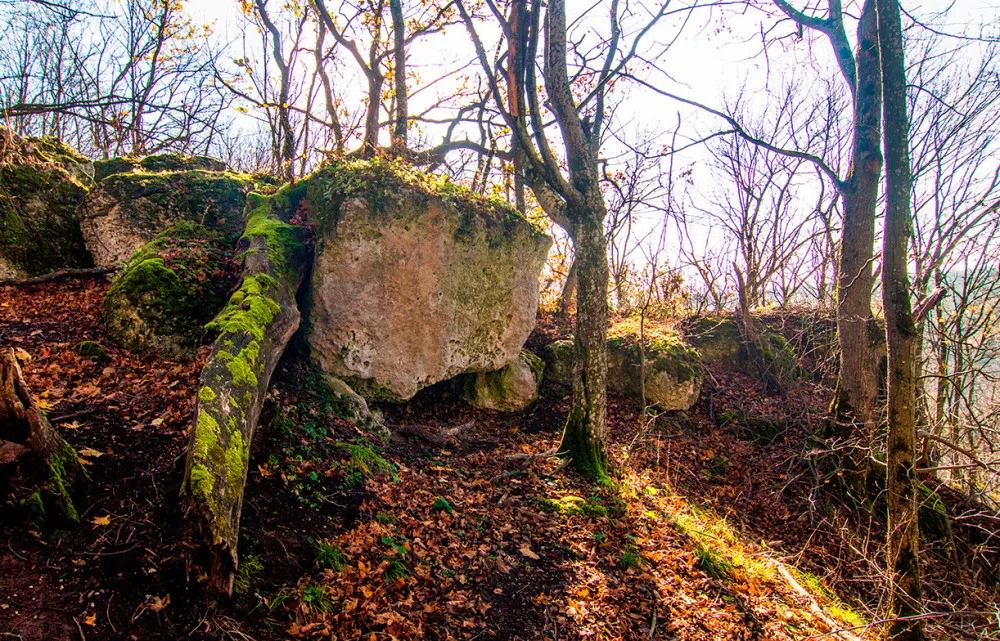
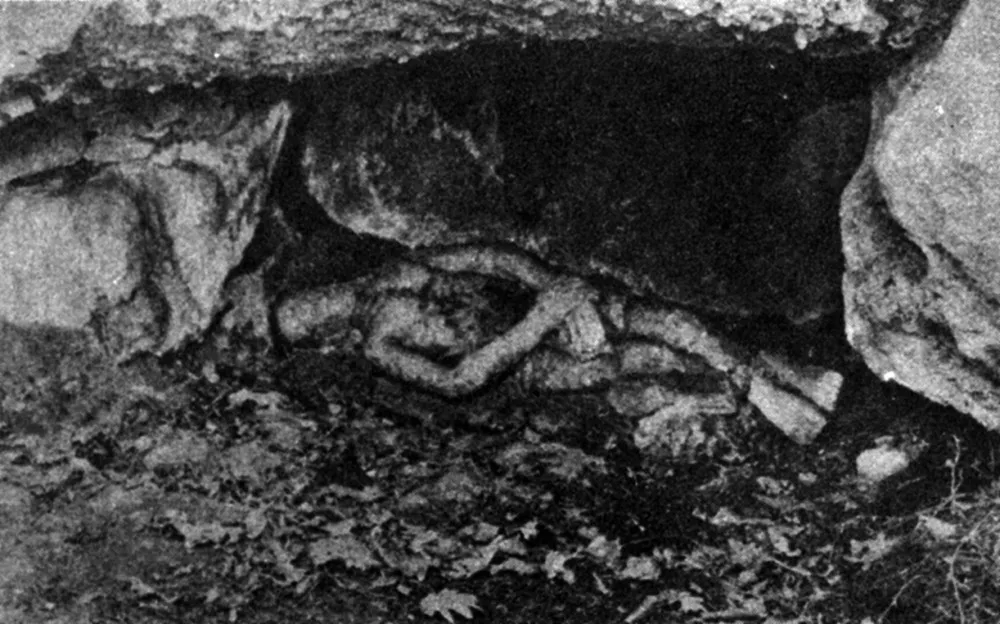
St. Onuphrius was not the only sacred figure that adorned the “Hermit’s Wilderness”. In particular, a sculpture of “Jesus in the Tomb” could once be seen here. Interestingly, the hermits used one of the ancient dolmens as a symbolic tomb-cave! The person who placed the figure of the dead Jesus precisely here understood well what kind of place this was. Since ancient times dolmens served as a kind of passage between worlds. So a double symbolism was at work here: the dead Jesus, who was soon to rise again, lay on the boundary between the worlds of the living and the dead.
The figure of Jesus disappeared after the Second World War together with the upper part of the sculpture of St. Onuphrius. The latter, as can be clearly seen in an old photograph, once stood near the entrance to the cave.
Text: Dmytro Poliukhovych


