

The Sorrowing Christ: a rare subject in Ukrainian sacred sculpture
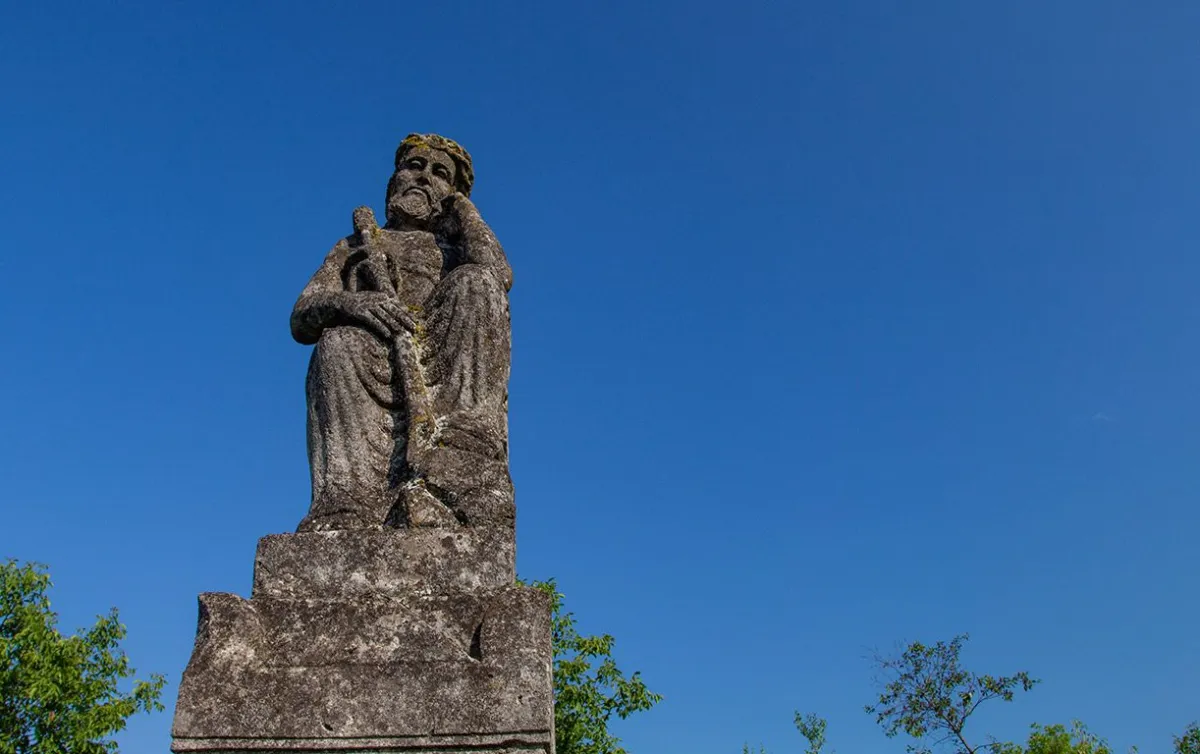
Among Ukraine’s old sacred figures, the rarest subject is probably the Sorrowing Christ. In this image the Saviour sits sadly with his face covered by his hand (less often he simply sits in sorrow).
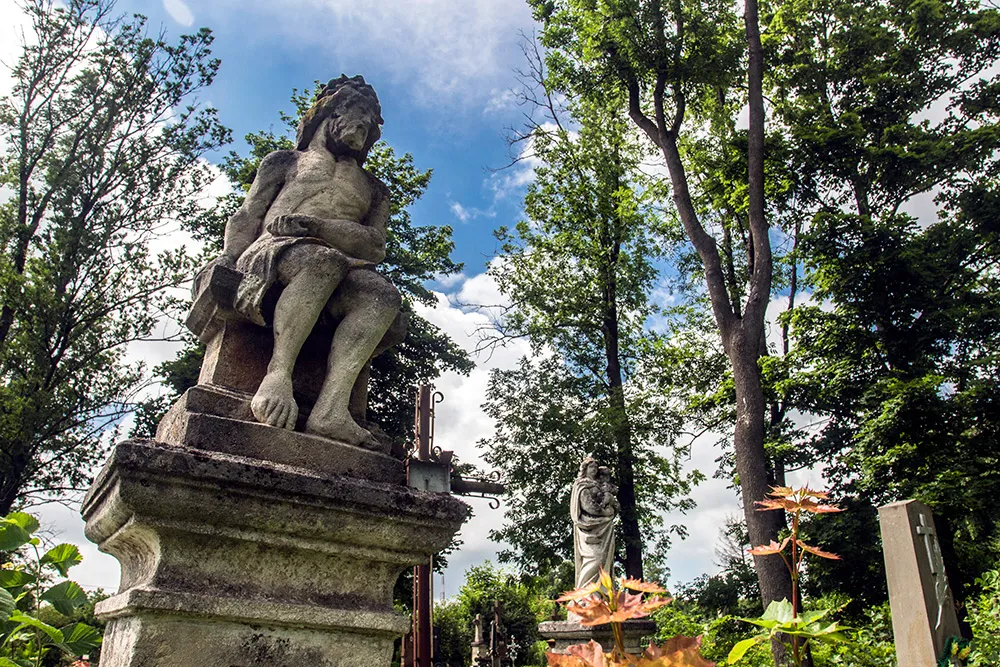
We have almost a thousand figures of the Mother of God (including cemetery monuments), probably no fewer images of the Apostles Peter and Paul, and hundreds of figures of other saints, but “Sorrowing Christs” would hardly add up to a dozen and a half. The author, who has travelled a great deal and surveyed dozens of old cemeteries, knows of only eight.
The first images of a grieving Christ appeared as early as the 14th century in Germany and the Netherlands. The subject was spread by Albrecht Dürer. This German artist, who worked at the turn of the 15th and 16th centuries, placed a figure of a saddened Christ hiding his face in his hands on the title page of the woodcut series “The Small Passion” (1509–1511).
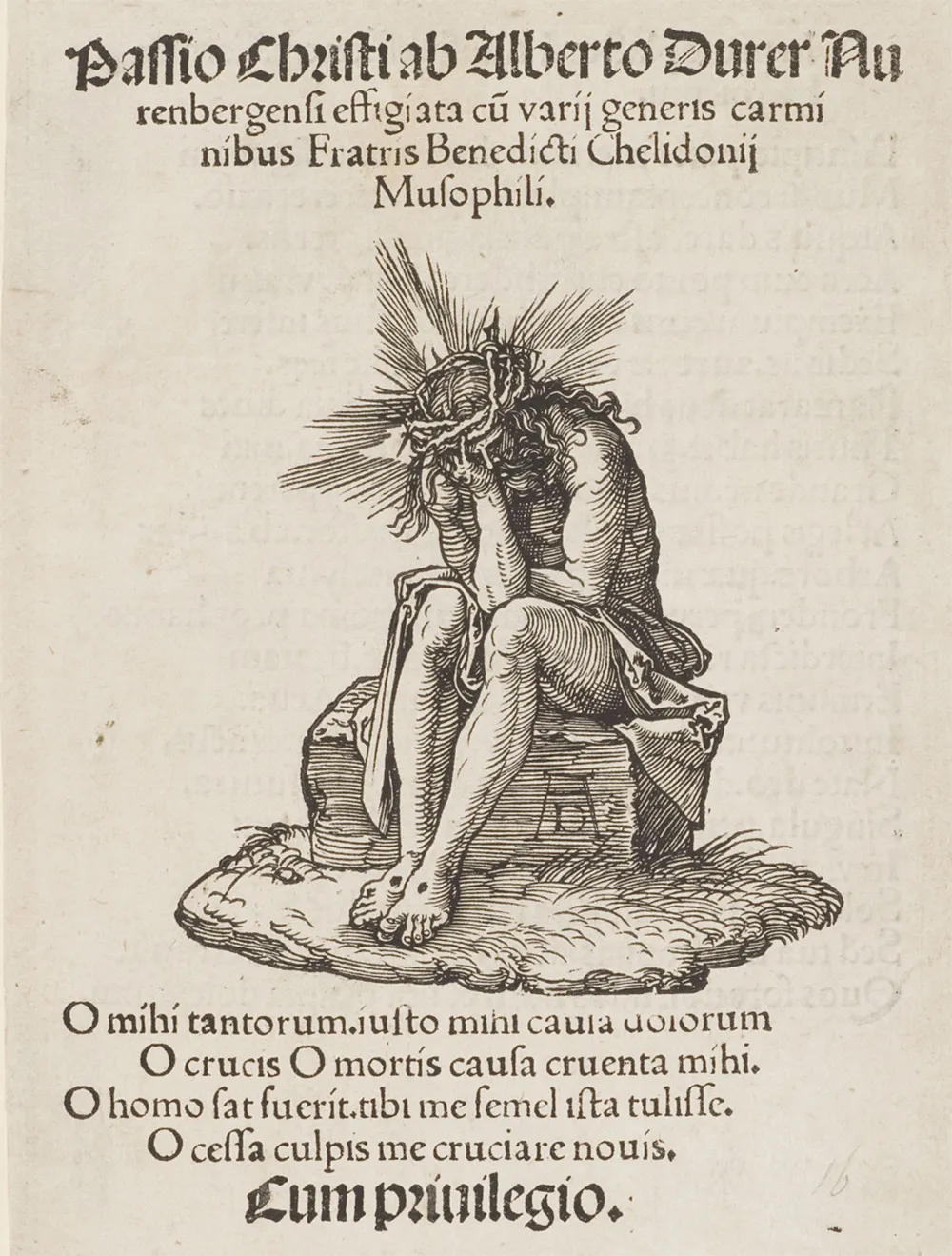
From then on the subject spread across Western Europe, especially Poland. Even so, it never gained wide popularity.
Ukraine’s most famous “Sorrowing Christ” sits and grieves over our sins in Lviv, on the famous Boim Chapel. The chapel and the figure are extremely well known, so we will not dwell on this monument. The figure, by the way, was recently restored, and there was plenty of media coverage of it.
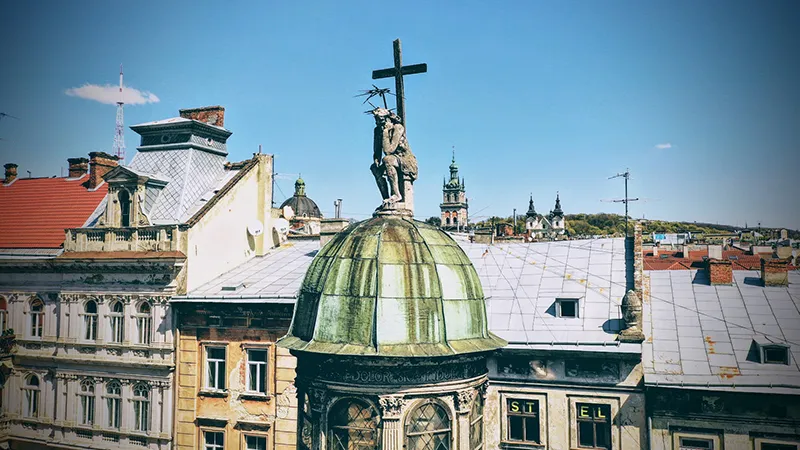
Photo: “Zbruch”
Less well known is another Sorrowing Christ of the City of the Lion. Most Lviv residents have hardly heard of it. It is a tall column with the date 1761 on the capital and a Sorrowing Christ at the top. It is hidden among shrubs and makeshift rubbish dumps at 251 Zelena Street. There used to be a plague cemetery here, where victims of the pestilence were buried.
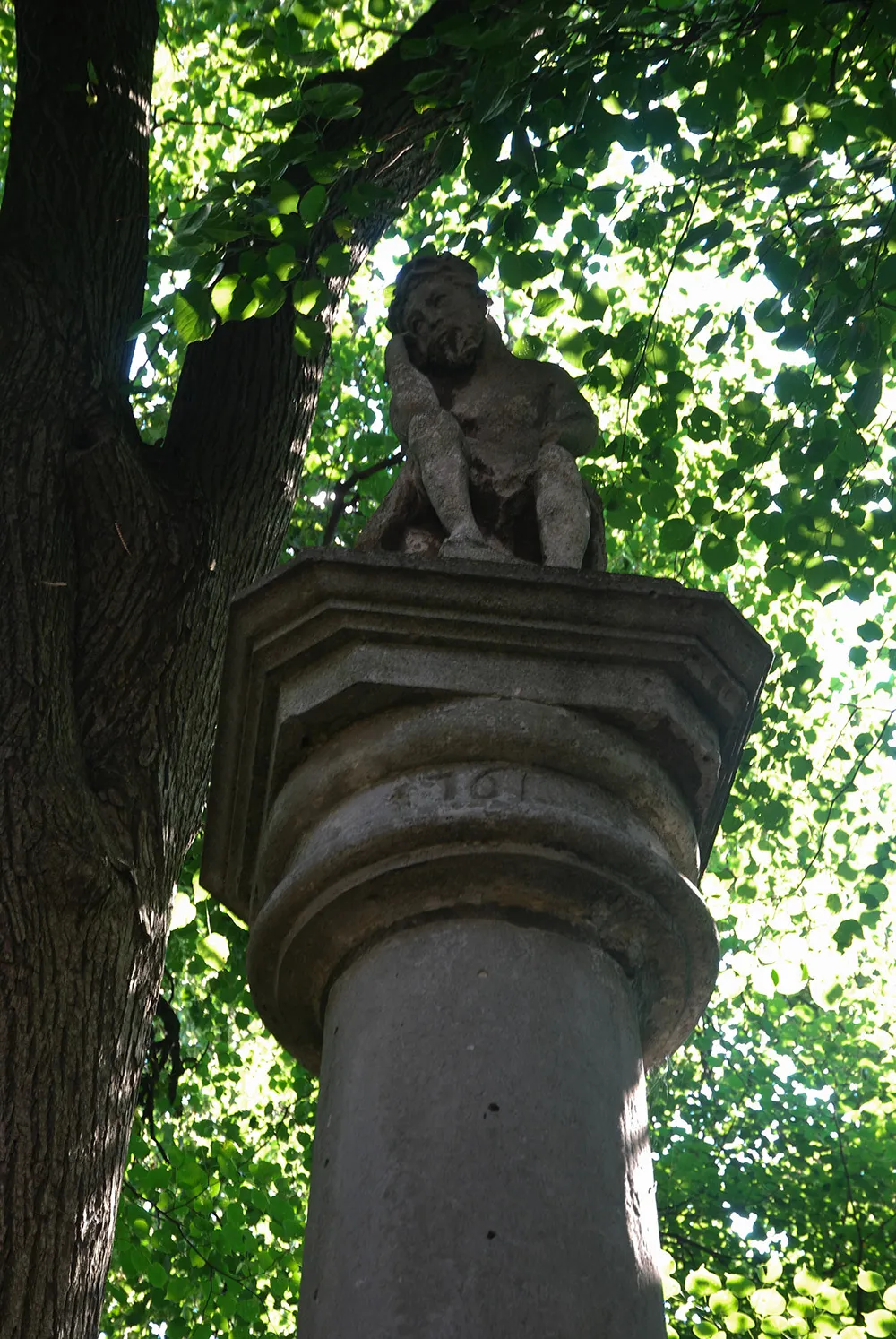
Photo: Oleksandr Volkov
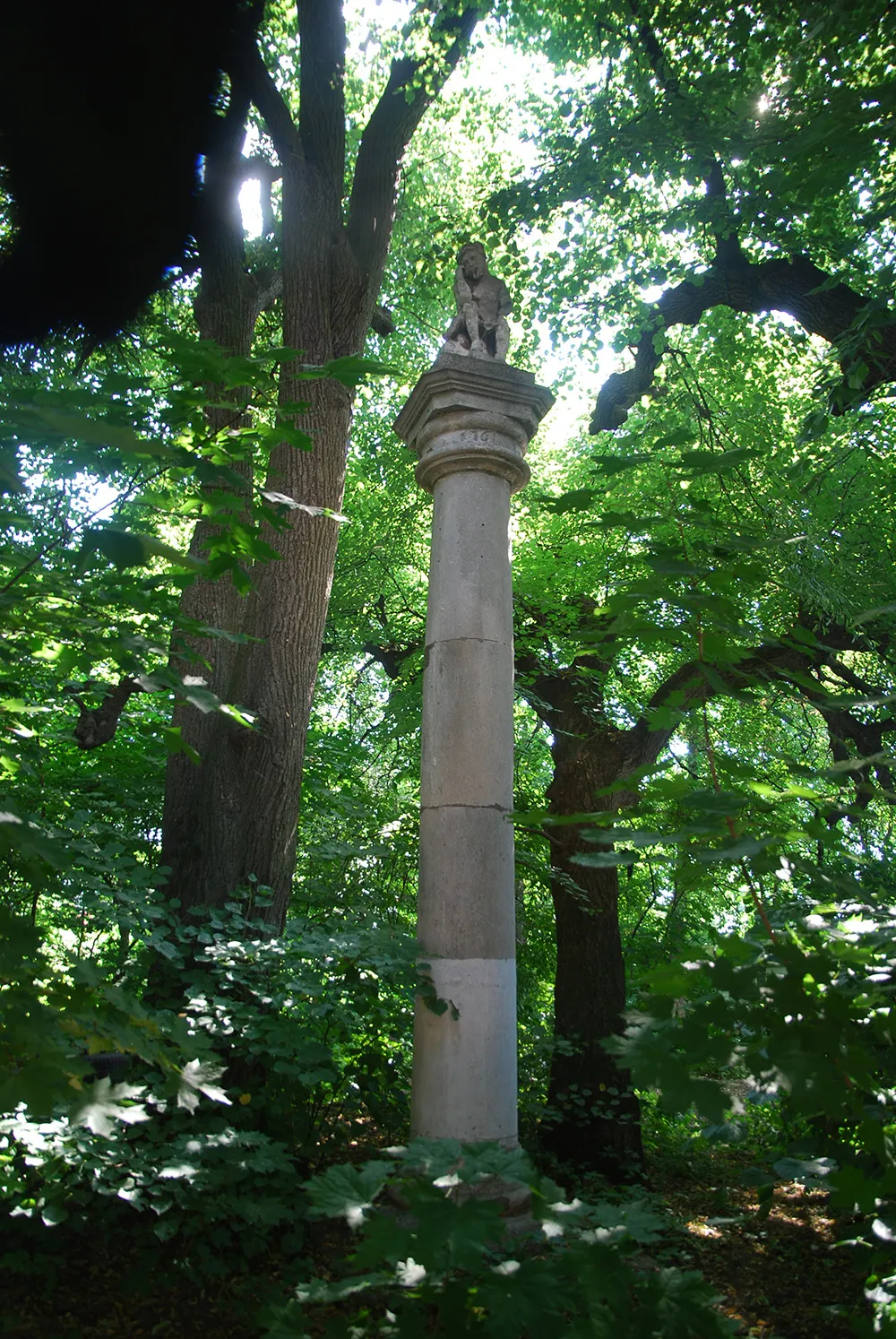
Photo: Oleksandr Volkov
Among the best-known “Sorrowing Christs” is also the figure in Kamianets-Podilskyi. It stands by the south wall of the Cathedral of Sts Peter and Paul (the one with the minaret). Every tourist must visit this church, so all guests of the ancient capital of Podillia have seen the sculpture.
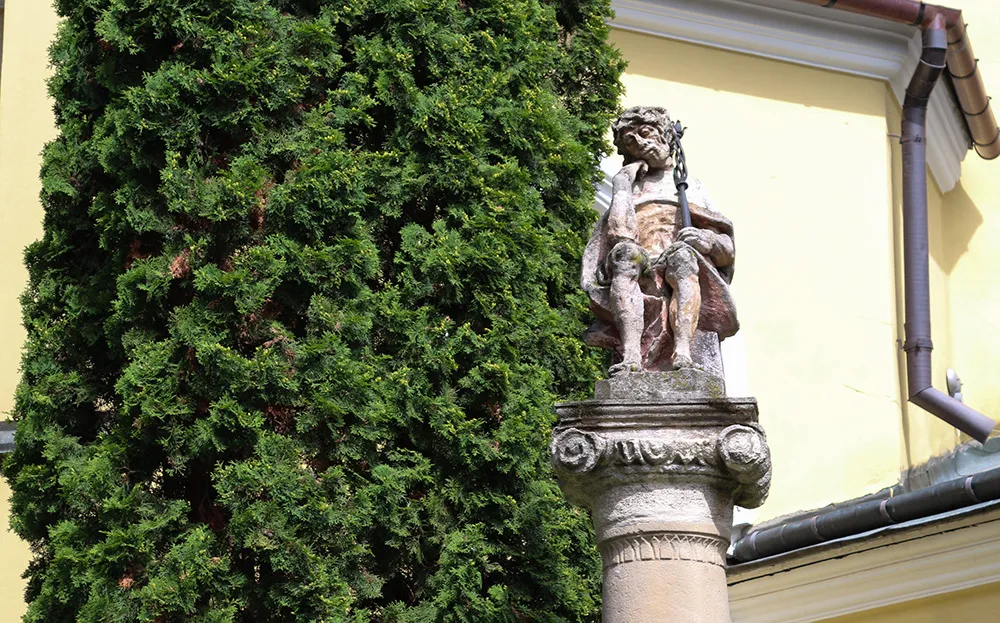
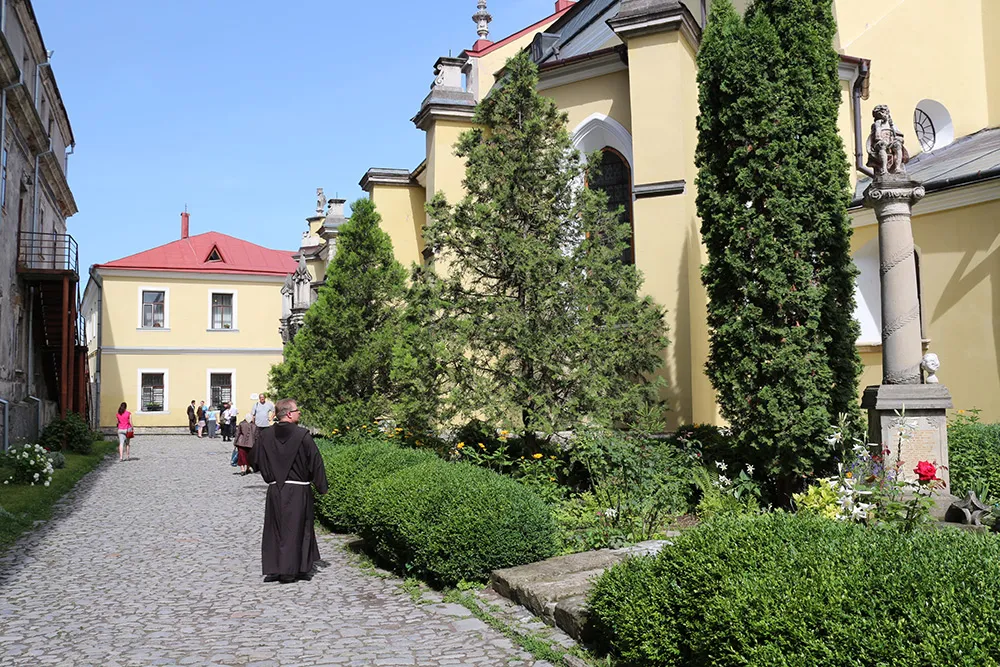
The Kamianets Sorrowing Christ was erected in the 18th century in memory of the buried townspeople whose remains were desecrated by the Turks when several Christian cemeteries were closed down.
Next in “fame” is the figure of the Sorrowing Christ in Satanivka. It is, by the way, the crudest in workmanship, as if carved by some apprentice who had just learned to hold a chisel. Considering when the sculpture was erected, this is not surprising: few masters were left alive then.
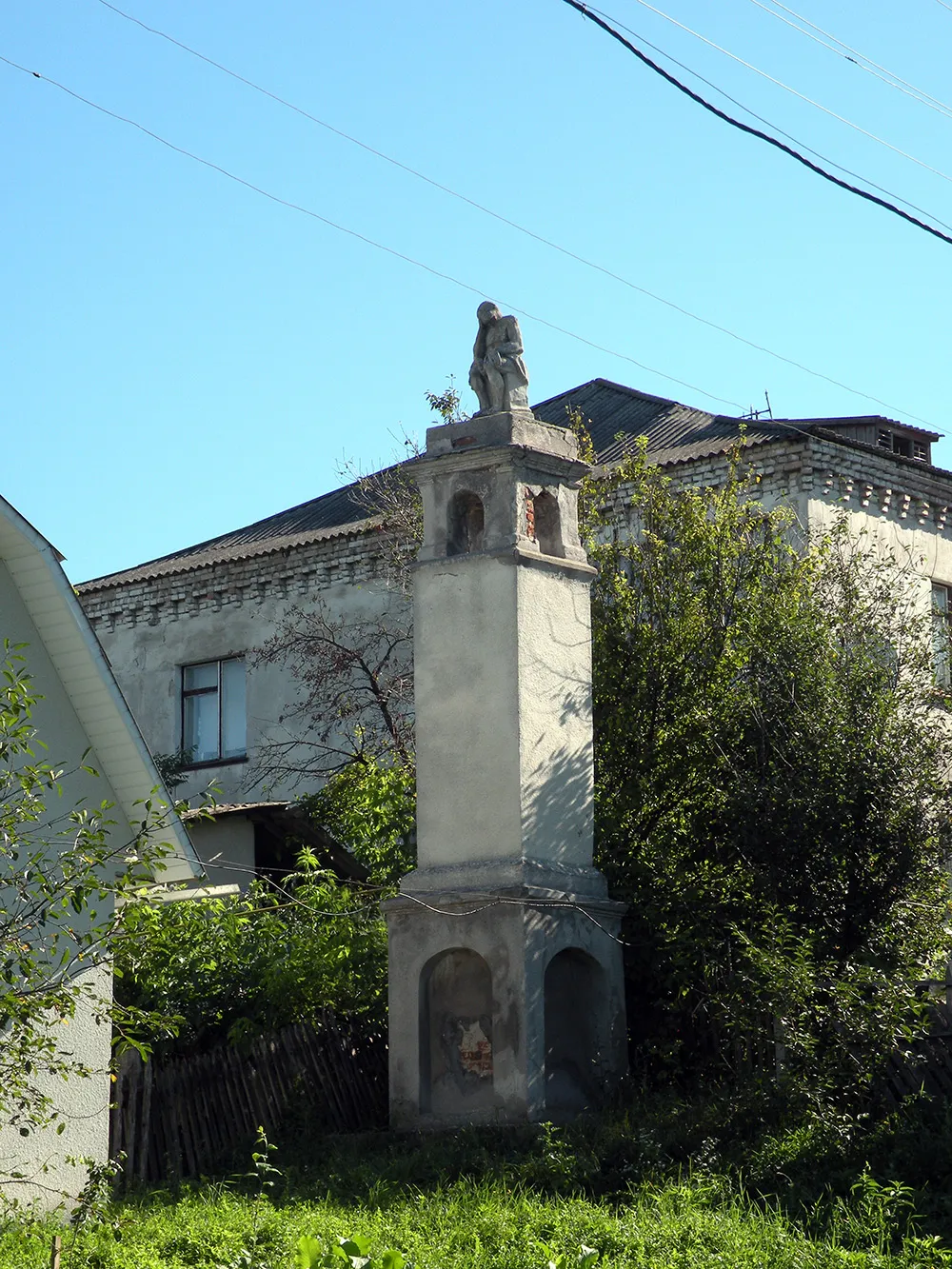
The pillar-shaped chapel on which the Saviour sits in sorrow appeared around 1653. According to tradition, the monument was erected on a mass grave. This is confirmed by the fact that when a trench was dug here in the 1990s, an enormous quantity of human remains was found.
According to one version, those buried here are Poles who defended the local castle and were slaughtered by Bohdan Khmelnytskyi’s Cossacks. According to another, they are peaceful Ukrainians cut down by Polish punitive forces after the hetman’s army left Podillia.
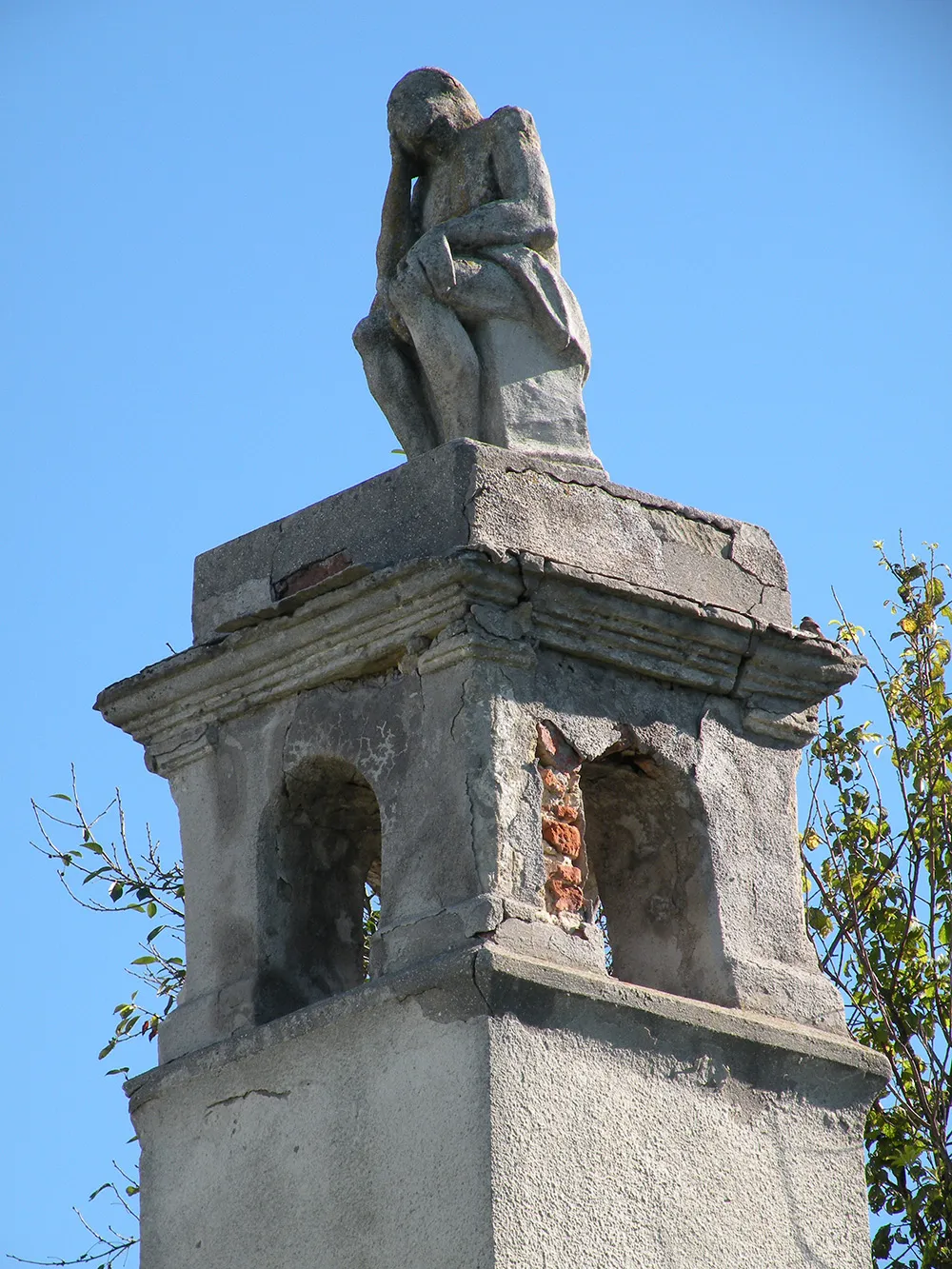
We have two almost identical monuments in Ternopil Oblast, some twenty kilometres from Satanivka. The author suspects that they are not only contemporaries but were made by the same master.
The first stands in Skalat, in the yard of the Church of the Transfiguration (UGCC). It is a pointed pillar with a sort of little “hut” at the top. In the “hut” sits the Sorrowing Christ. The monument was erected in 1848 to mark the abolition of serfdom in the Habsburg Empire.
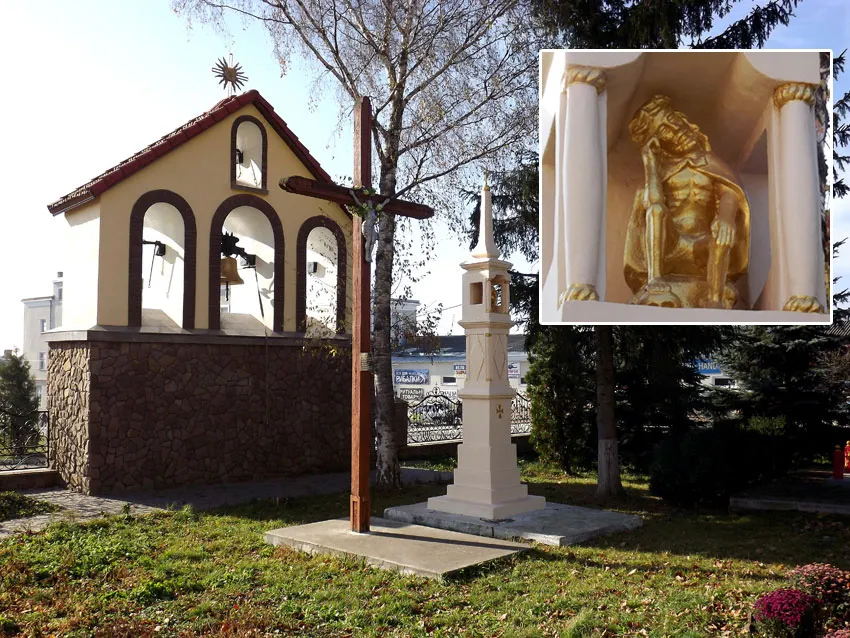
The Sorrowing Christ in Skalat
An almost identical monument can also be seen in a peasant farmstead in the village of Polupanivtsi, next to Skalat. The author plans to go there and examine it in detail. For now, look at the photo by local historian Andrii Maikher.
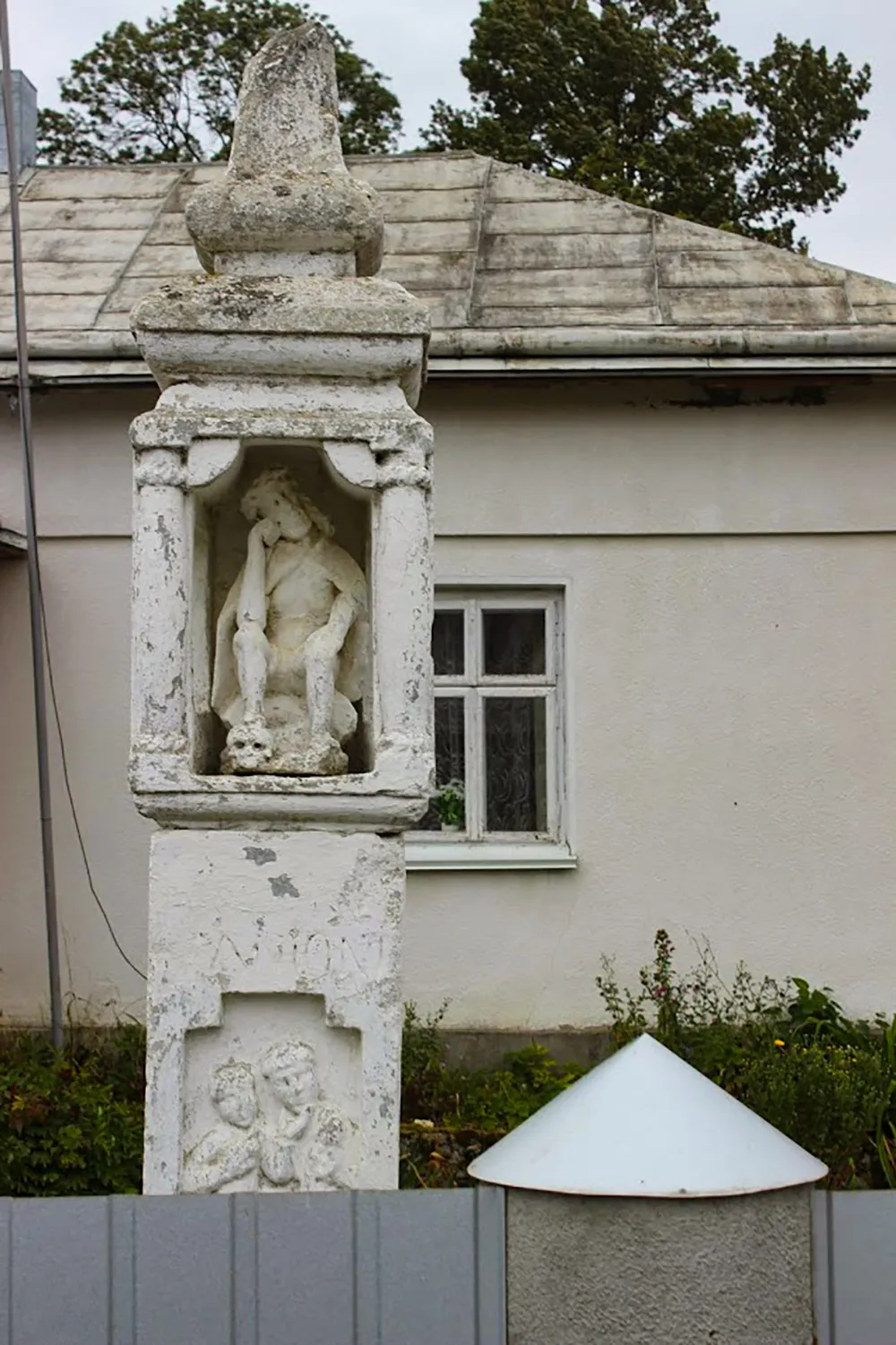
Photo: Andrii Maikher
A very beautiful and probably the youngest Sorrowing Christ can be seen in the cemetery of the village of Bohdanivka, not far from Pidvolochysk. It is also the most realistic and “academic”. If I am not mistaken, it dates from the 1920s.
Another figure of the Sorrowing Christ is hidden in the old cemetery in Olesko, in the Lviv region. Olesko is known above all for its famous castle. When you are there, do not miss the cemetery. It is interesting too!
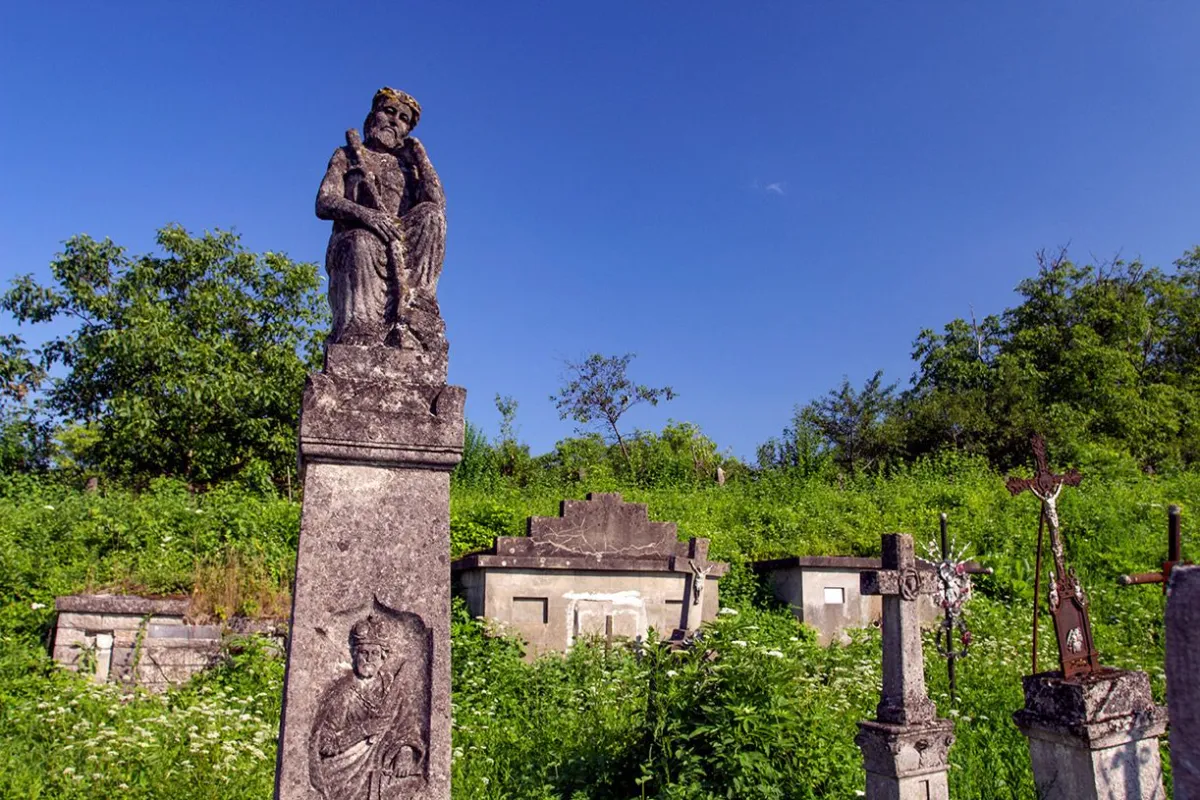
The gravestone bears a short epitaph: “Here rests Aleksei Iakobynski. Lived 37 years. 1888”.
The monument is crowned by a figure of the Sorrowing Christ.
The age of the Olesko “Sorrowing Christ” is not as venerable as that of the other figures mentioned. But here we have one very interesting detail that conceals a powerful layer of history.
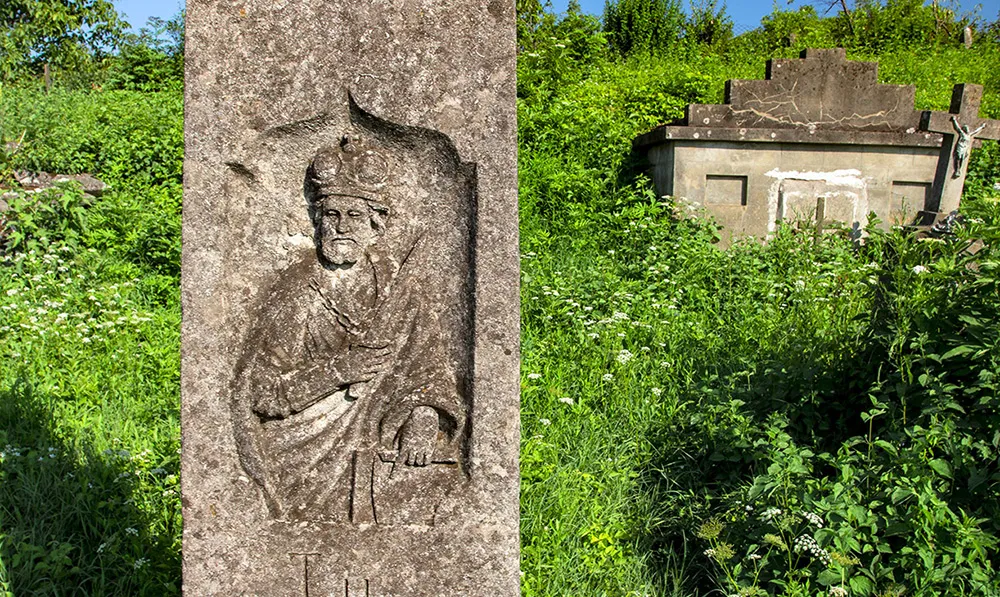
The pillar on which the local Saviour sits is decorated with a skilfully executed bas-relief. It is interesting not so much for the quality of its execution (most of the neighbouring ones are rather primitive) as for its subject.
The practice of depicting on gravestones the saint whose name the deceased bore is quite traditional. So there is nothing surprising in the fact that on the gravestone of Mr Aleksei we see a saint of the same name. What is interesting and important is which St Aleksei is depicted.
Usually in such cases we see St Alexis, the Man of God, an early Christian saint venerated by both the Western and Eastern Churches. In Olesko, however, we see a saint rather rare in the necropolises of Galicia: Metropolitan Aleksei (Biakont).
This well-known Muscovite saint is venerated above all in Russia and is one of the most respected in the pantheon of the “Russian world”.
The future saint was born at the end of the 13th century in Moscow into the family of the Chernihiv boyar Fedir Biakont. At the age of nineteen he took monastic vows at the Moscow Epiphany Monastery and received the monastic name Aleksei.
From 1340 Biakont was in charge of the church’s judicial affairs at the court of the Moscow Metropolitan Theognostus. In 1352 he was raised to the rank of Bishop of Vladimir and Suzdal, and in 1354 Ecumenical Patriarch Philotheus confirmed him as “Archbishop of Kyiv and All Rus’ with the title of Most Reverend Metropolitan and Exarch”.
Aleksei, as an ardent patriot of Moscow, did a great deal to build up the Moscow see. He actively opposed attempts by Rus’ (Ukrainian) hierarchs to break free of Moscow’s authority, especially representatives of the Galician Metropolis, abolished in 1347, and of the Orthodox structures of the Grand Duchy of Lithuania.
After the death of Grand Prince Ivan II the Fair, Aleksei became guardian of his young son Dmitry (the future Donskoy). Under Ivan the Fair and Dmitry Donskoy he effectively ran the entire foreign policy of the Grand Duchy of Moscow.
In essence, Aleksei Biakont became one of the creators both of the Muscovite Church (in its modern, politicized form) and of Muscovite statehood in general.
The depiction of the Muscovite saint on the gravestone in Olesko is a vivid illustration of the situation in Galicia in the 1870s and 1880s. It was then that the movement of the so-called “Russophiles” became popular here, and Olesko and its surroundings became one of the centres for spreading the Great Russian idea.
The popularity of “Russophilism” in the Olesko area is also shown by the fact that Yosyf Krasytskyi, one of the main leaders of this movement, was elected three times as envoy (deputy) of the Galician Sejm (elections of 1867, 1870 and 1877) precisely for the district that included Olesko.
We would not be wrong to say that Aleksei of Olesko was not merely an ordinary admirer of the “Russophiles” but an active member of this movement.
Here we will put a full stop. Probably a few more figures embodying the Sorrowing Christ subject are hidden in village cemeteries of Galicia. But the author does not know of them for now.
Text and photos by Dmytro Poliukhovych (except where another photographer is credited in the caption)


