

Slovakia. Košice. The cathedral and more

· 6 min read
Košice is the second-largest city in Slovakia after Bratislava, with 240,000 inhabitants. In size it is comparable to our Ternopil, Lutsk or Bila Tserkva. Slovakia generally has few big cities, and that is very good, because smaller towns preserve more colour and tradition.
Košice is some 140 kilometres from Ukraine. The road is good, only at the crossing in Uzhhorod you may stand for a long time. Before Košice a big motorway begins, which then runs across the whole country to Bratislava, and on to Vienna, in Austria. The Hungarian border is less than 20 kilometres from Košice, and another motorway goes there: Košice–Budapest.
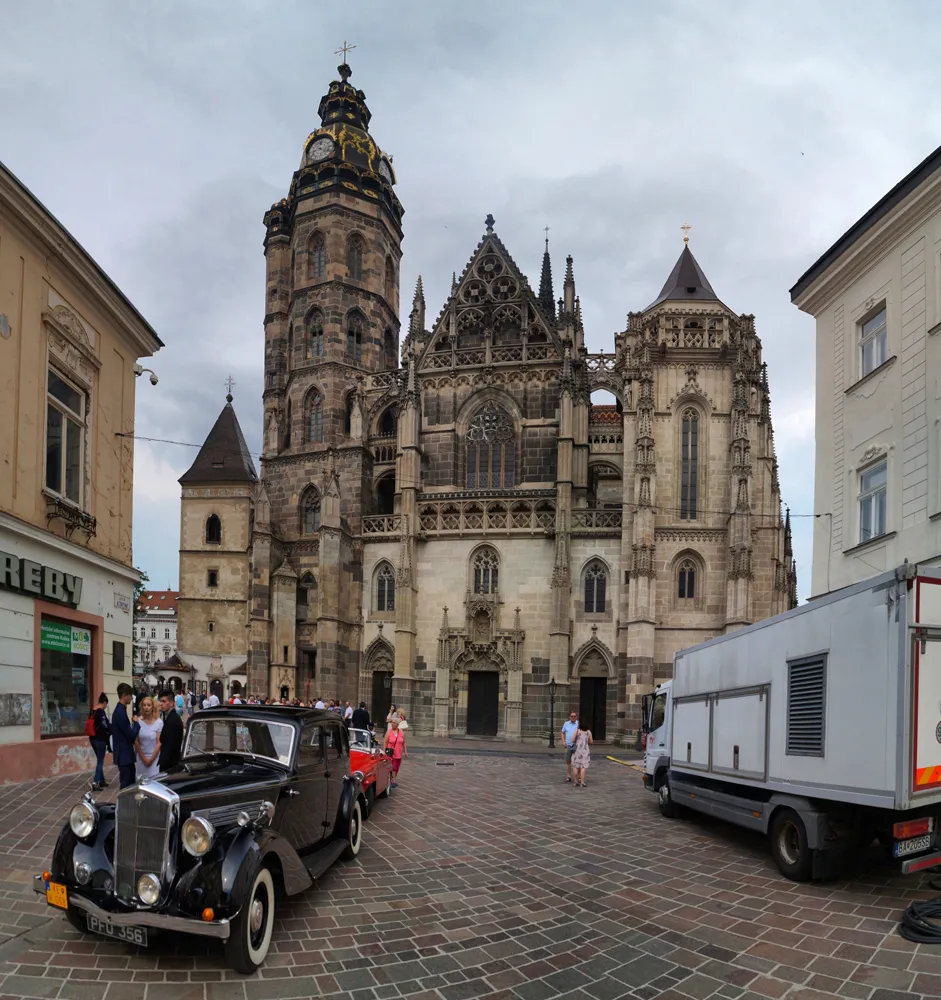
St. Elisabeth Cathedral
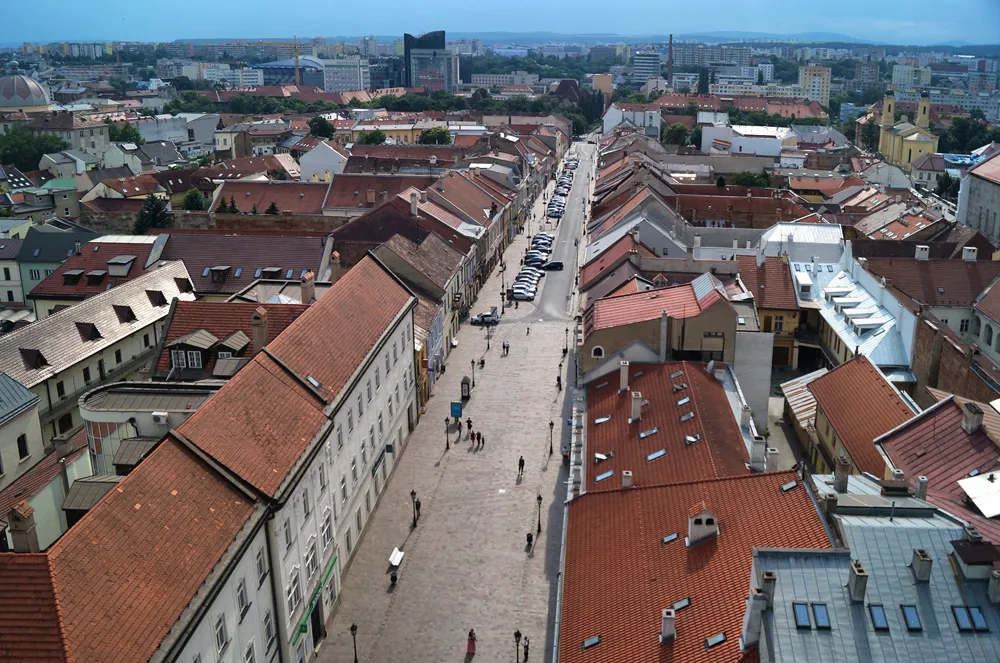
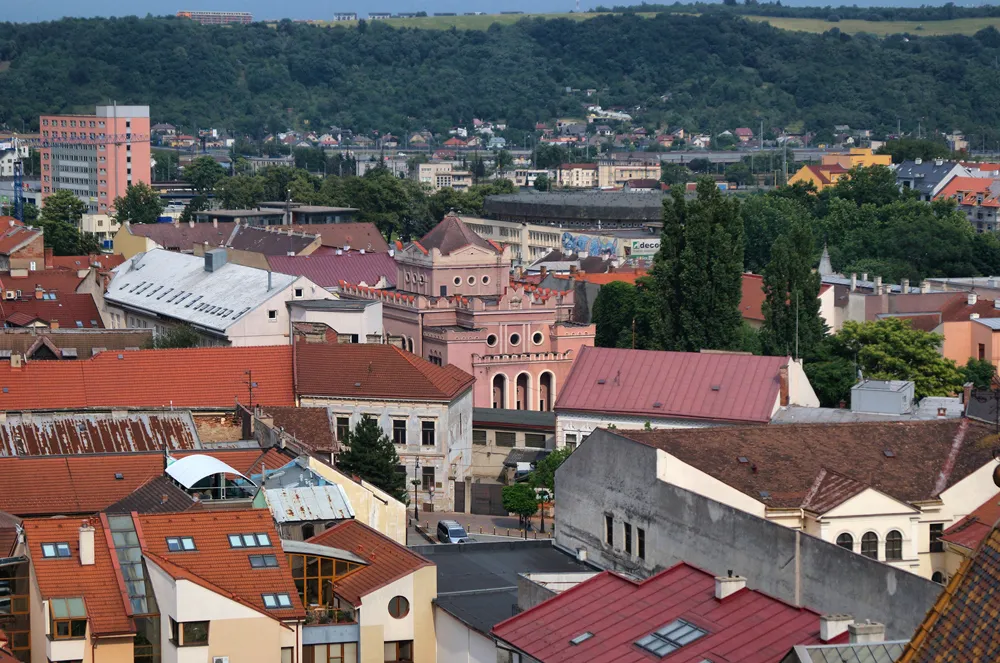
I will not lie: I went to Košice first of all for the sake of the incredible St. Elisabeth Cathedral, a true Gothic wonder. Once, back in the 1990s, I picked up an overview brochure about Slovakia at a tourism fair. It had mountains, skiers, thermal baths and hotels, and as for architecture only Spiš Castle and the Košice cathedral. I did not even believe that this church was in Slovakia. They must have mixed something up, I thought then. The building reminded me of Belgium, but not at all of Eastern Europe. But with the arrival of the Internet I became convinced that it really is in Slovakia.
Later, after travelling extensively around Poland, Romania and Slovakia, I realized that wherever Germans lived there was a lot of incredible Gothic, so Eastern Europe is not at all deprived of Gothic. The Germans were invited to Transylvania and Slovakia by the Hungarian kings. Košice was settled by Germans from Saxony, and it was they who brought the fashion for Gothic.
In the 1240s St. Elisabeth became the patron saint of Hungary and of the city of Košice in particular. In Hungarian she was called Erzsébet, and in Slovak Alžbeta. In her honour the king ordered the cathedral to be founded in 1380. Construction dragged on for 120 years and was completed in 1508. Today St. Elisabeth Cathedral is the largest in Slovakia. It is 60 metres long and 45 wide, and the bell tower is 59 high. The cathedral has 5 naves, and its altar is one of the largest in Europe. The cathedral covers an area of 1,200 square metres and can hold up to 5,000 people.
The cathedral was built in several stages. From the start a huge cathedral with two very tall bell towers was planned. But, as often happens, in 120 years the towers were never finished, and in 1508, when the cathedral was consecrated, there was no money left for the towers, so they were mothballed and for a long time stood only as high as the church roof. The present tall tower was completed and topped with a Baroque dome only in 1775.
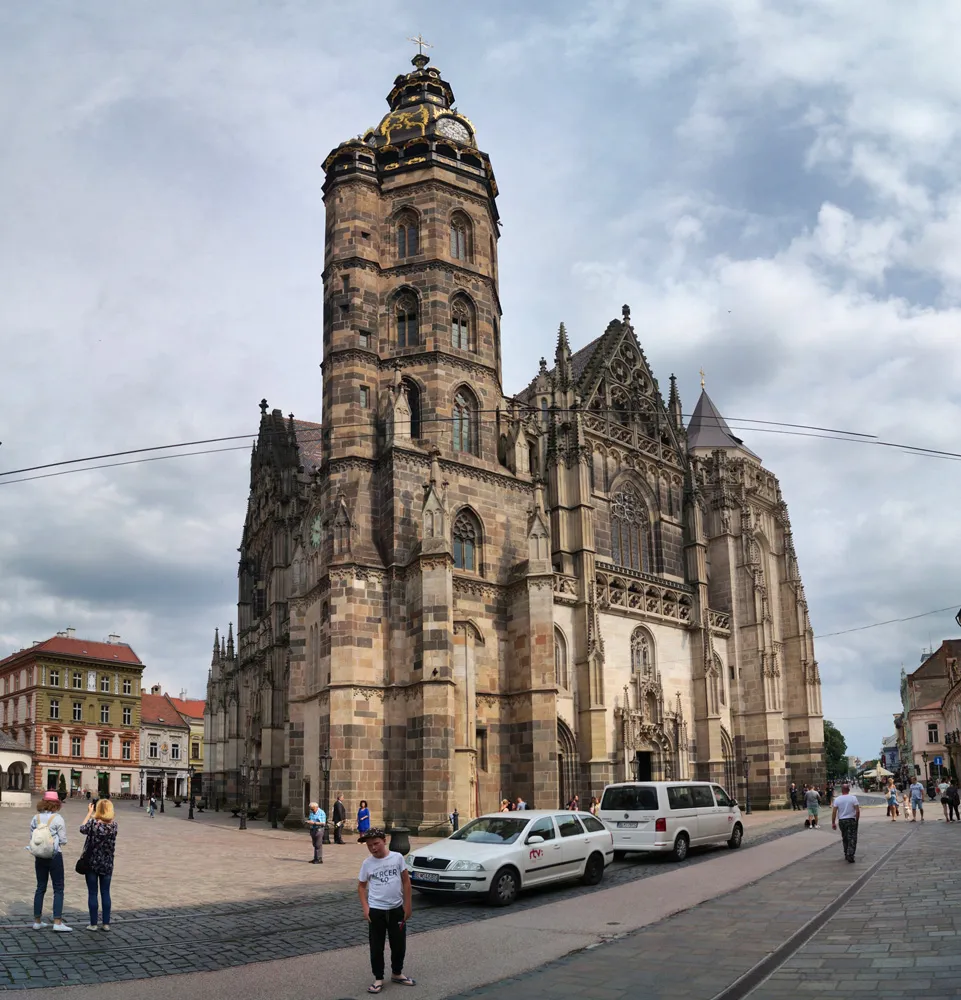
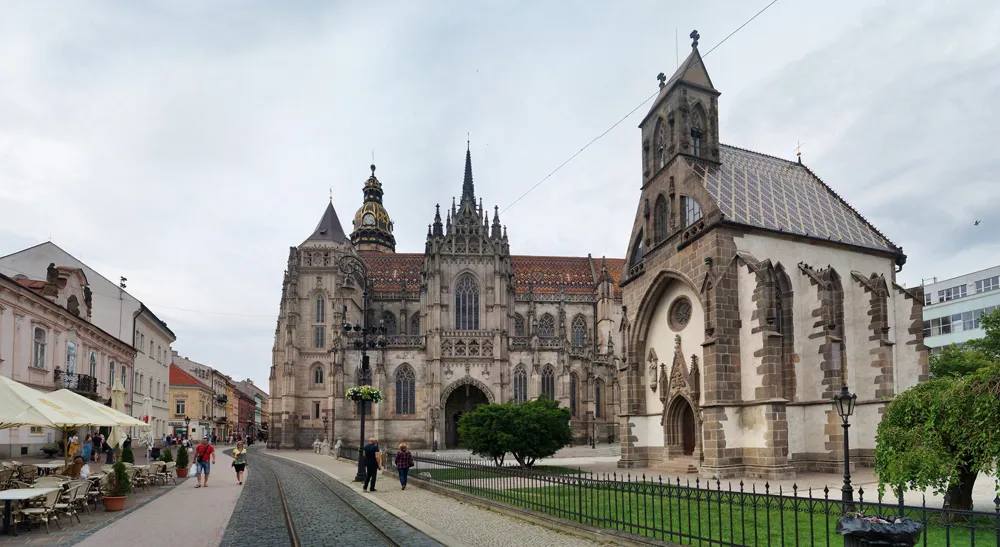
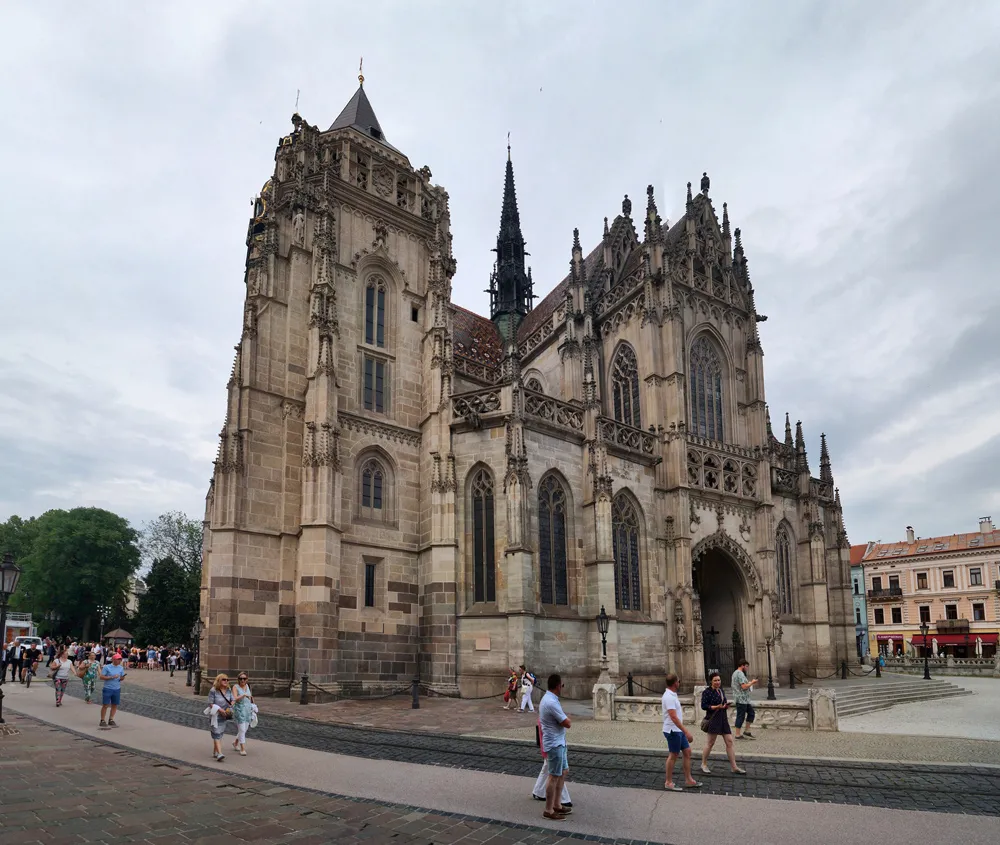
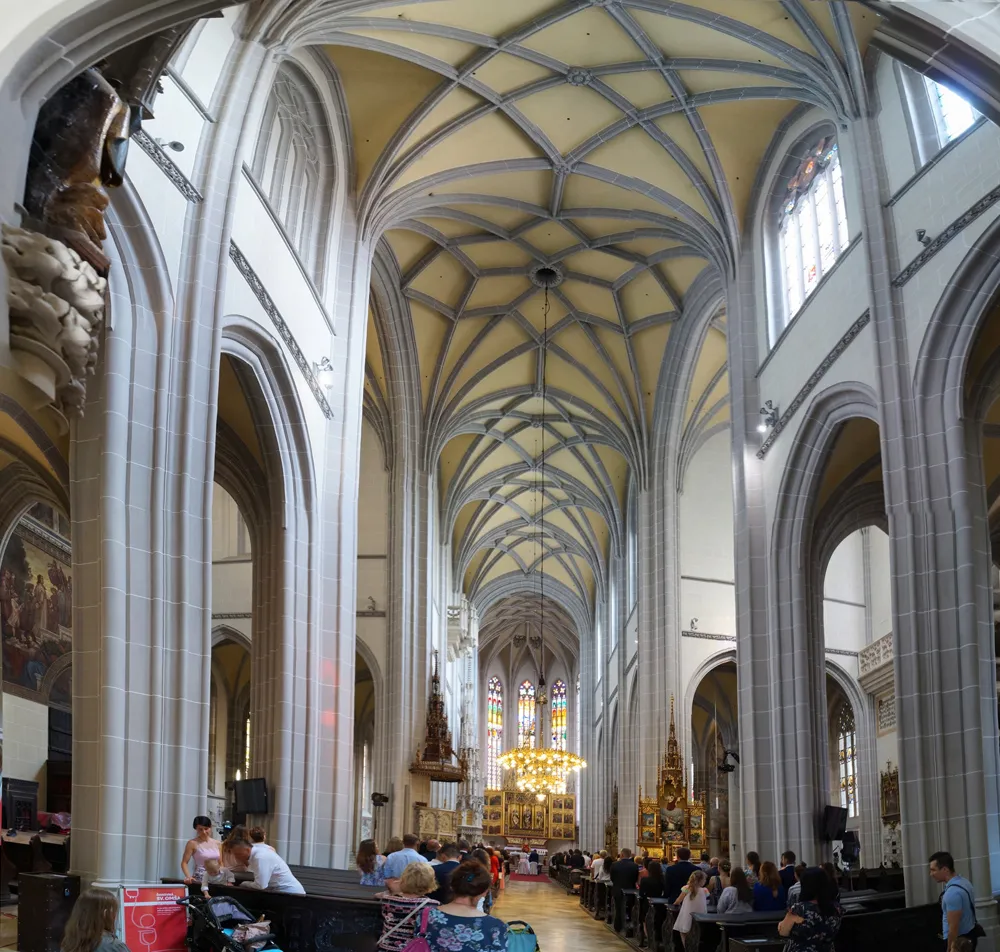
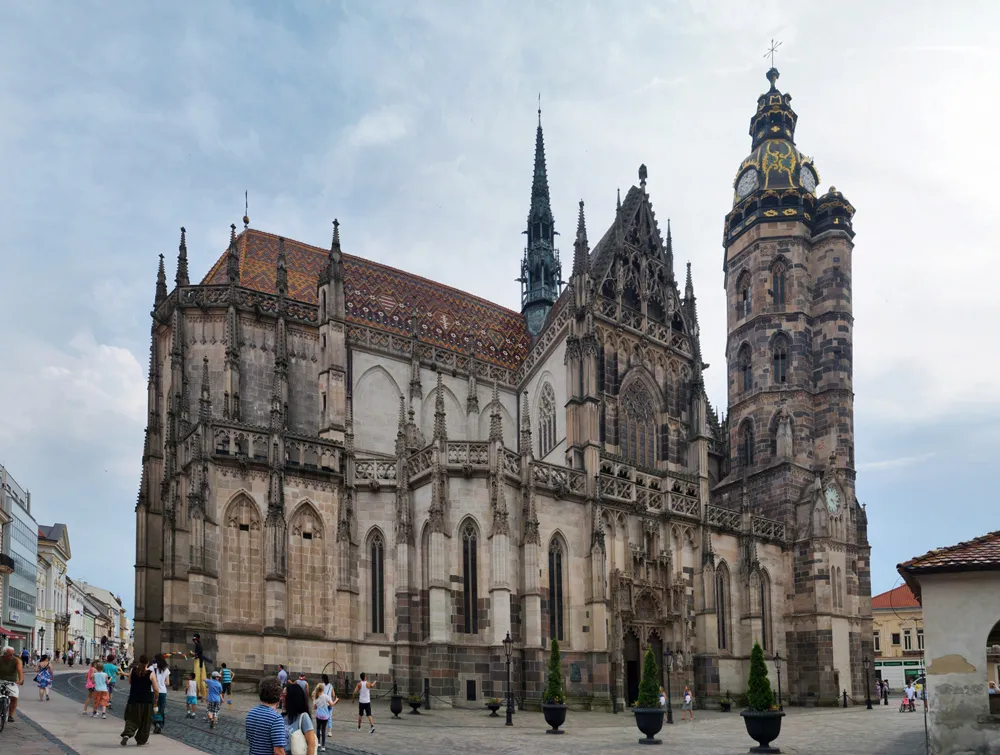
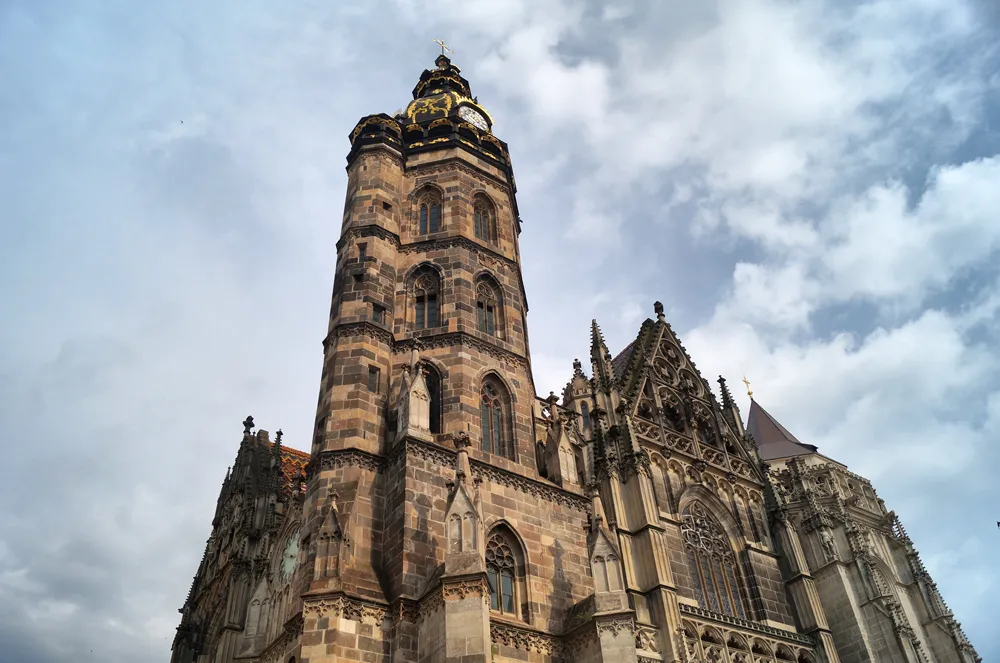
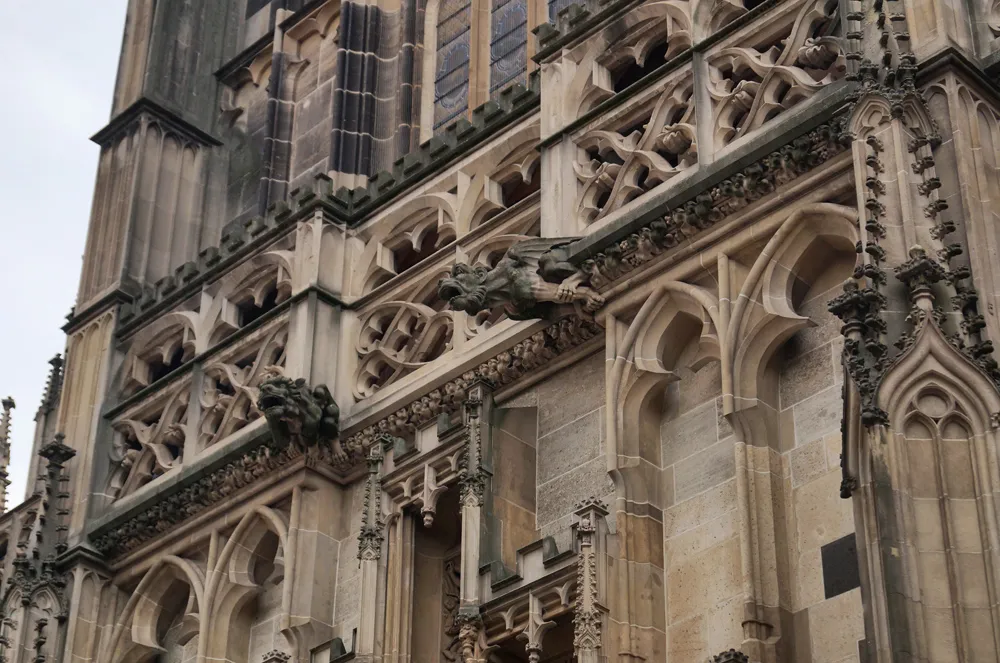
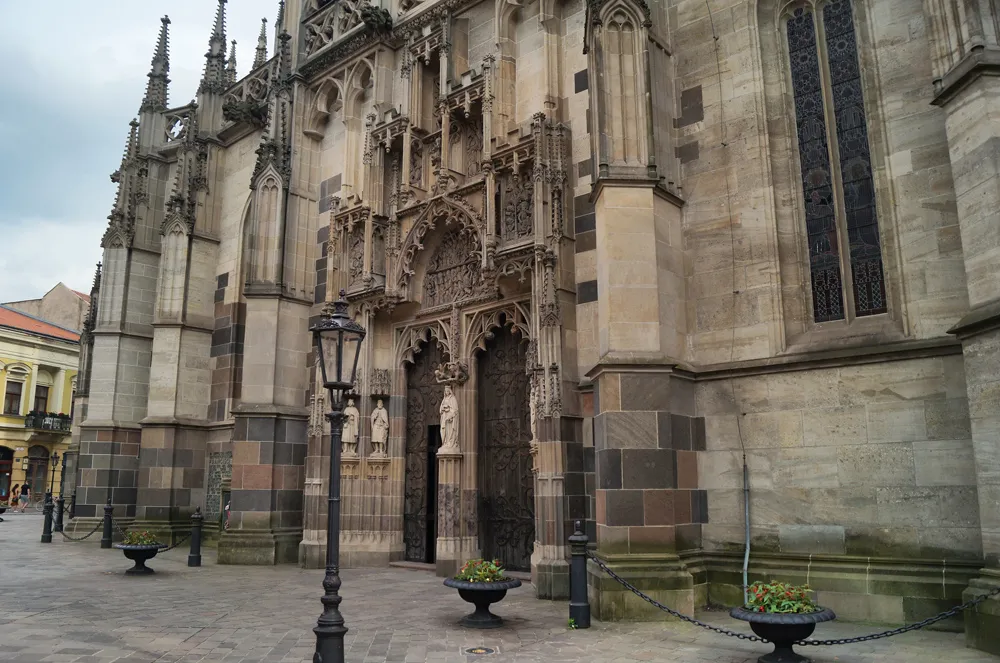
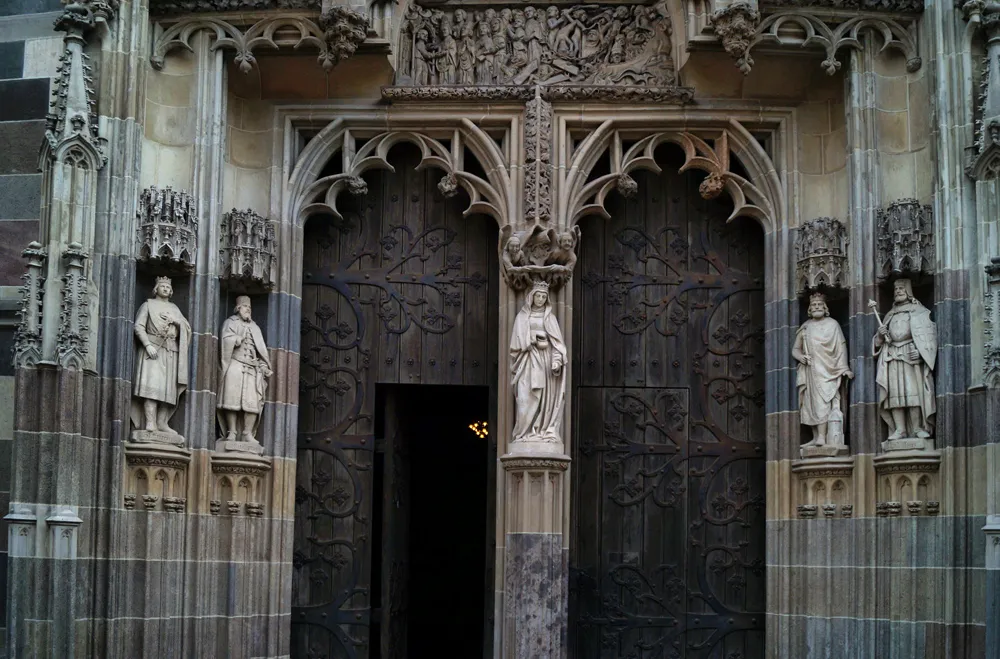
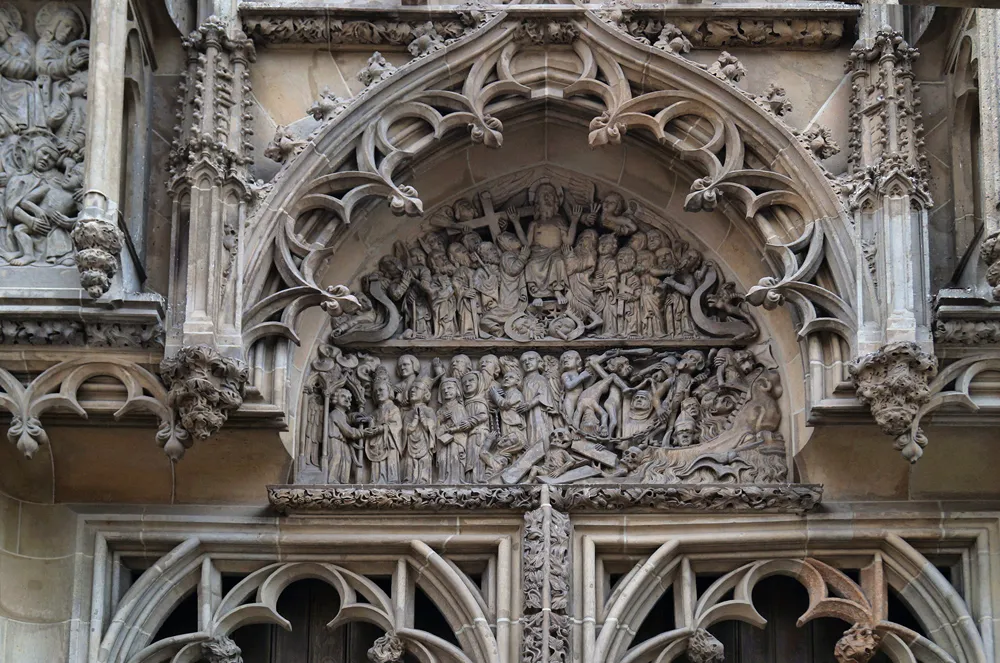
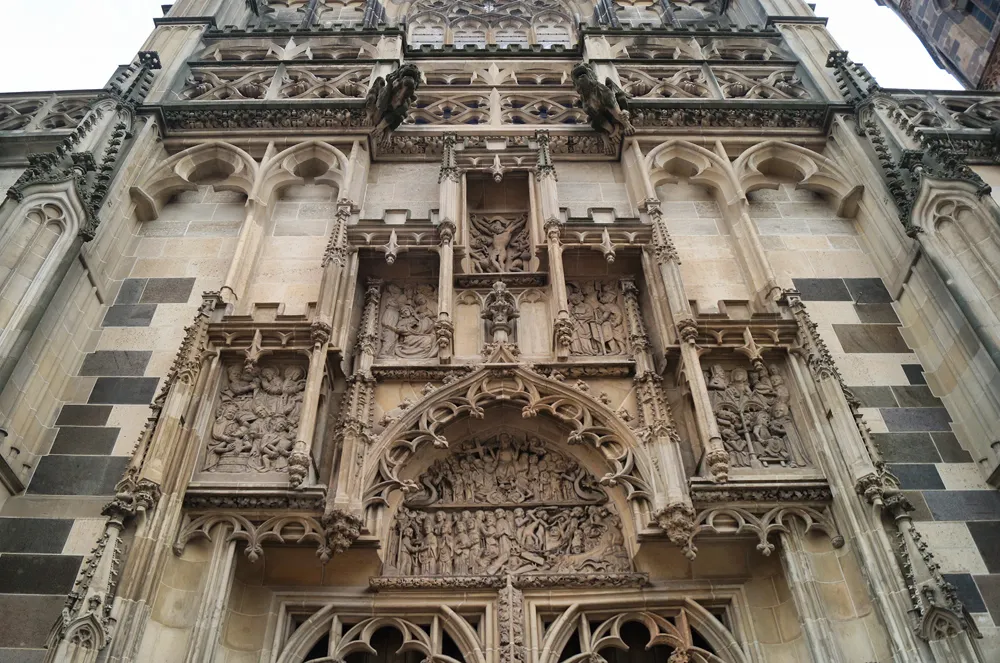
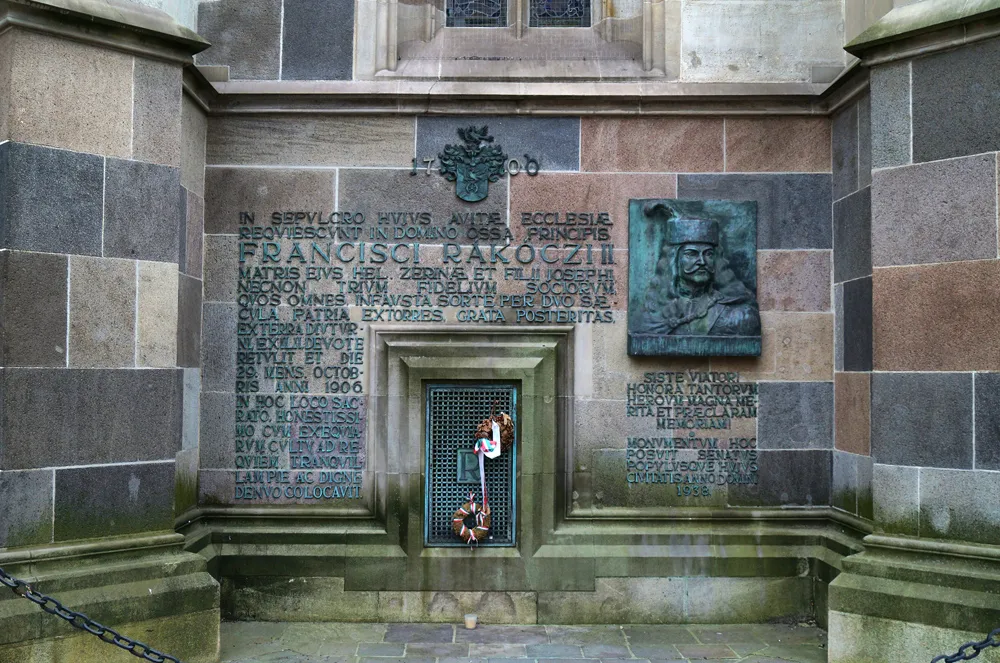
St. Elisabeth Cathedral
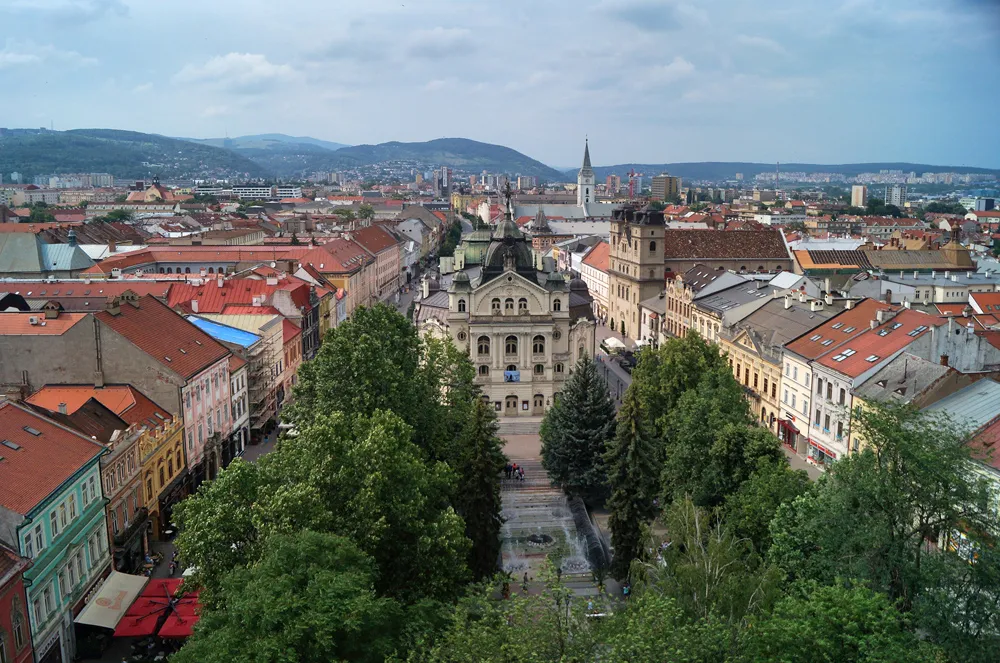
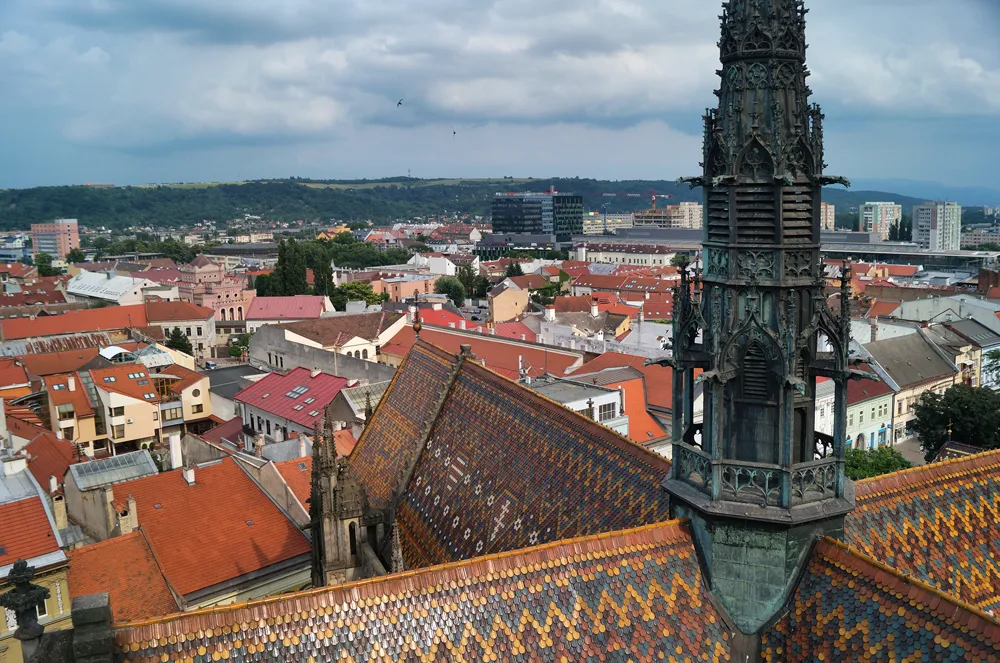
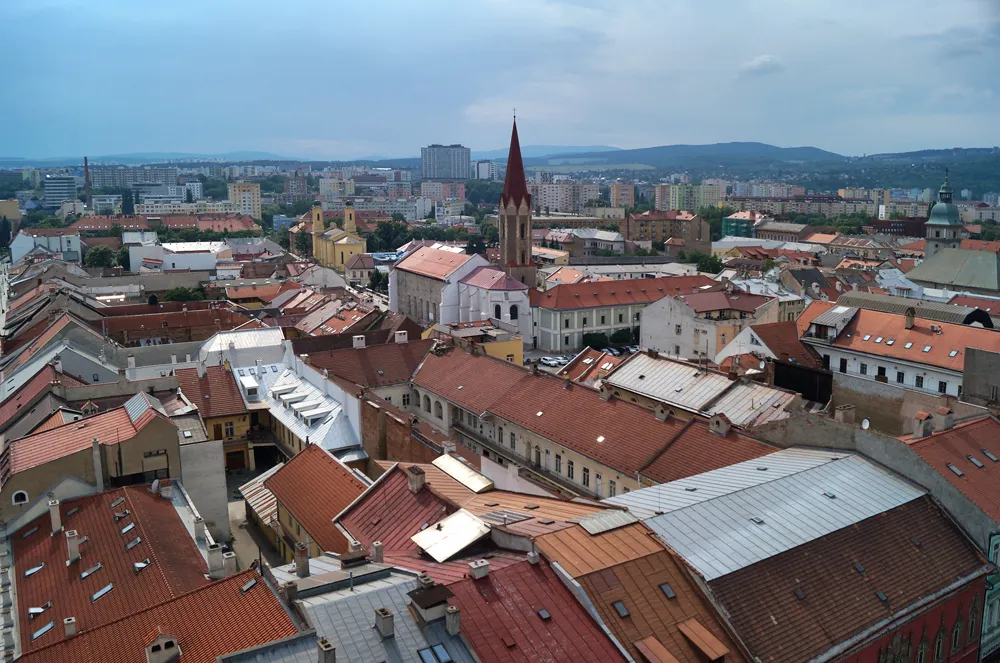
When you arrive in Košice, go straight to the cathedral and climb the tower. That way you will understand how amazing the huge cathedral is and how beautiful the centre of the old town is, with its red tiled roofs and the spires and crosses of numerous churches.
Košice has many interesting old buildings that together form a harmonious architectural ensemble of the city centre. Everything is restored and well kept, and probably for this Košice received the title of European Capital of Culture in 2013.
The centre of Košice, as in other towns with Saxon law, has the shape of a fish (or a spindle), widening in the middle and forming a square. On the square, next to the cathedral, stand the Gothic Chapel of St. Michael, built in the 13th century, and Urban’s Tower, which was built in the 16th century and served as a bell tower until the main tower of the cathedral was completed in 1775 (that was when it received its Baroque finish). At the ends the square narrows and turns into Hlavná Street. Quite a few more Košice architectural monuments are associated with this street: the town hall, two more churches, the Spiš Chamber palace, the palace of the Upper Hungarian Captaincy-General, the county house (something like an oblast council in the Kingdom of Hungary), and several museums.
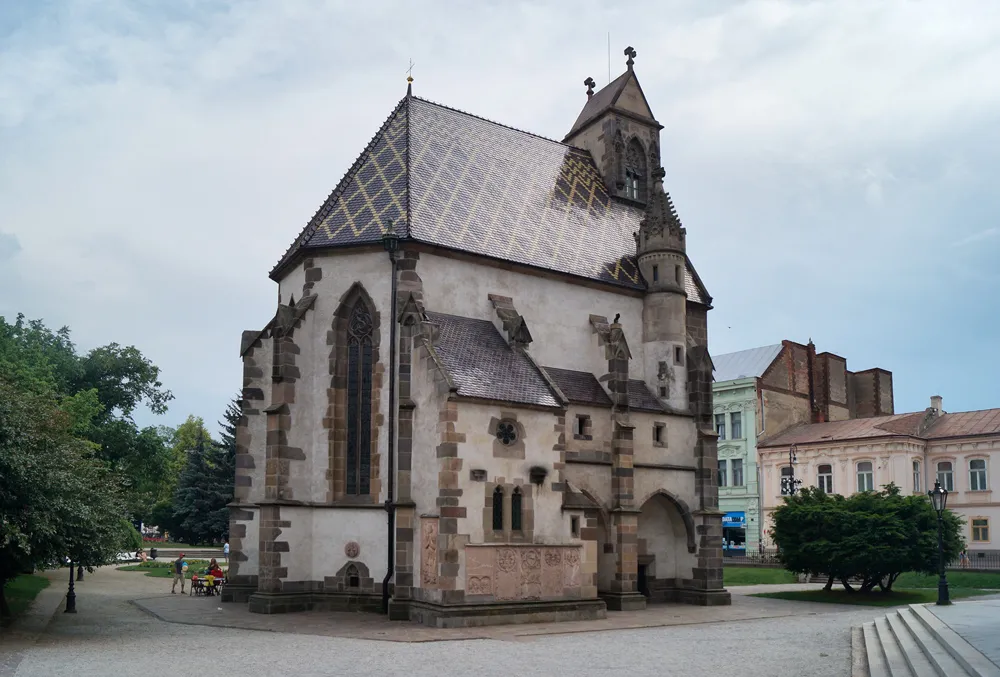
Chapel of St. Michael
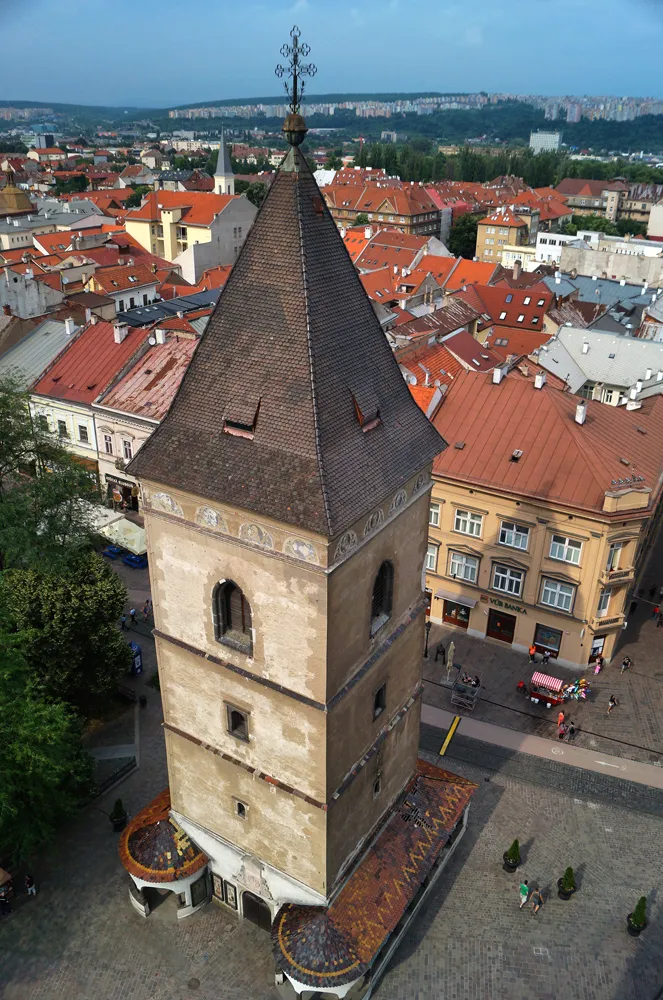
Urban’s Tower
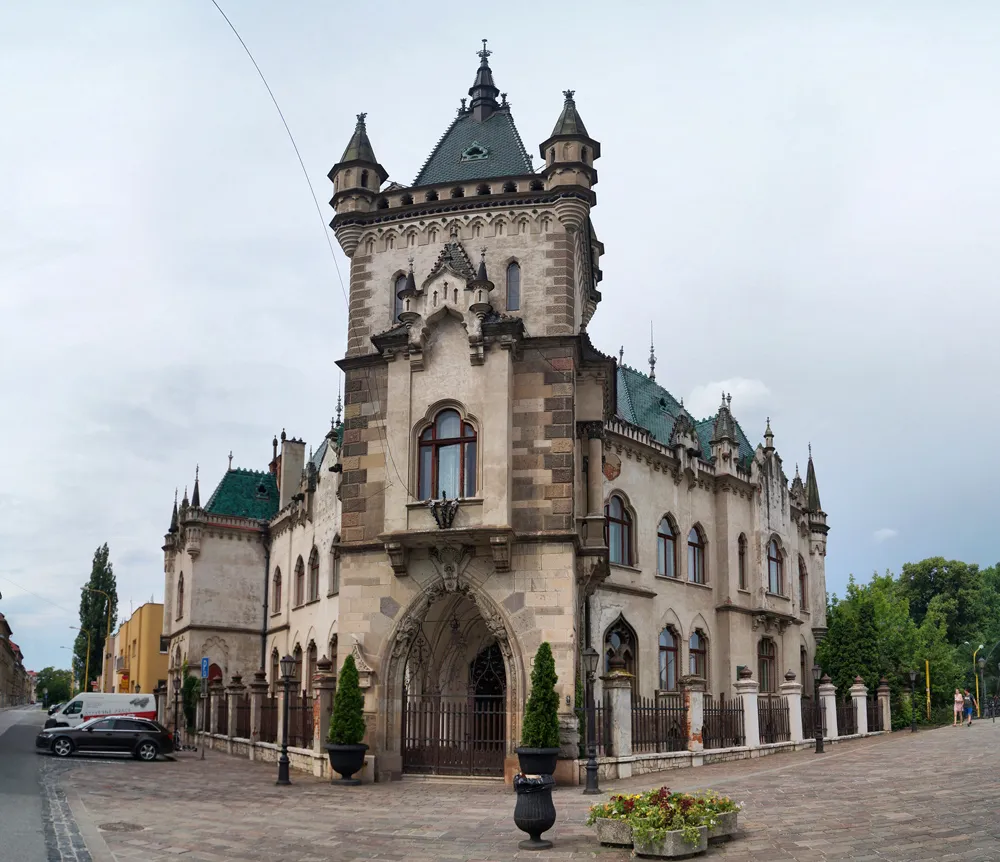
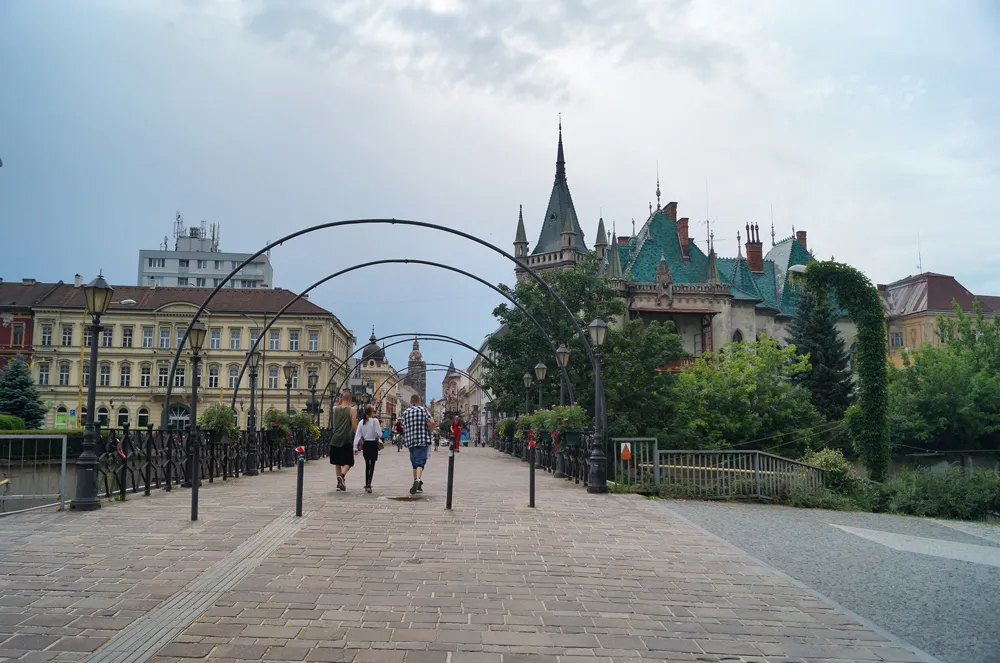
Jakab Palace
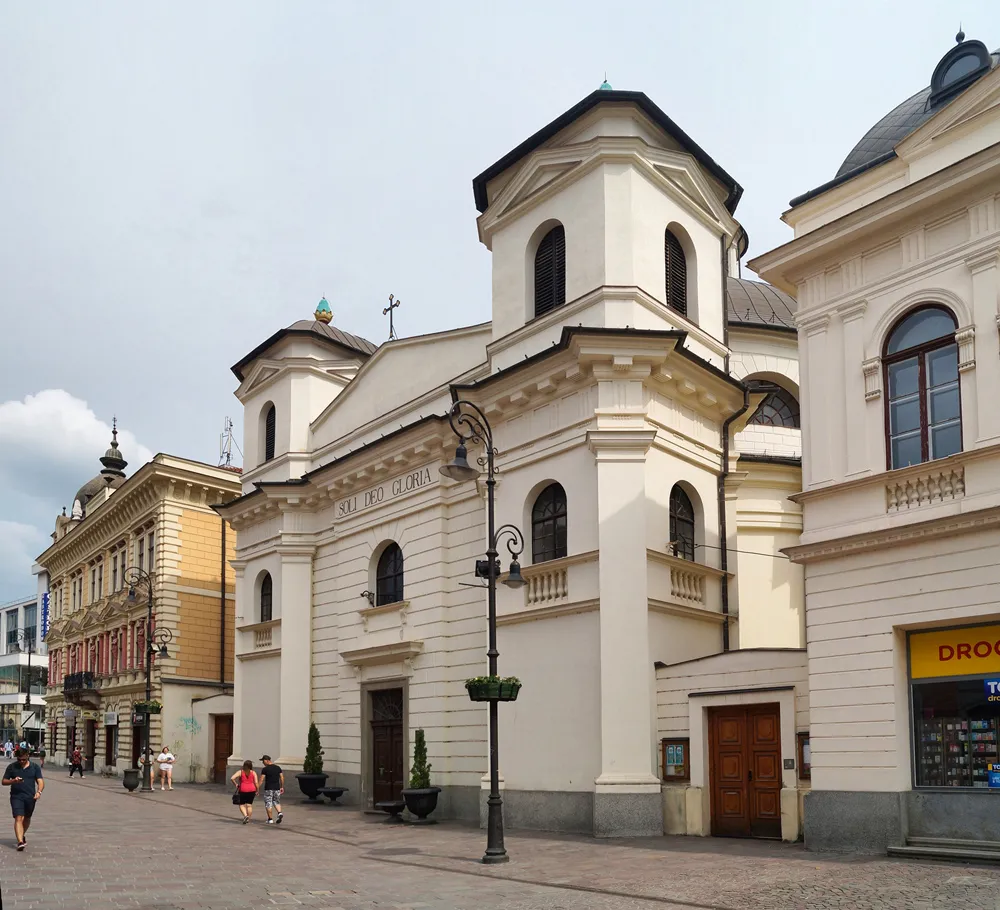
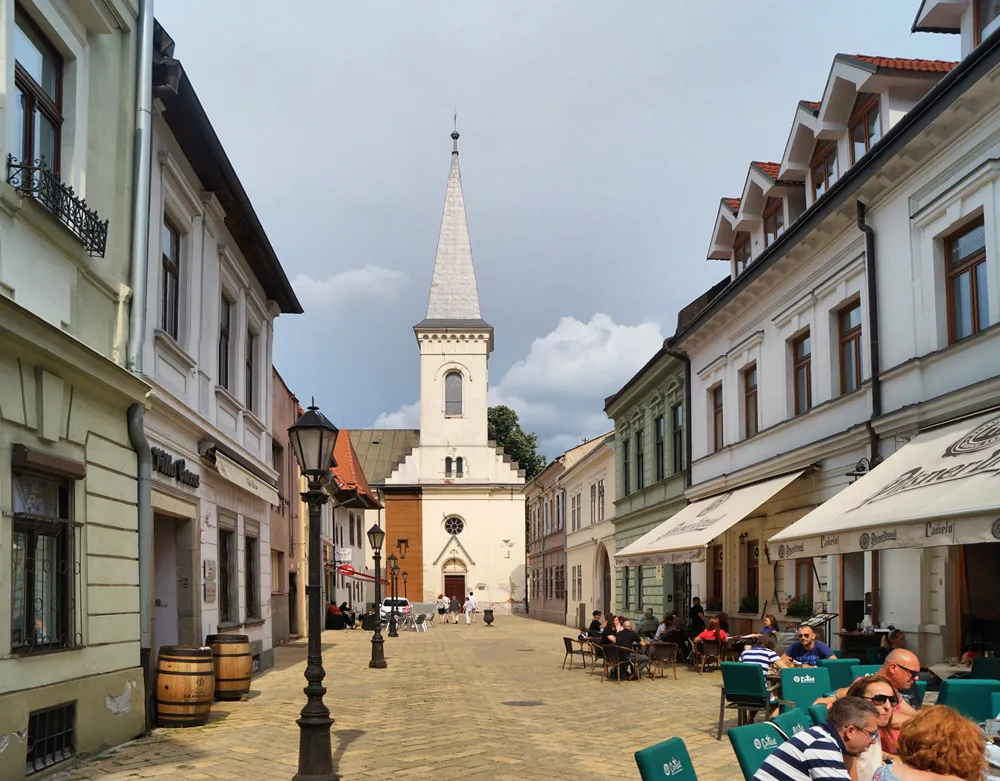
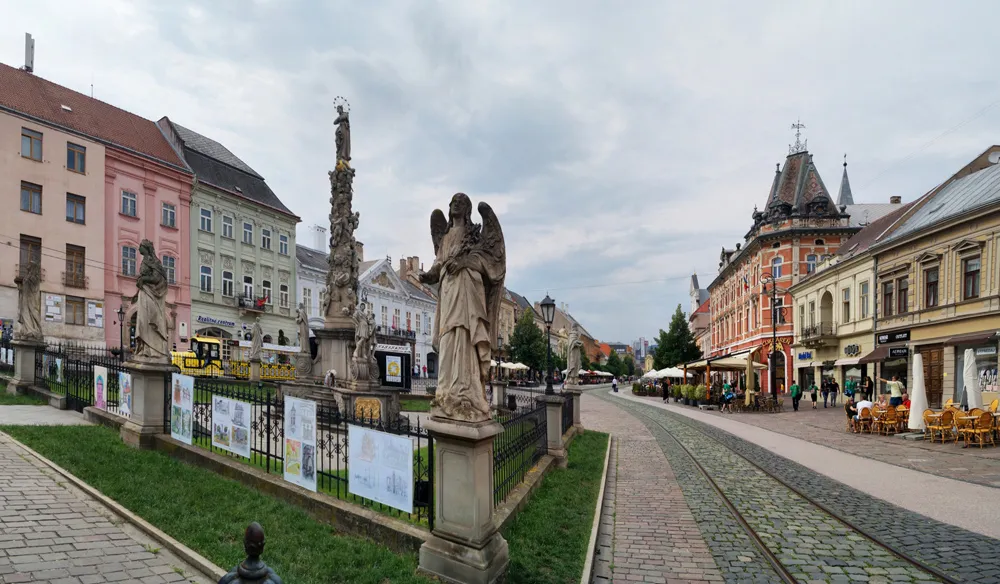
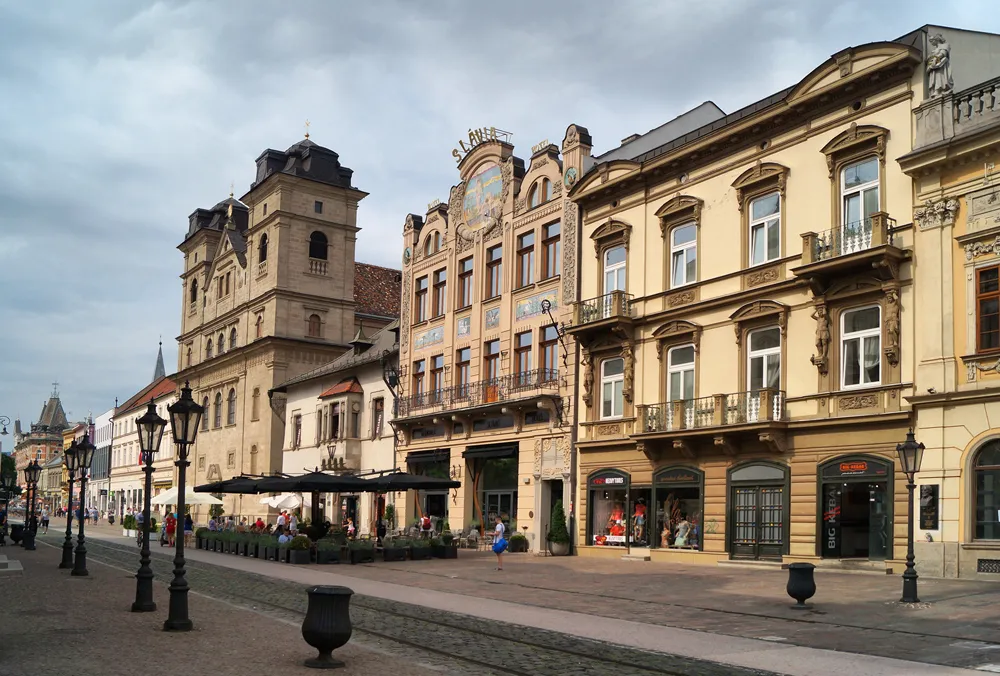
Košice has a huge number of architectural monuments, museums, exhibitions and other attractions. I will not list them all, only recommend those which I think you must see if you find yourself in Košice. First, pay attention to Jakab Palace, with its fairy-tale tower built in the style of the Loire castles. Besides it, there are four more buildings in the city that are officially called palaces: almost every important Magyar family wanted to have a residence in Košice, such as the Csáky, Barkóczy and Andrássy families.
If you are a fan of fortifications, the city has preserved the remains of the Košice fortress, which was a strategic site until the 18th century, after which it was decommissioned and dismantled.
Among the churches, besides St. Elisabeth Cathedral there are the Dominican church, the oldest building in the city (13th century), the church of St. Anthony of Padua (1405), the Ursuline church (1652–1655), the Jesuit church (1771–1681), the church of the Holy Spirit (1730–1733), the Calvinist congregation (1805–1811) and the Lutheran church (1804–1816).
It is believed that of all the cities of Slovakia, it is Košice that has the largest number of Ukrainians. According to official statistics, Ukrainians and Rusyns make up about 1% of the city’s 240,000 inhabitants, but if we look at the number of Greek Catholics, we will see that there are more than 14,000 of them in Košice. They even have their own eparchy and the Cathedral of the Nativity of the Virgin, built in 1882–1898 in the Neo-Romanesque style. Unfortunately the vast majority of the city’s Greek Catholics, who are descendants of Ukrainians, consider themselves Slovaks and have long forgotten the Ukrainian language. That is the result of the long-standing policy of the Hungarians, who were intolerant of other nationalities.
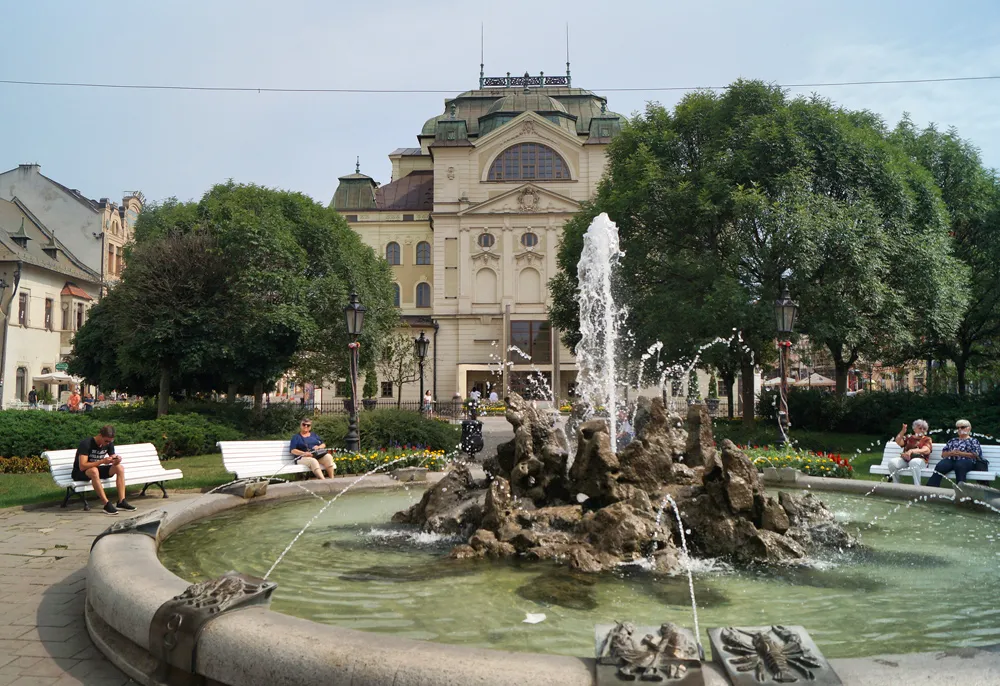
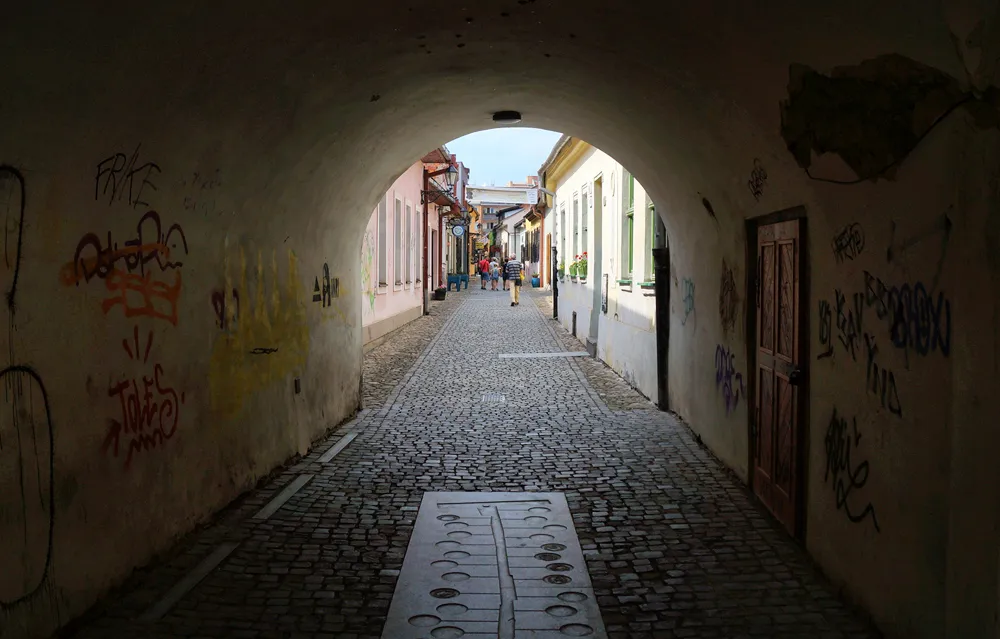
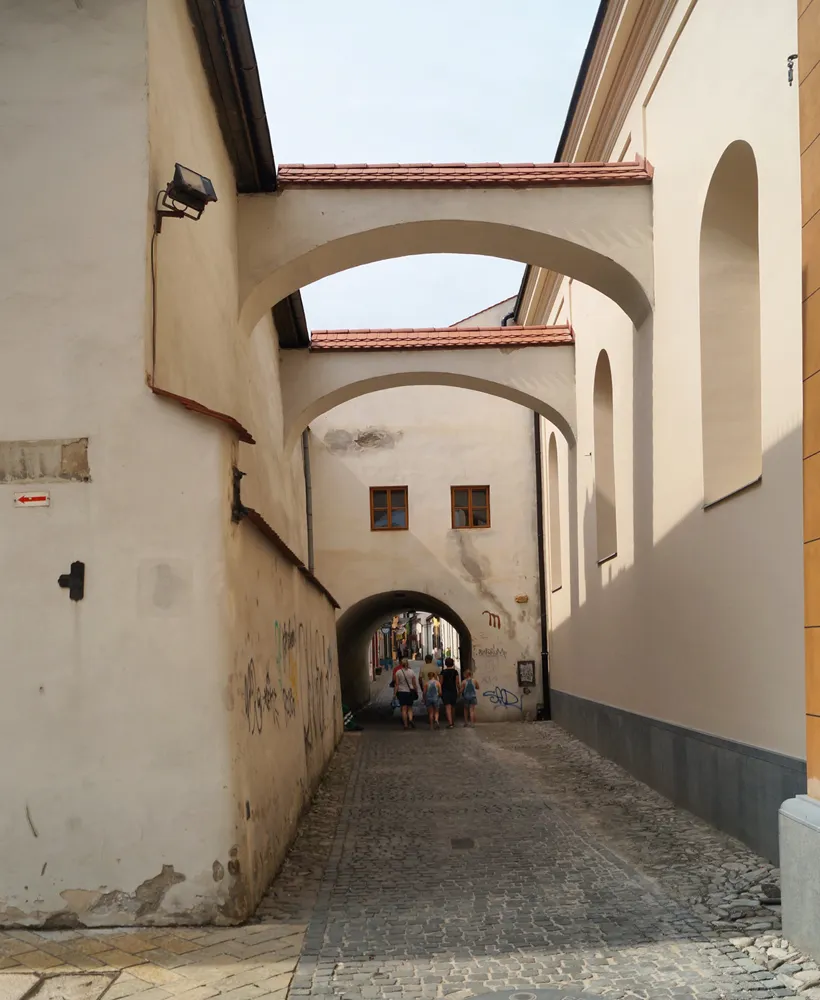
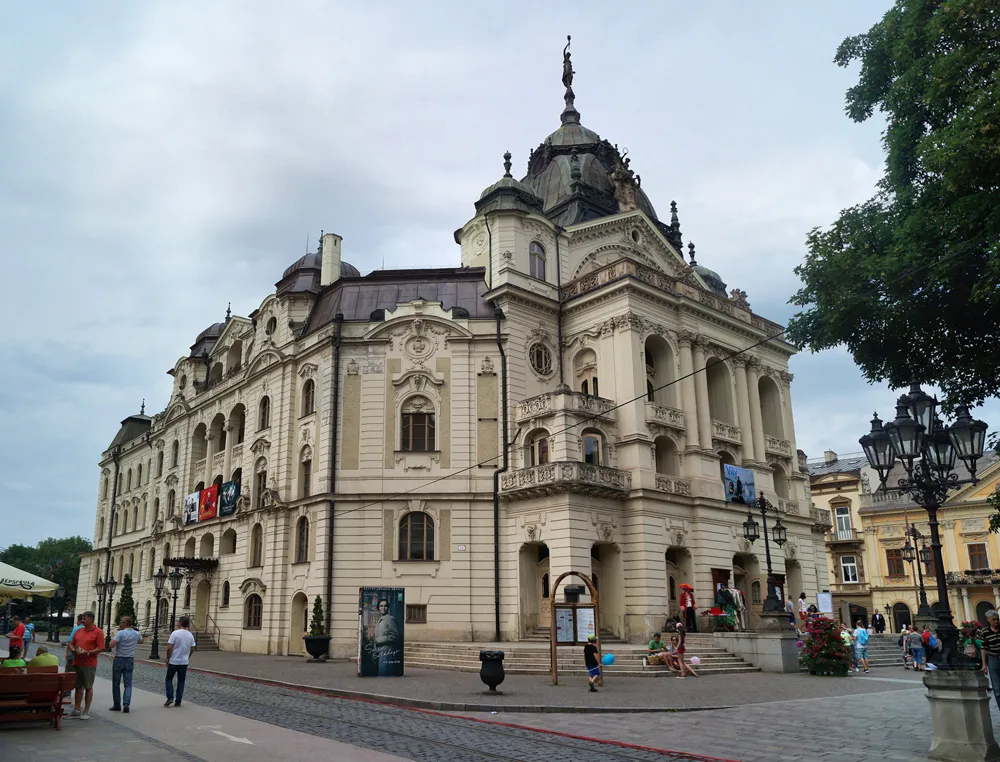
It is not known exactly when Košice was founded. In 1230 there was a settlement here called Villa Kosho, which belonged to the Hungarian crown. In 1241 King Béla IV of Hungary invited Germans from Saxony to the town to build it up. In the same year Kosho received town rights under Saxon law. The Germans surrounded the centre with defensive walls, which formed a substantial fortress until the 18th century.
In the 15th century Košice became an important centre in Upper Hungary. In the time of King Matthias Corvinus the city had 10,000 inhabitants, a great many for those times. Hungarian kings and persons of royal blood often used Košice as a residence. The city often found itself at the centre of revolts and uprisings: the Hussites of Jan Jiskra were stationed here, as were the rebels against the Habsburgs led by Ferenc Rákóczi.
Until the 20th century Hungarians made up the majority in Košice. Even in 1910, 75% of townspeople were Hungarians, and Slovaks made up only 14%. Now Hungarians are only 2.6%, and 73% are Slovaks. This is how the national composition changed over a century.
Text and photos by Roman Malenkov.


