Old Ukrainian cemeteries in Yerky

· 3 min read
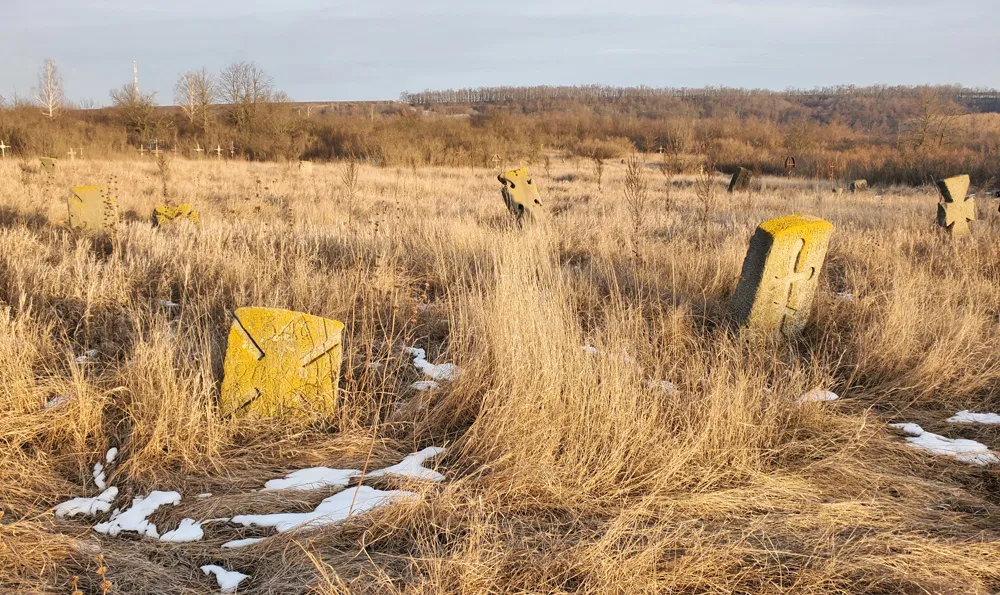
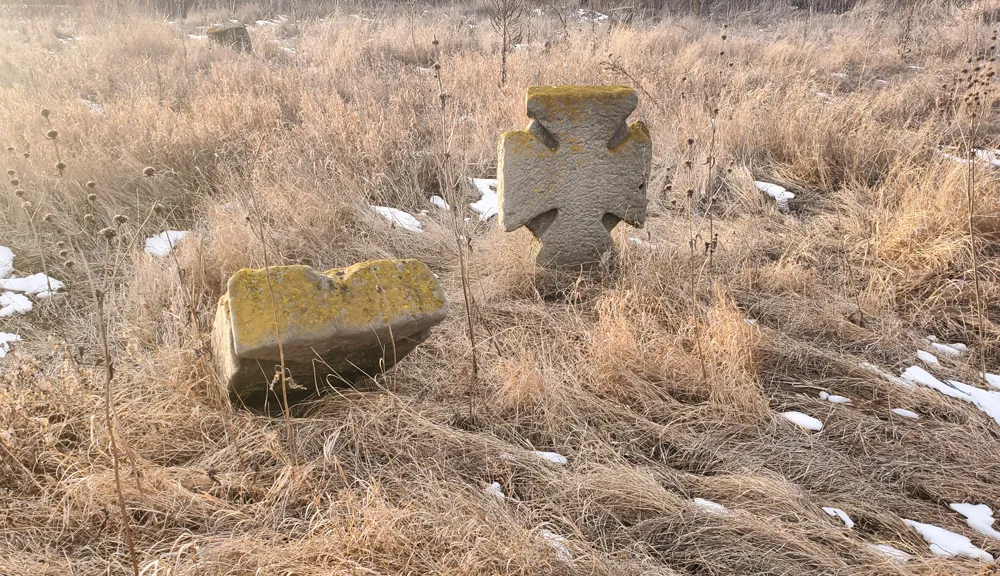
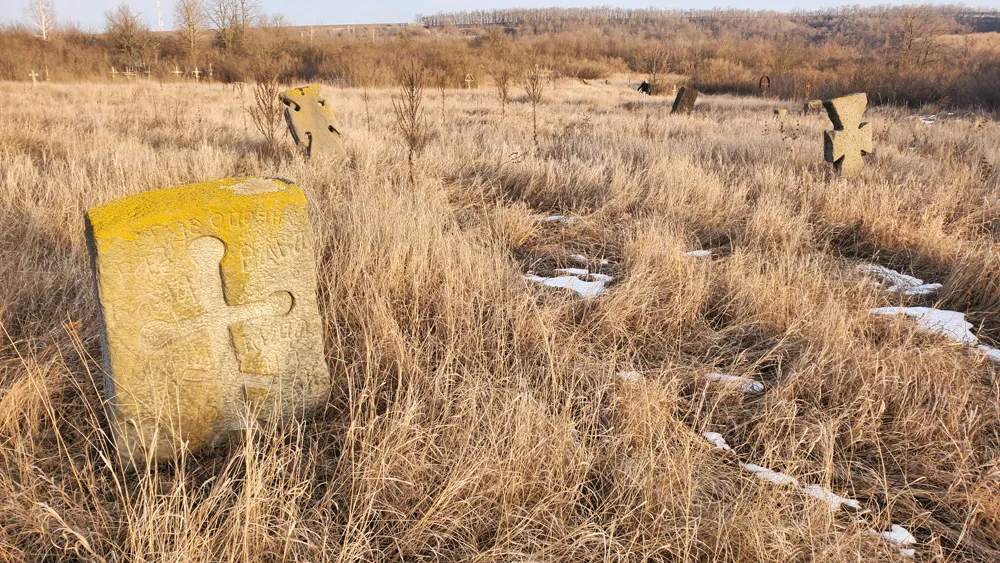
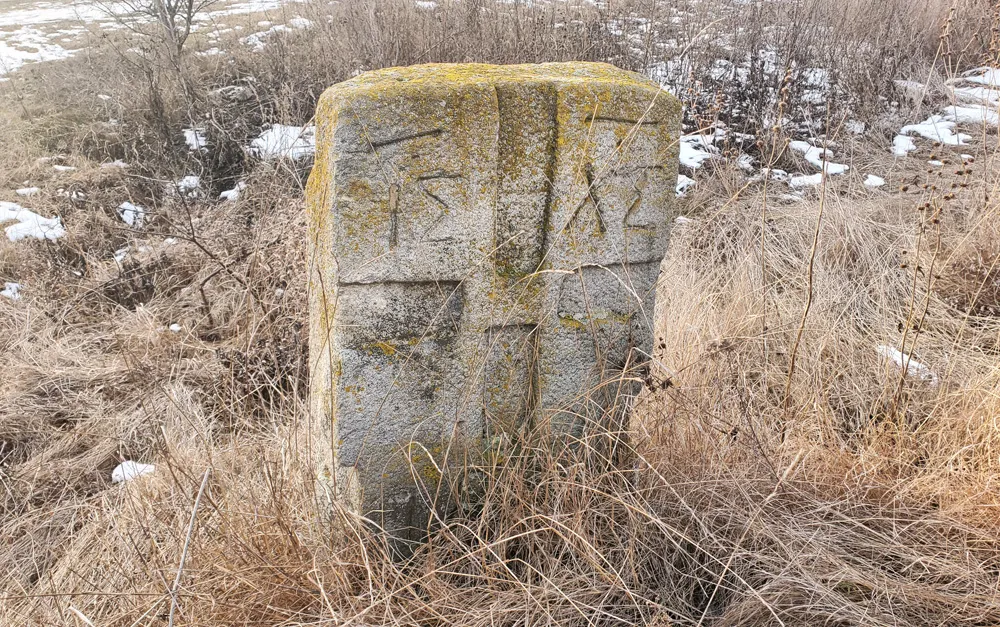
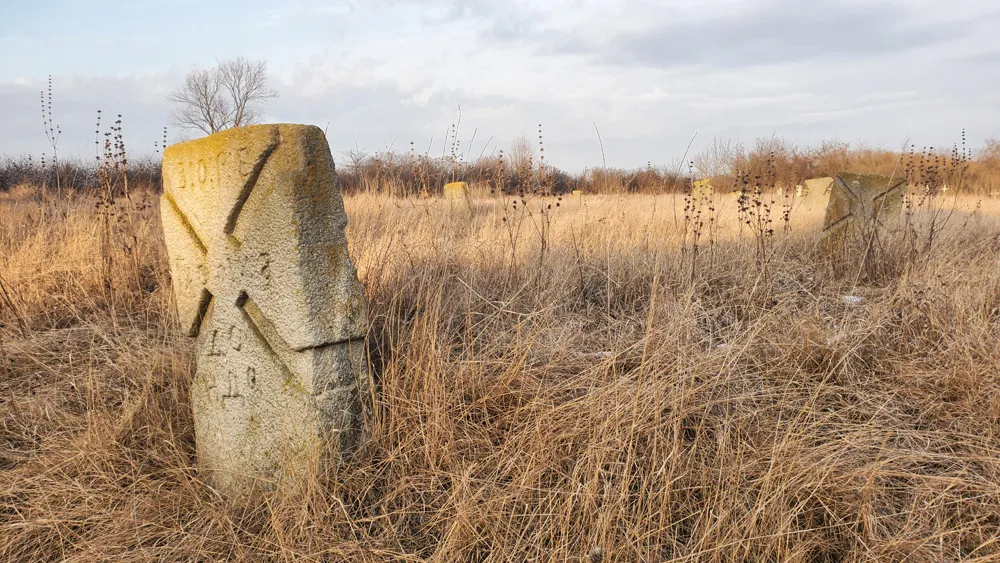
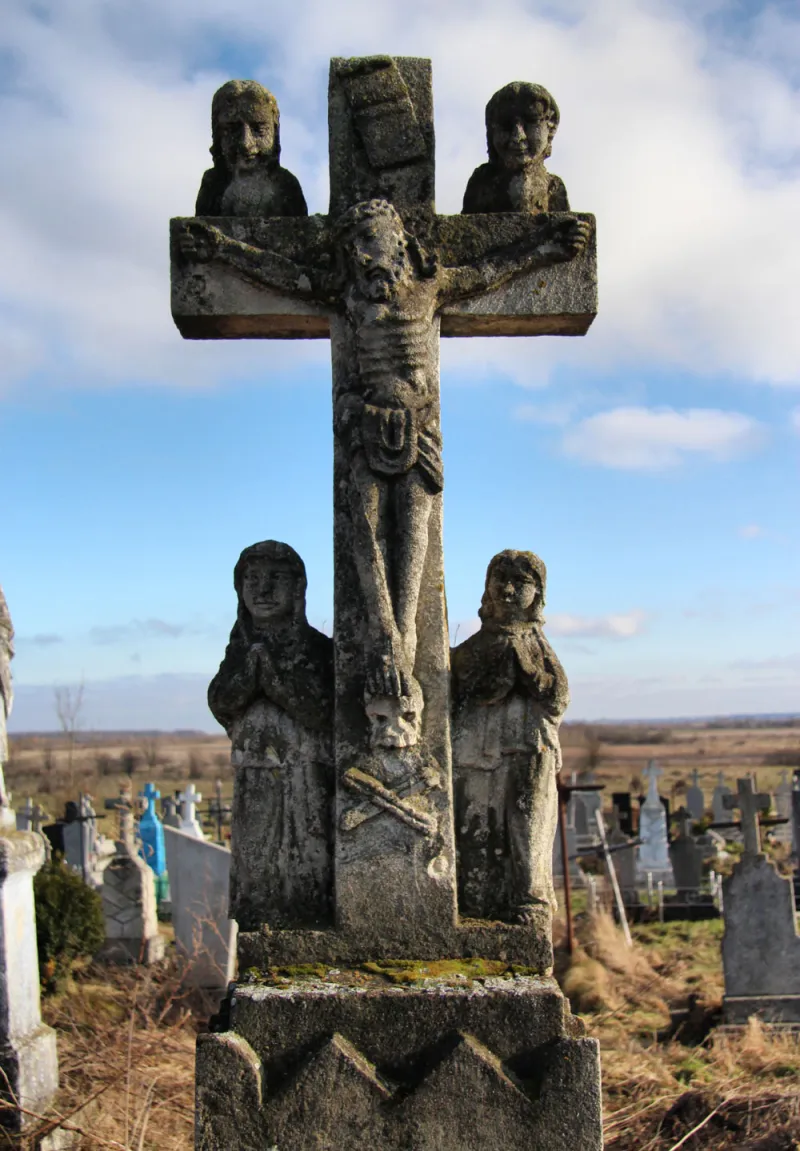
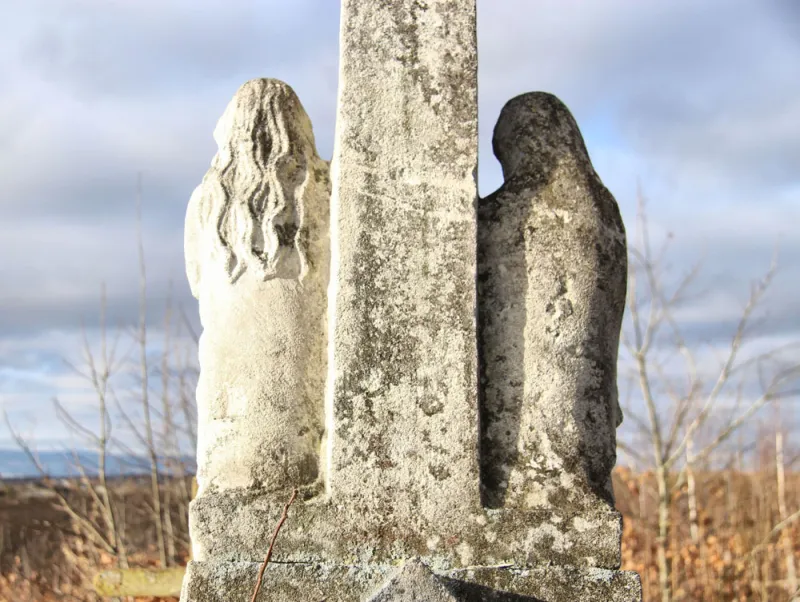
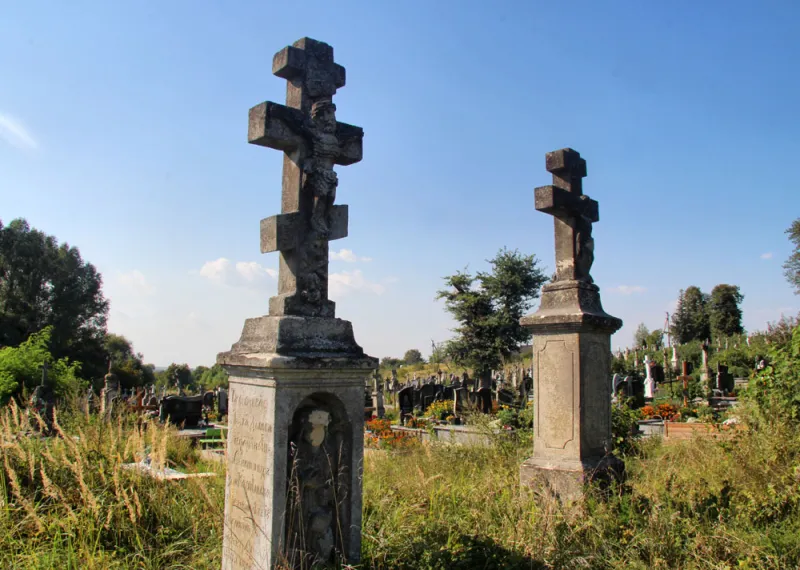
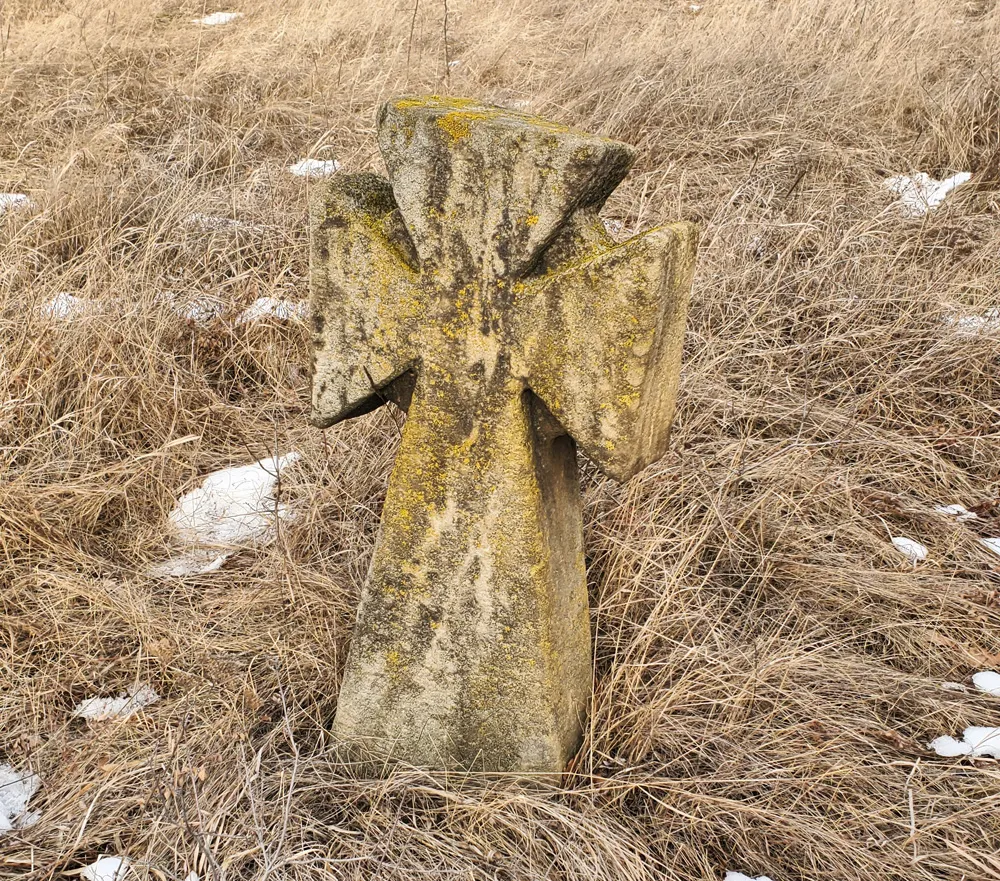
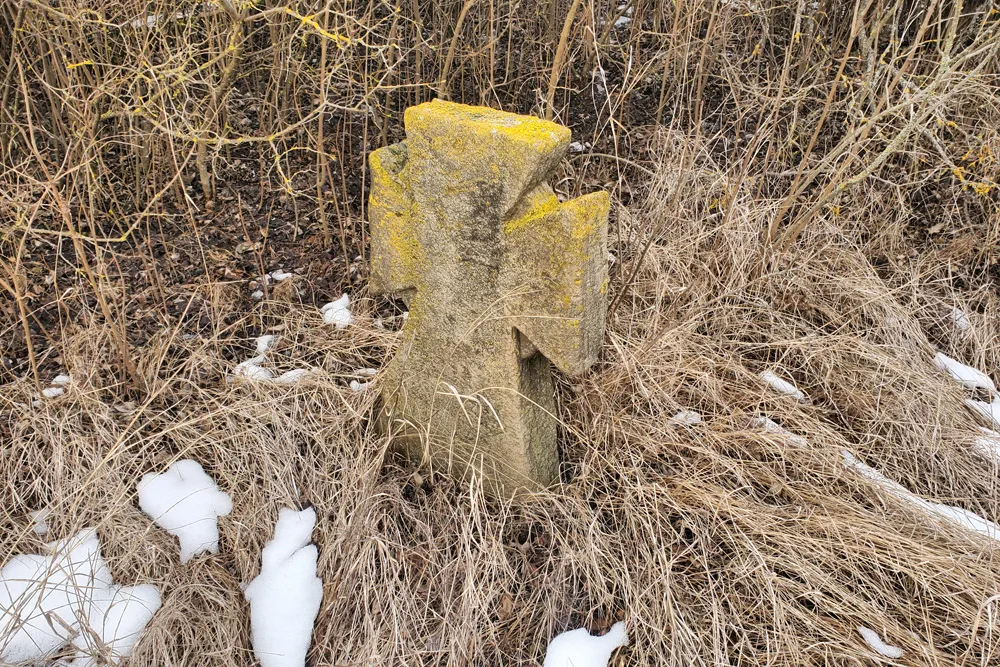
Yerky is a settlement in Zvenyhorodka district of Cherkasy Oblast. There seem to be no architectural monuments here, so for a long time we passed Yerky by without exploring it. Only recently did we learn that Yerky has real historical treasures. Material ones. Two old Ukrainian cemeteries with stone crosses, which are called Cossack.
The name Yerky is a modified form of the word yarky (yary, ravines, but small ones). There are indeed many ravines here, along which streets stretch for a considerable distance. Probably for this reason two cemeteries arose in the village in different corners: a smaller one in the south-east, on a high hill, and a very large one in the north.
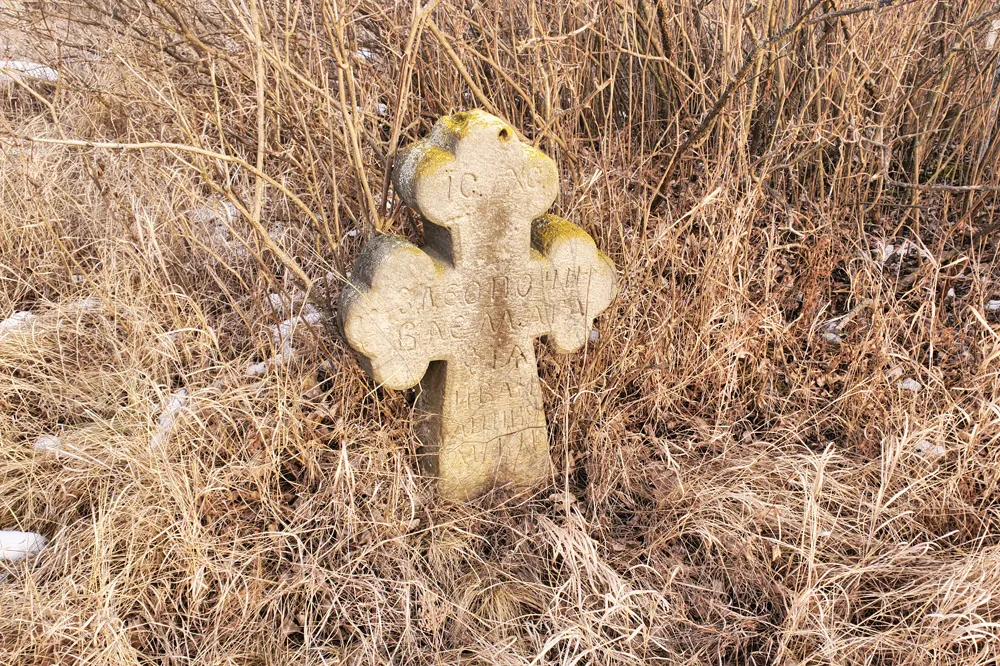
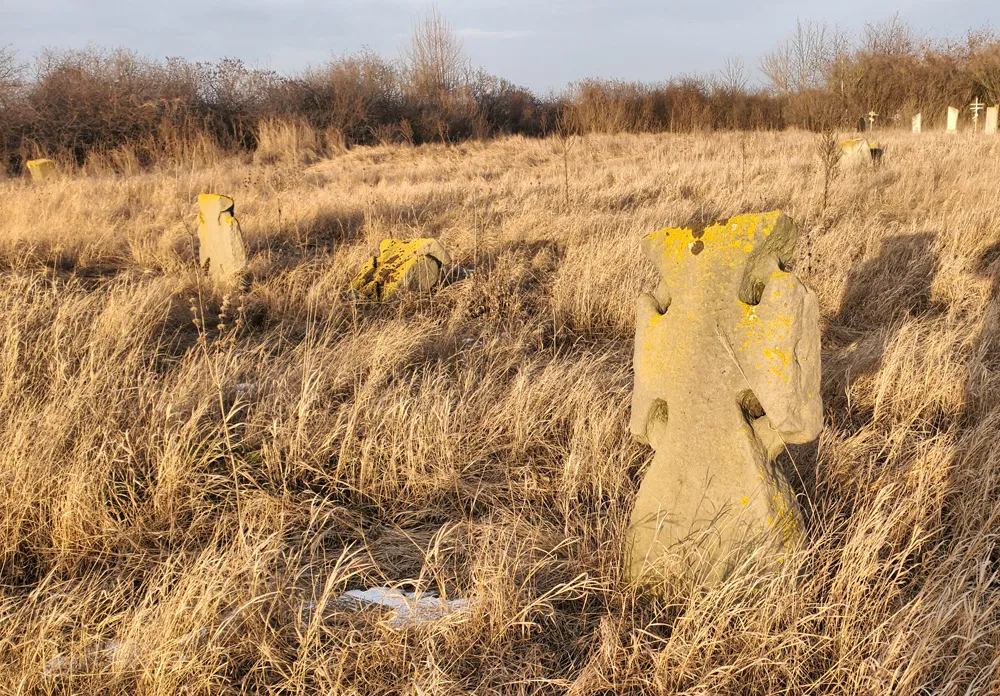
Already in the mid-19th century Yerky had 1,500 inhabitants, and at the end of the same century, 2,800. The cemeteries filled up, times changed, but the tradition of setting up Cossack-type crosses did not. The oldest dated crosses of the northern cemetery were erected at the beginning of the 19th century, and until recently Cossack surnames could still be read on them: Shkurko, Donets and Lychanyi. The few researchers date the cemetery to the second half of the 18th century, but it may have appeared earlier.
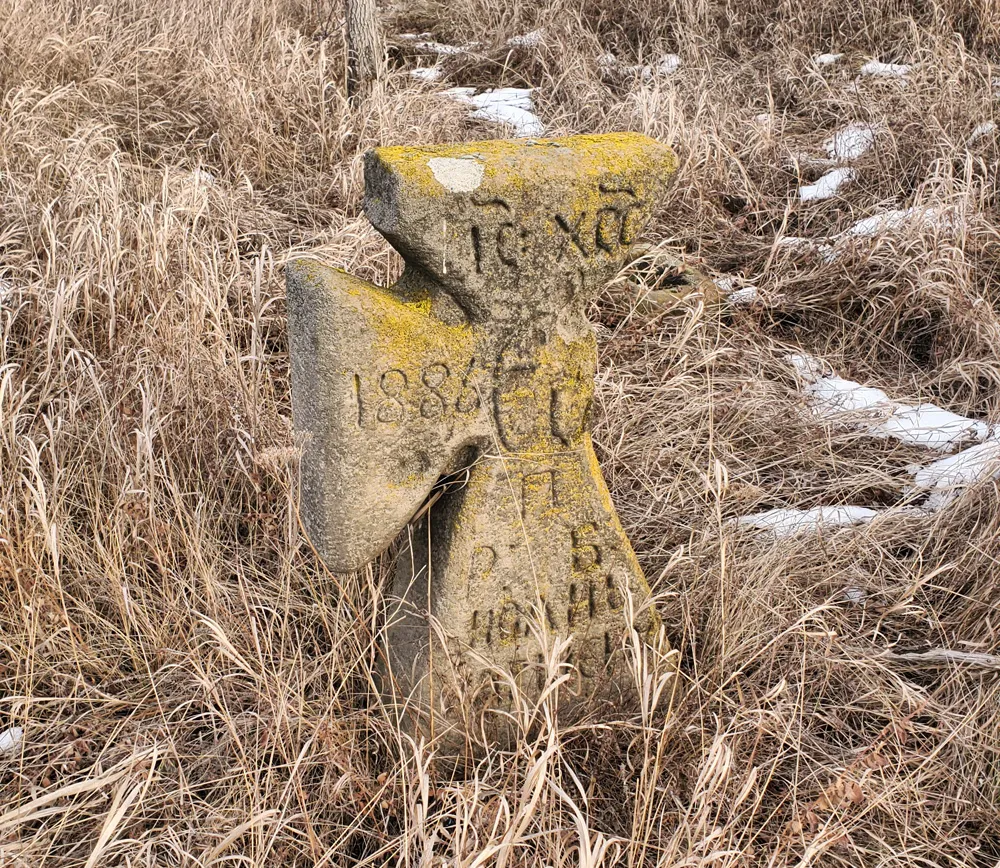
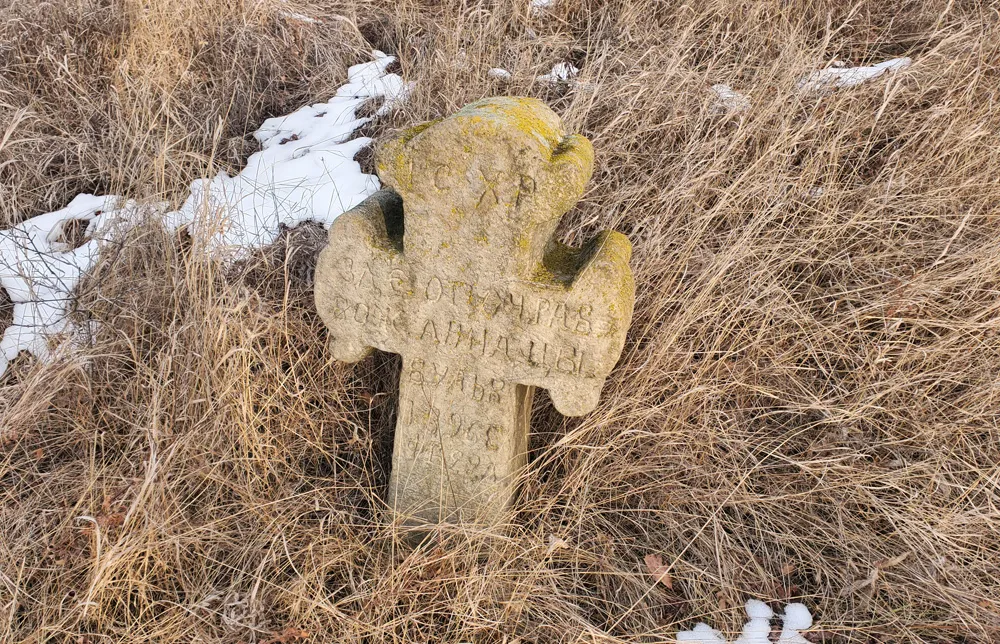
Yerky was founded approximately in the first quarter of the 18th century. The owner of these lands, Franciszek Salezy Potocki, granted the right to establish a settlement to petty armed gentry. The border with the Wild Field forced people to defend the frontier, so it is worth supposing that the territory was settled by Cossacks, with the owner’s permission (at his invitation), and that it was probably they who laid out the Yerky cemeteries. Although no evidence has survived. With the arrival of the Russians in these lands, a considerable part of the Cossacks found themselves in the status of individual peasant farmers, who continued Cossack traditions and set up stone Cossack crosses on graves. And after 1853, when Yerky was reclassified as a state village, without serfs, stone cross-carving revived, which can explain the large size of the northern cemetery.
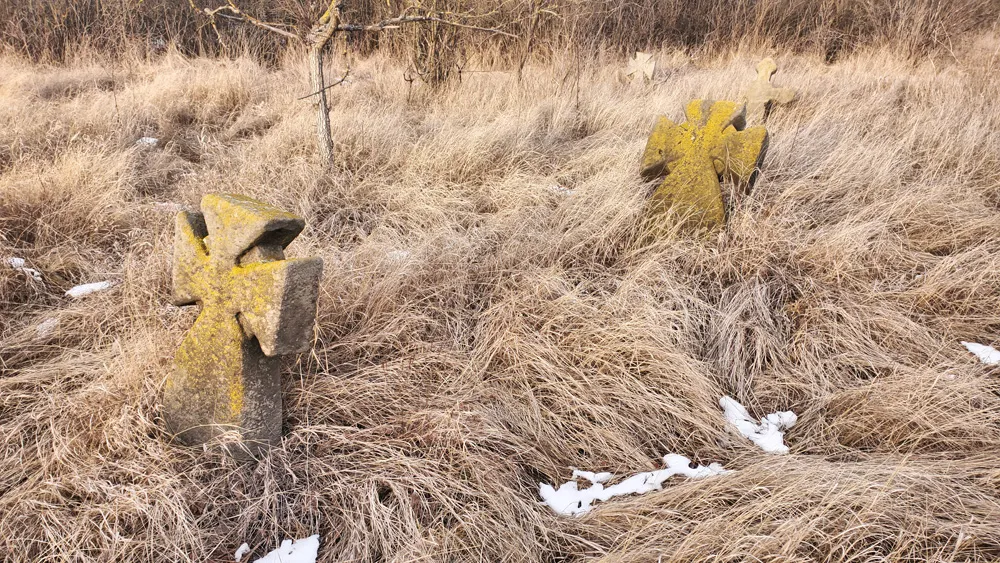
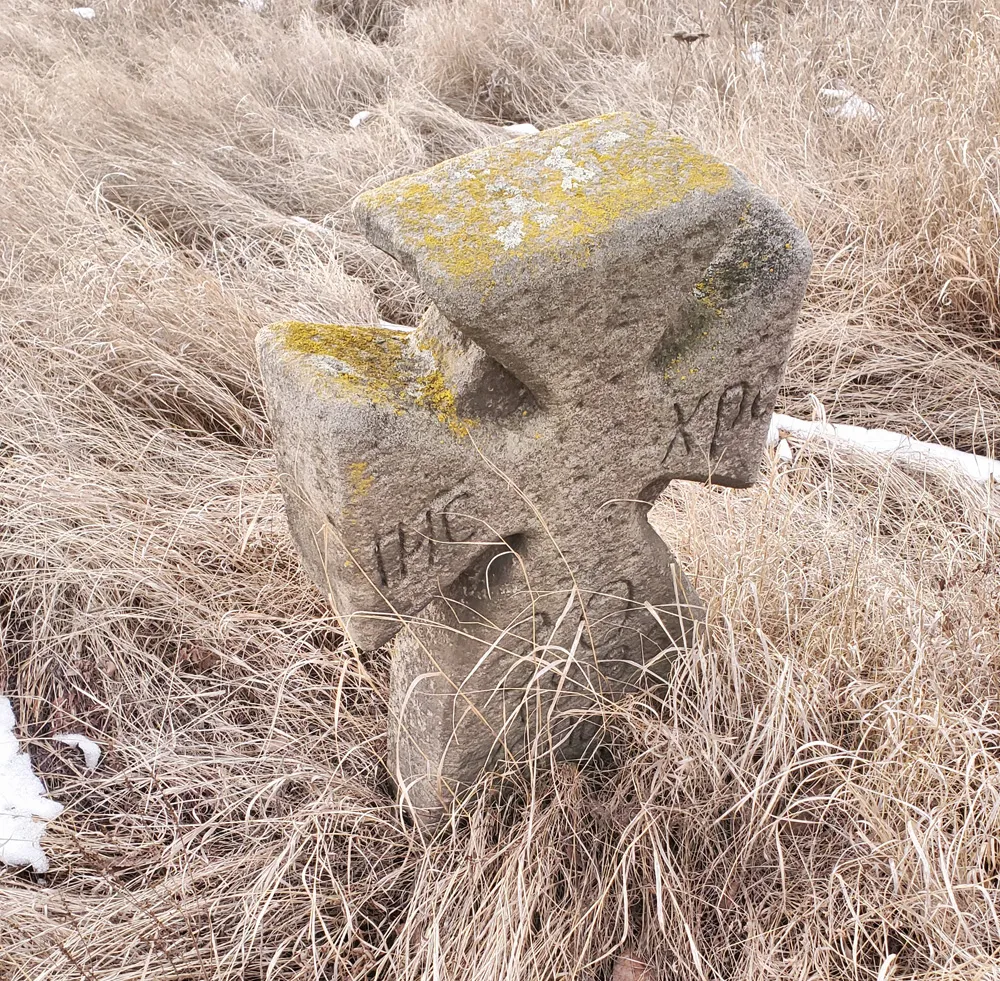
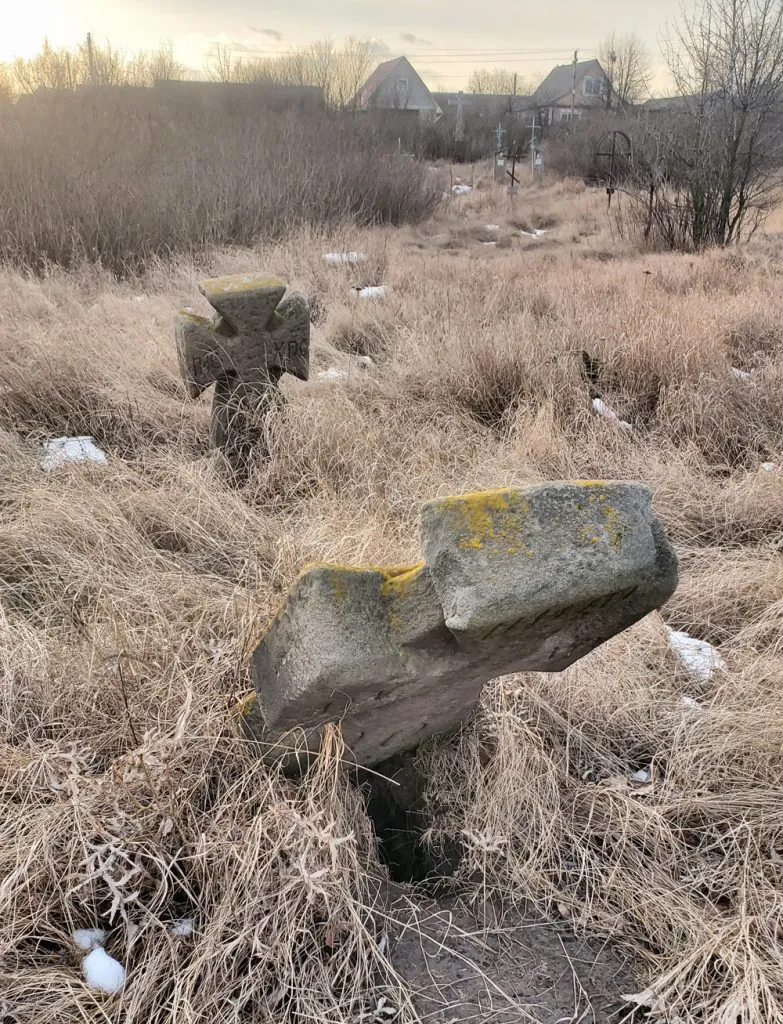
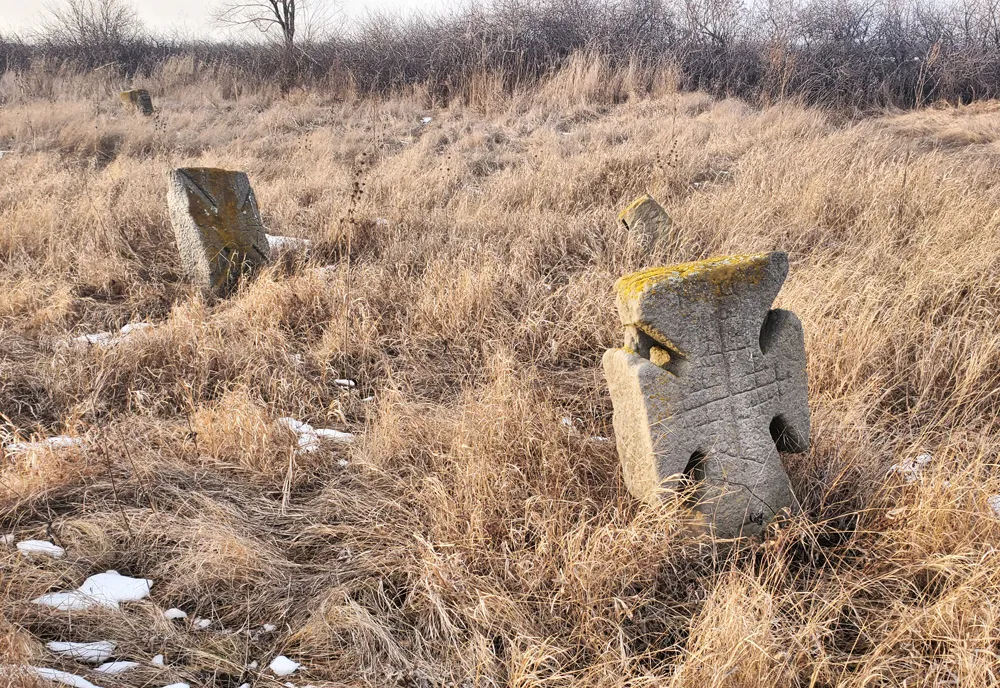
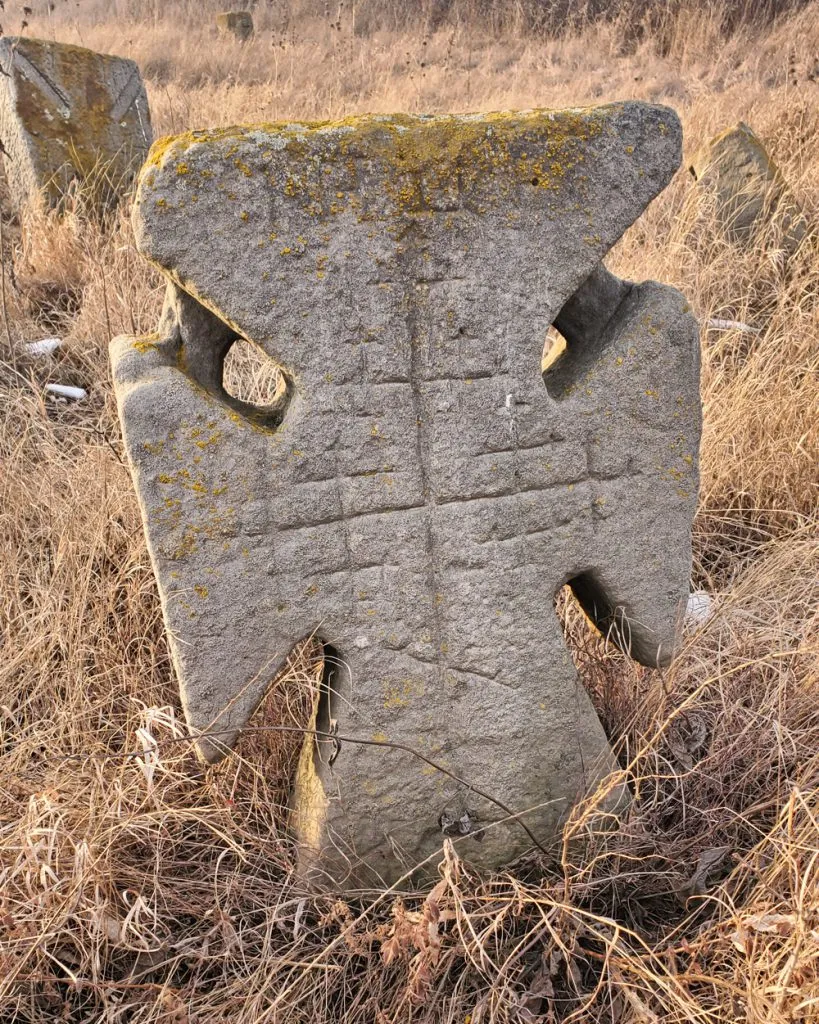
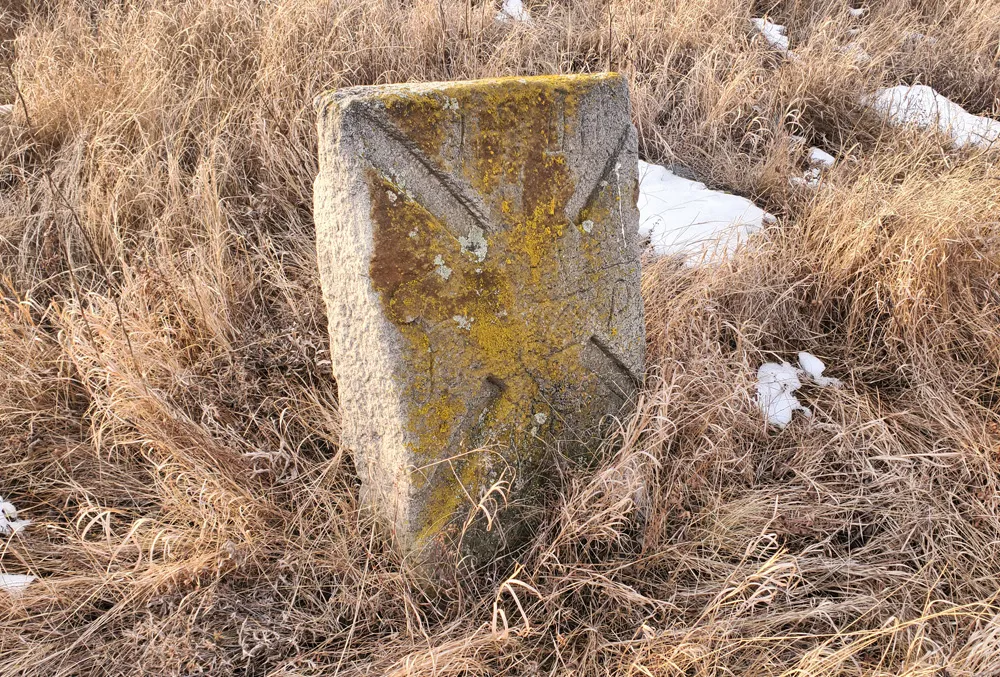
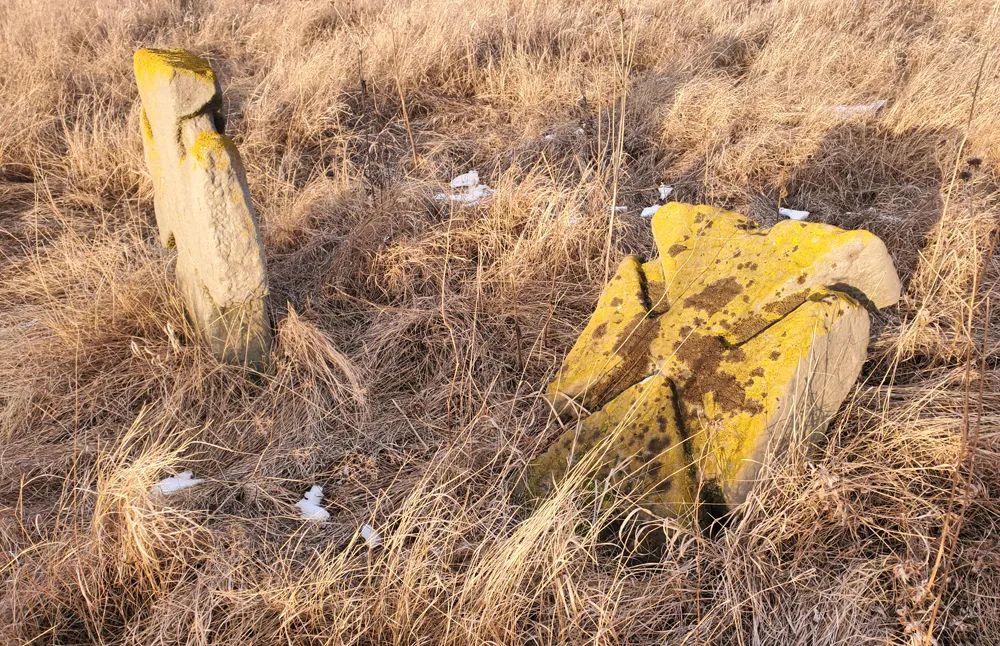
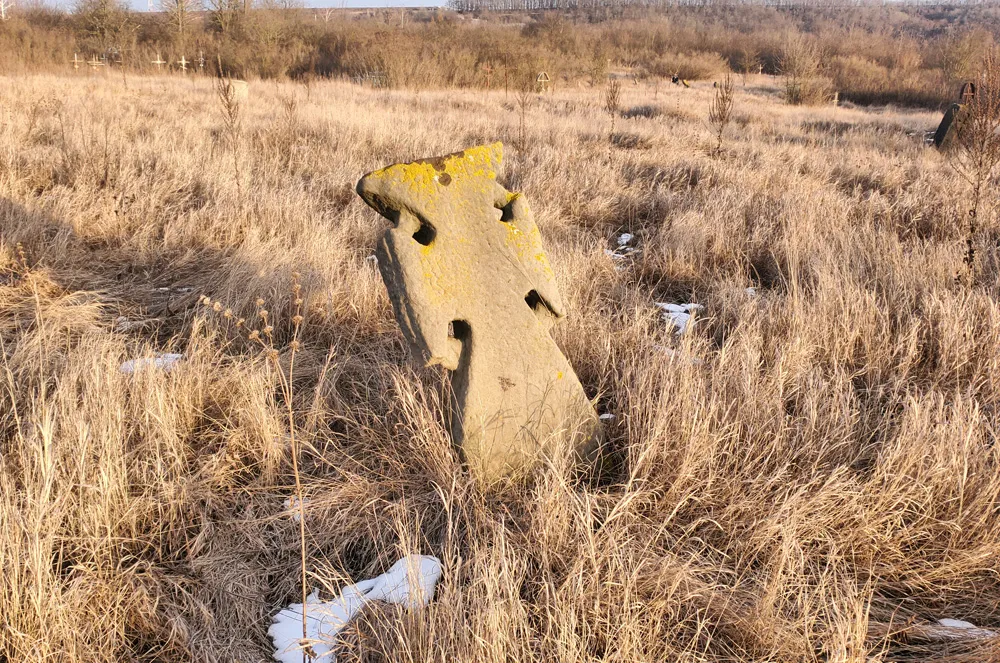
Both old cemeteries are in very bad condition. Most of the crosses are destroyed, many lie on the ground, and it is a real stroke of luck that dozens of these cross-stones have survived to our time. These centuries-old monuments of our culture and history carry one back across the centuries. They are incredible. The origin of crosses of exactly this shape is still a mystery.
Laurentii Pokhylevych in his “Tales…” writes of a large spring by the road from Yerky to Katerynopil. “The seclusion of the place in the forest, the properties of the water and the way it is thrown onto the surface of the earth with convulsive bubbling like a small watery volcano…”. We did not see this spring. If it has survived, it must certainly be found.
It is also worth noting that Viacheslav Maksymovych Chornovil was born in Yerky in 1937. His ancestors were Cossacks and lived in the village of Vilkhivets. After the enserfment of the Vilkhivets Cossacks, they moved to the free village of Yurkivka, neighbouring Yerky, and then to Yerky.
Text and photos by Roman Malenkov.