The old cemetery of the village of Stare Misto

· 6 min read
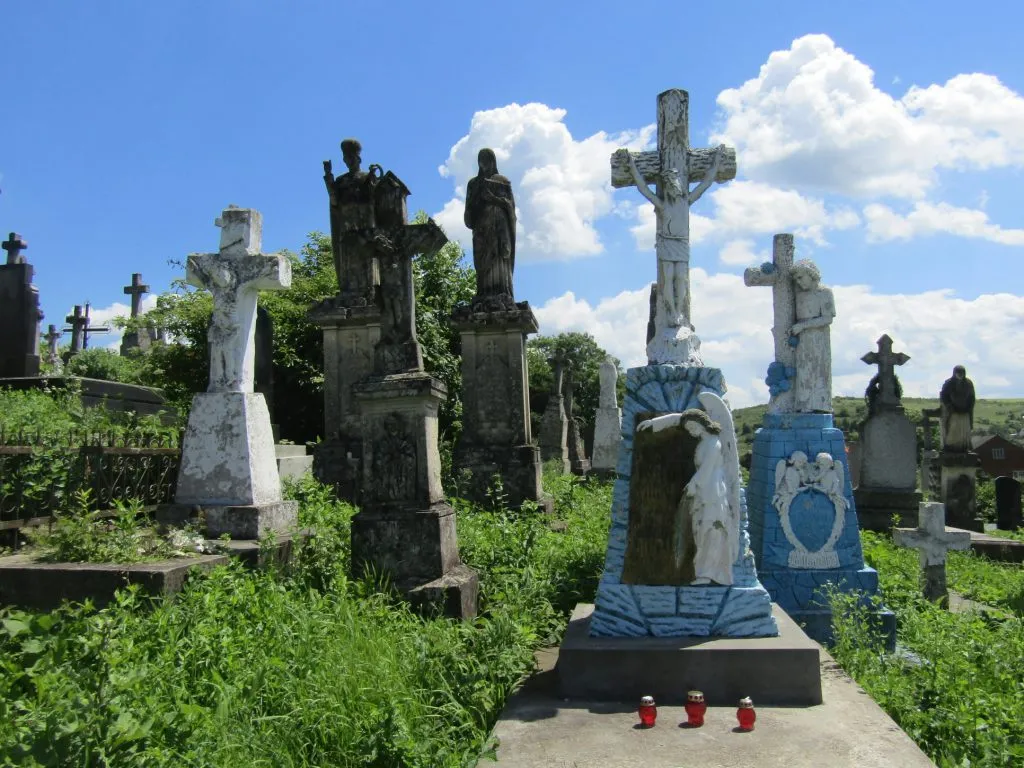
We have already written about the village of Stare Misto, and now we want to show the unique Ukrainian cemetery of this village.
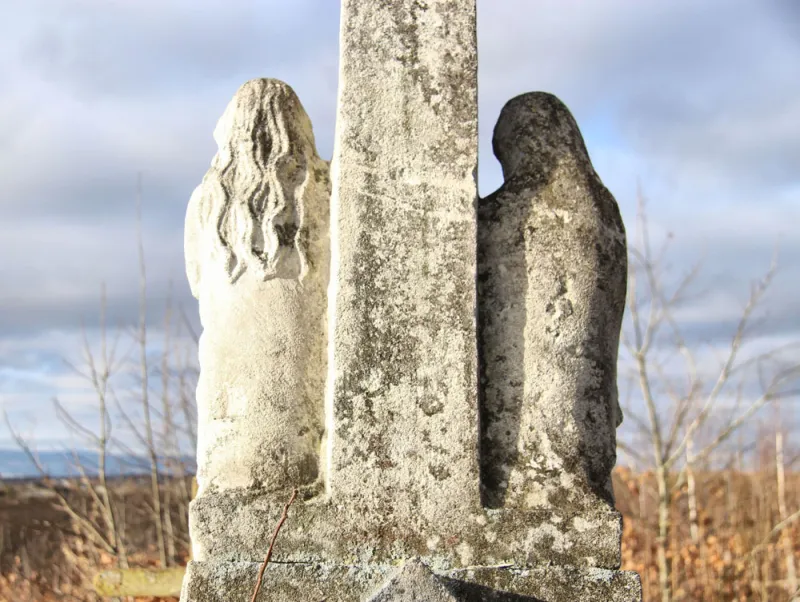
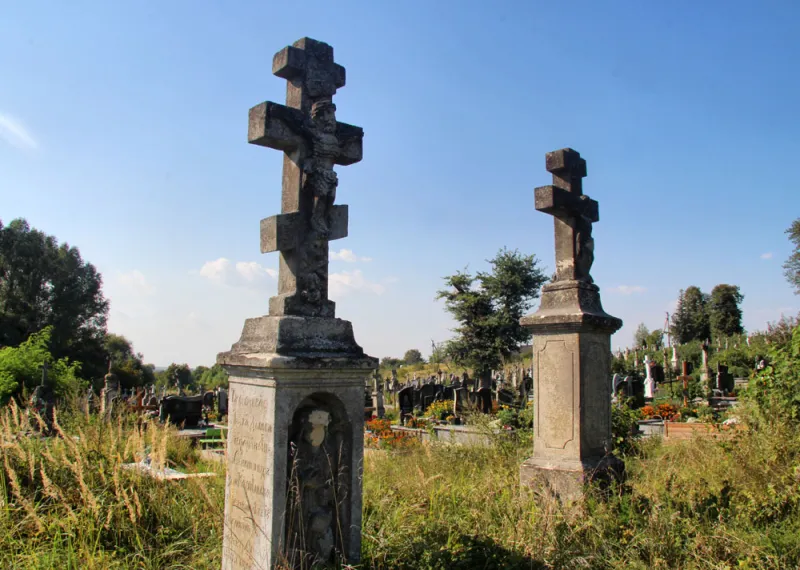
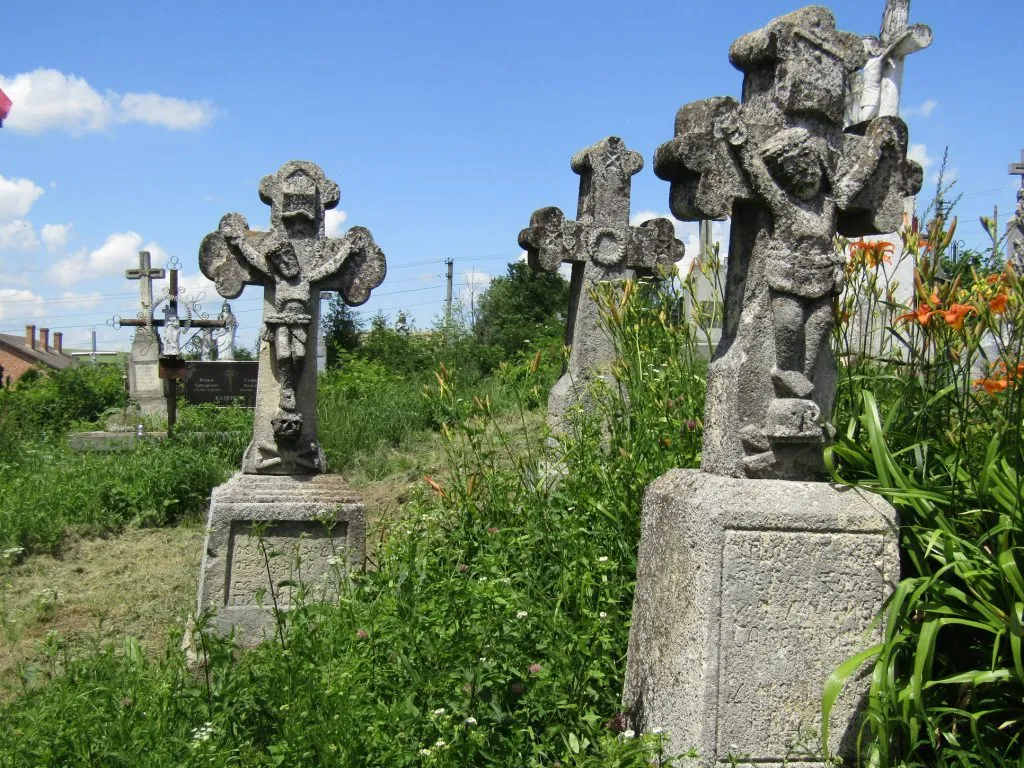
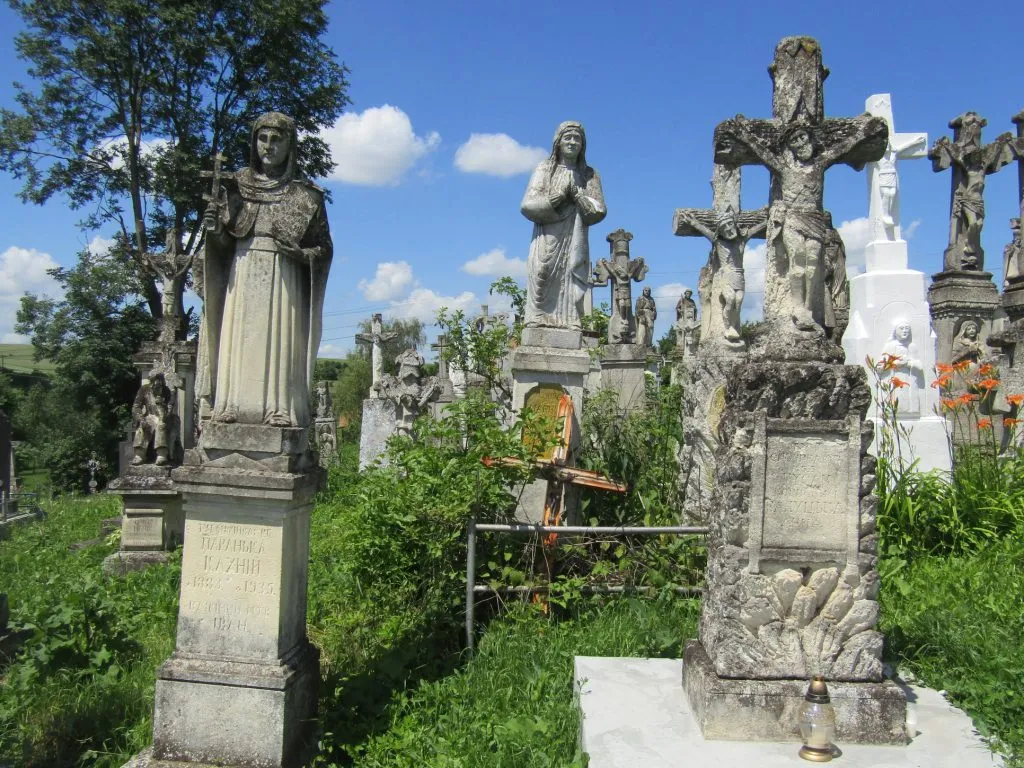
The old cemetery of the village of Stare Misto in Ternopil region. A unique monument of Ukrainian history and art (lapidary and sacred). Officially, for the state, it is not a monument.
This unique cemetery was created mostly by the hands of members of the Papizh family, self-taught sculptors. With their hands the stone necropolis of Stare Misto was built over a century and a half. It was the custom in the family that the burial place of each of them was designed by his son, the heir to the craft. Havryil Papizh (1830–1914) was the founder of the family dynasty of stonecutters. His son Mykhailo set up a statuary portrait on his grave: a man dressed in village clothes in a seated pose. On the grave of Mykhailo (1890–1965), his son Illia built a tomb with a figure of the risen Christ.
Text: Petro Moroz. Photos: Andrii Senko
The following text is from the Ternopil Region website:
THE PAPIZH family were folk stonecutters. They lived in the village of Stare Misto, now in Ternopil district of Ternopil Oblast. It is known for certain that the Papizhes settled in Pidhaitsi in the second half of the 19th century. Art historians discovered the dynasty of self-taught sculptors, the Papizhes, ten years ago. The Institute of Arts of Vasyl Stefanyk Precarpathian National University (Ivano-Frankivsk) organized an expedition to study the features of memorial carving in Galicia.
The Pidhaitsi area, rich in historical and architectural monuments, aroused particular interest among scholars because it had long been famous as a centre of artistic stonemasonry. Since the 16th century local residents had quarried limestone deposits in the village of Holendra and used the “white stone” for household needs: they hewed foundation slabs, steps, and fence and gate posts. From the same limestone the masters carved sculptures for churches and monuments for the graves of their relatives. Studying memorial sculpture in various parts of the region, the expedition singled out the works of the Papizhes.
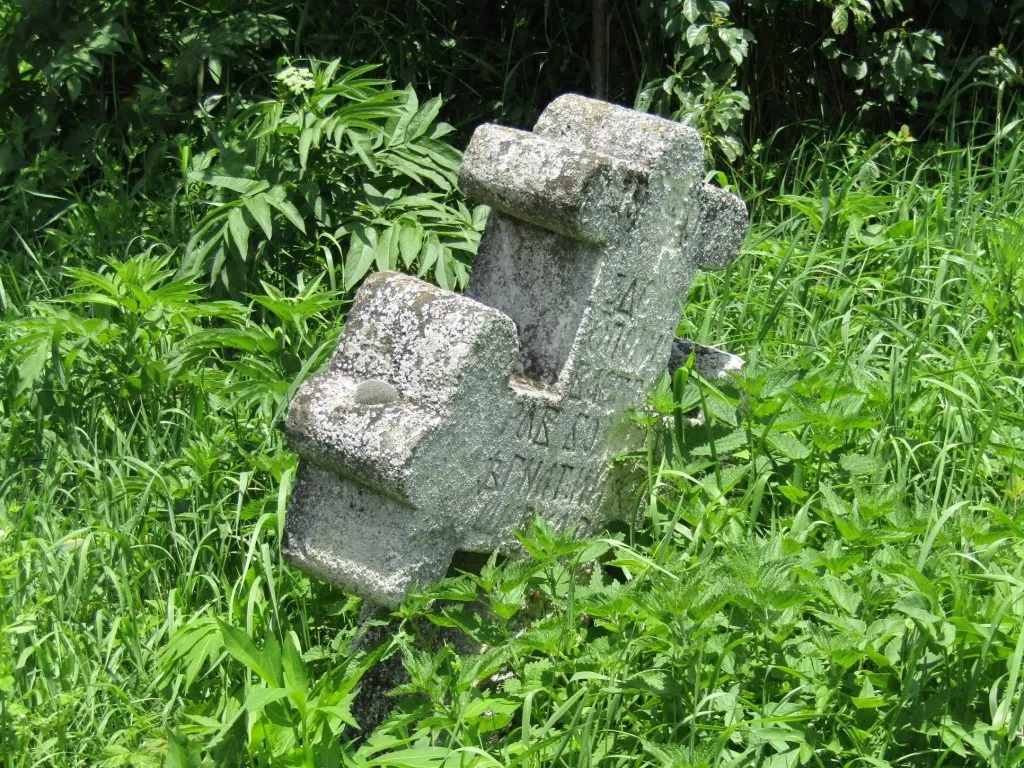
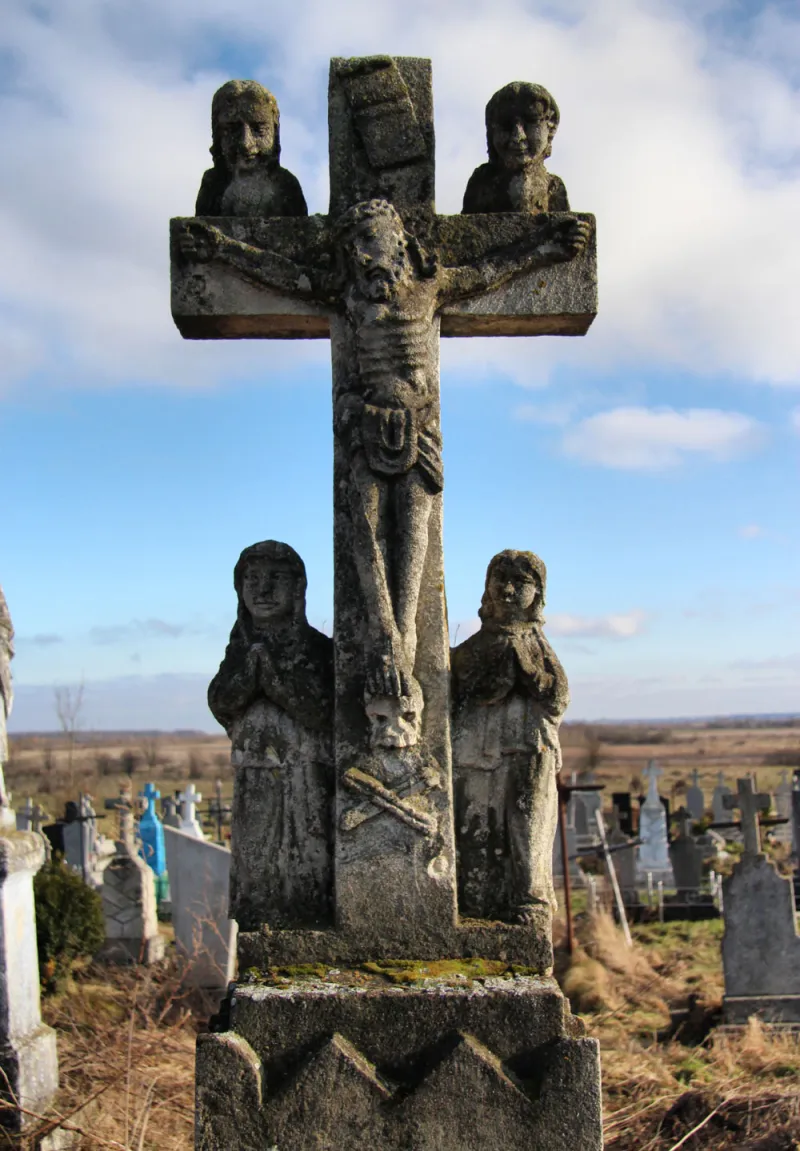
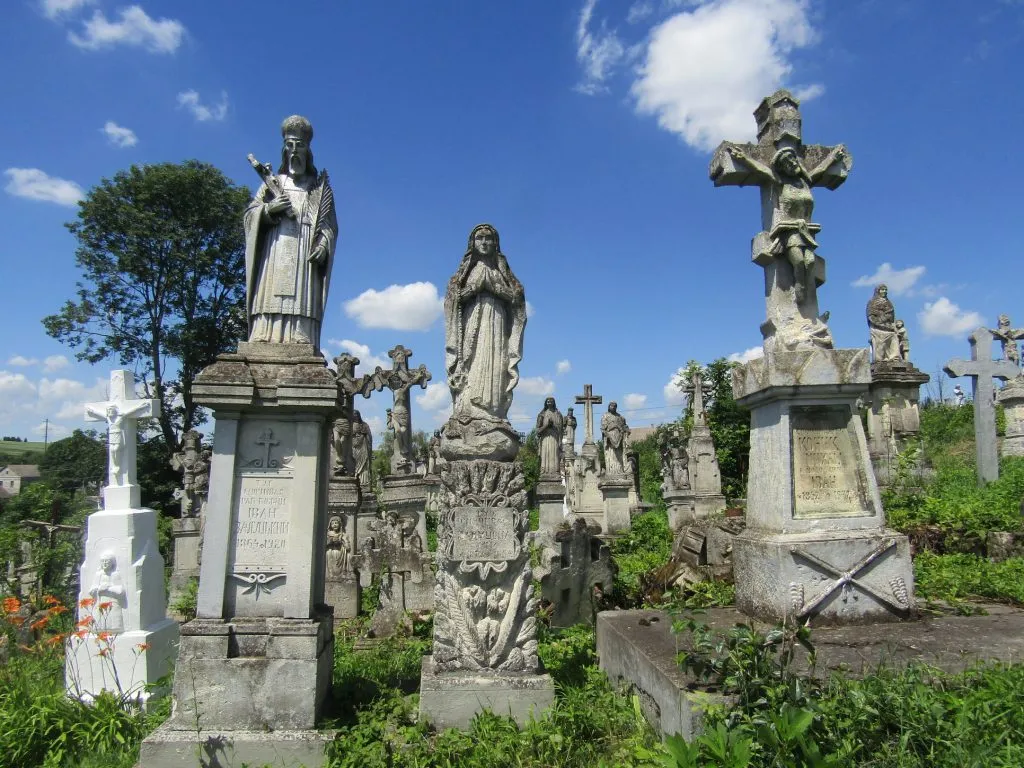
Havryil PAPIZH (1830–1914), carver. Father of Andrii, grandfather of Illia Papizh. The first of the dynasty of stonecutters, Havryil Papizh, who worked in Stare Misto in 1890–1900, began by carving canonical crosses. In time he began to make relief crucifixions with “figures standing by”² on pedestals of roughly hewn stone. The general disproportion of the figures, minimal elaboration of facial features and flat ornamentation: such was the carving technique of the first Papizh. On his grave “grateful son Mykhail” set up a statuary portrait he made with his own hands, a man in folk dress in a seated pose. Two of his five sons took over their father’s craft.
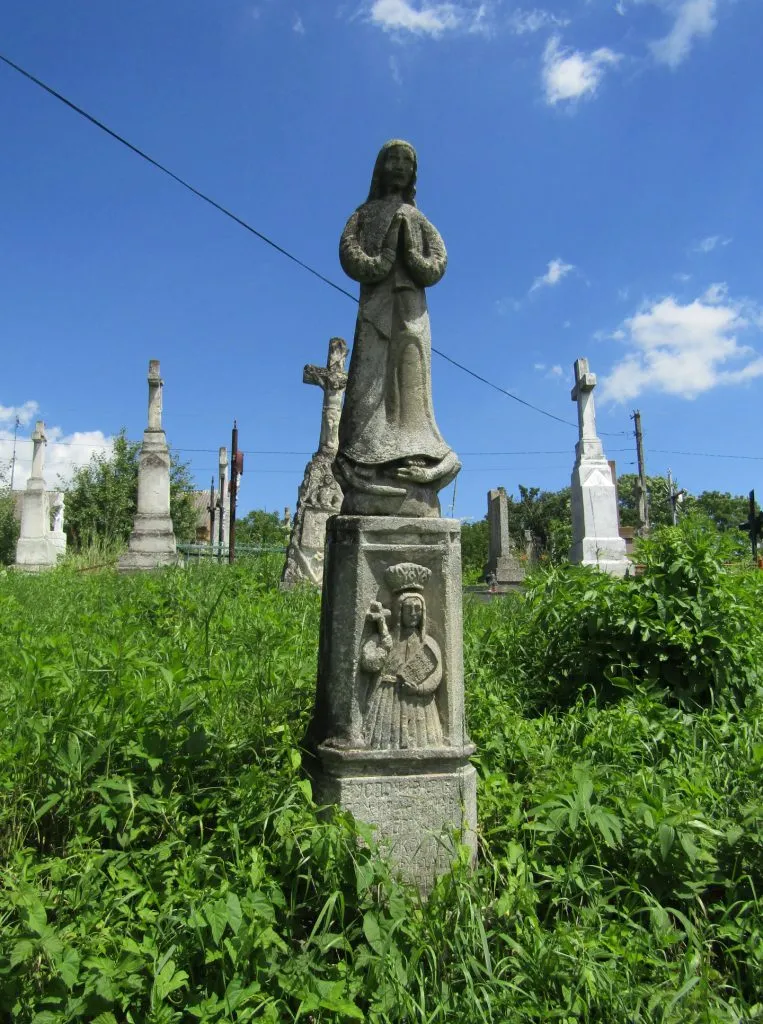
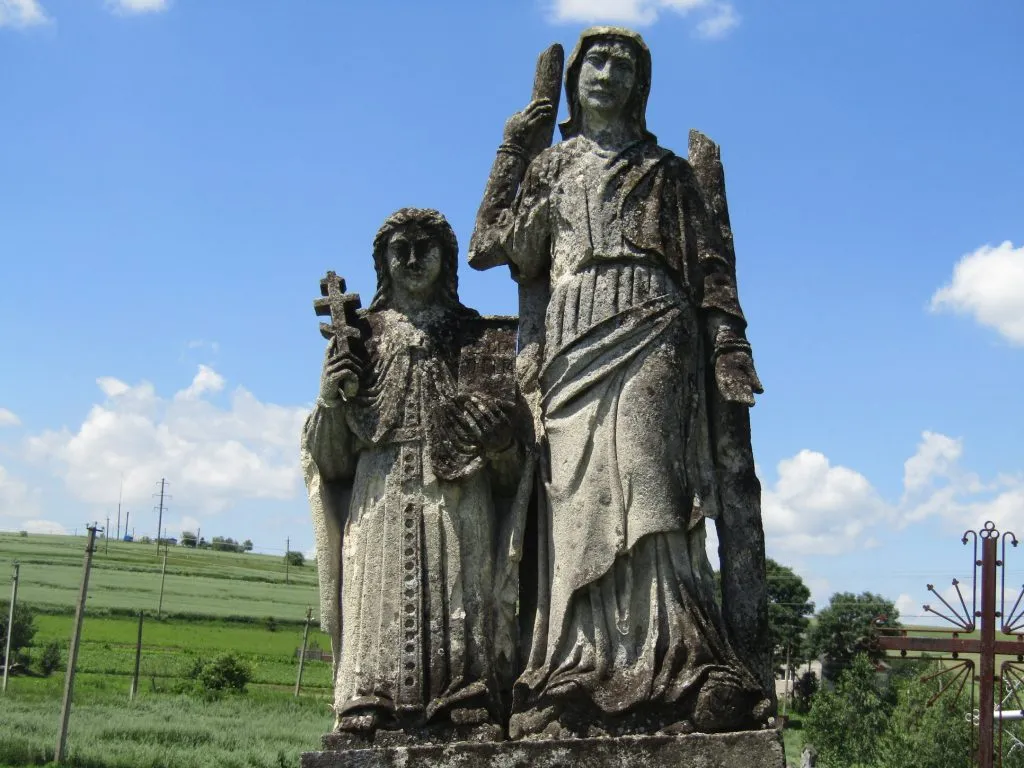
Andrii Havrylovych PAPIZH (1878–1942), carver. Son of Havryil, father of Illia Papizh. His creative activity fell in the 1920s–1930s; he increased the height of the cross, gave the pedestal a resemblance to an antique column, and placed images of saints in niches on its faces. But in the end the master replaced the crucifixions with figures of saints. He proposed erecting sculptures “for the name of the deceased”.
This accorded with local tradition: children were given the names of saints and it was believed that in this way they acquired heavenly patrons. The innovation took root also because the stone faces were carved to resemble the people in whose honour they were made. In effect, A. Papizh was putting up sculptural monuments to the dead.
He is buried beneath a gravestone in the form of a tall pedestal, a Golgotha with a statue of Jesus Christ leaning on a cross, the work of his son Illia; Illia also paid tribute to his childless paternal uncle Mykhailo PAPIZH by building over his burial a tomb with a figure of the risen Christ.
Mykhail Havrylovych PAPIZH, carver. Son of Havryil, his younger son. He replaced his brother in the 1940s–1960s. He is remembered as the most gifted at reproducing the human figure in stone. The master perfected the already established models, broadened the iconography of the sculptures, and created multi-figure memorial compositions. The appearance of the latter was an artistic response to the utilitarian nature of gravestones.
At the beginning of the last century the grave monuments of the Tudyn necropolis lost their individual significance and turned into atypical family tombs. Several generations of one family found rest under a common slab. Accordingly, the text of the epitaphs grew, other sculptures appeared next to the main one, and additional bas-reliefs on the faces of the pedestal-column.
But the real “breakthrough” of Mykhail Papizh was that he raised a human being onto the pedestal: the master honoured the memory of his father with a portrait sculpture. A rather bold decision for a small-town cemetery of that time: on a fragment of stone, wearily propping his head on his hand, sits a peasant in a plain coat, and at his feet lies a chisel.
Illia Andriiovych PAPIZH (b. 1922), carver. Son of Andrii, pupil of Mykhailo, grandson of Havryil Papizh. Author of original gravestones. He managed to generalize the experience of previous generations of stonemasons, develop technical skill and introduce new compositions of gravestones. The innovation of the fourth Papizh was sculptures separated from the pedestals, grounded and brought closer to the viewer.
Thanks to the skill acquired over four decades (from the 1960s to the first decade of the 21st century), Illia Papizh reached a professional level. Besides the memorials in the Tudyn cemetery, he created several sculptures for the pediment of the Church of St. George (late 19th century) in Stare Misto and several dozen secular monuments in Pidhaitsi and around the town.
Among them are monuments to Ukrainian heroes, a monument marking the abolition of serfdom, and a memorial sign on the site of a public execution of townspeople (hence the name of the street, Utratnytsia). On his own initiative the master restored the Column of St. Anne (1883) on the site of a historic battle between the troops of the Polish-Lithuanian Commonwealth and the Cossacks of Doroshenko.
The fourth Papizh made his last work, the memorial composition of the mass grave of UPA soldiers at Tudyn, two years ago. The elderly master was helped by his son Andrii and grandson Nazarii, also sculptors (both with professional training).
The ensemble of gravestone sculptures created by the Papizhes and the wooden Church of the Intercession (1898) create an atmosphere of museum-like elegance and Europeanness. The arsenal of the most used elements of the monuments includes pilasters, archivolts, keystones, Ionic capitals, acroteria, profiled cornices and so on. The Papizhes introduced their own term: the “corniced pedestal”, that is, a pedestal with expressive architectural details.
The dynasty is continued by the younger Papizhes, even though the young masters already work with granite and marble.
…As early as 1999 scholars appealed to the State Department for the Preservation of National Monuments with an initiative to give the cemetery in Stare Misto the status of a museum-necropolis. But, like most similar initiatives, it was ignored.