Old cemetery in the village of Stina

· 2 min read
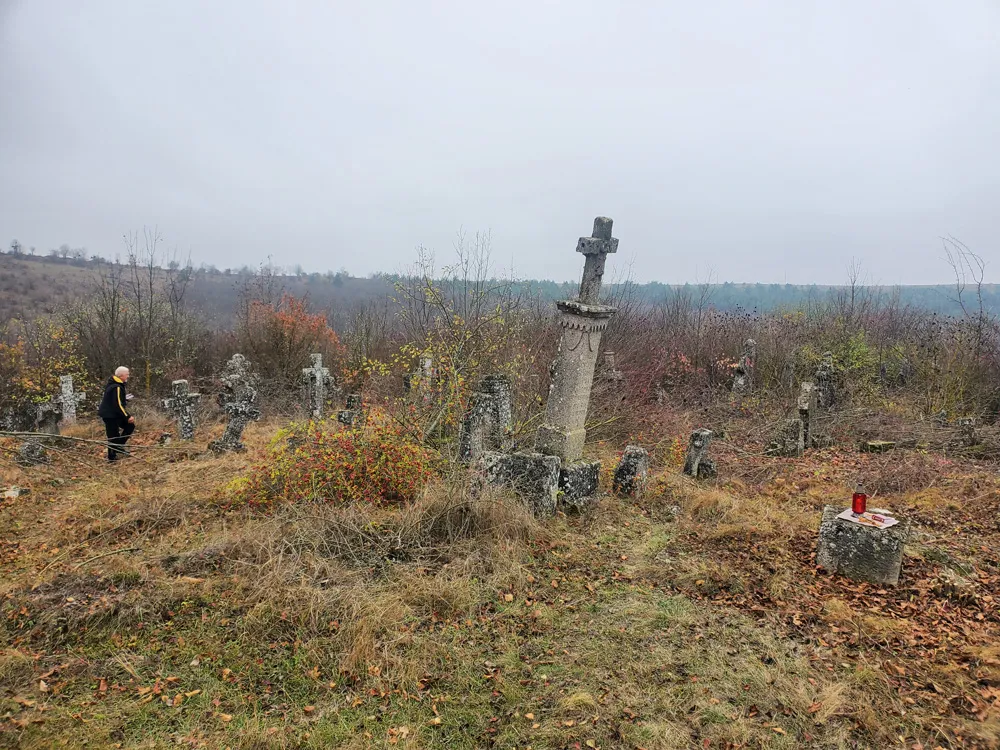
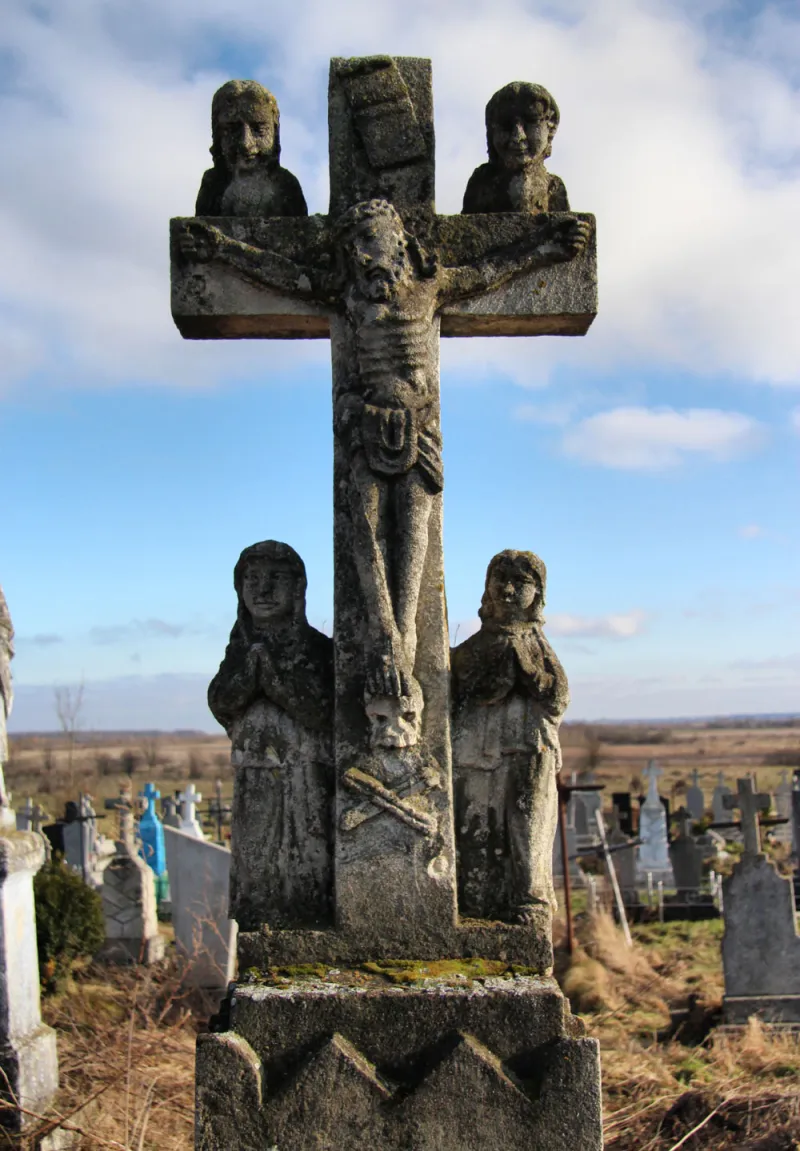
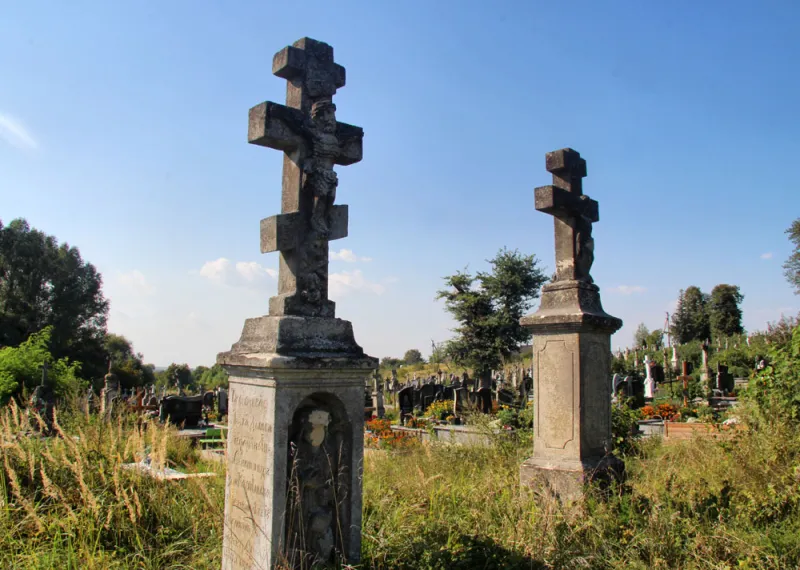
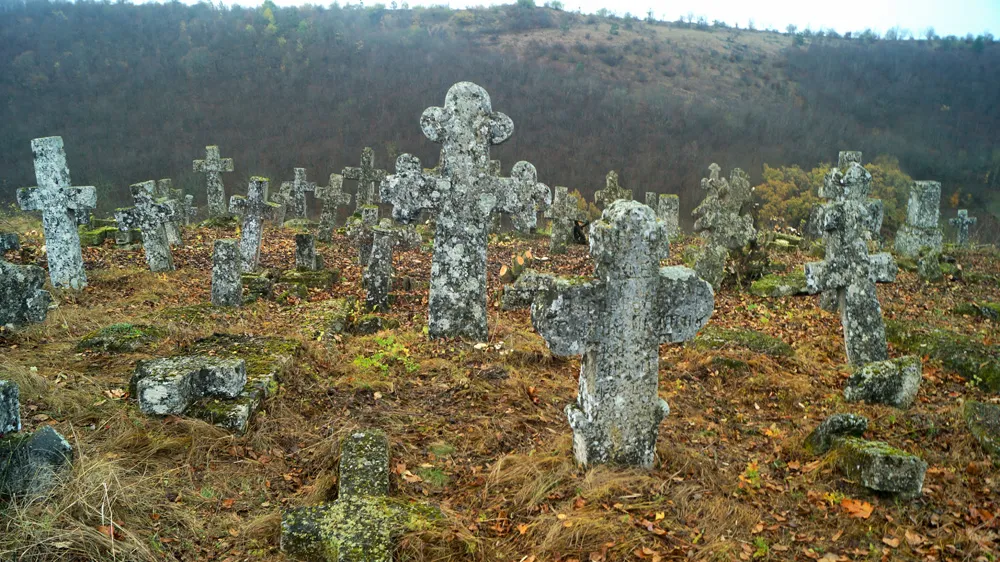
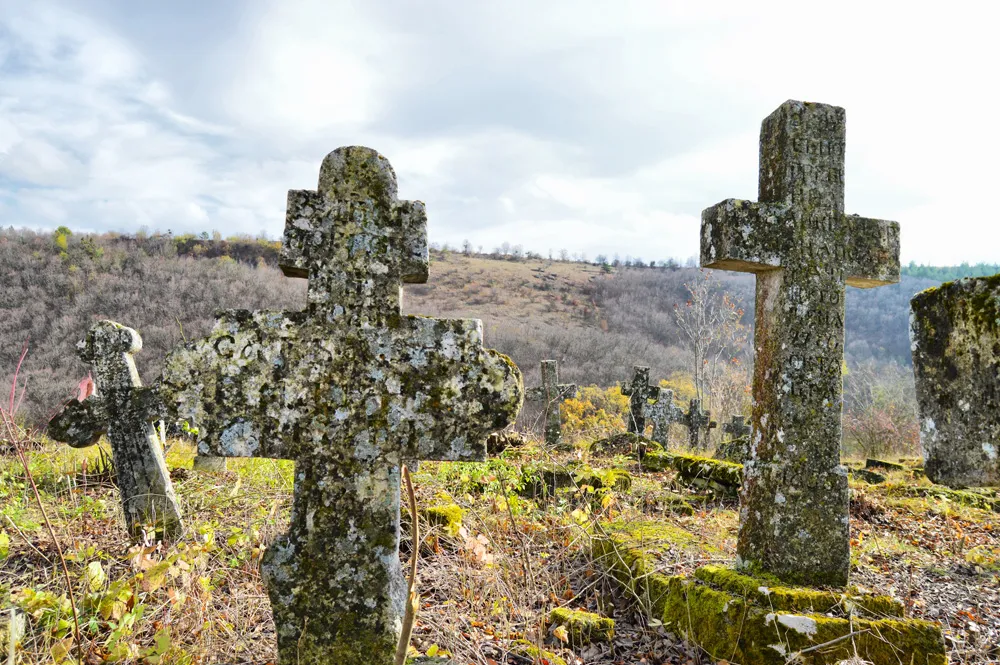
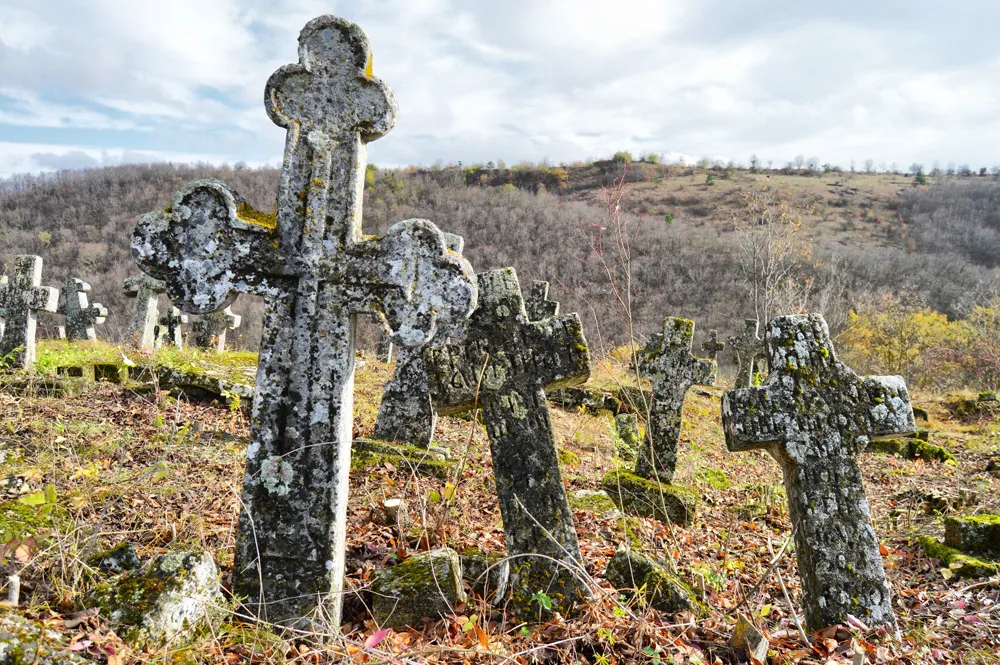
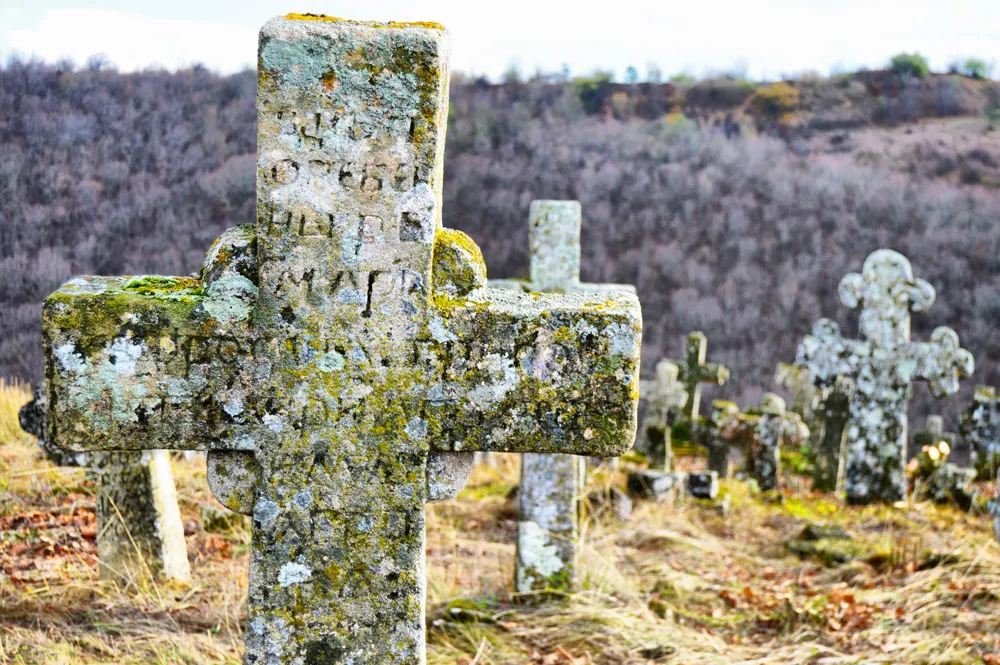
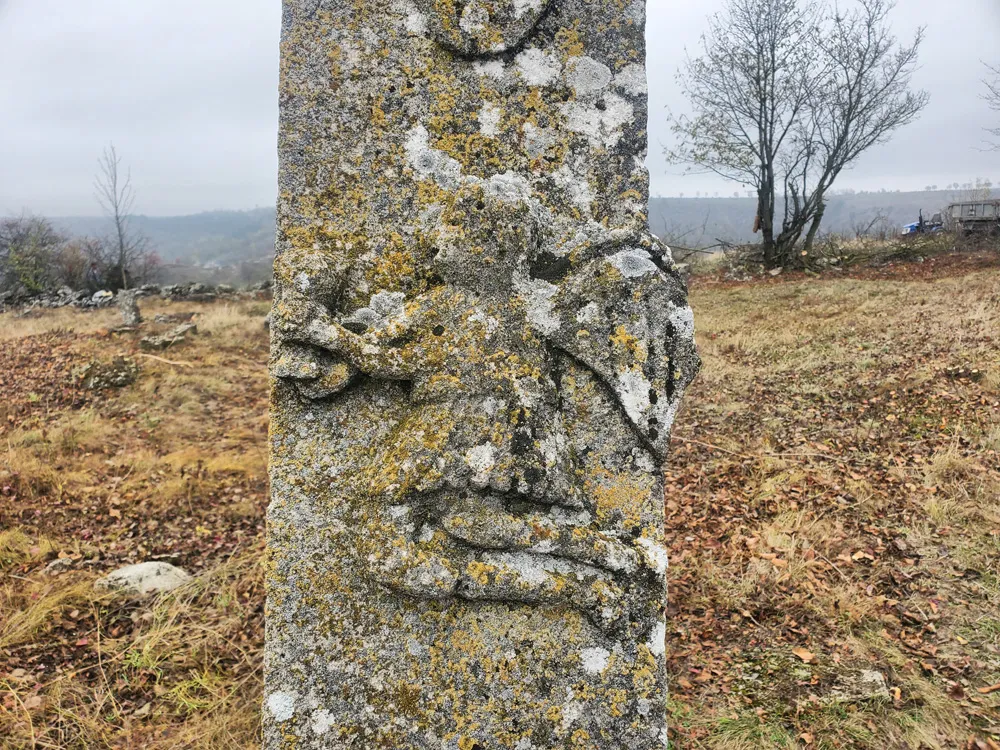
The Cossack defense of the castle in the village of Stina in 1651 is a famous heroic episode of Ukrainian history. The Poles were then unable to take the castle, but many defenders fell. They were buried in the cemetery, which was then called the Castle Cemetery. Today a church with a stone fence stands on the site of the castle, while the cemetery remains. It holds many 19th-century crosses; on some the epitaphs have been worn away by time, so they are hard to date, but we know for certain that Cossack defenders lie there too… Substantive research is needed, but the cemetery is now in a dilapidated state, many crosses are broken, and there is a suspicion that the oldest Cossack crosses were deliberately destroyed in the Soviet period: we have repeatedly seen remnants of crosses with letters among the stones of fences, including the church one.
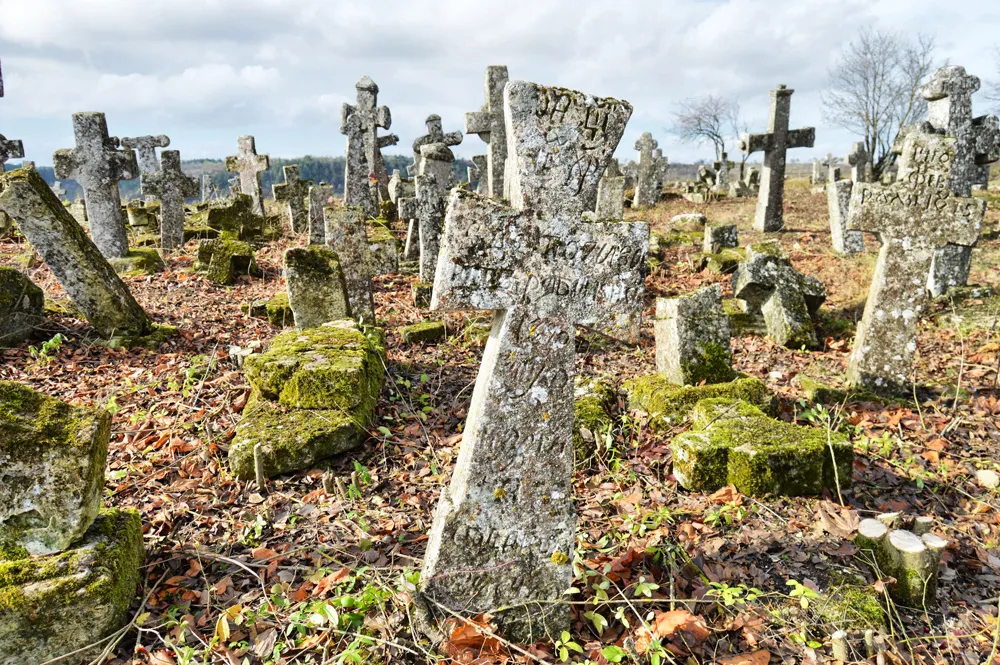
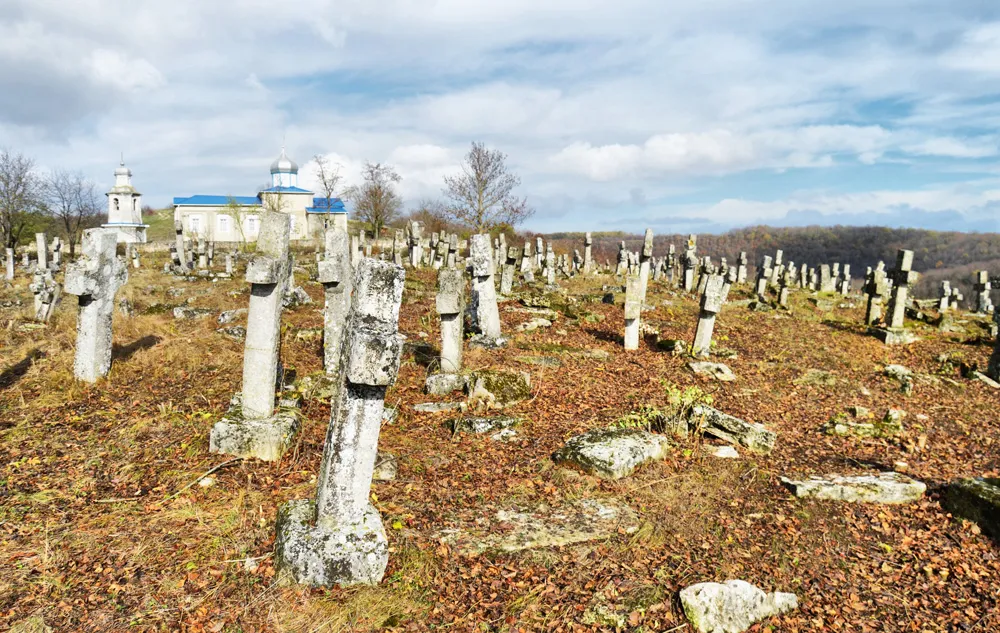
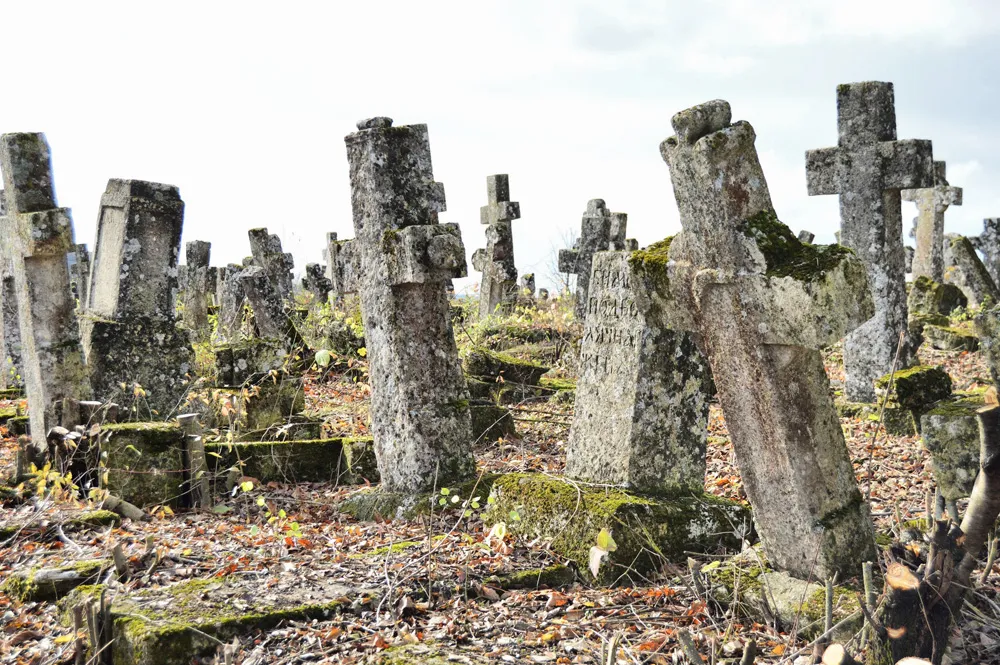
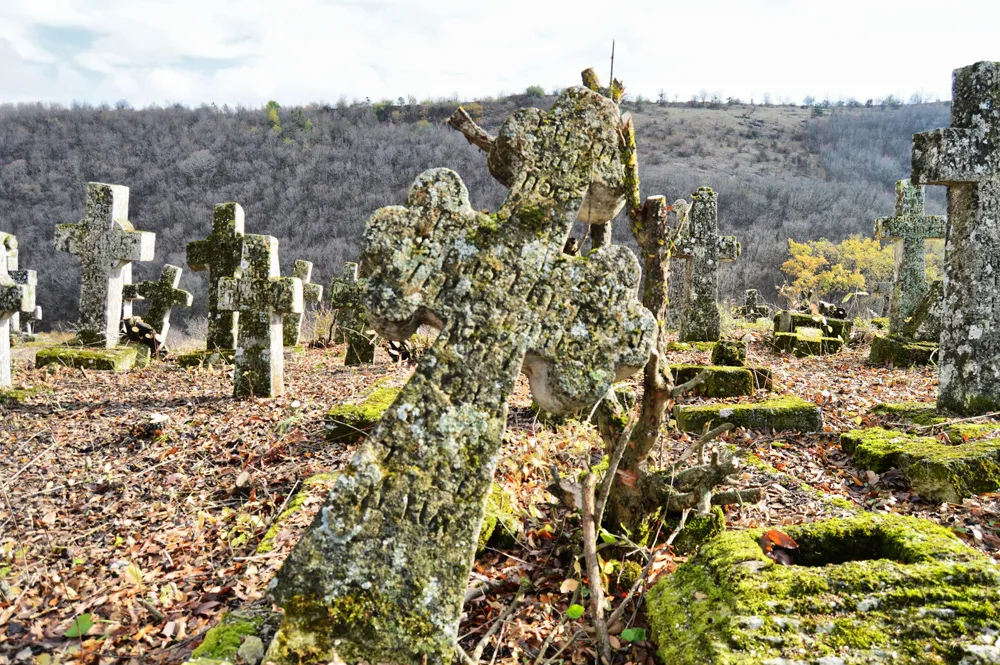
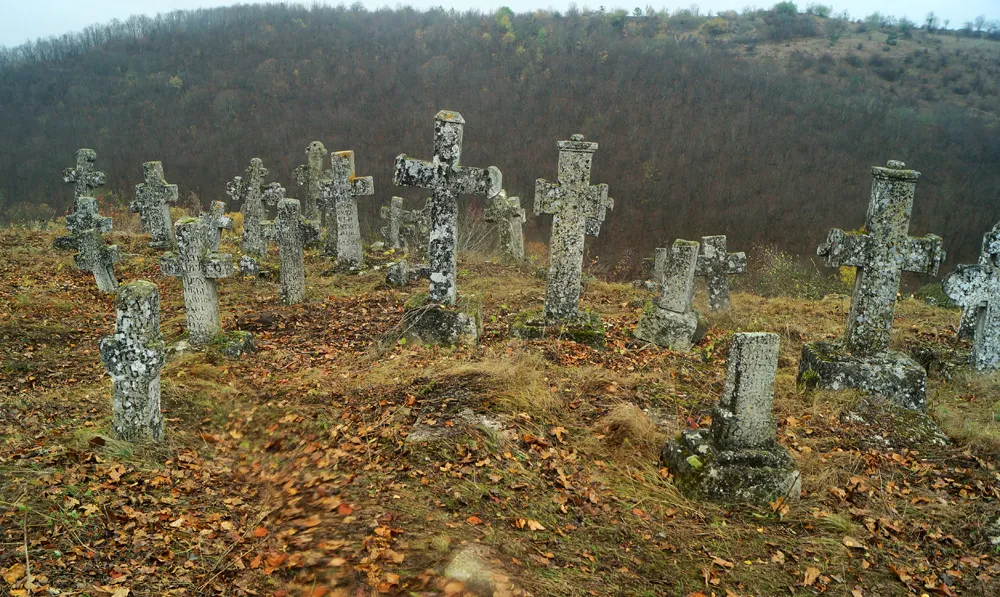
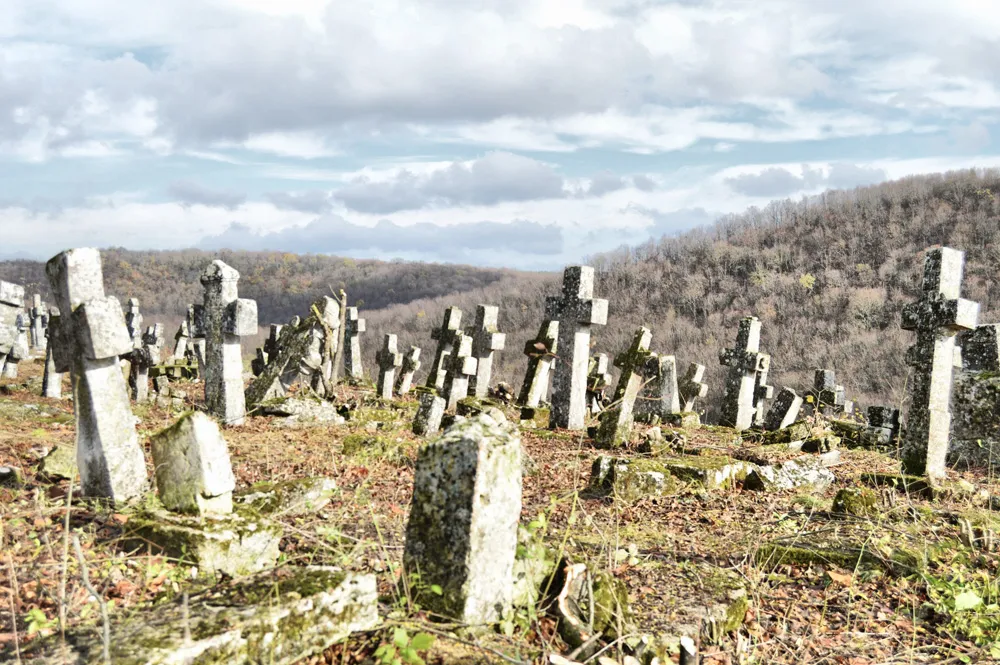
On 4 November 2023, residents of the village of Stina and neighboring settlements, with the organizational and informational support of the public organization “Ukraine Incognita” and the Stina Eco-Center, held a volunteer work day at the cemetery and cleared it of trees and shrubs. At last it became possible to see this incredible cemetery, unlike any other Ukrainian cemetery.
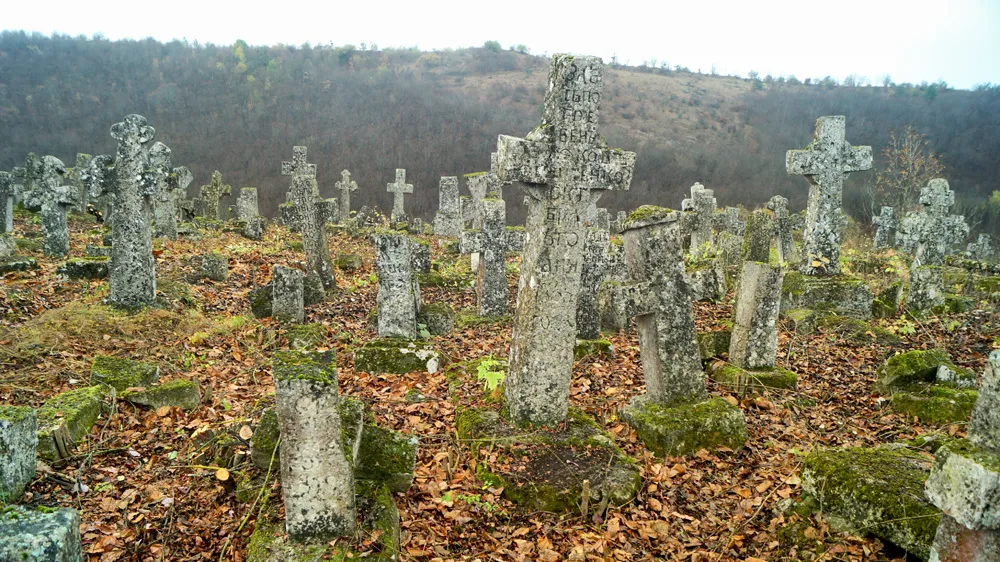
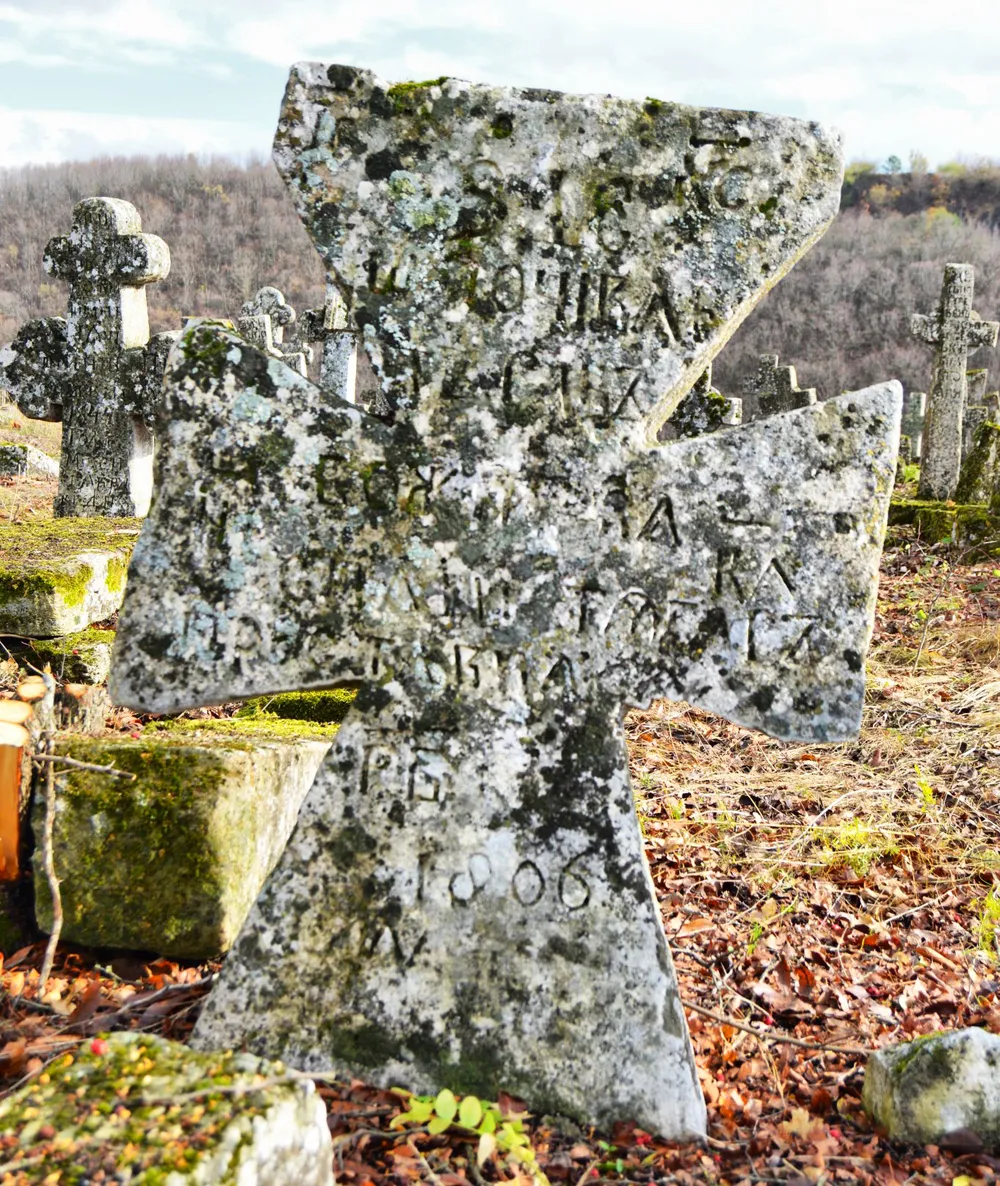
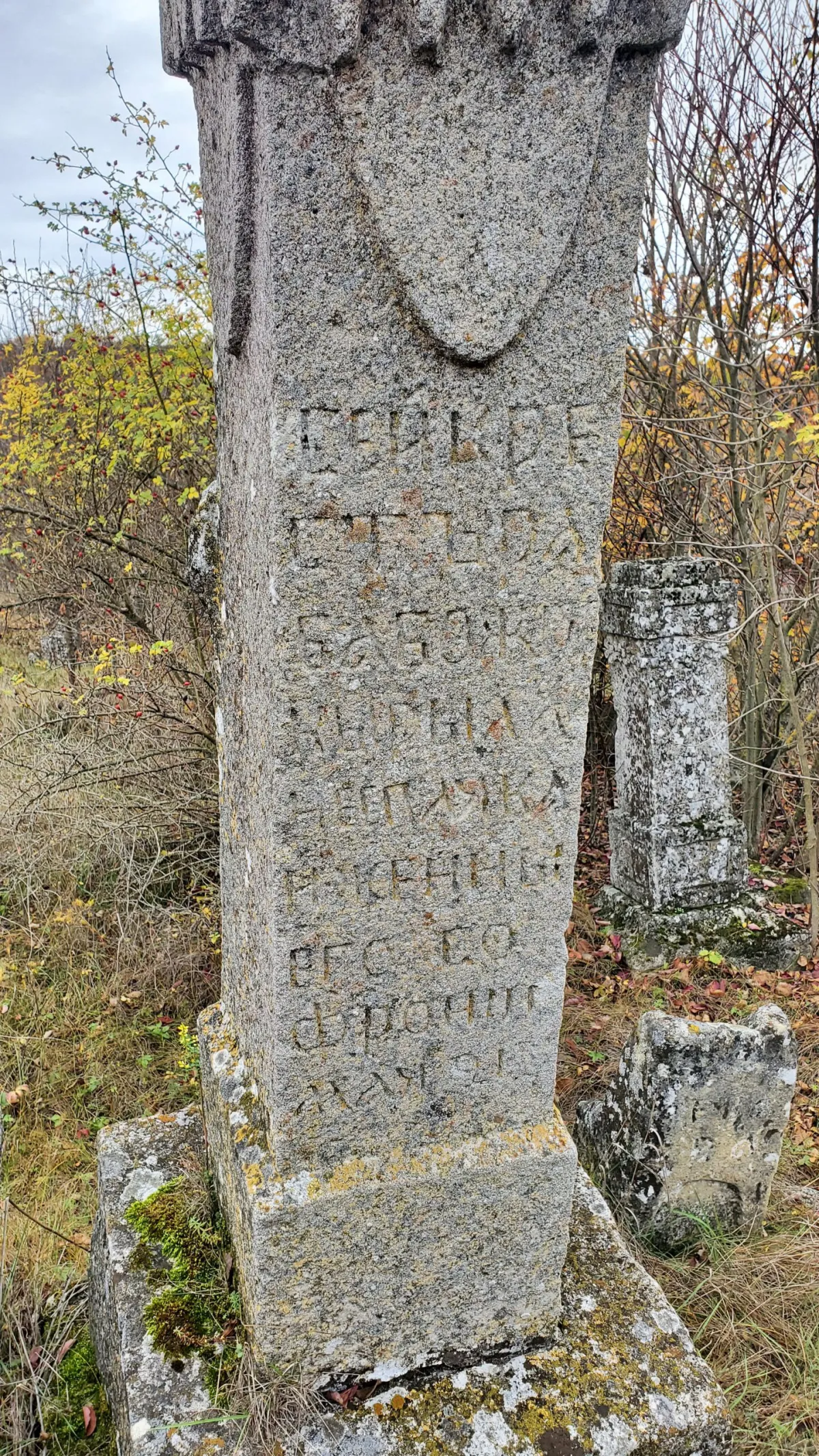
We have no documentary evidence of when the cemetery was founded. Scholars assume that burials began here as early as the 17th century, when the castle stood nearby on the hill. During the Khmelnytskyi period the cemetery came to be called the Castle Cemetery, so most likely burials here began then. Among the crosses with surviving epitaphs, the oldest is dated 1806.
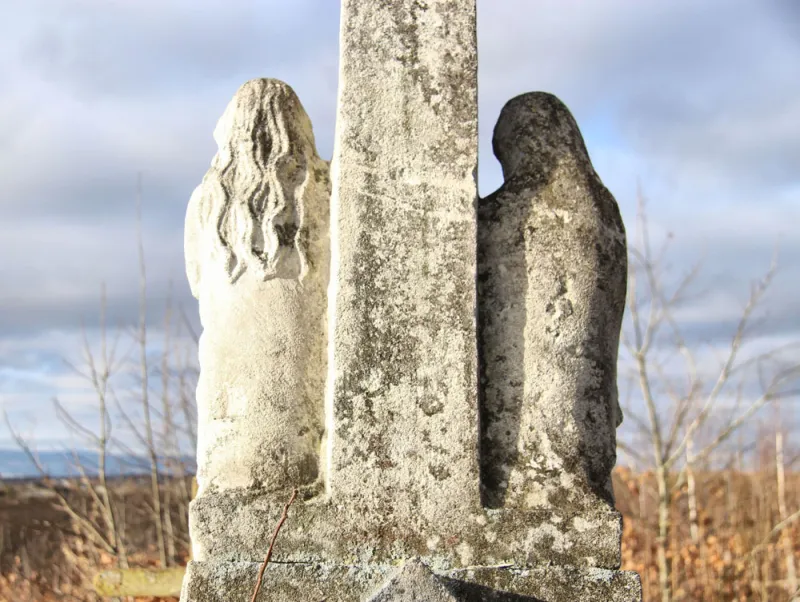
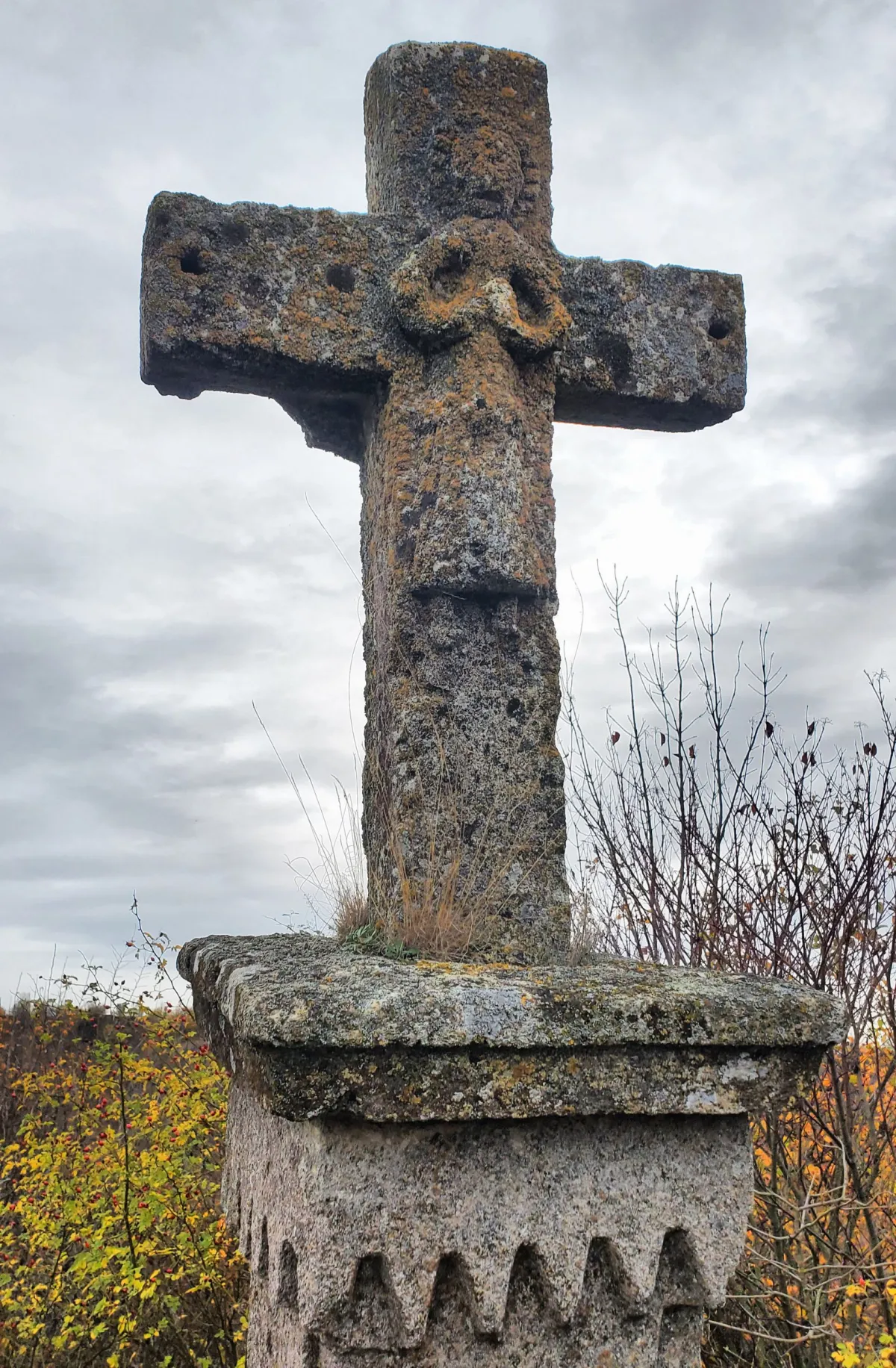
The stone crosses of the Stina Castle Cemetery are mostly of Latin form, more typical of the cemeteries of Roman Catholic Poles. But this cemetery is Orthodox. There are crosses of Cossack form here (derived from the Templar cross), and the cross of 1806 is exactly of this kind. There are few such crosses. There is a suspicion that Cossack crosses were destroyed in the Russian and Soviet periods in order to wipe out the historical memory of the Cossacks among the peasants. There are also cross-ended crosses and some other archaic forms. Beside many crosses there are large gravestone slabs. They were probably once beside every cross, but over time they disappeared under a layer of soil and turf, or perhaps were broken up into rubble stone for building.
The technique of making stone crosses was widespread throughout the southern Podillia region. They were made of limestone and sandstone. In Stina, crosses and gravestones were made of sandstone quarried in local quarries worked in the high sides of the deep valley of the Rusava River. It should be noted that Stina has three old cemeteries with stone crosses, as well as separate crosses: roadside ones, ones by springs, and memorial ones. The oldest is the Castle Cemetery.
Text by Roman Malenkov, photos by Yaroslav Herashchenko and Roman Malenkov.
See more photos in our photo gallery