Holy Ascension Cathedral of the Florivskyi Monastery
Before we turn to the Ascension Cathedral itself, a little information about the Florivskyi Monastery, since the cathedral is the main church of this ancient convent.
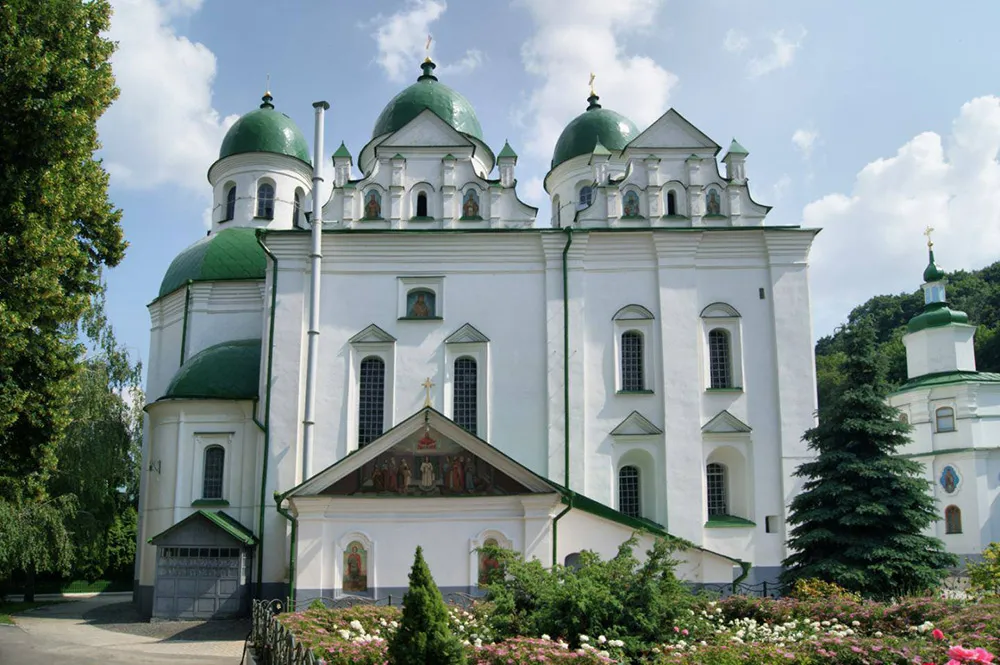
The Florivskyi Monastery is the oldest women’s monastery in Kyiv. It is generally accepted that it appeared sometime in the 16th century, but exactly when is unknown. It is not mentioned in the 1543 survey of Kyiv’s churches and monasteries. However, it is possible that some small monastery stood on the site even earlier. The convent is first mentioned in a charter of King Sigismund II Augustus dated 1566. In this document the king confirms the right of the protopope (in modern terms, protopresbyter) Yakiv Hulkevych to possess the Frolivskyi Monastery.
At first, all of the monastery’s buildings were made of wood.
In 1642, Yakiv Hulkevych’s grandson, the Pechersk Monastery monk Ioann Hulkevych, transferred his hereditary rights to the convent to the abbess Ahafiia Humenytska.
The first masonry building of the monastery was the abbess’s house, later rebuilt as the Refectory Church in the Ukrainian Baroque style. It is, incidentally, already marked on the 1695 plan of Kyiv.
During another Podil fire in 1718 (wooden Kyiv, let us recall, burned as regularly as suburban commuter trains run), the church was badly damaged but was restored. The monastery’s other wooden buildings, however, burned to the ground.
At the beginning of the 18th century, the nuns of the abolished Ascension Monastery were transferred to the Frolivskyi Monastery. The official version was that the arsenals of the Kyiv Pechersk Fortress were to rise on its site. They are now known as the “Mystetskyi Arsenal”. In reality, the construction of the arsenal buildings was merely a pretext to “wipe out” the memory of Hetman Mazepa.
Recall that in 1683 Maria Magdalena Mazepa, mother of the then still future hetman, became abbess of the Ascension Monastery. The flourishing of that convent is associated with her name. To Tsar Peter, that “Mazepa” monastery was a thorn in his side. Under the pretext of expanding the fortress, the monastery’s masonry churches were dismantled, and the “homeless” nuns were resettled in Podil.
The numerous estates of the Ascension Monastery, destroyed by Peter I, then passed to the Florivskyi Monastery. It became one of the richest monasteries in Kyiv. From 1732 it was called the Holy Ascension Florivskyi Monastery. This happened after the completion of the Holy Ascension Cathedral, the convent’s main church.
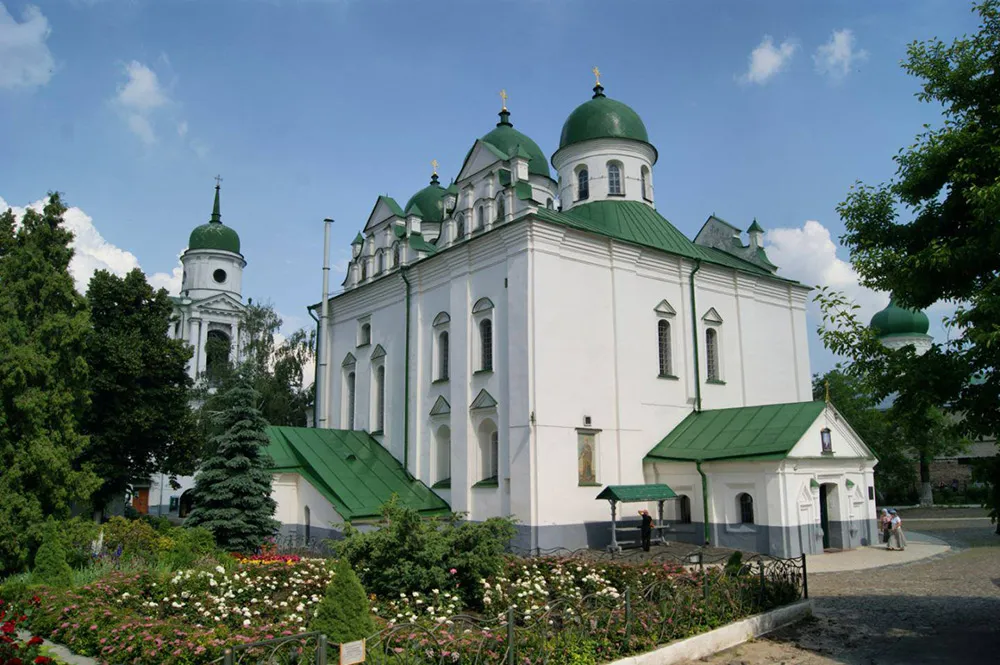
The cathedral was built in the famous Ukrainian (Cossack) Baroque style. Interestingly, church circles later described this style as an “archaistic form corresponding to the folk building tradition”.
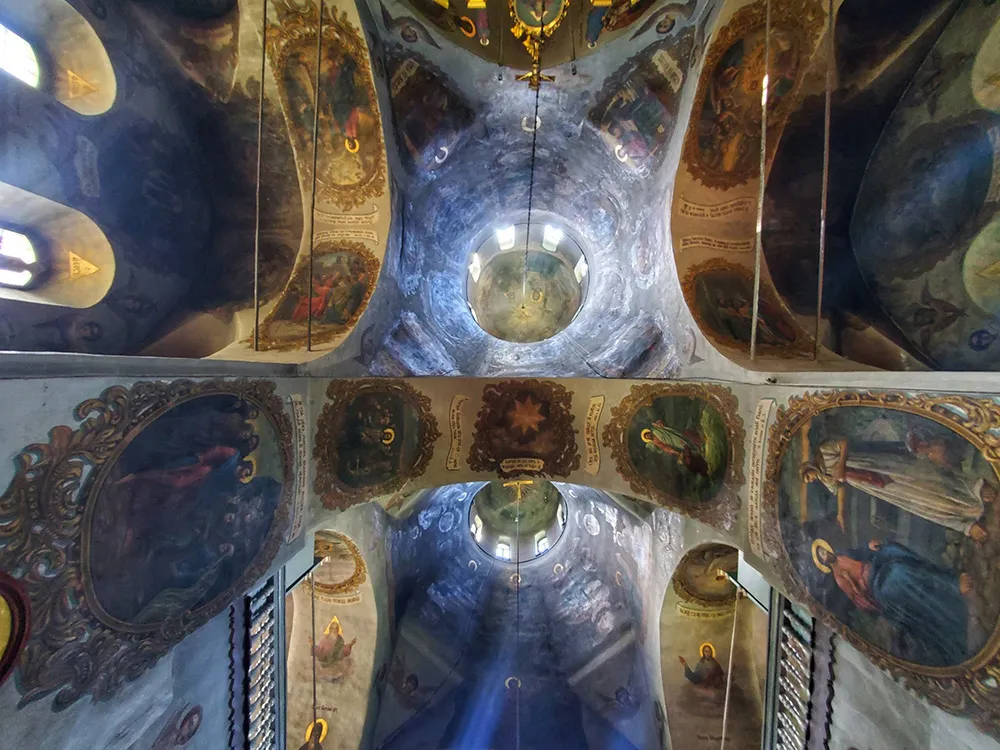
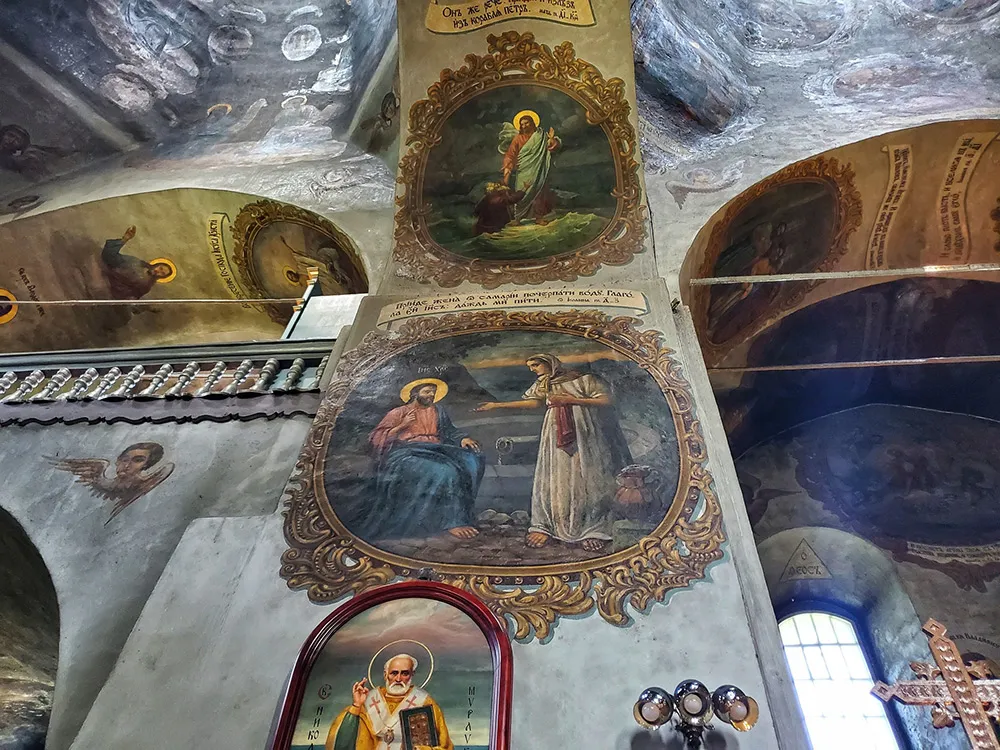
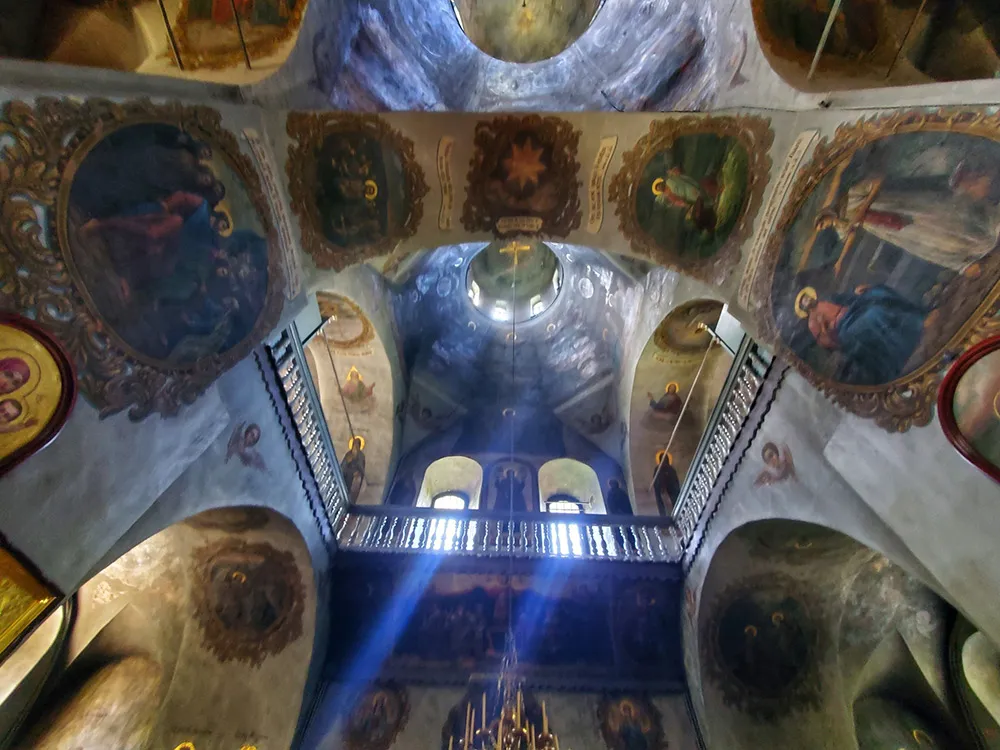
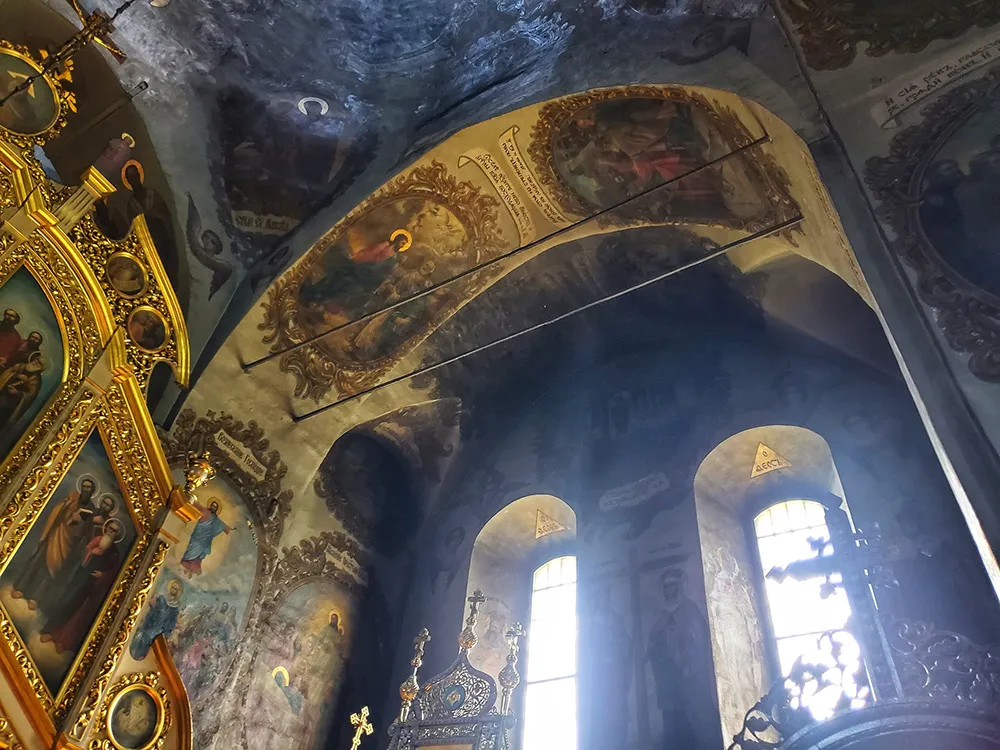
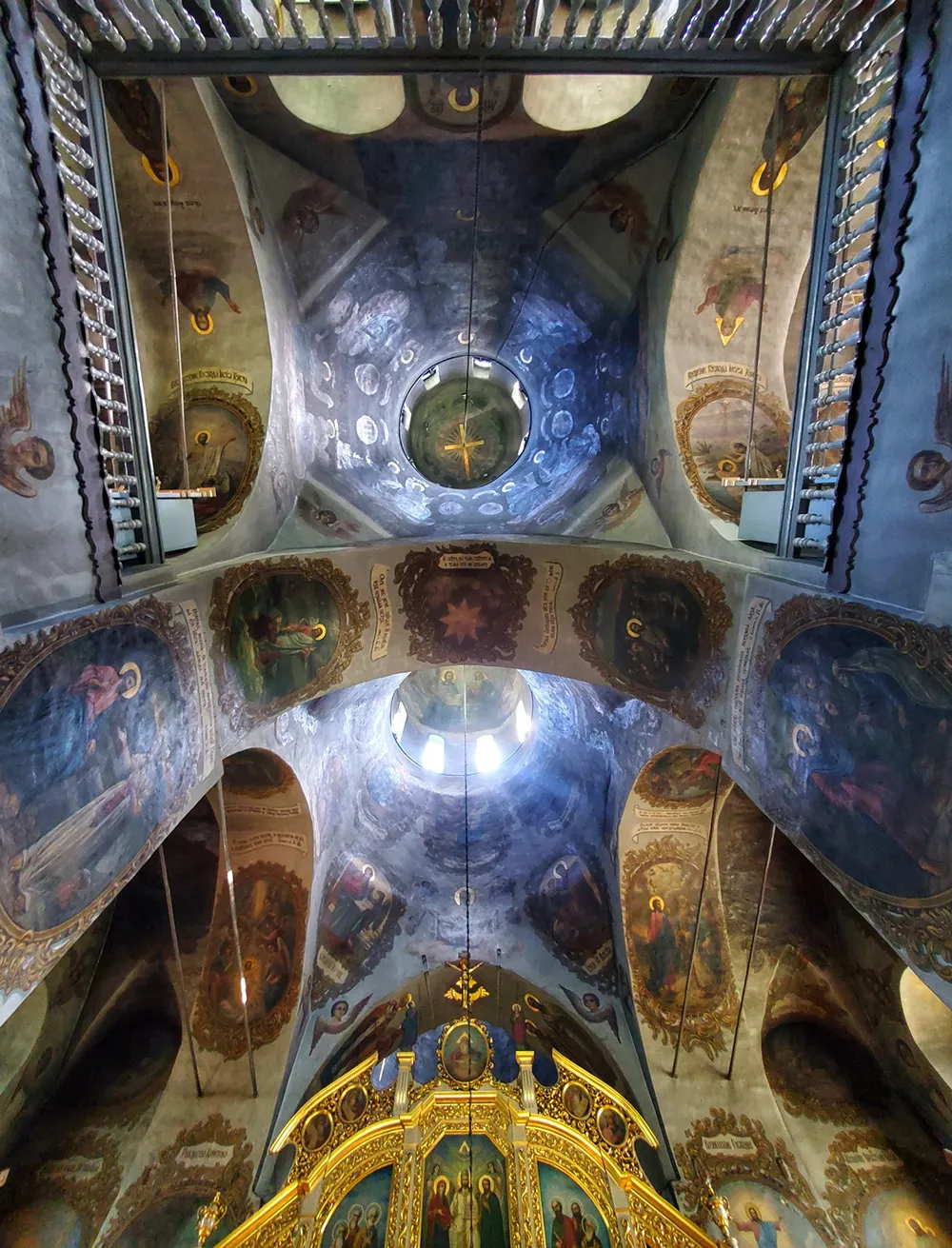
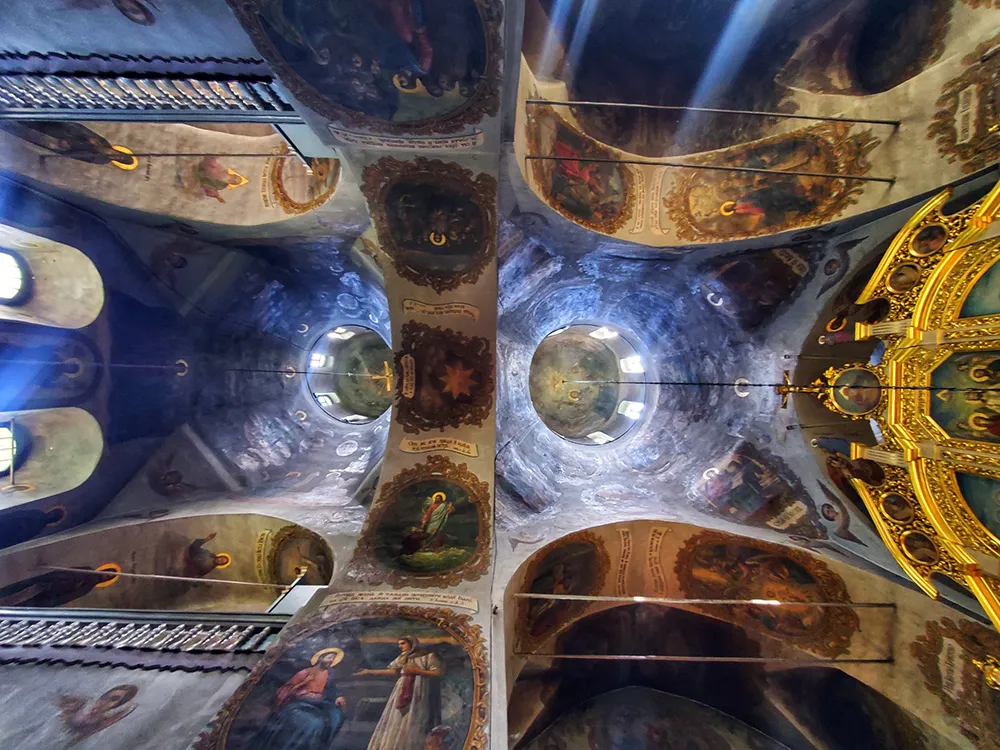
It was restored several times after fires, most extensively after the famous Great Podil Fire of 1811. The fire, which burned down practically all of Podil, damaged the roof and domes and destroyed all the murals.
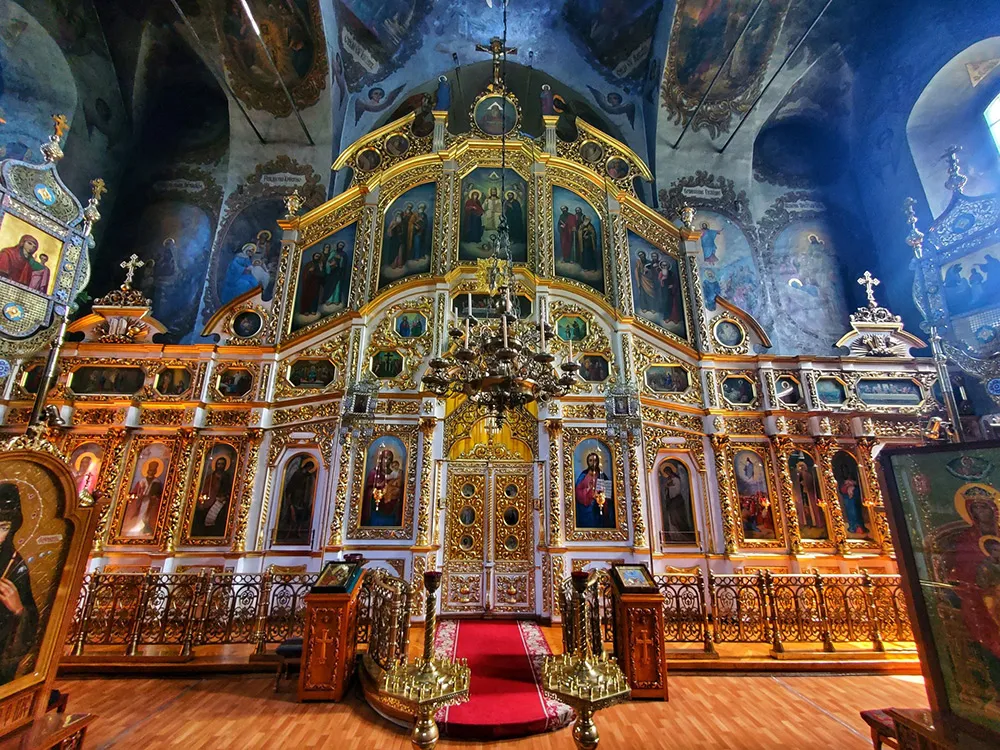
The restoration work was led by Kyiv’s chief architect Andrii Melenskyi. We have mentioned him quite often in our publications.
At that time the cathedral’s original pear-shaped domes, characteristic of Ukrainian Baroque, were restored. The church survived in this form until the middle of the 20th century.
Soviet “restorers”, repairing the damage the church suffered in the Second World War, replaced the “nationalistic” pear-shaped domes with helmet-shaped ones in the Suzdal-Muscovite style. On a masterpiece of Ukrainian (Cossack) Baroque they looked (and look) like a saddle on a cow, but they were “ideologically correct” and free of “nationalism”… We hope that in time this pseudo-Muscovite eyesore will be dismantled and the cathedral will regain its original appearance.
On the whole, the Ascension Church of the Florivskyi Monastery is perhaps the most beautiful of the churches that survived in Podil. It is, we note, also practically a “twin brother” of the Holy Spirit Cathedral in Romny, in the Sumy region.
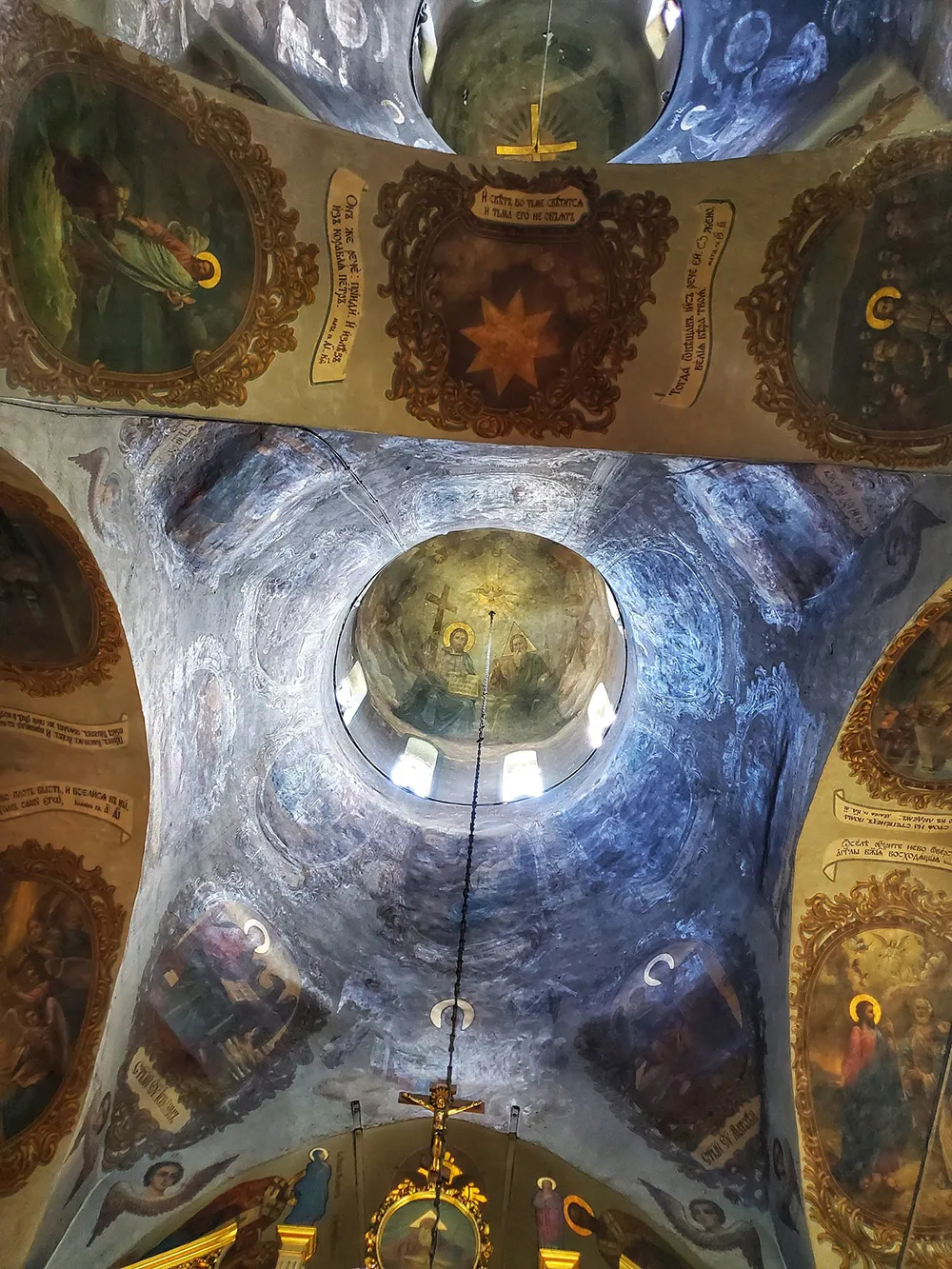
Unfortunately, few people can see its sumptuous murals: the nuns of the UOC MP are not happy with guests, and the church is almost always closed to outsiders. They were not very eager to let us in either; to get inside we had to use administrative leverage. But thanks to this “abuse”, you can admire the murals and interiors that are so far inaccessible to the average citizen.