Turkey. Mesopotamia. Mor Hananyo Monastery (Deyrulzafaran, Daryülzafaran)

· 3 min read
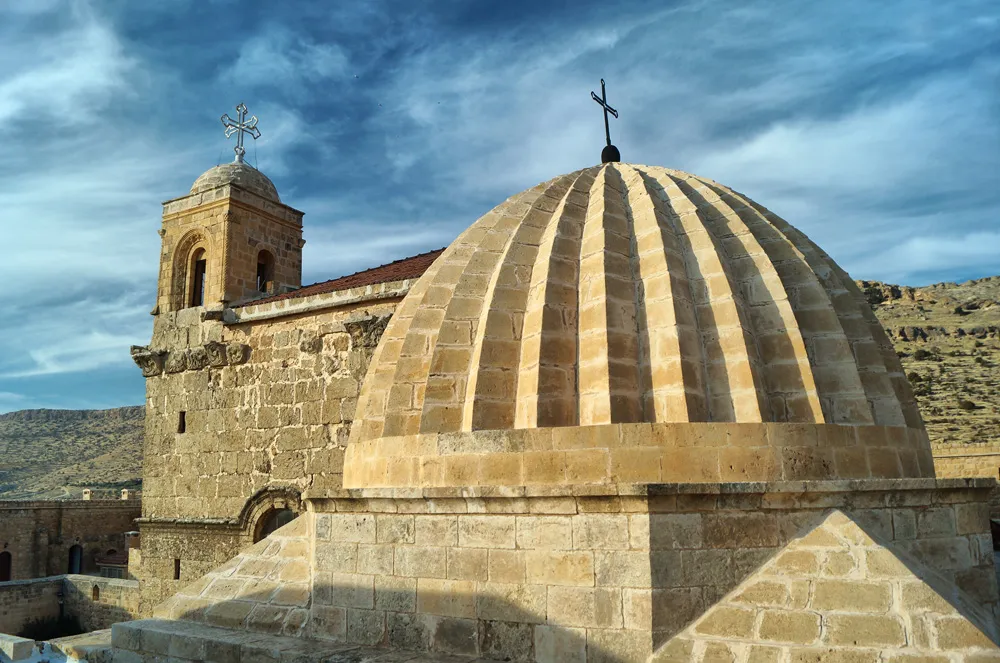
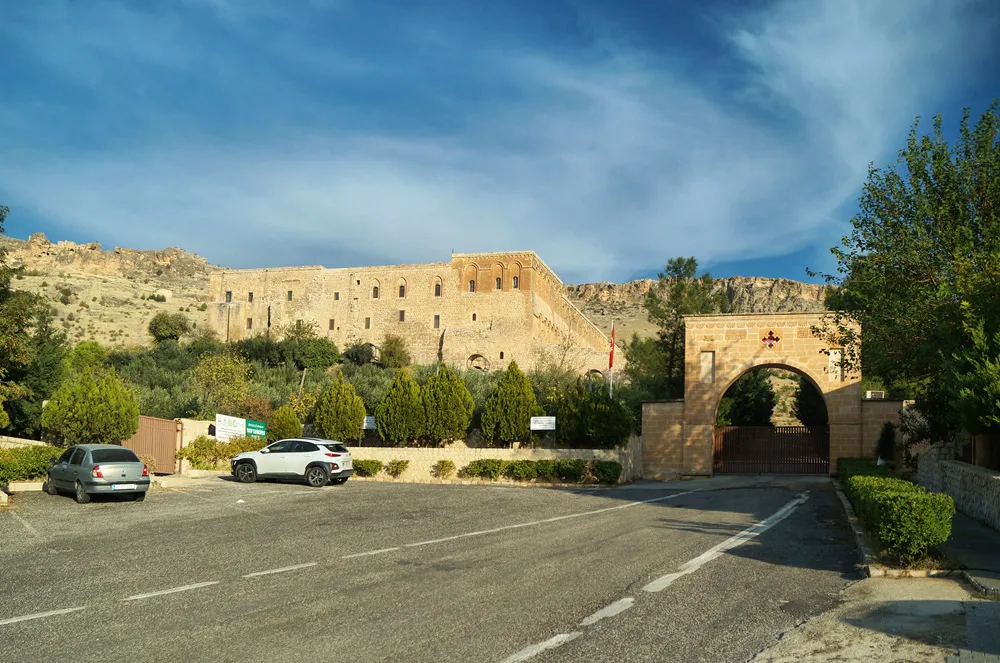
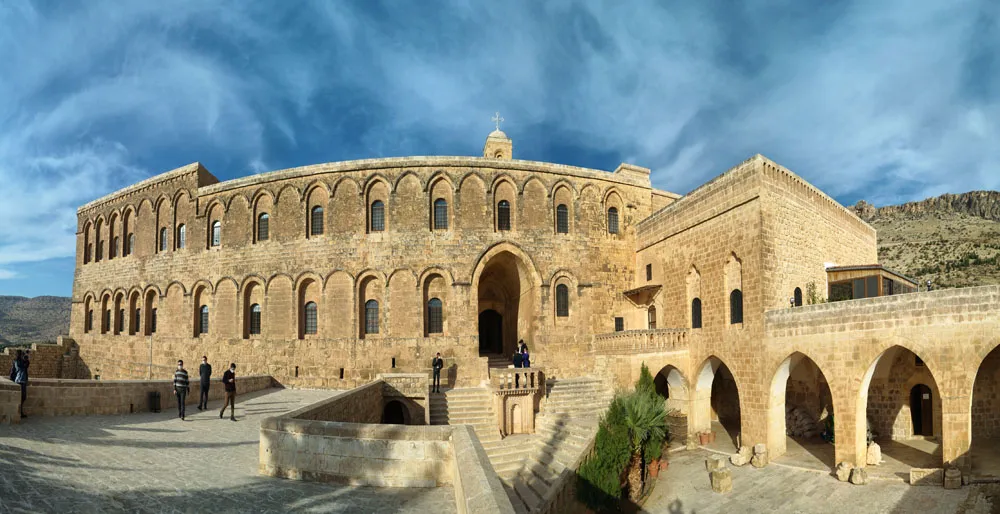
Three kilometres east of Mardin stands the Mor Hananyo Monastery, better known as Deyrulzafaran (the Saffron Monastery). I will say right away: even if you are a militant atheist and are not interested in sacred sites, this monastery is worth visiting, because it is a fairytale synthesis of wonderful architecture and unreal mountain landscapes.
Once there was a Mesopotamian sanctuary of the sun god Shamash here. The Romans built their citadel on this spot, which in 493 (how long ago that was) Christians turned into a monastery that became the main monastery of Tur Abdin (the region where Christians live in the provinces of Mardin and Şırnak) and one of the most important in the Middle East. From 1160 to 1932 it was the residence of the patriarch of the Syriac (Syrian Jacobite) Orthodox Church, and the patriarchal throne and the relics of the patriarchs are still here, although the patriarch’s present residence is Damascus. The tombs of seven patriarchs are here too.
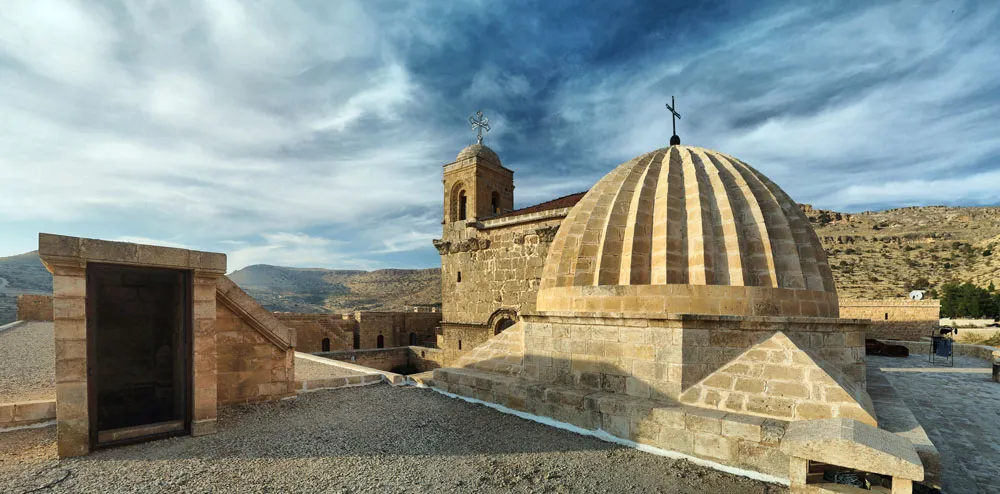
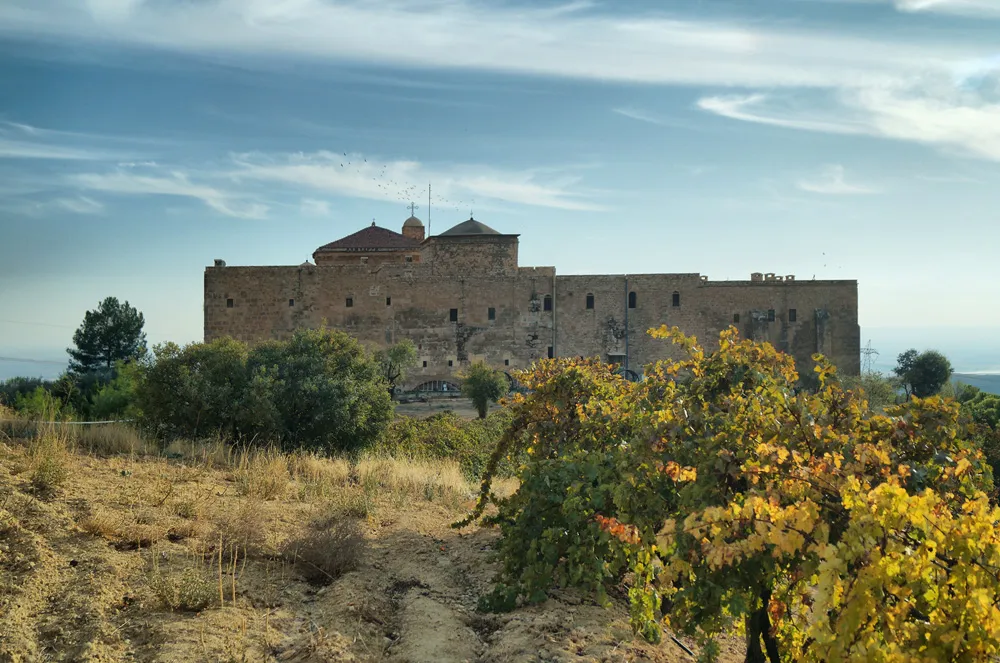
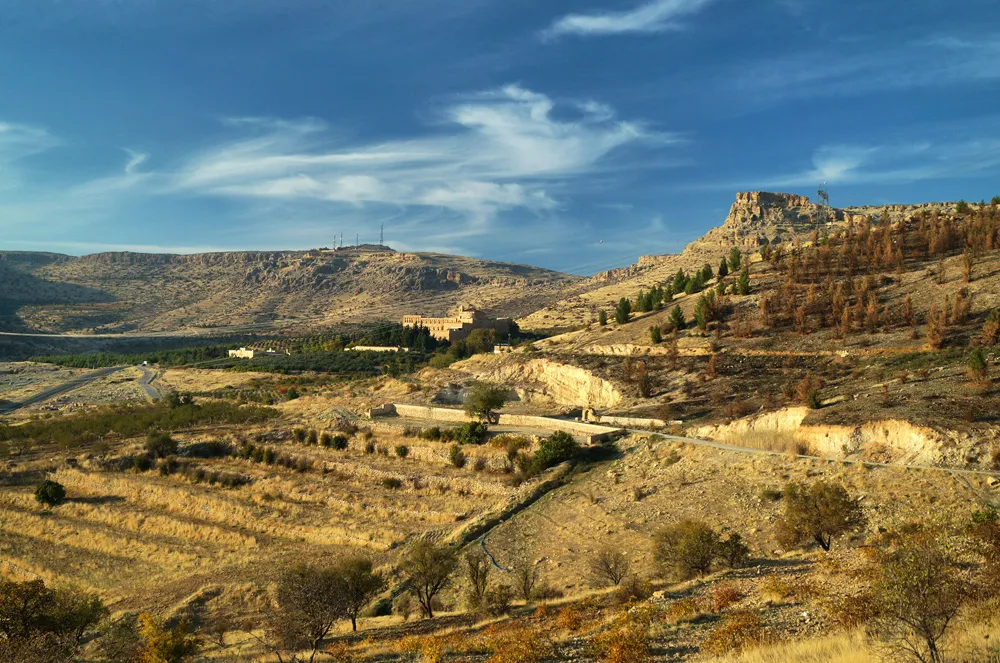
St. Hananyo (Ananias), who was its metropolitan, lived at the Deyrulzafaran Monastery, and he repaired and developed it. It was Hananyo who moved the patriarchal throne of the Syriac Orthodox Church here, hence the monastery’s second name, Mor Hananyo, and it is by this name that its present residents, just two monks and some novices, call it. But on signposts and Turkish maps it is Deyrulzafaran, the Saffron Monastery, named so for the colour of the stone, although I did not notice that this stone differed in colour from the stone of other monasteries, or from the stone of which the old towns in Mardin and Midyat are built.
Today the Hananyo Monastery is a place of considerable pilgrimage. But do not think that everything here is steeped in “spiritual bonds” and Orthodox gloom. No, the abode is bright and welcoming, and quite democratic, and there are far more Turkish tourists here than Christian pilgrims. There is a good restaurant where they even sell wine, a very tasty Assyrian one. By the way, the wine here costs less than in most shops in Mardin, so I advise buying it here.
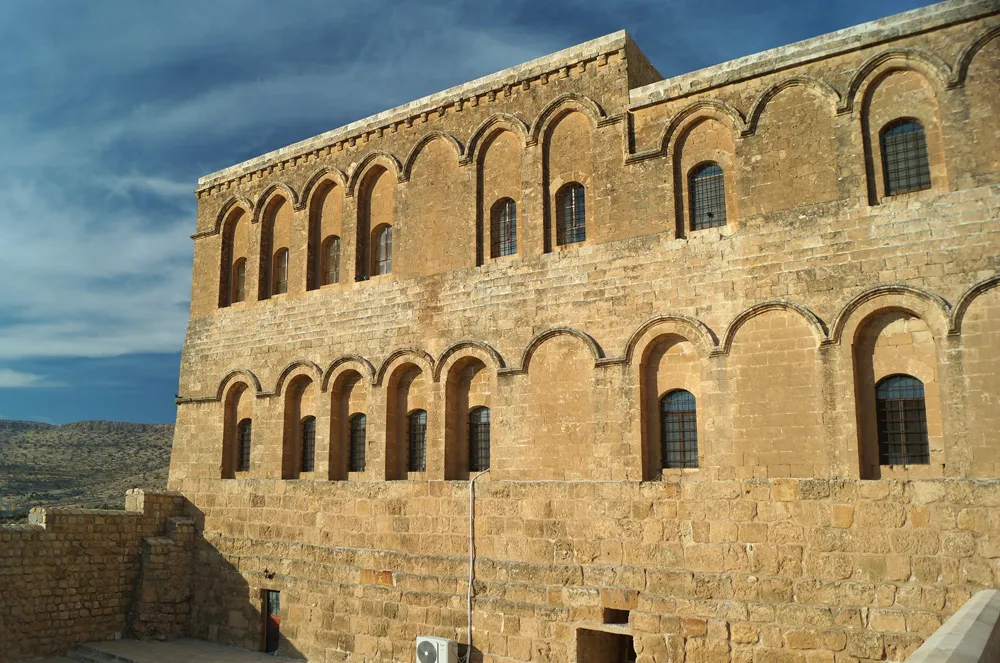
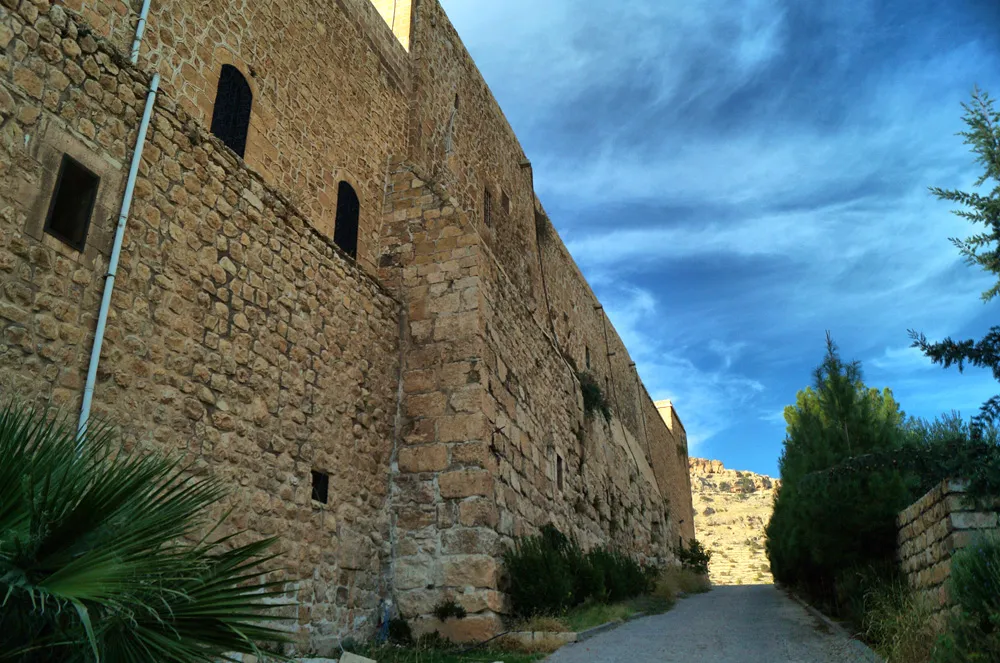
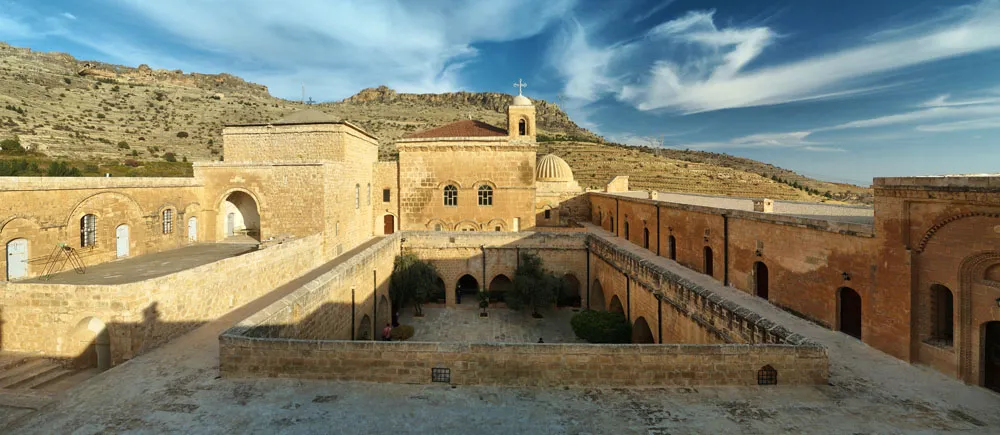
The monastery has 365 rooms, one for each day of the year, or so they write, but who counted them. Although I would not call the monastery large at all, as it looks quite compact: the churches and the blocks of cells are all joined together into one square, multi-level building with an inner courtyard. The side of this square is about 60 metres. Such a layout is typical of countries with a hot climate and is good for fortification, and it is no accident that this was a Roman fortress. Outside the main building there is a restaurant and a cemetery.
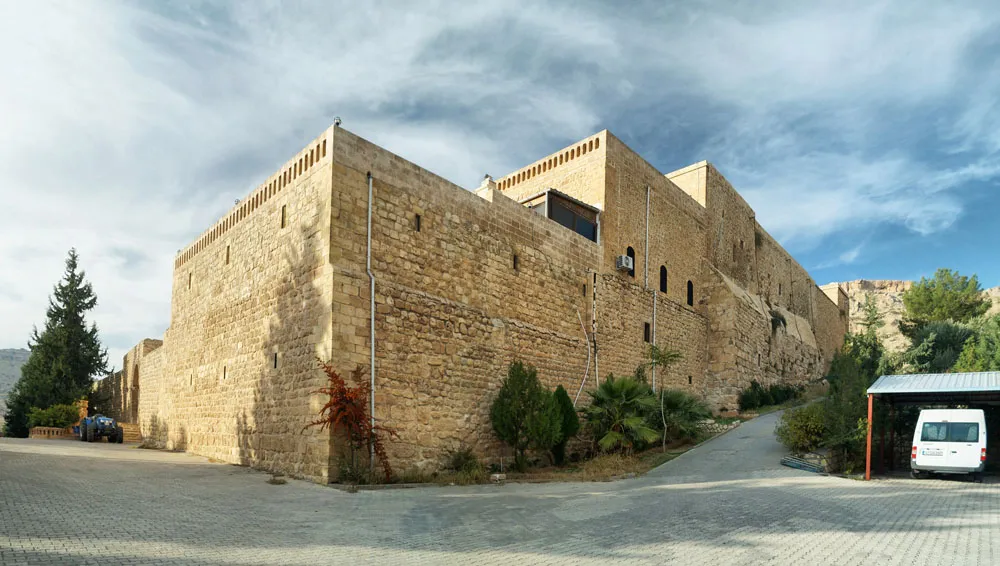
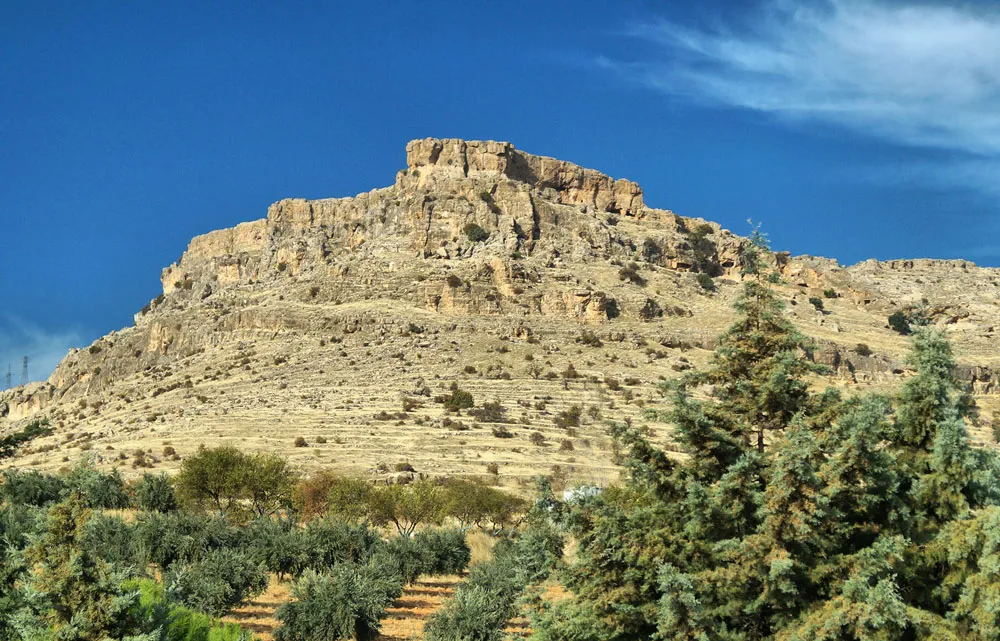
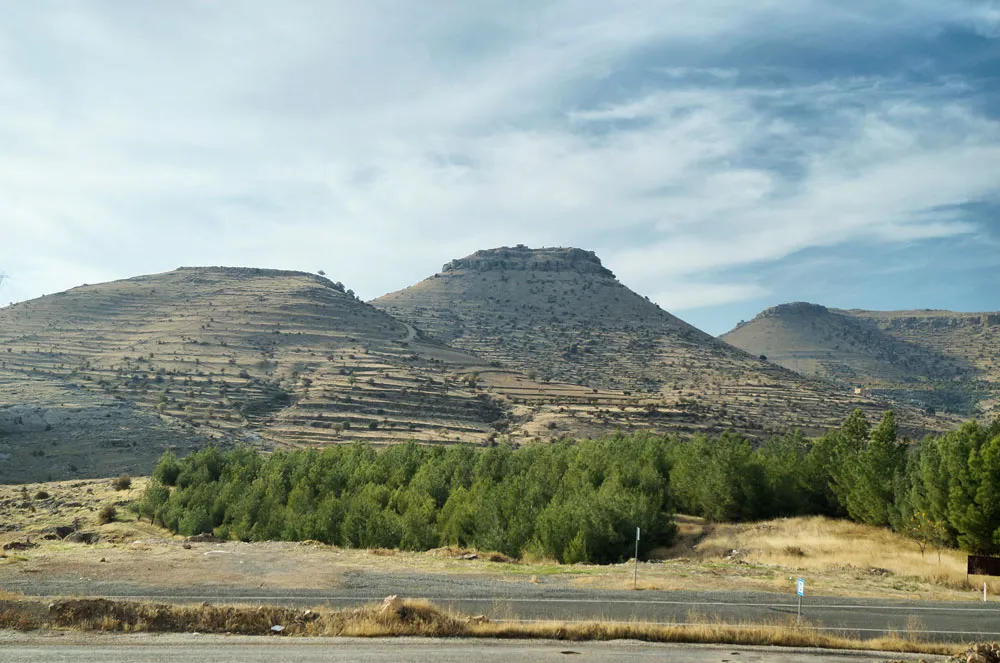
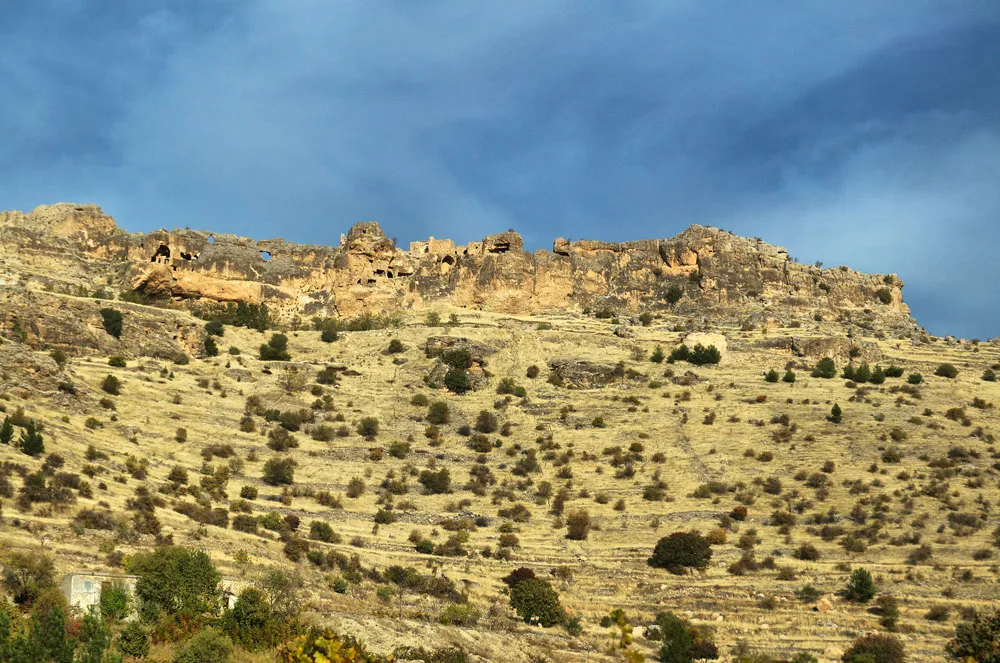
Above the monastery rises a mountain with many caves. At one time hermit monks lived in the caves, walling themselves in and leaving only a small opening. Through this opening the monks were handed water and a pinch of food. If the water stood untouched for 40 days, it meant the monk had died; the wall was broken down, the monk was taken out and buried in the cemetery, and another monk took his place in the cave. It is believed that this very mountain gave the region its name, since Tur Abdin, translated from Syriac (now a dead language), means “mountain of worship”.
The Deyrulzafaran, or Mor Hananyo, Monastery is an extremely interesting site. You must visit it if you are in Mardin.
Text and photos by Roman Malenkov.