Turkey. Mesopotamia. Mor Gabriel monastery

· 3 min read
Mor Gabriel is the oldest monastery in the world. It was founded in 397 by Saints Shmuel (Samuel) and Shemun (Simeon). According to legend, Shemun had a dream in which he was instructed to found a monastery where three great stone blocks lie. And so they did: they found the stone sent by an angel, founded a monastery over it, which came to be called Qartmin, and by the 6th century it had become the most venerated Syriac monastery. In those times about a thousand monks lived in it.
I would like to say a little about Syriac Orthodoxy. The Syriacs are believed to have been the first people to begin converting to the Christian faith en masse. They spoke Aramaic, in its Syriac form, the language of Christ, as they say, from one of whose dialects the modern Assyrian language descends. The Syriacs did not accept the postulates of the Council of Chalcedon and split from the Roman-Constantinopolitan church as early as the sixth century, and since then have existed separately. They actively spread Christianity to the east and reached as far as India.
The Syriac Church regarded Antioch as its main centre, although its metropolitan, and later patriarch, never resided there; his seat was in monasteries on the territory of present-day Tur Abdin, including Mor Gabriel, and above all Mor Hananyo.
Today the Syriac Church is called Syriac Jacobite, after one of its leaders and founders, Bishop Jacob of Edessa. In all, more than 2 million people around the world are its members. Strangely enough, the largest number of believers of the Syriac Church is in India: 1.2 million; 680 thousand in Syria, 100 thousand in Sweden (Sweden at one time took in the largest number of Assyrian refugees), 80 thousand in the USA, 50 thousand in Germany. In Turkey there are only 5 thousand Syriac Jacobites, the result of the mass killings and expulsions of 1915-1918.
The Qartmin monastery began to be called Mor Gabriel after it was headed by Bishop Gabriel, Havriil in our usage. He lived in the seventh century, precisely during the period of the Arab conquest of Syria and Tur Abdin. He was noted for great piety (and how could a bishop be otherwise) and for many miracles, including even a resurrection from the dead. Interestingly, Gabriel worked miracles even after his death: his severed hand saved the town from a plague epidemic. That is why the monastery was renamed Mor Gabriel.
From 615 to 1049 the monastery was the main residence of the bishops of the Syriac Church. It was so famous and venerated that it received significant donations from Byzantine emperors: Arcadius, Honorius, Theodosius II and Anastasius.
The Mor Gabriel monastery has not been closed from 397 to the present day. Today it is a large tourist centre and a place of major Christian pilgrimage. Up to 20 thousand Christian pilgrims visit it every year, which after Istanbul is probably the largest number in Turkey.
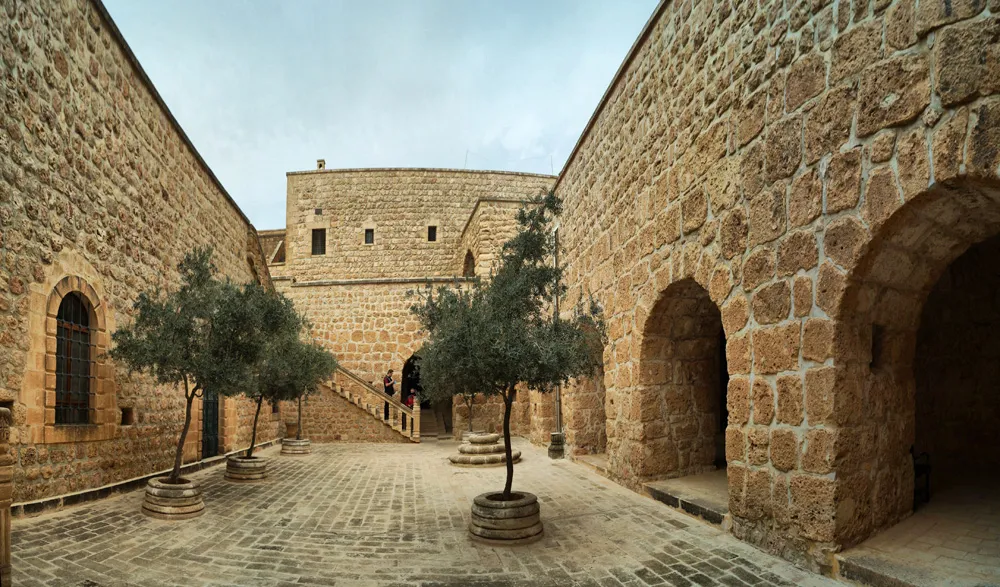
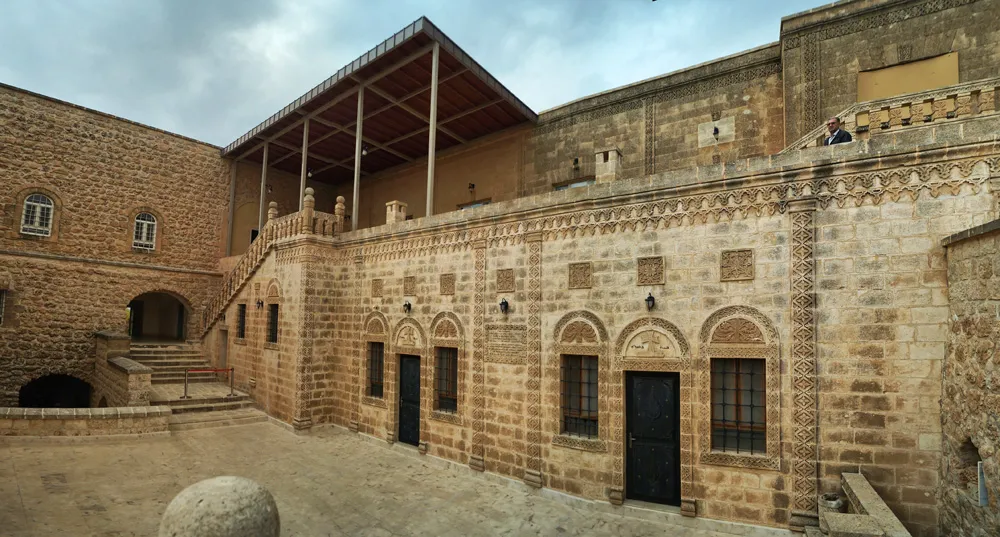
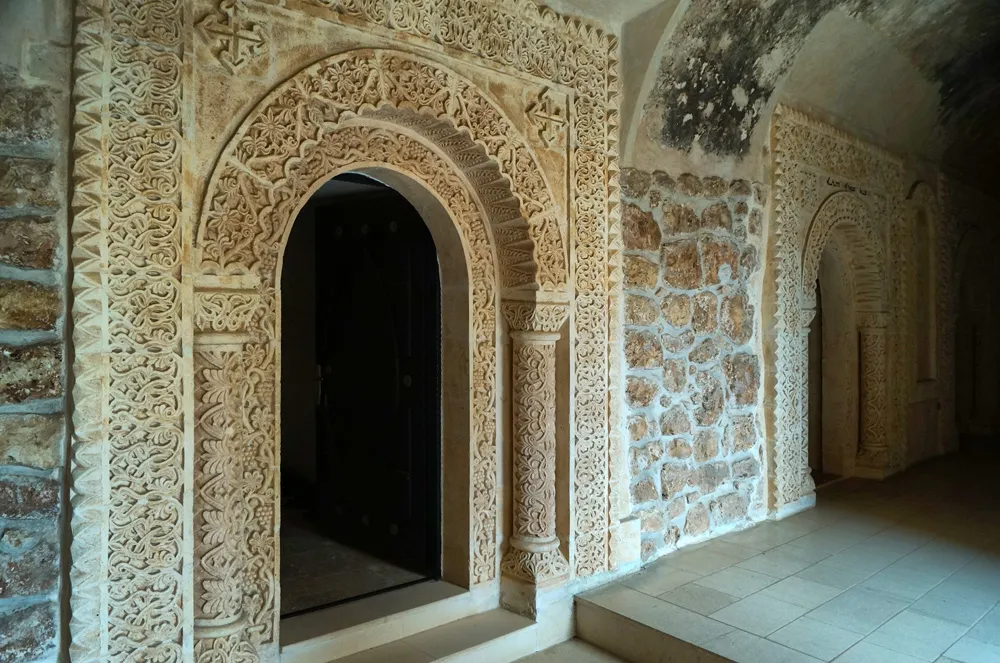
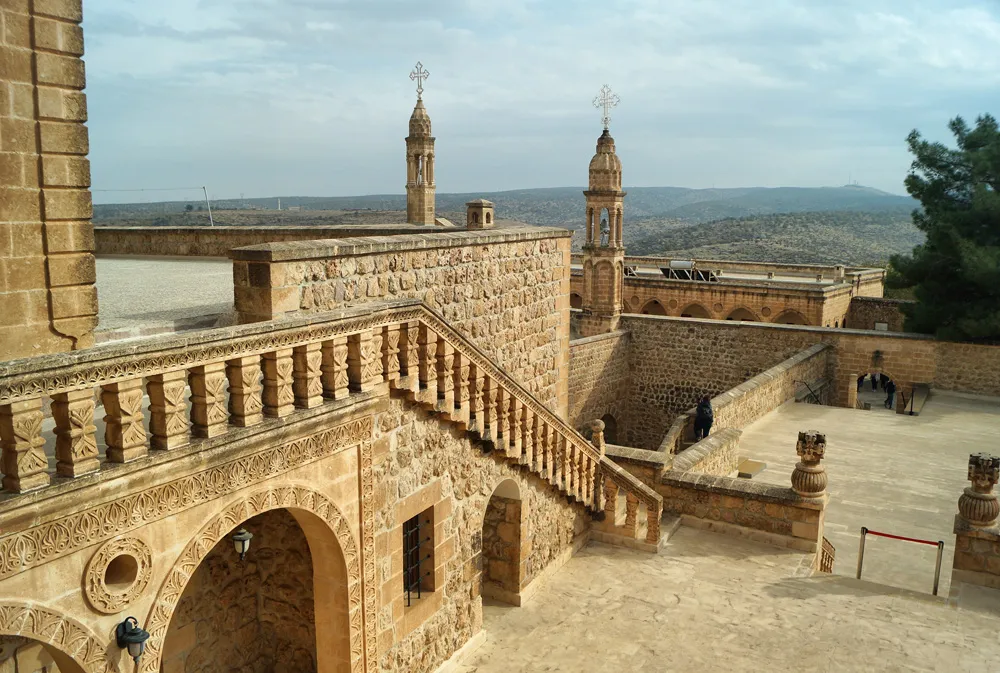
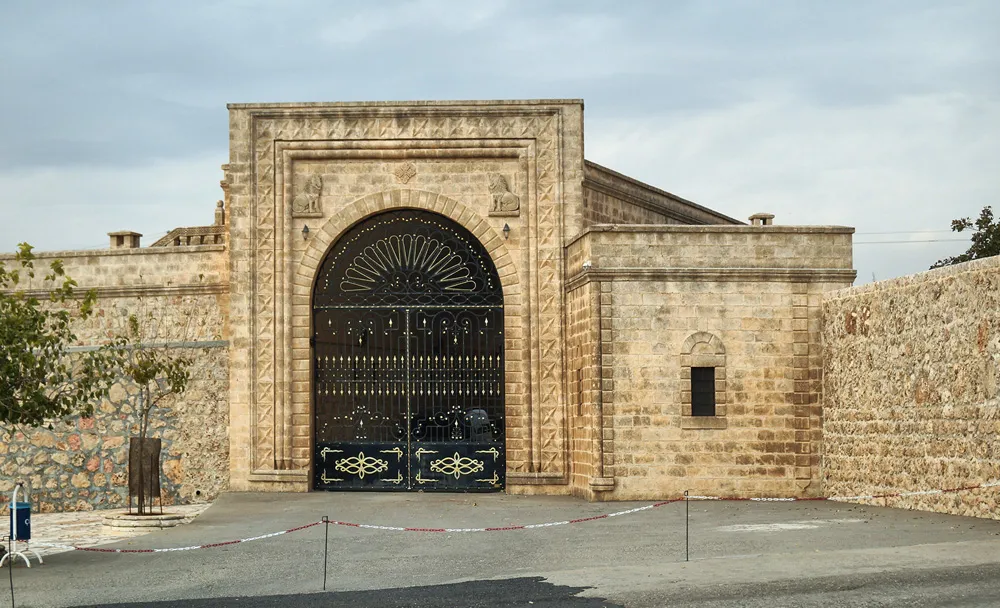
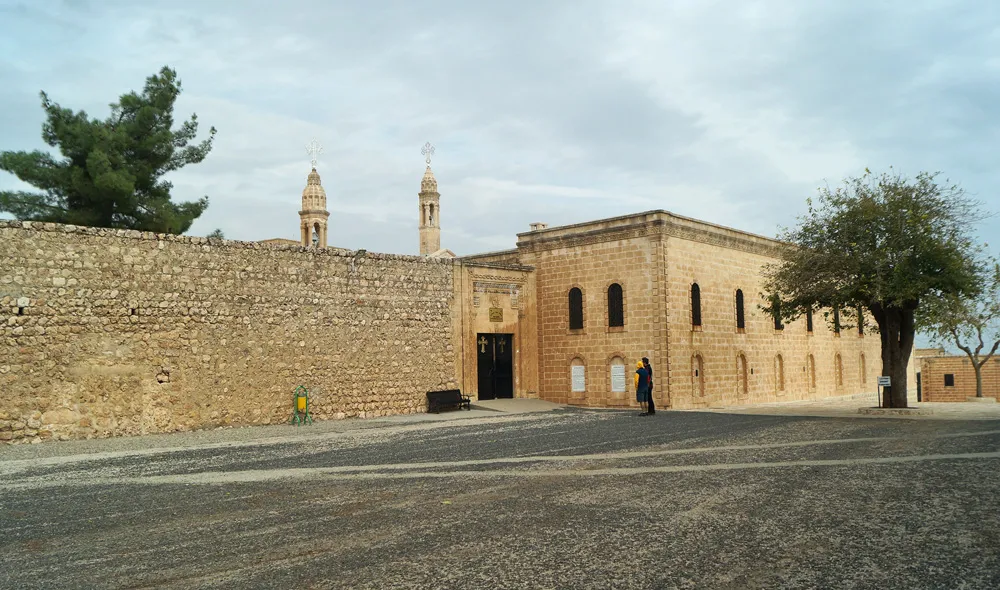
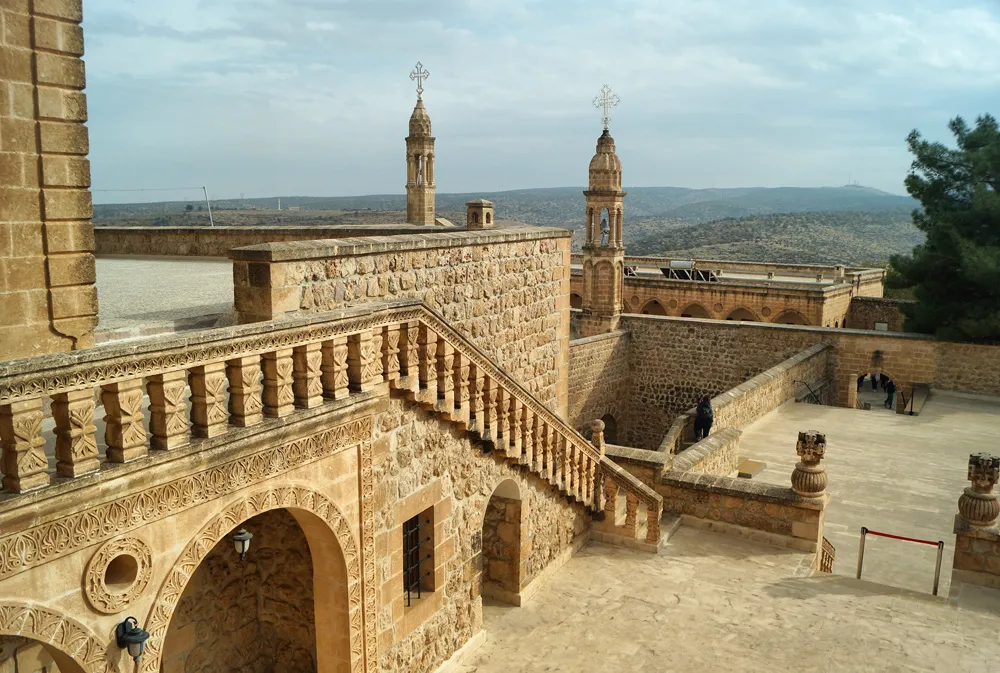
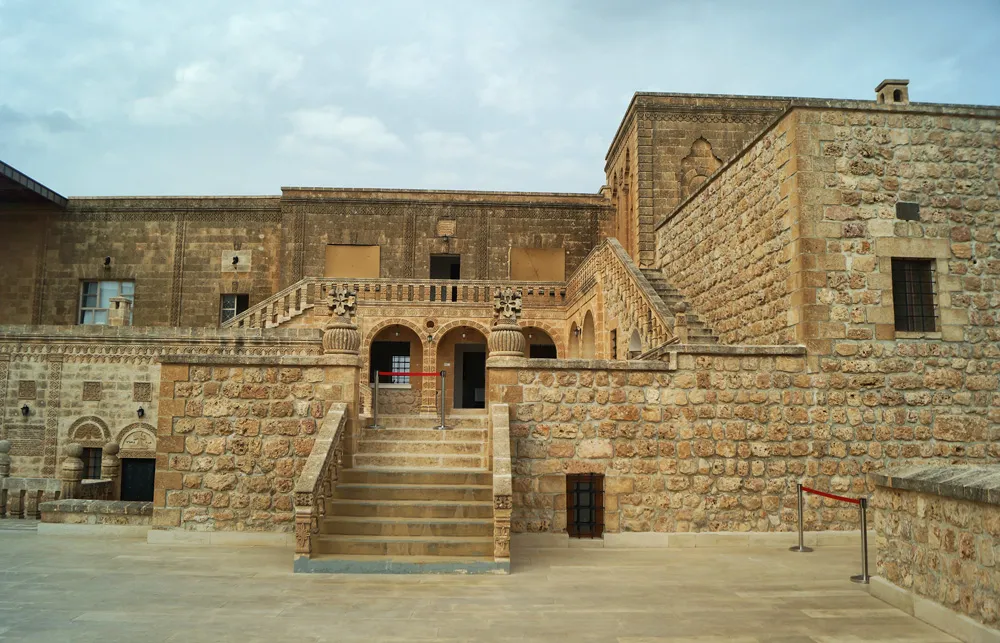
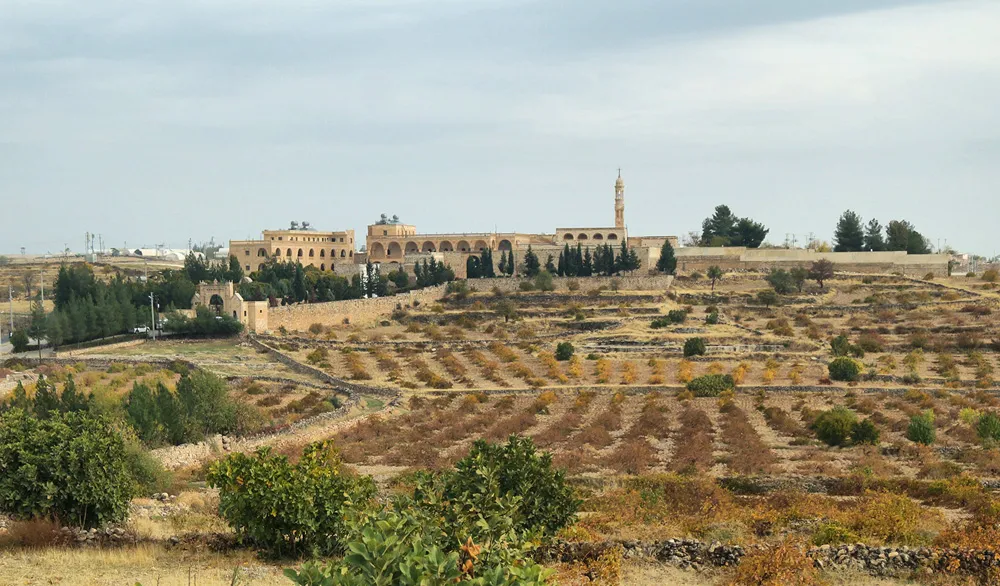
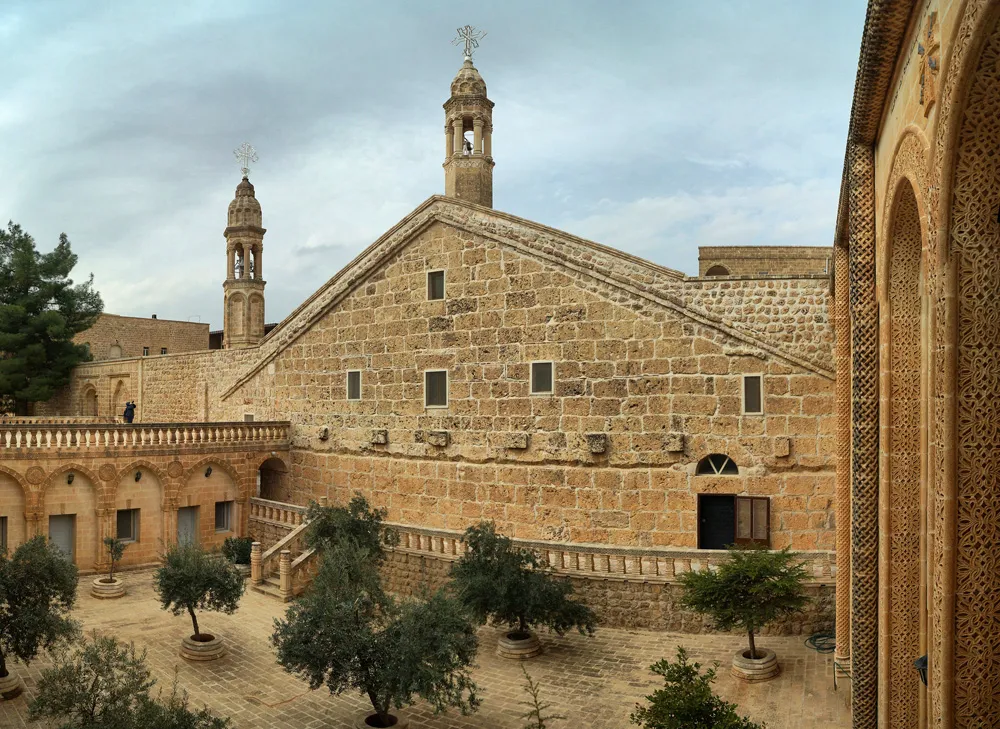
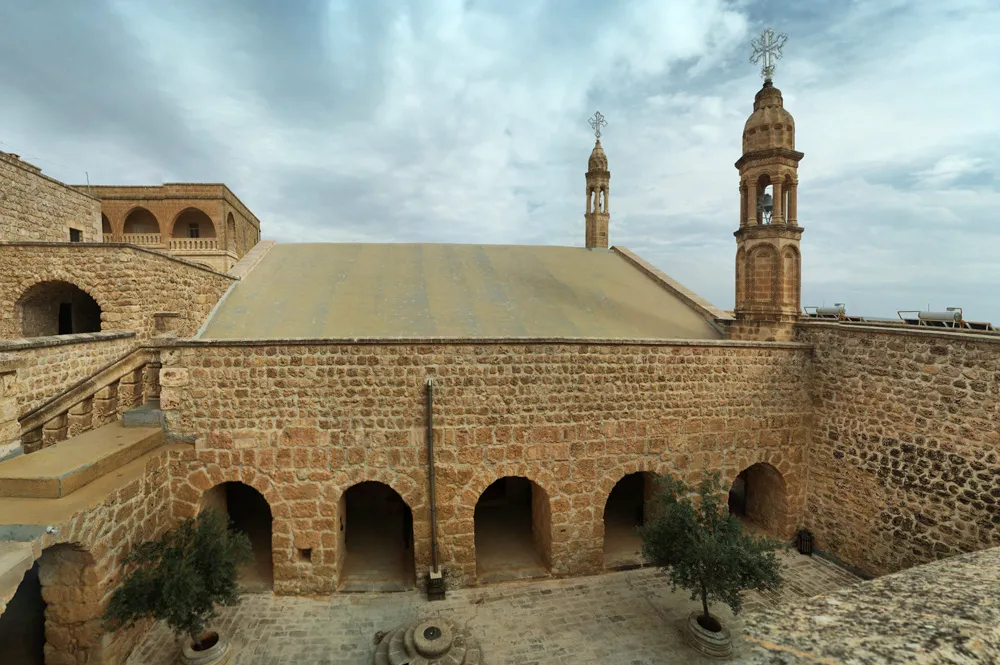
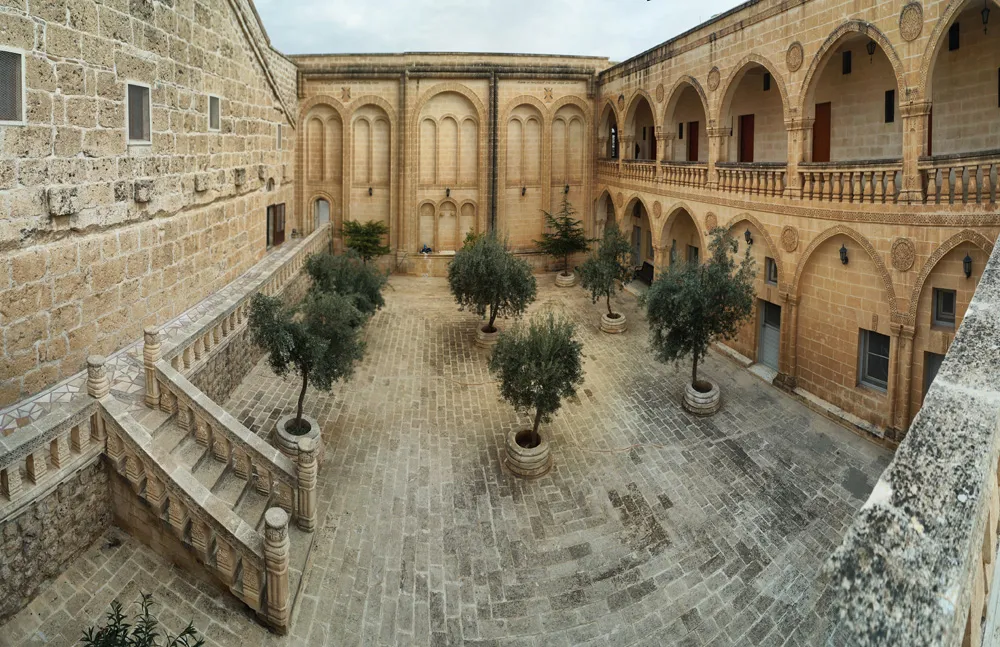
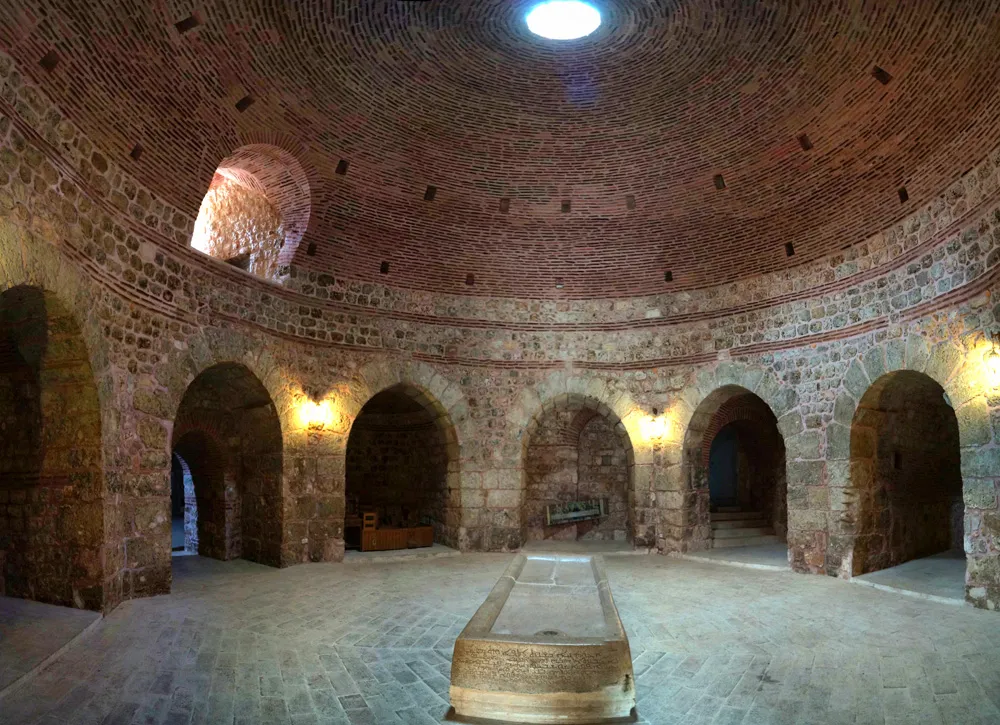
The monastery is located 10 kilometres south of Midyat and 25 kilometres from the border with Syria. It is one of the largest Christian monasteries in Turkey. It has many churches, blocks of cells and outbuildings that form a single complex surrounded by a high stone wall. Large areas around it are occupied by monastery fields and gardens, although for about ten years now a legal dispute over this land has been going on between the communities of neighbouring villages and the monastery. In this connection the monastery has already appealed to the European Court of Human Rights.
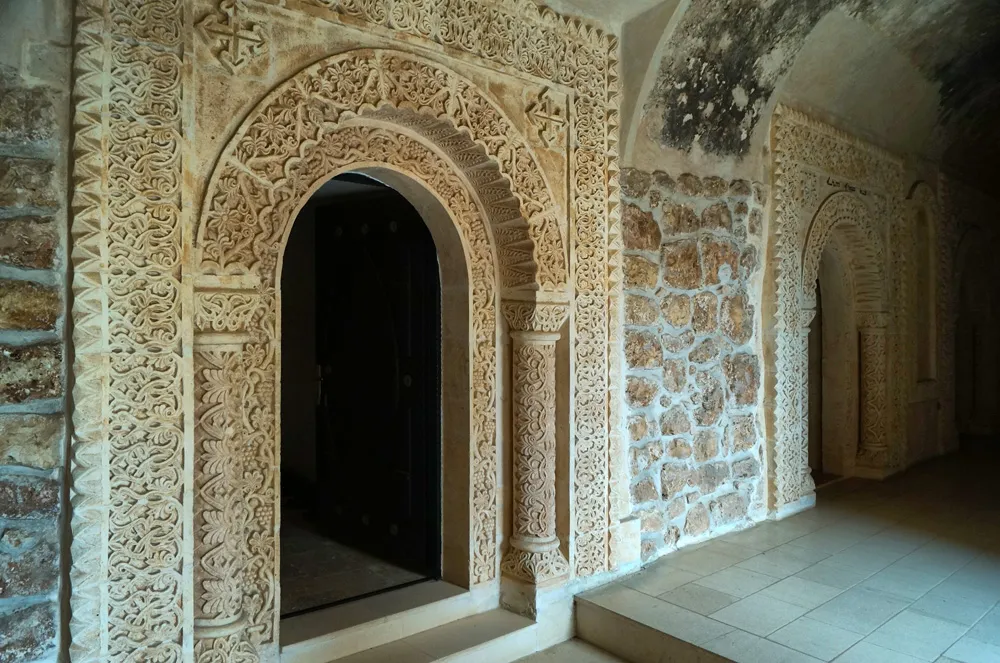
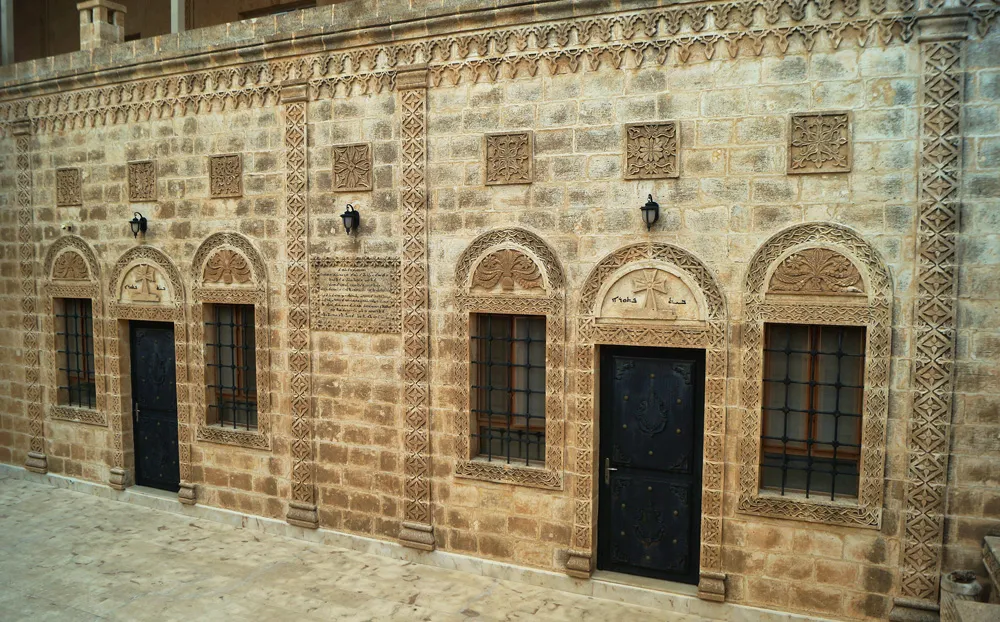
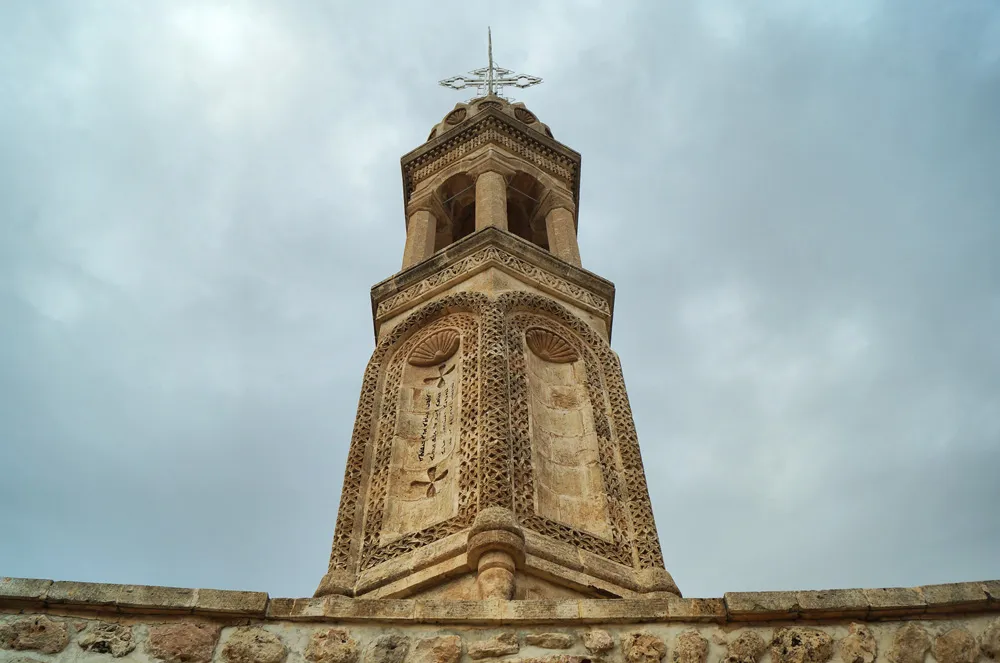
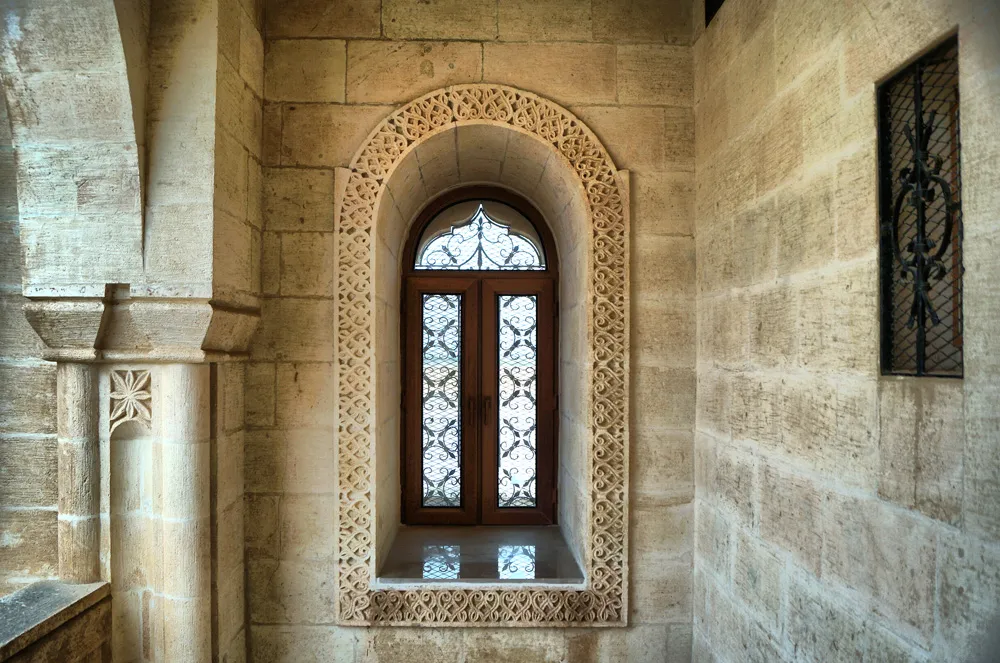
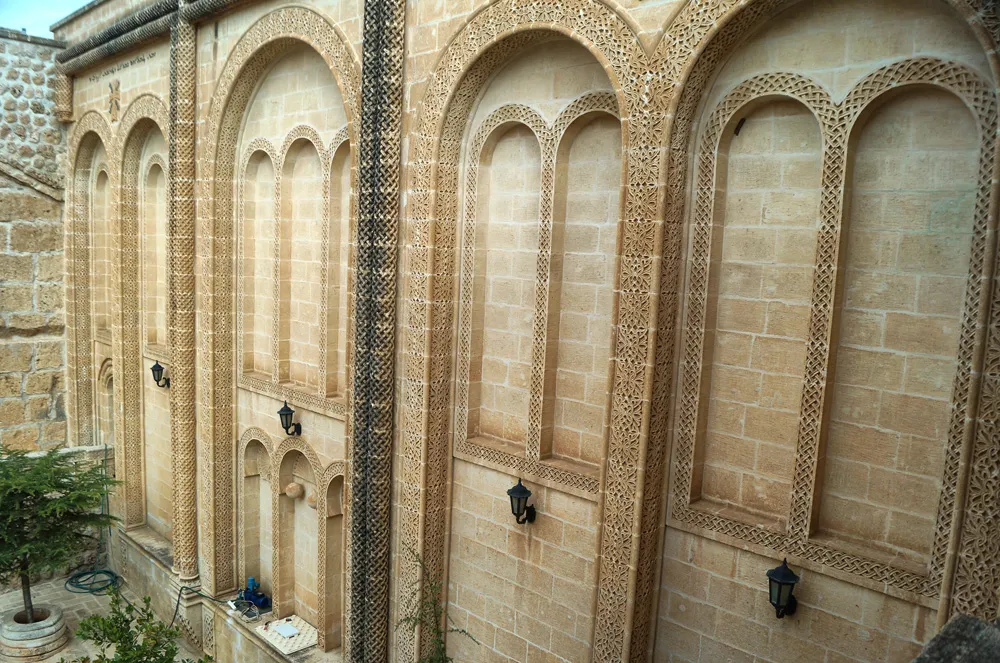
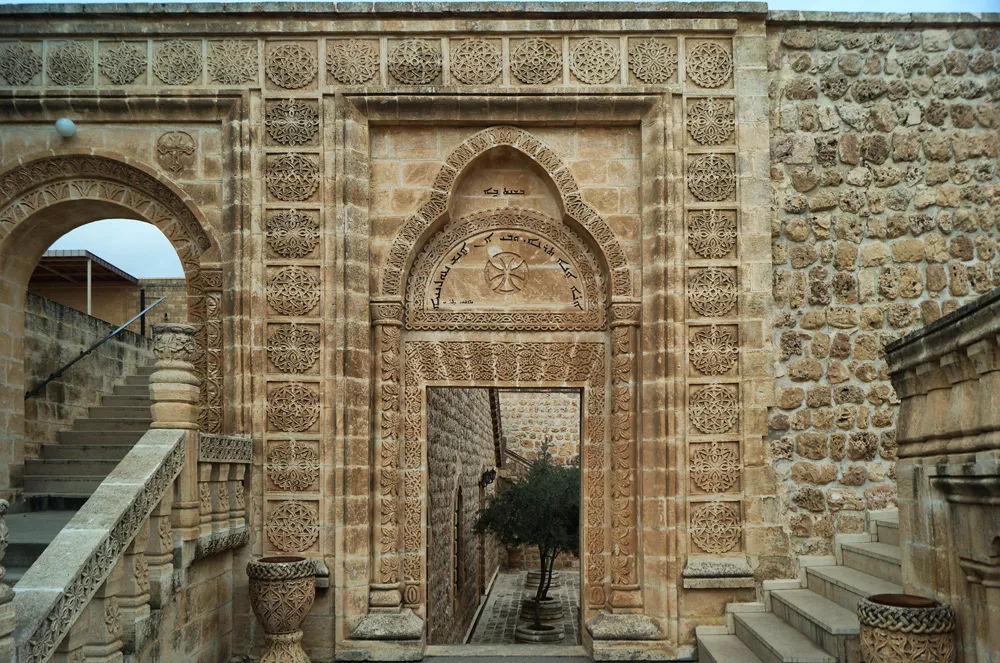
The old monastery building impresses with the perfection of its stone decoration. At times the stone lace created by Assyrian masters seems unreal. I noticed similar things in Mardin, but in Midyat and the surrounding monasteries, especially in Mor Gabriel, this carving is an artistic masterpiece.
Text and photos by Roman Malenkov.