Turkey. Şavşat. A Georgian castle and church

· 2 min read
Fifty kilometres from the centre of Artvin Province, 20 km from the Georgian border, above the Şavşat River, lies the town of Şavşat. It was once the centre of a region inhabited by Georgians – Shavsheti, as Evliya Çelebi called it in his work – but nothing of those ancient times remains in the town today, since from the 16th century these lands have been part of the Ottoman world. The Christian Georgians disappeared from here long ago, and those who remained are Muslims, and it is not certain they still consider themselves Georgians. Still, Şavşat is worth a visit, because a few kilometres west of the modern town, between the Şavşat River and its tributary, stands a Georgian castle. Even the Turks do not dispute its origin, since it is the only one in Turkey built in this style. It is the style of castles of the Bagratid era. Georgians built such castles in the 9th century.
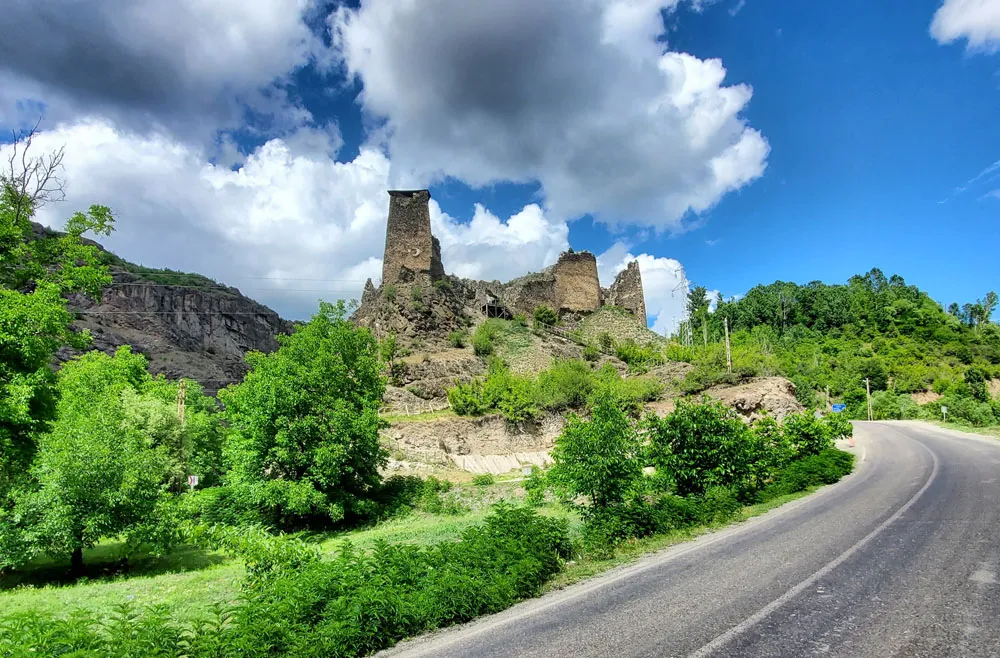
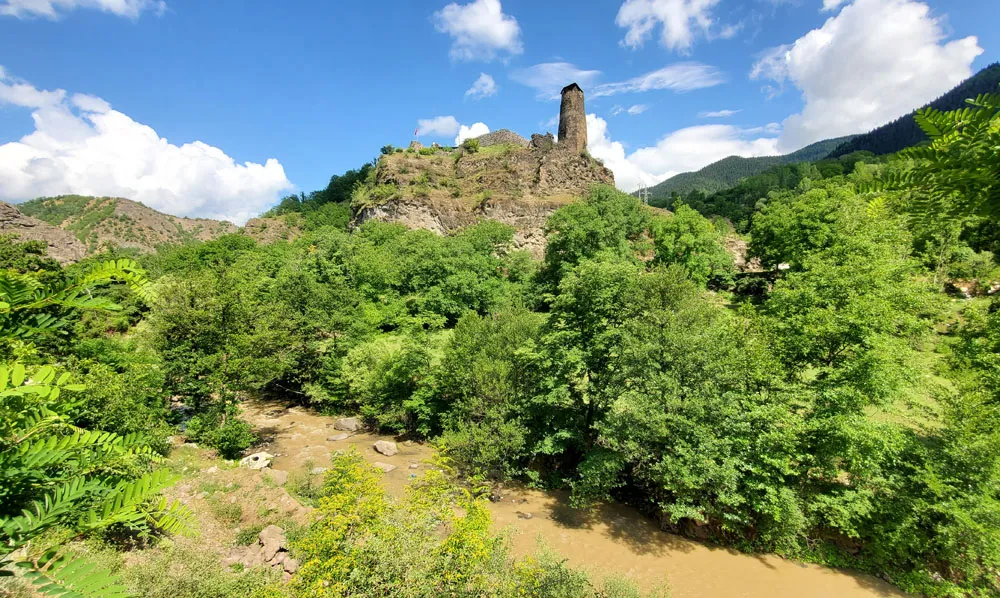
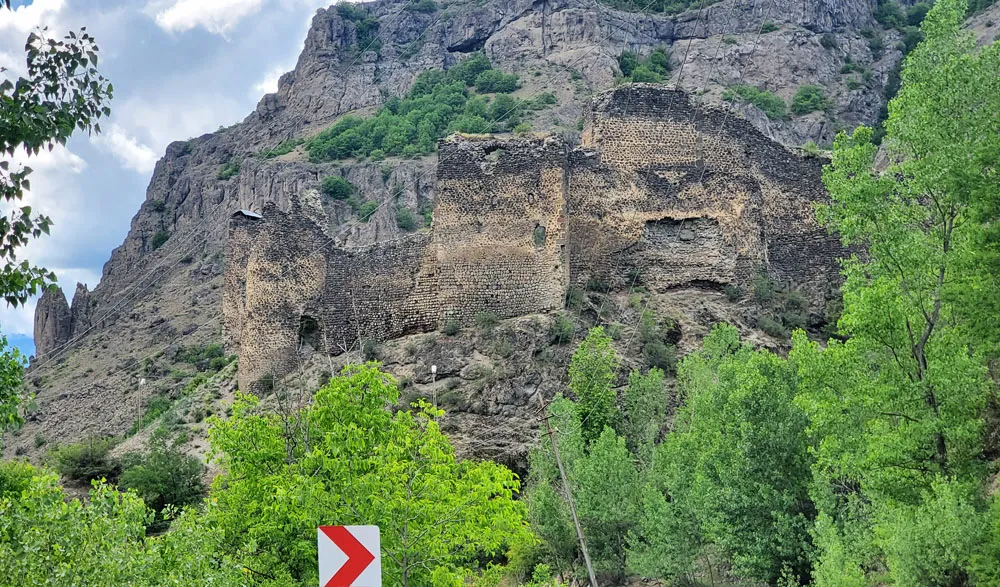
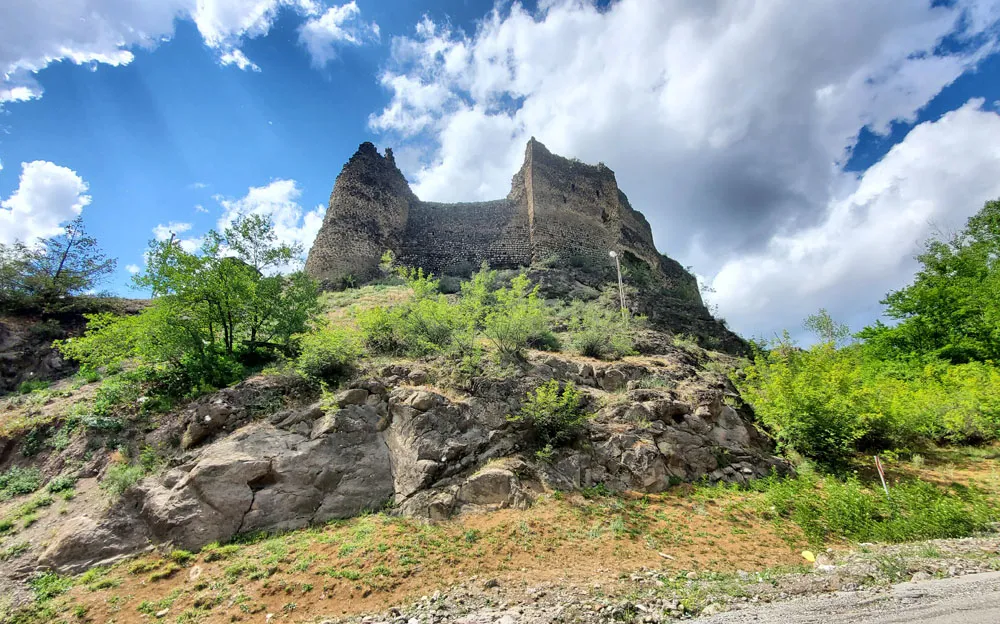
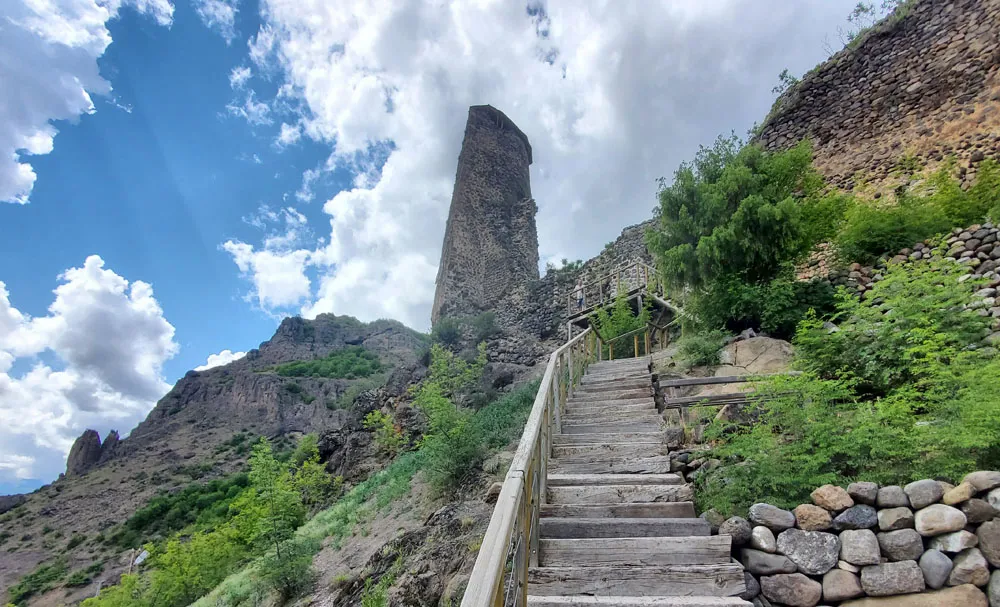
The castle is ruined, but one cannot call it a ruin, as the walls and towers have survived, only in a “gnawed” state. The tall tower, now topped with a crescent and star, is almost completely preserved.
The castle has been turned into a museum. There are paths, steps and a ticket office, but we were not lucky enough to get inside. For some reason it was closed.
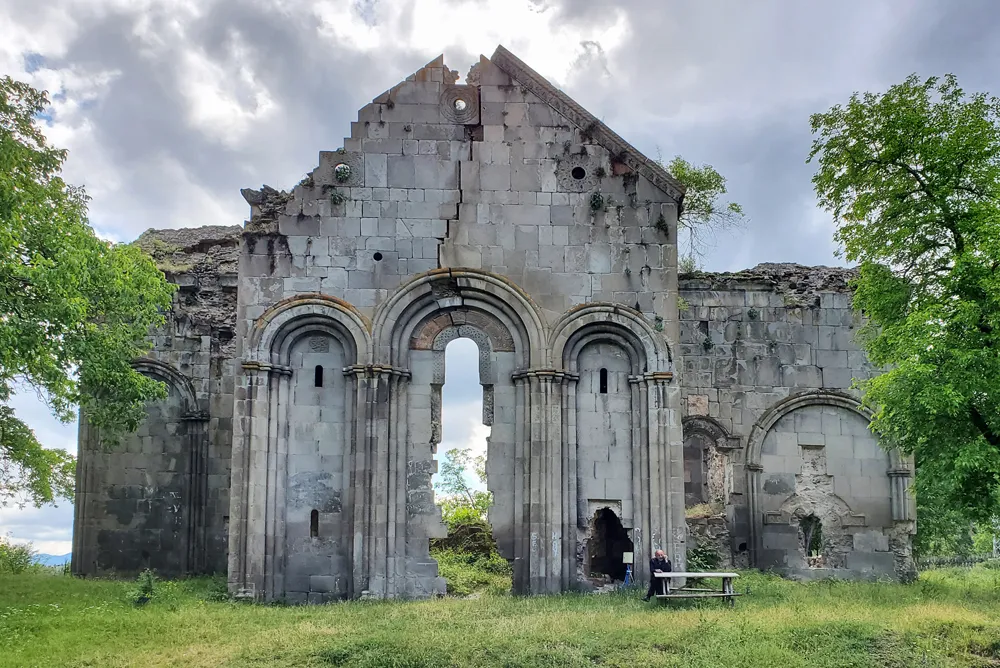
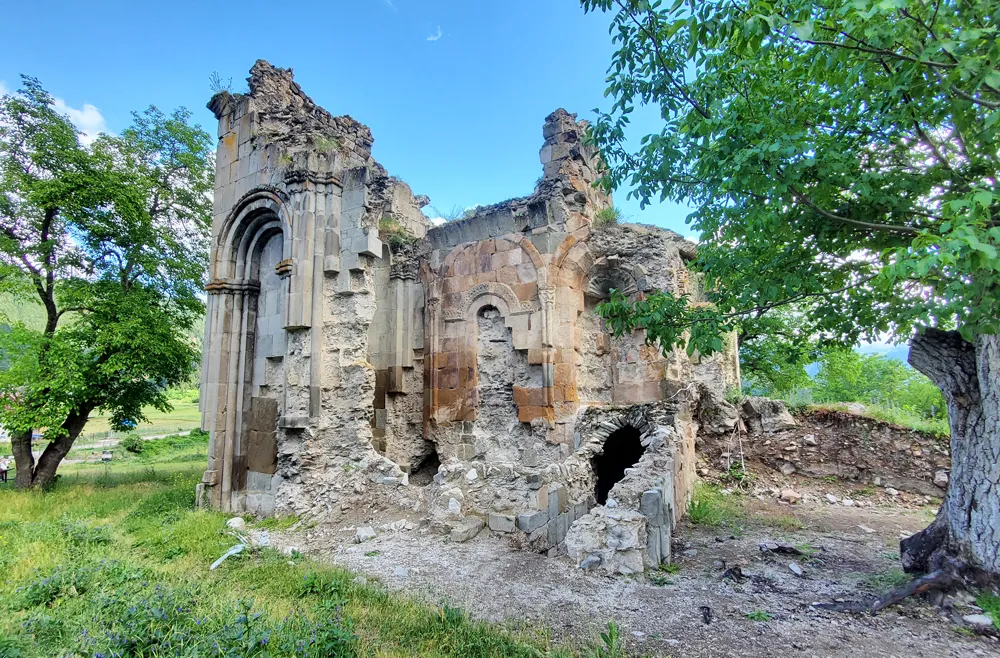
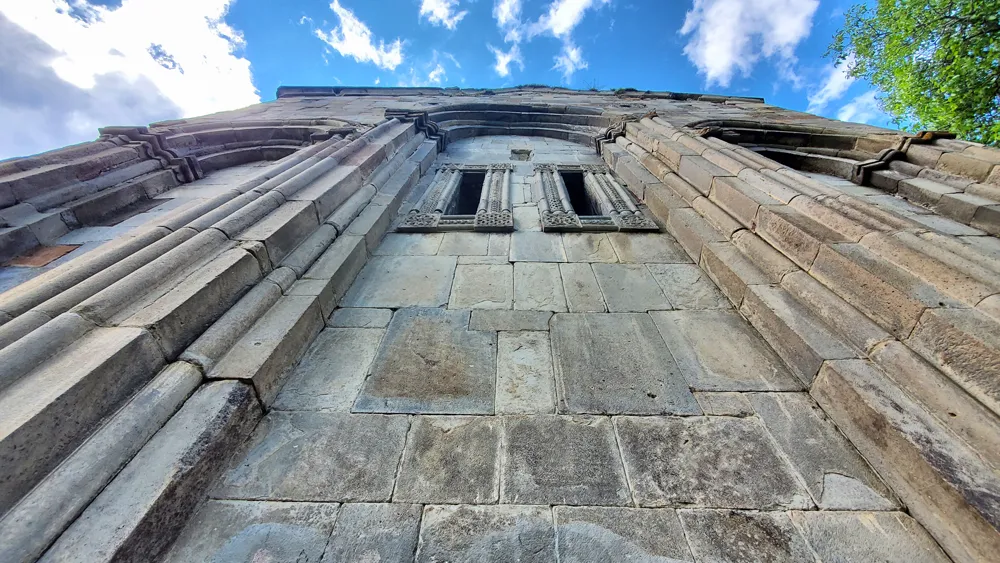
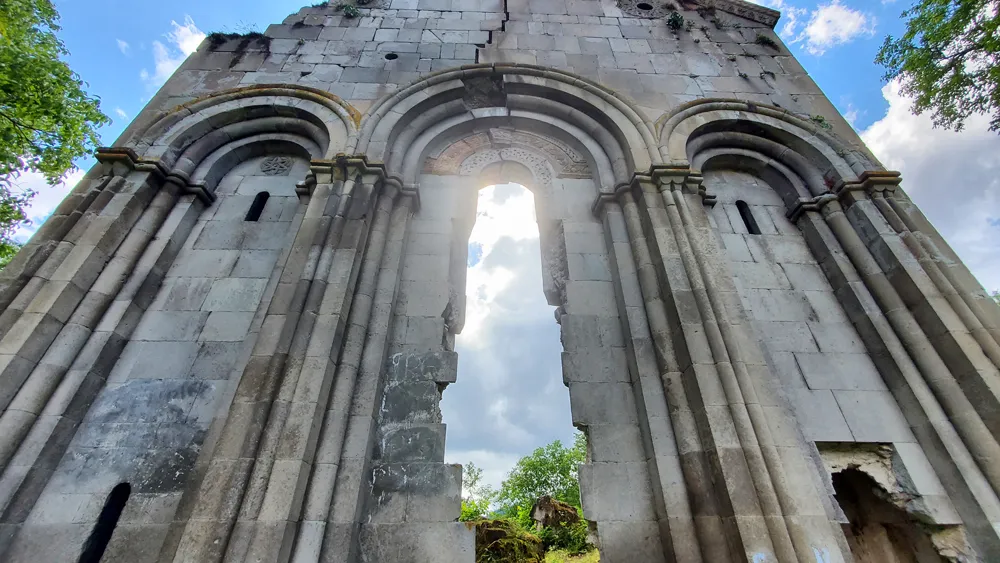
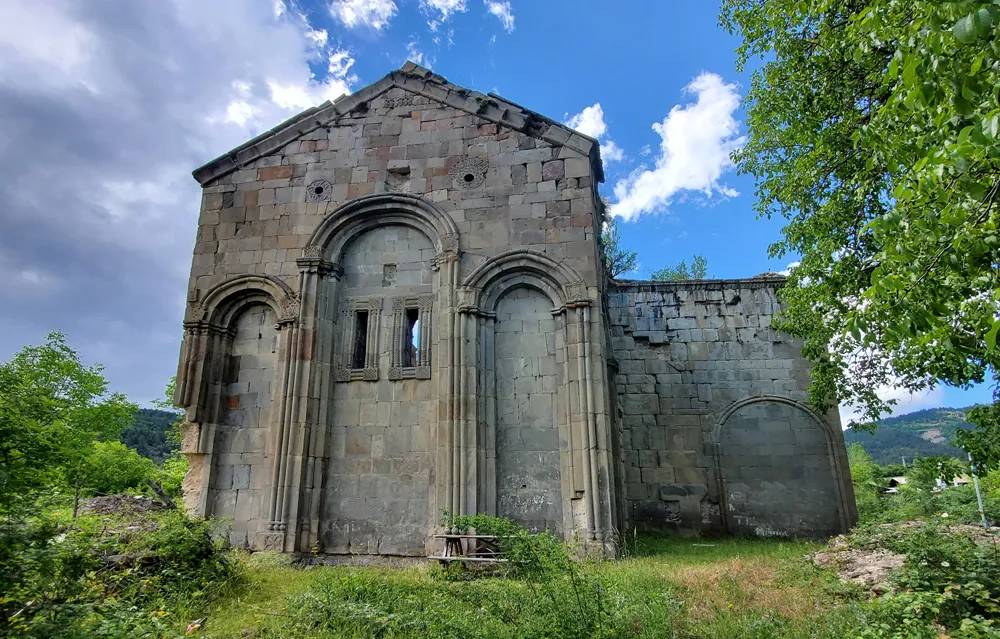
Eight kilometres northeast of Şavşat lies the village of Çevizli. I should say at once that the roads in this remote area are not of the best quality. It looks as if civilisation has only just arrived here and they have only begun building roads. In Çevizli the Georgian church of Tbeti has survived, built between 899 and 914, in the time of Ashot Kukhi, a prince of the Bagratid dynasty. From the 11th to the 14th century the church was a very important religious centre in the region, but after the Ottoman conquest of the territory it was turned into a mosque.
Today the Church of Tbeti (Tibeti) has no roof or vaults, and its walls are quite badly damaged – the result of the 1953 earthquake. Nobody has restored it since then, although it is clear that interest in it has now arisen: an information board has been put up in three languages – Turkish, English and Georgian – and it has been marked on maps…
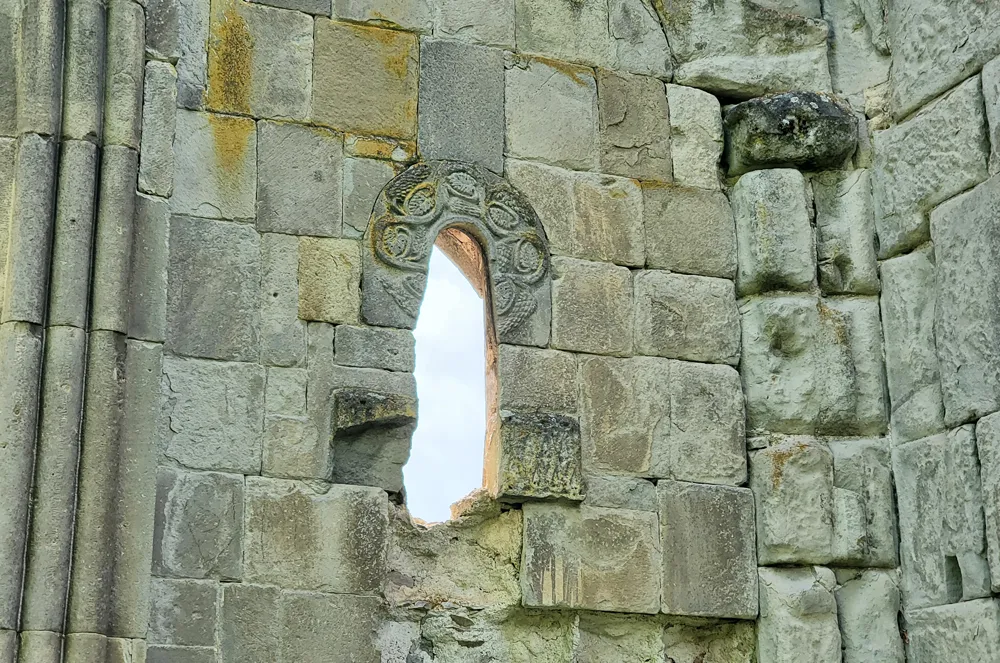
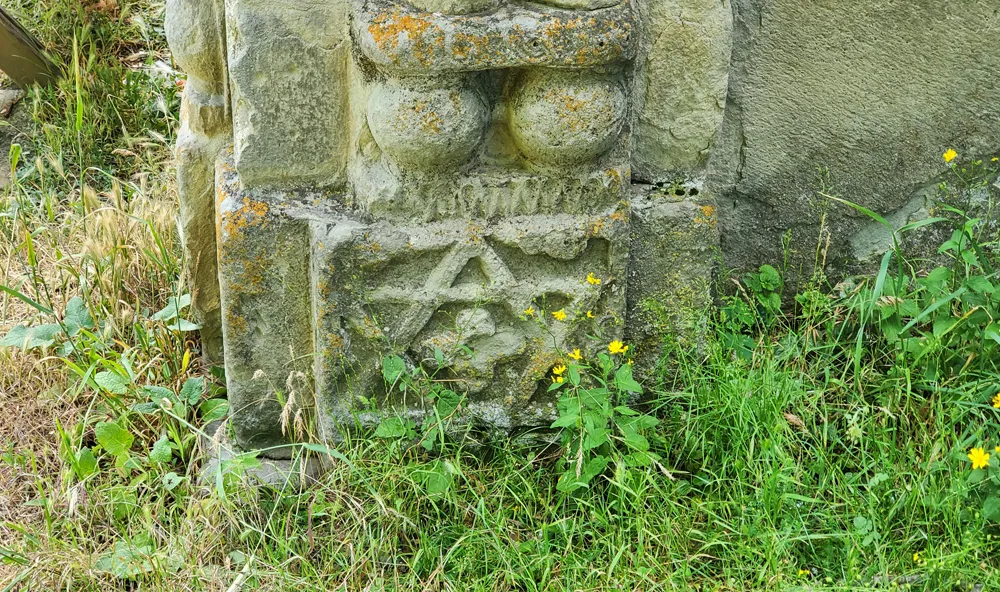
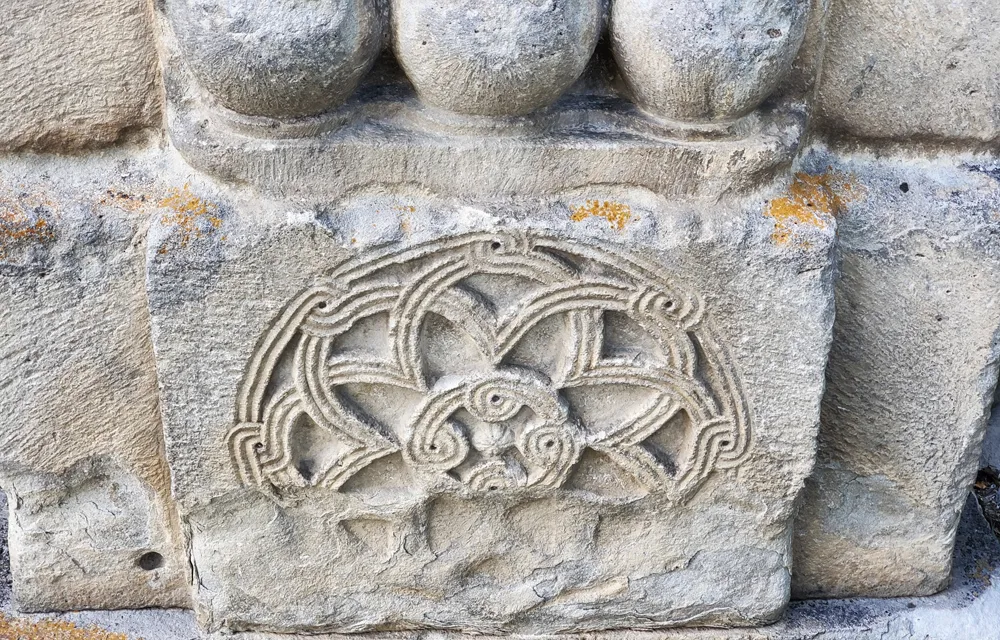
The church is very interesting. Even in ruins it looks quite majestic, and its ancient Georgian bas-reliefs, ornamental and sacred, are incredible.
Text and photos by Roman Malenkov.