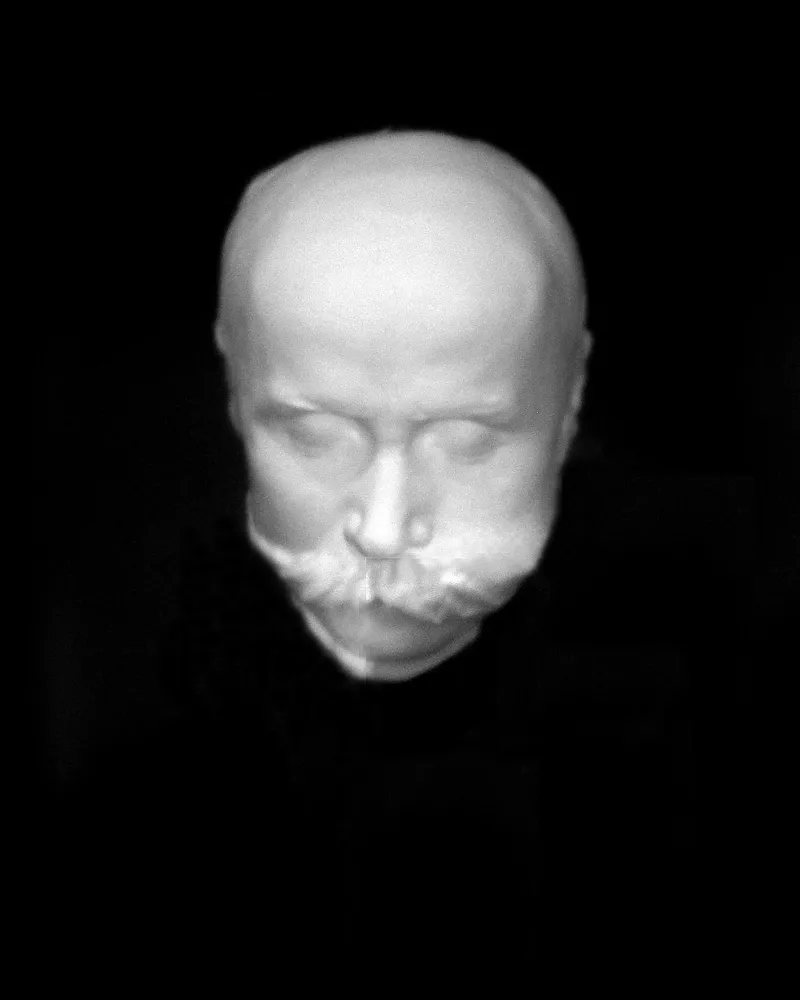
The great reburial, or the posthumous journey of Taras Shevchenko

· 4 min read
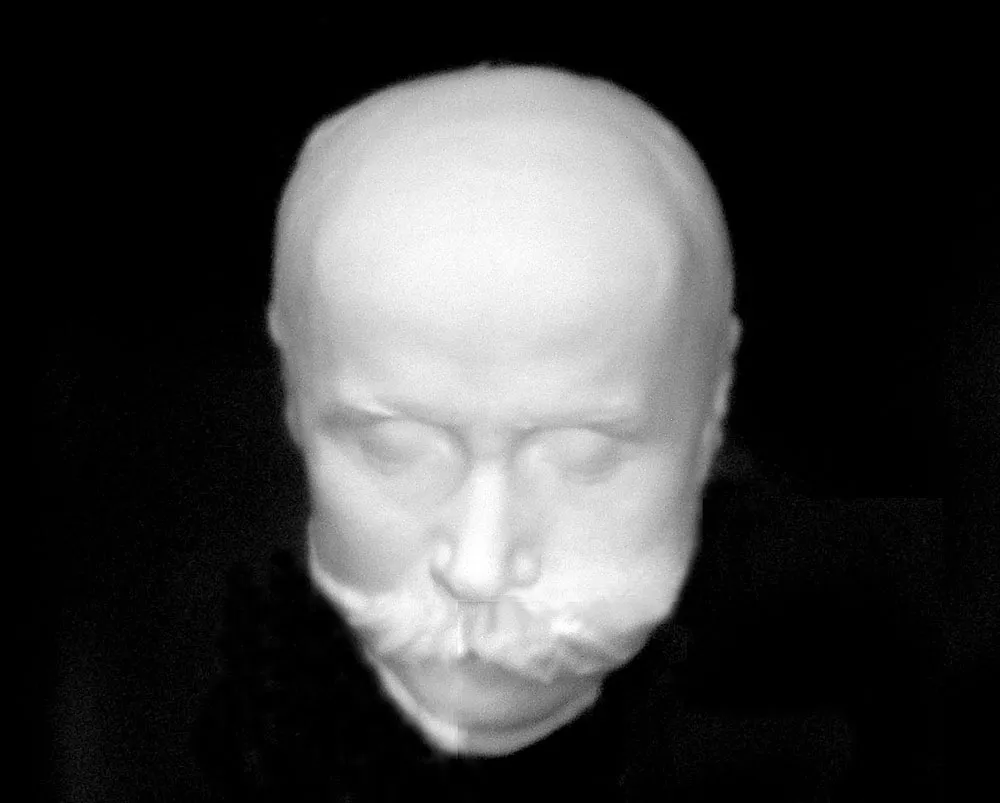
161 years ago, the reburial of Taras Shevchenko took place. One of the creators of the Ukrainian nation never had such popularity in his lifetime as after death. His body, having covered a distance of 1,850 kilometres, came to rest in Ukrainian soil on 22 May, on Chernecha Hora near Kaniv.
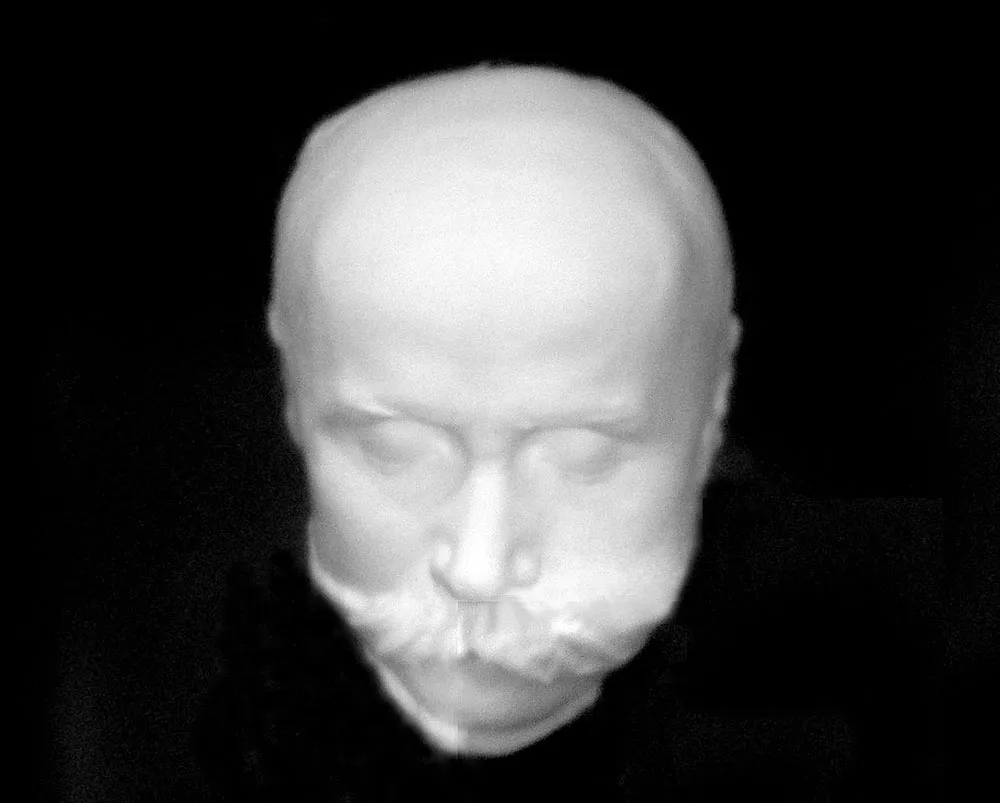
Taras’s death mask. Photo by Roman Malenkov
Taras died in agony, in need of peace and opium: terrible pains caused by a heap of illnesses, above all dropsy of the lungs, let the poet neither sleep nor breathe. At 5 a.m. on 10 March 1861 Shevchenko drank a cup of tea, went down the stairs to the ground floor of his apartment and fell dead. For three days the coffin with Taras’s body lay in the church of the Academy of Arts, after which it was buried at the Smolensky Cemetery in Saint Petersburg. Today it is written that the burial was temporary, and almost at once they began to raise funds and prepare a reburial in Ukraine… One’s hair stands on end at the thought that Taras might have remained lying in the russian swamp, but no: it took Shevchenko’s friends and supporters, first of all Lazarevsky and Chestakhivsky, almost two months to raise the money and arrange the reburial. On 8 May the coffin was dug up, packed into another coffin, a lead one, placed on a sturdy spring-mounted hearse and taken to Ukraine.
In his life Shevchenko was a fanatical traveller, a sort of 19th-century travel blogger. Of his own will and against it, Taras visited Poland, Lithuania, russia (in many corners), Sweden and Denmark (a Baltic cruise on a steamer), Kazakhstan and Kyrgyzstan. Shevchenko’s travels around Ukraine have long since been overgrown with legends: almost every village has an oak, a linden or a well connected with the poet’s visit. In truth Taras did travel around Ukraine very actively, during his periods in the motherland, the longest of which, in adulthood, totalled only three years. In those three years Taras covered thousands of kilometres of Ukrainian roads by carriage and on foot, from Okhtyrka and Hlukhiv in the east to Pochaiv and Kovel in the west and Khortytsia in the south. Could Shevchenko then have imagined that his posthumous journey would resemble the tour of a world star, and that thousands of people would come to see him off on his last journey?
Never before Shevchenko or after him did the people rally so around the idea of burying their great representative. No other Ukrainian grave has become such a cult place. The Poles have huge necropolises where every coffin is grander than the next, Wawel alone is worth a great deal, while we do not know where Khmelnytskyi, Sahaidachny and Mazepa rest… The graves of the authors of our anthem are visited once in a blue moon, at Baikove Cemetery Hrushevsky stands with his back to the avenue, Nechuy is hidden by some communist, Lesya is lost in the labyrinths of the old part of the cemetery… It is sad. Only Taras has a grave where the roads of Ukraine converge.
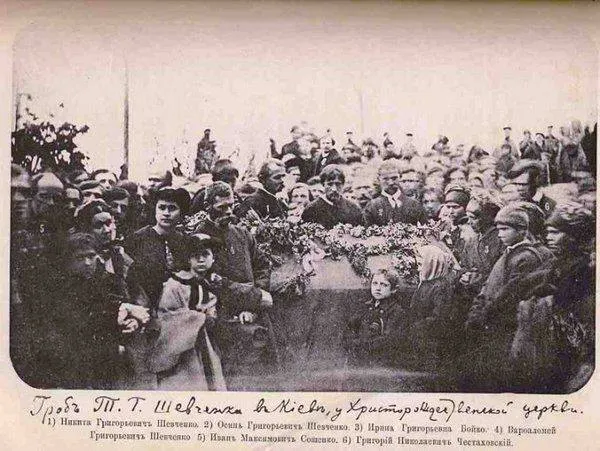
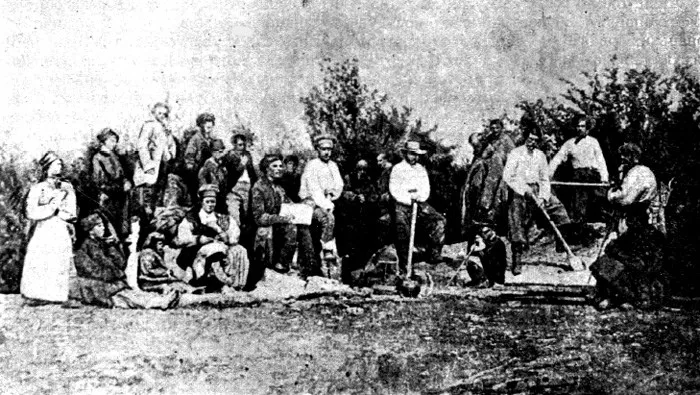
Shevchenko’s funeral procession lasted two weeks. During that time it stopped in Serpukhov, Tula and Oryol in russia, and then travelled through Hlukhiv, Krolevets, Baturyn, Nizhyn, Nosivka, Bobrovytsia and Brovary to Kyiv. The Kyiv authorities, headed by Governor Vasilchikov, the very man who had arrested Shevchenko in 1859, forbidden him to settle in Ukraine and expelled him to russia, were very displeased by the noisy, enormous funeral procession. Having banned farewells in all the large Kyiv churches, they allowed the coffin with the poet to be brought into the small Church of the Nativity of Christ in Podil, by the Dnipro. Any speeches were also forbidden.
Some Kyivans, especially students, wanted Shevchenko to be buried in Kyiv. They even prepared a grave on Shchekavytsia hill above the Dnipro. But Chestakhivsky convinced everyone that Taras had willed to be buried near Kaniv, so on 20 May the coffin was loaded onto the steamboat “Kremenchuk” and taken to Kaniv.
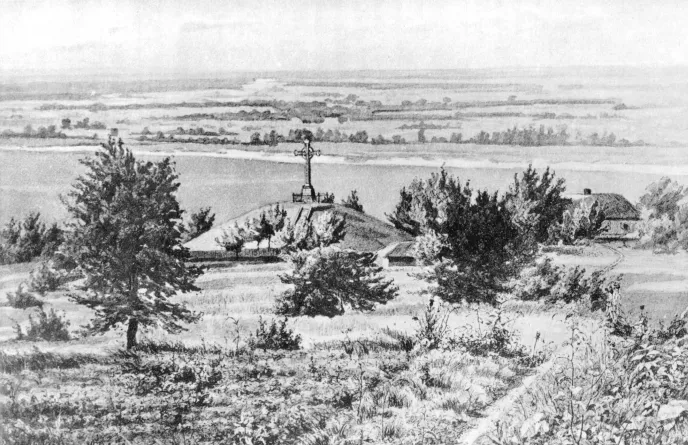
In Kaniv they bade farewell to the poet for two days in the Dormition Cathedral, and on the third day the heavy coffin was taken on an ox-drawn cart to Chernecha Hora. There was no road along the Dnipro because the river had flooded heavily, so the procession had to make a long detour along a muddy road over the hills. On 22 May the long-suffering great Ukrainian finally came to rest in his native land.
Author Roman Malenkov. Further photos by the author
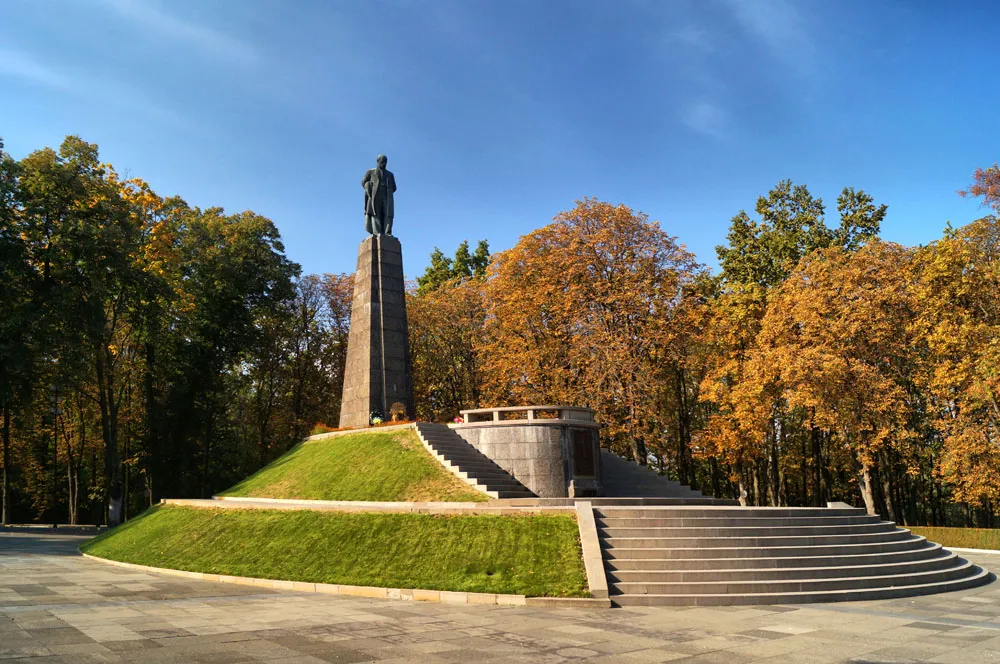
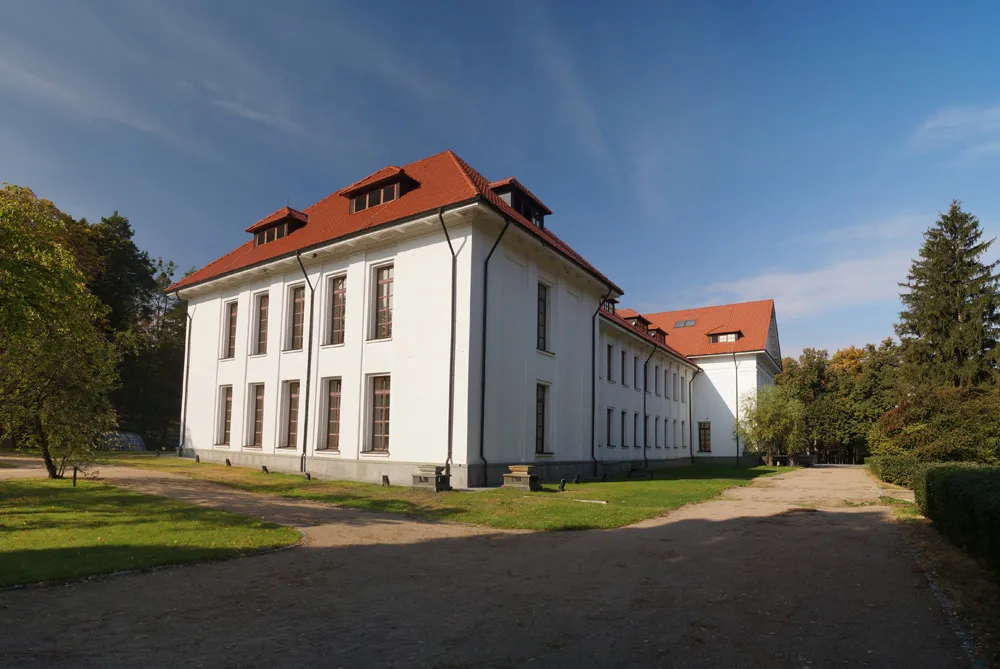
Grave and museum of Taras Shevchenko. Taras Hill
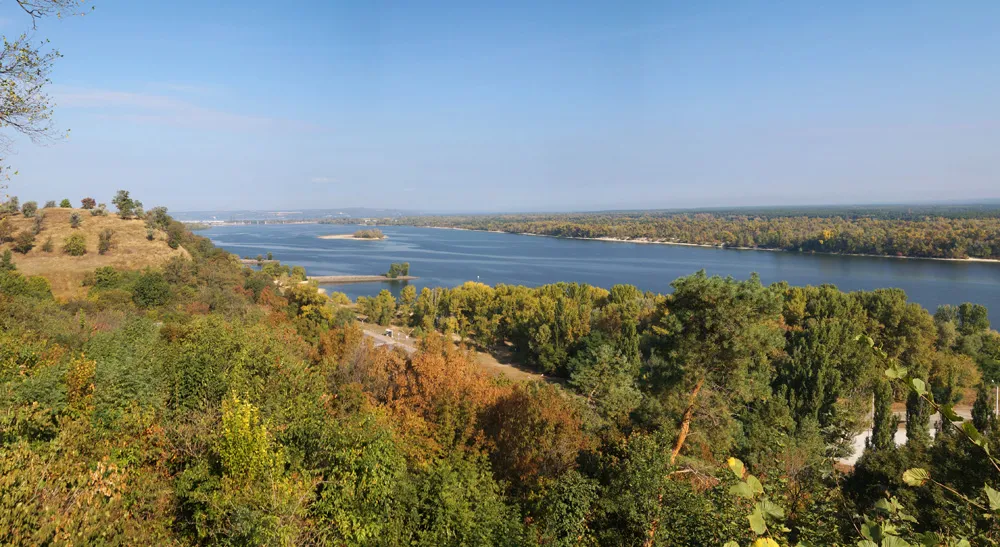
Taras Hill, view
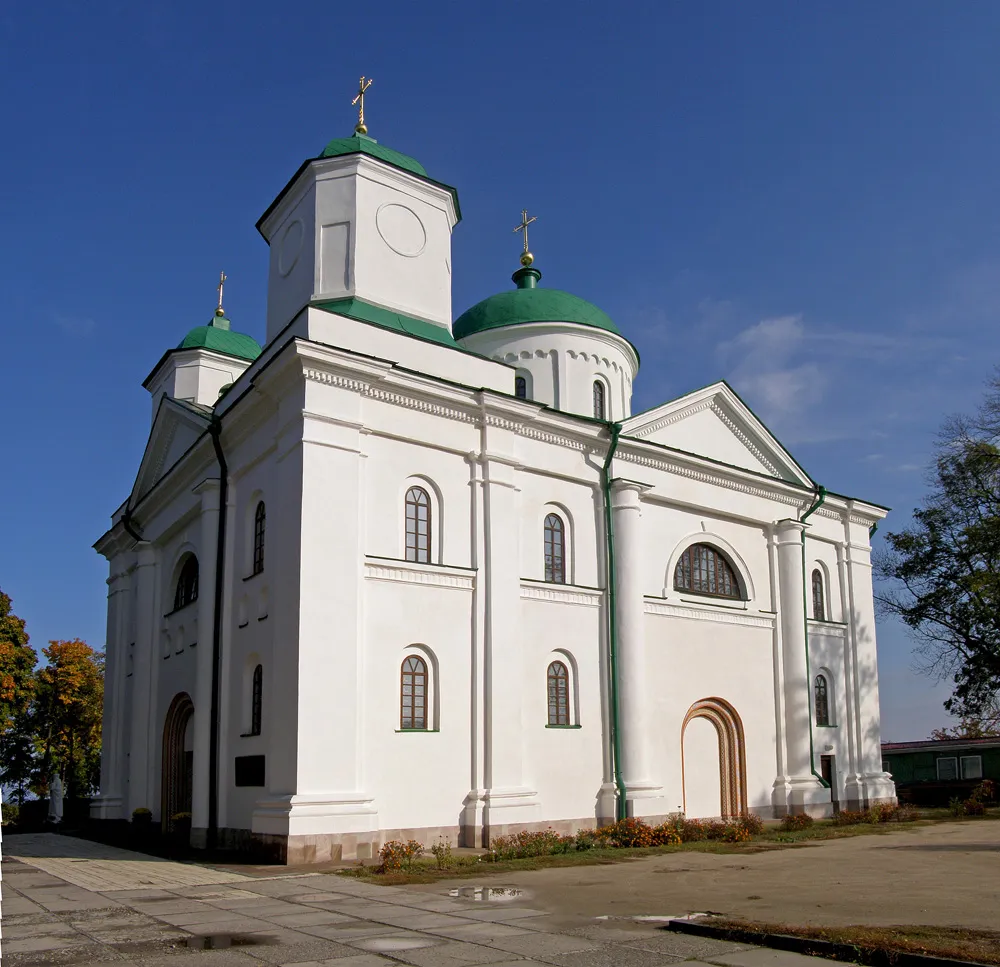
Dormition Cathedral in Kaniv