

Armenia. Vagharshapat, Echmiadzin, Zvartnots

· 8 min read
Given the number of monasteries relative to the size of the country, Armenia can be considered the most monastic country in the world. The largest and most revered monastery in the country, Echmiadzin, is located in the city of Vagharshapat, 20 kilometres from Yerevan. Armenians believe that you have not been to Armenia if you have not visited Echmiadzin. It is the holiest place for a true Armenian, a monastery that is a bastion of the faith, that appeared with the arrival of Christianity in the country and is the residence of the Armenian patriarch, the Catholicos of All Armenians.
Yerevan has very few historical monuments – 90% of them were demolished in Soviet times. Vagharshapat is much more interesting than the capital, there are plenty of sights here, and it lies only twenty kilometres away. So the official capital is Yerevan, but the tourist, spiritual and cultural one is Vagharshapat.
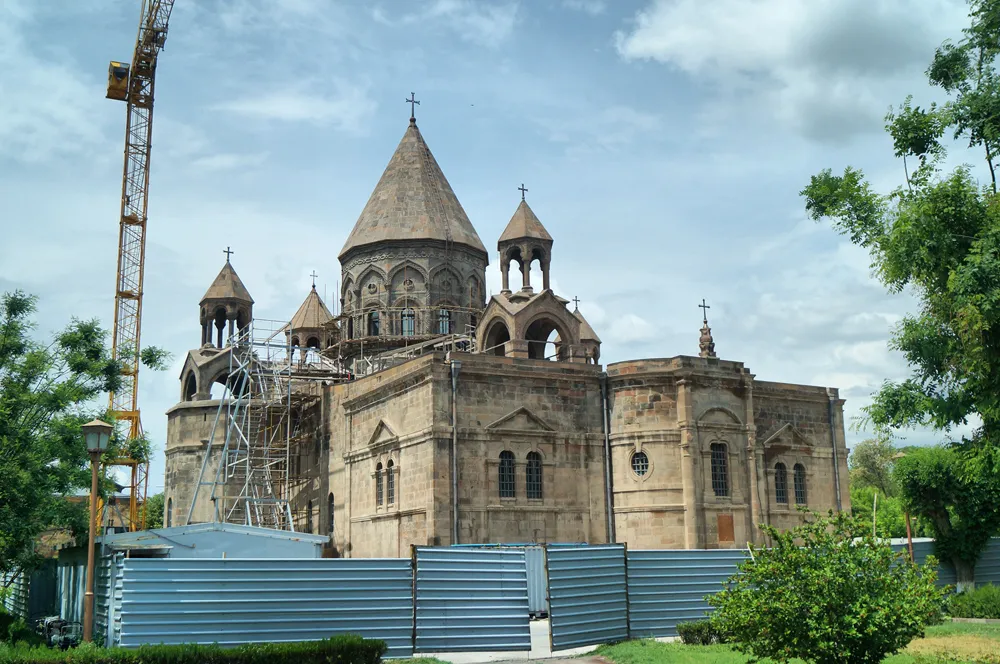
Echmiadzin Cathedral
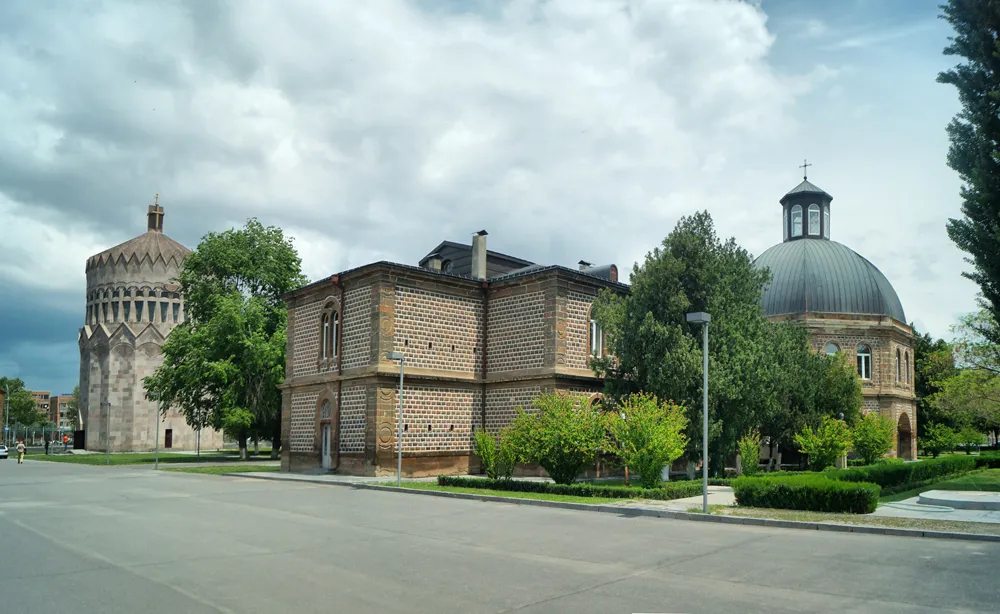
Gevorkian Seminary and the Church of the Holy Archangels
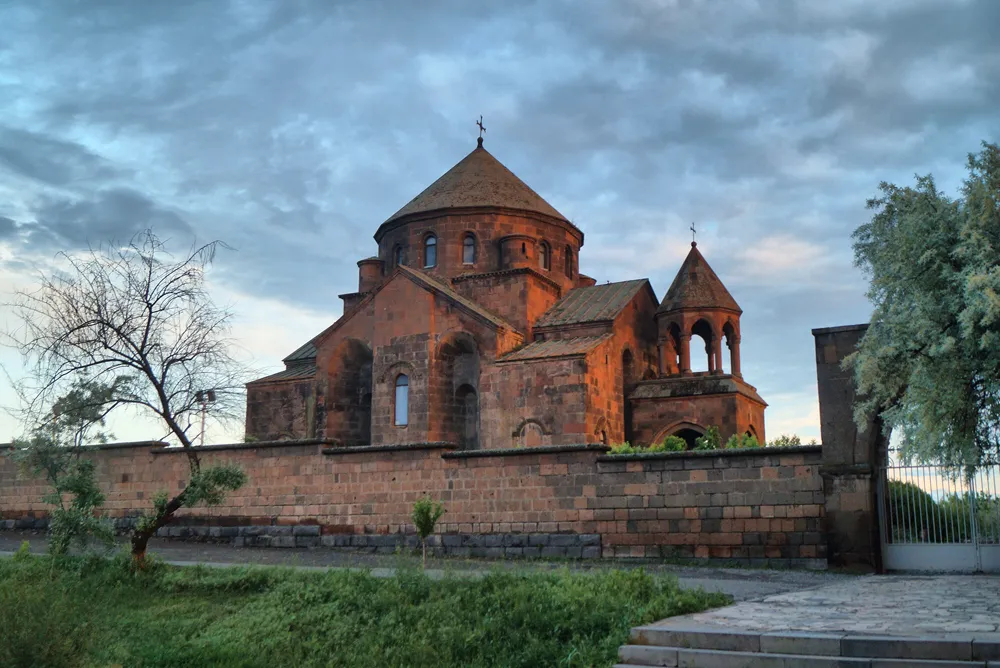
Church of St. Hripsime
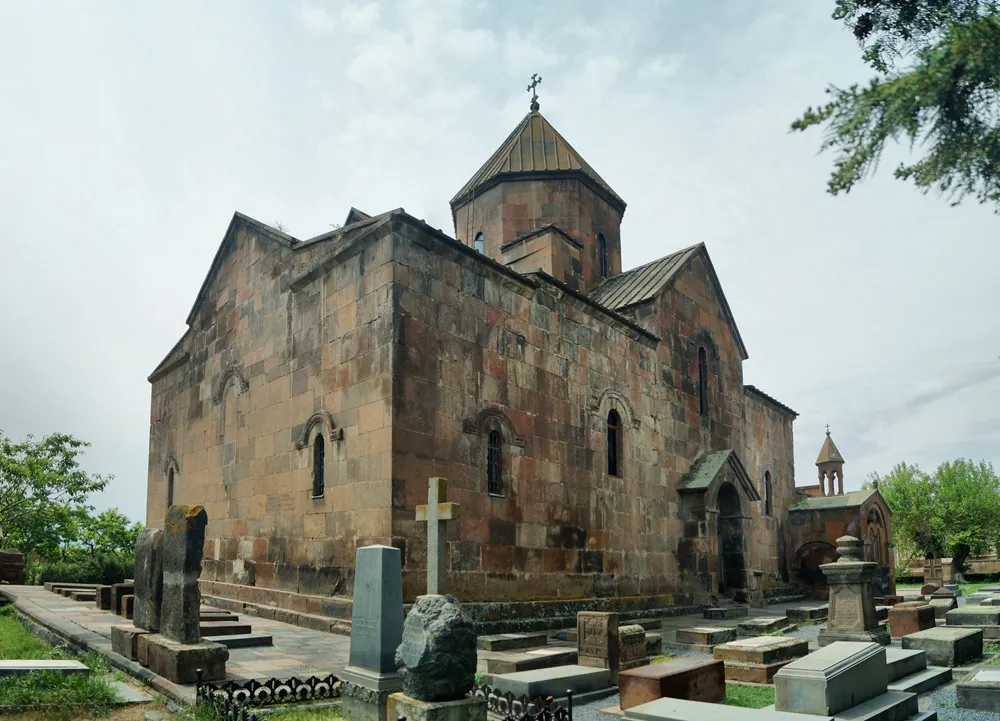
Church of St. Gayane
From Soviet times until 1992 the city was called Echmiadzin, after the monastery, which means “the Only-Begotten descended”. Locals use both names for the city.
Once, at the beginning of our era, there was a village here called Vardkesavan. At the start of the 2nd century, King Vagharsh I of Greater Armenia built a city on the site of the village and named it after himself – Vagharshapat. This city became the capital of the first country in the world to adopt Christianity. It happened in 301 – the Armenians were baptized by Gregory the Illuminator with the support of King Tiridates III. In the article about Khor Virap we have already written about the relationship between these two saints. Gregory’s father killed the parents and family of Tiridates – the future king was saved by the Romans, who also raised the boy, while the murderer of the royal family and his whole family were killed – the boy was taken away to Caesarea, where he was brought up in the Christian tradition. Gregory grew up a true Christian and decided to atone for his father’s sins by entering the service of Tiridates.
The Romans made Tiridates king. He moved from Rome to Vagharshapat and took all his entourage with him, including Gregory, whose Christianity he did not know about. Then he found out and ordered him to be thrown into a deep pit-prison. For life…
In 301, 37 Christian maidens came to Armenia from the monastery of St. Paul in Cappadocia. One day Tiridates saw the beautiful Christian Hripsime and wanted her. But she refused the king, who went mad and ordered Hripsime, together with her 37 companions and the abbess Gayane, to be stoned to death. Although there is a much broader legend: Hripsime was supposedly wanted as a wife by the Roman emperor Diocletian himself, and so she fled to Armenia together with her mentor and 35 maidens. The emperor sent a letter to Tiridates ordering Hripsime to be returned, but he, on seeing the beauty, fell in love himself… All of them were killed – according to one version by stoning, according to another they were cut down with swords, and Gayane, the mentor, was horribly tortured – and Tiridates, after this, lost his mind. Somehow he learned that his mental illness could be cured by Gregory, whom 13 years earlier he had thrown into the pit-prison to die. It turned out that Gregory was alive, and he really did heal the king and converted him to Christianity. Tiridates baptized all the Armenians, Gregory became the first Catholicos of All Armenians, and Armenia became the first country in the world to adopt Christianity.
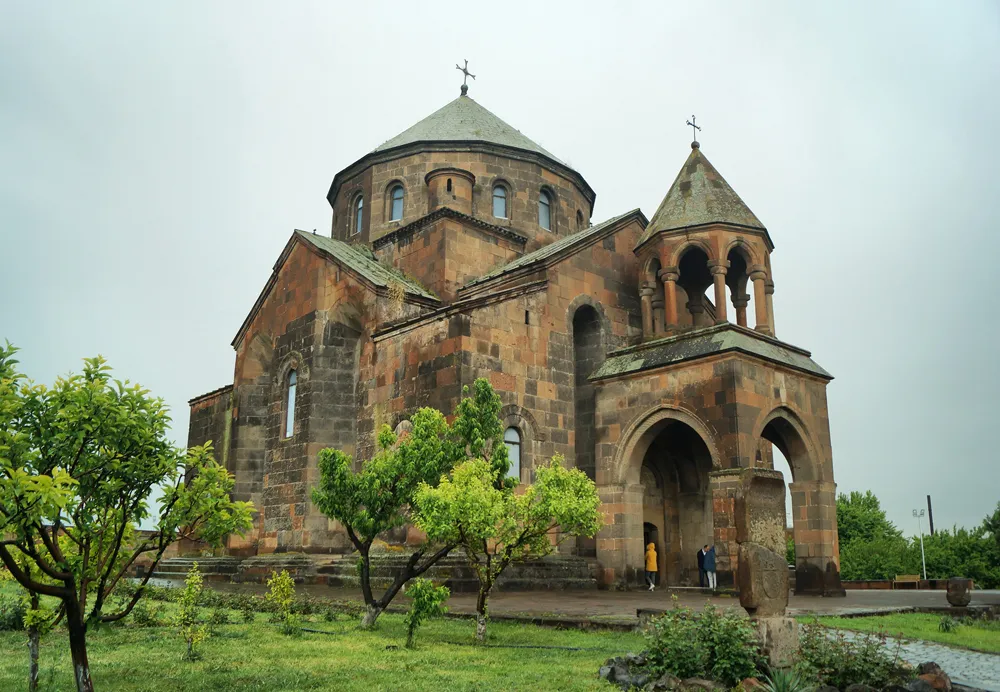
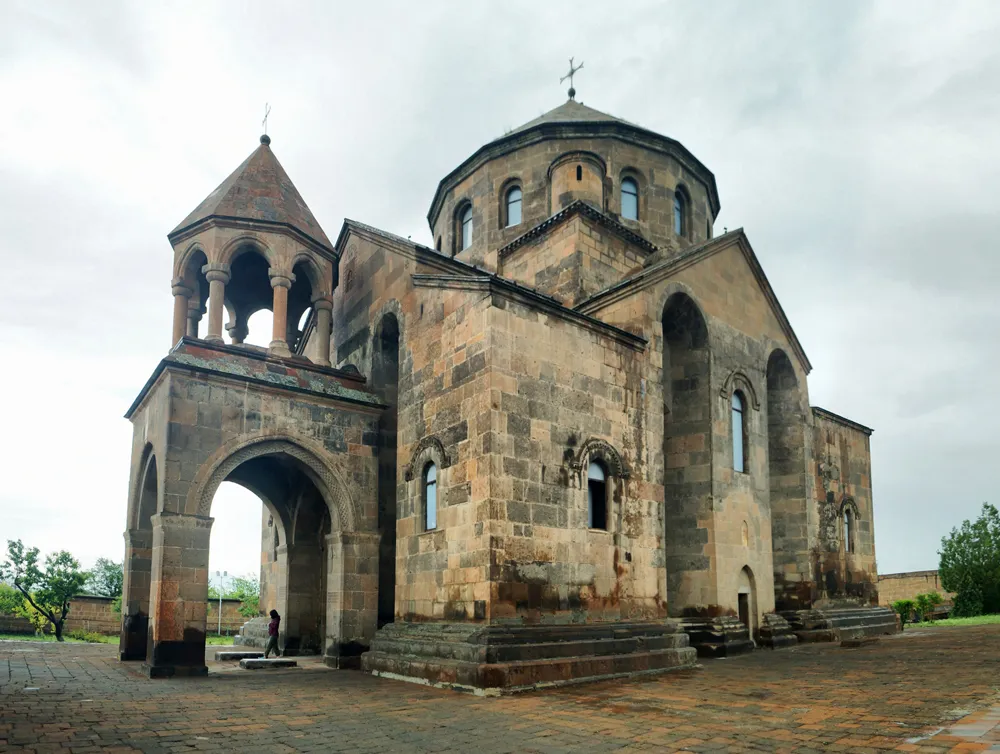
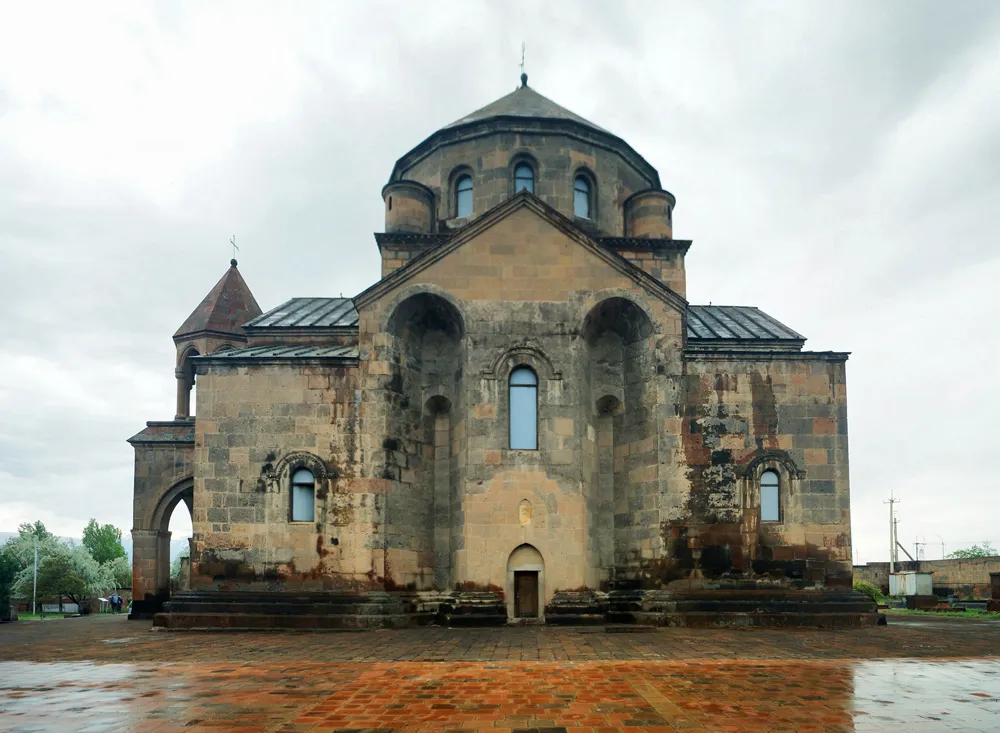
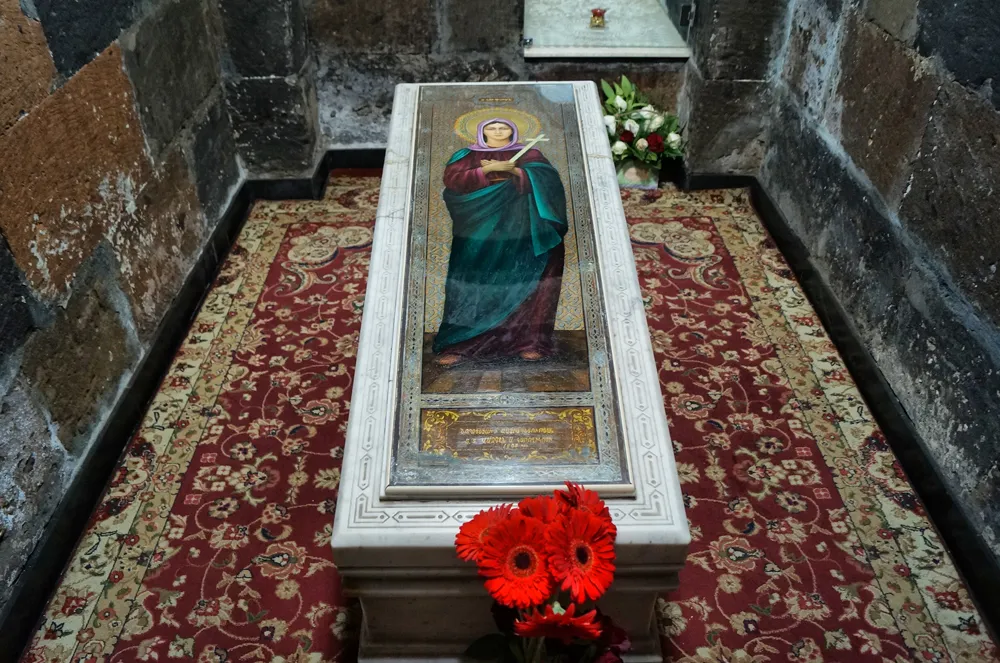
Church of St. Hripsime
In 301 the Mother Cathedral of Echmiadzin was founded, which exists to this day. It is the main shrine of Vagharshapat and perhaps the main shrine of all Armenia and the Armenians. At first, in the time of Gregory and Tiridates, it was built of wood, in the form of a basilica. In the 5th century the church was given a cross-shaped plan, and in the 7th it was rebuilt in stone. A major reconstruction of the cathedral took place in the 17th century – then it received its present dome and three-tiered bell tower. A hundred years later rotundas were added on three sides of the cathedral. Outside, the church is decorated with fairy-tale stone carving and bas-reliefs. The paintings of its interiors are masterpieces, among the best in Armenia, but during my visit to Vagharshapat (in 2021) the cathedral was closed for repairs, and I could not see the paintings or the holy relics kept in it. A good reason to return to Armenia once the repairs are finished. But I managed to see the other churches and architectural monuments of Vagharshapat.
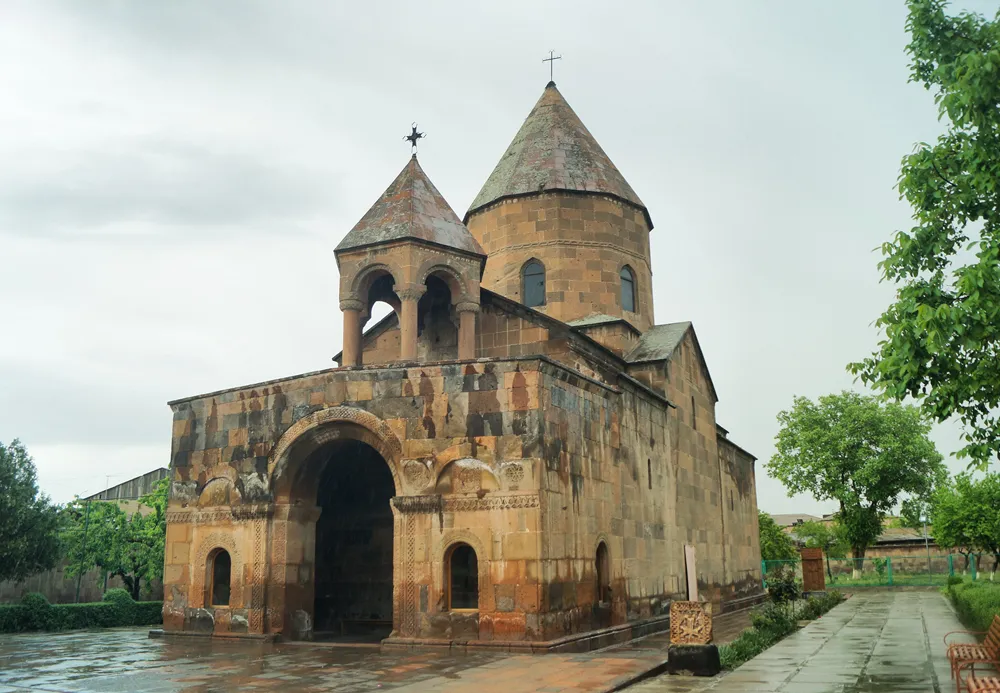
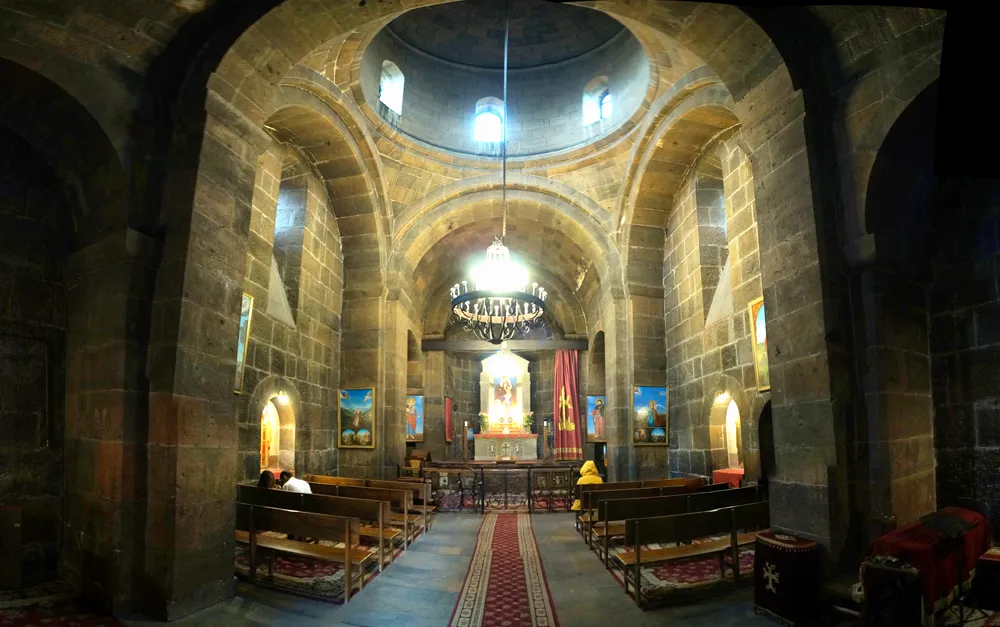
One of the most famous and interesting churches of Vagharshapat is the Church of St. Hripsime, built in 618. This church served as a model for many later Armenian churches, including in Ukraine – in Yalta, for example. Beneath the altar part, in the crypt, lies St. Hripsime, executed on the orders of Tiridates on this very spot. Not far from here her companion Shoghakat was executed. A chapel was built at the place of execution in the 4th century. In 1694 the Church of St. Shoghakat was built in place of the chapel. It is a beautiful church with no exterior decoration at all and not much inside either, but its colour is off the charts. The dome here is double, and it was built without intermediate supports. The church has a single entrance, on the western side, in front of which a gavit with a bell tower was built. In the crypt, near the altar, is the sarcophagus with the body of Shoghakat.
Church of St. Shoghakat
Church of St. Gayane
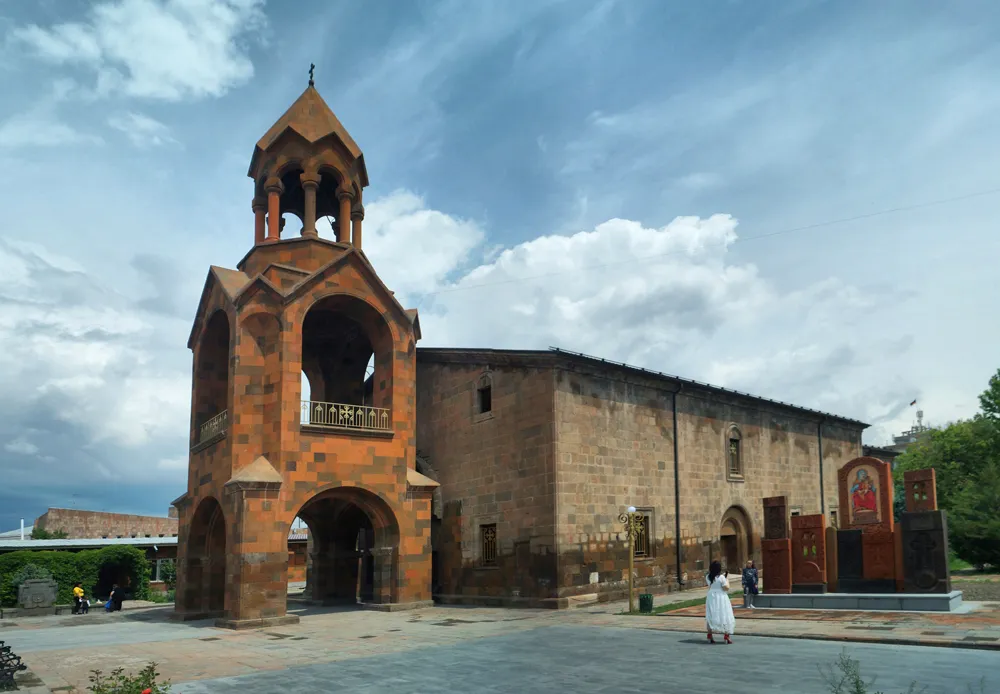
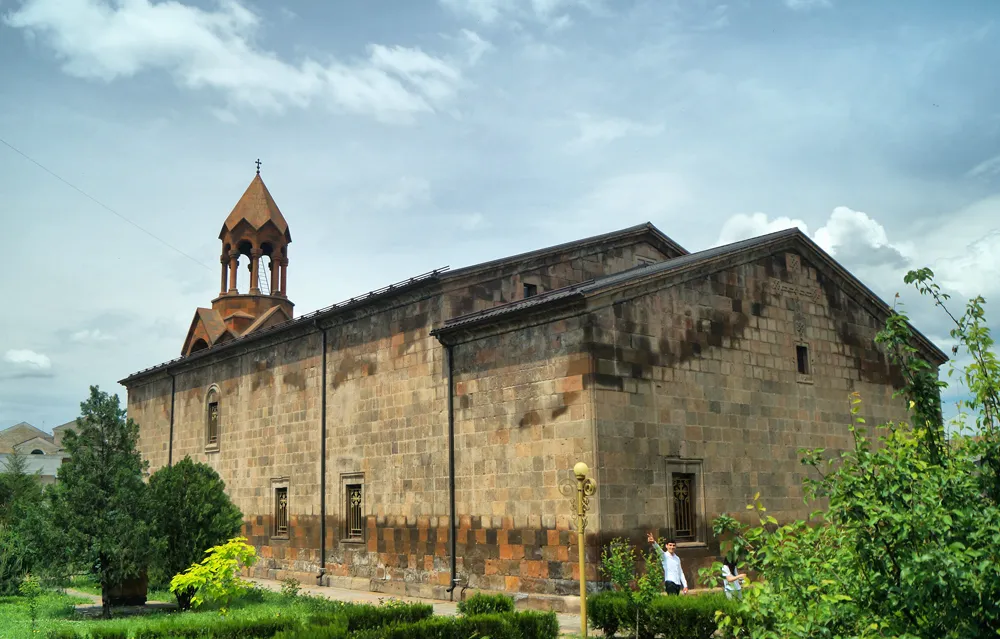
Church of the Mother of God
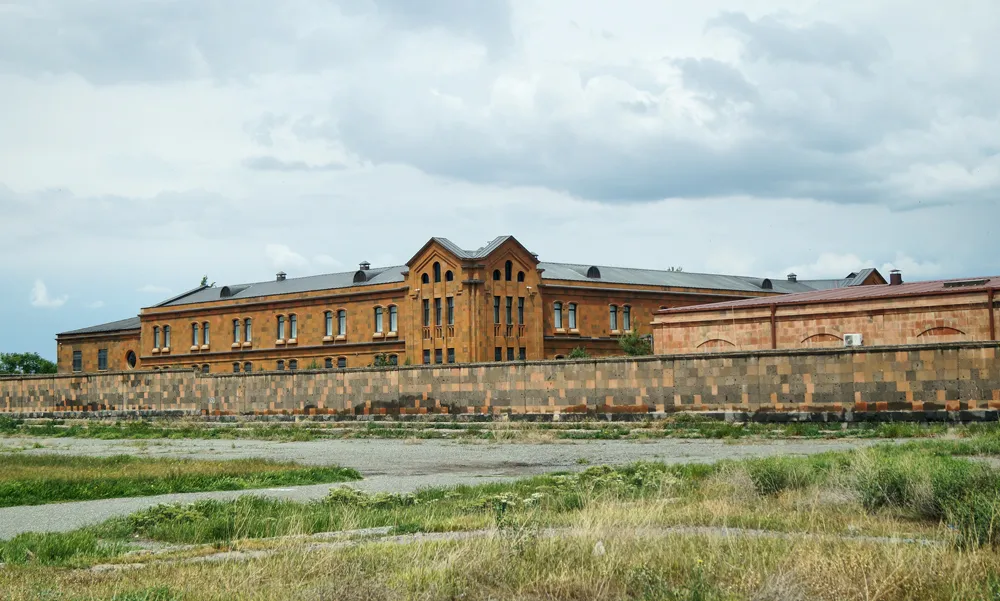
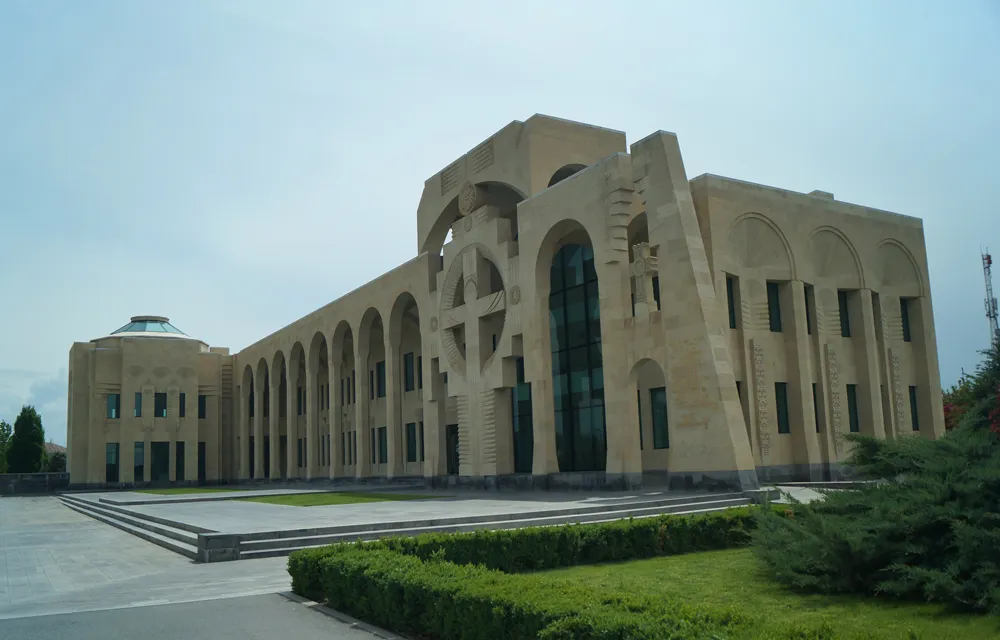
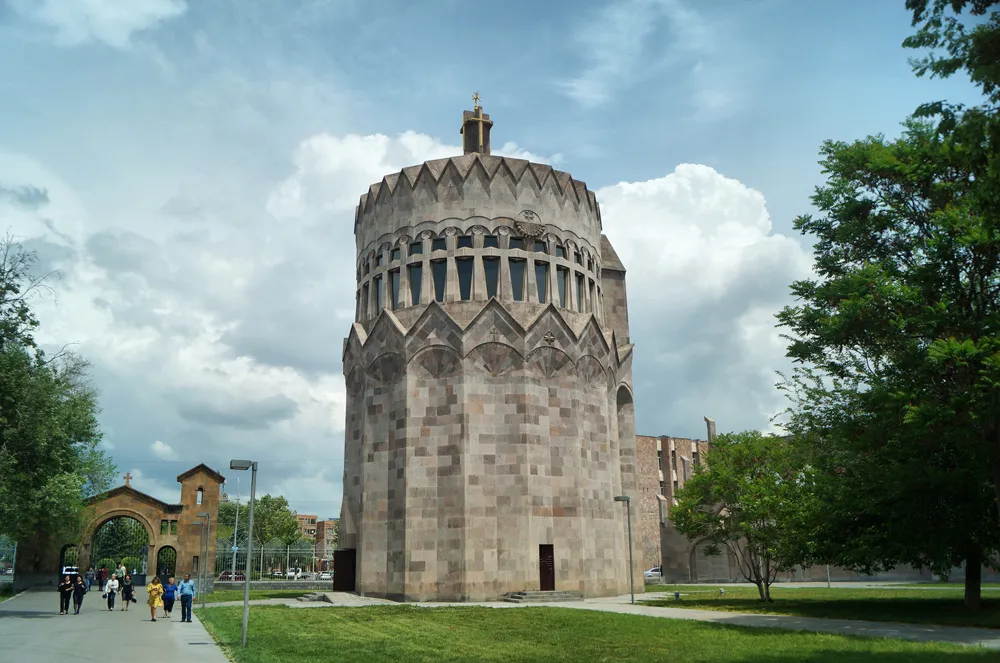
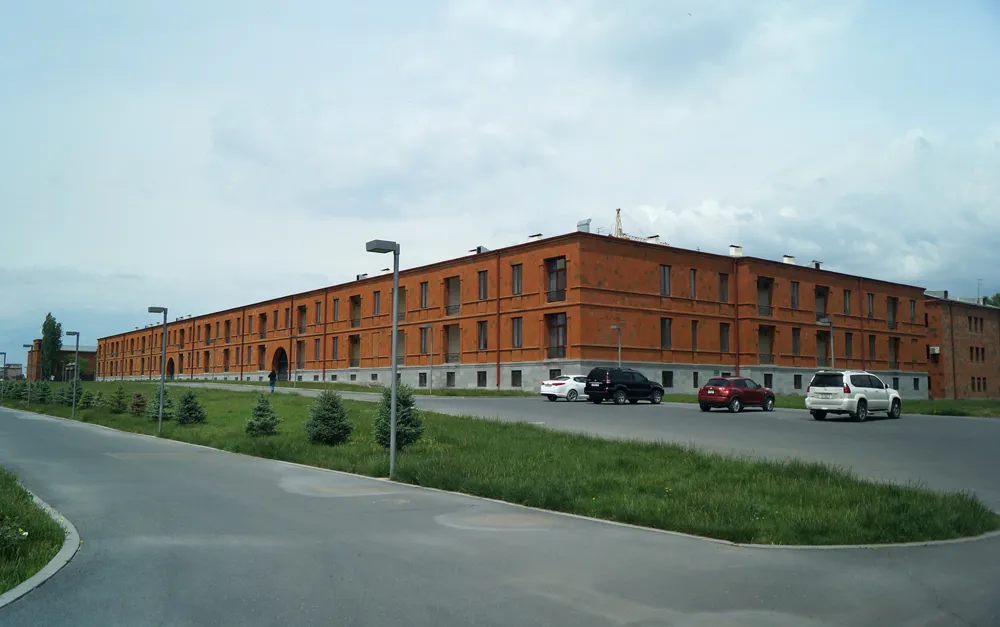
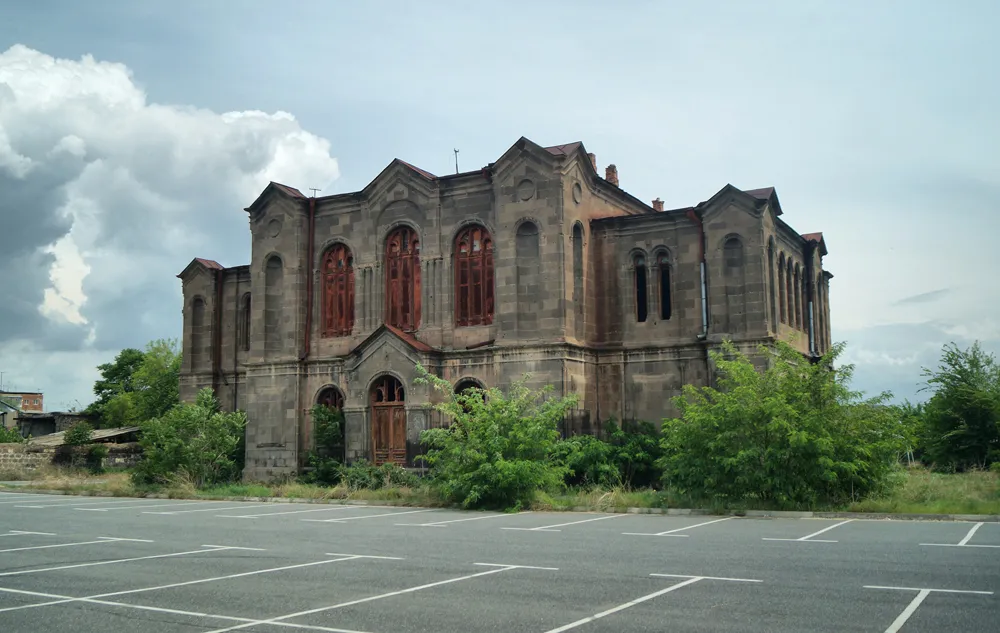
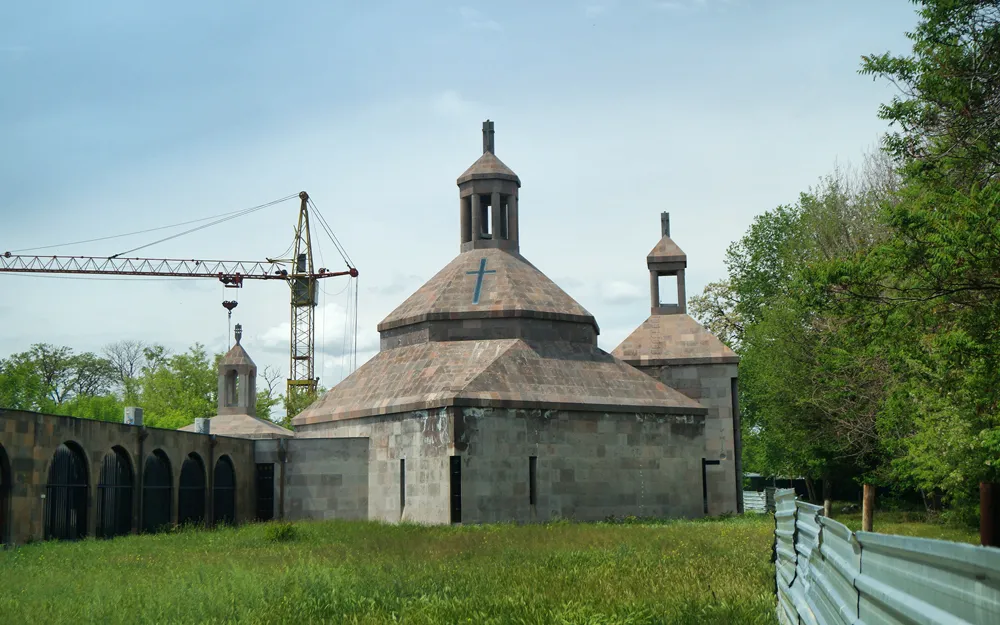
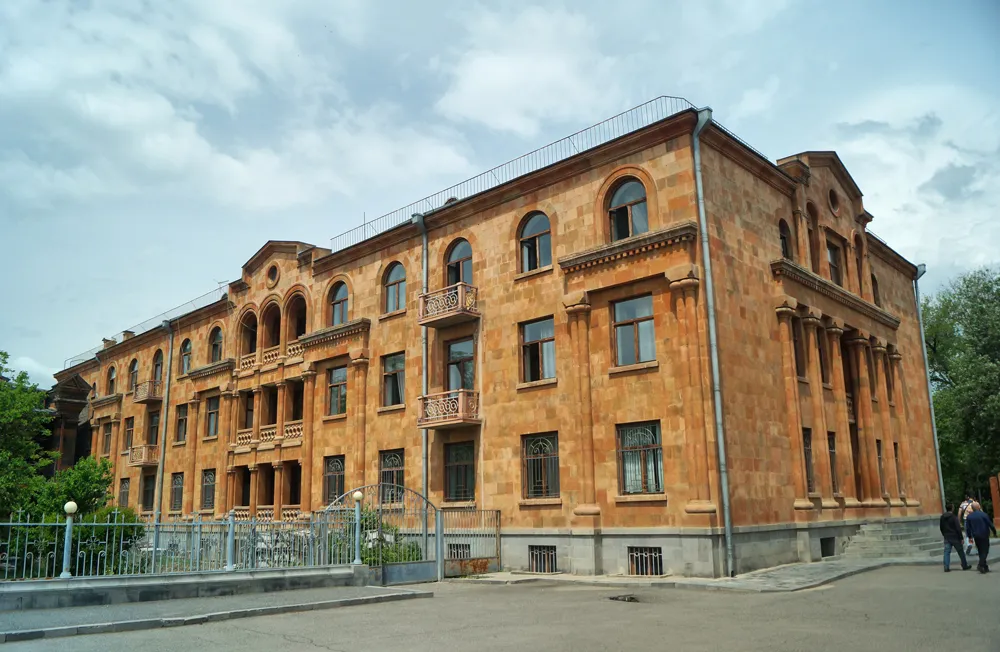
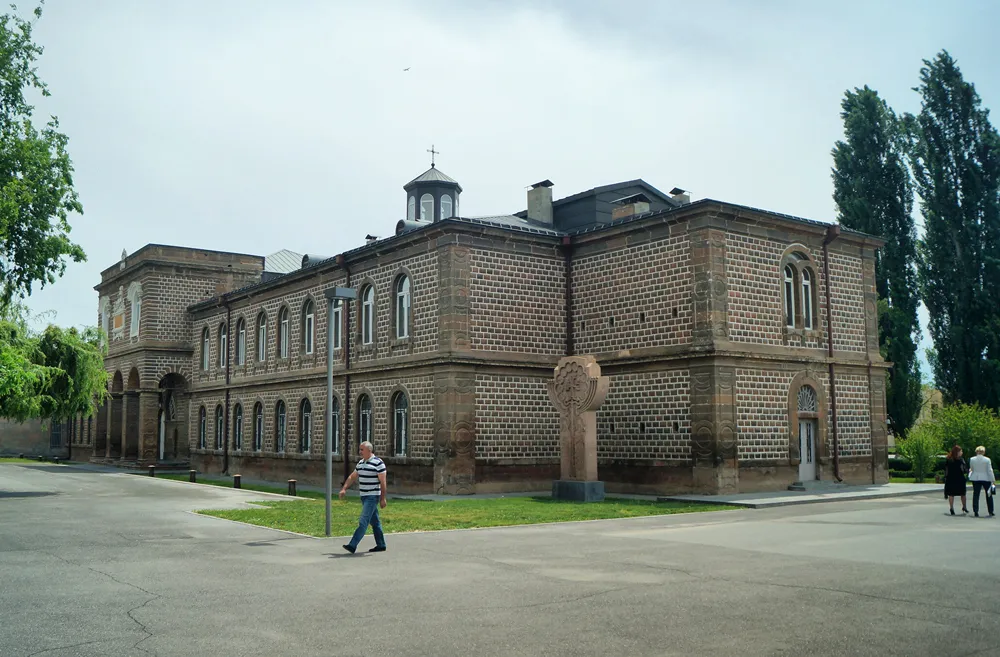
Near the cathedral there are a great many different buildings connected with Vagharshapat’s status as an ecclesiastical capital. These include the residence of the Patriarch – the Catholicos of All Armenians. It stands to the west of the cathedral, practically in the courtyard of the Echmiadzin monastery. To the east of the cathedral are the Christian education centre and the Gevorkian Seminary – a building with a wide dome over its central part. The seminary was built at the end of the 19th century. In the seminary courtyard, the wide round tower is the Church of the Holy Archangels, built in the 21st century (it was founded in 2007). On the other side of the seminary are an open-air altar and a large square. Behind the square stands a beautiful modern building – the Vache and Tamar Manoukian Manuscript Library.
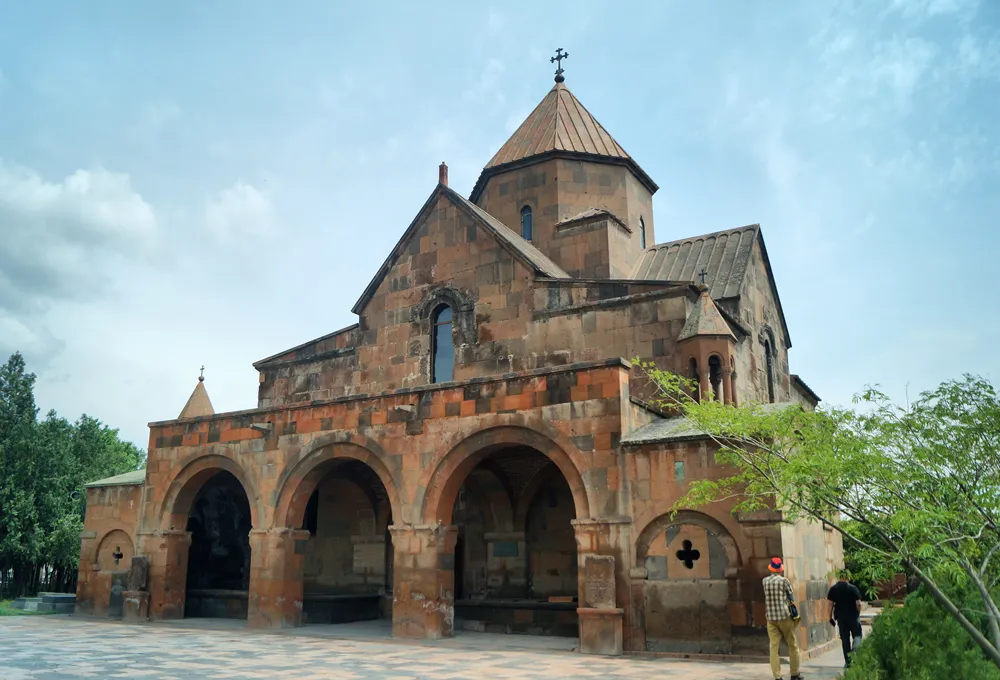
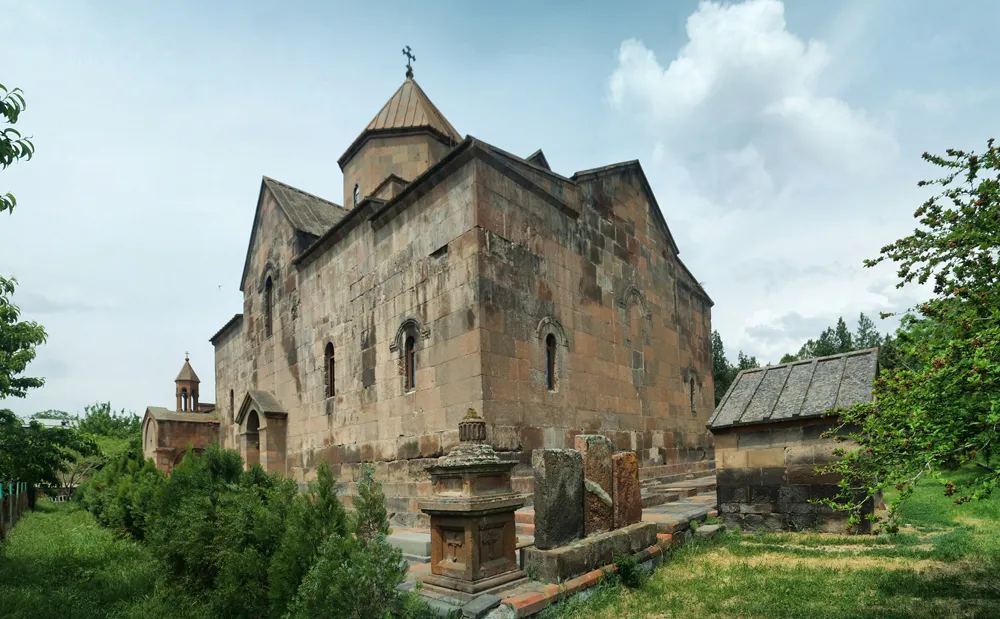
Another church that must be visited in Vagharshapat is the Church of St. Gayane, located 400 metres south of Echmiadzin Cathedral. According to legend, King Tiridates executed Gayane on the site of the church. It was a terrible torture – her legs were drilled through and she was hung head down, then, while still alive, her skin was flayed, her neck was cut and her tongue pulled out, her belly was slit, and only then was her head cut off… Brrr, how horrible…
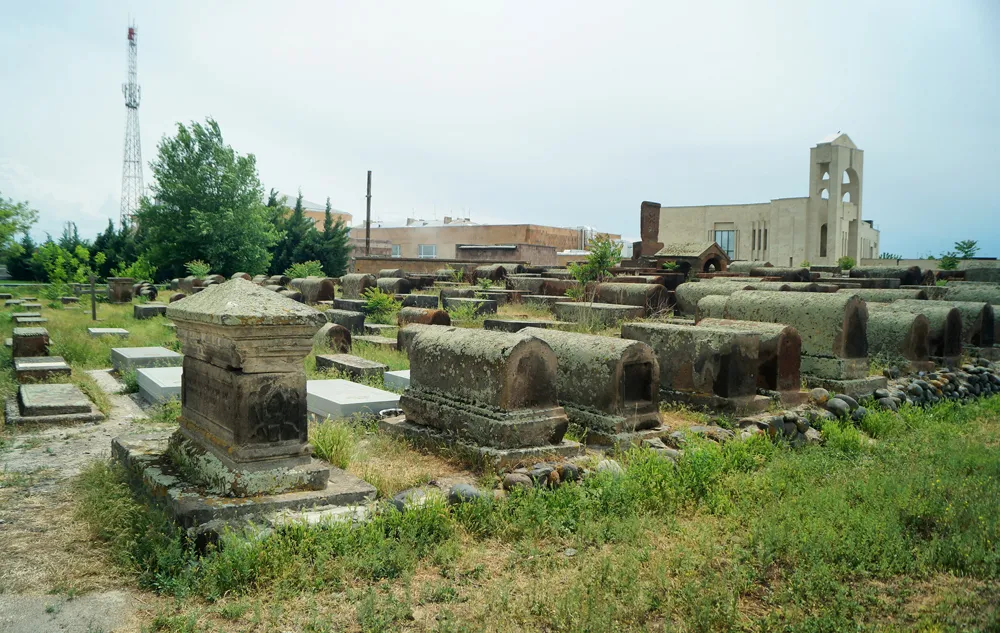
The church on the site of Gayane’s execution was built in 630, on the orders of Catholicos Ezra. Next to the altar part, in the crypt, lie the relics of the saint. Around the church there is a whole complex with chapels, a cemetery, outbuildings, a priest’s house and a gate. The Church of St. Gayane is a UNESCO World Heritage Site.
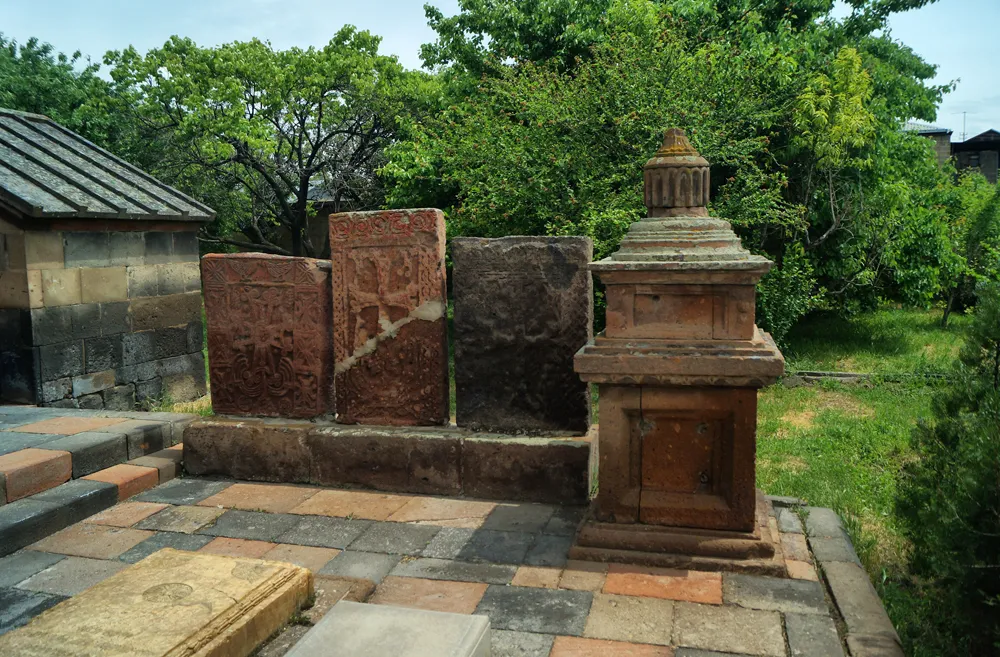
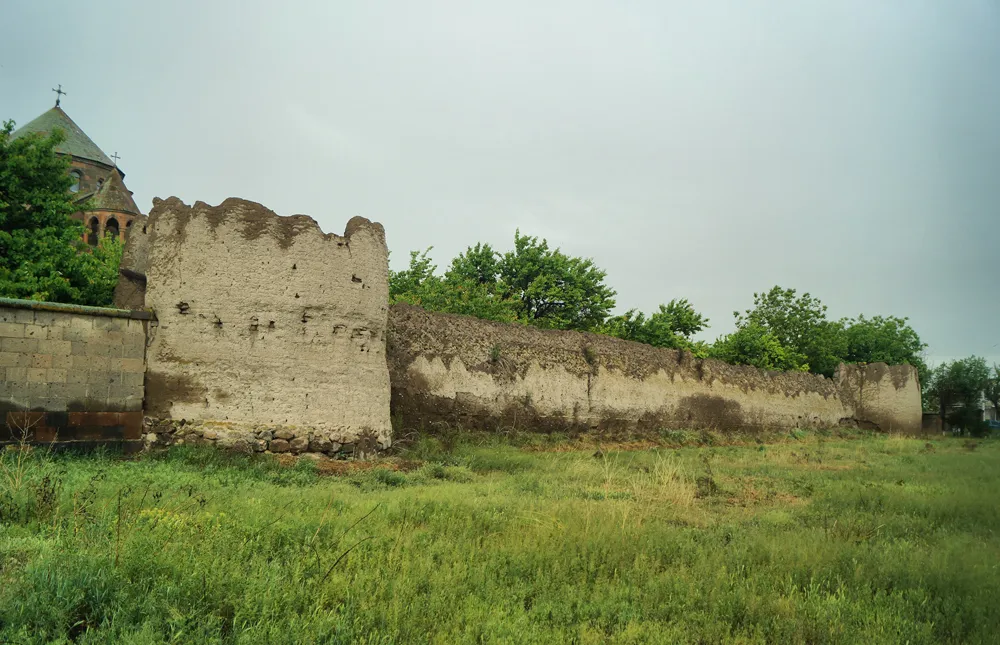
200 metres north of Echmiadzin Cathedral stands another interesting church – the Church of the Mother of God. At first glance it is a simple single-nave basilica without a dome, but it is very colourful inside, has a beautiful bell tower at the entrance built of multicoloured tuff, and many ancient khachkars are set into the walls of the church. For a long time this church was the centre of the Armavir diocese of the Armenian Church.
Vagharshapat has quite a few museums and art galleries. There are good restaurants with national cuisine. And on the eastern outskirts of the city lies Zvartnots – the ruins of a unique church, which are also included in the UNESCO World Heritage List.
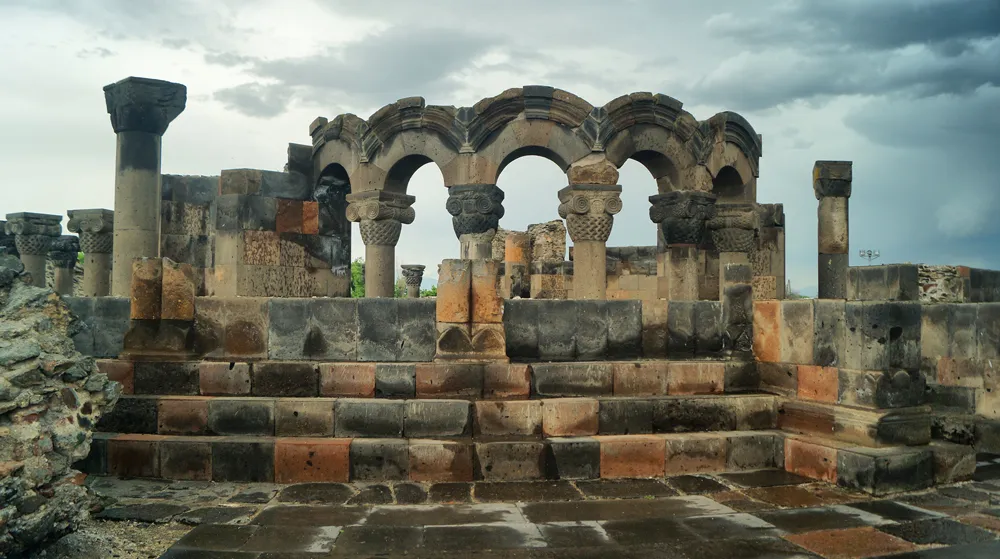
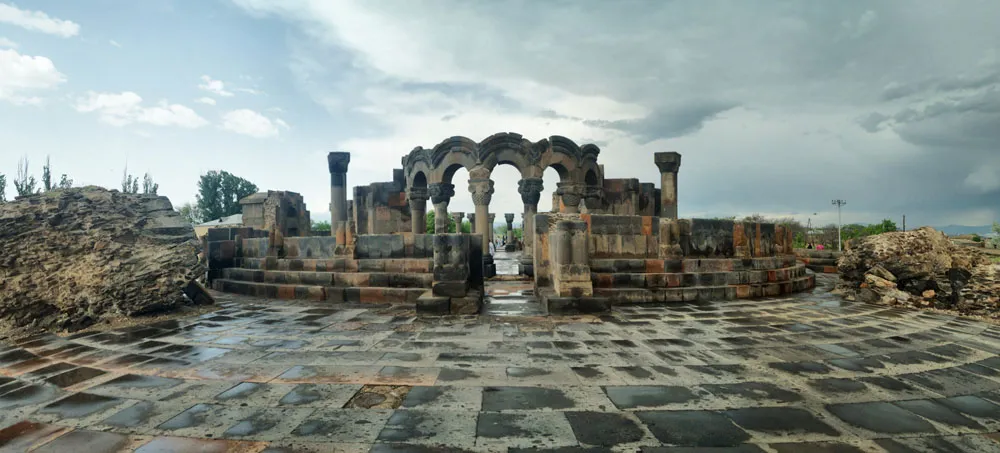
Zvartnots – the huge Cathedral of the Celestial Angels – was built in 641–662 by Catholicos Nerses III the Builder. The consecration ceremony was attended by the Byzantine emperor Constans II, who intended to build himself a similar church.
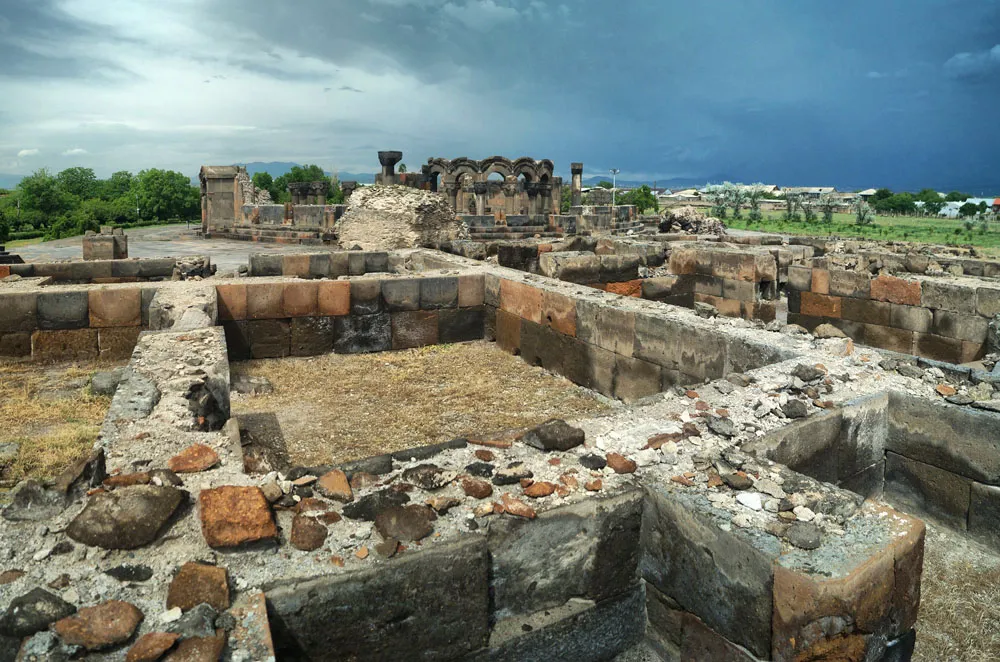
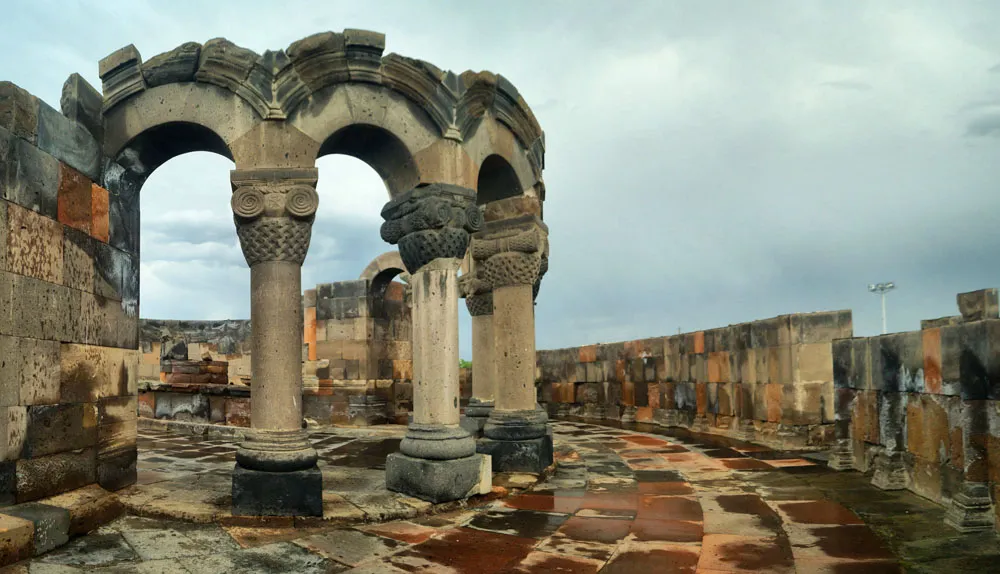
The cathedral was a three-tiered domed rotunda with a lower tier 36 metres in diameter. A cross was inscribed in the lower circle, its arms extending in semicircles beyond the lower tier, while the eastern arm formed the apse of the church.
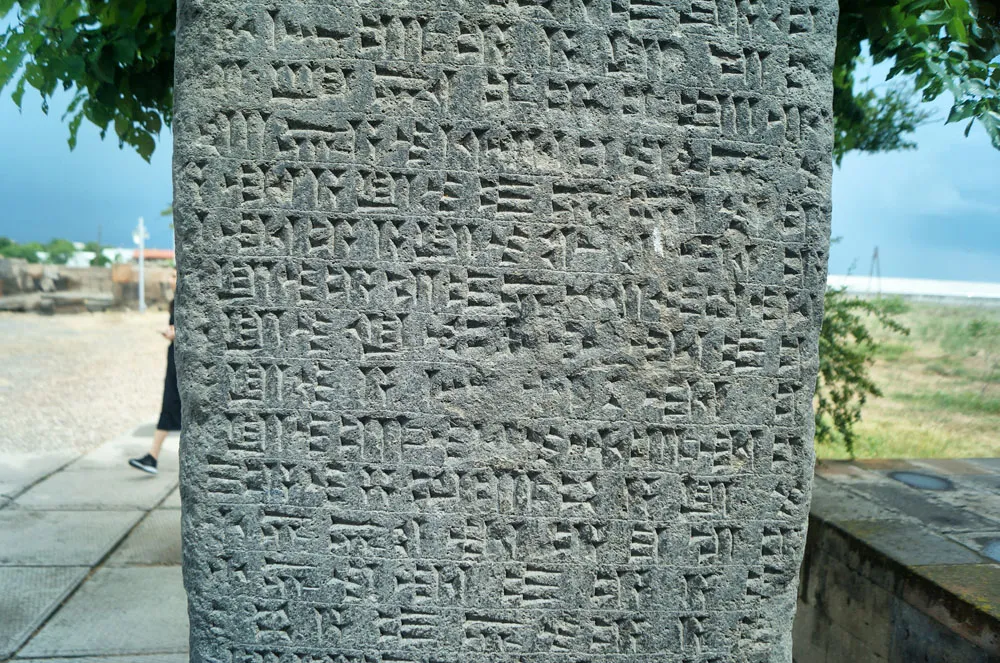
Zvartnots
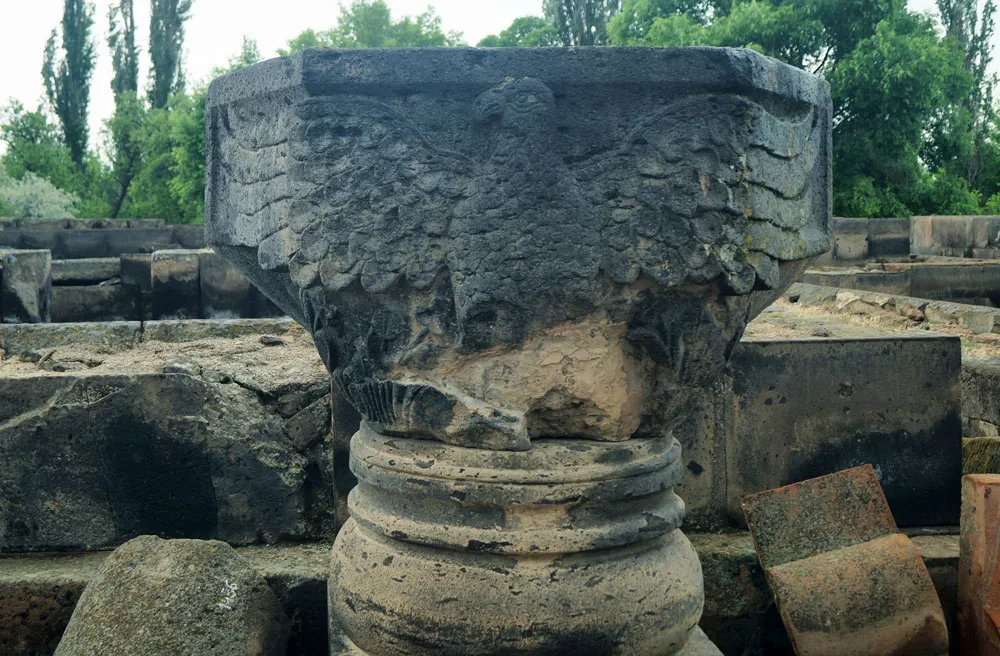
The church was extraordinarily decorated with columns, half-columns and bas-reliefs, but had weak structural joints, so in the 10th century, after an earthquake, it collapsed. Scholars claim that during its existence it became a standard and model for many Armenian churches, but no one rebuilt it. In time Zvartnots was forgotten. Only in 1901–1907 was the church excavated and studied. Today the lower tier of the church has been almost reconstructed, which allows one to imagine what it looked like. Next to the church stands a museum that tells about Zvartnots, its history and appearance. Yerevan’s main airport is named in honour of this church.
One can say that Vagharshapat is the main tourist city of Armenia. Armenians say: if you have not been to Echmiadzin, you have not been to Armenia.
Text and photos by Roman Malenkov.


